When you explore the history of the Tausūg people, you uncover a narrative rich with resilience and cultural depth. Their journey began with the Sultanate of Sulu, shaping their identity and societal structures. As you consider their maritime prowess and the influence of Islam, you'll find a community that has navigated both challenges and opportunities. What remains to be seen is how these elements continue to impact their future in a rapidly changing world.
Origins of the Tausūg People
The Tausūg people trace their origins to the rich tapestry of the Sulu Archipelago, where they’ve developed a unique identity shaped by their seafaring heritage and Islamic faith.
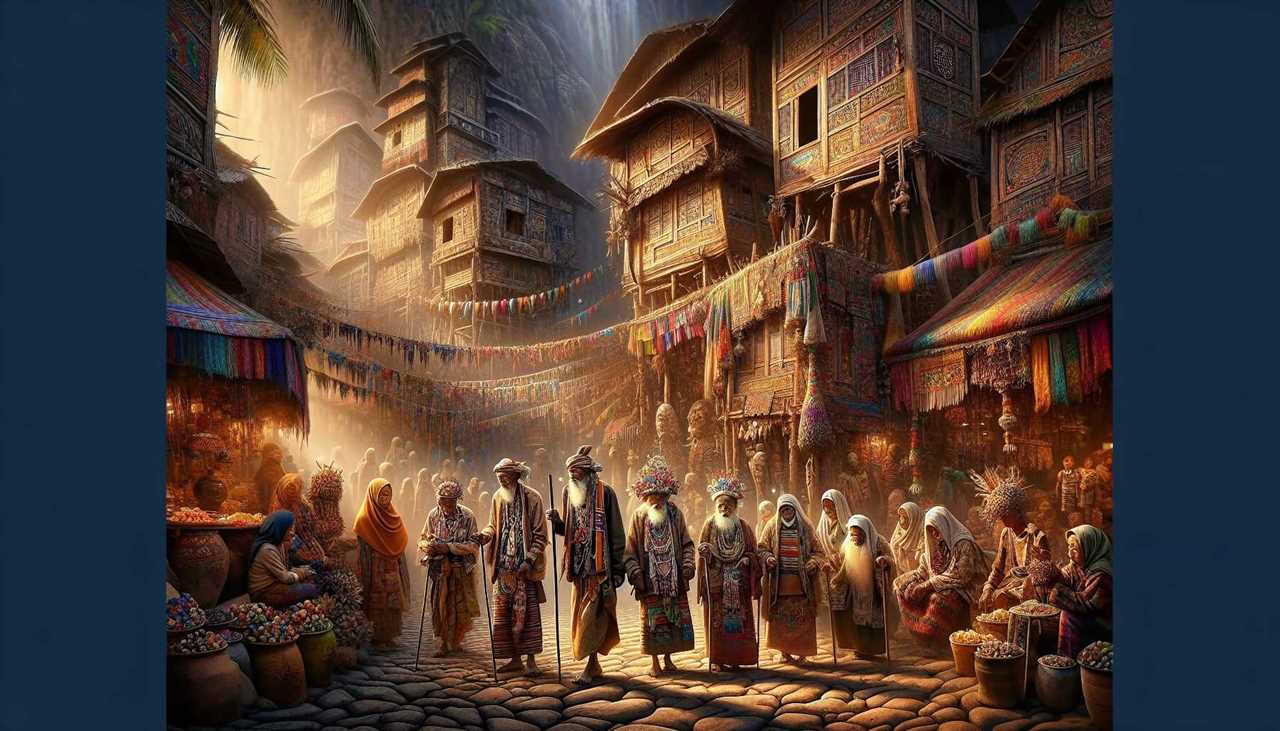
You’ll find that their history intertwines with the islands’ natural bounty, enabling them to thrive as skilled fishermen and traders. Their connection to the sea isn’t just a livelihood; it’s a vital part of their cultural identity.

You might notice how their traditions, music, and art reflect this maritime lifestyle. With Islam deeply embedded in their way of life, the Tausūg embraced values of community, hospitality, and respect for nature.
This strong foundation laid the groundwork for their resilience and adaptability, making them a significant cultural group within the Philippines.
The Rise of the Sultanate of Sulu
From this rich cultural backdrop, the Sultanate of Sulu emerged as a powerful political entity in the 15th century.
You'd witness a flourishing of trade, as the sultanate became a key player in the region, connecting the Philippines to other Southeast Asian markets. The Tausūg leaders established alliances with neighboring states and sought to expand their influence.
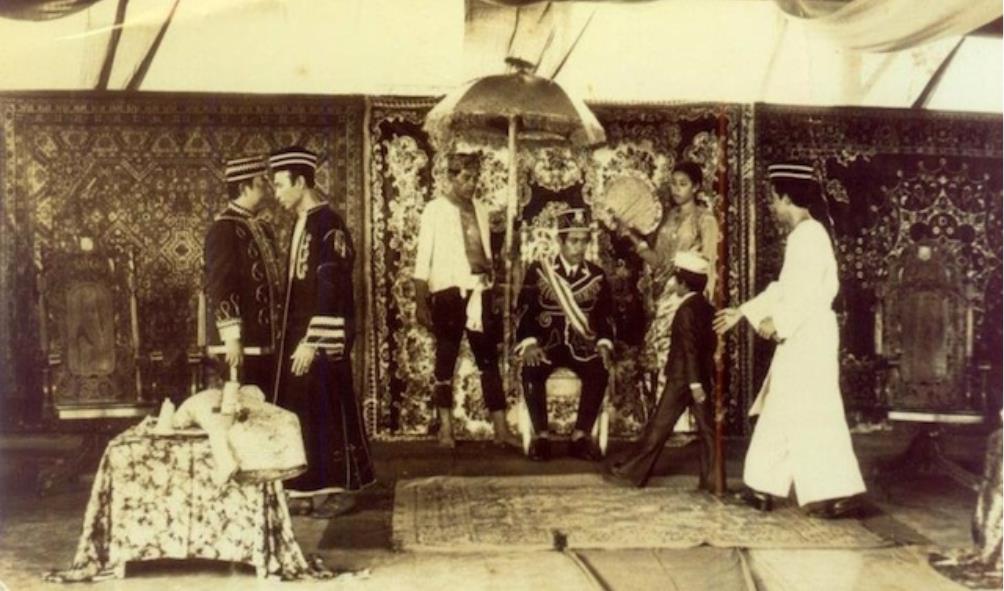
They embraced Islam, which united the people under a common faith, fostering a strong sense of identity. As the sultanate grew, it attracted scholars, traders, and artists, enriching the local culture.
You’d see the establishment of governance systems that integrated tradition with newfound Islamic principles, setting the stage for a vibrant political landscape that would shape the Tausūg people's future for centuries.
Traditional Tausūg Society and Culture
While navigating the vibrant world of the Tausūg people, you’d discover a society deeply rooted in tradition and rich cultural practices.
Family plays a central role, with strong bonds that shape every aspect of life. You’ll find a unique blend of Islamic faith and indigenous beliefs influencing their customs, festivals, and daily interactions.
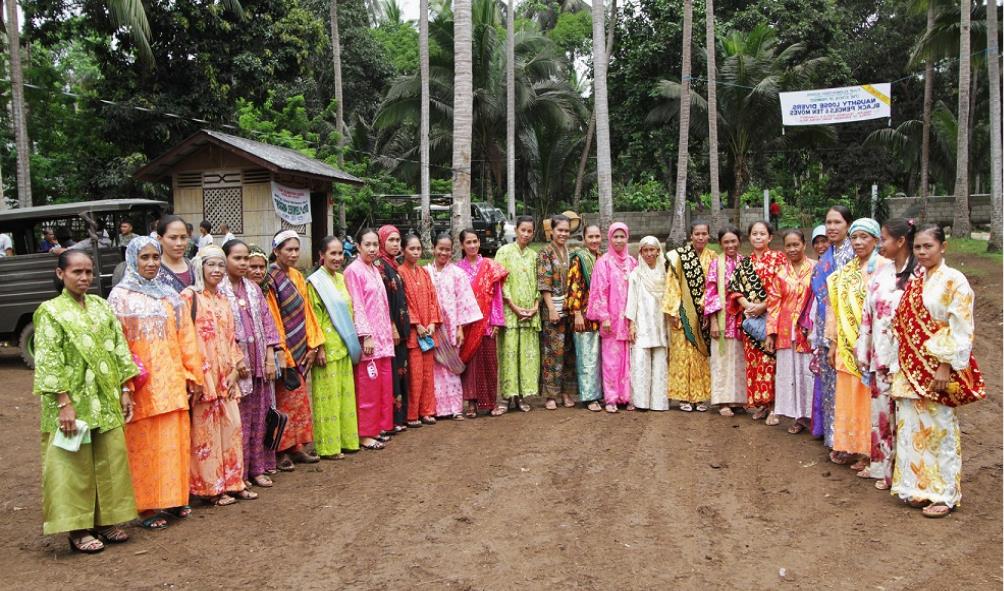
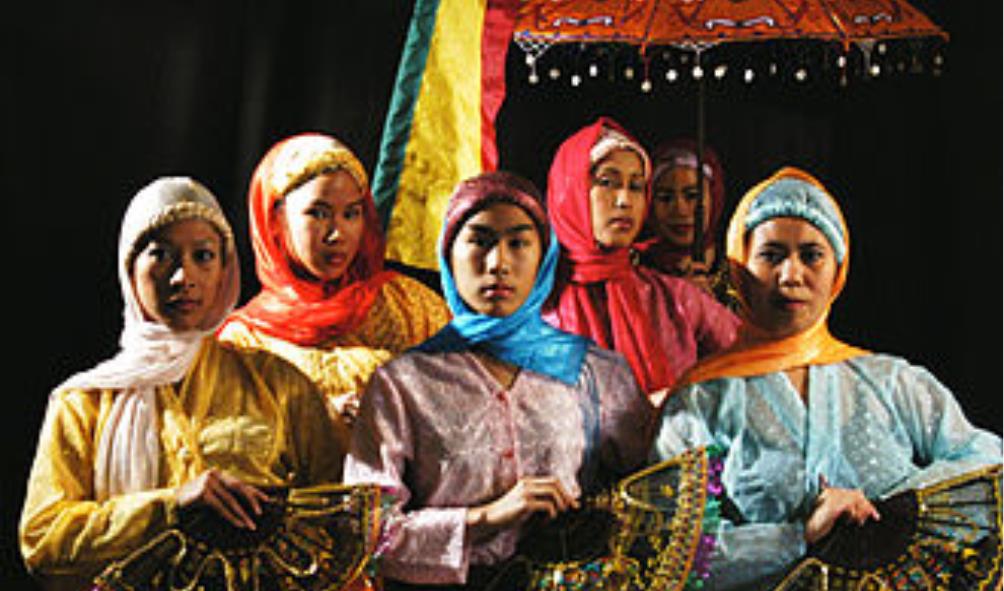
The Tausūg are known for their intricate arts, especially in weaving, music, and dance, each piece telling a story of their heritage.
Respect for elders is paramount, and you’ll see this reflected in the community’s decision-making processes.
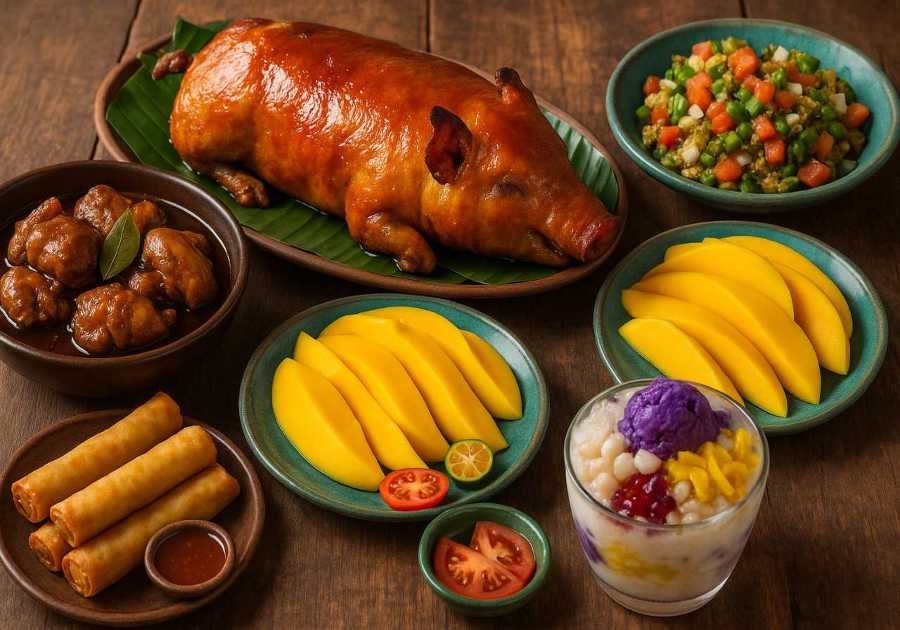
Food is another vital aspect, featuring dishes that showcase local ingredients and flavors, often shared during gatherings that strengthen ties among community members.
Seafaring Traditions and Maritime Skills
Tausūg culture thrives not just on land but also at sea, where seafaring traditions and maritime skills have shaped their identity for generations.
You’ll find that the Tausūg excel in navigating the intricate waters of the Sulu Archipelago. Their craftsmanship in building traditional boats, like the vintas, showcases their deep connection to the sea. These vibrant vessels aren't just for fishing; they’re a symbol of their heritage.
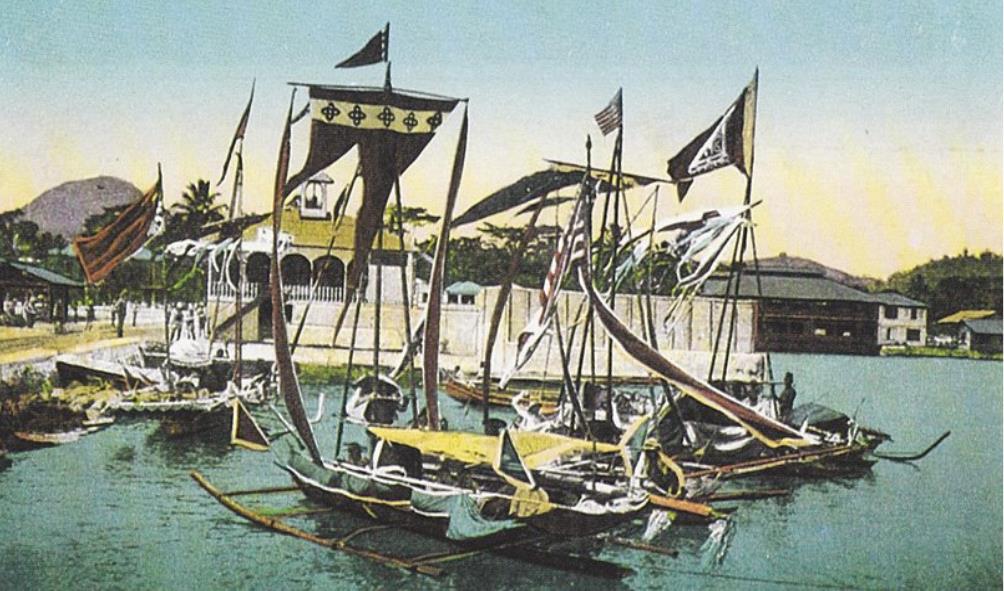
You might also notice the Tausūg’s impressive fishing techniques, which reflect their understanding of currents and marine life. This knowledge, passed down through generations, is essential for survival and sustenance.
The maritime lifestyle fosters a strong community, where knowledge sharing and collaboration are vital for thriving in the ever-changing ocean environment.
The Impact of Colonialism on the Tausūg
As colonial powers sought to expand their influence in the Philippines, the Tausūg faced significant shifts in their way of life.
You're witnessing the imposition of foreign governance, which disrupts traditional leadership structures and undermines local authority. The introduction of new economic systems alters your fishing and trading practices, forcing you to adapt to unfamiliar markets.
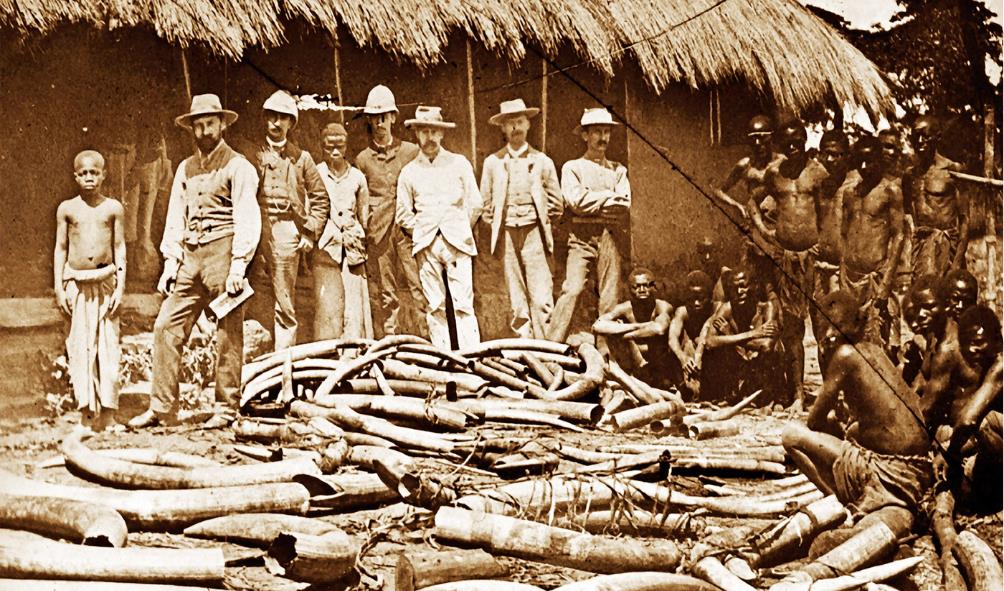
Education becomes a tool for control, promoting colonial values over your rich cultural heritage. As a result, you experience a gradual erosion of your language and customs.
Additionally, the encroachment of settlers leads to land disputes, further marginalizing the Tausūg community. This period of colonialism reshapes your identity, compelling you to navigate a complex landscape of resistance and adaptation to maintain your cultural legacy.
Resistance and Struggle for Autonomy
Despite the challenges posed by colonial rule, you and your fellow Tausūg have always found ways to assert your identity and resist foreign domination. Your struggle for autonomy is rooted in a rich history of fierce independence.
From forming alliances to engage in strategic warfare, you’ve demonstrated resilience against external forces. You’ve organized uprisings and rallies, standing firm against attempts to erase your culture.
Your community has cultivated leaders who inspire hope and unity, igniting a shared passion for self-determination. Even in the face of adversity, you’ve maintained your traditions, language, and customs, reinforcing your identity.
This unwavering spirit fuels your ongoing quest for autonomy, ensuring that the Tausūg legacy endures for generations to come.
The Role of Islam in Tausūg Identity
While navigating the complexities of identity, Islam has become a cornerstone of the Tausūg people's culture and values. You’ll find that their faith influences daily life, shaping customs, traditions, and social structures.
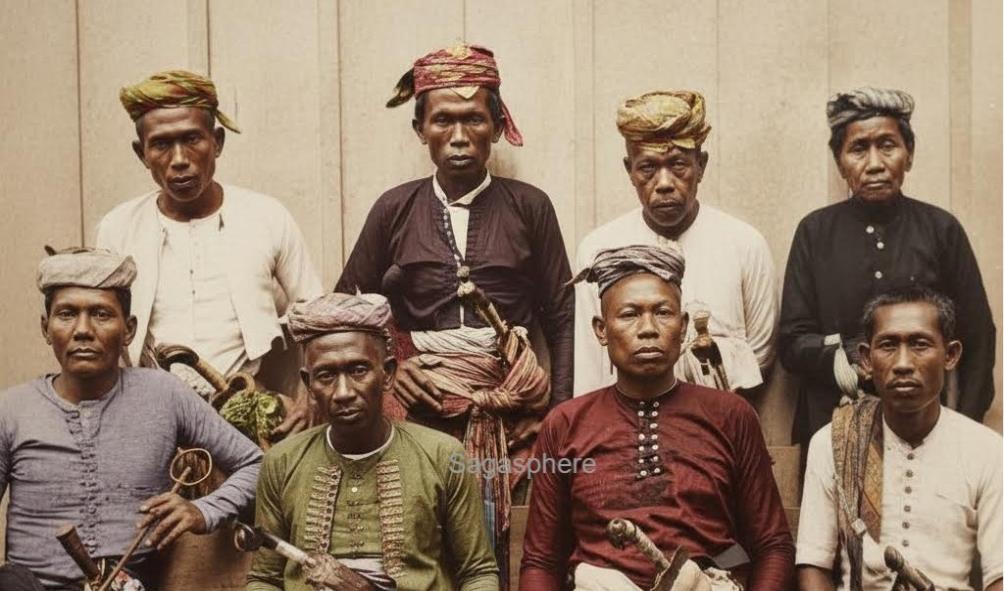
The Tausūg embrace Islam not just as a religion but as a vital component of their identity, providing a sense of belonging and unity. Rituals, from daily prayers to celebrations like Eid, strengthen communal bonds and reinforce shared beliefs.
Moreover, Islamic teachings guide moral conduct, fostering respect, generosity, and social responsibility among the Tausūg. As you delve deeper, you'll see how this spiritual foundation empowers individuals and communities alike, allowing them to navigate both personal and collective challenges while preserving their rich heritage.
Contemporary Challenges Faced by the Tausūg
Although the Tausūg people have a rich cultural heritage, they face numerous contemporary challenges that threaten their way of life. You might notice that socio-economic issues, such as poverty and limited access to education, hinder their progress.
Additionally, ongoing conflicts in the region create instability, impacting community safety and livelihood. You may also see that environmental degradation affects traditional fishing and farming practices, further straining resources.
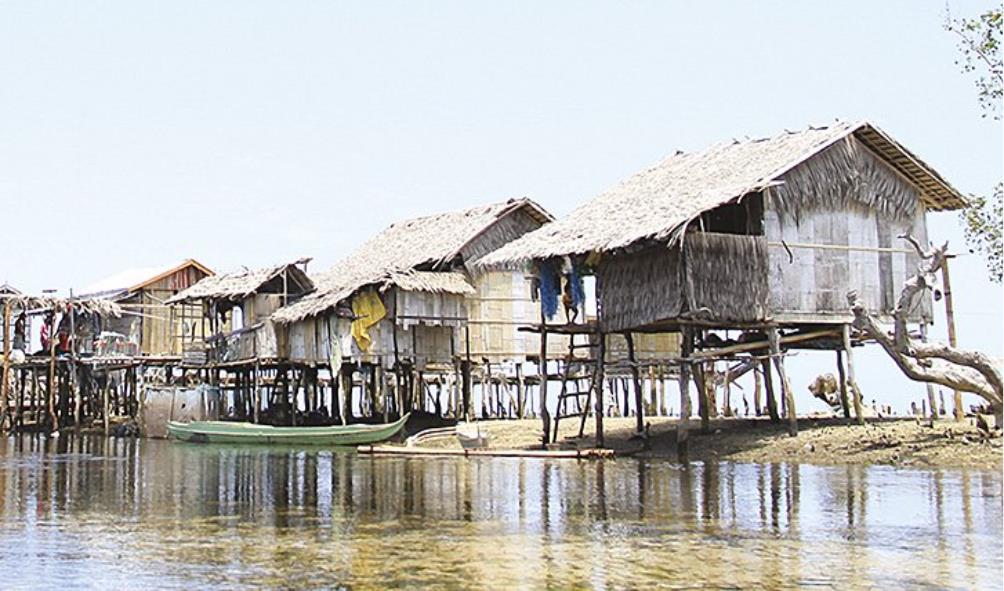
Discrimination and marginalization from broader Philippine society can leave you feeling frustrated and disconnected. Moreover, the influence of modernity often clashes with traditional values, leading to an identity crisis.
As you engage with the Tausūg community, understanding these challenges will help you appreciate their resilience and determination to maintain their identity in a rapidly changing world.
Preservation of Tausūg Heritage and Traditions
As the Tausūg people navigate the complexities of modern life, preserving their rich heritage and traditions becomes crucial for maintaining their identity.
You can play a vital role in this by actively engaging in cultural practices, like traditional dances, music, and storytelling. These activities reinforce community bonds and pass on values to younger generations. Supporting local artisans helps keep traditional crafts alive, making sure that craftspeople continue to thrive.
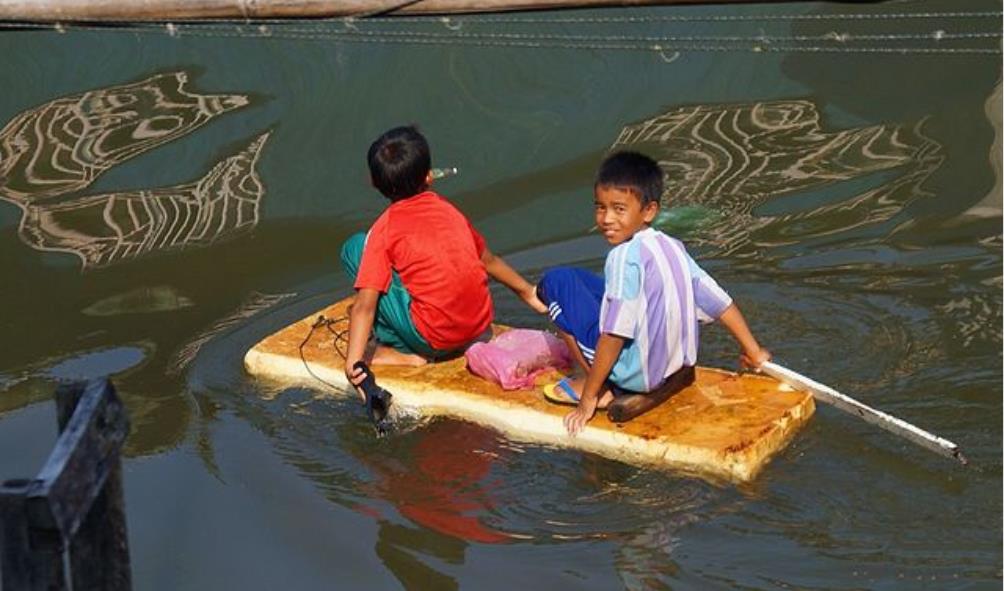
Additionally, participating in cultural festivals allows you to celebrate Tausūg history while fostering pride in your heritage. By documenting oral histories and customs, you help create a tangible record for future generations.
Embracing these practices ensures that the essence of Tausūg culture remains vibrant and relevant in today’s world.
The Future of the Tausūg People
The future of the Tausūg people hinges on their ability to balance tradition with modernity. You’ll witness a vibrant culture as they embrace new technologies while preserving their rich heritage.
Education plays a crucial role; by investing in schools, you can help empower the younger generation to explore opportunities beyond traditional roles. Economic development initiatives can support sustainable livelihoods, ensuring that the Tausūg community thrives.

Additionally, fostering intercultural dialogue will allow you to share your unique identity with the world, attracting tourism and interest in Tausūg arts.
As they navigate these challenges, the resilience and adaptability of the Tausūg people will shine through, paving the way for a brighter future that honors their past while welcoming new possibilities.
Conclusion
In understanding the Tausūg people, you recognize their rich heritage, resilience, and enduring spirit. Their unique blend of traditions and Islamic faith shapes their identity, even amidst modern challenges. As you explore their history and culture, you see the importance of preserving their legacy for future generations. By appreciating their journey, you contribute to the ongoing narrative of the Tausūg, ensuring that their vibrant stories and traditions continue to thrive in an ever-changing world.
Statistics
- Islam was introduced to the Tausūg people in the 14th century, significantly shaping their social structure and cultural practices.
- The Tausūg are renowned for their traditional arts, including intricate weaving and metalwork, which reflect their cultural heritage.
- The Tausūg people are one of the major ethnic groups in the Philippines, primarily residing in the Sulu Archipelago.
- Historically, the Tausūg have been known for their rich maritime culture, engaging in trade across the region as early as the 14th century.
External Links
- Sulu Archipelago: Tausug History - A resource detailing the historical events that have shaped the Tausūg community.
- ResearchGate: Tausug Culture and Traditions - An academic article discussing the cultural practices and traditions of the Tausūg community.
- Philippine History: Tausug People - A detailed account of the history and heritage of the Tausūg people within the context of Philippine history.
- Encyclopedia Britannica: Tausug - A comprehensive overview of the Tausūg people, their history, and cultural significance.
How to Understand the Historical Context of the Tausūg People
To grasp the historical context of the Tausūg people, begin by exploring their origins in the Sulu Archipelago. This region has been a melting pot of cultures due to its strategic location for trade routes since the 14th century. Research the influence of Islamic traders and the establishment of the Sultanate of Sulu, which played a pivotal role in shaping Tausūg identity. Utilize resources like academic articles, historical texts, and documentaries that provide insights into their social structure, resistance to colonial powers, and cultural practices. By piecing together these elements, you will gain a comprehensive understanding of the Tausūg's rich history and enduring legacy.
Want to travel with more time and freedom?
The freedom to travel! Discover free & unique homestays around the world, in exchange for caring for adorable pets.
https://escapetomexiconow.com/ths
Recommended Resources:
Adventure is calling — are you ready to answer? Discover new places, new lifestyles, and new possibilities in Mexico, Panama, or the Philippines.
https://escapetomexiconow.com/
https://escapetomexiconow.info/
https://escapetopanamanow.info/
https://escapetothephilippinesnow.com/
YouTube Channel:
Your next adventure starts here! Join us on YouTube for destination tours, insider advice, and everything you need to make your escape unforgettable.
https://www.youtube.com/@EscapeToMexicoNow