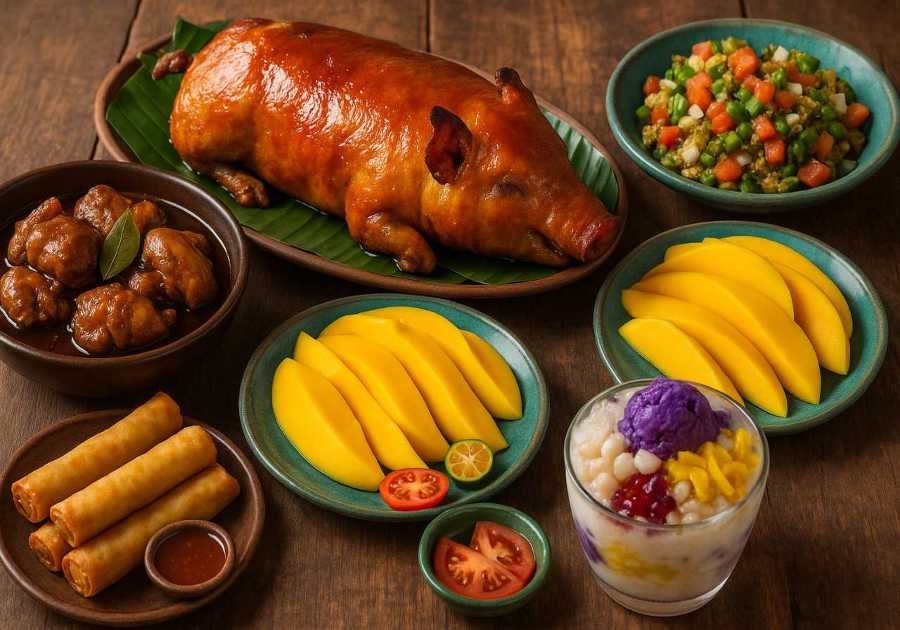

When you explore the history of Basilan, you uncover a complex narrative shaped by diverse cultures and significant events. From its indigenous roots to the impacts of colonization and global conflicts, each chapter reveals the island's resilience and evolution. As you consider its journey toward autonomy and the contemporary challenges it faces, you'll start to see how these elements intertwine to create Basilan's unique identity today. What lies ahead for this vibrant region?
Pre-Colonial Era and Indigenous Settlements
Before the arrival of colonial powers, Basilan was already home to diverse indigenous groups who thrived in a rich cultural landscape. You’d find the Samal, Tausug, and Yakan communities, each with unique traditions and social structures.
They cultivated the land, engaged in fishing, and traded with neighboring islands, establishing vibrant economies. Their spiritual beliefs, centered around nature and ancestral spirits, shaped their way of life, fostering a strong sense of identity and community.
You’d see intricate weaving, elaborate rituals, and traditional music that reflected their rich heritage. Interactions among these groups created a dynamic cultural tapestry, showcasing resilience and adaptability.
This pre-colonial era laid the groundwork for the island’s identity long before outside powers influenced its future.
Spanish Colonization and Its Impact
As Spanish colonizers arrived in the 16th century, they brought significant changes to Basilan, reshaping its social, political, and economic landscape.
You'd notice how they introduced Christianity, converting many indigenous people and establishing churches across the island. This religious shift altered cultural practices and community structures.

The Spanish also imposed a centralized government, impacting local governance and authority.
Economically, they introduced new agricultural practices, leading to the cultivation of crops like rice and sugarcane, which became vital for trade.
However, this colonization came with resistance; indigenous groups fought to maintain their autonomy.
The Role of Basilan in the American Period
During the American period, which began in 1898, Basilan played a crucial role in the broader efforts to establish control and governance in the Philippines. Its strategic location made it a vital point for military and trade operations.

You’d notice that the Americans fortified the island to safeguard against potential threats and ensure the flow of resources. The establishment of schools and infrastructure marked a significant shift in local governance, aiming to integrate the island into the American political framework.
The introduction of new agricultural practices also helped boost the local economy, engaging residents in various export-oriented activities. Overall, Basilan became an essential piece in the American strategy to maintain influence in the region, shaping its future development and integration into the nation.
World War II and Its Aftermath
While the onset of World War II brought significant turmoil to Basilan, it also revealed the island's strategic importance in the Pacific theater.
You'd see Japanese forces occupy Basilan in 1942, using it as a base for their operations. The local population faced hardships, including forced labor and food shortages.
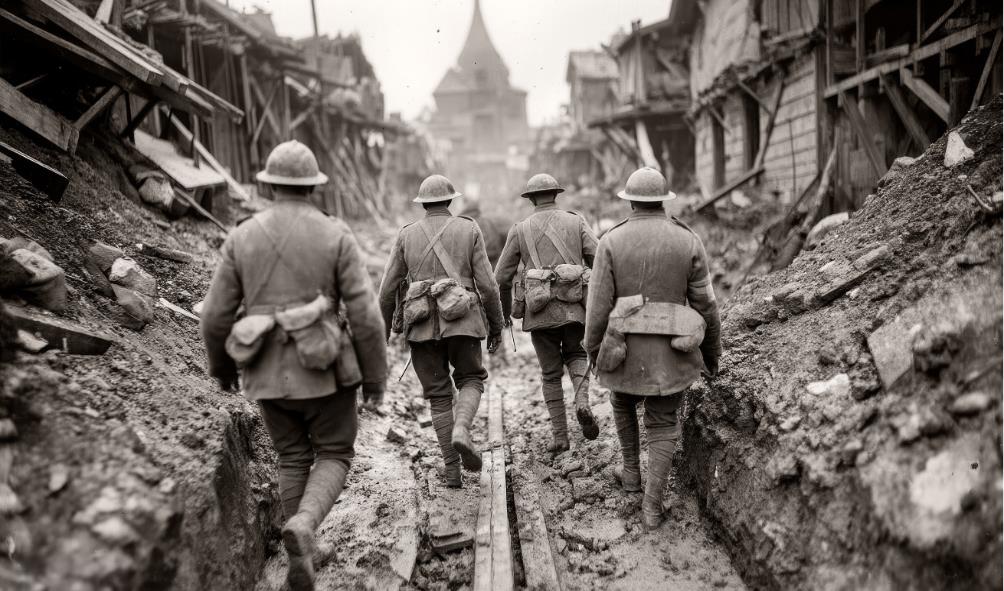
As the tide turned, American and Filipino troops launched counter-offensives, leading to the liberation of Basilan in 1945.
After the war, you’d notice the island grappling with the aftermath—destroyed infrastructure and a struggling economy. Many veterans returned, seeking to rebuild their lives amidst the ruins.
The scars of conflict lingered, but Basilan also began to reclaim its identity and resilience, setting the stage for future developments.
Post-Colonial Developments and Autonomy
The aftermath of World War II set the stage for significant changes in Basilan, particularly as the island began to navigate its post-colonial identity.
As the Philippines gained independence in 1946, Basilan faced challenges in establishing local governance and autonomy. You'd see an increased push for self-determination among the local population, driven by a desire for greater control over resources and decision-making.
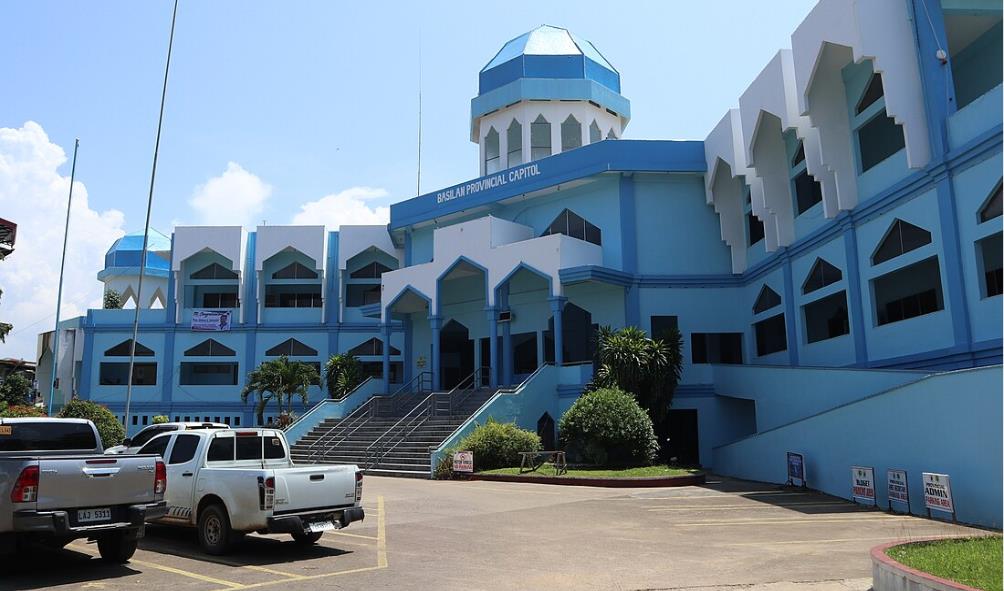
The establishment of the Autonomous Region in Muslim Mindanao (ARMM) in 1989 marked a pivotal moment for Basilan, granting it a degree of political autonomy. This move aimed to address historical grievances and foster economic development.
However, you’d notice ongoing struggles with peace and stability, as the quest for true autonomy continued to evolve amid complex social and political dynamics.
Cultural Diversity and Ethnic Groups
Basilan's cultural tapestry is woven from the threads of various ethnic groups, each contributing to the island's rich heritage.
You'll find the predominant Tausug and Yakan communities, whose unique customs and traditions shape local life. The Chavacano-speaking residents add a distinct linguistic flavor, while the Christian settlers bring their own customs and practices.
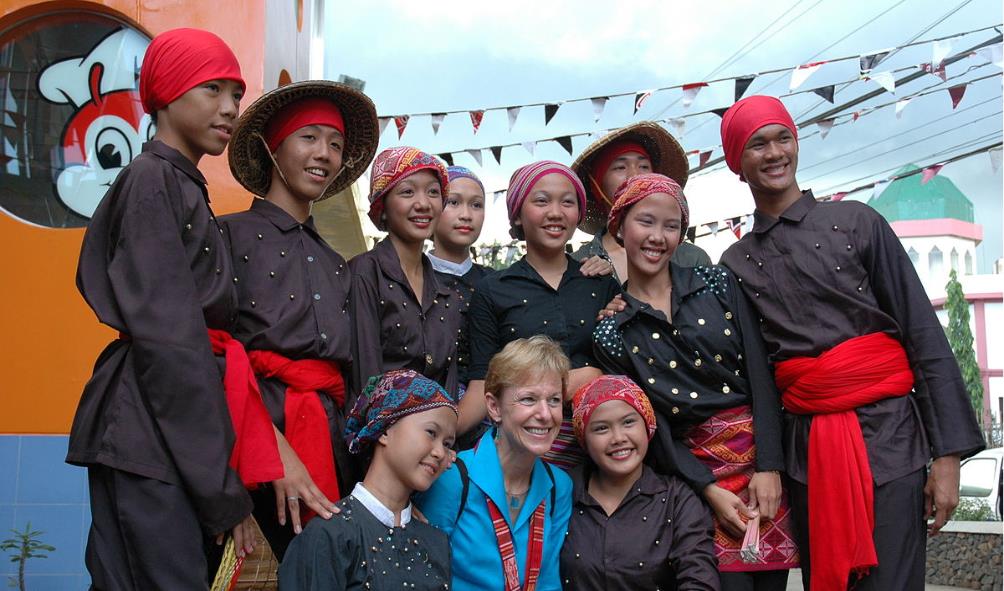
Festivals are a vibrant showcase of this diversity, featuring traditional music, dances, and culinary delights that reflect the island's multicultural spirit.
As you explore Basilan, you'll notice how these groups coexist, creating a symbiotic relationship that enriches the local culture. This blend of influences fosters a sense of unity, inviting you to appreciate the beautiful complexities of Basilan's identity.
Economic Changes and Modernization
As Basilan embraces modernization, economic changes are reshaping its landscape and offering new opportunities for growth.
You’ll notice new infrastructure projects, like roads and bridges, improving connectivity and access. These developments attract businesses, creating jobs and stimulating local economies.
Agriculture, once the backbone of Basilan, is evolving with modern techniques and technology, enhancing productivity.
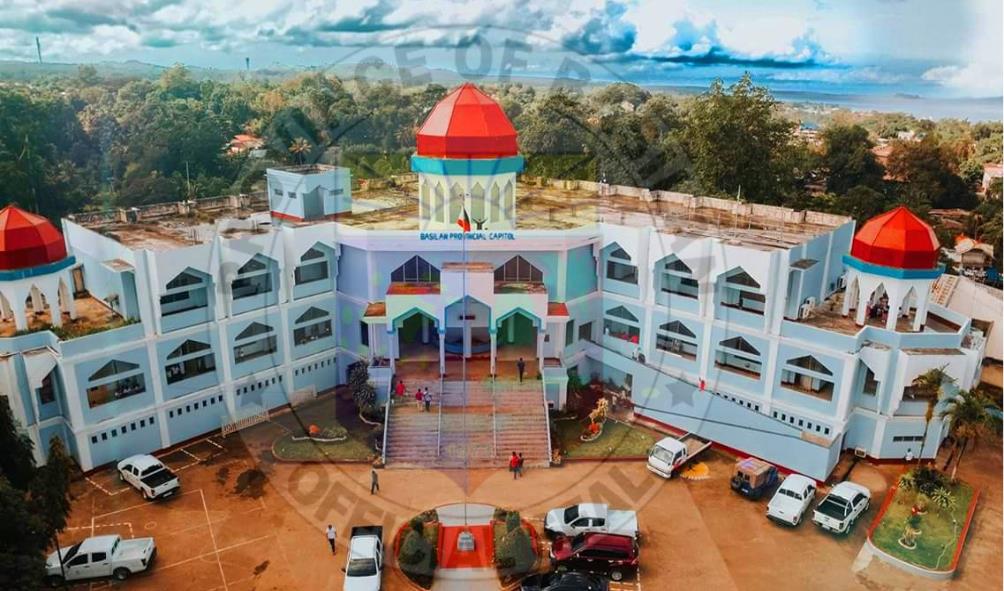
You might also see a rise in tourism, as the region showcases its natural beauty and rich culture. This influx not only boosts local businesses but also fosters a sense of pride among residents.
With education and training programs becoming more accessible, you can expect a more skilled workforce ready to meet the demands of a changing economy.
Basilan's future looks promising as it adapts to these shifts.
Contemporary Challenges and Issues
While embracing modernization, Basilan faces a range of contemporary challenges that could hinder its progress.
Security issues remain prevalent, with occasional conflicts affecting daily life and deterring investment. You might notice that infrastructure development lags behind, impacting transportation and access to essential services.
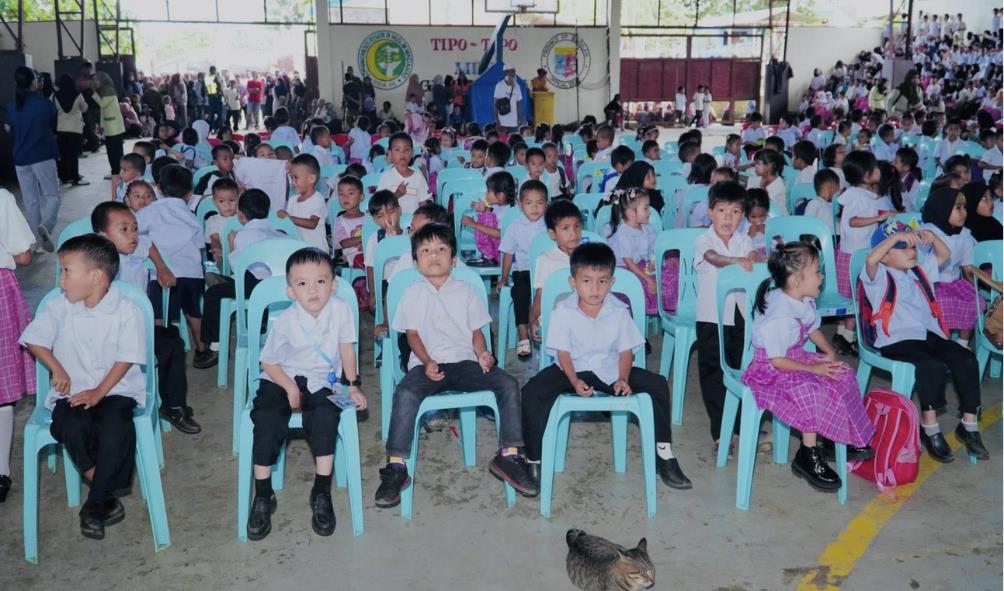
Education also struggles, as schools often lack resources and qualified teachers, limiting opportunities for the youth.
Environmental concerns, such as deforestation and waste management, pose additional threats to the region’s natural resources.
Furthermore, the local economy relies heavily on agriculture and fishing, making it vulnerable to climate change.
Addressing these challenges requires a collective effort from the government, communities, and other stakeholders to ensure a sustainable and prosperous future for Basilan.
Basilan's Heritage and Future Prospects
Although Basilan faces numerous challenges, its rich heritage offers a solid foundation for future growth and development. You can see this heritage reflected in the island's diverse cultures, traditions, and vibrant communities. Embracing this unique identity will foster unity and pride among residents.
By promoting local crafts, culinary arts, and festivals, you can attract tourism, creating job opportunities and stimulating the economy.
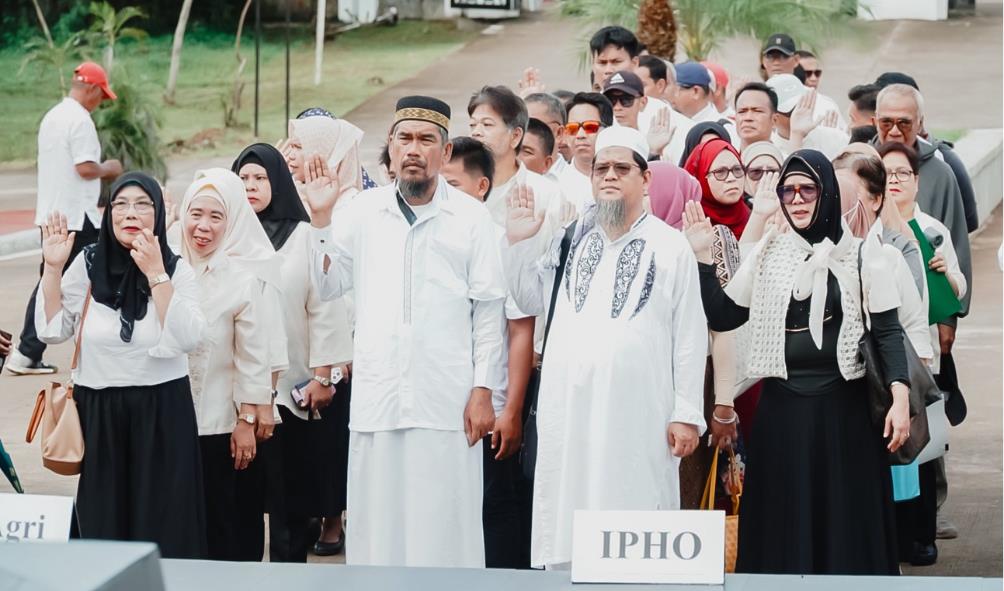
Investing in education and sustainable practices will empower the youth, ensuring they can carry forward Basilan's legacy. Collaborating with local organizations and government initiatives can pave the way for innovative solutions to ongoing issues.
Together, you can harness the island's cultural wealth and resilience to build a brighter future, ensuring Basilan thrives for generations to come.
Conclusion
In exploring Basilan's history, you've uncovered a rich blend of cultural evolution and resilience. From its indigenous roots to the impacts of colonization and modern challenges, you see how the people of Basilan continue to strive for autonomy and stability. As you reflect on its diverse heritage and vibrant communities, you can appreciate the island's journey and envision a future where its unique identity thrives amidst change and opportunity. Basilan's story is far from over; it’s just beginning.
Statistics
- The province of Basilan was officially established on September 17, 1973, separating from Zamboanga del Sur.
- As of 2020, Basilan had a population of approximately 529,673 residents.
- Basilan has over 400 public schools, contributing to its educational infrastructure since the 1950s.
- Historically, Basilan has been home to three major ethnic groups: Tausug, Yakan, and Chavacano, comprising over 80% of the population.
External Links
- Lonely Planet provides insights into Basilan's past and its impact on the present culture.
- The official Basilan provincial website presents a comprehensive history of the region.
- ResearchGate features scholarly articles detailing the historical developments of Basilan.
- Wikipedia's page on Basilan offers a detailed historical background of the island.
How to Assess the Geographical Significance of Basilan
Study the geographical features of Basilan, encompassing its 1,339 square kilometers area, to understand its strategic importance. Explore how the island's location has influenced its economic activities, such as agriculture and trade, as well as its historical interactions with neighboring regions. This geographical perspective is key to comprehending Basilan's role within the Philippines.
Want to travel with more time and freedom?
The freedom to travel! Discover free & unique homestays around the world, in exchange for caring for adorable pets.
https://escapetomexiconow.com/ths
Recommended Resources:
Your next chapter could start anywhere. From the vibrant streets of Mexico to the laid-back beauty of the Philippines, explore destinations where you can truly live your dream.
https://escapetomexiconow.com/
https://escapetomexiconow.info/
https://escapetopanamanow.info/
https://escapetothephilippinesnow.com/
YouTube Channel:
Want a closer look at life in Mexico? Subscribe to our YouTube channel for insider tips, travel guides, and inspiring stories that make planning your escape easier and more exciting.
https://www.youtube.com/@EscapeToMexicoNow