When you think about Quirino, you might picture its lush landscapes or vibrant festivals. But the province's history is far more complex. From its early indigenous settlements to the profound changes brought by colonization, every era has shaped its identity. Understanding these layers is crucial to grasping Quirino's unique character. So, what key events and figures contributed to this rich narrative?
Early Indigenous Settlements
Long before the arrival of Spanish colonizers, the region now known as Quirino was home to various indigenous groups.
These communities thrived, with rich cultures and traditions deeply intertwined with the land. You'd find people engaged in agriculture, hunting, and fishing, utilizing the region's abundant resources. They cultivated rice, root crops, and vegetables, ensuring their sustenance.
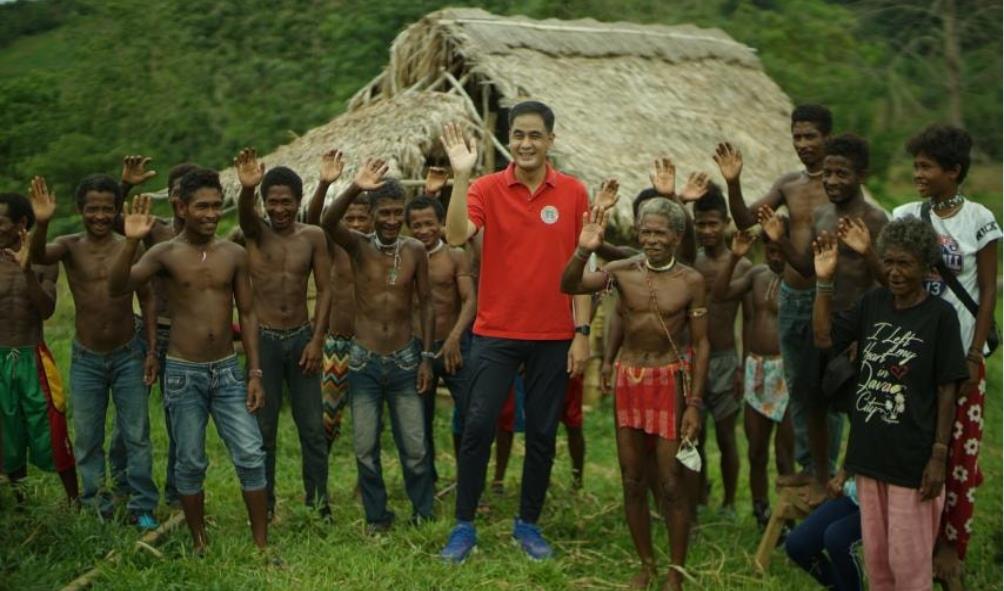
Social structures were often communal, with families working together to strengthen their bonds. Spiritual beliefs centered around nature, with rituals that honored the land and its spirits.
As you explore this history, you'll uncover the resilience and adaptability of these indigenous peoples, who laid the foundation for the cultural tapestry of Quirino long before outside influences began to reshape their world.
Spanish Colonization and Its Impact
As Spanish colonizers arrived in the Philippines in the late 16th century, they brought profound changes to the region now known as Quirino. Their influence reshaped local cultures, introducing Catholicism and new governance systems.
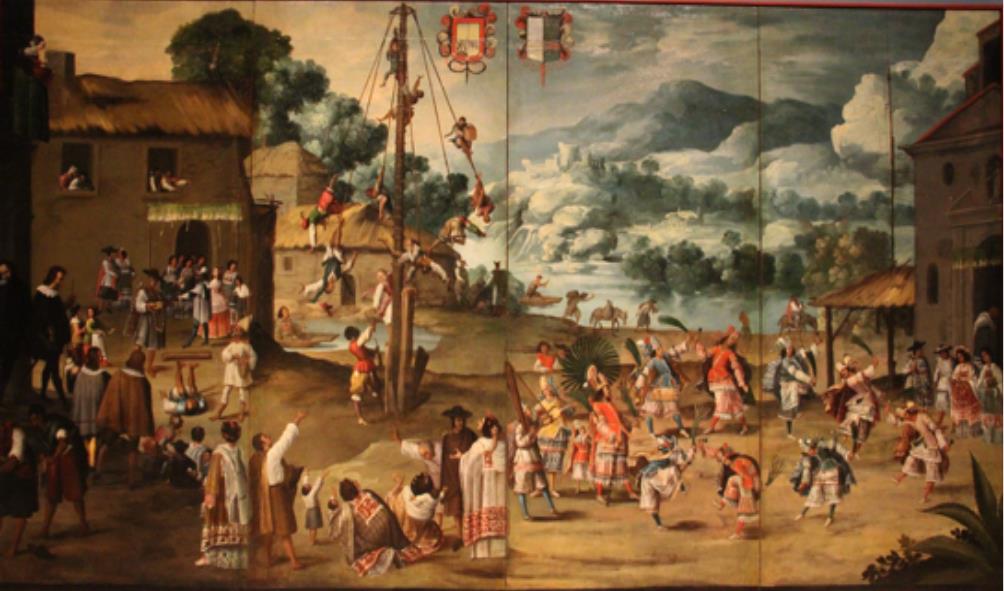
You'd notice how the indigenous communities adapted to new agricultural practices, which enhanced food production. The introduction of the Spanish language and education systems also left a lasting mark, creating a blend of linguistic and cultural heritage.
You might see the construction of churches and other infrastructures reflecting this colonial impact. However, this colonization also led to resistance and struggles among the locals, as they fought to preserve their traditions.
American Colonial Period
When the United States took control of the Philippines in 1898, the American Colonial Period ushered in significant changes for Quirino.
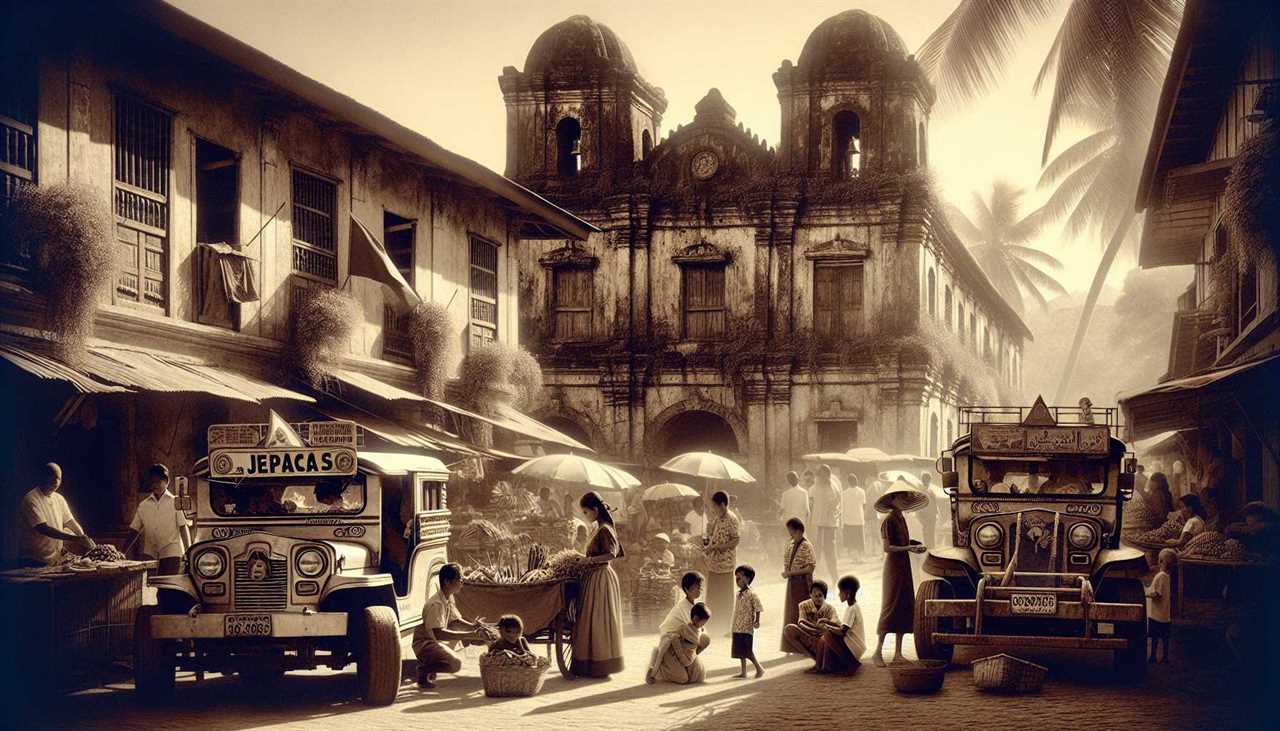
You’ll notice improvements in infrastructure, as roads and schools were built, enhancing connectivity and education in the region. The introduction of American governance brought new laws and policies, aiming to modernize local administration.
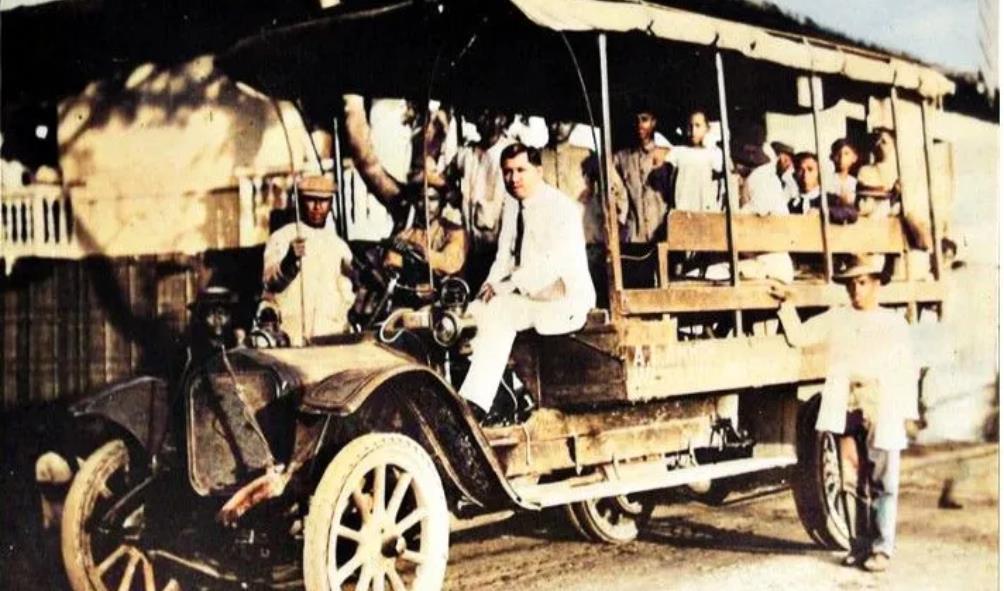
You might find it interesting that agriculture also saw changes, with new farming techniques and crops introduced to boost productivity.
The American influence changed cultural aspects too, as English became the medium of instruction in schools.
This period laid the groundwork for Quirino’s future development, transforming it from a largely agrarian society to a more diverse and dynamic community.
The Establishment of Quirino Province
Although the region had been part of neighboring provinces, Quirino officially became its own province on August 31, 1971. This significant change stemmed from the need for local governance that could better address the unique needs of its residents.
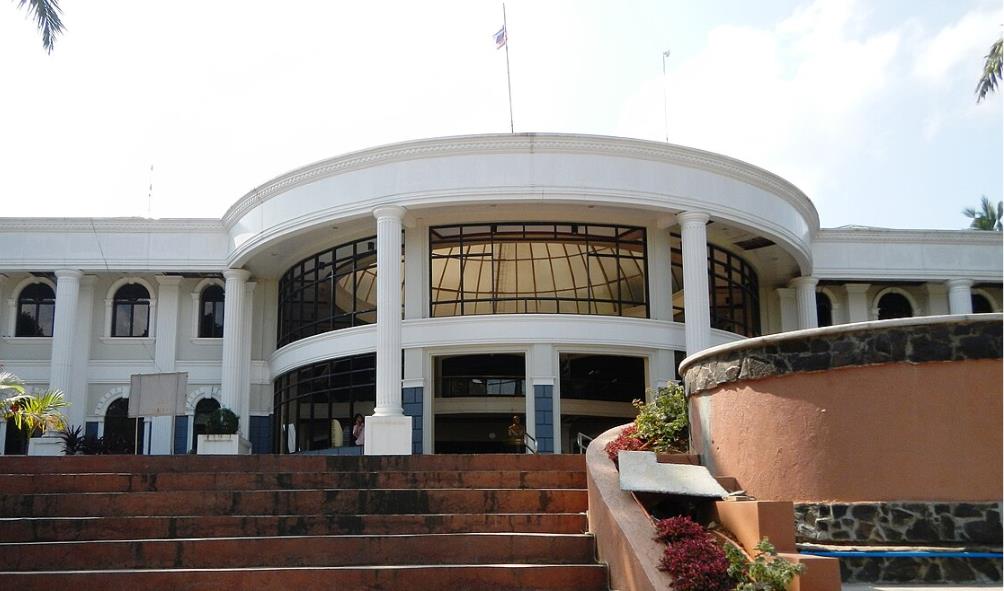
The establishment was a response to growing populations and the challenges that came with them. You're witnessing the birth of a new administrative unit that aims to promote development, enhance public services, and foster local identity.
The provincial government quickly focused on improving infrastructure and agriculture, which were crucial for the region’s growth. As a resident, you’d feel the impact of the new governance, as it opened doors for opportunities and empowered communities to participate in their local affairs.
Cultural Developments and Traditions
With the establishment of Quirino Province, a unique cultural identity began to flourish among its residents.
You’ll find that the locals celebrate a vibrant mix of traditions influenced by indigenous customs and the practices of various migrant groups. Festivals like the “Araw ng Quirino” showcase this rich heritage, featuring colorful parades and traditional dances that draw people together.
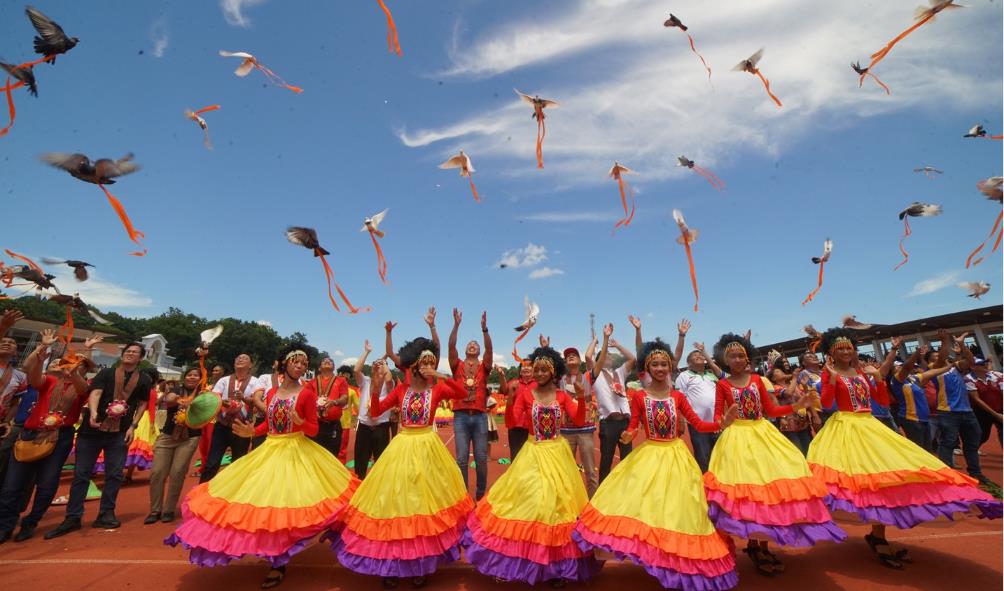
You can also appreciate the artistry in local crafts, from weaving to pottery, reflecting cultural narratives passed down through generations.
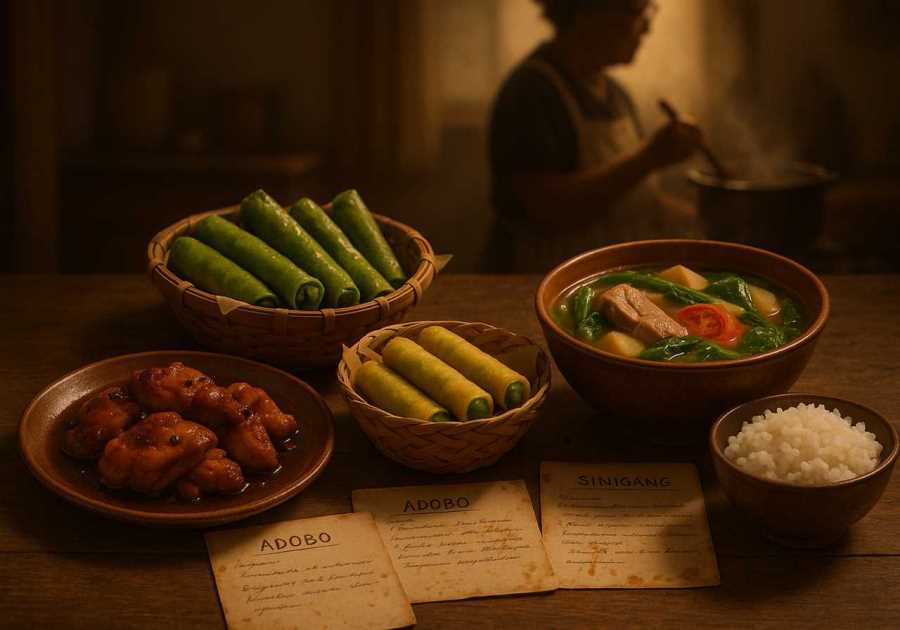
Culinary traditions thrive, with dishes showcasing the province's agricultural bounty. As you explore, you'll discover the deep sense of community and connection to the land that shapes Quirino's cultural landscape, making it a place where history and tradition are alive and well.
Modern Era and Economic Growth
As Quirino entered the modern era, its economy began to flourish, driven by a blend of agriculture, tourism, and small-scale industries.
You’d notice the locals embracing innovative farming techniques, boosting crop yields, and diversifying products. Eco-tourism emerged, showcasing the province's stunning landscapes and rich culture, attracting visitors and creating jobs.
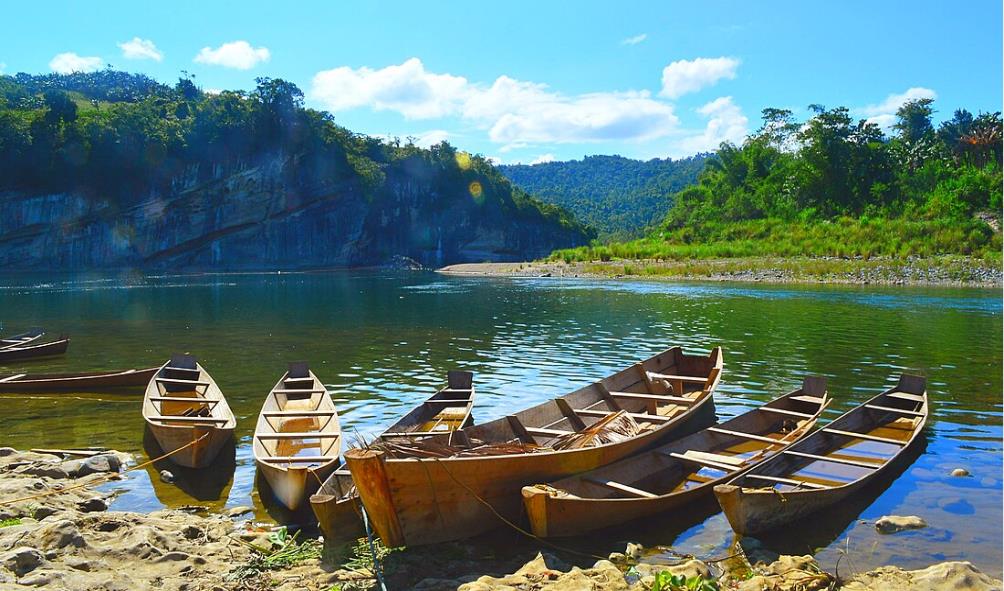
Small-scale industries, from handicrafts to food processing, also gained traction, empowering entrepreneurs and enhancing local livelihoods. Investments in infrastructure improved connectivity, making it easier for businesses to thrive.
As you explore Quirino, you’ll see how these economic drivers transformed the province, elevating the standard of living for many. The synergy of these sectors not only fostered growth but also fortified a sense of community, uniting residents in shared progress.
Conclusion
In exploring the history of Quirino, you've uncovered a vibrant blend of indigenous roots, colonial influences, and modern growth. Each period has shaped the province's unique identity, from early settlements to cultural celebrations. As you appreciate Quirino's rich heritage, you can see how its past continues to influence its future. Embracing both tradition and innovation, Quirino stands as a testament to resilience and adaptability, inviting you to delve deeper into its ongoing story.
Statistics
- Initially, Quirino's economy was predominantly agricultural, focusing on the production of rice and corn as primary crops.
- The province spans an area of 1,768 square kilometers, placing it among the smaller provinces in the Cagayan Valley region.
- By the 2020 census, the population of Quirino had reached approximately 190,000 residents.
- Quirino province was officially established on June 18, 1966, through Republic Act No. 3590.
External Links
- Philippine-History.org: Quirino Province explores the historical milestones and significant events in Quirino.
- Academia.edu: Research on Quirino History features scholarly articles and papers on the history of Quirino province.
- Encyclopedia Britannica: Quirino presents an in-depth analysis of Quirino's historical background.
- History.com: Philippines History includes sections relevant to the development of Quirino province.
How to Visit Historical Sites in Quirino
Quirino is home to several historical sites that reflect its rich past. To visit these sites, create an itinerary that includes locations such as the Quirino Provincial Capitol, ancient indigenous settlements, and landmarks related to significant events in the province's history. Utilize local tourism guides and maps to navigate these areas effectively. Engaging with local tour operators can enhance your experience by providing detailed tours and historical narratives. Additionally, visiting during cultural festivals can offer a more immersive understanding of Quirino's heritage.
Plan the perfect group trip, your way.
Get an instant personalized itinerary. We handle logistics, payments, and provide a dedicated itinerary, while local experts fine-tune every detail. Enjoy full freedom—without the stress of organizing it all.
https://escapetomexiconow.com/tourhero
Recommended Resources:
Dreaming of a fresh start abroad? Explore our curated destination guides to learn how you can make the move with ease.
https://escapetomexiconow.com/
https://escapetomexiconow.info/
https://escapetopanamanow.info/
https://escapetothephilippinesnow.com/
YouTube Channel:
See Mexico like never before! From local culture to travel hacks, our YouTube channel brings the adventure straight to you.
https://www.youtube.com/@EscapeToMexicoNow