When you think about Batangas, its rich history unfolds like a tapestry woven with vibrant threads of culture, struggle, and resilience. From its pre-colonial roots to its pivotal role in the Philippine Revolution, every era has shaped its identity. As you explore its evolution, you'll uncover how each chapter influenced Batangas' modern landscape. What events truly defined its journey, and how do they resonate in today’s society?
Pre-Colonial Era and Early Settlements
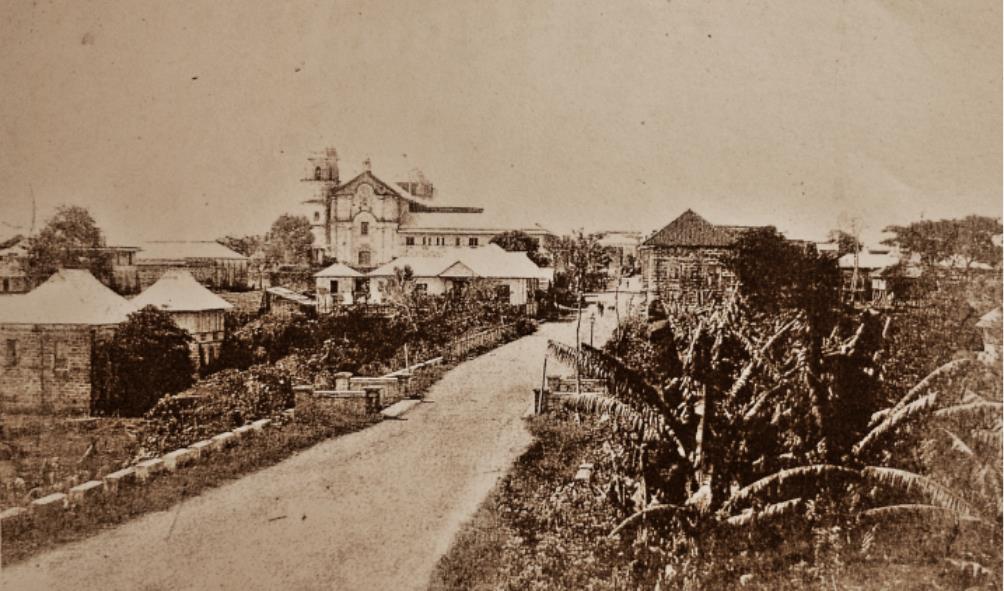
Before the arrival of Spanish colonizers, Batangas thrived as a hub of early settlements and trade among indigenous groups. You’d find vibrant communities engaged in agriculture, fishing, and crafts, reflecting a rich culture and social structure.
Villages dotted the landscape, where families lived in harmony, sharing resources and knowledge. Trade routes flourished, connecting Batangas to other regions, facilitating the exchange of goods like rice, pottery, and textiles.
The locals practiced animism, honoring nature and ancestral spirits, which deeply influenced their daily lives. As you explore Batangas' pre-colonial history, you’ll uncover the resilience and ingenuity of its people.
Their traditions and practices laid the foundation for the region’s identity, showcasing a dynamic society long before foreign influence emerged.
The Spanish Colonization
As the Spanish arrived in the 16th century, they transformed Batangas into a vital center of colonial administration and trade.
You'd see the establishment of churches, schools, and government buildings, which marked the beginning of a structured society. The Spanish introduced new agricultural practices, leading to a surge in crops like coffee and sugarcane.
You’d also witness the spread of Christianity, as missionaries worked tirelessly to convert the local population.
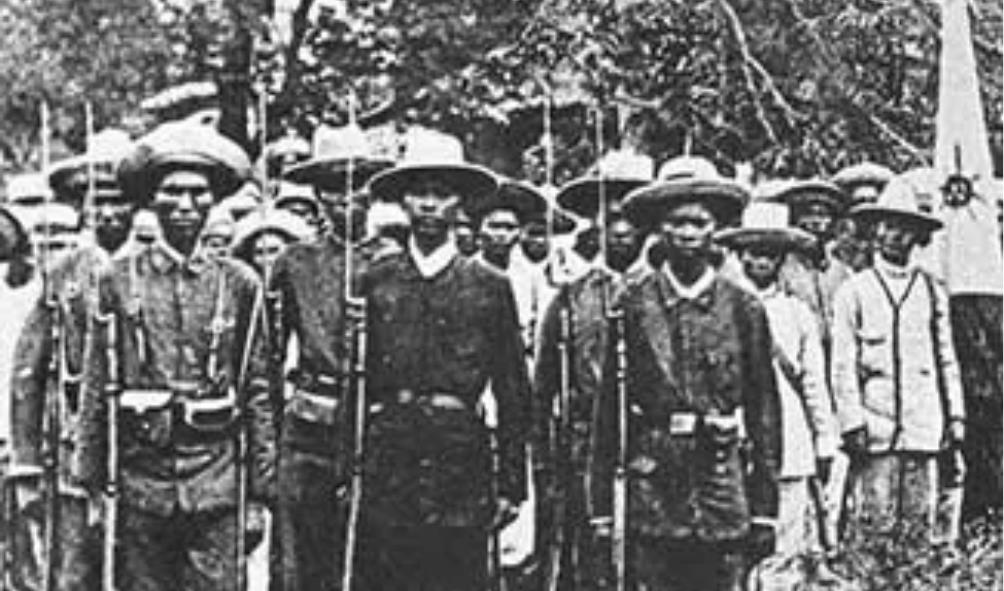
However, this period wasn’t without conflict; resistance arose as indigenous groups pushed back against foreign control.
The Spanish influence reshaped the culture, language, and traditions of Batangas, blending indigenous and colonial elements.
This era laid the groundwork for future developments in the region’s history, impacting its identity for generations.
Batangas During the Philippine Revolution
While the Philippine Revolution ignited a fervor for independence in the late 19th century, Batangas emerged as a crucial battleground for revolutionary activities.
You'd find local heroes like Miguel Malvar and Apolinario Mabini, who played pivotal roles in the struggle against Spanish rule. The townsfolk rallied together, forming militias and engaging in skirmishes to defend their territory.
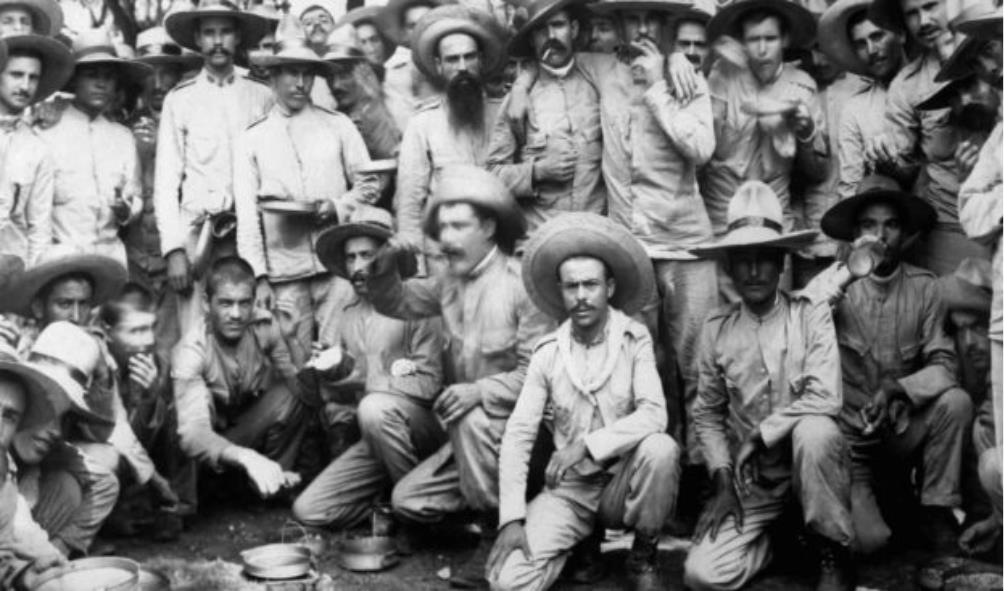
You can sense the spirit of unity as communities organized meetings, devised strategies, and supported one another in the fight for freedom. The revolutionary fervor transformed Batangas into a hotbed of resistance, with its lush landscapes often serving as hiding spots for revolutionaries.
As you explore this period, you’ll appreciate the sacrifices made by the people of Batangas in their quest for liberty and self-determination.
American Occupation and Changes in Governance
After the Philippine Revolution, Batangas faced significant changes under American occupation, which began in 1898.
You’d notice that the Americans introduced a new governance system, replacing Spanish colonial methods. They established municipal governments and promoted a more structured approach to local administration.
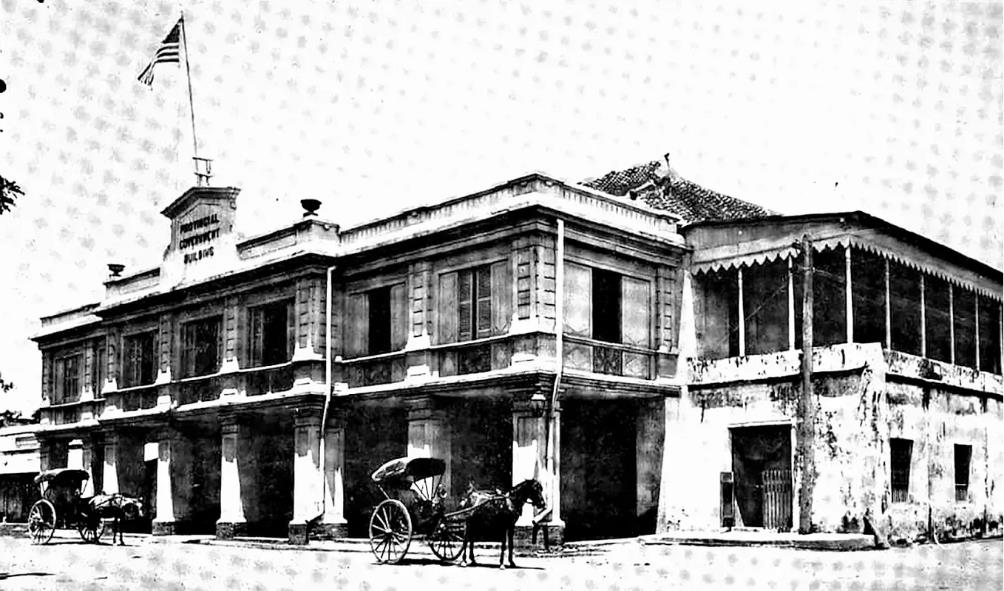
Education became a priority with the introduction of the public school system, aimed at improving literacy among the locals. You might also see infrastructure development, as roads and bridges were built to connect communities.
However, resistance persisted, with various groups opposing American rule. The Philippine-American War saw Batangueños actively involved, highlighting their desire for independence.
World War II and Its Impact on Batangas
The American occupation set the stage for significant upheaval in Batangas during World War II. As the Japanese forces invaded in 1942, you’d witness widespread fear and uncertainty.
The local population faced harsh realities, including forced labor and food shortages. Many residents joined the resistance, risking their lives to fight against the occupiers. You’d see communities rally together, sharing resources and information.
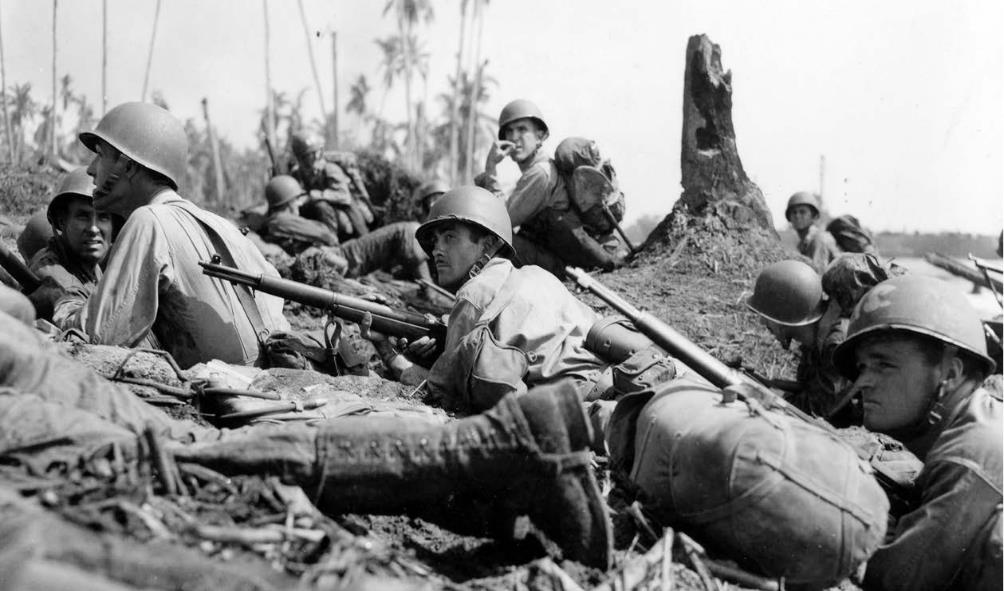
The war devastated the infrastructure, disrupting daily life and commerce. Schools closed, and hospitals struggled to provide care. Families were torn apart, with many men conscripted into military service.
Despite the chaos, the spirit of resilience shone through, as Batangueños navigated this turbulent period, determined to survive and protect their homeland. The impact of these events would resonate for years to come.
Post-War Recovery and Development
In 1945, as the dust of war settled, Batangas faced the daunting task of rebuilding. You'd witness communities uniting, determined to restore what was lost.
Reconstruction efforts started almost immediately, with locals clearing debris and repairing homes. Schools reopened, and children returned to classrooms, eager to learn and heal.
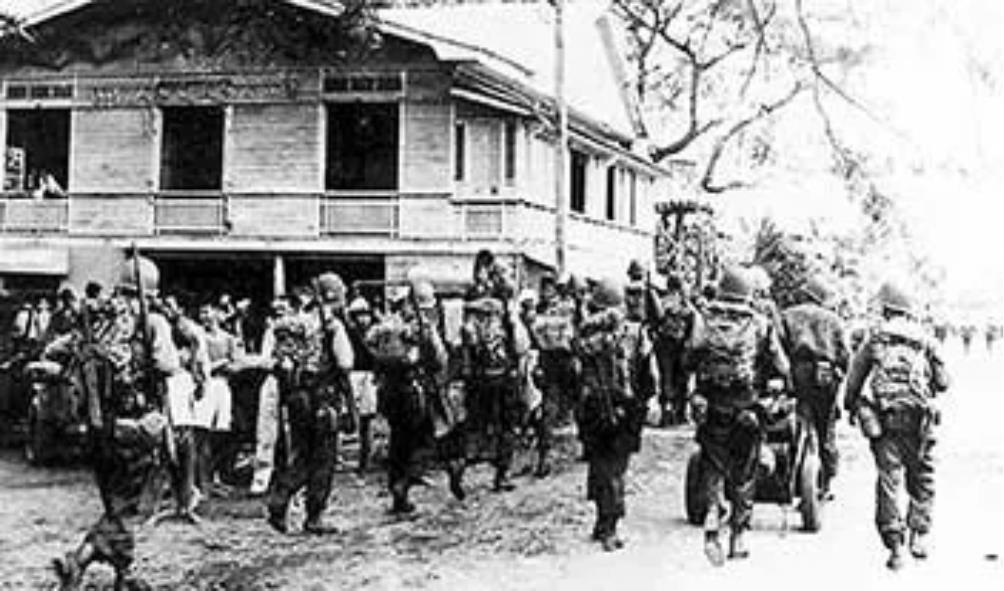
The government initiated programs to provide financial aid and support infrastructure development. You could see roads being repaired, making it easier for trade and transportation.
The resilience of Batangueños shone through as they worked together, fostering a sense of hope.
Cultural events began to flourish again, reminding everyone of their rich heritage. As you immersed yourself in this post-war revival, you’d feel the spirit of Batangas growing stronger each day.
The Rise of the Agricultural Economy
As Batangas emerged from the shadows of war, its agricultural economy began to flourish, driven by the determination of its people.
You’d witness farmers returning to their fields, planting crops like rice, corn, and coffee. The fertile soil, combined with improved farming techniques, led to increased yields and a sense of hope.
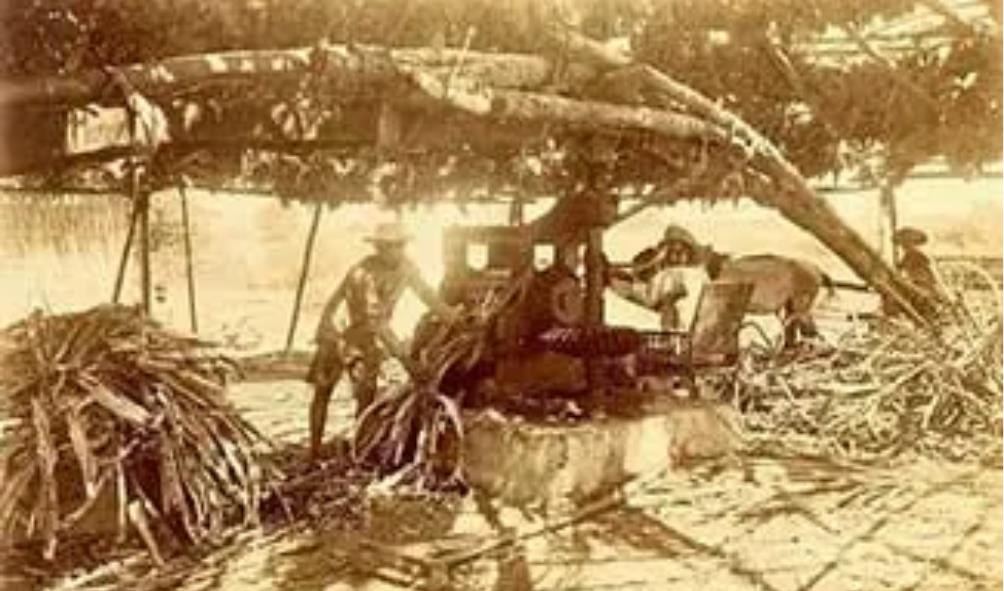
Farmers formed cooperatives, sharing resources and knowledge, which further boosted productivity. You could feel the community rallying around the agricultural sector, recognizing its importance in rebuilding their lives.
The rise of agribusiness also attracted investments, enhancing irrigation systems and access to markets.
With each harvest, the resilience of the people shone through, transforming Batangas into a vital agricultural hub that laid the groundwork for its future prosperity.
Cultural Heritage and Traditions
Batangas boasts a rich tapestry of cultural heritage and traditions that reflect the vibrant spirit of its people. You’ll find colorful festivals like the Pahiyas and Taal’s Fiesta, showcasing local crafts and culinary delights.
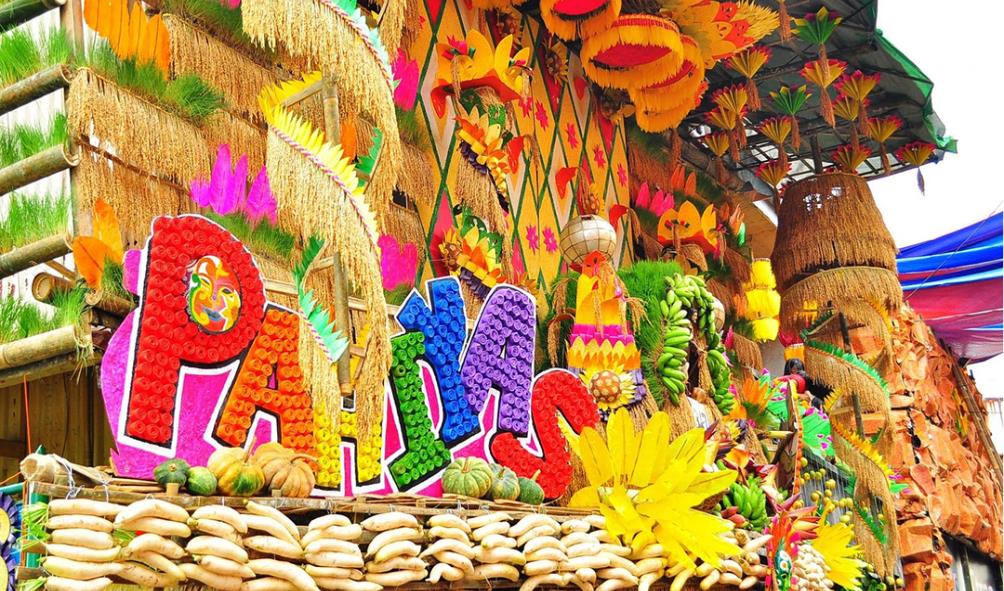
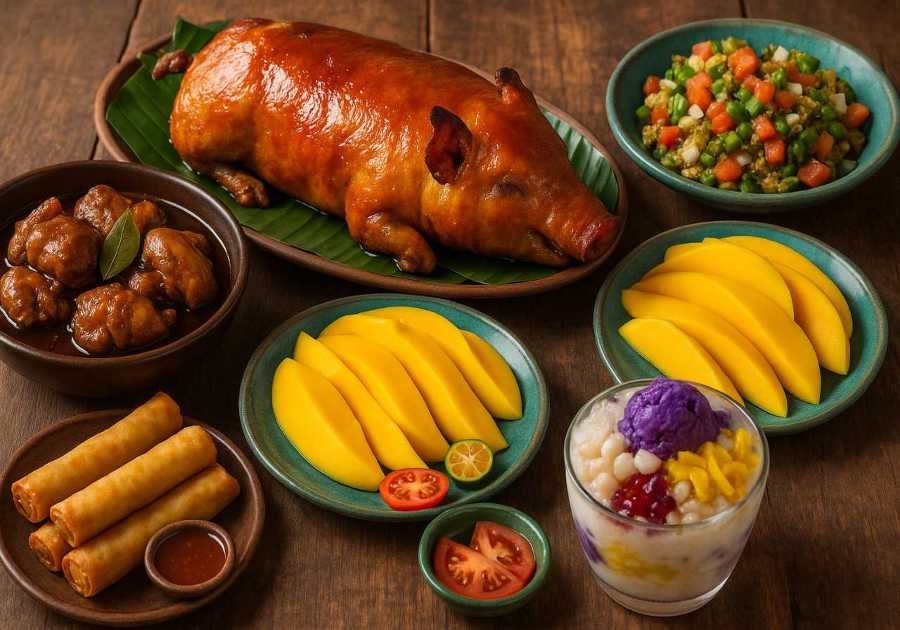
Traditional dances, such as the Tinikling, celebrate the community’s lively rhythm and history. The local cuisine, featuring dishes like Lomi and Bulalo, reveals a deep connection to agricultural practices and family gatherings.
Batangueños take pride in their craftsmanship, from intricate wood carvings to handwoven textiles. You can also experience the warmth of their hospitality during community events, where stories and folklore are shared.
Modern Batangas: Economic Growth and Infrastructure
While you explore the evolving landscape of modern Batangas, you'll notice significant economic growth and improvements in infrastructure that are reshaping the province.
The rise of new industries and businesses has created job opportunities, attracting both local and foreign investments. You’ll see bustling commercial centers and thriving markets, which contribute to the local economy.
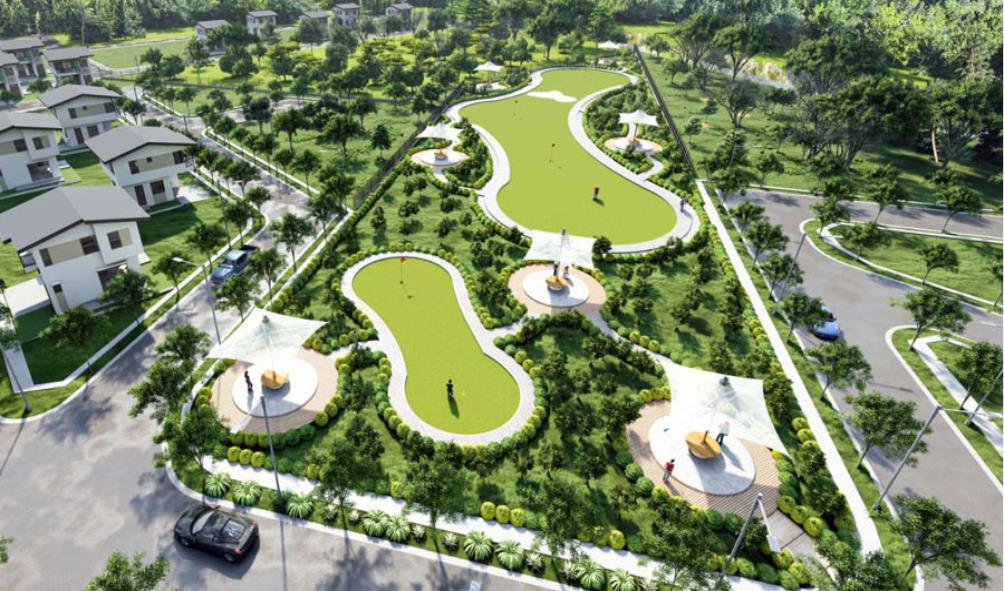
Roads and transportation systems have been upgraded, making travel easier and more efficient. The ongoing development of ports enhances trade and accessibility.
Additionally, Batangas is embracing eco-tourism, promoting its natural beauty while fostering sustainable practices.
As you navigate through this vibrant province, you’ll witness how these advancements are positioning Batangas as a key player in the region's economic landscape.
Batangas in Contemporary Philippine Society
The rapid economic growth and infrastructure improvements in Batangas have significantly shaped its role in contemporary Philippine society.
You're witnessing a transformation where Batangas emerges as a vital hub for commerce and trade. The Port of Batangas plays a crucial role in facilitating both local and international shipping, driving the economy forward.
You’ll notice the influx of businesses and investments, creating job opportunities and enhancing the standard of living.
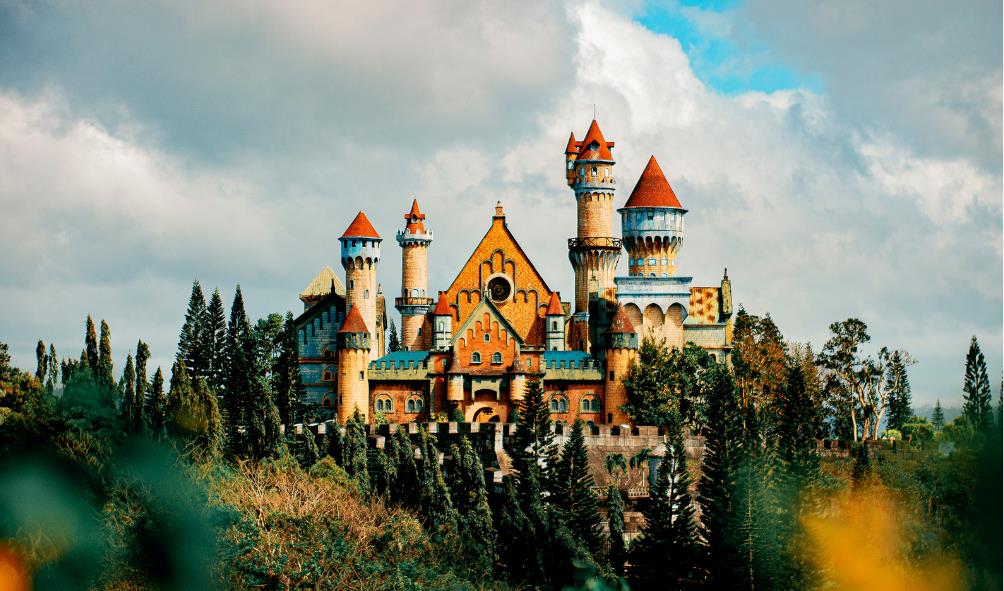
The cultural landscape is also evolving, as traditional practices blend with modern influences, fostering a vibrant community spirit.
Educational institutions are expanding, empowering the youth, and preparing them for future challenges.
As a resident or visitor, you’re part of this dynamic chapter in Batangas' history, witnessing its growth firsthand.
Conclusion
In exploring Batangas' rich history, you can see how its past shaped the vibrant community it is today. From its early indigenous roots to the struggles for independence and modern economic growth, Batangas stands as a testament to resilience and cultural heritage. You’ve witnessed how traditions blend with contemporary influences, making this region a unique part of the Philippines. As you continue to discover Batangas, you’ll appreciate not just its history, but its promising future as well.
Statistics
- During the Spanish colonial period, Batangas was one of the top three provinces contributing to the Philippines' tobacco industry.
- The population of Batangas increased by over 200% from 1950, when it was approximately 400,000, to over 1.2 million by 2000.
- Batangas has over 20 historical landmarks recognized by the National Historical Commission of the Philippines.
- Batangas was officially founded in 1572, marking over 450 years of history.
External Links
- Highlights historical attractions and heritage of Batangas.
- Details historical sites recognized by the National Historical Commission in Batangas.
- Chronicles the historical timeline of the Batangas province.
- Offers insights into Batangas' historical development on the official government site.
How to Investigate Batangas' Naval Heritage
Batangas hosts the largest naval base in the Philippines, established in 1901. To investigate this naval heritage, start by visiting the naval base and its associated museums, which display historical naval artifacts and documents. Research the strategic importance of Batangas' location along the Manila Bay and its role in various military conflicts, including World War II. Accessing military archives and records can provide detailed accounts of naval operations and contributions. Additionally, interviewing retired naval officers and historians can offer personal perspectives and a comprehensive understanding of Batangas' naval significance.
Want to travel with more time and freedom?
The freedom to travel! Discover free & unique homestays around the world, in exchange for caring for adorable pets.
https://escapetomexiconow.com/ths
Recommended Resources:
Ready to explore life beyond borders? Check out our trusted guides to Mexico, Panama, and the Philippines — your gateways to new adventures, culture, and opportunity.
https://escapetomexiconow.com/
https://escapetomexiconow.info/
https://escapetopanamanow.info/
https://escapetothephilippinesnow.com/
YouTube Channel:
See Mexico like never before! From local culture to travel hacks, our YouTube channel brings the adventure straight to you.
https://www.youtube.com/@EscapeToMexicoNow