Bulacan's history is a tapestry woven with agricultural roots, colonial influences, and revolutionary fervor. You might be surprised by how this province transformed from thriving pre-colonial societies into a significant player in the fight for Philippine independence. As you explore its past, you'll uncover key figures and events that shaped not just Bulacan, but the entire nation. What more can you discover about its profound legacy?
Pre-Colonial Era and Early Settlements
Before the arrival of Spanish colonizers, Bulacan was already home to various indigenous groups who established thriving communities.
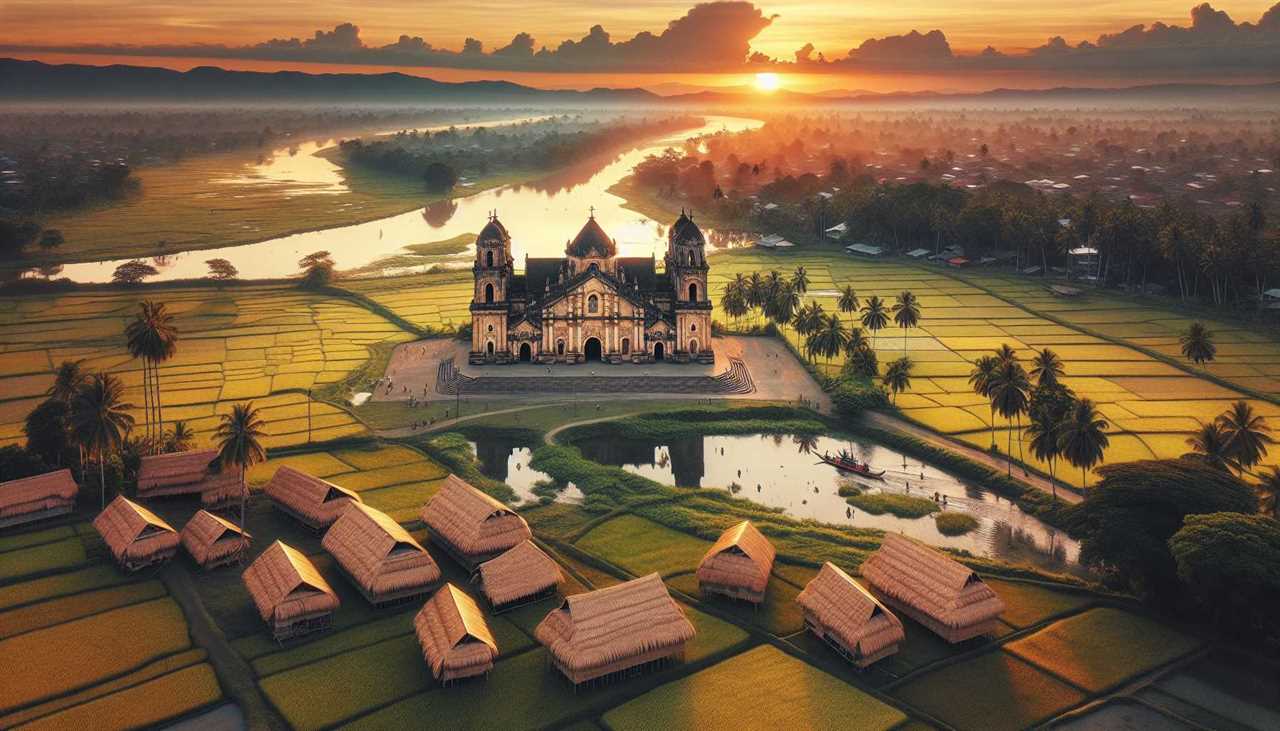
You’d find agricultural societies that cultivated rice, root crops, and fruits, taking advantage of the fertile land. The locals built simple yet effective dwellings, using bamboo and nipa palms, reflecting their resourcefulness.
Trade flourished as they exchanged goods with neighboring regions, enhancing their cultural ties and economic stability. You’d also notice the rich traditions and practices, including rituals and art forms that showcased their beliefs and values.
Their strong kinship ties fostered unity and cooperation among tribes, ensuring survival and growth. In this vibrant pre-colonial landscape, Bulacan’s people laid the foundations for a resilient society, one that would soon face external challenges.
Spanish Colonization and Its Impact
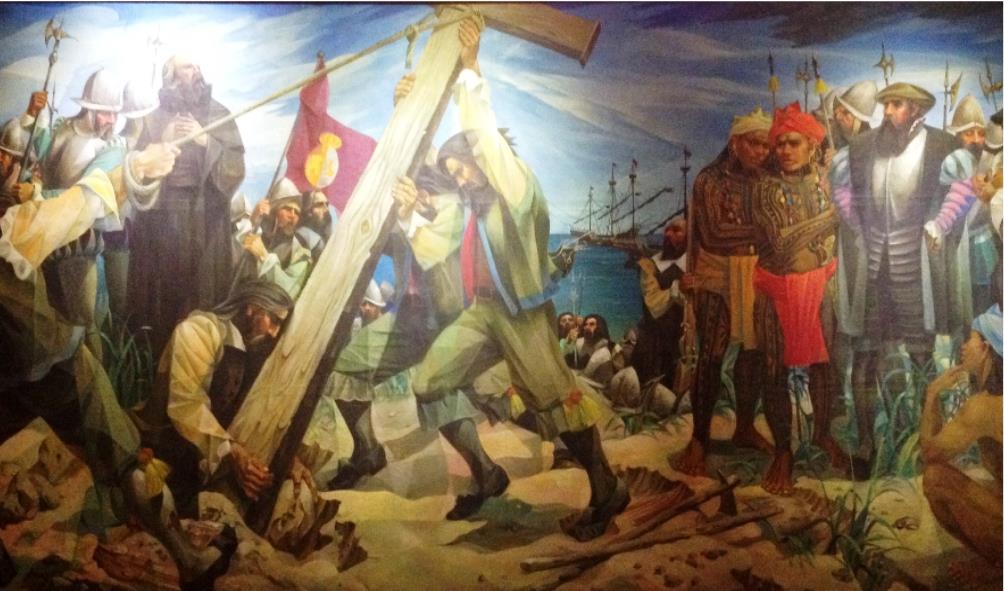
As Spanish colonizers arrived in the late 16th century, they transformed Bulacan’s social, political, and economic landscape.
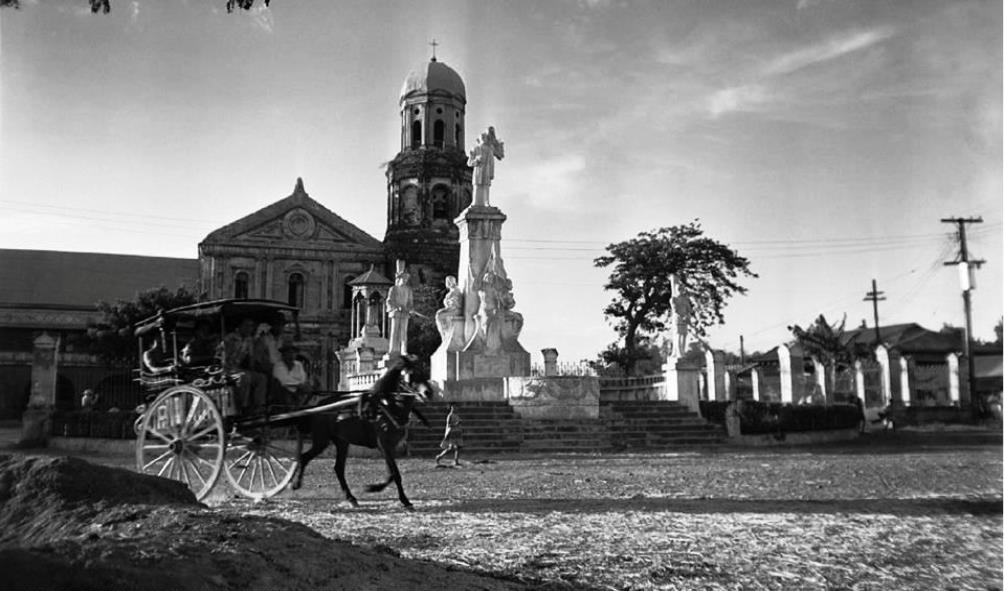
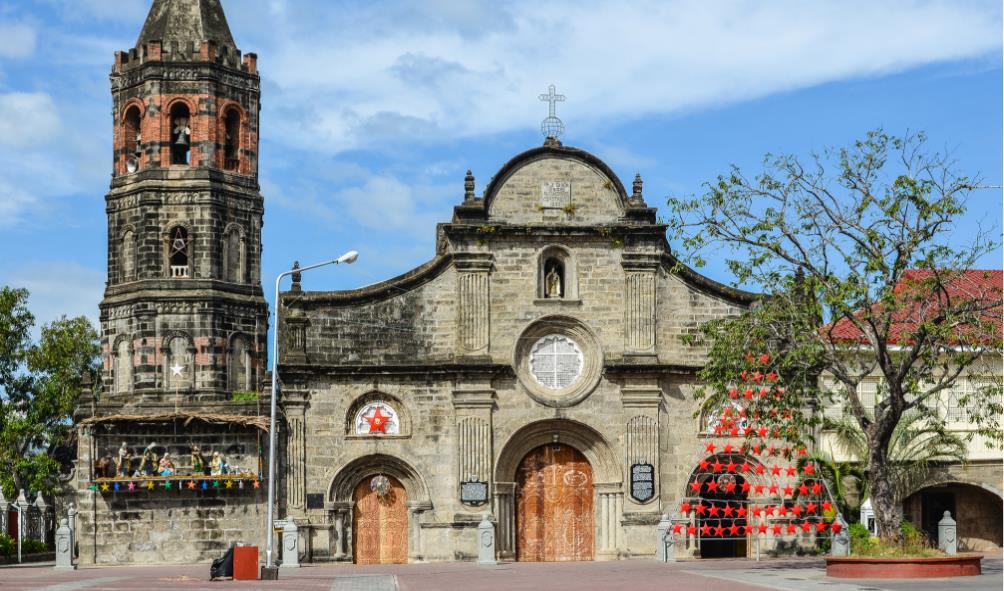
You’d notice how the introduction of Catholicism reshaped local beliefs, leading to the construction of churches that still stand today.
The Spanish implemented a new governance system, often replacing traditional leaders with appointed officials, impacting local power dynamics.
Economically, they introduced cash crops like sugarcane, changing agricultural practices and trade patterns.
You’d see how these changes fostered both opportunity and hardship, as many Indigenous people were forced into labor.
The colonizers also established schools, promoting literacy but emphasizing Spanish culture over local traditions.
The Rise of Bulacan During the Revolution
While the Spanish colonization left a deep mark on Bulacan, the province emerged as a significant player during the Philippine Revolution in the late 19th century.
You’ll notice that Bulacan’s strategic location made it a hub for revolutionary activities. Local leaders and residents organized themselves, actively participating in the fight for freedom against colonial rule.
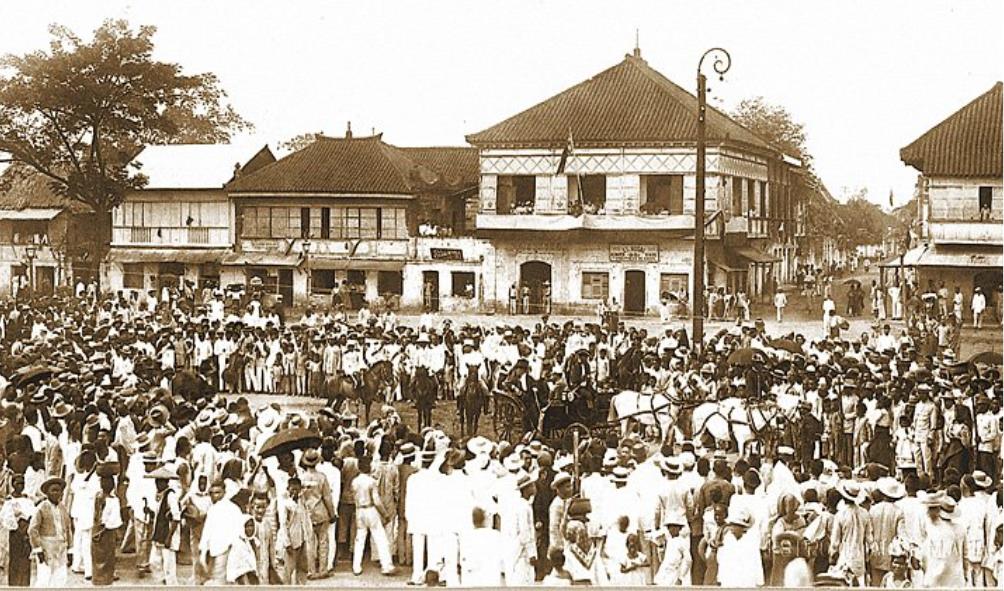
You can see how towns like San Miguel and Malolos became hotbeds of revolutionary fervor, with meetings and plans to resist Spanish authority taking place. The people's unwavering spirit and unity inspired many, as they bravely faced numerous challenges.
Through their sacrifices, Bulacan not only contributed to the larger revolutionary movement but also laid the groundwork for the province’s future role in shaping the nation’s identity.
Key Figures in Bulacan's History
Throughout Bulacan's rich history, several key figures emerged who played pivotal roles in shaping the province's identity and contributions to the nation.
You can’t overlook the impact of Francisco Balagtas, a celebrated poet whose works resonated deeply with Filipino nationalism.
Another important figure is Gregorio del Pilar, a young general known for his bravery during the Philippine Revolution. His dedication to the cause inspired many.
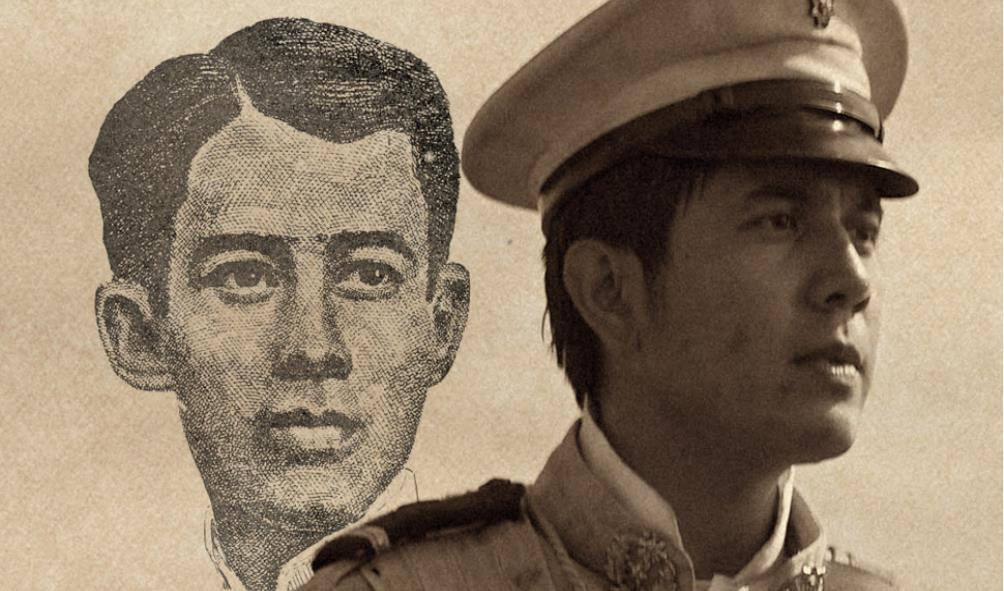
You should also recognize the contributions of Jose Corazon de Jesus, who used his poetry to ignite the spirit of patriotism among Filipinos.
Each of these individuals helped mold Bulacan’s cultural and historical landscape, ensuring their legacies continue to influence future generations.
Their stories remind you of Bulacan's enduring spirit and resilience.
The Role of Bulacan in the Philippine-American War
Bulacan played a crucial role in the Philippine-American War, significantly impacting the conflict's dynamics.
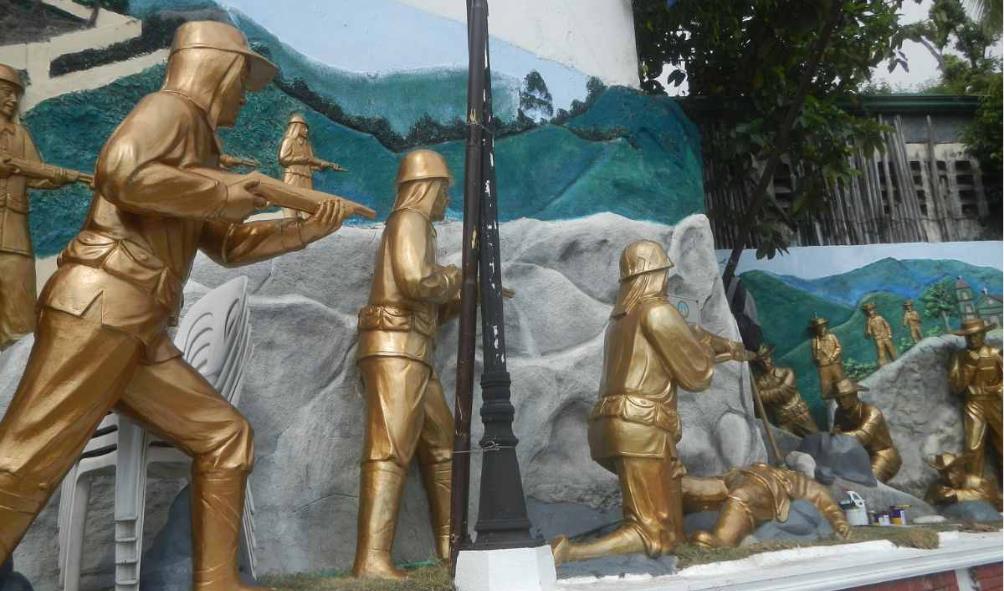
As you explore this period, you'll find that the province became a vital battleground for Filipino revolutionaries. It served as a strategic location for military operations, allowing Filipino forces to engage American troops effectively.
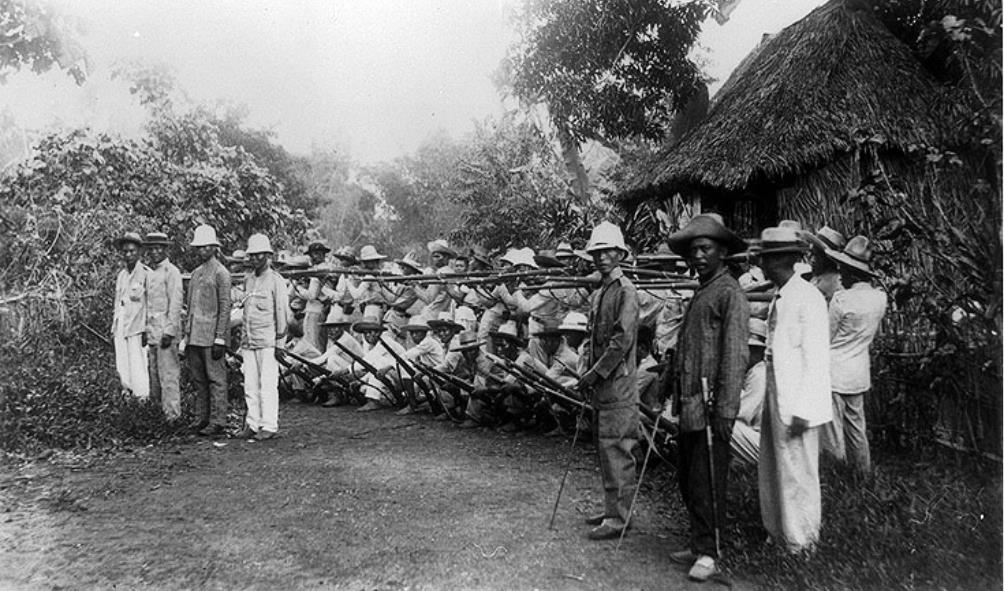
Key figures from Bulacan, like General Emilio Aguinaldo, utilized the area's geography to their advantage. The province’s towns became hubs for revolutionary activities, fostering a strong sense of nationalism among the locals.
You’ll notice that despite being outmatched, the fierce resistance from Bulacan's people exemplified their determination for independence. Their contributions were pivotal in shaping the course of the war and echoing the spirit of Filipino resilience.
Post-Colonial Developments and Modernization
As the Philippines emerged from colonization, Bulacan experienced significant developments that spurred modernization and economic growth.
The establishment of infrastructure, like roads and bridges, improved connectivity, making it easier for goods and services to flow.
You’ll notice how industries began to flourish, particularly agriculture, as farmers adopted modern techniques and tools.
The rise of small and medium enterprises played a crucial role in job creation, boosting the local economy.
Education also saw improvements with new schools and vocational training centers opening, equipping the youth with vital skills.
As urban areas expanded, Bulacan transformed into a hub for commerce and trade, attracting investments that further fueled its growth.
These changes laid the foundation for a more prosperous and dynamic Bulacan.
Cultural Heritage and Traditions of Bulacan
While exploring the rich tapestry of Bulacan's cultural heritage, you'll discover a vibrant blend of traditions that reflect the province's history and the resilience of its people.
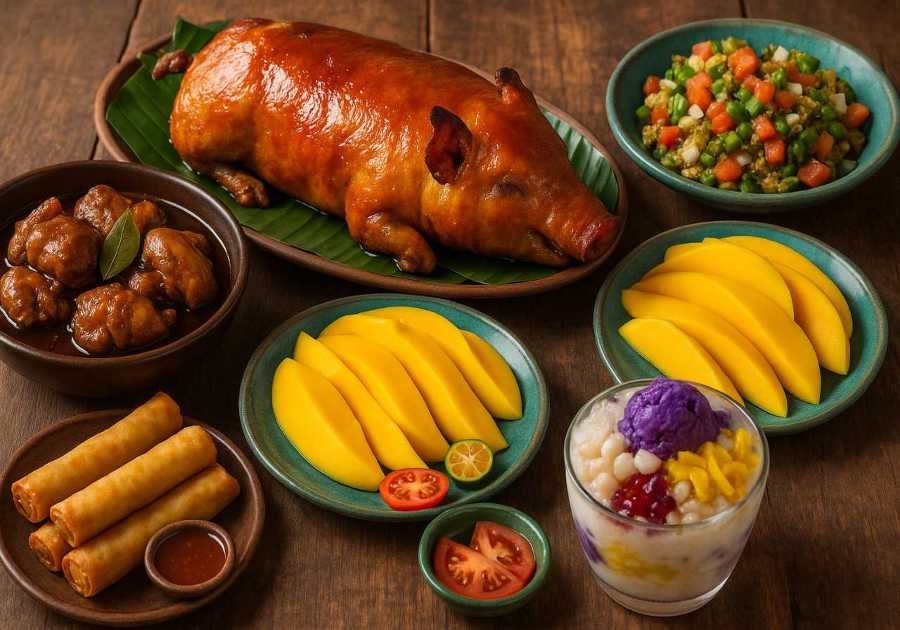
Festivals like the Singkaban showcase local artistry, featuring intricate bamboo decorations and traditional performances. You'll also encounter culinary delights, such as the famous 'lechon' and 'pancit habhab', which embody Bulacan’s rich gastronomic heritage.
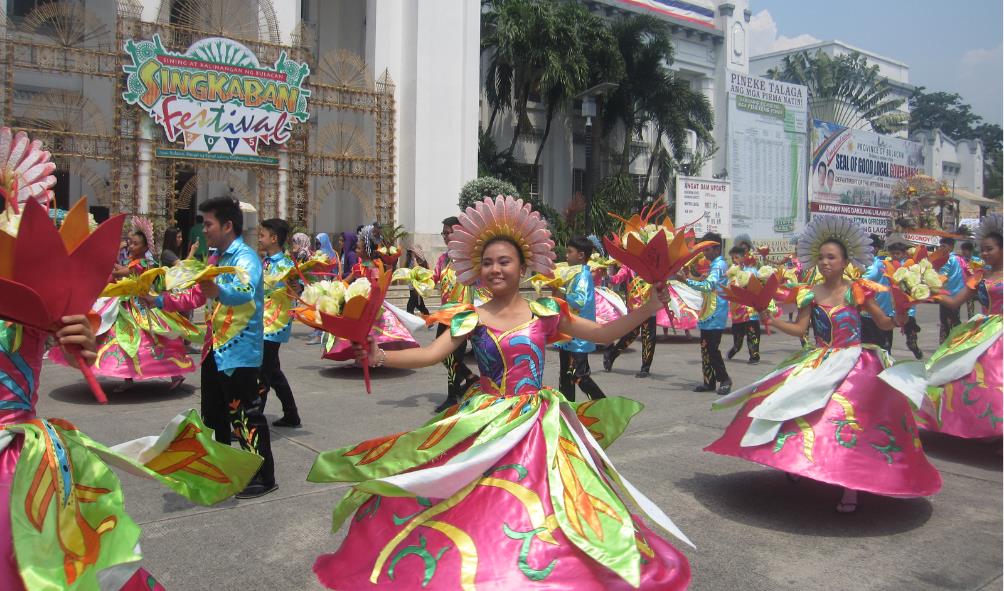
The province is steeped in religious traditions, with fiestas honoring patron saints that draw communities together in celebration.
Crafts like pottery and weaving highlight the skill and creativity of local artisans, preserving age-old techniques.
As you delve into these customs, you’ll appreciate how they shape the identity and spirit of Bulacan, connecting generations through shared stories and practices.
Bulacan's Influence in Contemporary Philippine Society
Though often recognized for its historical significance, Bulacan also plays a vital role in contemporary Philippine society, influencing various aspects of culture, economy, and politics.
You’ll find Bulacan’s vibrant arts scene thriving, with local artists and musicians gaining national attention. The province is a key player in the Philippine economy, especially in agriculture and manufacturing, contributing significantly to the country's growth.
Politically, Bulacan’s leaders often champion progressive policies, advocating for social justice and sustainable development. Additionally, the province's rich culinary traditions continue to shape national tastes, as local dishes gain popularity.
Conclusion
In understanding Bulacan's history, you see a tapestry woven from its rich pre-colonial roots to the challenges of colonization and revolution. The resilience of its people is evident in the key figures who emerged and the cultural heritage that endures today. As you explore Bulacan’s journey, you appreciate its vital role not just in the past but also in shaping contemporary Philippine society. Bulacan's spirit of unity and progress continues to inspire future generations.
How to Research Educational Developments in Bulacan
The history of education in Bulacan reflects the province's commitment to learning and progress. To research this aspect, focus on the establishment of key educational institutions and their impact on the community. Investigate the origins of Bulacan's schools, colleges, and universities, and assess their roles in promoting literacy and higher education. Explore the contributions of prominent educators and alumni who have influenced both local and national developments. Understanding the evolution of education in Bulacan provides a broader perspective on the province's social and intellectual growth.
Plan the perfect group trip, your way.
Get an instant personalized itinerary. We handle logistics, payments, and provide a dedicated itinerary, while local experts fine-tune every detail. Enjoy full freedom—without the stress of organizing it all.
https://escapetomexiconow.com/tourhero
Recommended Resources:
Discover where freedom, adventure, and opportunity await you.
https://escapetomexiconow.com/
https://escapetomexiconow.info/
https://escapetopanamanow.info/
https://escapetothephilippinesnow.com/
YouTube Channel:
Your next adventure starts here! Join us on YouTube for destination tours, insider advice, and everything you need to make your escape unforgettable.
https://www.youtube.com/@EscapeToMexicoNow