You might find the history of the Maguindanao people intriguing, as it reveals a narrative of resilience and adaptation. From their early settlements along the fertile riverbanks of Mindanao to their roles as traders and warriors, their journey is shaped by significant events. The arrival of Islam and colonial encounters further influenced their identity. What challenges did they face, and how did they preserve their rich heritage amidst these transformations? The answers might surprise you.
Early Origins and Settlement
While the exact origins of the Maguindanao people remain somewhat elusive, archaeological findings suggest they’ve inhabited the region of Mindanao for centuries.
You’ll discover that their early settlements thrived along rivers, offering access to fertile lands and abundant resources. The lush environment enabled you to cultivate rice, root crops, and fruits, which formed the backbone of their diet.
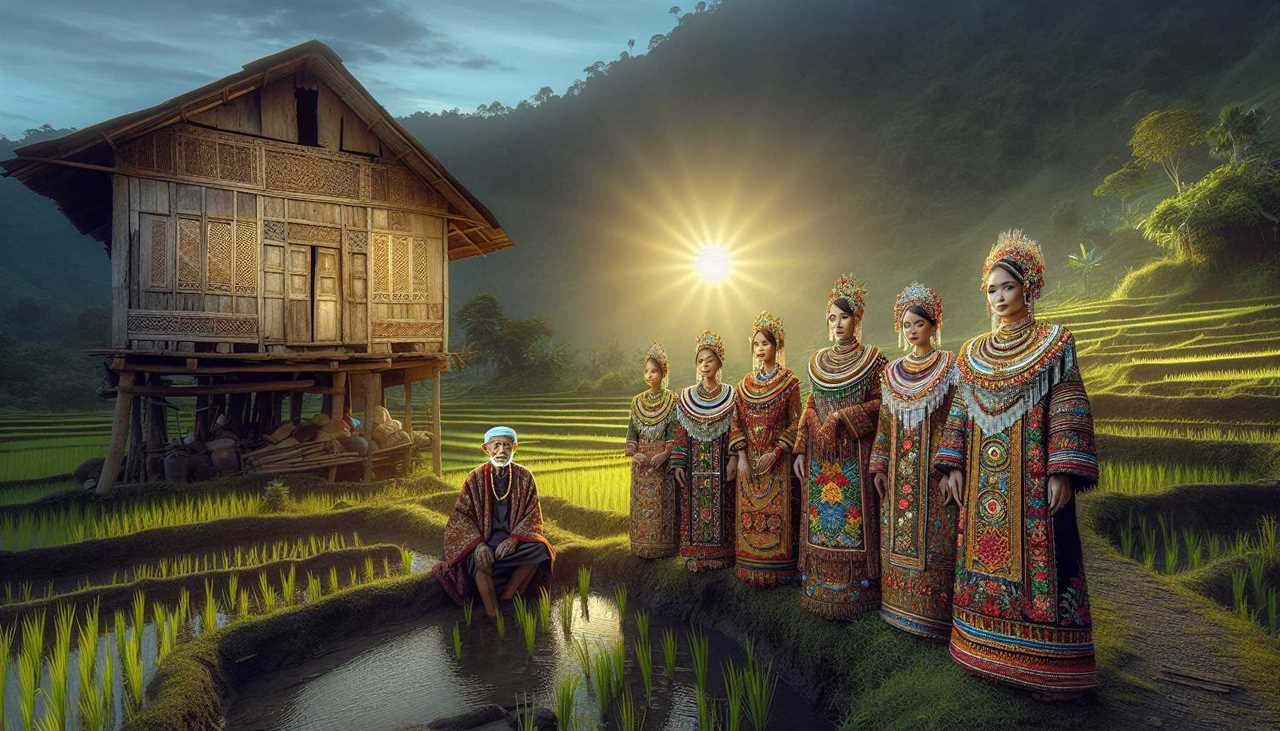
Over time, you’d notice the emergence of distinct cultural practices, influenced by neighboring groups and the natural landscape. Traditional dwellings, often made of bamboo and nipa palm, reflected their resourcefulness.
As you explore their history, it becomes clear that the Maguindanao have a rich cultural heritage, deeply connected to the land, which has shaped their identity and way of life for generations.
The Maguindanao as Traders and Warriors
As the Maguindanao people settled and cultivated their lands, they also established themselves as formidable traders and warriors. You’d find them engaging in vibrant commerce, exchanging goods like textiles, spices, and metals with neighboring communities. Their strategic location along trade routes allowed them to thrive economically.
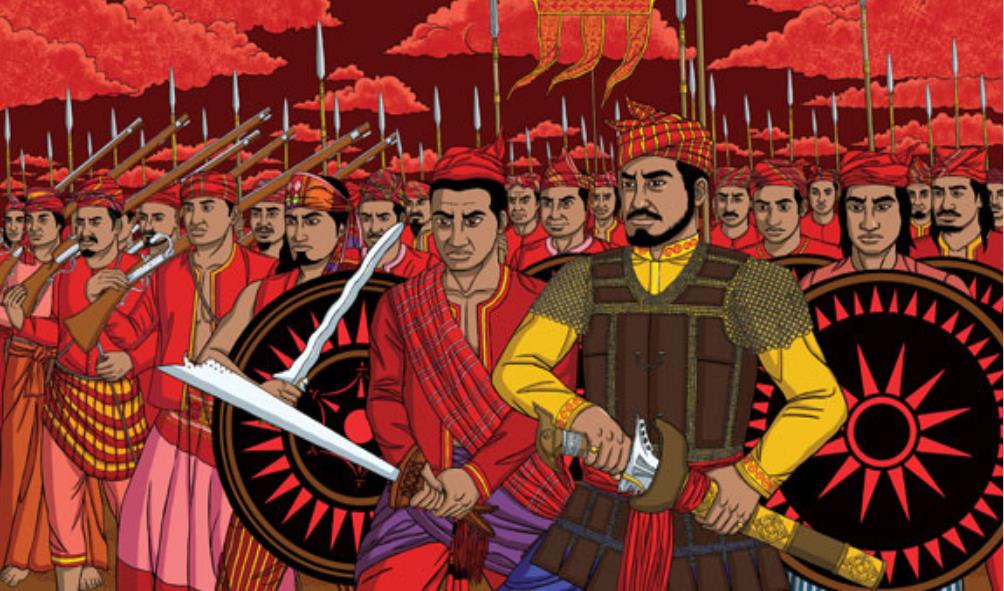
At the same time, their prowess in warfare was equally notable. They defended their territory fiercely, often employing skilled tactics and forming alliances. You’d see them using their boats for both trade and swift military movements, showcasing their adaptability.
This dual identity as traders and warriors not only strengthened their community but also solidified their influence in the region. Their legacy of trade and valor continues to resonate in the history of the Maguindanao people today.
The Influence of Islam on Maguindanao Culture
The arrival of Islam in the 13th century profoundly shaped Maguindanao culture, weaving its principles into the fabric of everyday life.
You’ll notice that Islamic teachings influence various aspects, from social customs to art and governance. The practice of communal prayers, especially on Fridays, fosters unity among the people.
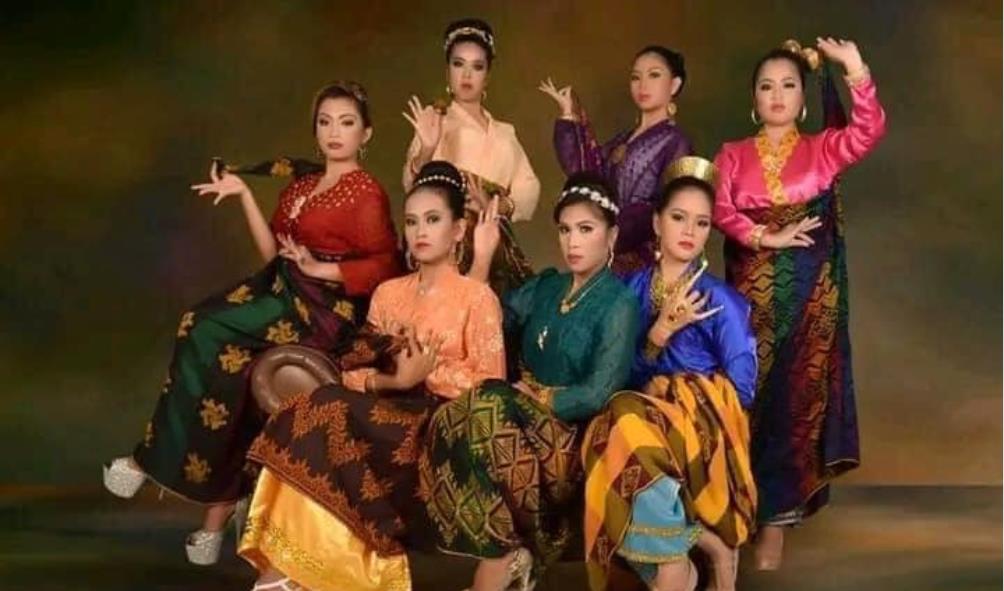
You see a rich tradition of oral storytelling and poetry, reflecting Islamic themes and values. In daily life, the concept of halal guides dietary practices, while family structures often emphasize respect and care.
Festivals like Eid al-Fitr and Eid al-Adha bring the community together, celebrating faith and shared traditions.
Colonial Encounters and Resistance
Colonial encounters in the Maguindanao region unfolded a complex narrative of resistance and resilience, as the people faced the encroachment of foreign powers.
You'd witness the Maguindanao warriors fiercely defending their territory against Spanish colonizers, who sought to impose their rule and convert the populace to Christianity.
The opposition wasn't merely military; it was cultural too, as the Maguindanao people clung to their Islamic beliefs and traditions.
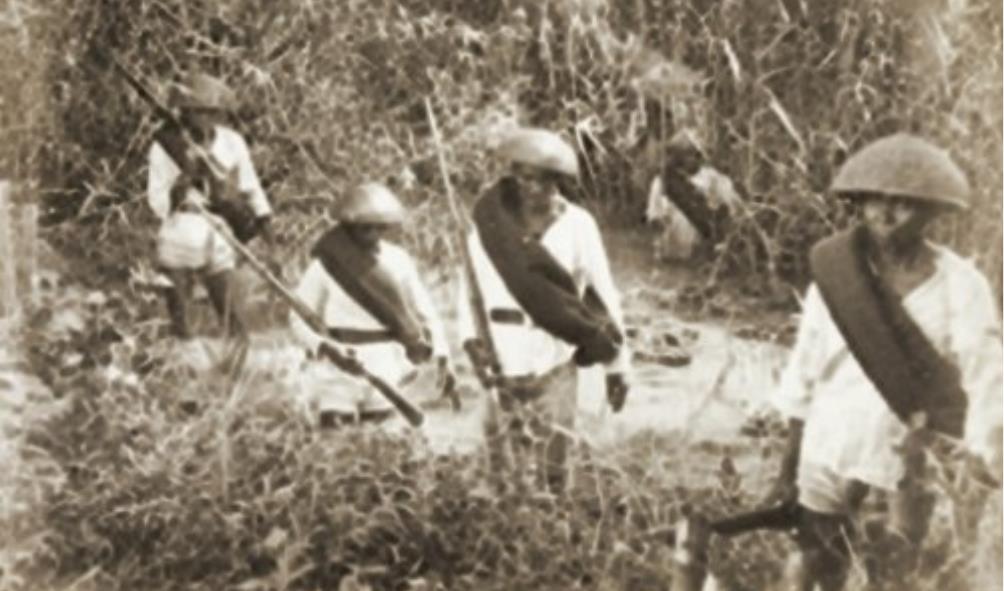
You’d see alliances forming among local leaders, uniting against common threats.
Even in the face of overwhelming odds, their spirit remained unbroken.
This resistance shaped a distinct identity for the Maguindanao, blending their rich heritage with the struggle against colonial dominance, laying a foundation for future generations to draw strength from their past.
The American Period and Its Impact
While many hoped for stability during the American period, the Maguindanao people's lives underwent significant changes as new governance structures emerged.
The introduction of American laws and policies altered traditional systems, leading to shifts in authority and community dynamics. You might notice how the American education system impacted local youth, offering new opportunities but also challenging cultural norms.
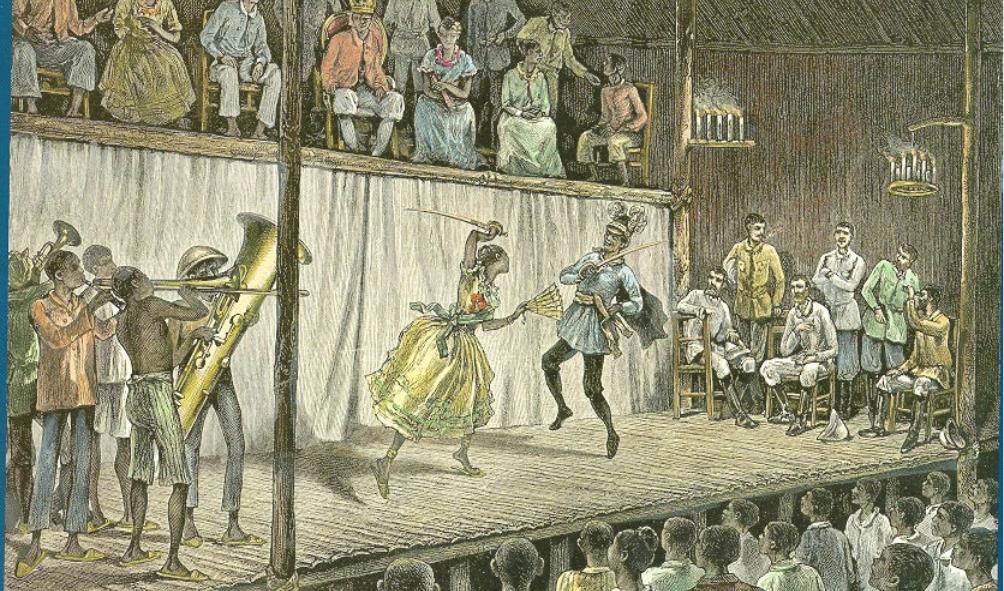
Economic changes followed as new industries developed, reshaping livelihoods and introducing cash economies. This period also saw the establishment of military presence, which brought both protection and tension.
As these transformations unfolded, the Maguindanao faced the complexities of navigating their identity within a rapidly changing landscape, balancing tradition with the pressures of modern governance and external influences.
The Mindanao Conflict and Struggle for Autonomy
As tensions escalated in the late 20th century, the Maguindanao people found themselves at the center of the Mindanao conflict, a struggle that sought both recognition and autonomy.
You witnessed the rise of armed groups advocating for self-determination, fueled by feelings of marginalization and neglect. The Bangsamoro people, including the Maguindanao, fought for their rights amid government policies that often disregarded their needs and aspirations.
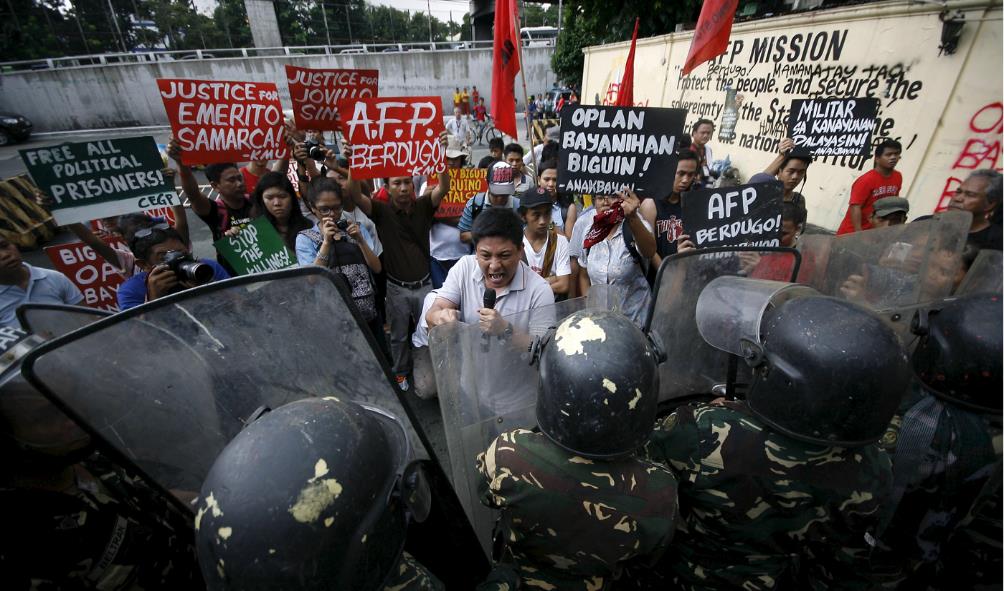
You felt the weight of historical injustices, leading to clashes between rebel factions and state forces. Peace talks emerged, but they often faltered, leaving many disillusioned.
Throughout this turbulent period, your community remained resilient, striving for a future where your culture and identity could flourish within a framework of self-governance and respect.
Cultural Heritage and Traditions of the Maguindanao
The rich cultural heritage and traditions of the Maguindanao people reflect a vibrant history that shapes their identity today.
You'll find their customs deeply rooted in Islamic beliefs, influencing their daily lives, festivals, and art forms. Traditional music, like the kulintang, showcases their rhythmic talent, while dances such as the singkil display intricate movements and storytelling.
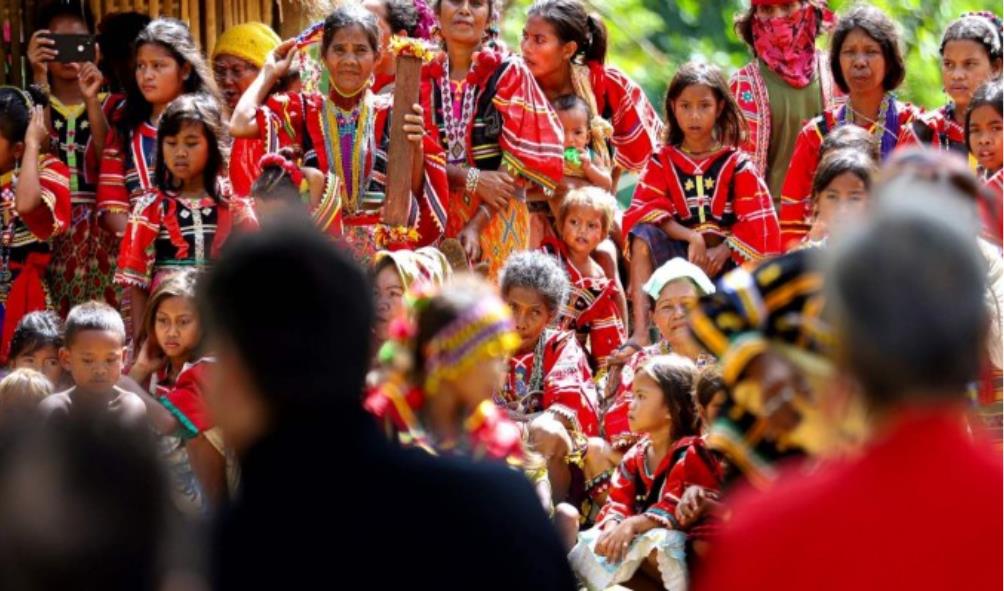
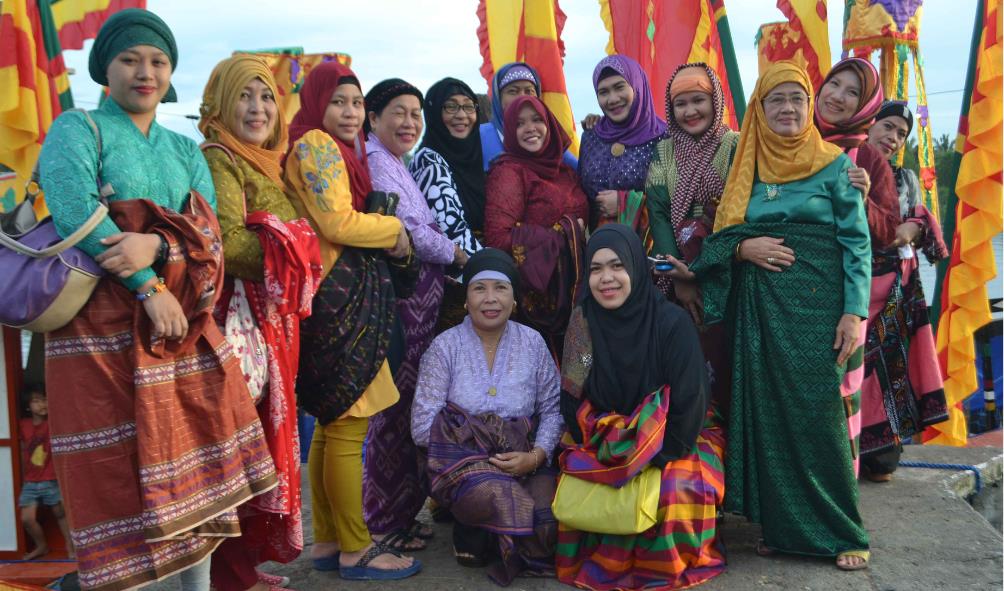
You'll notice their vibrant textiles and elaborate attire during celebrations, symbolizing unity and pride. The Maguindanao also celebrate significant events through communal feasts, demonstrating their strong sense of family and community.
Oral traditions, including epic tales, preserve their history and values, ensuring these stories continue to inspire future generations. Engaging with these traditions offers you a glimpse into their rich cultural tapestry and enduring legacy.
Contemporary Challenges and Future Directions
Despite the rich cultural heritage of the Maguindanao people, they face contemporary challenges that threaten their identity and way of life. Issues like poverty, armed conflict, and environmental degradation hinder their progress. You might notice how these factors affect access to education and healthcare, leaving many families struggling.
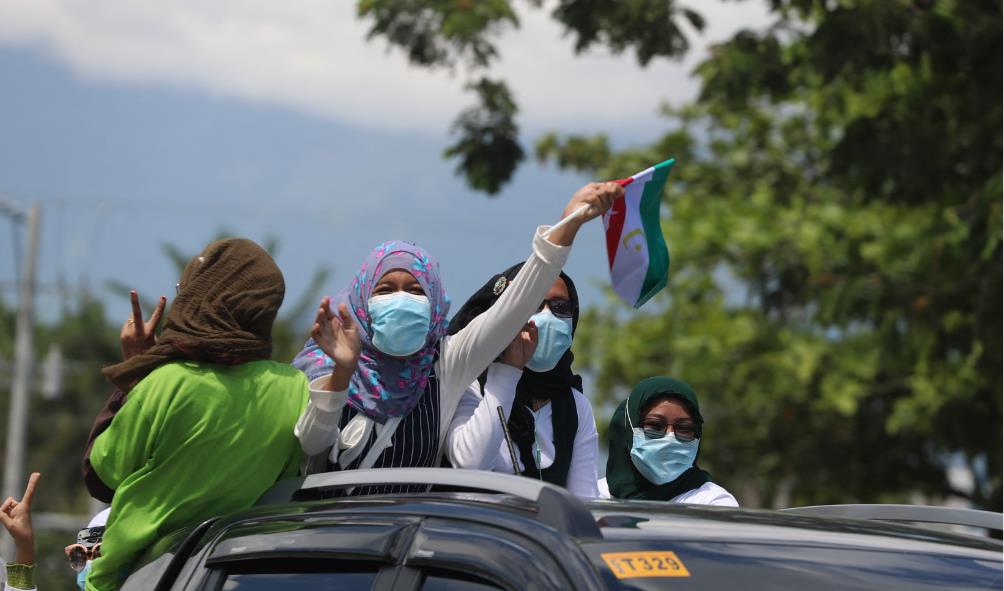
Additionally, the rise of globalization poses a risk to traditional practices, as younger generations may prioritize modern influences over their cultural roots. To navigate these challenges, community leaders are working to promote education and cultural preservation initiatives.
Conclusion
In exploring the rich history of the Maguindanao people, you see how their resilience and adaptability have shaped their identity over centuries. From their early settlements and vibrant trade to the profound influence of Islam, their journey is a testament to their strength. Despite colonial challenges and ongoing struggles for autonomy, the Maguindanao continue to honor their cultural heritage while facing modern issues. By embracing their past, they’re paving the way for a brighter future.
External Links
- This article from Britannica provides an overview of the Maguindanao people, their culture, and historical significance.
- Academia.edu hosts a detailed study on the Maguindanao people and their rich cultural practices.
- This resource from SEAsite presents a comprehensive history of the Maguindanao people and their contributions to the Philippines.
- JSTOR provides access to scholarly articles on the Maguindanao, focusing on their history and societal structure.
How to Understand the Historical Context of the Maguindanao People
Understanding the historical context of the Maguindanao people involves examining their origins, cultural practices, and interactions with other groups. Begin by researching the early settlements in the Mindanao region, focusing on the influence of Islamic traders in the 14th century. Resources such as academic journals and historical texts can provide insights into the socio-political structures that shaped their society. Additionally, exploring the Maguindanao's role in the larger context of Philippine history, including colonization and resistance, will deepen your understanding. Engaging with local historians or cultural organizations can also offer valuable perspectives on their rich heritage.
Plan the perfect group trip, your way.
Get an instant personalized itinerary. We handle logistics, payments, and provide a dedicated itinerary, while local experts fine-tune every detail. Enjoy full freedom—without the stress of organizing it all.
https://escapetomexiconow.com/tourhero
Recommended Resources:
Discover where freedom, adventure, and opportunity await you.
https://escapetomexiconow.com/
https://escapetomexiconow.info/
https://escapetopanamanow.info/
https://escapetothephilippinesnow.com/
YouTube Channel:
Your next adventure starts here! Join us on YouTube for destination tours, insider advice, and everything you need to make your escape unforgettable.
https://www.youtube.com/@EscapeToMexicoNow