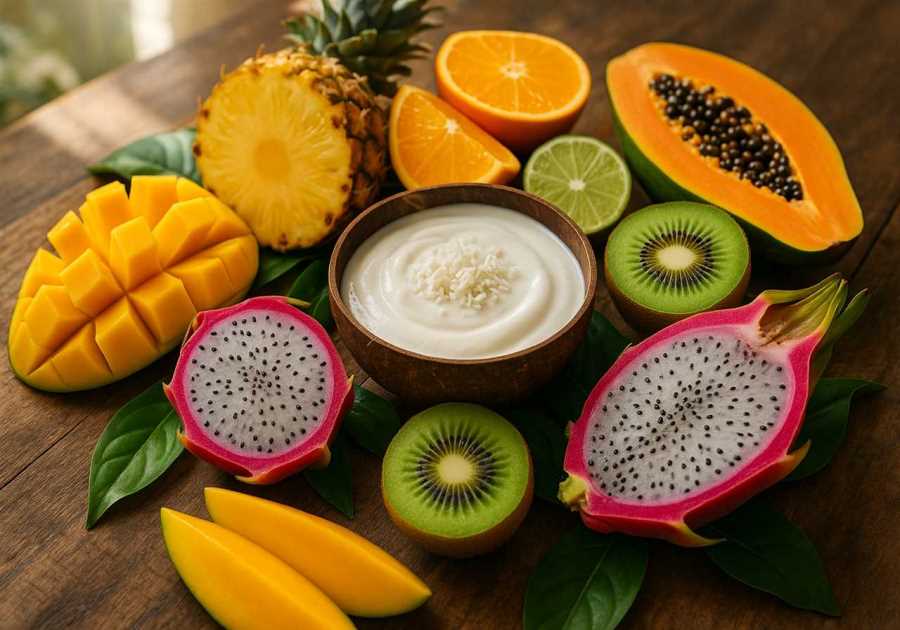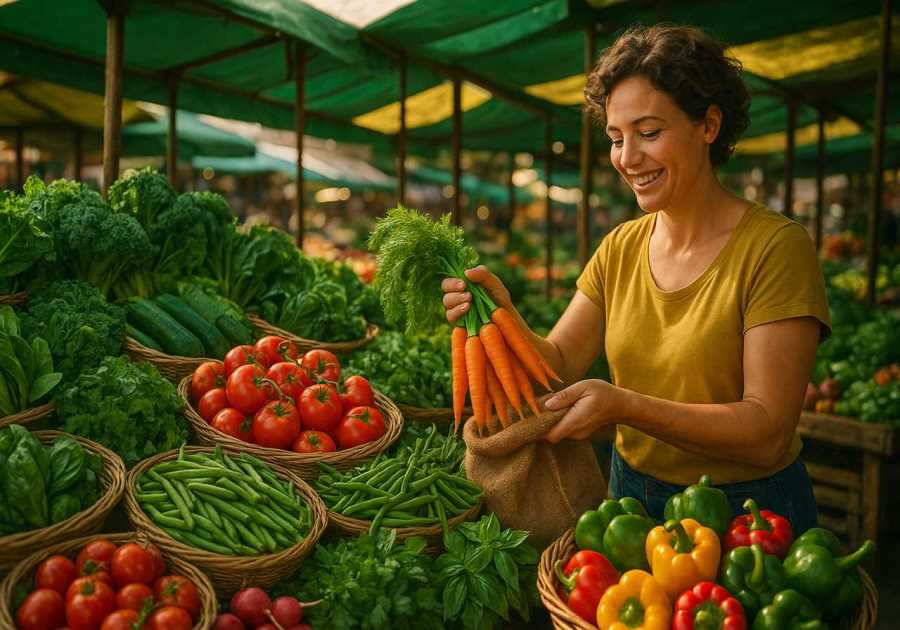
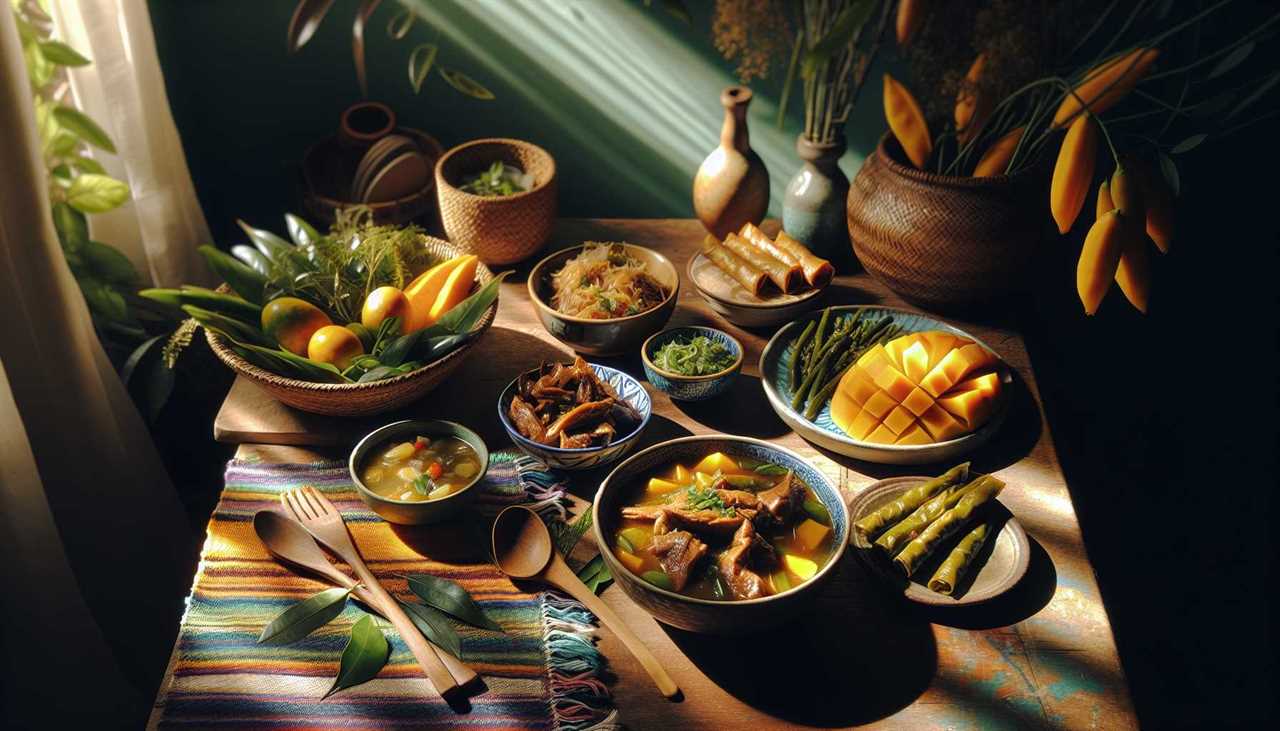
When you think about why food in the Philippines tastes better, it starts with fresh ingredients. You can see vibrant markets packed with local produce, seafood, and meats. These elements create a unique flavor profile that’s hard to replicate. But it’s not just the ingredients; traditional cooking techniques and communal dining add layers of depth. What else shapes this culinary experience? There’s more to explore beyond the surface.
The Importance of Fresh Ingredients
When you savor a dish in the Philippines, you’ll quickly realize how crucial fresh ingredients are to the culinary experience. The vibrant flavors you encounter stem from locally sourced produce, seafood, and meats that are often harvested just hours before they reach your plate.
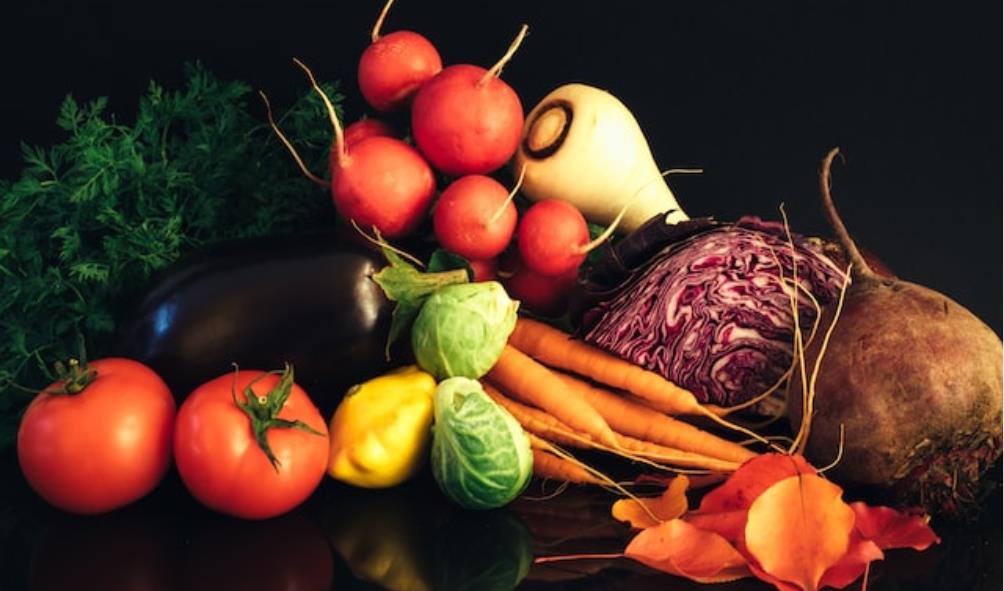
Whether you’re enjoying a tangy sinigang or a savory adobo, the freshness elevates each bite, making it memorable. You’ll find that markets brimming with colorful fruits and vegetables play a vital role in this culinary culture.
The connection between farmers and chefs ensures that every ingredient is at its peak, enhancing the taste and nutritional value of your meal. Embracing these fresh ingredients not only satisfies your palate but also supports local communities and sustainable practices.
Traditional Cooking Techniques
The vibrant flavors of Filipino cuisine come alive not just from fresh ingredients but also from traditional cooking techniques that have been passed down through generations.
You’ll find that methods like slow-cooking, sautéing, and steaming bring out the best in each dish. When you use a clay pot for adobo, the flavors deepen, and the meat becomes tender.
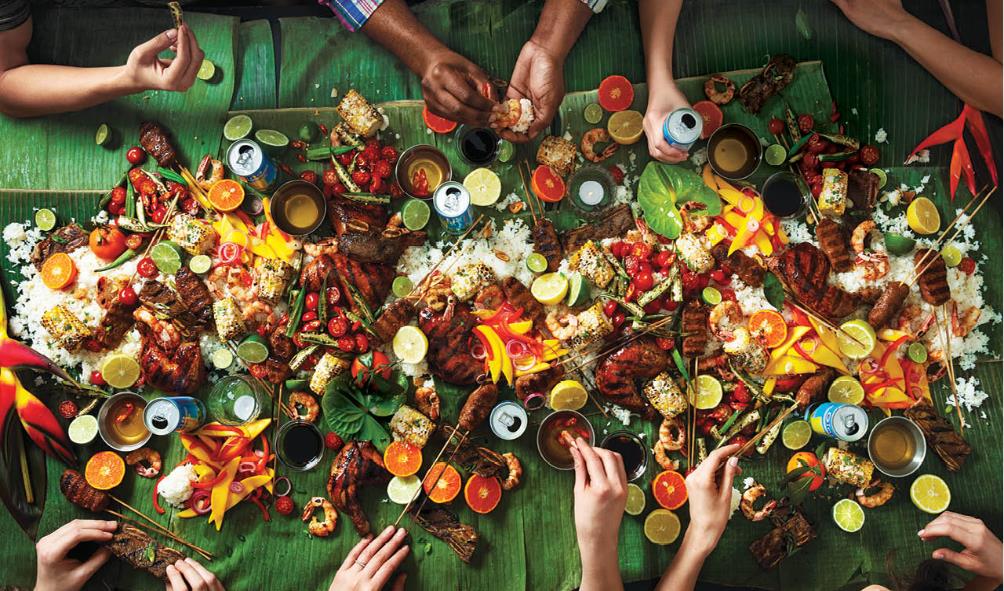
Roasting over an open flame gives lechon its crispy skin and smoky aroma. Fermenting ingredients, like shrimp paste, enhances umami, making dishes more savory.
Each technique connects you to the past, enriching your culinary experience. By embracing these time-honored methods, you create meals that not only nourish but also tell a story, celebrating Filipino culture with every bite.
Regional Flavors and Diversity
Exploring Filipino cuisine reveals a tapestry of regional flavors and diversity, each region offering its own unique ingredients and culinary traditions.
In the north, you’ll savor the rich, savory dishes of Ilocos, featuring bagnet and pinakbet.
Head to the Visayas, where you can enjoy fresh seafood and the famous lechon from Cebu.
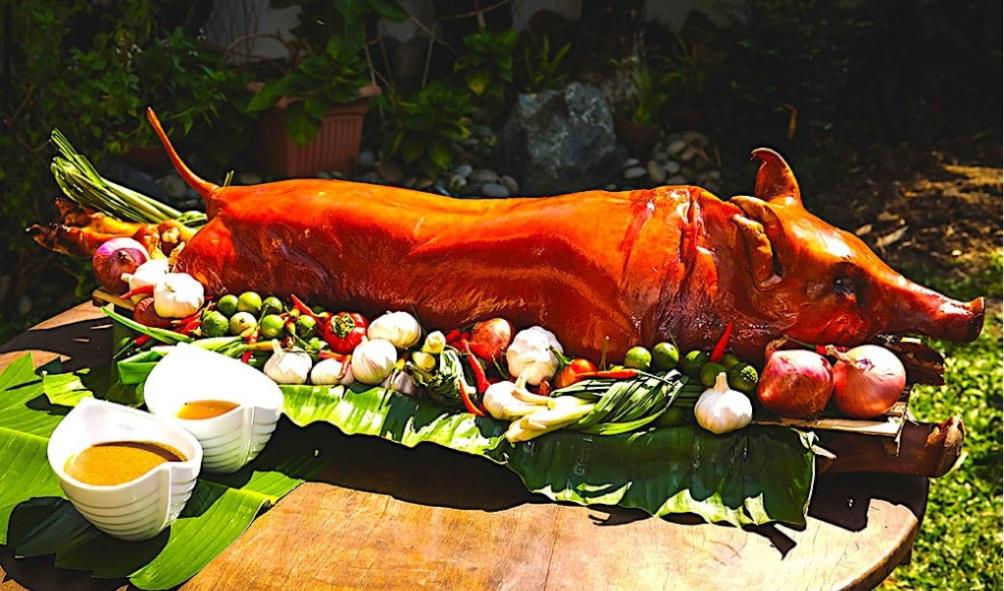
Mindanao showcases bold flavors with dishes like beef rendang and various spices that reflect its cultural mix.
Each island contributes local ingredients like coconut, rice, and tropical fruits, creating a dynamic culinary landscape.
You’ll find that regional dishes often tell stories of history and heritage, making every meal a delicious journey through the Philippines’ vibrant culture.
You won’t just eat; you’ll experience the soul of each region.
The Role of Family and Community
Food in the Philippines isn't just about the dishes; it's also about the people who share them. When you gather around the table with family and friends, you experience a warmth that enhances every bite. Meals often turn into celebrations, where laughter and stories flow as freely as the dishes.
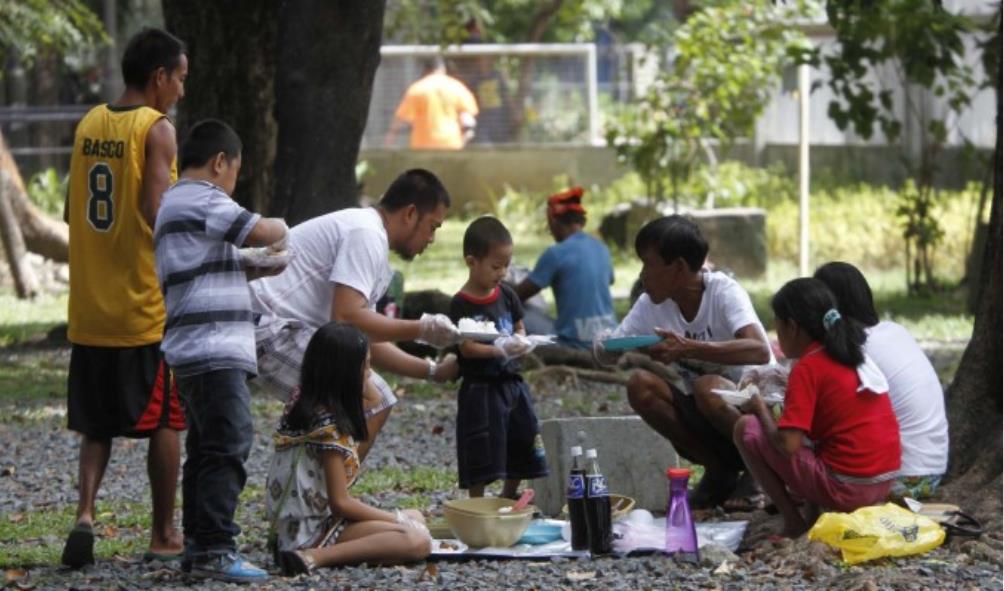
You’ll find that cooking is a communal effort, with everyone pitching in, whether it’s chopping vegetables or stirring a pot. This sense of togetherness creates a bond that makes the food taste even better. Sharing meals fosters connections, and you’ll notice how recipes often get passed down through generations, each family adding their unique twist.
It's this blend of love, community, and tradition that makes Filipino food truly special.
Cultural Influences on Filipino Cuisine
When you dive into Filipino cuisine, you'll quickly notice the rich tapestry of cultural influences that shape its unique flavors. Spanish, Chinese, Malay, and American cuisines blend seamlessly, creating dishes that reflect the Philippines' vibrant history.
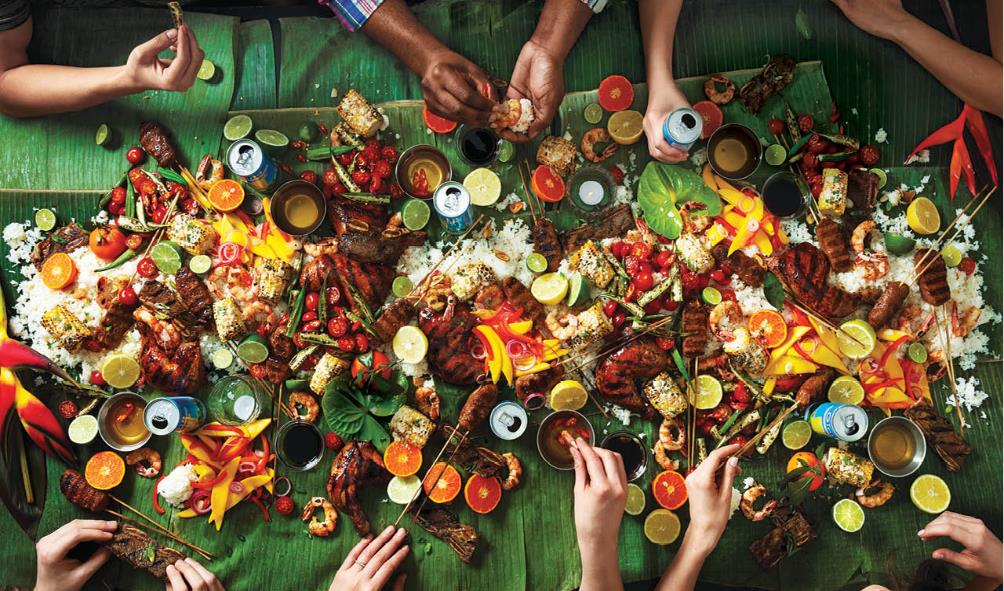
You’ll taste the sweetness of soy sauce and the warmth of spices, showcasing a fusion that’s both comforting and exciting. The use of fresh, local ingredients highlights the island’s agricultural bounty, while traditions like the communal feast, or “kamayan,” emphasize connection and sharing.
Each dish tells a story, whether it’s the savory adobo or the sweet leche flan, inviting you to explore the diverse heritage that defines Filipino food. In every bite, you’re experiencing a culture that celebrates life through its culinary artistry.
The Balance of Sweet, Sour, and Savory
Filipino cuisine masterfully balances sweet, sour, and savory flavors, creating a taste experience that’s both complex and satisfying. You’ll often find dishes that blend these elements, like adobo, where the salty and sour notes are perfectly complemented by a hint of sweetness.
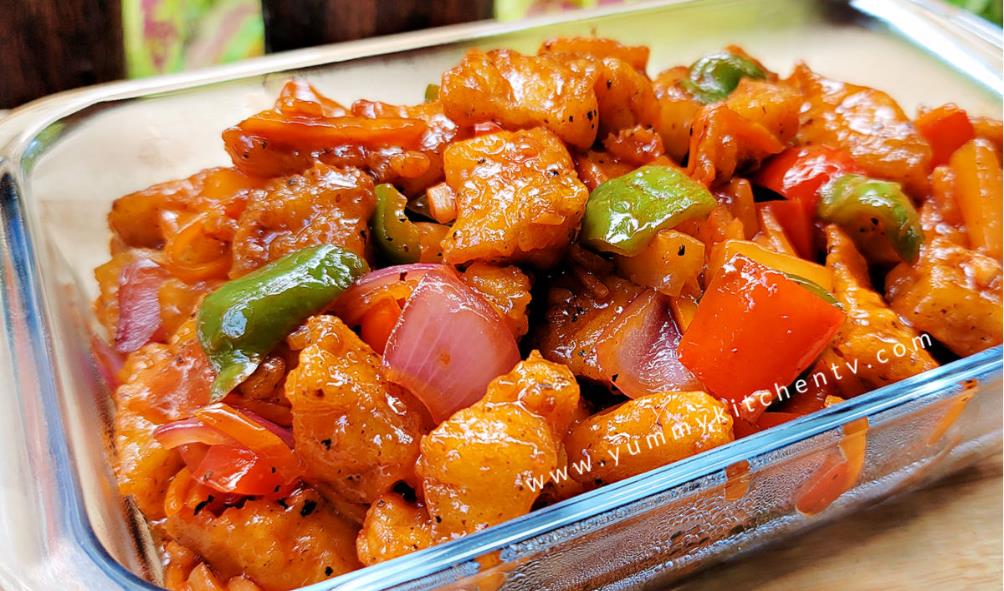
This balance not only heightens the flavors but also evokes a sense of nostalgia and comfort. Think of sinigang, with its tangy broth that dances with the sweetness of ripe tomatoes or the savory goodness of pork.
Each bite surprises your palate, inviting you to savor the interplay of tastes. Whether it’s a simple street food or a festive feast, this harmonious combination elevates Filipino food, making every meal a delightful adventure for your taste buds.
Seasonal and Locally Sourced Produce
Exploring the vibrant flavors of the Philippines, you'll discover that seasonal and locally sourced produce plays a crucial role in shaping the country's culinary landscape.
When you bite into a ripe mango or savor fresh vegetables from local markets, you taste the difference. The Philippines boasts a diverse range of fruits and vegetables, each peak season bringing a unique bounty.
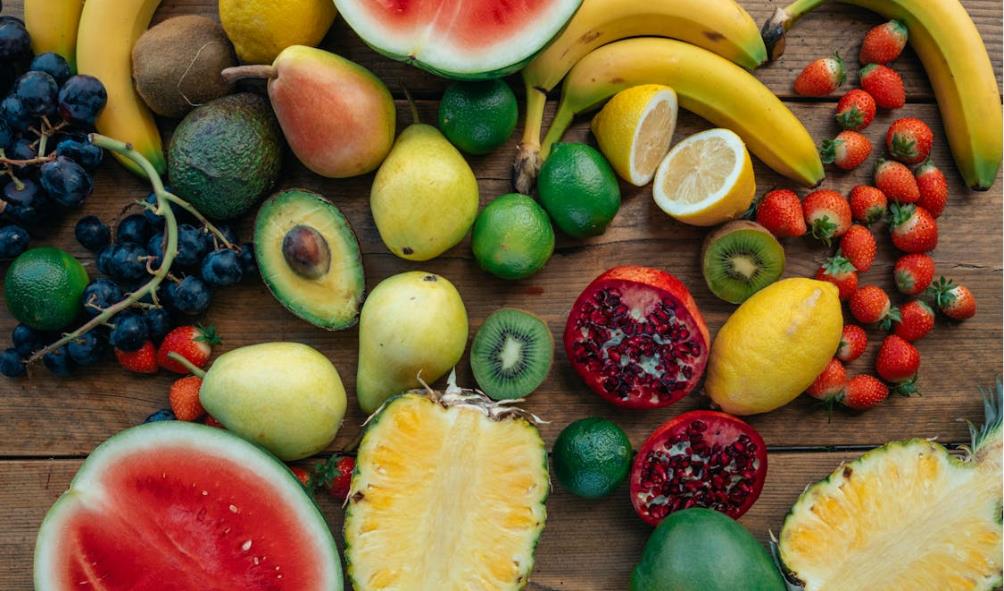
This connection to the land means you’re enjoying food at its freshest, enhancing flavors and nutrients. Farmers often grow crops in harmony with nature, ensuring that what you eat isn't only delicious but sustainable.
Embracing seasonal produce allows you to experience the authentic essence of Filipino cuisine, making every meal a celebration of local agriculture.
The Impact of Culinary Heritage
As you delve into the culinary heritage of the Philippines, you'll find that it’s a rich tapestry woven from diverse cultures and traditions. Each region boasts unique flavors and techniques, influenced by indigenous practices and foreign colonizers.
This blend creates dishes like adobo, sinigang, and lechon, each telling a story of the land and its people. You'll discover how food reflects the country’s history, with ingredients and cooking methods passed down through generations.
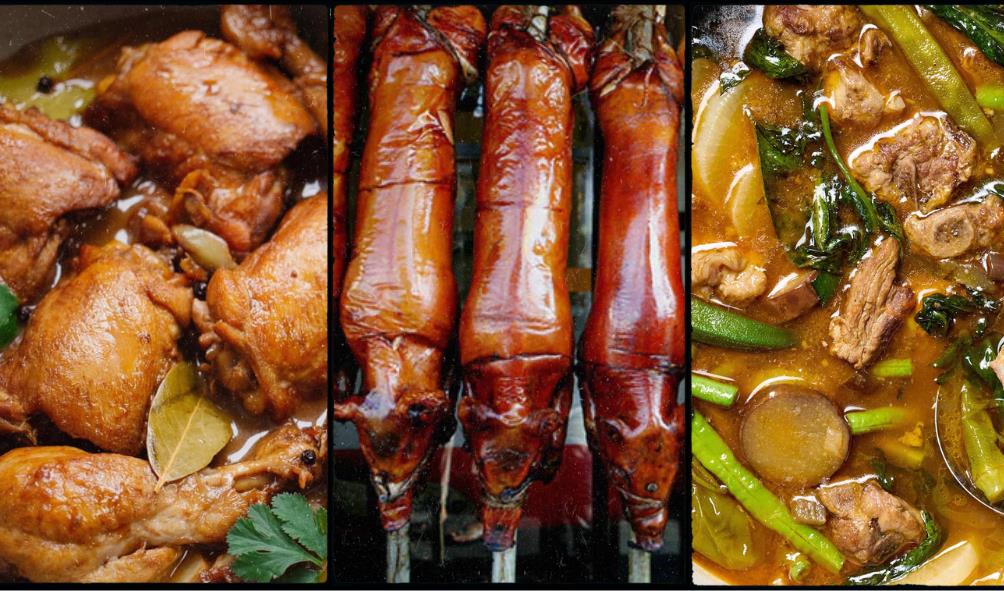
Traditional practices, like communal meals, foster a strong sense of community and belonging. By embracing this heritage, you'll not only enjoy authentic flavors but also connect deeply with the Filipino spirit.
Ultimately, culinary heritage shapes how you experience and appreciate the vibrant food culture in the Philippines.
Conclusion
Filipino food truly stands out because it embraces fresh, local ingredients and rich culinary traditions. You can taste the love and care in every dish, thanks to the communal spirit of sharing meals with family and friends. The blend of regional flavors and cultural influences creates a unique dining experience that’s both comforting and exciting. So next time you savor a Filipino meal, remember it’s not just food; it’s a celebration of heritage, community, and unforgettable flavors.
Statistics
- Filipino cuisine is heavily influenced by various cultures, including Spanish, Chinese, and American, which adds layers of complexity and richness to its flavors.
- Street food culture in the Philippines offers a variety of affordable and flavorful options, showcasing the creativity and resourcefulness of local vendors.
- The emphasis on using natural ingredients without artificial additives ensures that Filipino food retains its authentic taste and nutritional value.
- Family and communal dining are cornerstones of Filipino culture, leading to meals that are not only delicious but also filled with love and shared experiences.
External Links
- CNN Travel: Philippines Food Guide - An insightful guide to the must-try dishes and culinary experiences in the Philippines.
- Food Network: Philippine Cuisine - A resource featuring popular Filipino dishes and cooking tips from renowned chefs.
- The New York Times: Philippine Food - An article exploring the rise of Filipino cuisine and its unique flavors in the global food scene.
- The Kitchn: Understanding Philippine Cuisine - An informative piece discussing the history and influences of Filipino food.
How to Pair Filipino Dishes with Local Beverages
Pairing Filipino dishes with local beverages can elevate your dining experience. Traditional drinks like calamansi juice or coconut water complement the flavors of Filipino food beautifully. Experiment with pairing dishes like lechon with a refreshing mango shake or adobo with a local beer. Understanding these pairings will enhance the overall taste and enjoyment of your meals, making the flavors of the Philippines even more memorable.
Plan the perfect group trip, your way.
Get an instant personalized itinerary. We handle logistics, payments, and provide a dedicated itinerary, while local experts fine-tune every detail. Enjoy full freedom—without the stress of organizing it all.
https://escapetomexiconow.com/tourhero
Recommended Resources:
Dreaming of a fresh start abroad? Explore our curated destination guides to learn how you can make the move with ease.
https://escapetomexiconow.com/
https://escapetomexiconow.info/
https://escapetopanamanow.info/
https://escapetothephilippinesnow.com/
YouTube Channel:
See Mexico like never before! From local culture to travel hacks, our YouTube channel brings the adventure straight to you.
https://www.youtube.com/@EscapeToMexicoNow