When you explore the history of the Subanen people, you’ll uncover a rich tapestry woven from ancient traditions and resilient adaptations. Their connection to the Zamboanga Peninsula reveals a unique cultural identity shaped by centuries of environmental interaction and trade. Yet, as you learn more about their beliefs, social structures, and the challenges they've faced, you'll find that their story is far from over. What lies ahead for this remarkable community?
Origins of the Subanen People
Although the exact origins of the Subanen people are still debated, they’re generally believed to have descended from the early Austronesian settlers who arrived in the Philippines thousands of years ago.
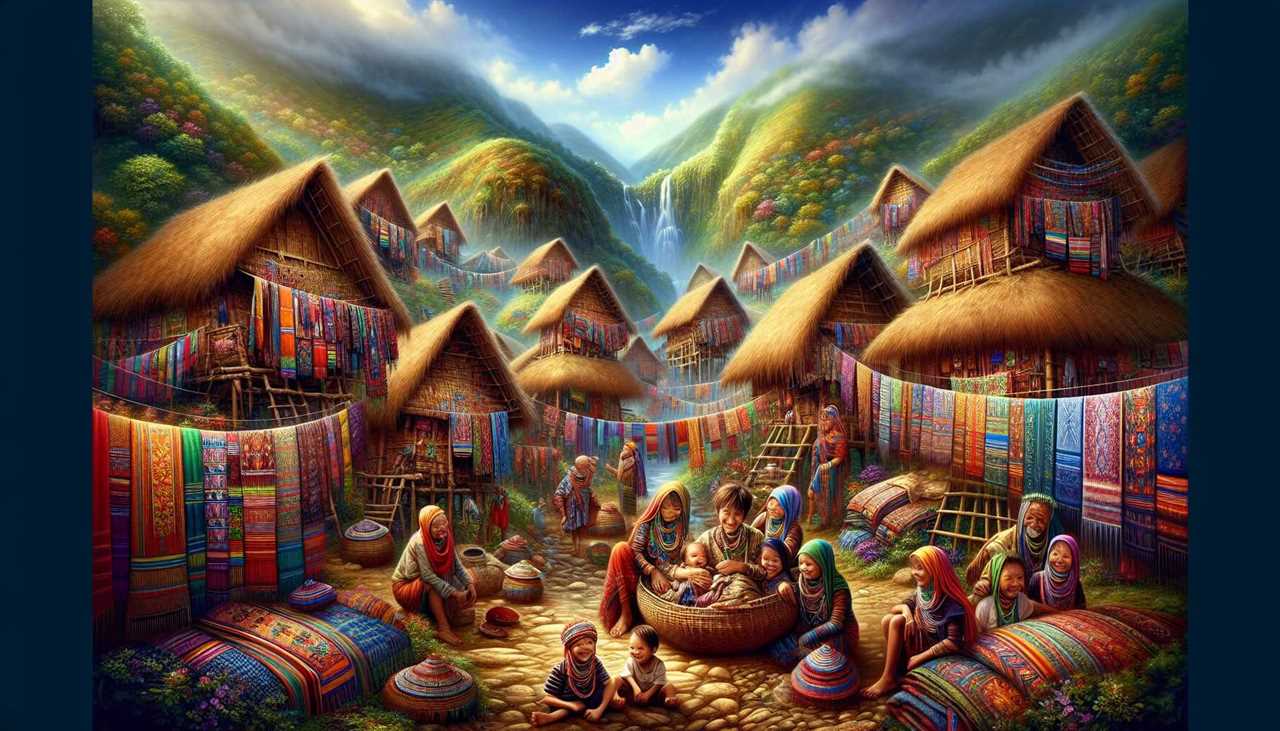
As you explore their history, you’ll notice that the Subanen have a rich cultural heritage rooted in agriculture and trade. They primarily settled in the Zamboanga Peninsula, adapting to the lush environment and utilizing its resources.
You might find it fascinating that they engaged in various trades with neighboring tribes, enhancing their social and economic interactions.
Over centuries, the Subanen have maintained their unique identity, showcasing resilience and adaptability in the face of external influences.
This deep connection to their land and traditions defines their enduring legacy today.
Traditional Beliefs and Spiritual Practices
The Subanen people's connection to their land extends beyond agriculture and trade; it deeply influences their traditional beliefs and spiritual practices.
You’ll find that nature plays a significant role in their spirituality, with mountains, rivers, and forests considered sacred. The Subanen often conduct rituals to honor spirits, seeking guidance and protection.
Ancestor veneration is central, as you may notice them paying homage to those who came before, believing their spirits watch over the living.
Shamans, or spiritual leaders, are vital in your community, performing healing ceremonies and mediating between the physical and spiritual worlds.
These practices foster a sense of unity and identity, reminding you of the importance of balance between the material and spiritual realms in your everyday life.
Social Structure and Community Organization
While the Subanen people's social structure is deeply rooted in kinship and community ties, it reflects a unique organization that emphasizes cooperation and mutual support.
You’ll notice that families often work together to achieve common goals, whether in agriculture or during communal events. Elders hold significant authority, guiding decisions and preserving traditions.
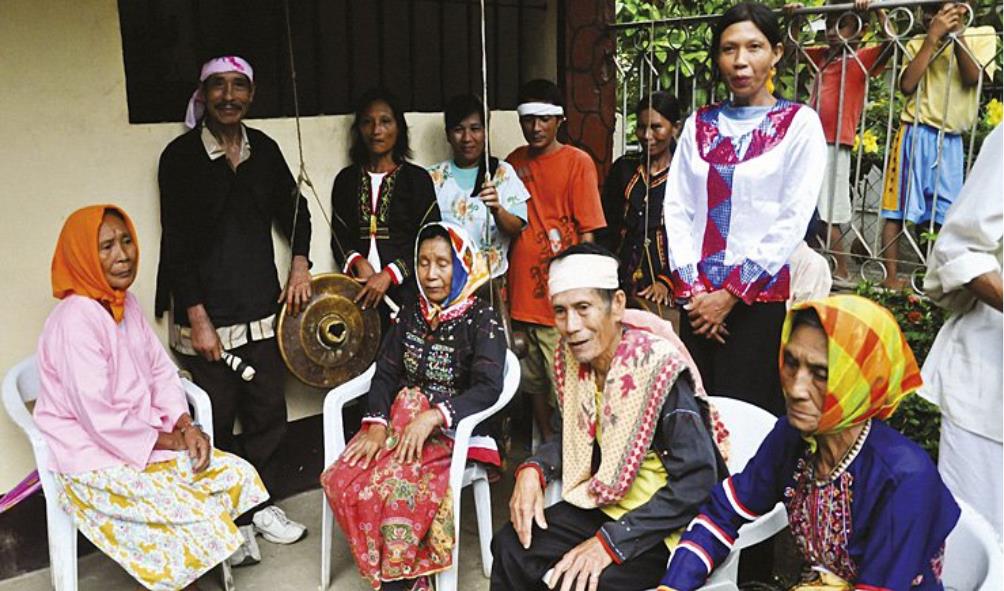
The community often gathers for celebrations, strengthening bonds and reinforcing shared values. You might also observe that leadership is often based on respect rather than formal titles, fostering a sense of belonging.
Conflicts are resolved through dialogue, ensuring harmony within the group. Overall, the Subanen’s social fabric showcases a blend of collaboration, respect, and cultural identity, creating a resilient and unified community.
Language and Communication
Language and communication play a vital role in the daily lives of the Subanen people, connecting them to their rich cultural heritage. You’ll find that the Subanen language, with its unique dialects, serves not only as a means of conversation but also as a vessel for their history and traditions.
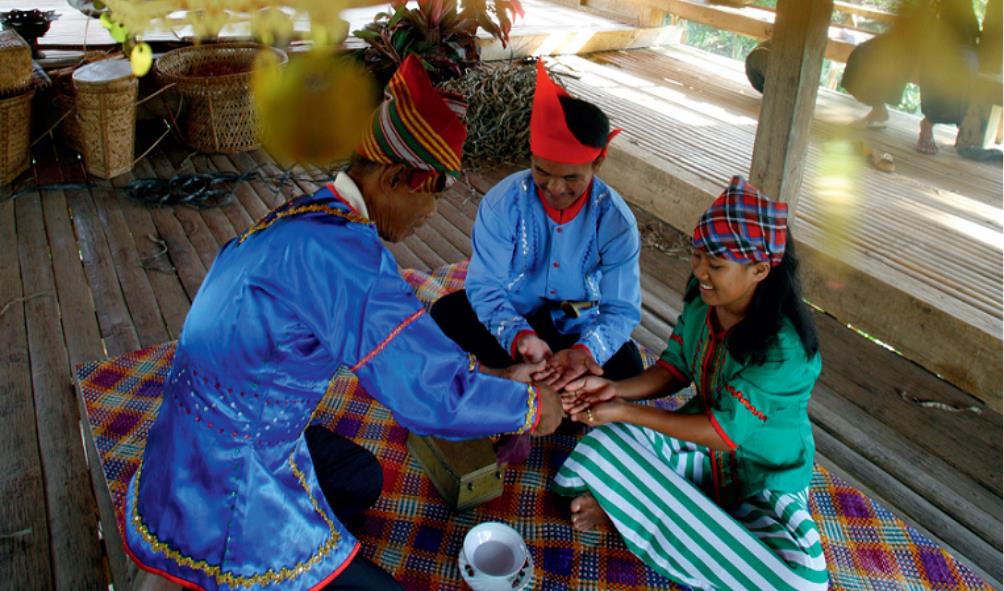
When you engage with the Subanen community, you’ll notice how storytelling and oral traditions are key to preserving knowledge and values. Elders share tales that bind generations, ensuring that younger members grasp their identity.
Additionally, non-verbal communication, such as gestures and facial expressions, enhances understanding in conversations. By appreciating their language and communication styles, you gain deeper insight into the Subanen people's beliefs and way of life, strengthening your connection to their culture.
Cultural Practices and Artistic Expressions
Storytelling is just one way the Subanen people express their rich cultural identity. You’ll find that oral traditions weave together history, morals, and community values, passed down through generations.
Music plays a vital role too; traditional songs often accompany rituals, celebrations, and daily life, enhancing their connection to nature and each other.
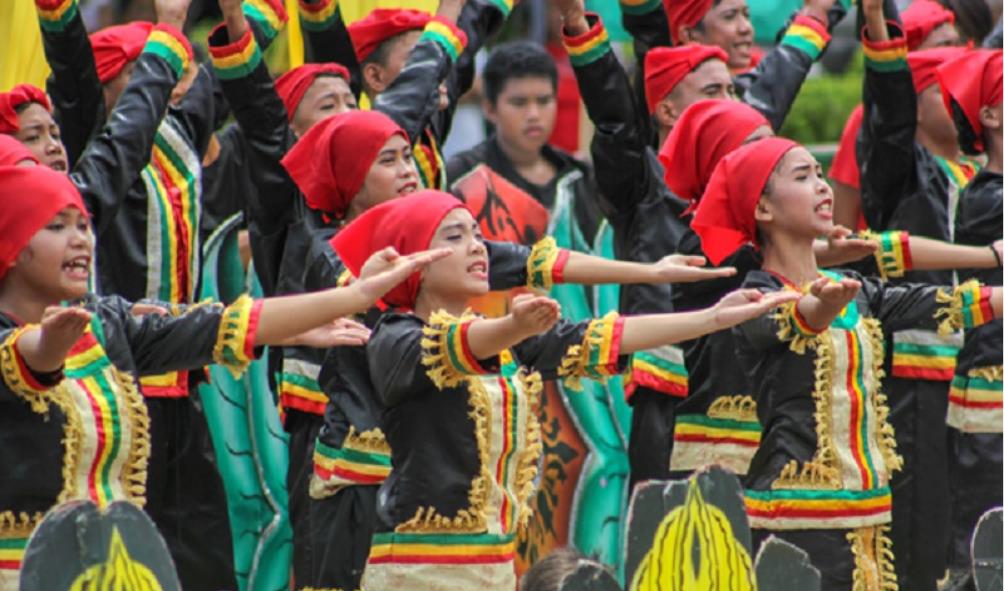
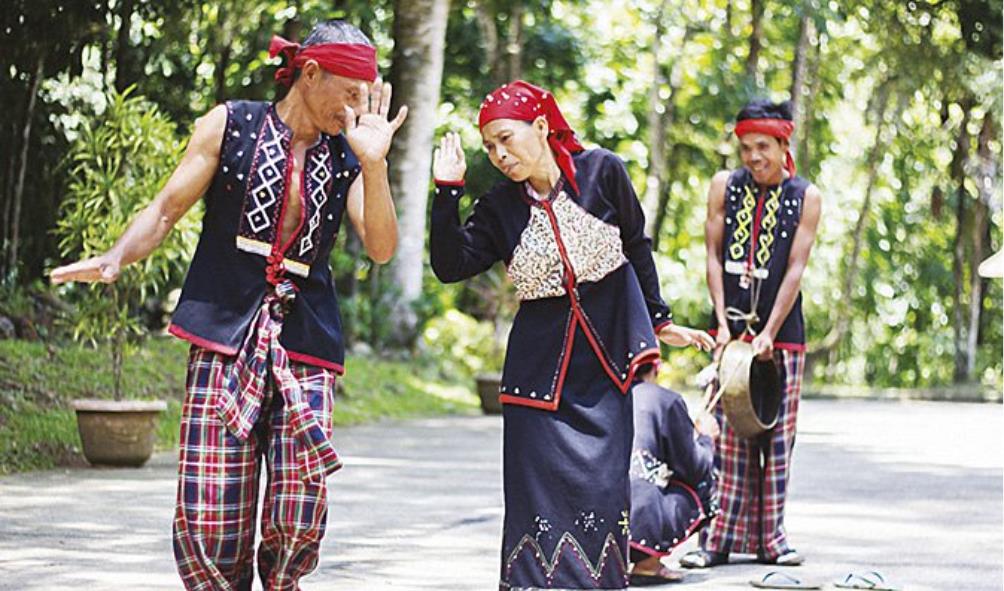
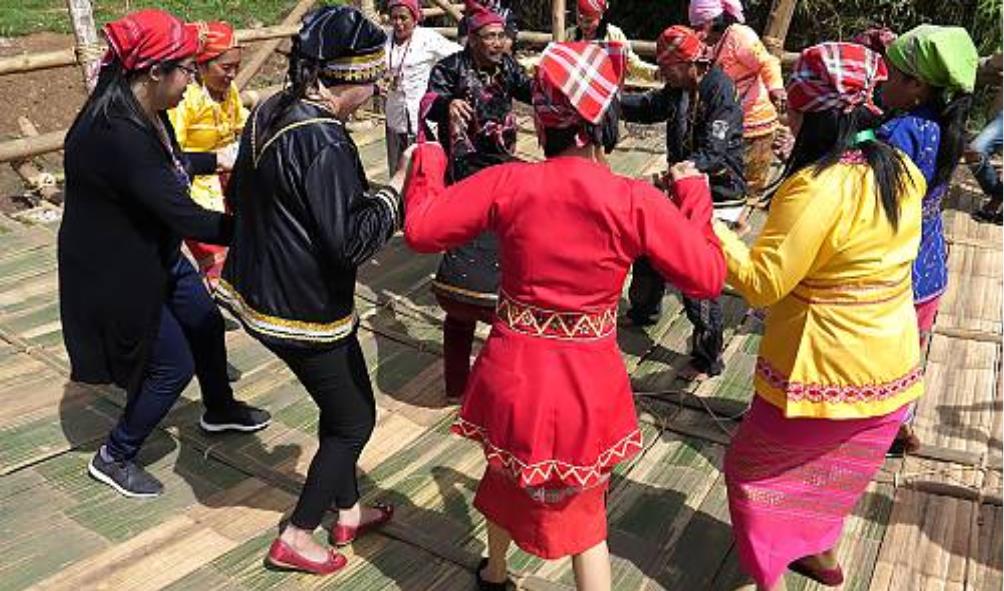
You might see vibrant textiles and intricate beadwork, showcasing the artistry in their clothing and accessories. Traditional dances, filled with energy and meaning, are performed during festivals, celebrating agricultural cycles and significant life events.
Through these cultural practices and artistic expressions, you experience the heart of Subanen life, where every story, song, and dance reflects their deep-rooted heritage and community spirit.
Historical Challenges and Resilience
Throughout their history, the Subanen people have faced numerous challenges that tested their resilience and adaptability. From colonial invasions to environmental changes, they've endured hardships that threatened their way of life.
Land disputes, often instigated by outside forces, forced many to relocate and adapt their agricultural practices. Yet, you’ll notice how the Subanen's strong community bonds and cultural pride helped them withstand these trials.
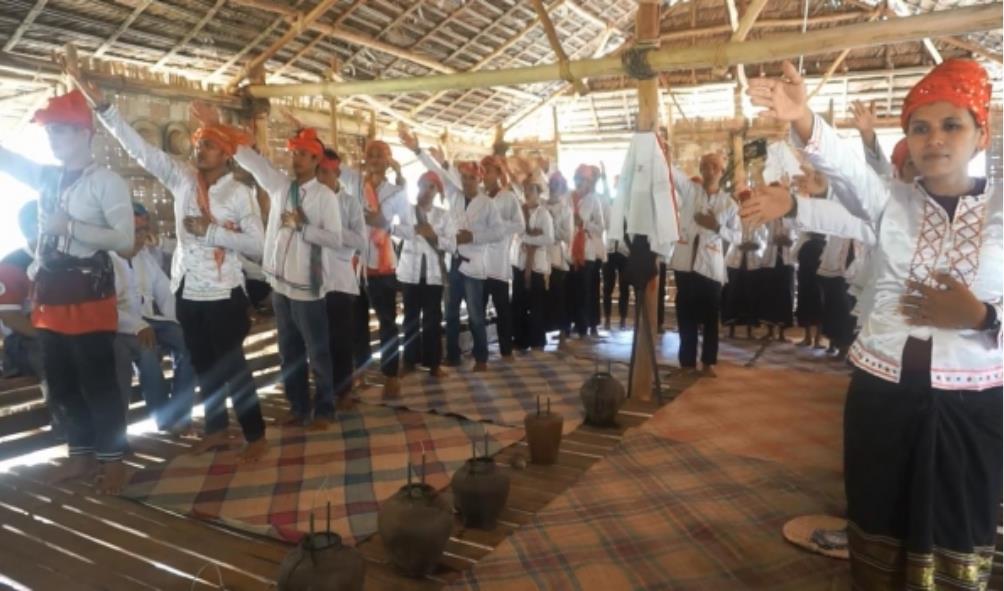
They preserved their traditions, passing down stories and skills that fostered unity. Despite the odds, you can see their determination reflected in their festivals and rituals, which celebrate identity and heritage.
The Subanen's response to adversity showcases a profound strength, reminding you that resilience isn't just about survival but about thriving against the odds.
Impact of Modernization on Subanen Life
As the Subanen people have navigated through historical challenges, the forces of modernization have begun to reshape their lives in significant ways.
You might notice that traditional practices are adapting to new technologies and economic pressures. For instance, some Subanen are embracing agriculture methods that combine ancestral knowledge with modern techniques, which boosts productivity.
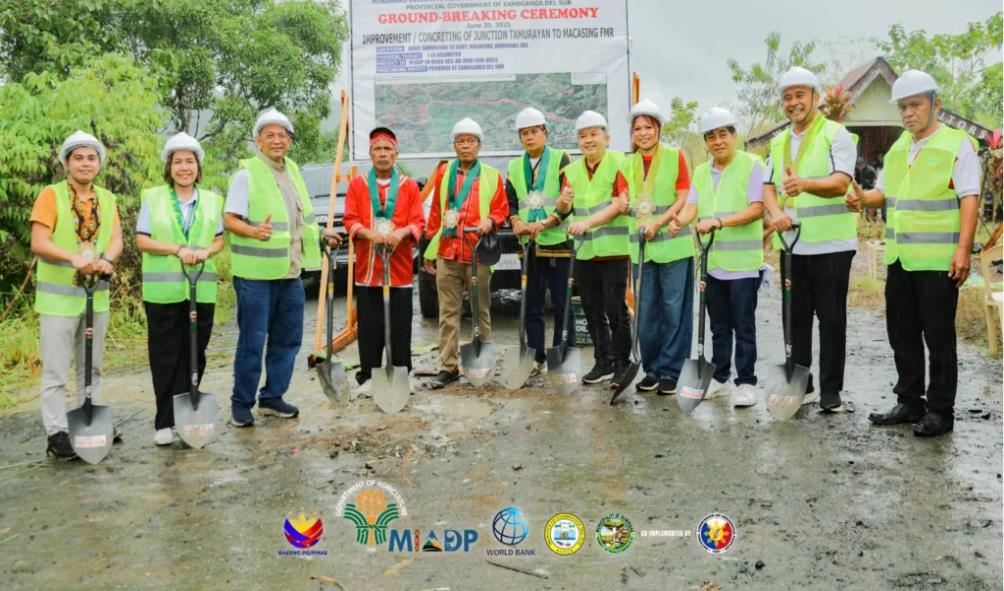
You’ll also see changes in their community structures, as younger generations move to urban areas for work, leading to a shift in social dynamics.
While education and healthcare access have improved, these advancements sometimes come at the cost of cultural identity.
The balance between embracing modern conveniences and preserving traditions poses a challenge that the Subanen continue to face as they redefine their identity in this rapidly changing world.
Efforts in Cultural Preservation and Revitalization
While modernization poses challenges, the Subanen people are actively engaged in efforts to preserve and revitalize their cultural heritage.
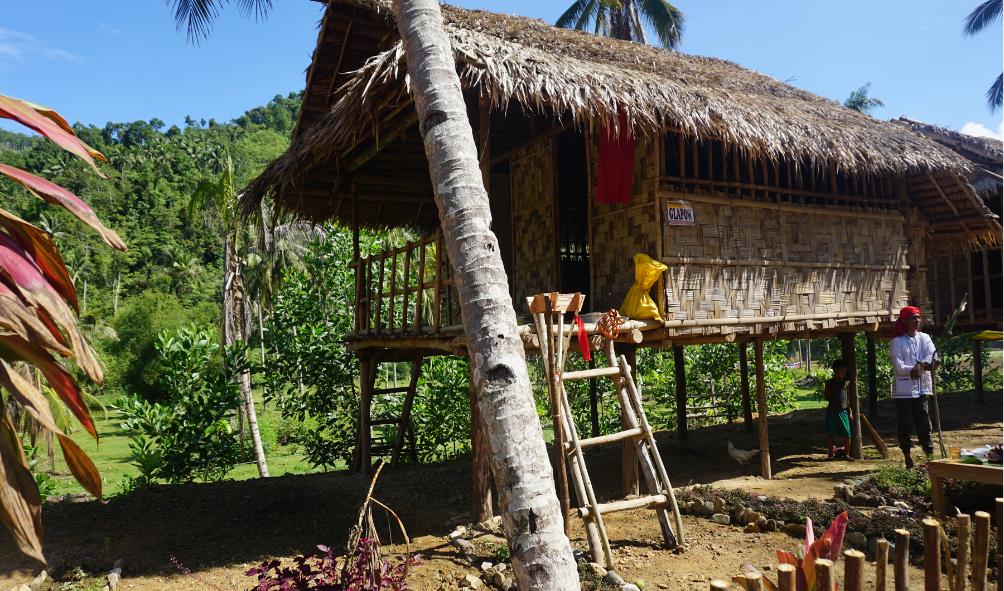
You’ll find community members participating in traditional practices, such as weaving and crafting, ensuring these skills are passed down through generations. Language revitalization programs are also in place, encouraging youth to learn and speak the Subanen language.
Community gatherings and festivals showcase their rich traditions, fostering pride and unity among members. Additionally, collaborations with NGOs help secure funding for cultural initiatives.
Conclusion
In exploring the history of the Subanen people, you’ve uncovered a vibrant tapestry of culture, resilience, and deep-rooted traditions. Their ability to adapt while preserving their identity amidst challenges is truly inspiring. As modernization continues to influence their lives, the Subanen are working hard to revitalize and protect their heritage. By supporting their efforts, you help ensure that this rich culture not only survives but thrives for generations to come.
Statistics
- Historically, the Subanen people have been known for their agricultural practices, primarily cultivating rice, corn, and various root crops, which are central to their subsistence.
- Their rich cultural heritage includes traditional practices such as weaving, pottery, and intricate beadwork, showcasing their artistic skills and connection to their environment.
- The Subanen people are an indigenous group primarily found in the Zamboanga Peninsula of the Philippines, with a population estimated at around 100,000 individuals.
- The Subanen community has a strong spiritual belief system, with animistic traditions that honor ancestral spirits and natural elements, reflecting their deep connection to nature.
External Links
- Philippine News Agency - Subanen Culture and Challenges reports on contemporary issues facing the Subanen people and efforts to maintain their cultural identity.
- Philippine History - Subanen People offers insights into the historical background and cultural practices of the Subanen community.
- UNESCO - Subanen Indigenous Peoples outlines the significance of the Subanen people in the context of cultural diversity and heritage preservation.
- ResearchGate - Subanen Culture and Traditions features academic research on the cultural traditions and practices of the Subanen people.
How To Explore the Subanen Language and Communication
Exploring the Subanen language involves studying its structure, vocabulary, and usage within the community. Start by accessing language resources, such as dictionaries or online courses, that focus on the Subanen language. Listening to native speakers through recordings or community interactions can enhance your understanding of pronunciation and context. Engaging with language preservation initiatives can also provide opportunities to learn and practice the language in a supportive environment. Understanding the language is crucial for deeper connections with the Subanen people and their cultural narratives.
Plan the perfect group trip, your way.
Get an instant personalized itinerary. We handle logistics, payments, and provide a dedicated itinerary, while local experts fine-tune every detail. Enjoy full freedom—without the stress of organizing it all.
https://escapetomexiconow.com/tourhero
Recommended Resources:
Dreaming of a fresh start abroad? Explore our curated destination guides to learn how you can make the move with ease.
https://escapetomexiconow.com/
https://escapetomexiconow.info/|
https://escapetopanamanow.info/
https://escapetothephilippinesnow.com/
YouTube Channel:
See Mexico like never before! From local culture to travel hacks, our YouTube channel brings the adventure straight to you.
https://www.youtube.com/@EscapeToMexicoNow