When you think of food culture, fast food often comes to mind, but there's a richer narrative waiting to unfold. The Philippines presents a culinary landscape that’s diverse and deeply rooted in tradition. Each dish tells a story, blending local ingredients with global influences. As you explore further, you’ll discover how Filipino cuisine not only sustains palates but also fosters community and innovation. What makes this food culture so compelling?
The Rich Tapestry of Filipino Cuisine
When you explore Filipino cuisine, you uncover a vibrant blend of flavors and traditions that reflect the country's rich history and diverse cultural influences. Each dish tells a story, combining indigenous ingredients with influences from Spanish, Chinese, and American cuisines.
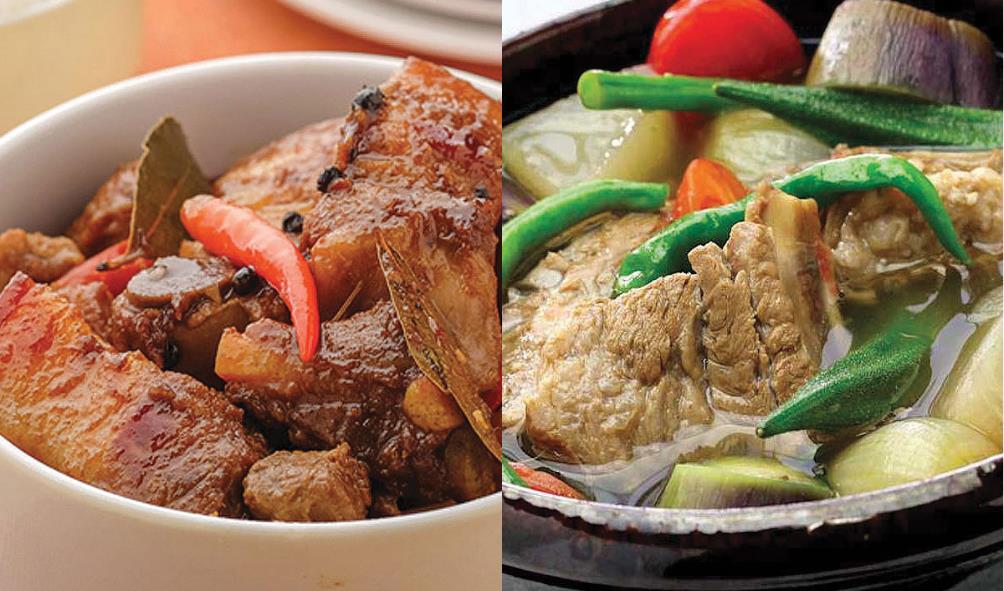
You’ll taste the balance of sweet, sour, and salty in dishes like adobo and sinigang, which showcase the Filipino knack for harmonizing flavors. Rice is a staple in every meal, often served alongside a variety of meats and vegetables.
Don’t forget to try regional specialties, as each area has its unique twist on traditional dishes. This culinary landscape invites you to savor every bite, celebrating the warmth and hospitality that Filipino culture embodies.
Street Food: A Flavorful Journey
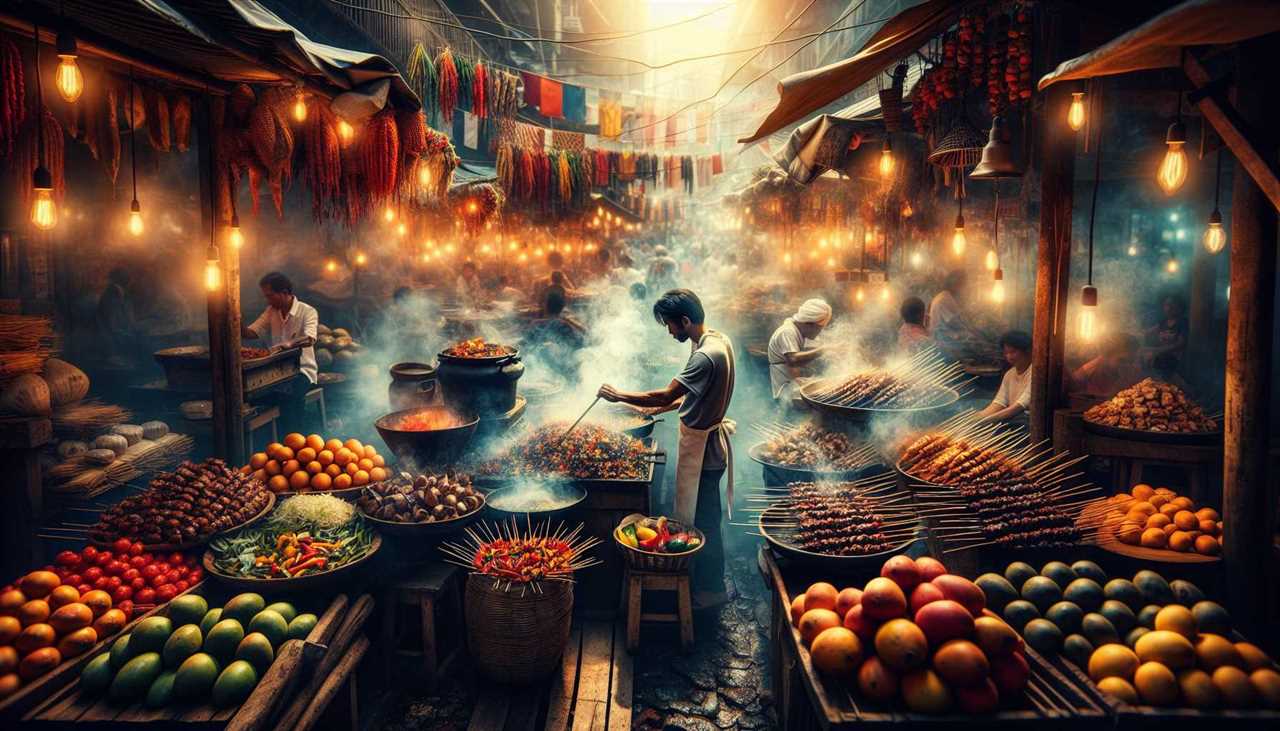
As you wander through the bustling streets of the Philippines, the enticing aroma of sizzling street food beckons you to explore a vibrant culinary world. Each stall presents a unique taste experience, from the savory, grilled isaw (chicken intestines) to the crispy, golden kwek-kwek (quail eggs).
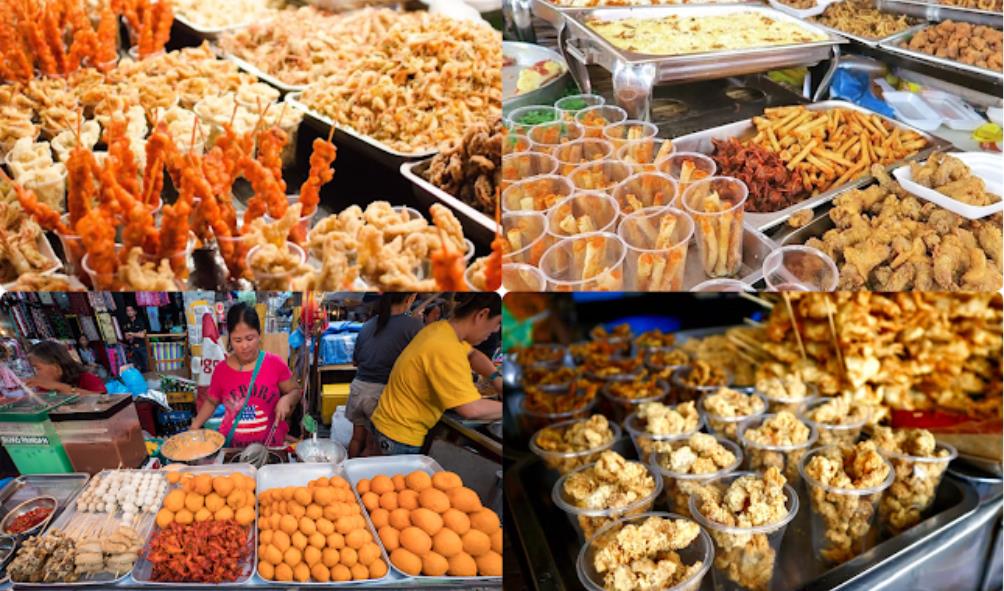
You’ll find locals eagerly sharing their favorites, such as the ever-popular fish balls dipped in tangy sauces. The atmosphere buzzes with laughter and chatter, making it a feast for your senses.
Street food isn’t just a meal; it’s a social experience that connects you with the culture and the people. So grab a skewer, savor the bold flavors, and relish the spontaneity of dining on the streets, where every bite tells a story.
Traditional Recipes and Family Heritage
Street food offers a glimpse into the vibrant culinary scene of the Philippines, but traditional recipes rooted in family heritage tell a deeper story.
When you gather around the dinner table, you're not just enjoying a meal; you’re connecting with generations of your family's culinary traditions. Each dish carries memories, like your grandmother's adobo or your aunt's special sinigang.
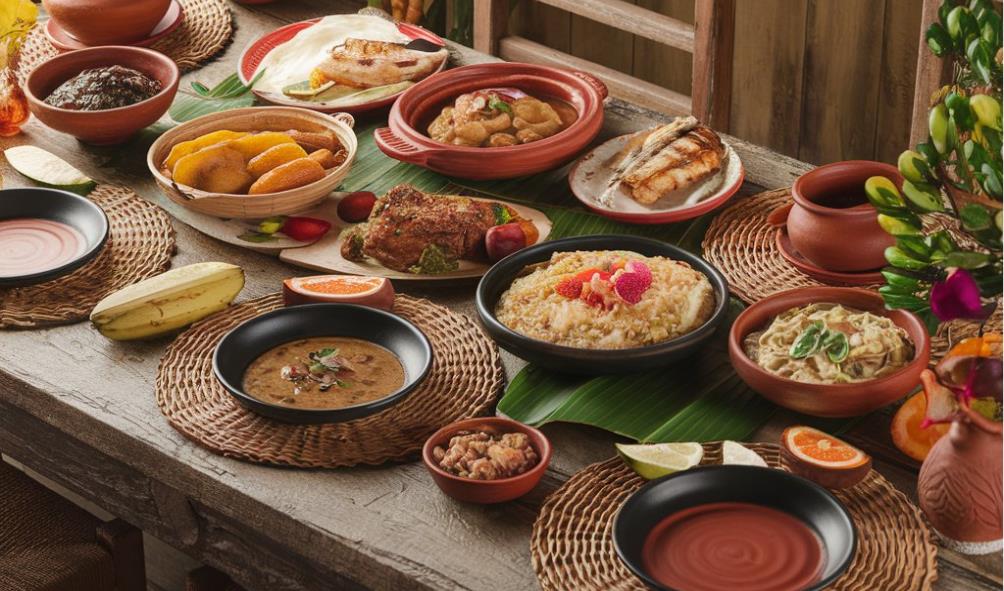
These recipes often get passed down, with each family adding their unique twist, preserving history while fostering unity. You can almost taste the love and labor in every bite, reminding you of family gatherings and celebrations.
Embracing these traditional recipes not only honors your heritage but also keeps the rich tapestry of Filipino culture alive for future generations.
The Influence of Regional Ingredients
While exploring the Philippines' diverse food culture, you'll quickly notice how regional ingredients shape the flavors and dishes unique to each area. From the rich coconut milk in Bicol’s spicy dishes to the fresh seafood in Visayas, each region contributes its own distinct taste.
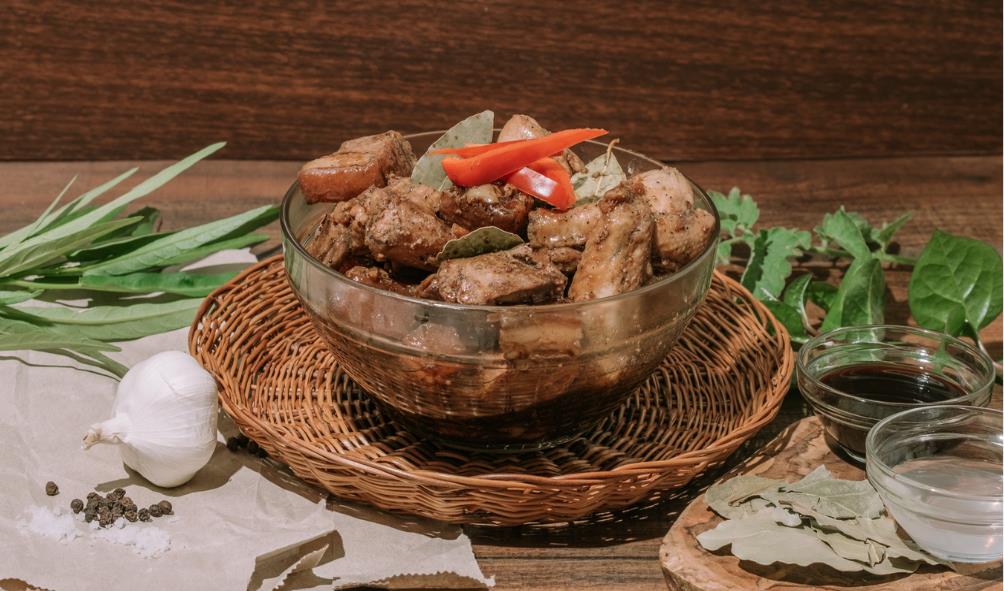
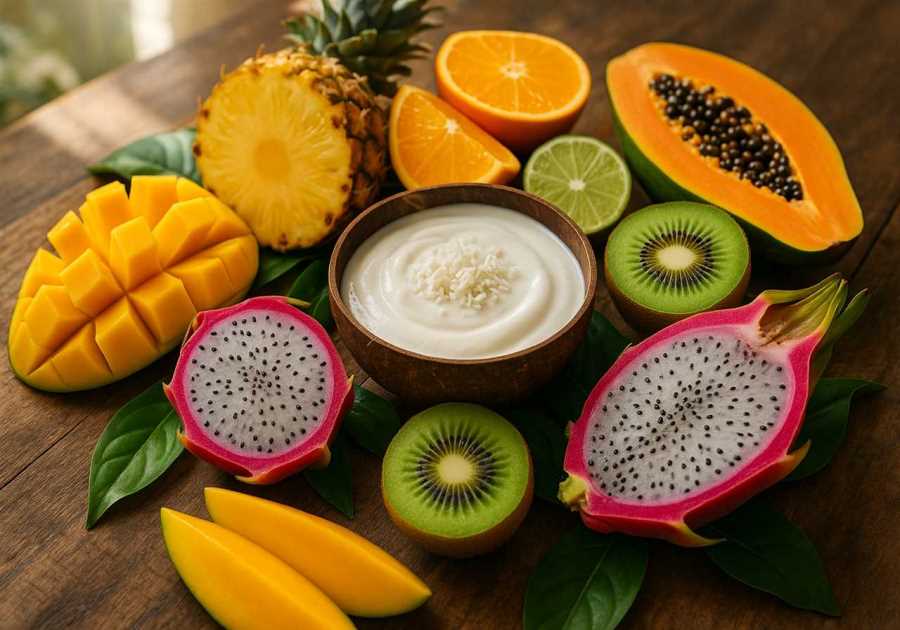
You’ll find that ingredients like adobo, made with locally sourced meats, vary in flavor depending on where you are. In the north, the use of rice is prominent, while the south showcases tropical fruits like mangoes and bananas.
These local ingredients not only enhance the dishes but also tell the stories of the people and their traditions. As you savor each bite, you'll truly appreciate the connection between the land and the vibrant food culture of the Philippines.
Celebrating Festivals Through Food
Every year, countless festivals across the Philippines celebrate the country’s rich culinary heritage, turning food into a centerpiece of communal joy and tradition.
You’ll find vibrant street stalls filled with local delicacies like lechon, adobo, and halo-halo, each dish telling a story of its roots. At these celebrations, families and friends gather to share meals, reinforcing bonds and creating lasting memories.
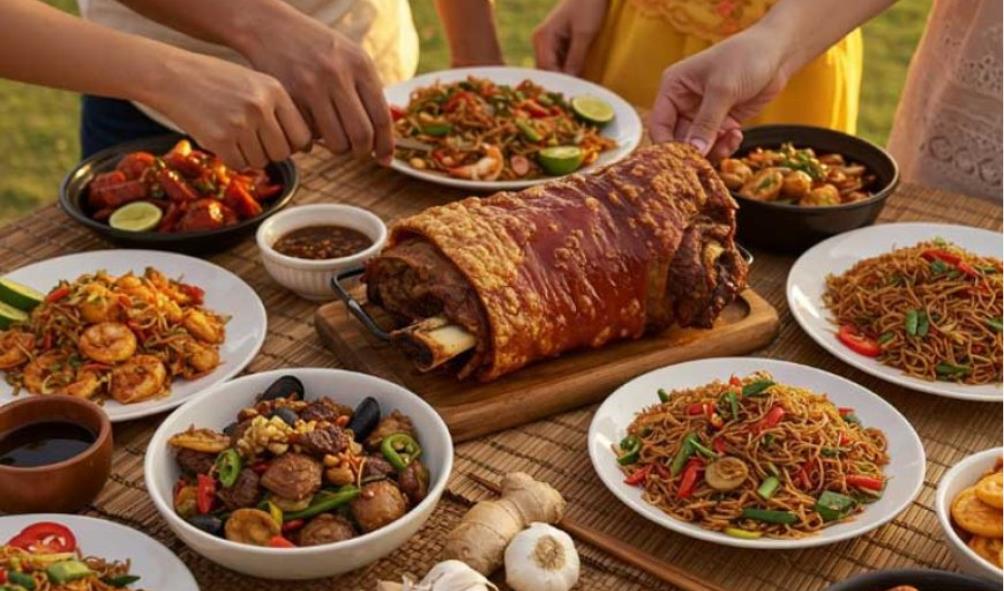
The rhythmic beat of parades often accompanies the aroma of grilled skewers and sweet treats, inviting everyone to join in. You can participate in lively cooking contests, showcasing your own recipes while honoring your culture.
Festivals like Sinulog and Pahiyas highlight the creativity and diversity of Filipino cuisine, reminding you that food is more than sustenance—it's a celebration of life.
The Rise of Filipino Food in Global Gastronomy
As you explore the vibrant festivals that showcase Filipino culinary traditions, you may notice a growing interest in Filipino food beyond the country's borders.
Chefs and food enthusiasts around the world are discovering the rich flavors and unique techniques that define this cuisine. With dishes like adobo, sinigang, and lechon gaining popularity, restaurants are starting to embrace these culinary staples.
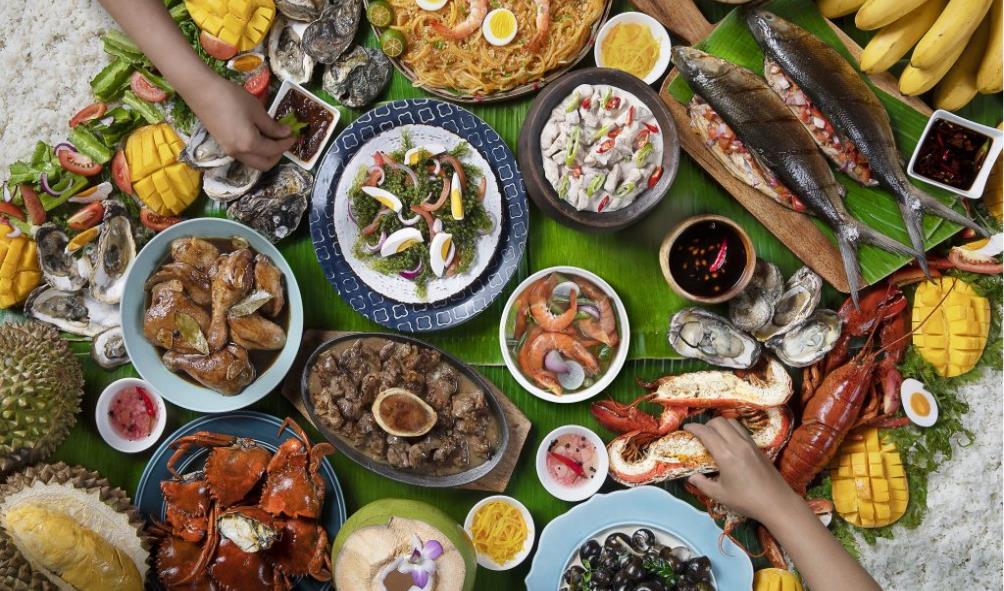
Social media platforms amplify this trend, as foodies share their experiences and recipes, sparking curiosity among global diners. This rise in popularity isn’t just about taste; it’s also about the stories and culture behind each dish.
You’ll find Filipino food becoming a delightful fusion of tradition and innovation, showcasing the Philippines as a significant player in global gastronomy.
Sustainable Practices in Filipino Cooking
Sustainable practices in Filipino cooking are gaining traction, reflecting a growing awareness of environmental issues and the importance of preserving local resources.
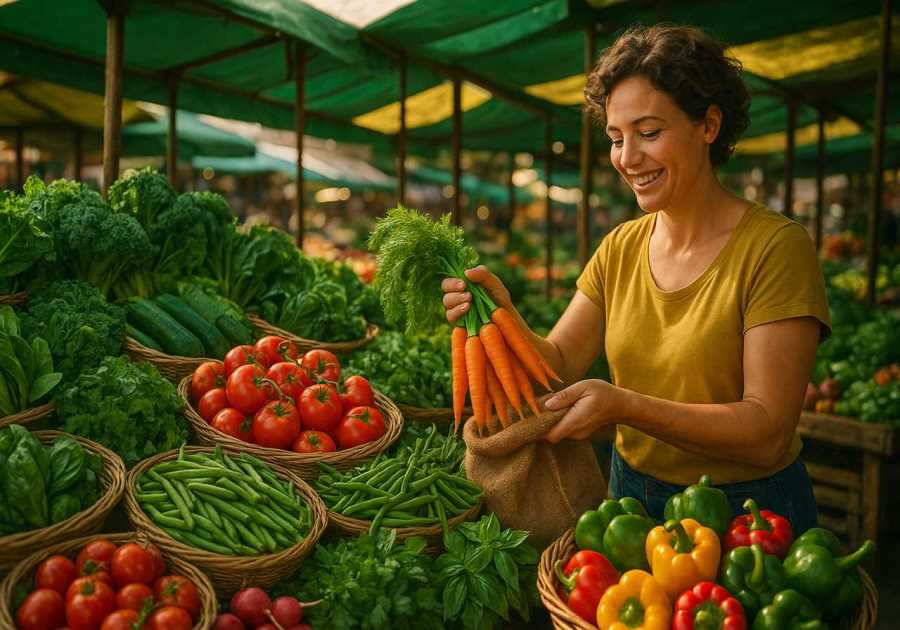
You’ll notice many chefs and home cooks prioritizing local ingredients, supporting farmers and reducing carbon footprints. By choosing seasonal produce, you're not just enjoying fresher flavors but also minimizing waste.
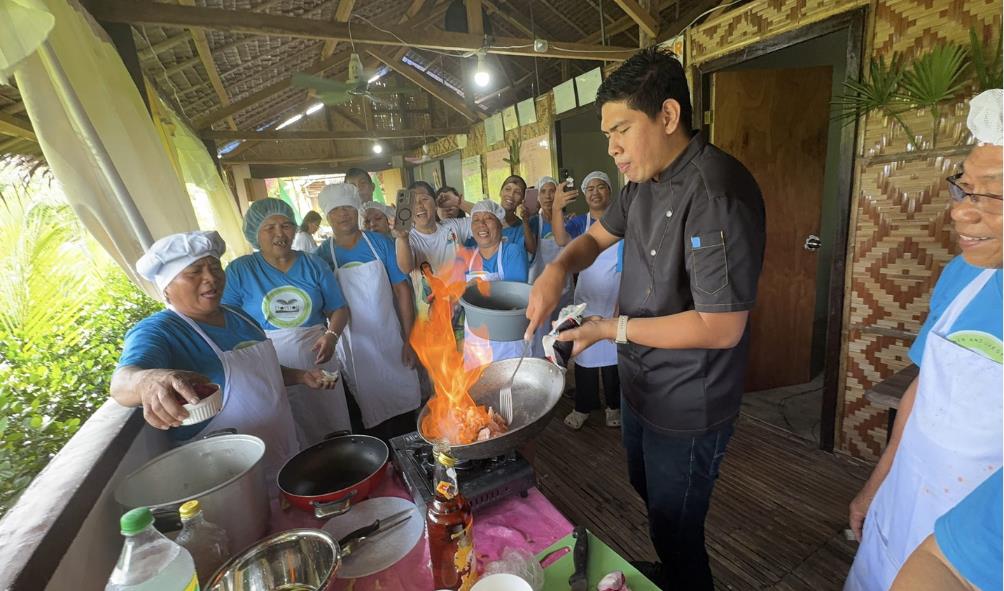
Traditional cooking methods, like slow cooking and fermentation, are making a comeback, helping you savor food while preserving nutrients.
Additionally, you can embrace zero-waste cooking by using every part of the ingredient, from root to leaf. This approach not only respects the food but also honors the cultural heritage of the Philippines.
Engaging in these practices allows you to contribute to a healthier planet while enjoying delicious Filipino cuisine.
The Role of Food in Community Building
Food serves as a powerful catalyst for community building, fostering connections that transcend cultural and social barriers. When you gather around a table, sharing traditional dishes, you create a sense of belonging. Each meal becomes a celebration, inviting stories and laughter that strengthen bonds.
In the Philippines, communal feasts like fiestas highlight this spirit, where everyone participates, bringing their unique flavors to the table.
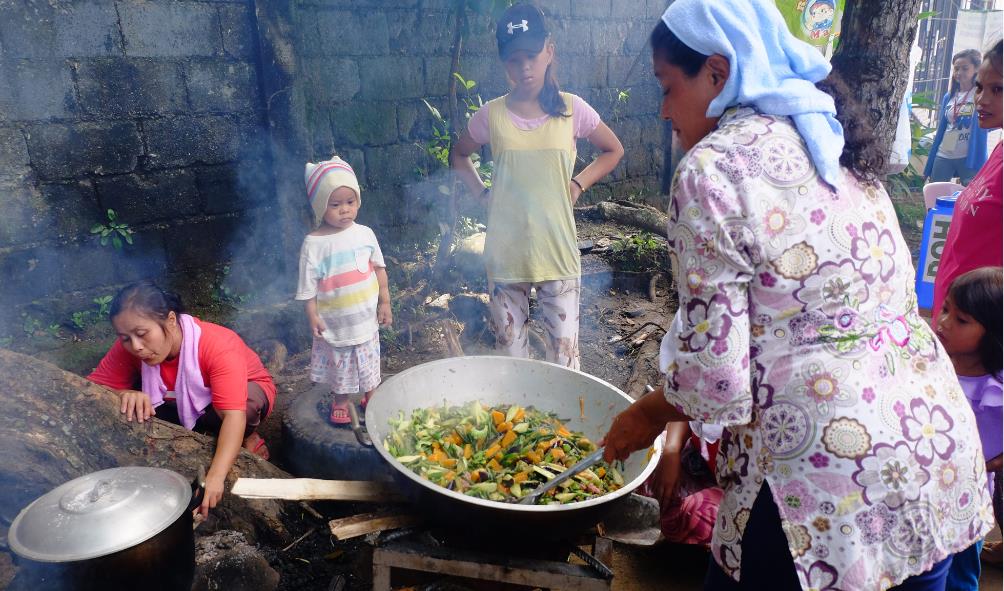
You’ll find that food not only nourishes the body but also nurtures relationships. Cooking together encourages teamwork and understanding, while sharing meals fosters trust and empathy.
As you enjoy these shared experiences, you become part of a larger narrative, bridging gaps and cultivating unity within your community. In this way, food plays an essential role in shaping connections that last.
Fusion Cuisine: Modern Takes on Classic Dishes
While traditional Filipino dishes hold a special place in the hearts of many, fusion cuisine breathes new life into these classics by blending them with diverse culinary influences.
Imagine savoring adobo tacos, where the savory flavors of adobo meet the convenience of a taco shell. Or picture a sinigang ramen, where the tangy broth of sinigang melds seamlessly with chewy noodles.
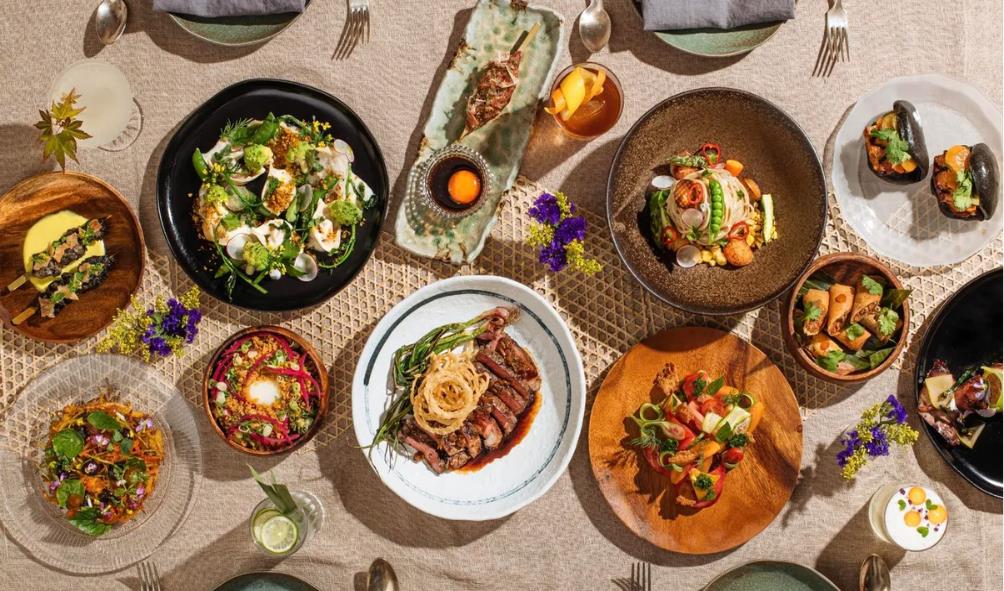
These inventive combinations not only excite your taste buds but also showcase the adaptability of Filipino cuisine. You’ll find restaurants and home cooks alike experimenting with ingredients from various cultures, creating unique dishes that celebrate both heritage and innovation.
Fusion cuisine invites you to experience familiar flavors in unexpected ways, making every meal an adventurous journey.
A Culinary Future Rooted in Tradition
As culinary trends evolve, many chefs and home cooks are returning to their roots, embracing traditional Filipino ingredients and cooking techniques.
You’ll find that this revival isn’t just nostalgic; it’s a celebration of cultural heritage. By using local produce like ube, calamansi, and adobo spices, you're not only honoring the past but also creating vibrant dishes that resonate with today’s palate.
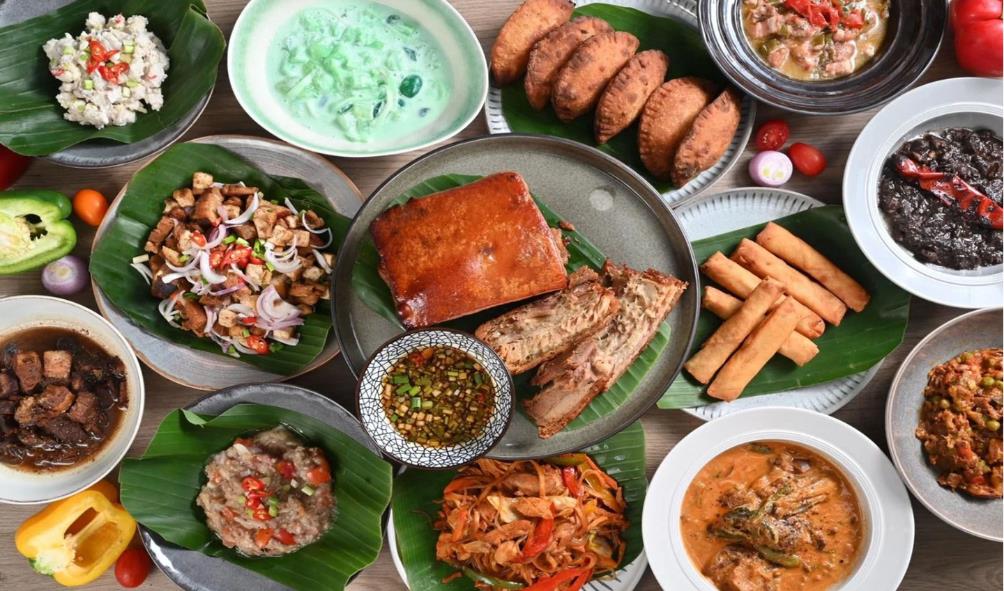
Cooking methods such as slow-roasting and fermentation bring out deep flavors while connecting you to the land and its history. This focus on authenticity encourages sustainable practices, supporting local farmers and communities.
As you explore these traditional recipes, you’ll discover that they hold the key to a culinary future that values both innovation and heritage, ensuring Filipino cuisine remains dynamic and relevant.
Conclusion
In exploring the vibrant world of Filipino cuisine, you discover a culinary landscape rich in flavors, traditions, and sustainability. Each dish tells a story, connecting you to the diverse regions and cultures of the Philippines. By embracing local ingredients and innovative cooking methods, Filipino food not only tantalizes your taste buds but also fosters meaningful community ties. So, as you savor these authentic flavors, you’re not just enjoying a meal; you're participating in a dynamic culinary future.
Statistics
- In 2023, Filipino cuisine was featured in 15 international food festivals, showcasing its global appeal and the increasing recognition of its rich flavors.
- The popularity of Filipino street food has surged, with over 60% of urban dwellers regularly indulging in local street food vendors, reinforcing the community aspect of dining.
- The Philippines boasts over 7,000 islands, each offering unique local delicacies that reflect the diverse cultural heritage of the country.
- Studies show that 70% of Filipino households prioritize meals made from scratch, reflecting a cultural commitment to family and heritage through food.
External Links
- The Philippines is a Food Lover's Paradise - This BBC article explores the diverse culinary offerings in the Philippines and their cultural significance.
- The History of Philippine Food Culture - Eater dives into the historical context of Filipino cuisine and its evolution over time.
- Philippine Food Culture - National Geographic examines the unique aspects of Filipino food culture and its connection to the country's heritage.
- Exploring the Food Culture of the Philippines - Food & Wine provides insights into the vibrant food culture of the Philippines and its local ingredients.
How to Incorporate Filipino Ingredients into Your Cooking
Incorporating Filipino ingredients into your cooking can be a delightful way to experience the flavors of the Philippines. Start by sourcing essential ingredients like fish sauce, coconut milk, and calamansi. Experiment with local staples such as rice, ube, and various tropical fruits. Try your hand at recreating traditional dishes or infusing Filipino flavors into your favorite recipes. By doing so, you not only enrich your meals but also introduce your palate to the vibrant tastes of Filipino cuisine.
Plan the perfect group trip, your way.
Get an instant personalized itinerary. We handle logistics, payments, and provide a dedicated itinerary, while local experts fine-tune every detail. Enjoy full freedom—without the stress of organizing it all.
https://escapetomexiconow.com/tourhero
Recommended Resources:
Discover where freedom, adventure, and opportunity await you.
https://escapetomexiconow.com/
https://escapetomexiconow.info/
https://escapetopanamanow.info/
https://escapetothephilippinesnow.com/
YouTube Channel:
Your next adventure starts here! Join us on YouTube for destination tours, insider advice, and everything you need to make your escape unforgettable.
https://www.youtube.com/@EscapeToMexicoNow