

When considering a move to the Philippines, safety is likely at the top of your mind. Urban areas, particularly Manila, present challenges with higher crime rates, while some neighborhoods shine as safe havens. You'll also need to keep natural disasters and health care in mind. Understanding the local landscape is crucial, but where should you start? Let’s explore what every potential expat should know about navigating this vibrant yet complex environment.
Overview of Crime Rates in the Philippines
When considering a move to the Philippines, it's important to understand the country's crime rates, as they can vary significantly across regions. Major urban areas, like Manila, tend to experience higher crime rates, including theft and petty crimes.
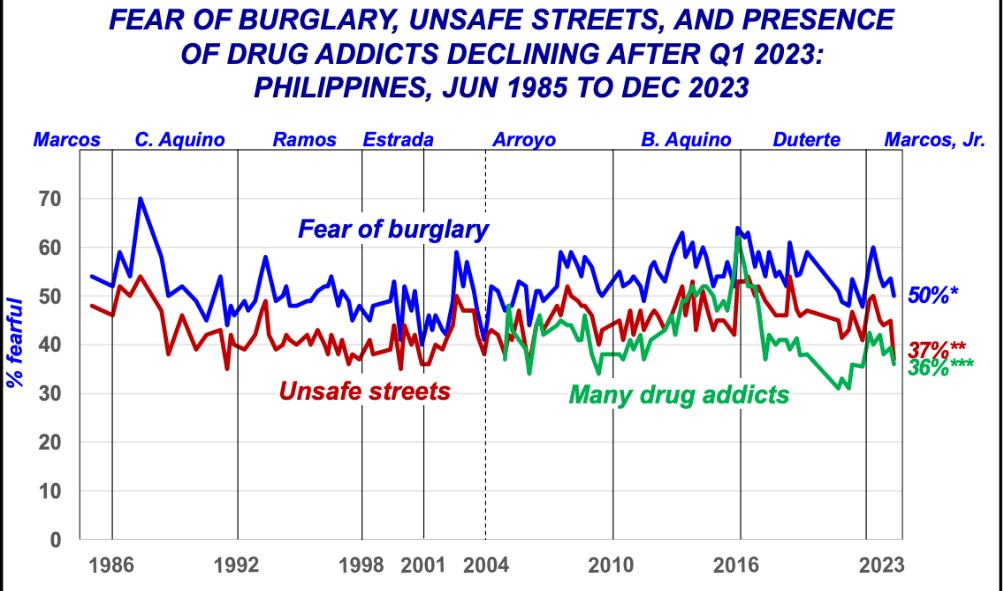
In contrast, many rural areas are generally safer, with lower crime rates. You should be aware that some regions, particularly certain provinces, may have issues related to insurgency or political unrest, impacting safety.
However, most expats find that by taking common-sense precautions—like avoiding risky neighborhoods and staying aware of your surroundings—you can enjoy a secure lifestyle. Engaging with local communities and expat groups can also provide valuable insights into living safely in the Philippines.
Natural Disaster Risks and Preparedness
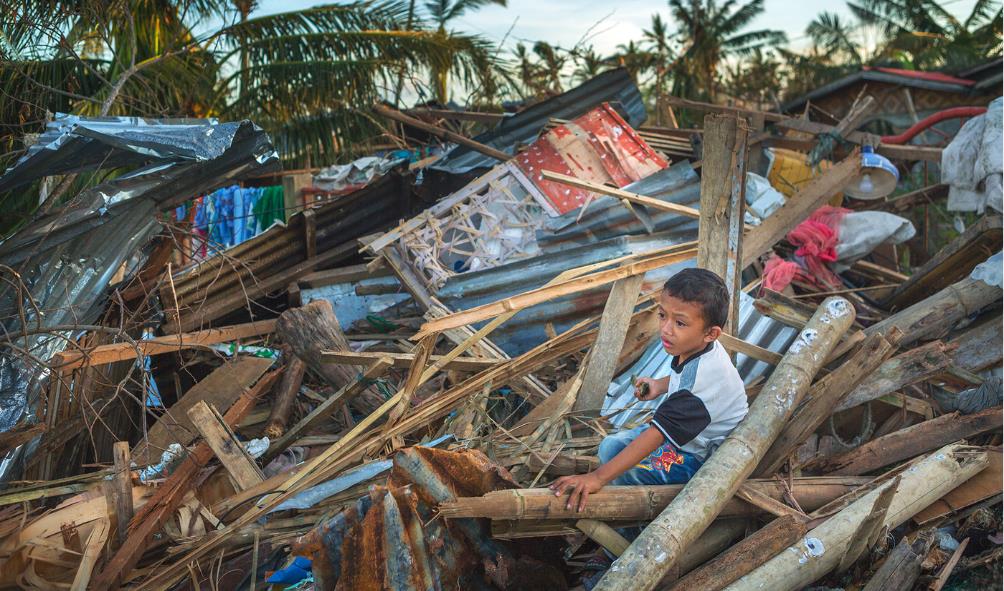
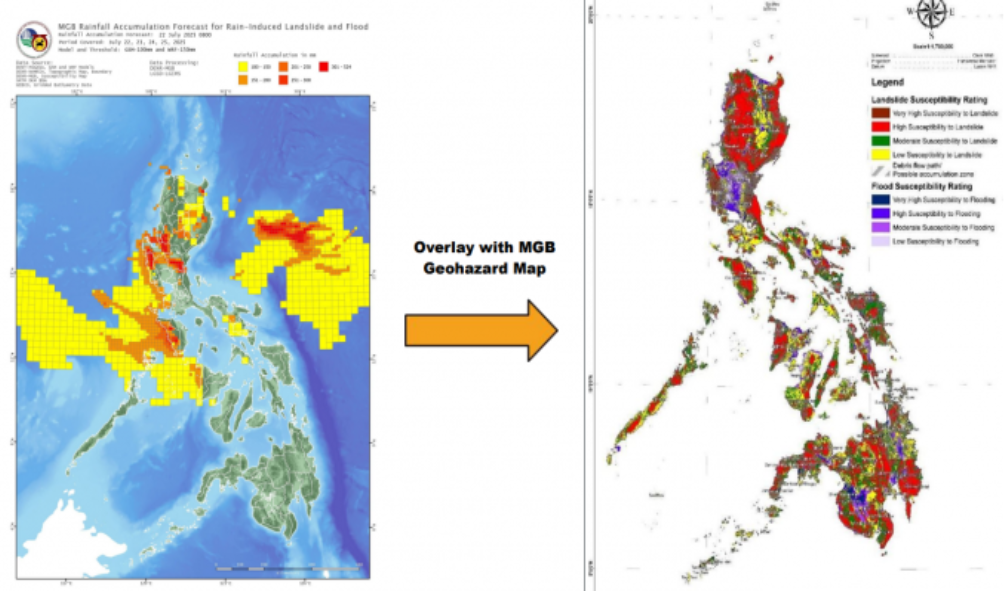
Although the Philippines is a beautiful archipelago, it's also prone to natural disasters, including typhoons, earthquakes, and volcanic eruptions. As a potential expat, you’ll want to familiarize yourself with these risks.
Typhoons typically occur from June to November, so it’s vital to have a disaster plan in place. Ensure you know the evacuation routes and have an emergency kit stocked with essentials. Regularly check local weather updates and heed alerts from authorities.
For earthquakes, consider securing heavy furniture and keeping emergency supplies accessible.
If you’re near active volcanoes, stay informed about potential eruptions and follow local guidelines. By staying prepared and informed, you can better navigate the challenges posed by natural disasters in your new home.
Health and Medical Considerations
Natural disasters aren't the only concern for expats in the Philippines; health and medical considerations are equally important.
Access to quality healthcare can vary significantly depending on where you live. In major cities like Manila and Cebu, you'll find modern hospitals and clinics, but rural areas may lack adequate facilities. It's essential to have health insurance that covers international care and emergency evacuations.
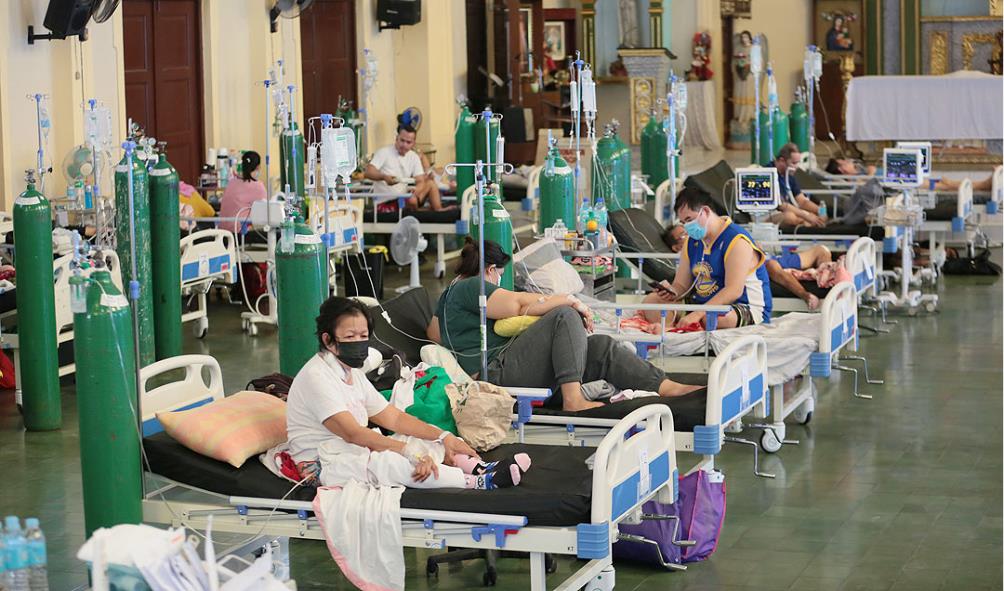
Vaccinations for diseases like Hepatitis A and Typhoid are recommended, as food and waterborne illnesses can be a risk. Keep a basic first-aid kit handy, and familiarize yourself with local pharmacies.
Lastly, consider the climate; heat and humidity can affect your health, so stay hydrated and protect yourself from mosquito-borne diseases like dengue fever.
Safe Areas vs. High-Risk Regions
While the Philippines offers vibrant culture and stunning landscapes, being aware of safe areas versus high-risk regions is crucial for expats. Major cities like Manila, Cebu, and Davao have neighborhoods that are generally safe, featuring expat-friendly amenities and communities.
Areas such as Makati and BGC in Manila are particularly popular due to their lower crime rates and better infrastructure.
On the flip side, certain regions in Mindanao are considered high-risk due to ongoing conflicts and crime. Avoid places like Sulu and Basilan, where security concerns are more prominent.
Tips for Staying Safe as an Expat
Staying safe as an expat in the Philippines requires a proactive approach, so it’s important to be aware of your surroundings and take precautions.
Always keep your belongings secure and avoid displaying valuables in public. Familiarize yourself with local neighborhoods; some areas may be safer than others.
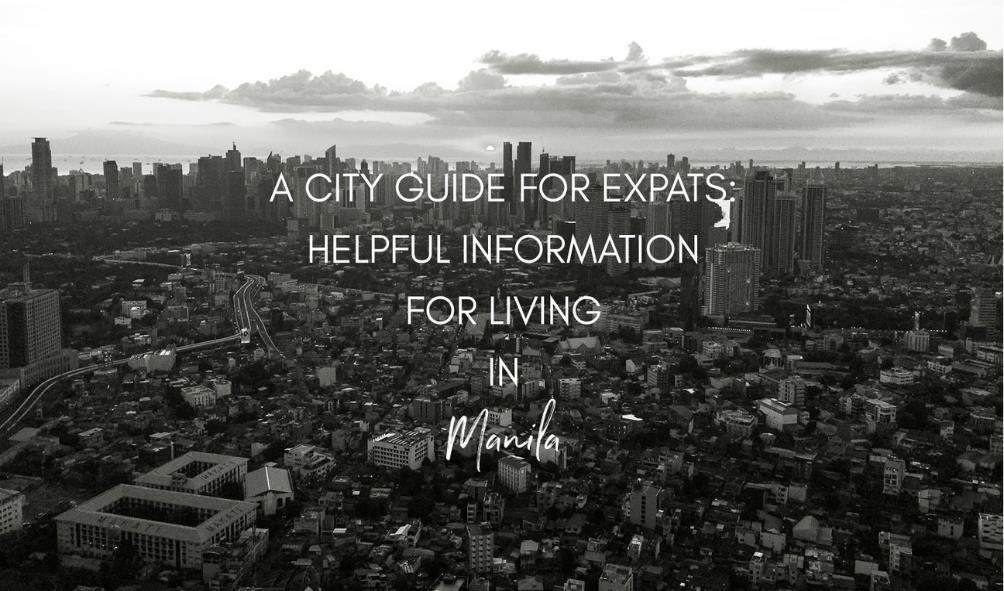
When using public transportation, opt for reputable services and avoid traveling alone at night. Trust your instincts; if a situation feels off, don’t hesitate to leave.
Learn basic phrases in Filipino; this can help you connect with locals and seek assistance when needed.
Lastly, stay updated on local news and any advisories that may affect your safety. Your vigilance and preparation can make a significant difference in your expat experience.
Navigating Local Laws and Customs
Understanding local laws and customs is crucial for expats in the Philippines, as it helps you avoid misunderstandings and ensures a smoother integration into the culture.
Familiarize yourself with the country's legal system, including traffic laws, business regulations, and property ownership rules. Respect local traditions, such as greetings, dress codes, and dining etiquette. For instance, removing your shoes before entering someone's home is a common practice.

Always carry your identification, as you'll need it in various situations. Be mindful of the local sensitivity around topics like religion and politics, and approach them with care.
Engaging with your community and asking locals about their customs will foster connections and enhance your experience in this vibrant country.
Conclusion
In conclusion, while the Philippines has its challenges, especially regarding crime and natural disasters, many areas remain safe and welcoming for expats. By staying informed, taking common-sense precautions, and knowing which neighborhoods to choose, you can enjoy the rich culture and vibrant lifestyle the country offers. Remember to respect local customs and laws to ensure a smooth transition. Overall, with the right mindset and preparations, your experience in the Philippines can be both safe and rewarding.
Statistics
- According to a survey by InterNations, 75% of expats in the Philippines feel safe living in the country.
- Crime rates in major urban areas like Manila and Cebu are higher, but many expats report feeling safe in their communities.
- According to the Global Peace Index 2021, the Philippines ranks 134th out of 163 countries, indicating moderate safety levels.
- Travel advisories from various countries often recommend caution in specific areas, but many regions in the Philippines are considered safe for tourists and expats.
External Links
- The Overseas Security Advisory Council (OSAC) provides a detailed report on safety and security conditions in the Philippines.
- TripAdvisor includes traveler reviews and safety tips for various destinations within the Philippines.
- Expat.com features a comprehensive guide for expats in the Philippines, covering safety, culture, and living conditions.
- World Population Review offers statistics and insights into crime rates and safety in the Philippines.
How To Assess Safety Levels in the Philippines Before Moving
When considering a move to the Philippines, it's vital to assess safety levels in the areas you're interested in. Start by researching crime rates through reliable sources like government websites and expat forums. Look for specific statistics on the neighborhoods you plan to live in, as safety can vary significantly from one area to another. Engage with local expat communities online to gather firsthand experiences and insights. Additionally, consult travel advisories from your home country, which often provide updated information on safety concerns. By gathering this information, you can make an informed decision about your potential new home.
Plan the perfect group trip, your way.
Get an instant personalized itinerary. We handle logistics, payments, and provide a dedicated itinerary, while local experts fine-tune every detail. Enjoy full freedom—without the stress of organizing it all.
https://escapetomexiconow.com/tourhero
Recommended Resources:
Dreaming of a fresh start abroad? Explore our curated destination guides to learn how you can make the move with ease.
https://escapetomexiconow.com/
https://escapetomexiconow.info/
https://escapetopanamanow.info/
https://escapetothephilippinesnow.com/
YouTube Channel:
See Mexico like never before! From local culture to travel hacks, our YouTube channel brings the adventure straight to you.
https://www.youtube.com/@EscapeToMexicoNow