You might find the history of the Maranao people intriguing, especially their journey from ancient Austronesian roots to a vibrant Islamic culture around Lake Lanao. Their unique blend of traditions and social structures has shaped their identity over centuries. As you explore their art, governance, and resilience, you’ll uncover how historical conflicts have influenced their community today. What led to their enduring spirit amidst these challenges?
Origins and Ethnolinguistic Background
Although the Maranao people have a rich cultural heritage, their origins can be traced back to the diverse influences of various ethnic groups in the Philippines.
You'll find that the Maranao language belongs to the Austronesian family, connecting it to many other groups in the region. The term "Maranao" itself means "people of the lake," referring to their home near Lake Lanao.
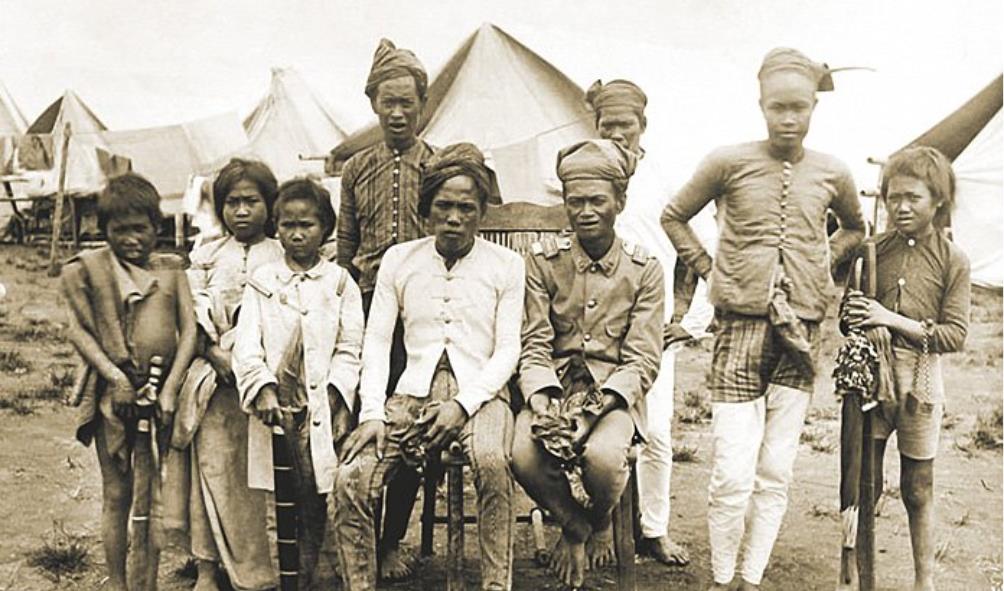
Over centuries, interactions with traders, migrants, and neighboring tribes shaped their identity. You'll notice the blend of indigenous practices and customs, which reflects a unique ethnolinguistic background.
As you explore their history, you'll see how these factors contributed to the Maranao's distinct culture and community structure, setting them apart from other Philippine ethnic groups.
The Influence of Islam on Maranao Culture
As you delve into the history of the Maranao people, you'll find that Islam has played a pivotal role in shaping their culture and identity. Introduced in the 14th century, Islam influenced their values, traditions, and daily practices.
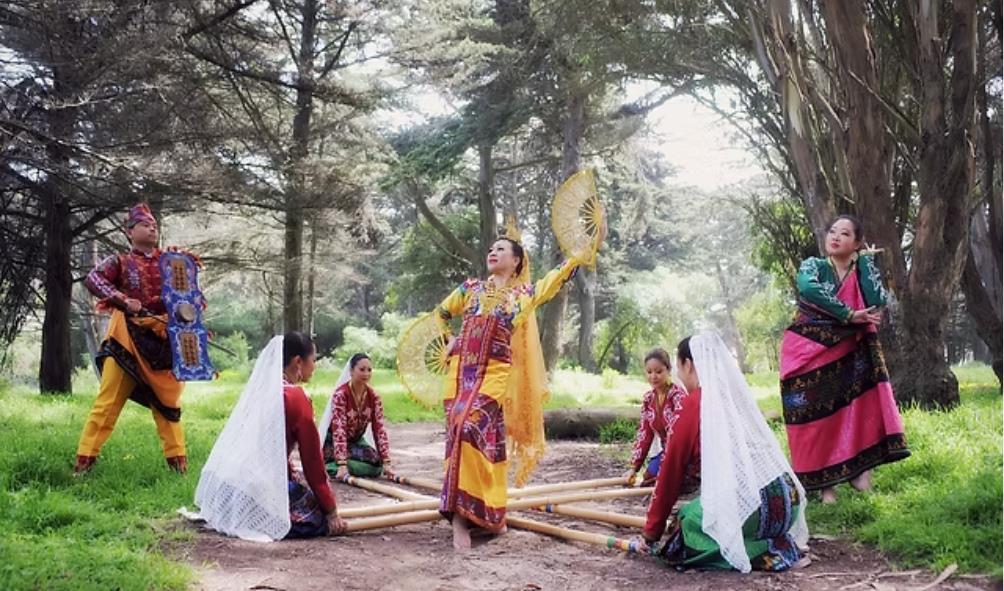
You'll notice that religious observances are interwoven into their lives, from prayer rituals to celebrations like Eid al-Fitr. The faith emphasizes community, fostering a strong sense of belonging among the Maranao.
You'll see this reflected in their art, music, and oral traditions, which often highlight Islamic themes. Additionally, Islamic teachings guide moral conduct, family dynamics, and social relationships.
Traditional Governance and Social Structure
Building on the strong sense of community fostered by Islam, the Maranao people developed a unique system of traditional governance and social structure.
At the heart of this system are the datus, or chieftains, who lead their communities with wisdom and authority. These leaders are often selected based on lineage, experience, and their ability to maintain harmony among the people.
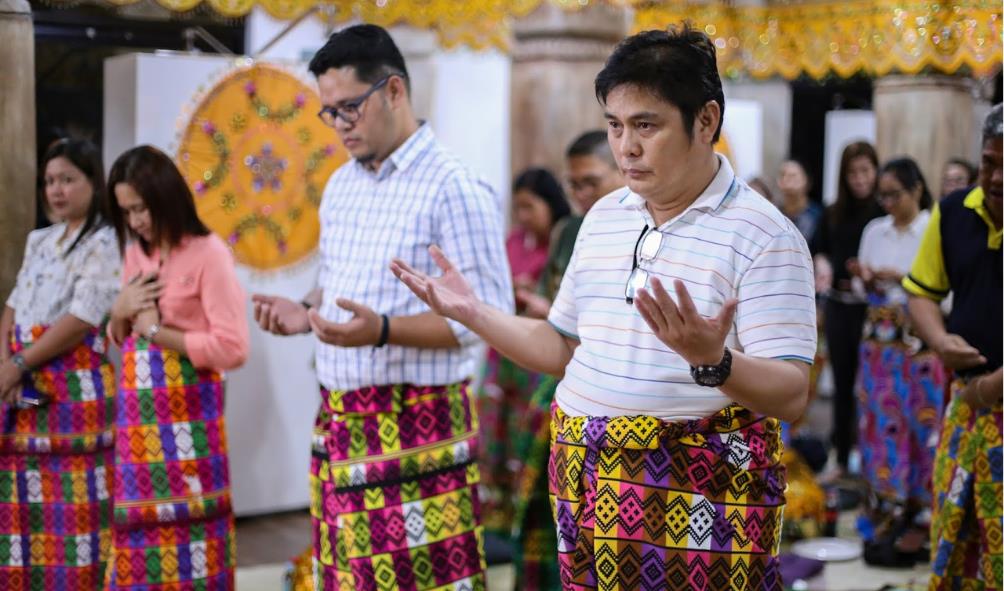
The social structure is deeply rooted in kinship ties, with families playing a crucial role in community life. You’ll find that clan loyalty is paramount, influencing decisions and relationships.
Additionally, councils of elders often assist datus in making important choices, ensuring that the voices of the community are heard. This blend of leadership and communal involvement helps maintain a cohesive society.
Art and Craftsmanship: Weaving and Torogan Houses
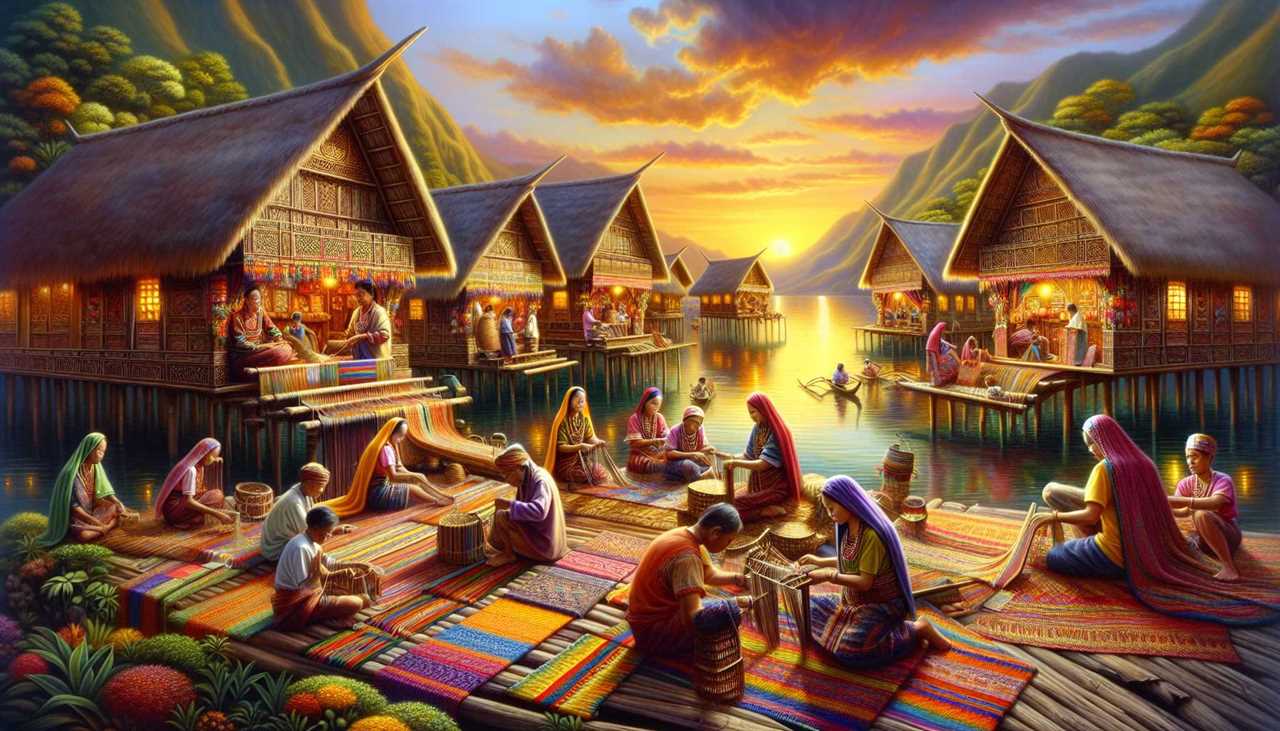
The art and craftsmanship of the Maranao people reflect their rich cultural heritage and deep connection to their traditions. You’ll notice their intricate weaving techniques, especially in creating the famous “malong,” a versatile piece of clothing that showcases vibrant patterns and colors. Each design tells a story, embodying the values and beliefs of the community.
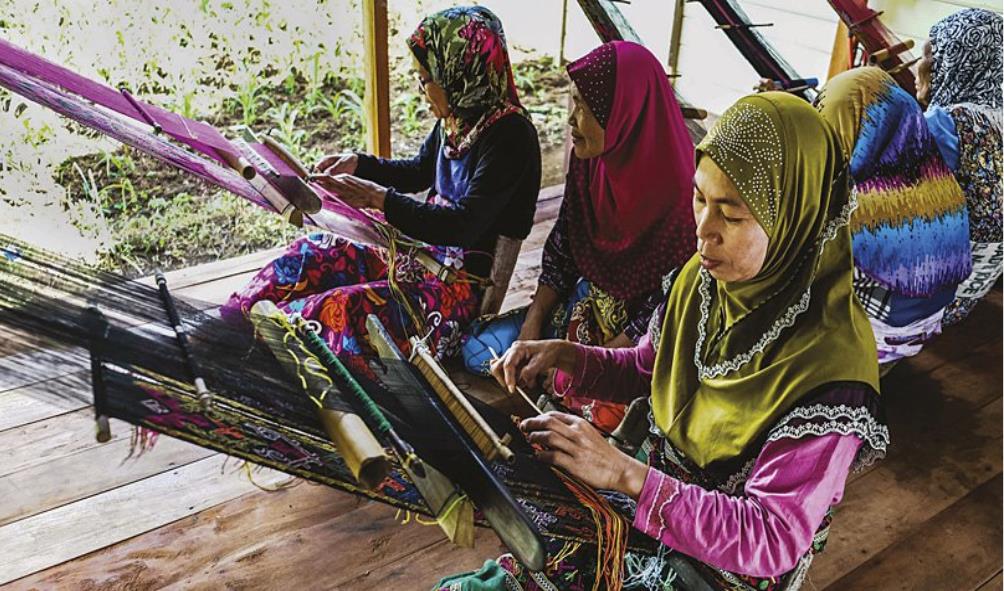
Additionally, the Torogan houses stand as architectural marvels, characterized by their grand roofs and elaborate carvings. When you observe these structures, you can see how they symbolize status and cultural pride.
The craftsmanship involved in both weaving and building reflects not just skill, but also the Maranao's identity, preserving their history and providing a tangible link to their ancestors.
The Role of Oral Traditions in Maranao Identity
Oral traditions serve as the heartbeat of Maranao identity, weaving together stories, legends, and history that connect generations.
When you listen to these tales, you dive into a rich tapestry of culture and values that shape your community. Elders pass down knowledge, teaching you about bravery, love, and the significance of your ancestors.
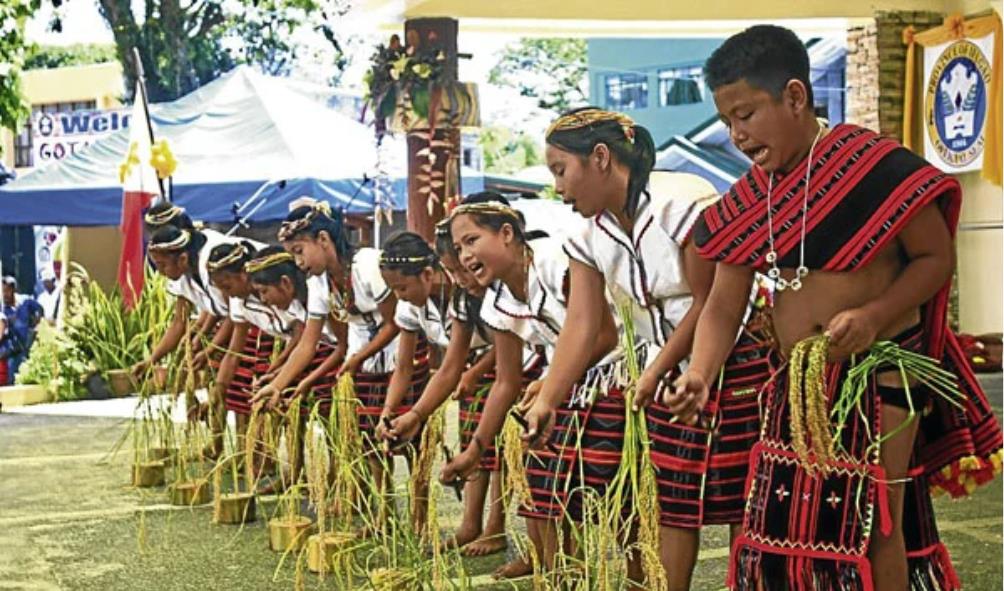
These stories aren’t just entertainment; they’re the foundation of your identity, instilling pride and a sense of belonging. You’ll find that rituals, songs, and proverbs reinforce important lessons and traditions, ensuring they endure through time.
Engaging with these oral narratives helps you grasp the essence of being Maranao, allowing you to carry forward a legacy that defines who you're today and tomorrow.
Historical Conflicts and Challenges Faced
Stories passed down through generations often highlight the resilience of the Maranao people in the face of historical conflicts and challenges.
You've likely heard about the Spanish colonization, which threatened their autonomy and way of life. The Maranao fiercely resisted, leading to numerous battles.
The struggle didn’t end there; the Philippine-American War brought further turmoil, as you may know, resulting in loss of life and displacement.
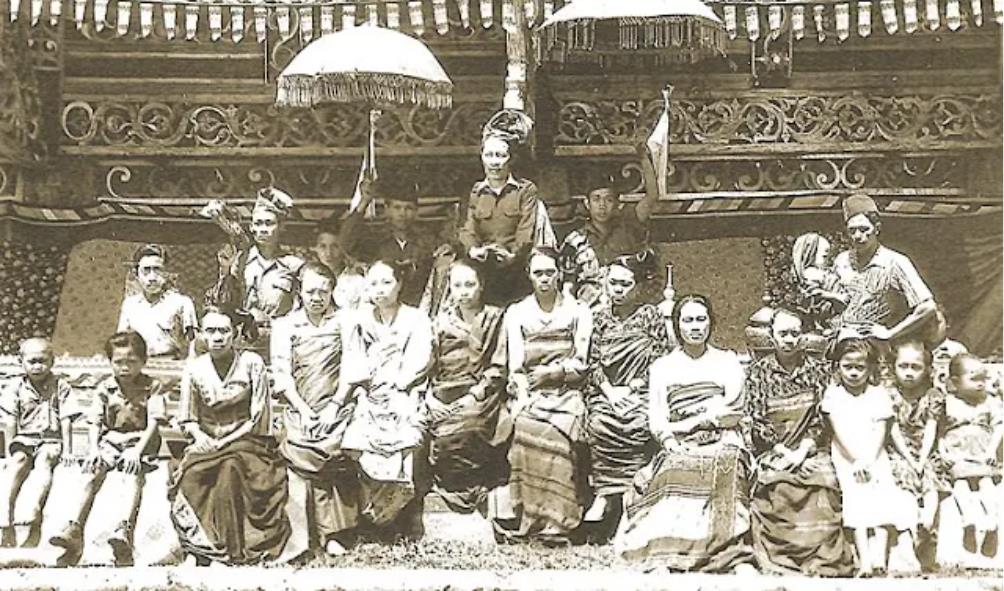
In more recent history, the rise of insurgency and socio-political issues has continued to challenge their community.
Despite these adversities, the Maranao have held onto their cultural identity and traditions, adapting yet standing firm against external pressures.
Their ability to navigate these difficult times is a testament to their strength and unity as a people.
The Maranao in Modern Society
While navigating the complexities of modern society, the Maranao people have maintained their rich cultural heritage and values. You’ll find their vibrant traditions reflected in daily life, from the colorful textiles to the rhythmic beats of traditional music.
Maranao communities actively engage in various sectors, including education, business, and politics, showcasing their adaptability and resilience.
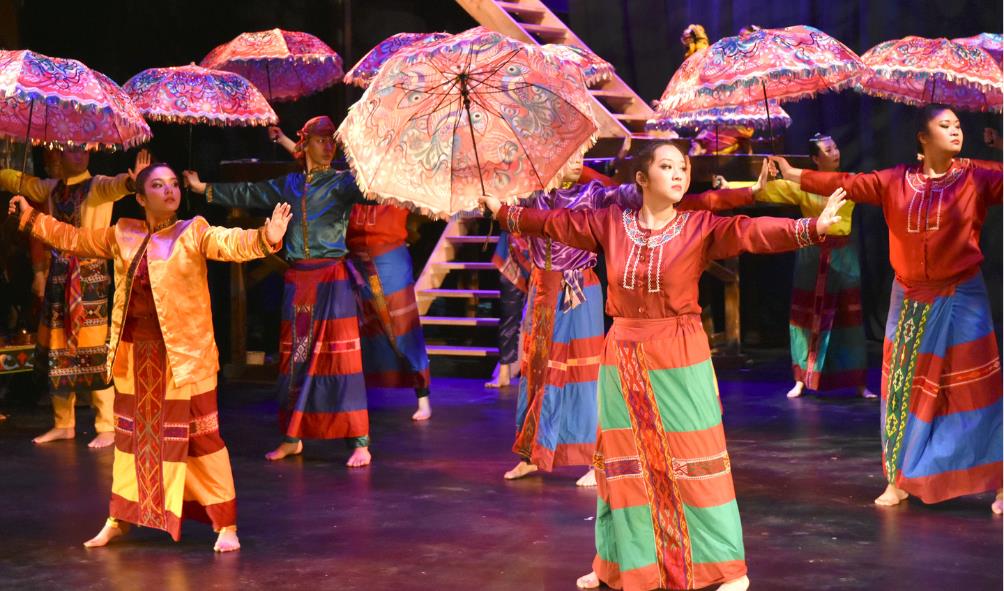
In urban settings, you may notice the blending of modern influences with traditional practices, as young Maranaos embrace technology while honoring their roots.
Community gatherings often serve as platforms for fostering unity and celebrating cultural pride. Through these interactions, the Maranao continually redefine their identity, proving that they can thrive in a modern context without losing sight of who they are.
Preservation of Culture and Heritage
As the Maranao people navigate the challenges of modernization, they actively work to preserve their unique culture and heritage.
You might notice them engaging in traditional arts, such as weaving and brass-making, to keep their craftsmanship alive. Festivals and community gatherings showcase their vibrant music and dance, fostering a sense of identity.
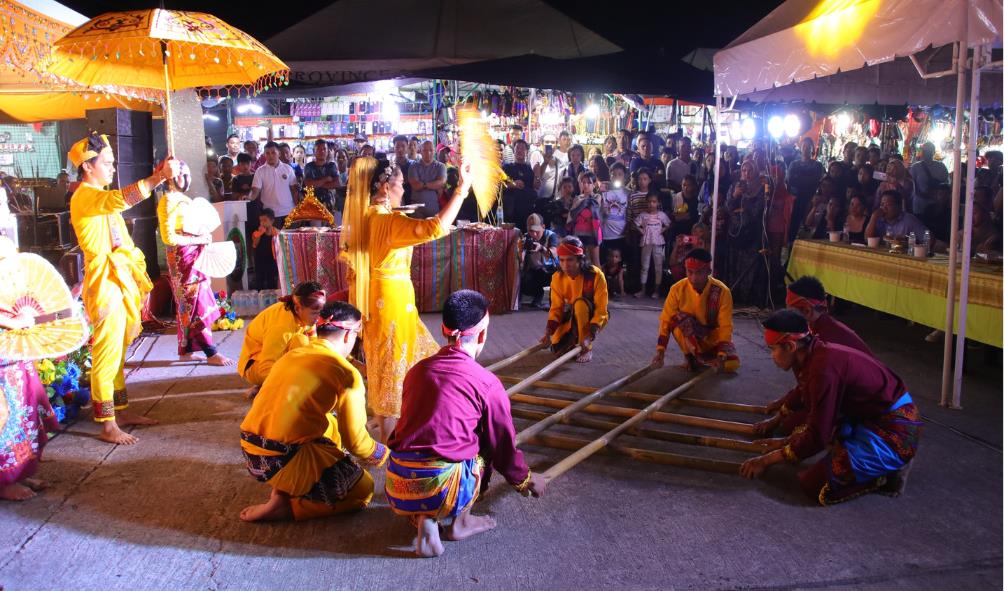
You’ll see efforts to teach the younger generation their native language, ensuring it doesn’t fade away. Through storytelling, elders pass down legends and customs, instilling pride in their history.
The Maranao also advocate for cultural education in schools, promoting awareness of their rich traditions.
The Resilience of the Maranao Community
Although the Maranao community faces numerous challenges, their resilience shines through in their unwavering commitment to each other and their traditions. You’ll witness this resilience in their ability to rebuild after natural disasters, always coming together to support one another.
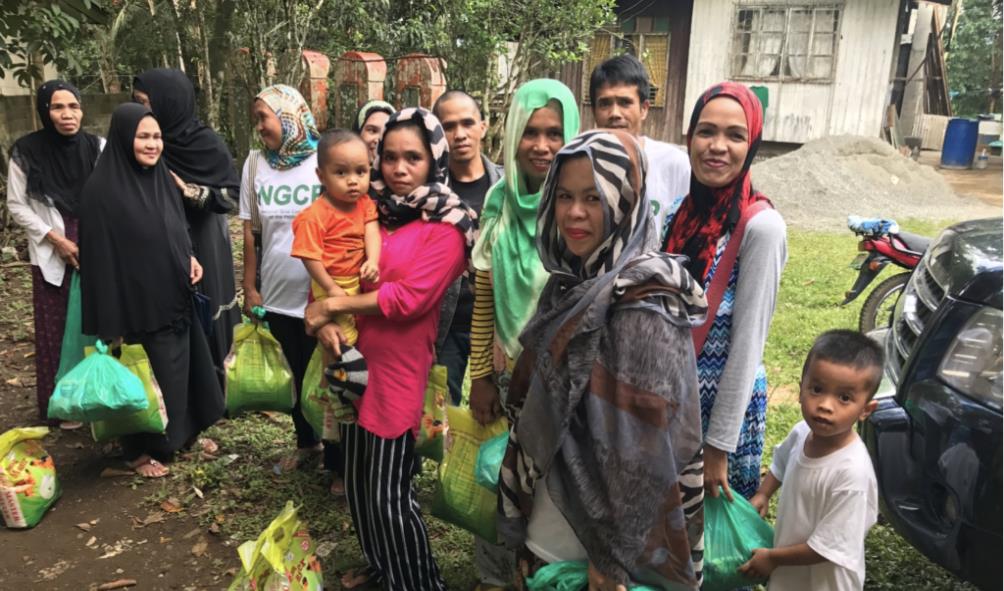
Their rich cultural heritage serves as a backbone, fostering unity and strength. You can see how they celebrate festivals, preserving their unique customs even in tough times.
The Maranao also adapt to modern changes while holding onto their identity, blending tradition with innovation. Education plays a vital role; families prioritize schooling to empower future generations.
Conclusion
In exploring the history of the Maranao people, you uncover a vibrant tapestry of culture, resilience, and identity. Their rich traditions, shaped by Islam and a strong sense of community, continue to thrive despite historical challenges. As you reflect on their journey, you can appreciate the importance of preserving their heritage and supporting their ongoing contributions to society. The Maranao people remind us that culture is not just a relic of the past, but a living, evolving force.
Frequently Asked Questions
What role does Islam play in Maranao society?
Islam is a central aspect of Maranao identity and culture. The majority of the Maranao people practice Sunni Islam, which influences their social norms, legal systems, and daily practices. Religious leaders, or "ulama," hold significant authority within the community, guiding moral and ethical decisions. Islamic teachings are integrated into their cultural celebrations, family structures, and community interactions, reinforcing their sense of unity and identity.
What challenges do the Maranao people face in contemporary times?
The Maranao people face several challenges, including socio-economic issues, displacement due to conflict, and the need for sustainable development in their communities. The aftermath of the Marawi Siege has left many without homes and livelihoods, necessitating ongoing rehabilitation efforts. Additionally, the preservation of their cultural identity amidst modernization poses a challenge, as younger generations navigate the balance between tradition and contemporary influences.
What is the origin of the Maranao people?
The Maranao people are an indigenous group primarily found in the province of Lanao del Sur in the Philippines. Their origins trace back to the early Malay settlers who arrived in the region, establishing a rich culture heavily influenced by Islam, which was introduced in the 14th century. The Maranao have a distinct identity shaped by their language, traditions, and historical experiences.
What are some notable historical events involving the Maranao people?
Several significant historical events have shaped the Maranao people, including the Battle of Marawi in 1895 against Spanish forces, which marked their resistance to colonization. The Maranao also played a crucial role during World War II, with many participating in the resistance against Japanese occupation. More recently, the Maranao community faced challenges during the Marawi Siege in 2017, which highlighted their resilience and the need for peace and rebuilding efforts in the region.
Statistics
- The Maranao culture is renowned for its traditional crafts, including intricate weaving and wood carving, which are vital to their economic and cultural sustainability.
- The Marawi Siege in 2017 displaced over 300,000 individuals, highlighting the ongoing challenges faced by the Maranao community in contemporary times.
- Despite facing socio-economic challenges, the Maranao people actively participate in peace-building initiatives in Mindanao, advocating for harmony and development in the region.
- During the Spanish colonization, the Maranao people were involved in multiple conflicts, with notable resistance exemplified by the Battle of Marawi in 1895.
External Links
- Rappler - Marawi Siege 2017: What Happened: An article providing a comprehensive account of the Marawi Siege and its impact on the Maranao community.
- Southeast Asian Archaeology - Maranao: This site features discussions on archaeological findings related to the Maranao culture and history.
- National Commission for Culture and the Arts - Maranao Culture: An official resource detailing the cultural heritage and traditions of the Maranao people.
- ResearchGate - The Maranao of Lanao del Sur: A scholarly article that discusses the socio-cultural dynamics of the Maranao community in Lanao del Sur.
How to Explore Maranao Cultural Practices
To explore Maranao cultural practices, immerse yourself in their rich traditions by attending local festivals such as the "Kahimunan." This festival showcases Maranao music, dance, and culinary delights. Engage with community members to learn about their traditional crafts, such as weaving "malong" and intricate wood carvings. Reading books or articles on Maranao folklore and oral literature can deepen your understanding of their artistic expressions. Additionally, consider participating in workshops or cultural exchanges that focus on Maranao art forms, providing a hands-on experience of their vibrant culture.
Want to travel with more time and freedom?
The freedom to travel! Discover free & unique homestays around the world, in exchange for caring for adorable pets.
https://escapetomexiconow.com/ths
Recommended Resources:
Your next chapter could start anywhere. From the vibrant streets of Mexico to the laid-back beauty of the Philippines, explore destinations where you can truly live your dream.
https://escapetomexiconow.com/
https://escapetomexiconow.info/
https://escapetopanamanow.info/
https://escapetothephilippinesnow.com/
YouTube Channel:
Want a closer look at life in Mexico? Subscribe to our YouTube channel for insider tips, travel guides, and inspiring stories that make planning your escape easier and more exciting.
https://www.youtube.com/@EscapeToMexicoNow