When you explore the history of the Kalinga people, you uncover a narrative rich in resilience and cultural depth. From their ancient Austronesian roots to their fierce warrior traditions, each aspect tells a story of survival and adaptation. You’ll find that their vibrant culture, marked by unique rituals and social practices, has persisted through significant challenges. But what does their journey reveal about the balance between tradition and modernization?
Origins and Early Settlements of the Kalinga People
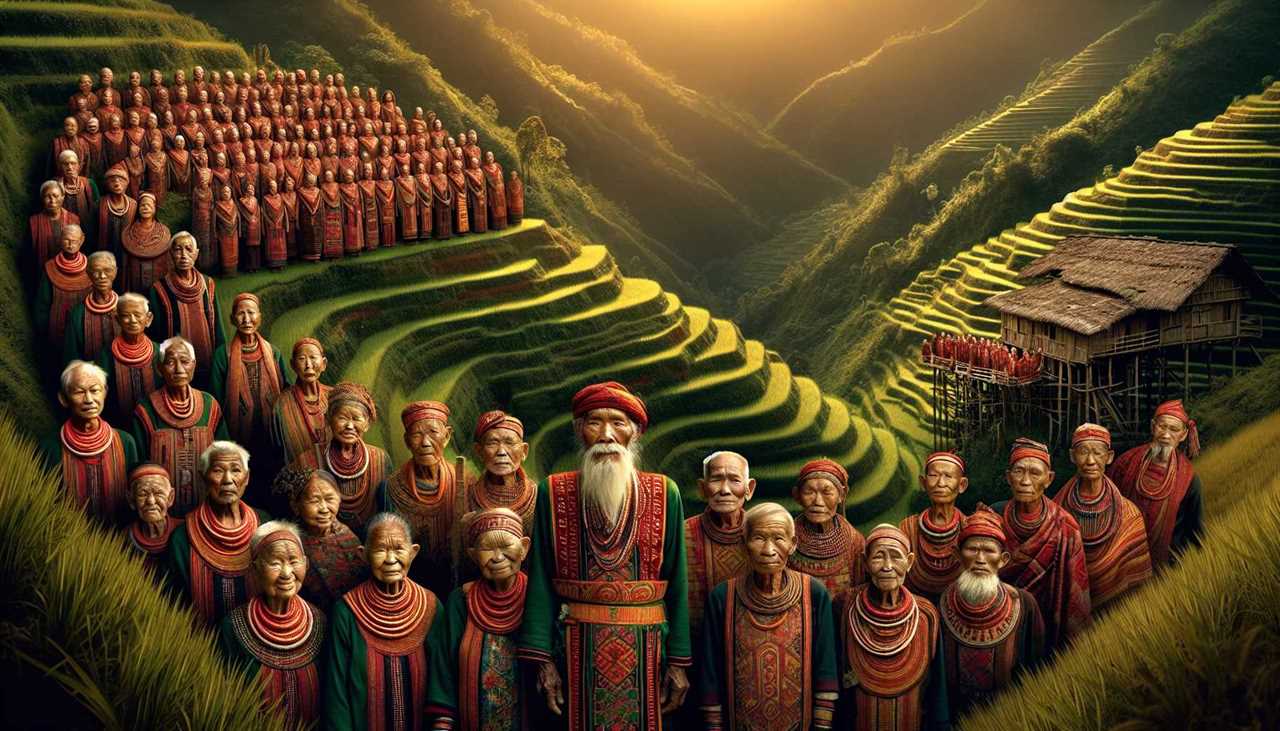
The Kalinga people, who inhabit the mountainous regions of northern Luzon in the Philippines, trace their origins back to ancient Austronesian migrations.
These early settlers established their communities in the fertile valleys and highlands, forming a unique culture shaped by their environment. As you explore their history, you’ll find that their strategic location allowed them to engage in trade and establish connections with neighboring tribes.
They developed agricultural practices suited to their terrain, cultivating rice and other crops that supported their growing populations. Over centuries, these settlements flourished, fostering a rich tapestry of traditions and social structures.
Traditional Practices and Cultural Beliefs
Rooted in their rich history, the Kalinga people maintain vibrant traditional practices and cultural beliefs that reflect their connection to the land and community. You’ll find that rituals play a vital role in their lives, often tied to agriculture, such as planting and harvesting ceremonies. These events strengthen community bonds and showcase their deep respect for nature.
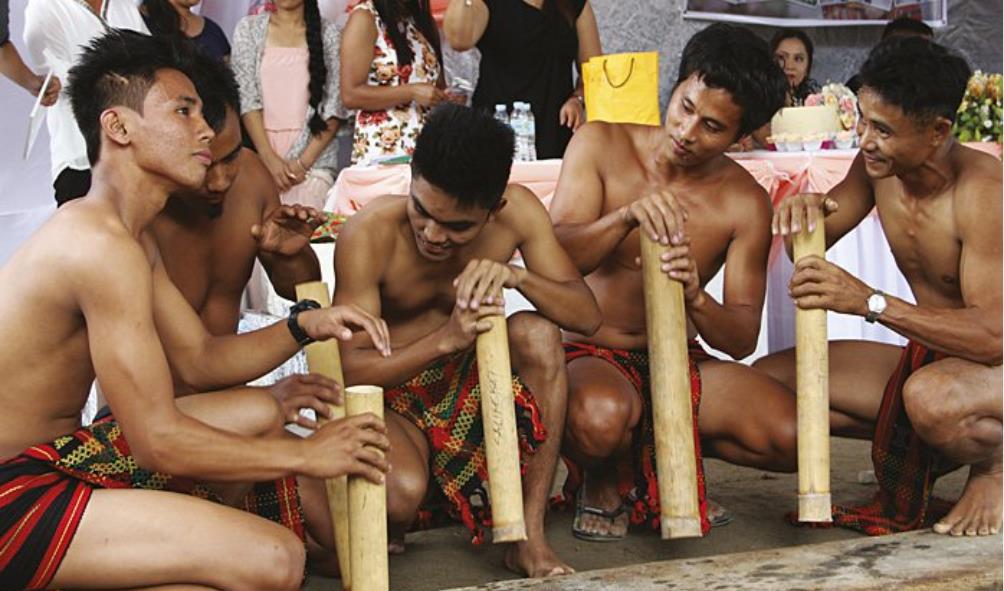
Additionally, the Kalinga are known for their intricate tattoos, symbolizing bravery and social status, which you might find fascinating.
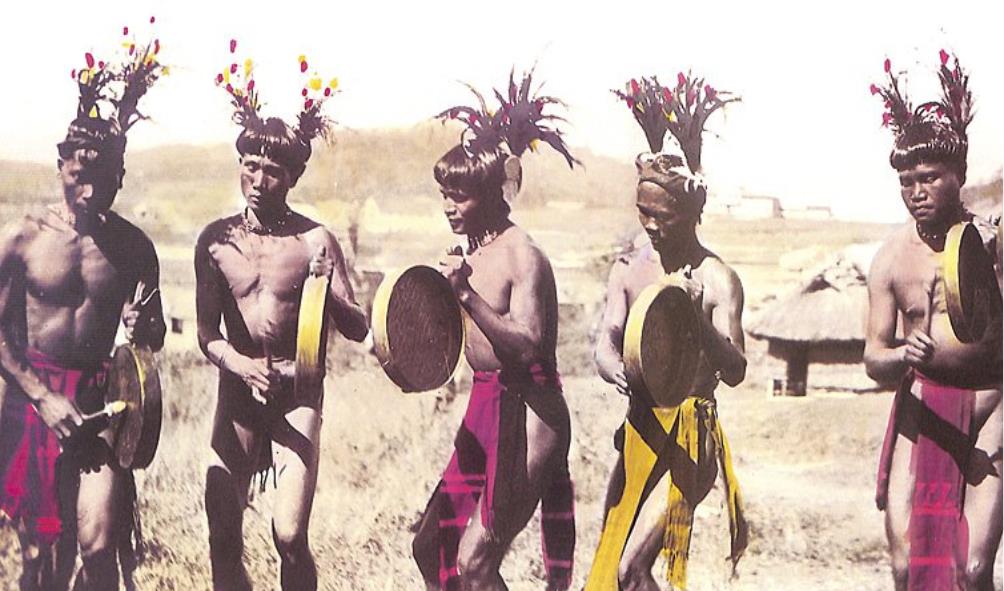
Their oral traditions, passed down through generations, carry tales of ancestry and moral lessons that resonate with their identity. Music and dance also play crucial roles, celebrating significant life events and cultural heritage. Engaging with these practices offers you insight into the Kalinga's enduring spirit.
The Kalinga Warriors and Historical Conflicts
While many might associate the Kalinga people with their rich cultural traditions, their history is also marked by the valor of their warriors and the conflicts that shaped their identity.
You’ll find that the Kalinga warriors were fierce and skilled fighters, often defending their territory against invaders. Their battles weren’t just about land; they were tied to honor, pride, and the preservation of their way of life.
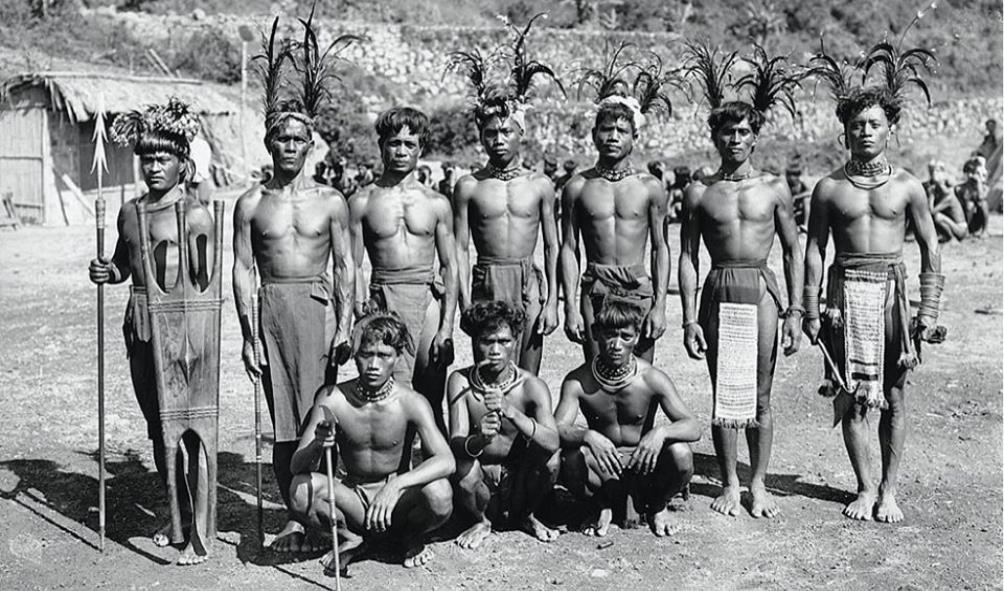
Engaging in headhunting rituals, these warriors sought to prove their bravery and protect their communities. The conflicts they faced, whether from rival tribes or colonial forces, only strengthened their resolve.
Their legacy lives on in tales of courage and unity, reminding you that the spirit of the Kalinga warriors continues to inspire future generations.
Colonial Encounters and Their Impact
Kalinga warriors displayed incredible bravery in defending their land, but the arrival of colonial powers brought new challenges that tested their resilience.
As foreign forces sought to assert control, you witnessed the shift from traditional ways of life to a struggle for survival against external domination. The British and Spanish aimed to exploit resources, leading to conflicts that disrupted your communities and eroded your cultural practices.
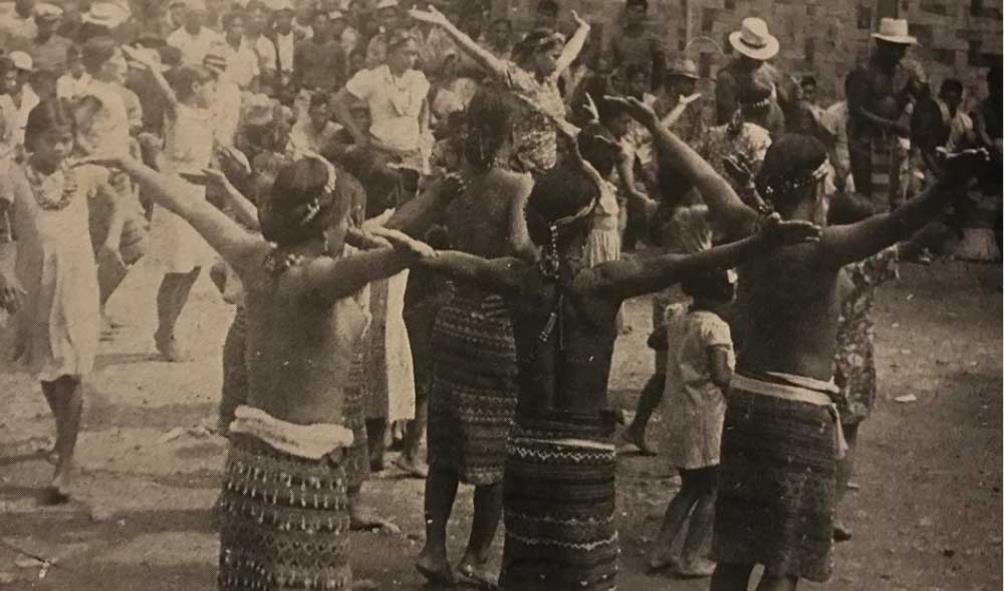
Missionaries introduced new religions, often clashing with your ancestral beliefs. This period forced you to navigate complex relationships with colonizers while trying to maintain your identity.
Despite the hardships, your spirit endured, laying the groundwork for future generations to reclaim autonomy and adapt to new realities without losing the essence of what it means to be Kalinga.
Modernization and Adaptation
As modernization swept across the Philippines, your community faced both opportunities and challenges that reshaped daily life and cultural practices.
You witnessed technological advancements, like mobile phones and the internet, connecting you to the wider world. Education became more accessible, empowering younger generations to pursue careers beyond traditional roles.
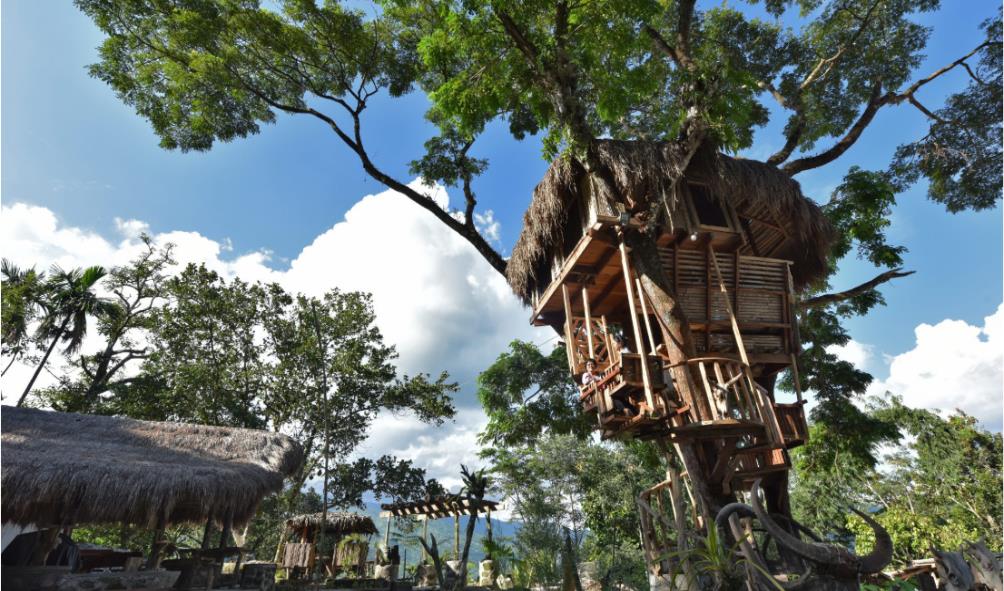
However, rapid urbanization also brought pressures that threatened your customs and values. Traditional farming techniques began to fade as people sought jobs in cities, altering the landscape of community life.
Yet, some embraced these changes, incorporating new ideas into their daily routines. You found ways to balance modern influences with age-old traditions, creating a unique blend that reflects both progress and heritage, ensuring the Kalinga spirit remains vibrant amidst transformation.
Preservation of Kalinga Identity Today
How do you maintain a sense of identity in a rapidly changing world? For the Kalinga people, it’s about embracing traditions while adapting to modern influences.
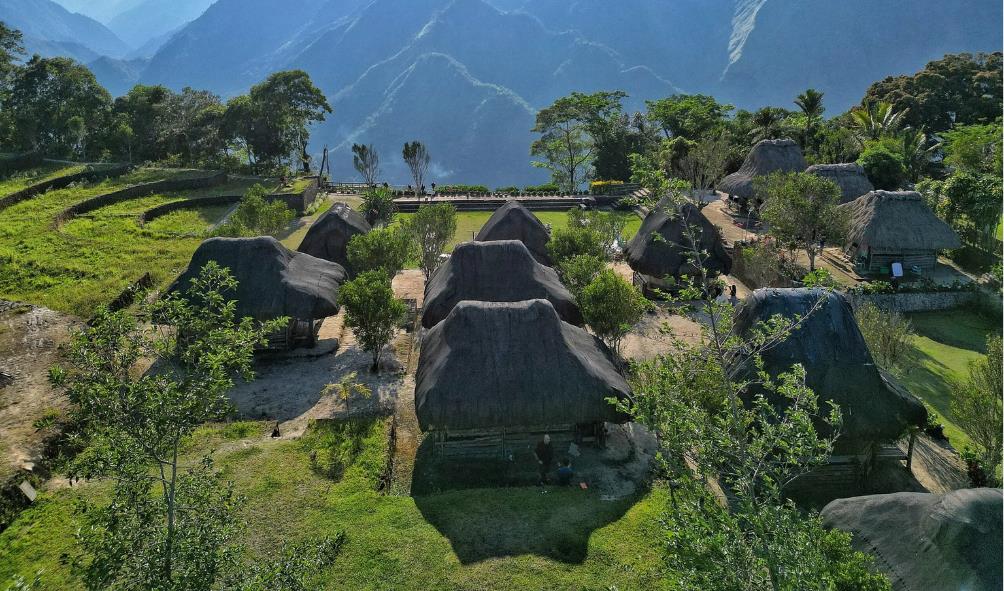
You might participate in cultural events, like the Kalinga Bodong Festival, where dances and rituals celebrate your heritage. Sharing stories with younger generations strengthens your ties to the past and keeps the Kalinga language alive.
Using social media helps connect with others who share your identity, fostering a sense of community. You could also support local artisans by purchasing traditional crafts, ensuring these skills are passed down.
Conclusion
In exploring the history of the Kalinga people, you see a vibrant tapestry woven from resilience, rich traditions, and a deep connection to the land. Their journey reflects not only their struggles against external forces but also their unwavering commitment to preserving their unique identity. As you engage with their culture today, you'll find a harmonious blend of ancient practices and modern influences, showcasing the Kalinga's enduring spirit and dynamic heritage that continues to thrive.
Statistics
- The Kalinga region, located in the northern part of the Philippines, has a history of resistance against colonial rule, particularly during the American occupation in the early 20th century.
- The Kalinga people are known for their rich cultural heritage, which includes unique traditional practices and vibrant rituals that date back centuries.
- In the late 1950s, the Kalinga people were involved in significant uprisings against the Philippine government, advocating for their rights and autonomy in the face of development projects.
- Historically, the Kalinga people have been skilled in rice cultivation, utilizing terraced farming techniques that showcase their deep understanding of agriculture.
External Links
- Cultural Survival discusses the traditional tattooing practices of the Kalinga, emphasizing their importance in cultural identity.
- Encyclopedia Britannica provides a comprehensive overview of the Kalinga region, including its history and culture.
- The National Commission for Culture and the Arts details the cultural practices and traditions of the Kalinga people.
- Philippine History offers insights into the Kalinga people's historical background and their resistance against colonial powers.
How To Learn About Kalinga Resistance Movements
To learn about the resistance movements of the Kalinga people, begin by examining historical accounts of their struggles against colonial powers. Focus on key events, such as the uprisings during the American occupation, which were driven by the desire for autonomy and recognition of land rights. Access scholarly articles and books dedicated to Philippine history that cover the Kalinga's role in these movements. Engaging with documentaries and interviews with Kalinga descendants can also provide personal perspectives on their fight for rights and identity. Understanding these movements is vital for recognizing the resilience of the Kalinga people.
Want to travel with more time and freedom?
The freedom to travel! Discover free & unique homestays around the world, in exchange for caring for adorable pets.
https://escapetomexiconow.com/ths
Recommended Resources:
Ready to explore life beyond borders? Check out our trusted guides to Mexico, Panama, and the Philippines — your gateways to new adventures, culture, and opportunity.
https://escapetomexiconow.com/
https://escapetomexiconow.info/
https://escapetopanamanow.info/
https://escapetothephilippinesnow.com/
YouTube Channel:
See Mexico like never before! From local culture to travel hacks, our YouTube channel brings the adventure straight to you.
https://www.youtube.com/@EscapeToMexicoNow