The history of the Autonomous Region in Muslim Mindanao (ARMM) is a complex tapestry woven from struggle, aspiration, and change. Established in 1989, ARMM aimed to address the long-standing grievances of the Muslim population in Mindanao. However, the region faced persistent challenges that hindered its progress. As you explore the events that led to its creation and subsequent transformation, you’ll uncover the deeper implications for governance and identity in the region.
Historical Background of Mindanao and the Muslim Population
When you explore the historical background of Mindanao, you'll discover a rich tapestry woven with the threads of diverse cultures, particularly the Muslim population.
This region's history dates back centuries, shaped by early traders, missionaries, and indigenous groups. You'll find that Islam arrived in the 13th century, introduced by traders from the Arabian Peninsula and the Indian subcontinent.

The local sultanates, such as Sulu and Maguindanao, emerged as powerful entities, fostering a unique identity. Over time, conflicts arose due to colonial ambitions, especially from the Spanish and later American forces.
As you delve deeper, you'll see how these historical events influenced the socio-political landscape, leaving a lasting impact on the Muslim communities and contributing to their resilience and cultural heritage.
Formation and Establishment of ARMM
The formation and establishment of the Autonomous Region in Muslim Mindanao (ARMM) in 1989 marked a significant milestone in the quest for self-determination among the Muslim population. This initiative came after decades of conflict and negotiations aimed at addressing historical grievances.
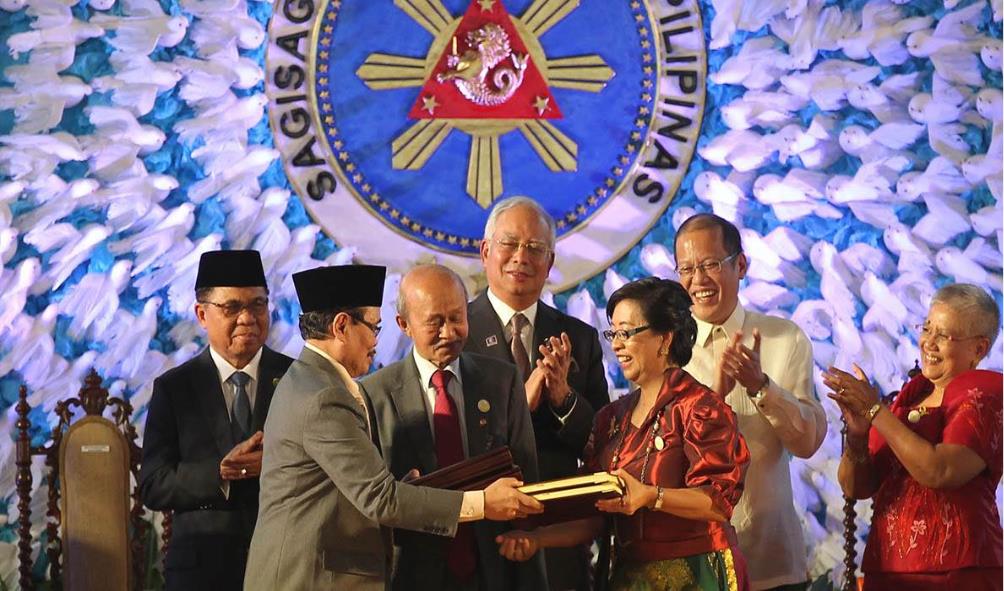
You’ll find that the Organic Act, officially known as Republic Act No. 6734, laid the groundwork for ARMM's governance. It provided the region with a degree of political autonomy, allowing local leaders to create laws tailored to their communities' needs.
The establishment of ARMM aimed to promote peace and development, empowering the local population while fostering cultural preservation. As you explore this period, you'll see how crucial the ARMM's creation was for the aspirations of many in Mindanao.
Key Challenges and Conflicts in ARMM
Although ARMM was established to foster autonomy and peace, it has faced numerous challenges and conflicts that have hindered its progress.
You’ll find that armed groups, including separatist factions and extremist organizations, have often resorted to violence, creating instability.
Economic underdevelopment remains a pressing issue, limiting opportunities for the local population.
Additionally, clan feuds, known as "rido," further complicate the social landscape, perpetuating cycles of violence.
Corruption and mismanagement have also plagued governance, hindering effective resource allocation.
The lack of infrastructure exacerbates these issues, making it difficult for residents to access essential services.
Community trust in leadership is often low, which can obstruct collaborative efforts towards lasting peace and development.
Addressing these challenges is crucial for ARMM’s future.
Governance and Political Developments in ARMM
As ARMM evolved, its governance structures attempted to address the unique political landscape shaped by its history and the ongoing challenges it faces.
The region's leadership often grappled with issues of legitimacy and representation, struggling to establish a stable political environment. You'd notice that local elections and appointments were frequently marred by conflicts and allegations of corruption, limiting effective governance.
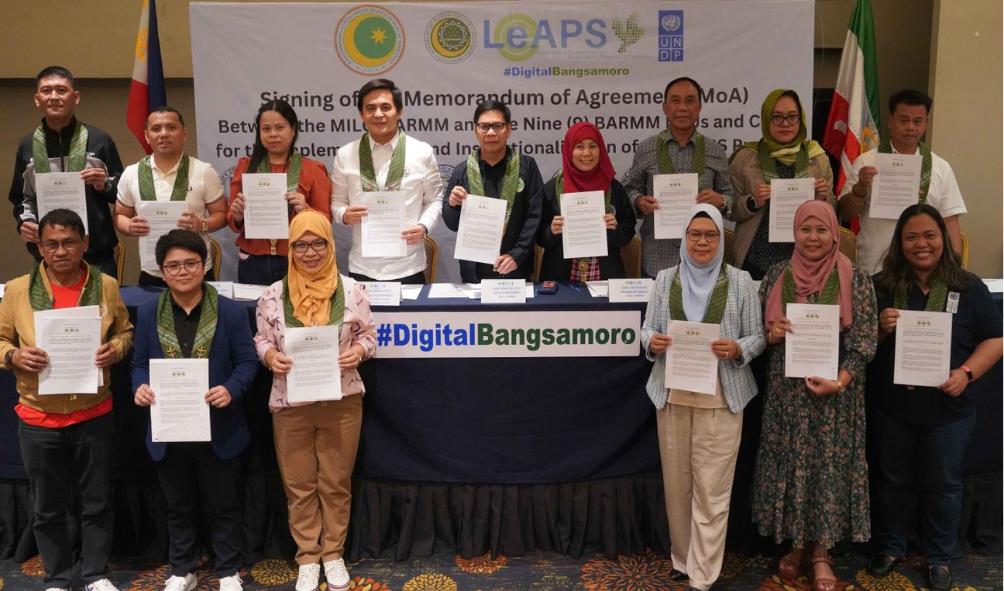
Efforts were made to promote inclusivity, but tribal affiliations often influenced political alliances, complicating progress. The creation of various councils and agencies aimed at enhancing local governance also faced hurdles in implementation.
Despite these challenges, grassroots movements emerged, pushing for reforms and greater accountability. These dynamics significantly impacted ARMM's political developments and the aspirations of its people for a more autonomous and self-governing future.
The Transition to the Bangsamoro Autonomous Region in Muslim Mindanao (BARMM)
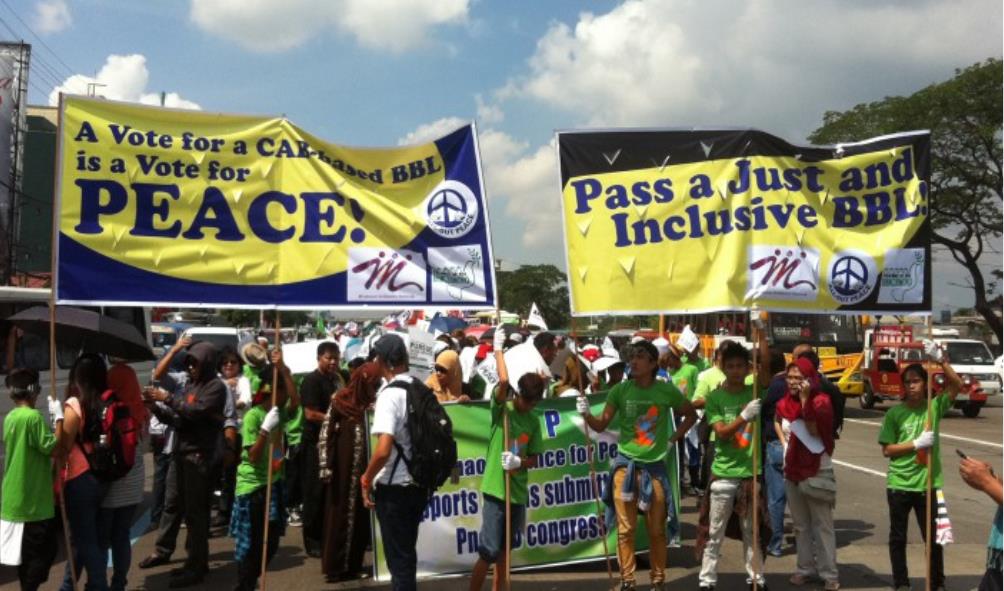
With the passage of the Bangsamoro Organic Law in 2018, a significant shift began in the governance of the region, marking the transition from the Autonomous Region in Muslim Mindanao (ARMM) to the Bangsamoro Autonomous Region in Muslim Mindanao (BARMM).
You’ll notice this change brought about greater autonomy, allowing local leaders more control over their resources and decision-making.
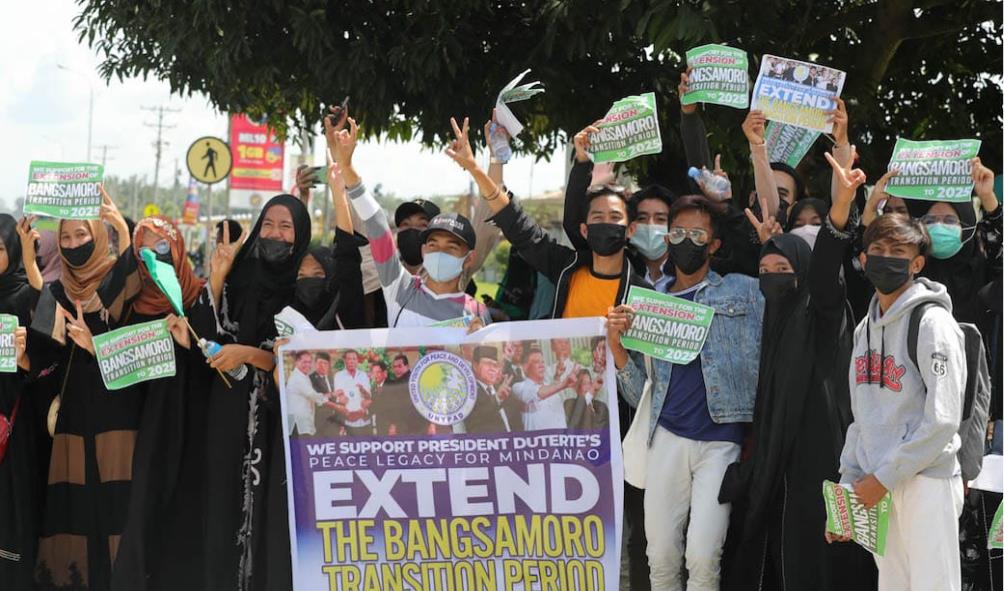
The creation of the Bangsamoro Transition Authority (BTA) played a crucial role, serving as the interim government until elections could be held.
You can expect improvements in public services, education, and infrastructure as the new government focuses on addressing long-standing issues.
This transition aims to foster peace, stability, and development, ultimately empowering the Bangsamoro people in shaping their future.
Conclusion
In conclusion, the journey of the Autonomous Region in Muslim Mindanao reflects the complexities of striving for self-determination amidst historical challenges. While ARMM laid the groundwork for Muslim governance, its struggles highlighted the need for reform and a more effective political framework. The transition to the Bangsamoro Autonomous Region in Muslim Mindanao marks a hopeful new chapter, aiming to address past grievances and foster lasting peace and development in the region. Your engagement in this history is vital for a brighter future.
Statistics
- The Autonomous Region in Muslim Mindanao (ARMM) was established in 1989 through Republic Act No. 6734, aimed at providing self-governance to the Muslim population in the region.
- Despite its challenges, ARMM has a rich cultural heritage, with diverse traditions, languages, and practices that reflect the various ethnic groups within its boundaries.
- ARMM was composed of five provinces: Basilan, Lanao del Sur, Maguindanao, Sulu, and Tawi-Tawi, which are predominantly inhabited by Muslim communities.
- The region was historically marginalized in terms of economic development, with high poverty rates and limited access to basic services compared to other regions in the Philippines.
External Links
- The Philippine Daily Inquirer explains the significance of ARMM and its role in the peace process in Mindanao.
- The Philippine Star offers insights into the transition from ARMM to the Bangsamoro Autonomous Region in Muslim Mindanao.
- The BBC provides a comprehensive analysis of the political dynamics and history surrounding the ARMM and its transition.
- The United Nations discusses the peace agreement that led to the establishment of the Bangsamoro Autonomous Region, reflecting on ARMM's historical context.
How to Explore the Political Structure of ARMM
To explore the political structure of the Autonomous Region in Muslim Mindanao, focus on its governance framework, which was designed to promote local autonomy. The region was led by an elected Regional Governor and a Regional Legislative Assembly, allowing for localized decision-making. Examine the powers and responsibilities assigned to these governing bodies, including the ability to create laws, manage local resources, and implement development programs. Additionally, investigate the role of the ARMM Regional Government in relation to the national government, as well as the mechanisms for political representation of various ethnic groups within the region. Understanding this structure is key to grasping how governance functioned within ARMM.
Plan the perfect group trip, your way.
Get an instant personalized itinerary. We handle logistics, payments, and provide a dedicated itinerary, while local experts fine-tune every detail. Enjoy full freedom—without the stress of organizing it all.
https://escapetomexiconow.com/tourhero
Recommended Resources:
Discover where freedom, adventure, and opportunity await you.
https://escapetomexiconow.com/
https://escapetomexiconow.info/
https://escapetopanamanow.info/
https://escapetothephilippinesnow.com/
YouTube Channel:
Your next adventure starts here! Join us on YouTube for destination tours, insider advice, and everything you need to make your escape unforgettable.
https://www.youtube.com/@EscapeToMexicoNow