
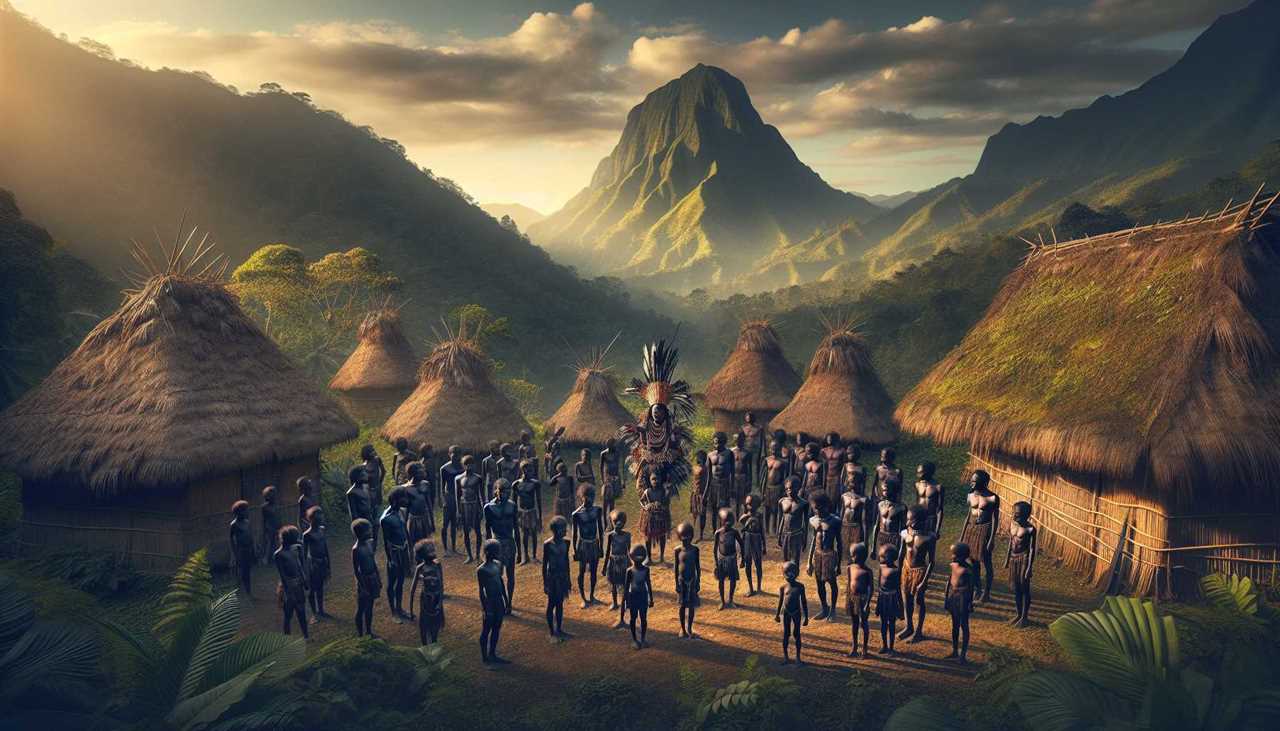
When you think about the Aeta people, consider their long history as one of the Philippines' earliest inhabitants. Their journey spans thousands of years, shaped by migration, survival, and resilience. As you explore their traditional beliefs, social structures, and the challenges they've faced, you'll discover the profound impact of colonization and modernization. What does their story reveal about cultural preservation in today’s world?
Origins of the Aeta People
The Aeta people, who live primarily in the mountainous regions of the Philippines, have origins that trace back thousands of years to the Austronesian migration.
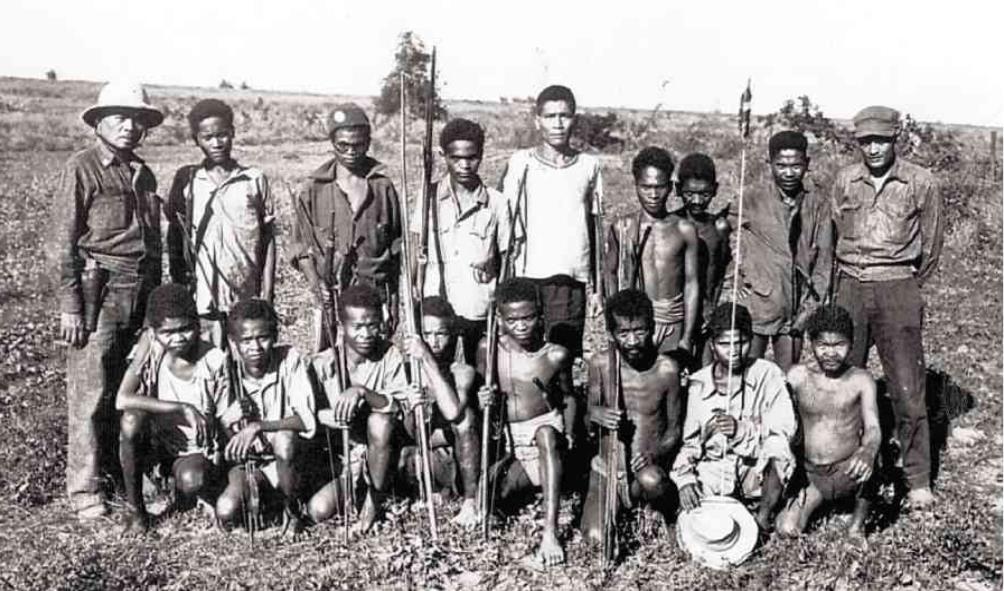
You’ll discover that they’re one of the earliest groups to inhabit the archipelago, adapting to the diverse environment around them. Their unique lifestyle revolves around hunting, gathering, and shifting cultivation, showcasing their deep connection to nature.
As you learn about their history, you’ll see how the Aeta have maintained their distinct cultural identity despite external influences and modernization. Their resilience is evident in their traditions, languages, and social structures.
Traditional Beliefs and Spirituality
Influenced by their deep connection to nature, the Aeta people's traditional beliefs and spirituality reflect their environment and way of life. You’ll find that they view the world as alive with spirits, with each element of nature holding significance.
They believe in a supreme being, but also honor ancestral spirits, which guide and protect them. Rituals play a crucial role in their daily lives, often centered around agricultural cycles or important life events.
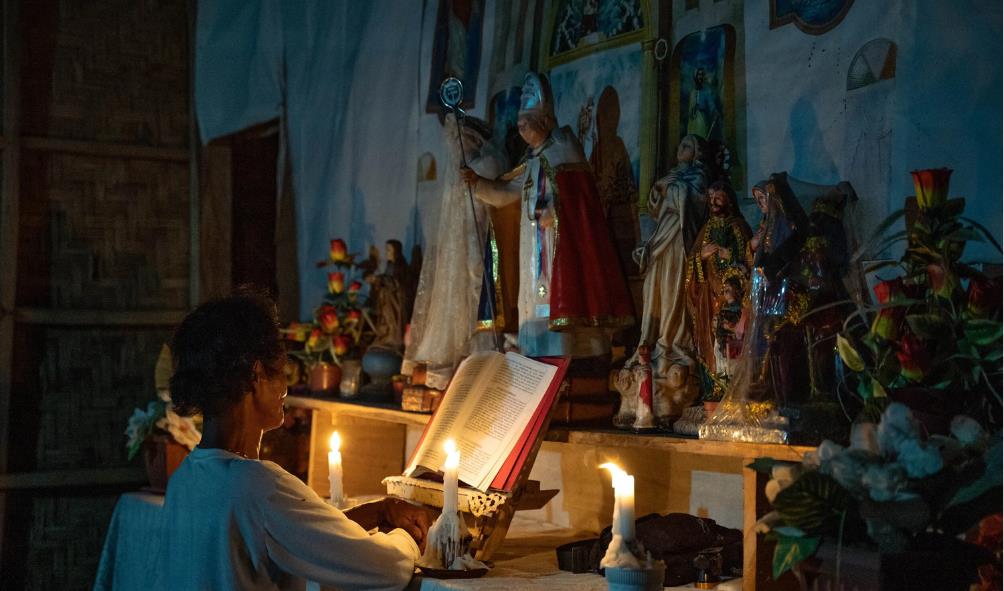
You might witness ceremonies that involve music, dance, and offerings to ensure harmony with nature and the spirit world. These practices foster a sense of community and belonging, helping to preserve their rich cultural identity amid modern influences.
The Aeta’s spirituality truly embodies their respect for the earth and its resources.
Language and Communication
While many Aeta individuals speak their native language, they also adapt to communicate with neighboring communities. This bilingualism is essential for trade and social interaction.
You’ll find that the Aeta language, part of the Austronesian language family, is rich in expressions tied to their environment and culture. They use unique terms for plants, animals, and natural phenomena, showcasing their deep connection to nature.
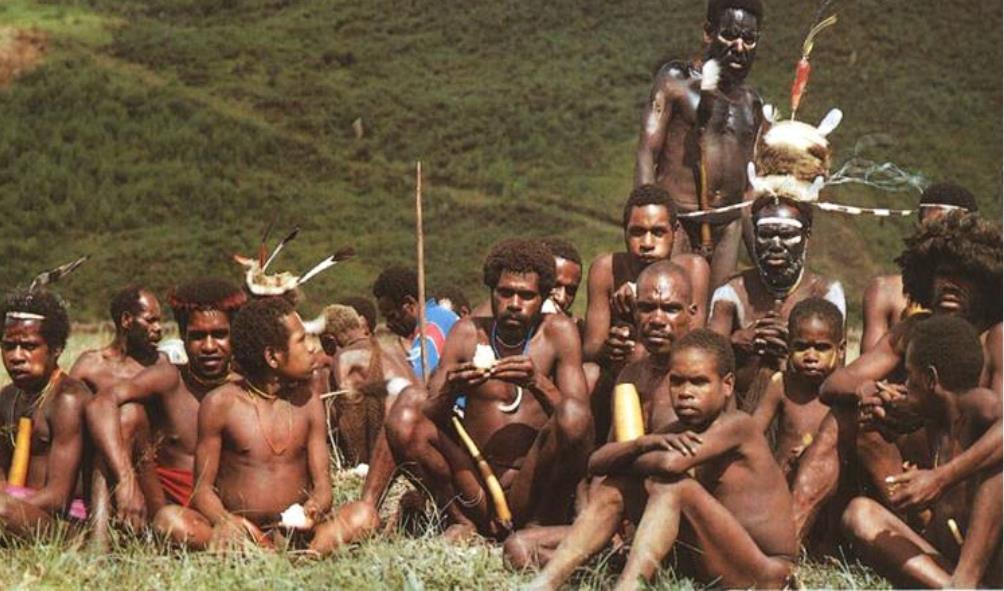
Communication isn’t just verbal; it also includes gestures and body language, which enhance understanding.
Storytelling plays a crucial role in preserving their history and traditions, allowing you to grasp their identity. Through songs and oral narratives, the Aeta pass down knowledge and values, fostering a strong sense of community and continuity.
Social Structure and Family Life
In Aeta communities, social structure revolves around close-knit family units that foster strong bonds and interdependence. You’ll find that families often work together in daily tasks, sharing responsibilities and resources.
Elders play a crucial role, guiding younger members and preserving cultural knowledge. You’ll notice how respect for age is deeply ingrained, creating a harmonious balance within the community.
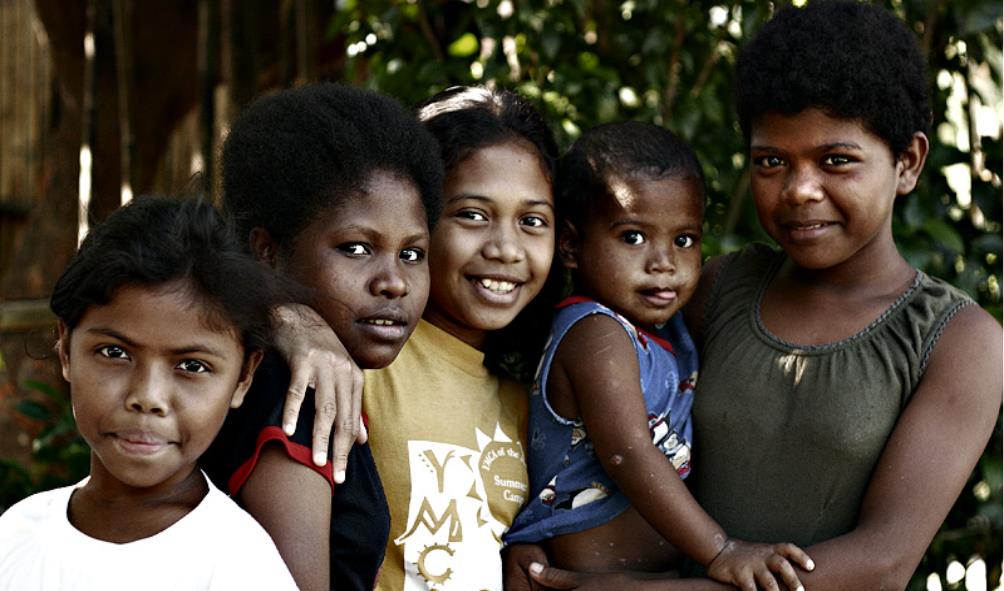
Marriage is typically a communal affair, with families coming together to celebrate unions. Parenting emphasizes teaching children values and survival skills, ensuring they grow into responsible adults.
You’ll appreciate how these familial ties extend beyond blood relations, as friendships often develop into supportive, extended family networks. This interconnectedness strengthens the community, allowing Aeta people to thrive amidst challenges.
Traditional Practices and Skills
Aeta communities thrive not just on strong familial ties but also on a rich tapestry of traditional practices and skills that have been passed down through generations.
You’ll find that crafting tools, weaving, and creating intricate body art are vital parts of their culture. The Aeta excel in making traditional clothing from natural materials, showcasing their creativity and resourcefulness.
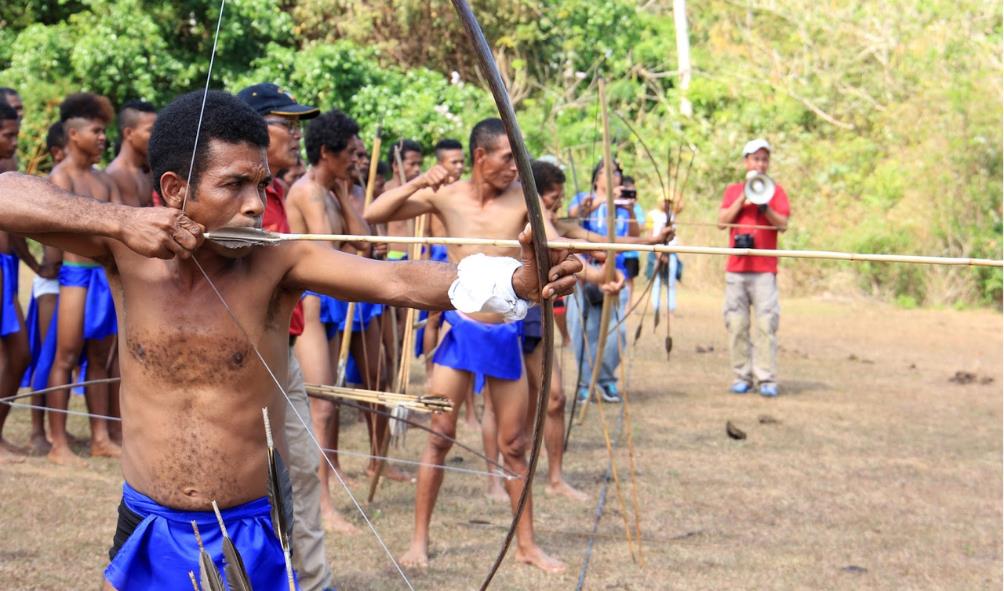
You might also notice their knowledge of medicinal plants, which they skillfully use for healing.
Storytelling plays a crucial role, too, as elders share legends that preserve their history and values.
Agriculture and Subsistence Living
Though often overlooked, agriculture and subsistence living are essential to the Aeta people's way of life. You’ll find that they rely on a mix of hunting, gathering, and farming to meet their needs.
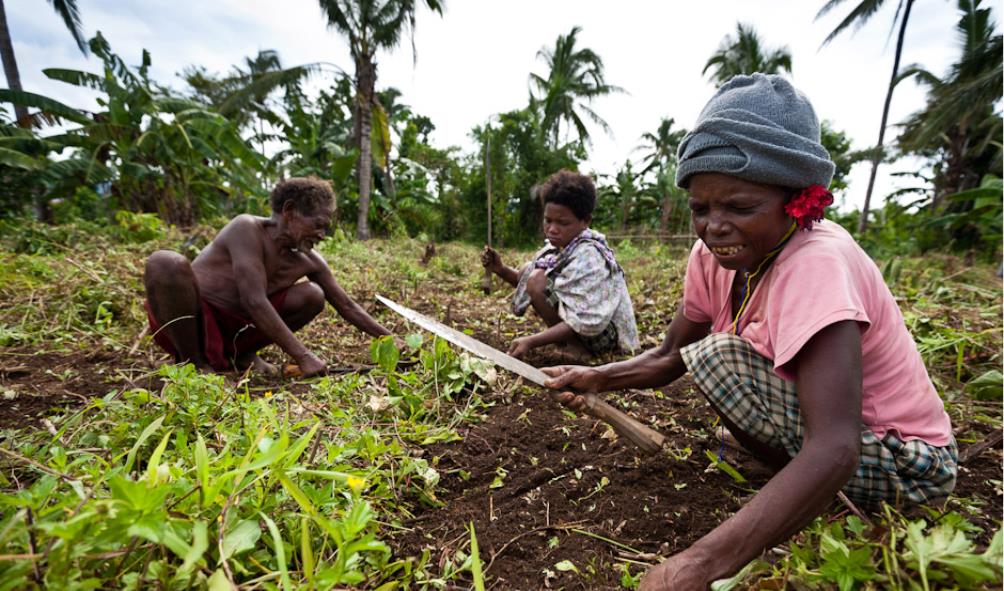
Traditionally, they cultivate crops like rice, root vegetables, and fruits, using shifting cultivation methods that respect the land. You might appreciate how they gather wild plants and hunt small game, skills passed down through generations.
Their deep understanding of the environment allows them to adapt to seasonal changes and maintain a sustainable lifestyle. This connection to the land not only nourishes them but also strengthens their cultural identity.
Encounters With Colonial Powers
As colonial powers expanded their reach across the Philippines, the Aeta people faced significant challenges to their way of life.
You’d witness the arrival of foreign forces disrupting traditional practices and encroaching on ancestral lands. The Spanish colonizers imposed new systems of governance, often disregarding Aeta customs.
You might find yourself grappling with forced labor and the introduction of taxes, which strained your community.
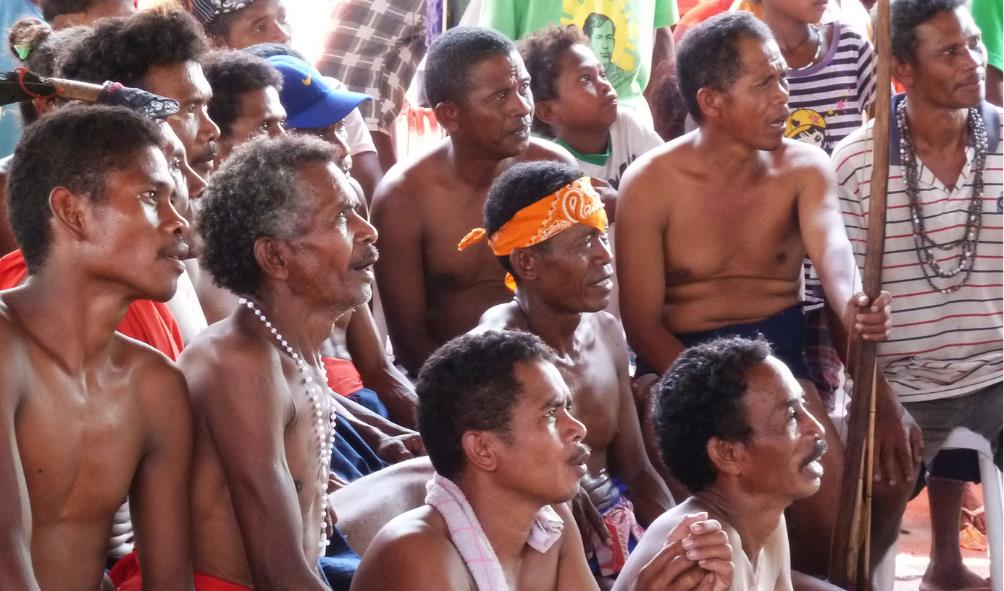
With the arrival of American colonizers, the Aeta faced further pressure as the military utilized your lands for strategic purposes.
These encounters often led to conflicts and resistance, as you and your people fought to maintain your identity and autonomy.
The impact of these encounters would shape your history, leaving lasting scars on the Aeta community.
Impact of Modernization and Urbanization
The challenges posed by colonial powers laid the groundwork for the Aeta people's struggles in the modern era.
As modernization and urbanization sweep through the Philippines, you’ll notice how these forces have dramatically affected Aeta communities. Traditional lifestyles are increasingly threatened by the encroachment of urban development, leading to the loss of land and resources.
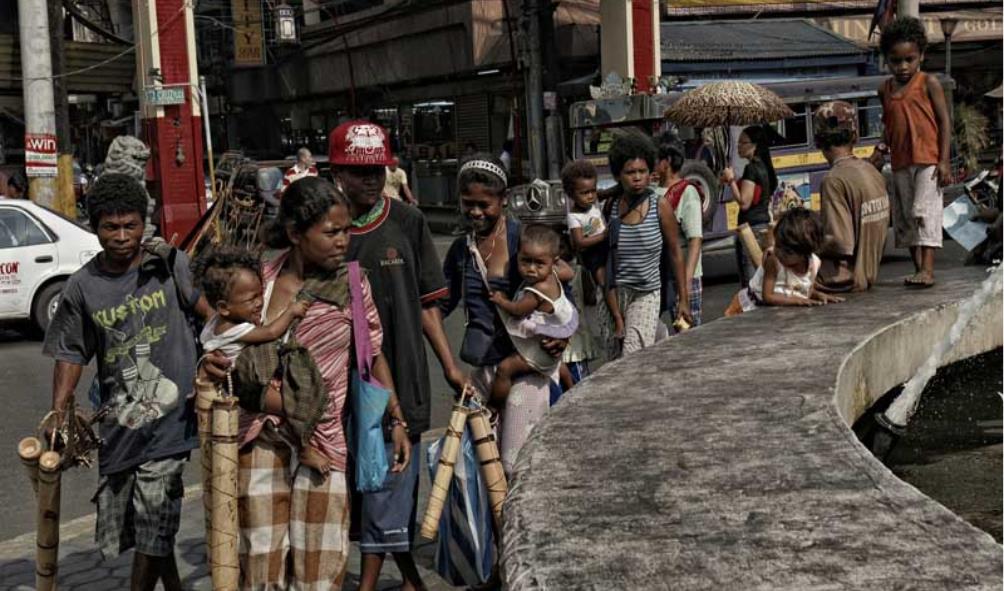
You might see younger Aeta individuals moving to cities in search of better opportunities, often leaving behind their rich cultural practices. The influx of modern technology and education presents both opportunities and challenges, as some embrace new ways of life while others cling to their heritage.
Balancing this modern influence with traditional values is crucial for the Aeta as they navigate their identity in a rapidly changing world.
Current Challenges Faced by the Aeta
While many Aeta people strive to preserve their cultural identity, they face numerous challenges that threaten their way of life.
Land disputes continue to plague their communities, as logging and mining encroach on their traditional territories. You’ll notice that access to education and healthcare remains limited, hindering their ability to improve their living conditions.
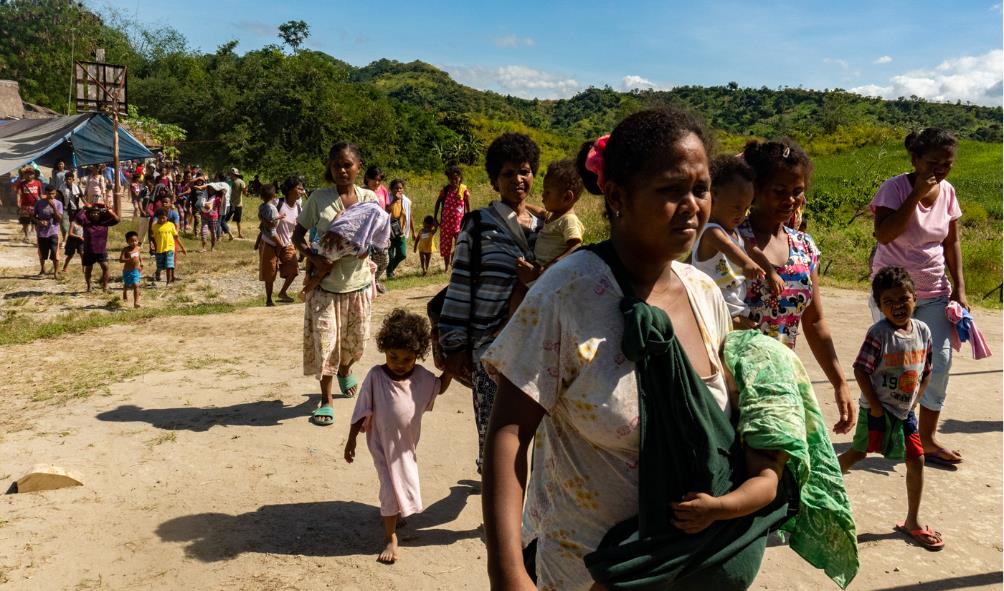
Economic opportunities are scarce, forcing many to migrate to urban areas where they often face discrimination. Additionally, climate change impacts their agricultural practices, leading to food insecurity.
The younger generation grapples with cultural disconnection, as modern influences overshadow their traditions. These challenges significantly affect the Aeta's ability to maintain their heritage and secure a sustainable future for their communities.
Cultural Preservation and Revival Efforts
Although facing significant challenges, the Aeta people are actively engaging in cultural preservation and revival efforts that empower their communities.
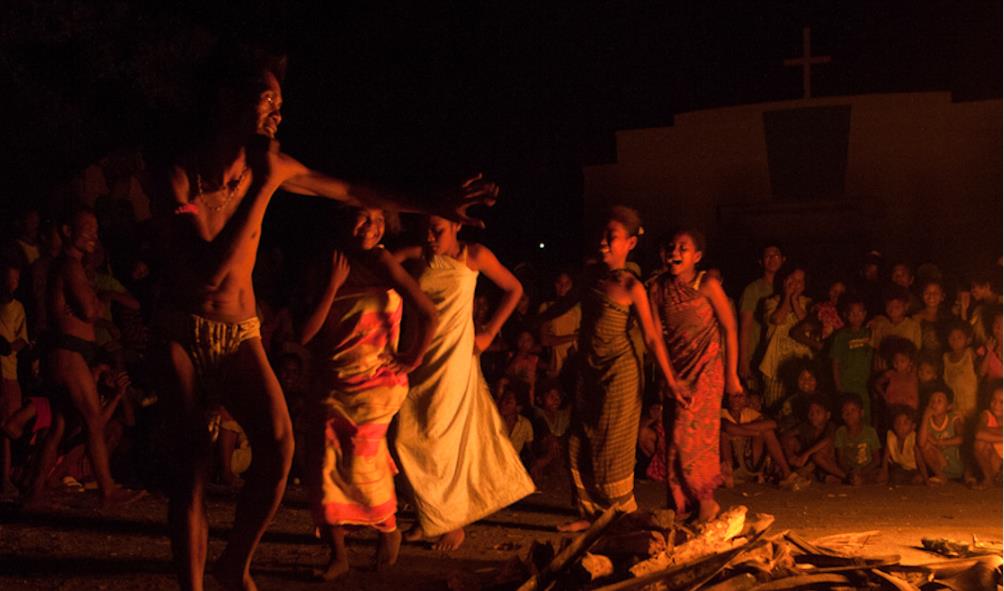
You might witness how they pass down traditional stories, songs, and dances to younger generations, ensuring their rich heritage thrives. Local workshops teach traditional crafts like weaving and bamboo carving, preserving these skills for the future.
Moreover, collaborations with NGOs help promote awareness of Aeta culture, enabling you to appreciate their unique identity. Community events celebrate rituals and festivals, inviting outsiders to participate and learn.
Conclusion
In conclusion, the Aeta people's rich history and vibrant culture are a testament to their resilience amidst numerous challenges. Despite facing displacement and the pressures of modernization, their commitment to preserving their identity remains strong. By supporting their efforts in cultural revival and advocating for their rights, you can help ensure that the Aeta's unique heritage continues to thrive for future generations. It’s vital to recognize their contributions and stand by them in their journey toward empowerment and recognition.
Statistics
- The Aeta community is known for their rich oral traditions, which include storytelling, songs, and dances that have been passed down through generations, preserving their history and identity.
- In the late 20th century, the Aeta faced significant challenges due to deforestation and land displacement, impacting their access to ancestral lands and resources.
- The Aeta people are one of the Indigenous groups in the Philippines, primarily residing in the provinces of Zambales, Bataan, and Pampanga.
- Today, many Aeta communities are actively engaged in efforts to reclaim their rights and preserve their cultural heritage through education and advocacy.
External Links
- Rappler - Aeta Heritage and Culture discusses the ongoing efforts of the Aeta to preserve their cultural identity in modern society.
- Philippine History - Aeta People offers insights into the historical context and significance of the Aeta within Philippine history.
- Encyclopedia Britannica - Aeta provides a comprehensive overview of the Aeta people, including their history, culture, and current challenges.
- National Center for Biotechnology Information - Aeta Ethnicity presents research on the genetic diversity and health of the Aeta populations.
How To Explore Aeta Contributions to Biodiversity Conservation
Exploring Aeta contributions to biodiversity conservation involves researching their traditional ecological knowledge and sustainable practices. The Aeta have a profound understanding of their natural environment, which has been developed over centuries. Academic studies and environmental reports often highlight their role in preserving local ecosystems. Engaging with conservation projects that involve Aeta communities can provide practical insights into their methods. Supporting initiatives that promote sustainable land management can help integrate Aeta knowledge into broader conservation efforts.
Want to travel with more time and freedom?
The freedom to travel! Discover free & unique homestays around the world, in exchange for caring for adorable pets.
https://escapetomexiconow.com/ths
Recommended Resources:
Ready to explore life beyond borders? Check out our trusted guides to Mexico, Panama, and the Philippines — your gateways to new adventures, culture, and opportunity.
https://escapetomexiconow.com/
https://escapetomexiconow.info/
https://escapetopanamanow.info/
https://escapetothephilippinesnow.com/
YouTube Channel:
See Mexico like never before! From local culture to travel hacks, our YouTube channel brings the adventure straight to you.
https://www.youtube.com/@EscapeToMexicoNow