When you think of Filipino cuisine, dishes like adobo and kinilaw come to mind, each telling a story of the country's rich history and diverse influences. These meals are more than just food; they're a reflection of community and tradition. As you explore the essential ingredients and cooking methods, you’ll uncover the unique flavors that define each dish. But there's much more to discover about the communal aspect of Filipino dining and its vibrant food festivals.
The Rich History of Filipino Cuisine
When you explore the rich history of Filipino cuisine, you'll discover a vibrant tapestry woven from diverse influences and regional ingredients.
The roots of this culinary journey trace back to indigenous practices, enriched by centuries of trade and colonization. Spanish, Chinese, and American influences have all played a significant role in shaping what you enjoy today.
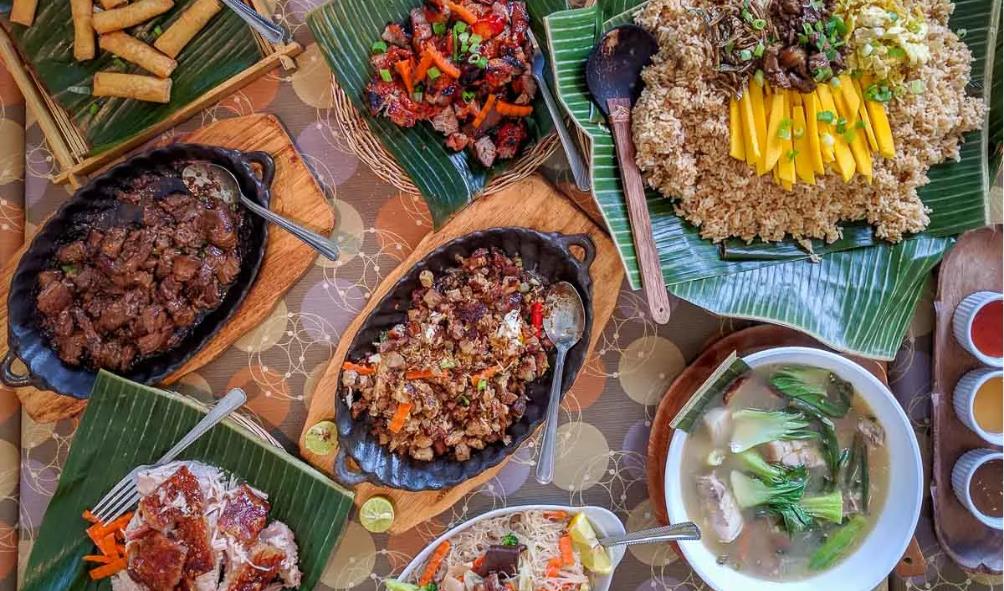
Each region boasts unique flavors, reflecting local traditions and available resources. For instance, the coastal areas emphasize fresh seafood, while mountainous regions highlight hearty root vegetables.
Festivals and family gatherings further celebrate this heritage, showcasing dishes that tell stories of community and culture.
Essential Ingredients in Filipino Cooking
Essential ingredients form the backbone of Filipino cooking, creating a unique flavor profile that defines the cuisine.
Rice is a staple, serving as the foundation for most meals. Soy sauce, vinegar, and garlic play crucial roles in marinades and sauces, adding depth and tang.
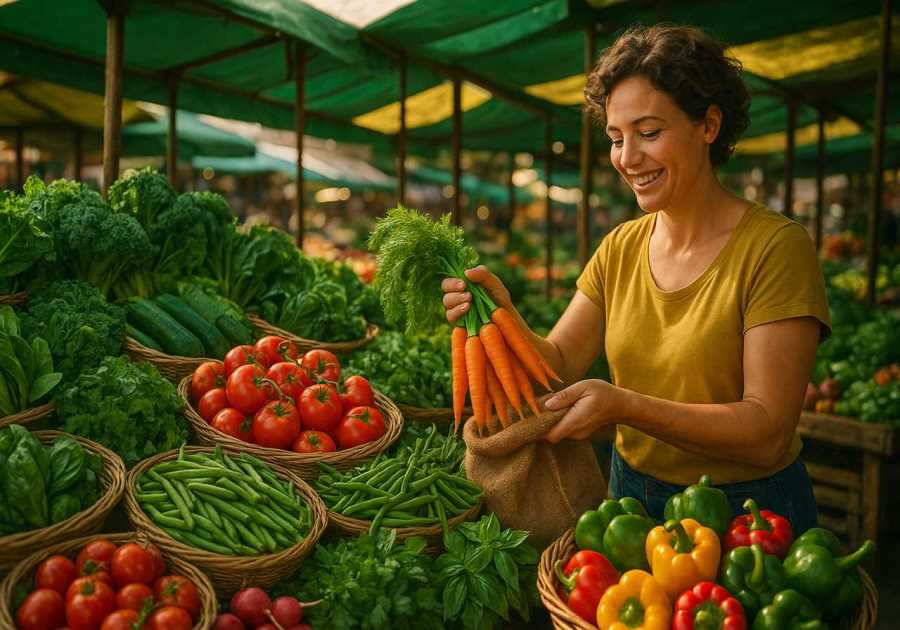
Coconut milk brings creaminess to dishes, while various local vegetables, like eggplant and ampalaya, enhance nutrition and flavor.

Don’t forget about fish sauce, which adds umami, and the vibrant herbs like cilantro and green onions that freshen up many recipes.
Finally, chili peppers introduce a kick that many Filipinos love.
Embracing these essential ingredients not only enriches your cooking but also connects you to the heart of Filipino culture.
Exploring the Flavors of Adobo
Adobo is often hailed as the unofficial national dish of the Philippines, and for good reason. This savory delight combines meat—usually chicken or pork—with a rich marinade of soy sauce, vinegar, garlic, and bay leaves.
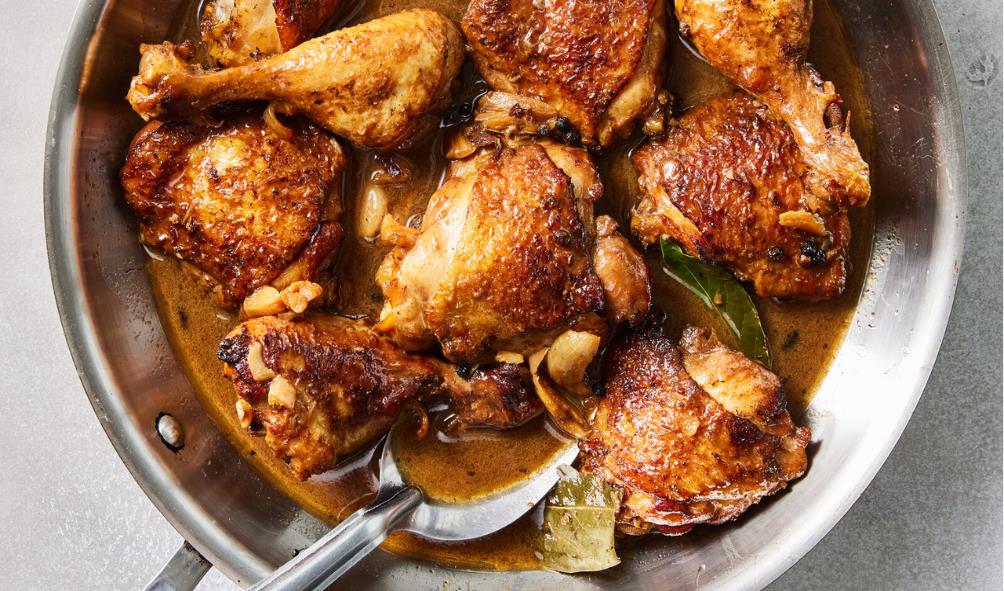
You’ll love how the tangy and salty flavors meld together, creating a dish that’s both comforting and satisfying. As you savor each bite, you’ll notice the tender meat practically falling off the bone, infused with the marinade’s depth.
Each region adds its own twist, whether it’s adding coconut milk for creaminess or a hint of sweetness with sugar. Adobo's versatility means you can enjoy it with rice, or even as a filling for sandwiches, making it a true staple in Filipino households.
The Freshness of Kinilaw
After savoring the rich flavors of adobo, you might find yourself craving something light and refreshing.
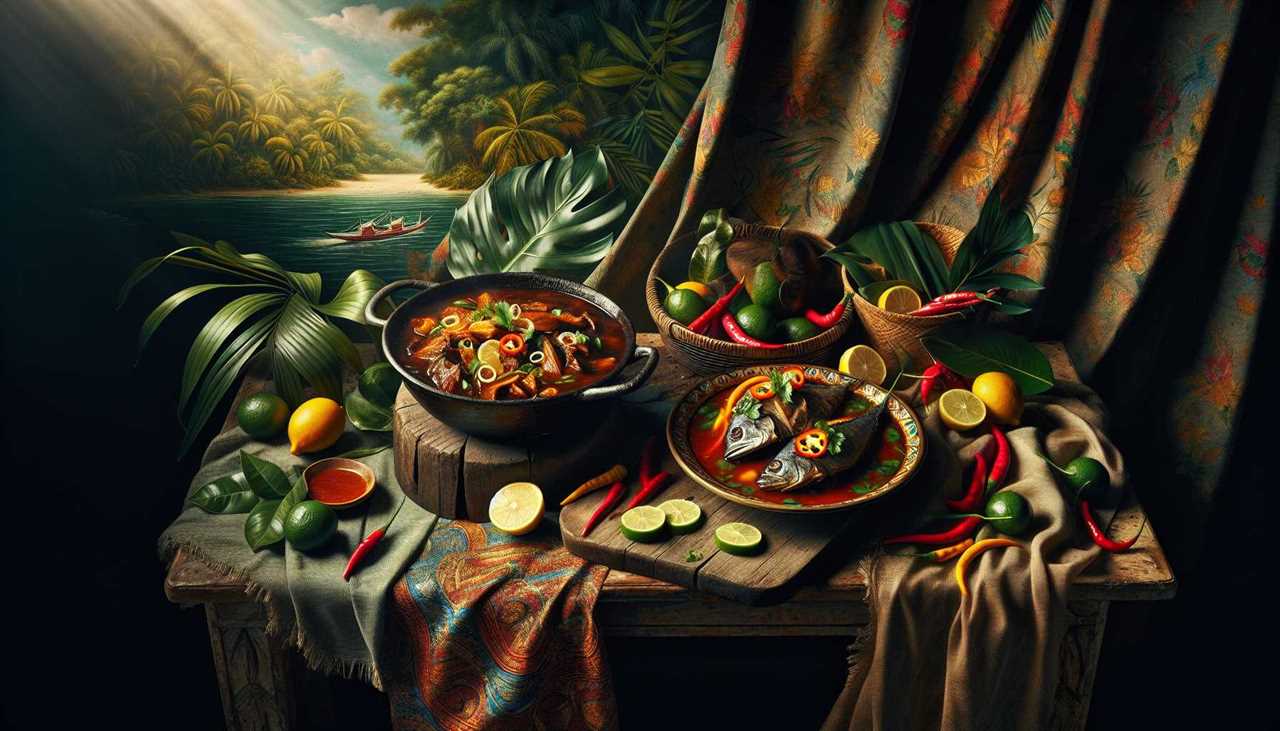
Kinilaw, a Filipino ceviche, offers just that. Made with fresh fish, typically tuna or mackerel, it’s marinated in vinegar and citrus juices, bringing out vibrant flavors. The acidity of the marinade gently "cooks" the fish, creating a delightful contrast to the tender texture.
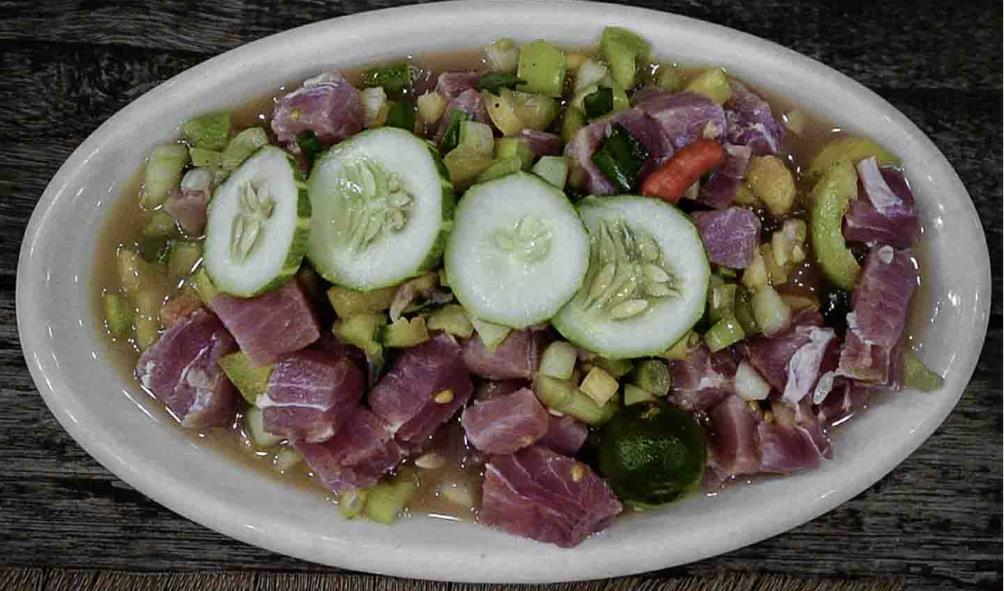
You’ll often find additional ingredients like onions, ginger, and chili peppers, which enhance its freshness and add a zesty kick. Served chilled, kinilaw is perfect for hot days, making it a favorite among locals.
Each bite bursts with the ocean's essence, reminding you of the Philippines’ rich coastal heritage. Enjoying kinilaw is truly a celebration of fresh, simple ingredients.
Traditional Cooking Methods and Techniques
While exploring the rich tapestry of Filipino cuisine, you'll quickly notice the importance of traditional cooking methods and techniques that have been passed down through generations.
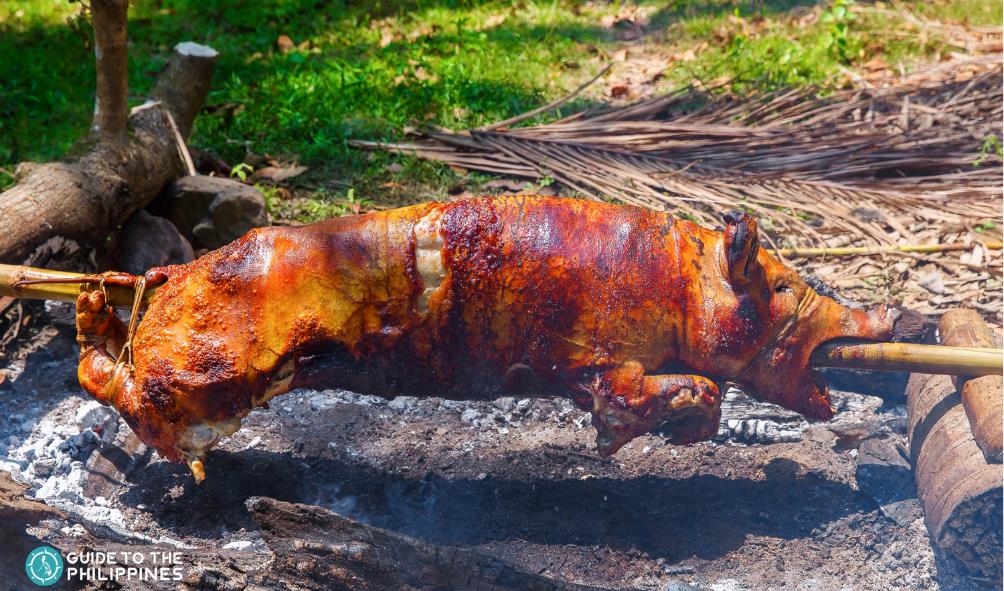
From the use of clay pots in slow-cooking stews to the art of grilling over open flames, these methods infuse each dish with unique flavors. You might find yourself trying "sinigang," where ingredients simmer together to create a savory broth, or "lechon," a whole roasted pig that showcases the skill of the cook.
Techniques like steaming and frying also play a vital role, enhancing the textures and tastes of iconic dishes. Embracing these methods not only connects you to Filipino heritage but also elevates your culinary experience to new heights.
The Importance of Communal Dining
Food in the Philippines is more than just nourishment; it’s a communal experience that brings people together.
When you gather around a table with family and friends, you’re not just sharing a meal; you’re sharing stories, laughter, and memories. This deep-rooted tradition fosters connections and strengthens bonds.
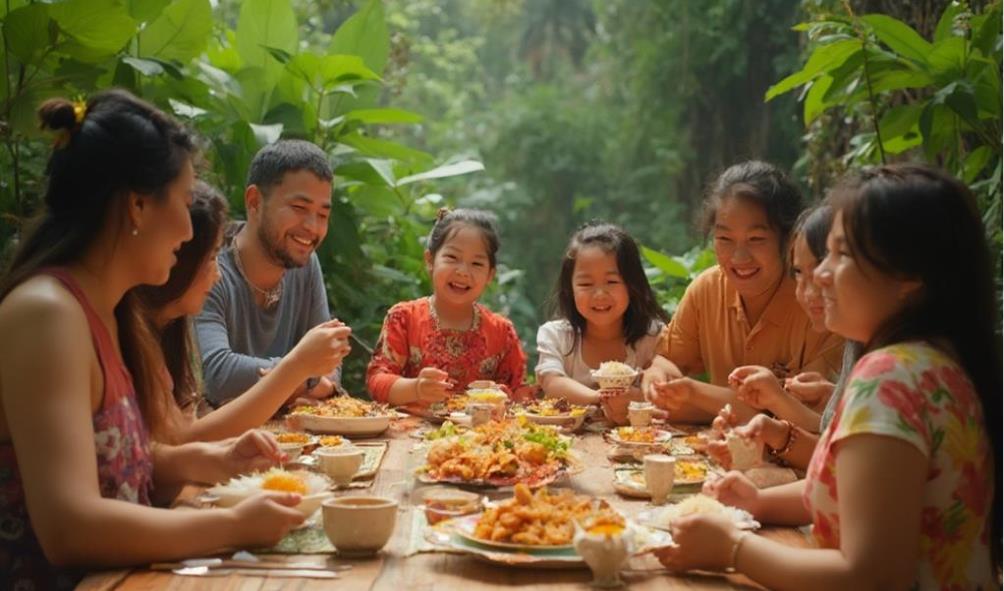
Whether it’s a festive celebration or a simple everyday meal, the act of dining together encourages a sense of belonging and unity. You might find yourself passing dishes around, each bite a testament to love and care in the preparation.
As you savor flavors, you also absorb the warmth of companionship, making every meal a celebration of life itself.
Communal dining isn’t just about food; it’s about creating lasting relationships.
Regional Variations and Specialties
As you explore the Philippines, you'll quickly discover that each region boasts its own unique culinary specialties, reflecting the diverse culture and history of the islands.
In Luzon, you might savor the rich flavors of pinakbet, a vegetable stew, while the Visayas offers lechon, a mouthwatering roasted pig, famed for its crispy skin.
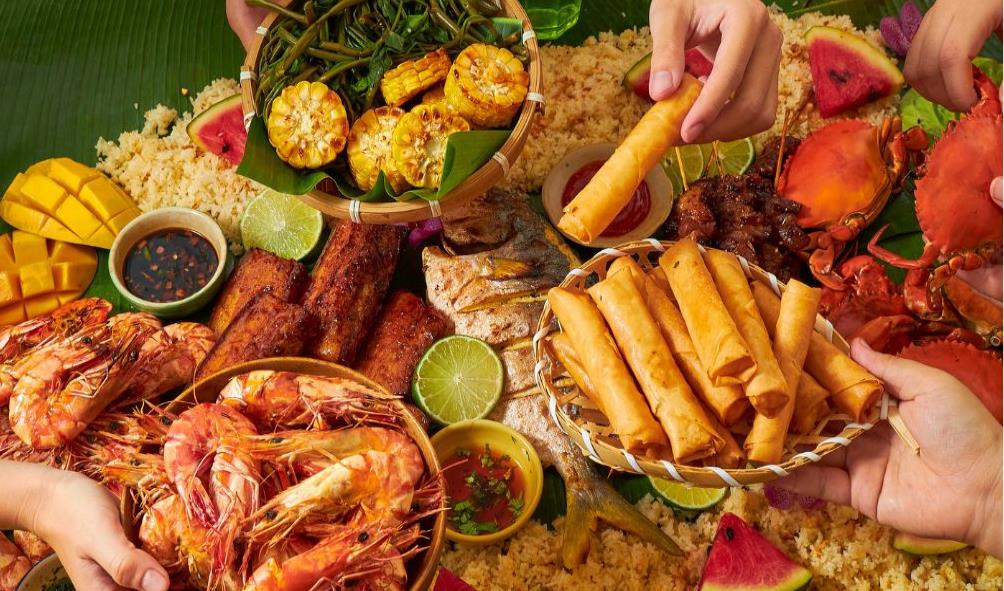
Head to Mindanao, and you'll encounter the savory, spice-laden dishes like sinuglaw, a delightful mix of grilled pork and kinilaw.
Don't forget about the Bicol region, where the use of coconut milk and chili creates dishes like Bicol Express.
Each dish tells a story of tradition, showcasing local ingredients and cooking techniques, making your culinary journey through the Philippines truly unforgettable.
Celebrating Filipino Food Festivals
When you immerse yourself in Filipino culture, you'll find that food festivals are vibrant celebrations that not only showcase the country's diverse cuisine but also bring communities together.
Each festival is a feast for the senses, filled with the aromas of sizzling street food, the colors of traditional dishes, and the sounds of laughter and music.
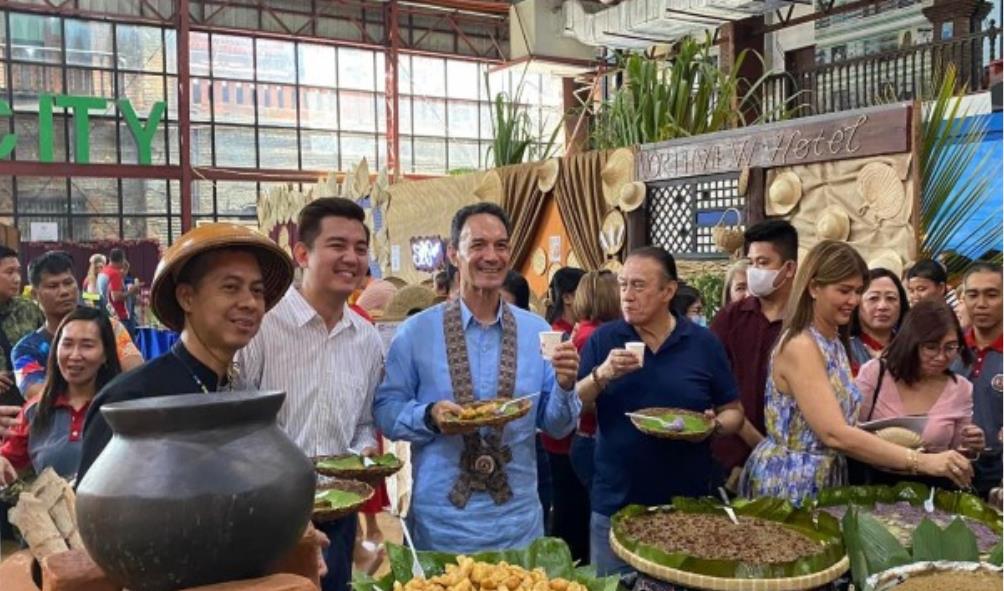
Whether you're at the Pahiyas Festival in Lucban, where rice is transformed into art, or the Kadayawan Festival in Davao, celebrating the region's bountiful harvest, you'll experience the warmth of Filipino hospitality.
These events invite you to taste local specialties, meet passionate chefs, and connect with locals.
Conclusion
As you explore the vibrant world of Filipino cuisine, you’ll discover a tapestry of flavors and traditions that reflect the country’s rich history. From the savory notes of adobo to the refreshing zest of kinilaw, each dish tells a story of culture and community. Embrace the importance of communal dining and celebrate the diverse regional specialties. So, whether you're enjoying a meal with family or at a lively food festival, you’re sure to experience the warmth and togetherness of Filipino food culture.
Statistics
- Kinilaw, a traditional Filipino ceviche, primarily uses fresh fish and is typically seasoned with vinegar, citrus, and various vegetables, highlighting the Philippines' abundant marine resources.
- The Philippines ranks among the top countries for seafood consumption, with fish and shellfish making up a significant portion of the Filipino diet.
- Rice is a staple in Filipino meals, with the average Filipino consuming around 110 kilograms of rice per year, emphasizing its significance in daily diets.
- The Philippines boasts over 7,000 islands, each contributing unique regional dishes and flavors to the nation's diverse food culture.
External Links
- Love and Lemons: Filipino Adobo Recipe - This recipe provides a detailed guide on how to prepare the famous Filipino dish, Adobo, with tips on variations and serving suggestions.
- Filipino Food Movement - A resource dedicated to promoting Filipino food and culture, offering insights, events, and recipes that celebrate the country's culinary heritage.
- BBC Good Food: Philippine Vegetable Salad (Ensalada) - A recipe for a traditional Filipino salad, highlighting fresh ingredients and flavors typical of Filipino cuisine.
- PhilStar: Philippine Cuisine 101 - An informative article introducing the fundamentals of Filipino cuisine, including its history and key dishes.
How To Cook Filipino Sinigang: A Sour Soup
To cook Sinigang, a beloved Filipino sour soup, begin by selecting your meat, which can be pork, beef, or shrimp. In a large pot, sauté onions and tomatoes until softened. Add your chosen protein and water, bringing it to a boil. Once the meat is tender, introduce tamarind paste or fresh tamarind to achieve the signature sour flavor. Incorporate vegetables such as radish, eggplant, and water spinach, allowing them to cook until tender. Season with fish sauce for depth. Serve hot with steamed rice, and enjoy the comforting, tangy flavors that make Sinigang a favorite in Filipino cuisine
Want to travel with more time and freedom?
The freedom to travel! Discover free & unique homestays around the world, in exchange for caring for adorable pets.
https://escapetomexiconow.com/ths
Recommended Resources:
Adventure is calling — are you ready to answer? Discover new places, new lifestyles, and new possibilities in Mexico, Panama, or the Philippines.
https://escapetomexiconow.com/
https://escapetomexiconow.info/
https://escapetopanamanow.info/
https://escapetothephilippinesnow.com/
YouTube Channel:
Your next adventure starts here! Join us on YouTube for destination tours, insider advice, and everything you need to make your escape unforgettable.
https://www.youtube.com/@EscapeToMexicoNow