When you visit the Rice Terraces of Ifugao, you step into a world where history and culture intertwine. These terraces aren't just stunning landscapes; they represent the ingenuity of the Ifugao people over centuries. As you explore, you'll encounter traditional farming practices and vibrant festivals that highlight the community's connection to rice. Yet, beneath this beauty lies a pressing concern for the future of these terraces. What challenges await this cherished heritage?
The History of the Ifugao Rice Terraces
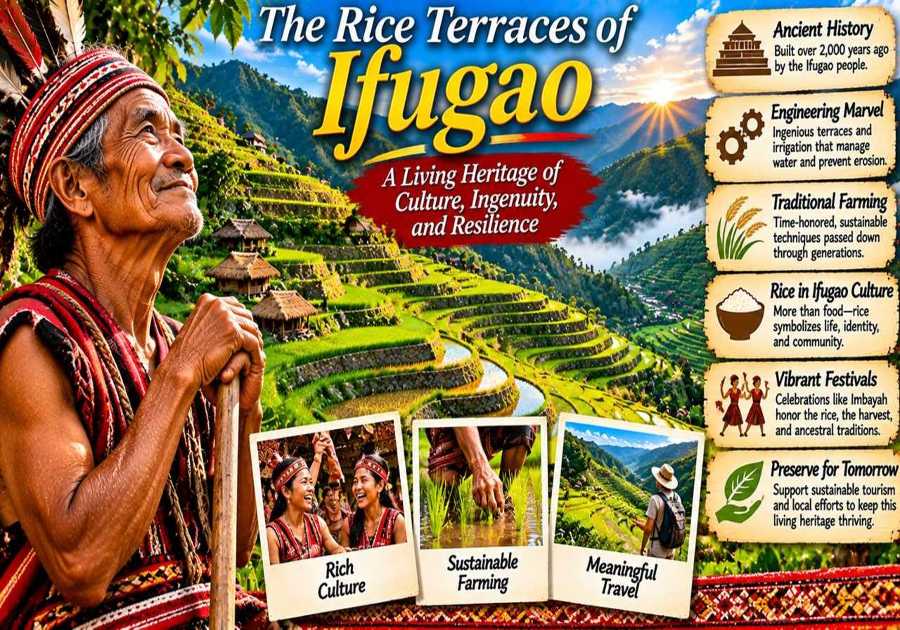
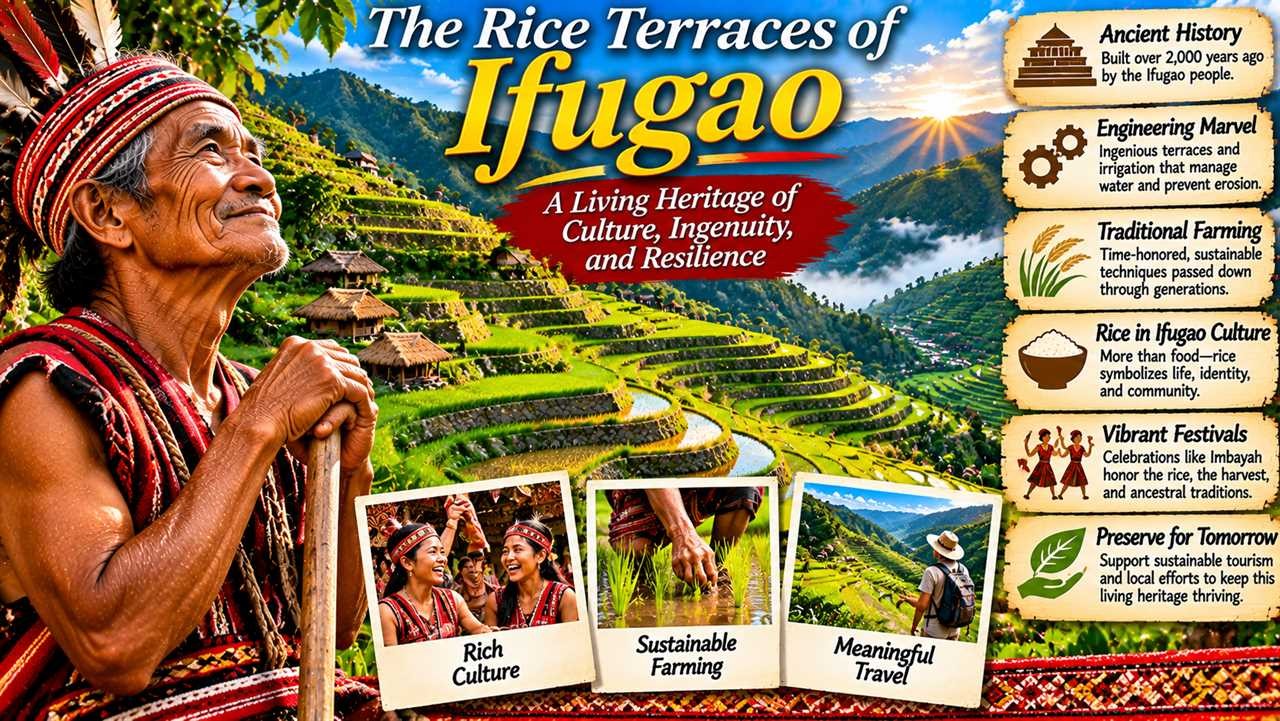
The Ifugao rice terraces, which have been cultivated for over 2,000 years, showcase the ingenuity and resilience of the Ifugao people.
These terraces were created to maximize arable land in the mountainous region of the Philippines. You'll discover that the Ifugao ancestors designed these fields not only for rice cultivation but also to manage water effectively.
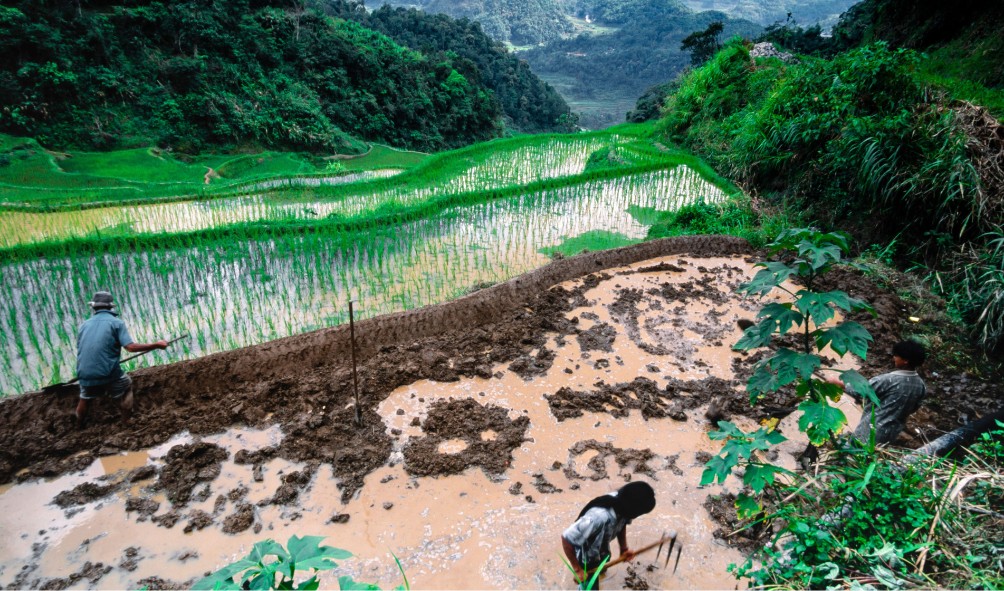
The construction techniques they employed reflect their deep understanding of their environment. As you explore, you’ll appreciate how these terraces symbolize a harmonious relationship between humans and nature.
They stand as a testament to the Ifugao's agricultural heritage, passed down through generations.
Visiting these terraces, you’ll feel connected to a living history, where tradition and culture thrive amidst breathtaking landscapes.
The Engineering Marvels of the Terraces
While exploring the Ifugao rice terraces, you’ll quickly realize that their construction is nothing short of an engineering marvel.
These terraces, carved into the mountainside, showcase an intricate system of irrigation that’s been perfected over centuries.
You’ll notice how the builders skillfully utilized the natural landscape, creating a series of levels that minimize soil erosion and maximize water retention.
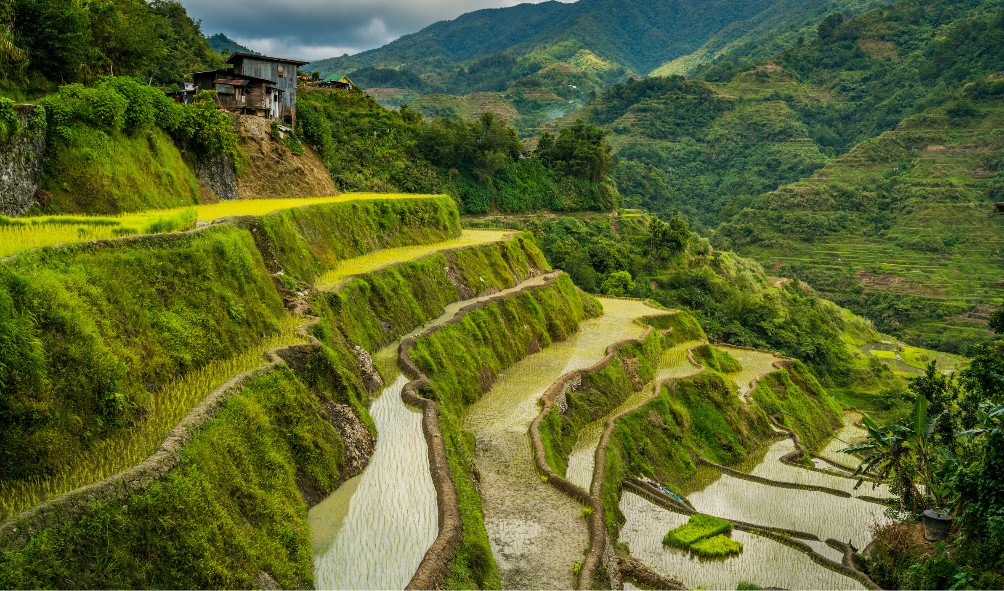
Each terrace is supported by a network of stones and earth, designed to withstand the region's heavy rains.
As you walk along the paths, you can’t help but admire the precision and planning that went into each layer.
This ancient engineering reflects not just technical skill, but also a deep understanding of the environment and sustainable practices that continue to inspire modern architects today.
Traditional Rice Cultivation Techniques
In the heart of the Ifugao rice terraces, traditional rice cultivation techniques have been passed down through generations, showcasing a deep-rooted connection to the land.
You’ll notice that farmers still rely on ancestral methods, such as planting rice in flooded terraces, which helps control weeds and pests naturally. They use organic fertilizers, like decaying foliage and animal manure, enhancing soil fertility without harmful chemicals.
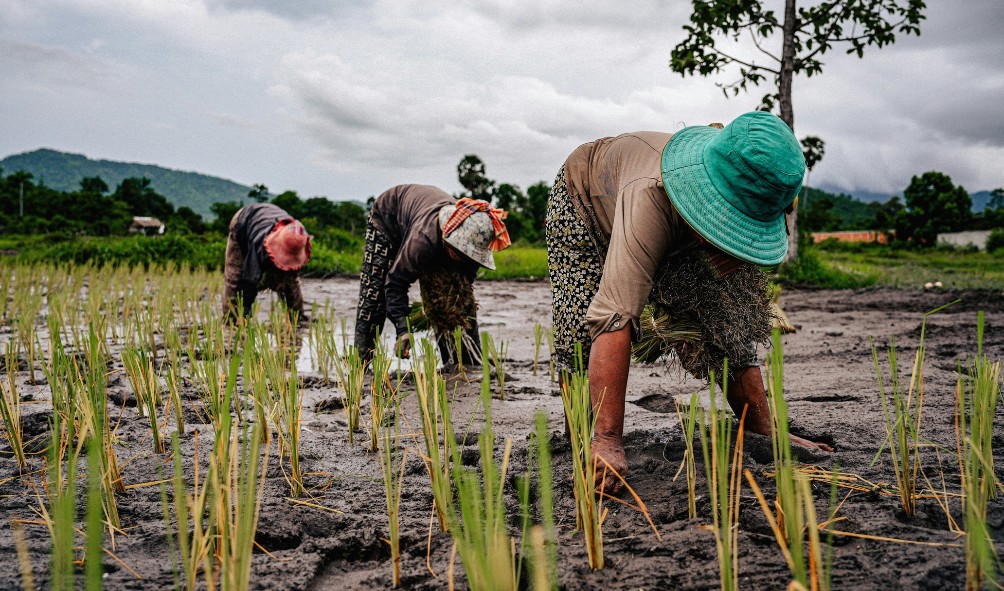
Additionally, crop rotation between rice and other plants promotes biodiversity and sustains the ecosystem. You may also observe the meticulous hand-harvesting process, where each stalk is carefully gathered to preserve the quality of the grain.
Engaging with these practices gives you a profound appreciation for the skill and dedication involved in maintaining this agricultural heritage.
The Role of Rice in Ifugao Culture
Rice holds a central place in Ifugao culture, serving as more than just a staple food. It symbolizes life, identity, and community.
When you visit, you’ll notice that rice is integral to rituals and traditions, often used in ceremonies to honor ancestors and celebrate milestones. The Ifugao people view rice as a gift from the gods, embodying their relationship with nature.
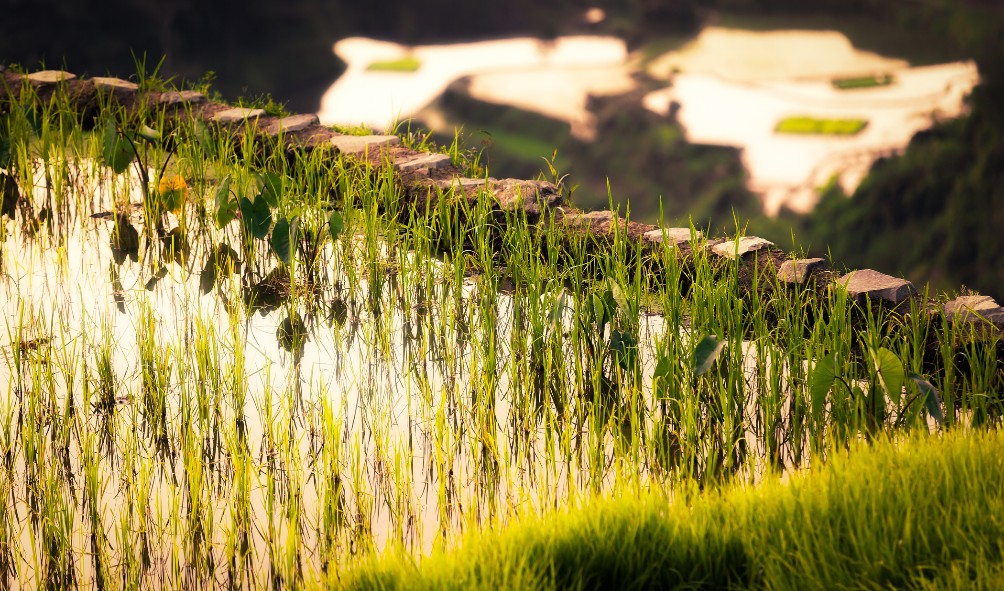
As you engage with the locals, you’ll see how rice cultivation reflects their labor, resilience, and ingenuity, fostering a strong sense of pride. It’s not just about growing food; it’s about nurturing a way of life.
In every grain, you’ll find stories of generations, binding the community together in shared history and culture.
Festivals Celebrating Rice and Agriculture
As you immerse yourself in the vibrant culture of the Ifugao, you'll discover that festivals celebrating rice and agriculture play a vital role in their community life.
These lively events showcase the deep connection between the people and their land, with rituals honoring the spirits that bless their crops. The most notable festival is the Imbayah, where locals gather to express gratitude for a bountiful harvest.
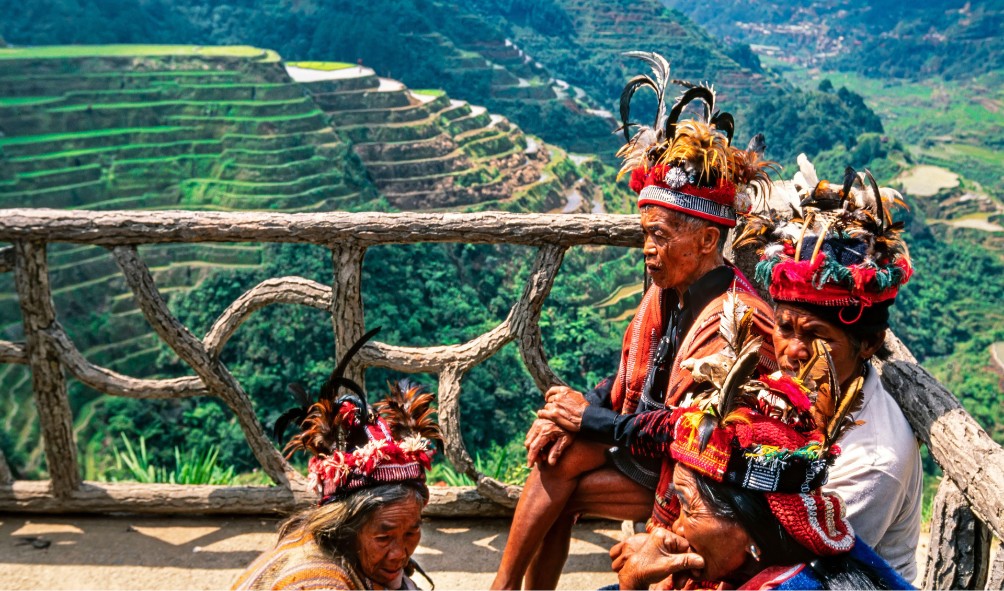
You'll witness colorful dances, traditional music, and elaborate feasts, all centered around rice. Families come together, sharing stories and passing down traditions, reinforcing their bond with nature.
Participating in these festivals not only enriches your understanding of Ifugao culture but also highlights the importance of rice in their daily lives and spiritual beliefs.
Sustainable Farming Practices in Ifugao
While exploring the breathtaking landscapes of Ifugao, you'll quickly notice the community's commitment to sustainable farming practices that have been honed over generations.
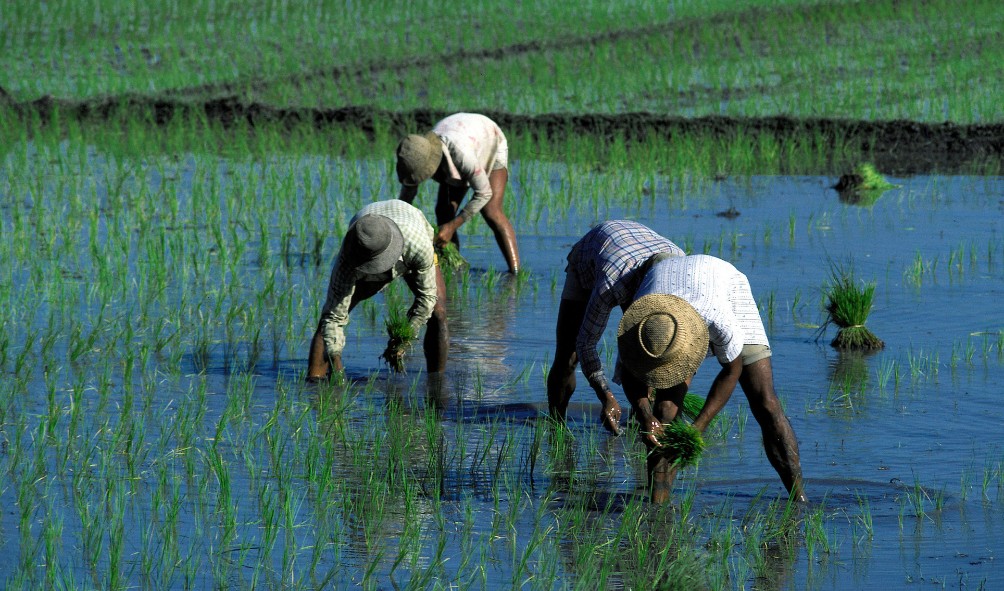
The rice terraces, a testament to their ingenuity, utilize a time-tested irrigation system that conserves water and minimizes erosion. Farmers practice crop rotation, enriching the soil and preventing nutrient depletion.
You’ll see how they integrate natural pest control methods, using local plants to fend off insects, ensuring a healthy ecosystem. The use of organic fertilizers, such as compost and animal manure, highlights their dedication to maintaining soil fertility without harmful chemicals.
Challenges Facing the Rice Terraces Today
The stunning beauty of Ifugao's rice terraces masks a range of challenges that threaten their existence.
You mightn't realize that climate change severely impacts these ancient landscapes, disrupting traditional farming practices and reducing crop yields. As weather patterns become increasingly erratic, farmers struggle to adapt, risking their livelihoods.
Additionally, the aging farming population faces difficulties in passing down knowledge to younger generations, who often seek opportunities outside their communities.
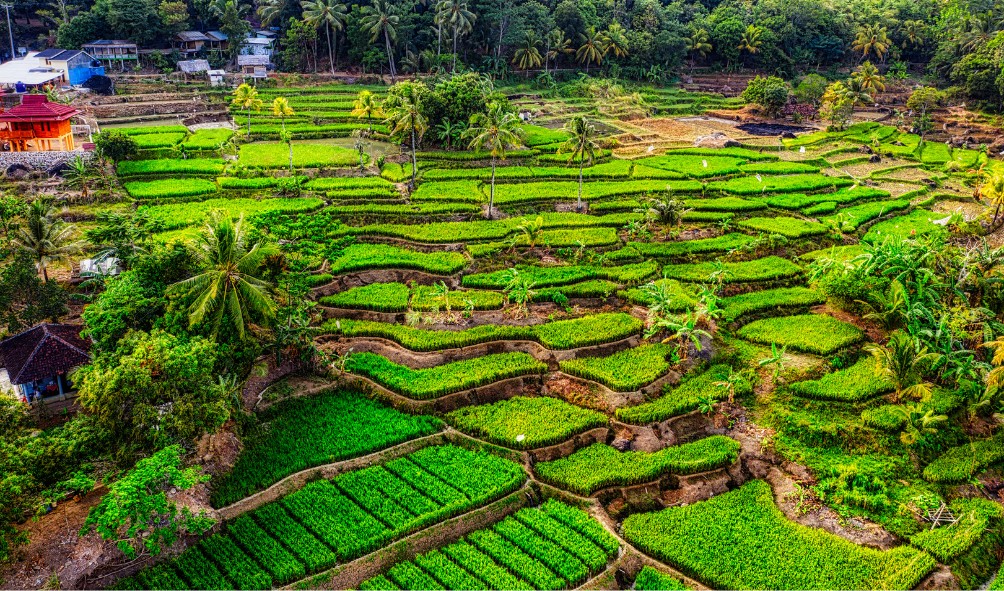
Invasive plant species further complicate the situation, crowding out native crops and requiring more resources to manage.
Land conversion for modern development also erodes these historical structures, threatening their cultural significance.
It's crucial to recognize these challenges and support efforts to preserve this extraordinary heritage for future generations.
The Impact of Tourism on the Ifugao Community
Although tourism brings economic opportunities to the Ifugao community, it also presents significant challenges that can disrupt traditional ways of life.
You might notice that while local businesses thrive, some residents feel pressured to adapt their customs to meet tourist expectations. This shift can lead to a dilution of cultural practices, as people may prioritize profit over preserving their heritage.
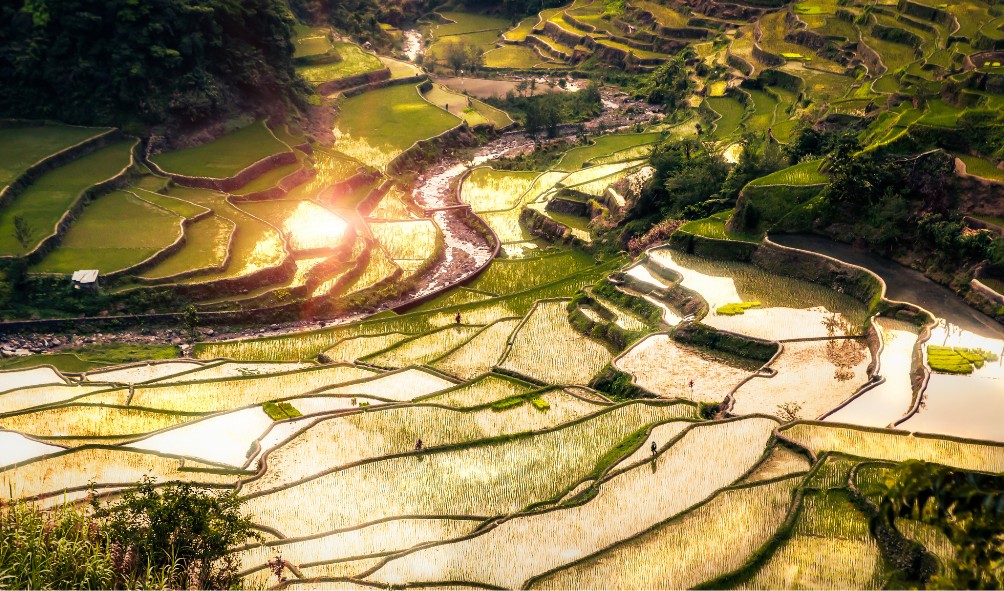
Moreover, increased foot traffic can damage the rice terraces, which aren't just agricultural landmarks but sacred sites.
As you explore, you may encounter the tension between showcasing their rich history and protecting their way of life. The Ifugao community strives to balance these competing interests, ensuring that tourism benefits them without compromising their identity.
Preserving the Legacy of the Rice Terraces
As you wander through the breathtaking Rice Terraces of Ifugao, you'll quickly realize that preserving this UNESCO World Heritage site is crucial not just for the environment, but for the community's cultural identity.
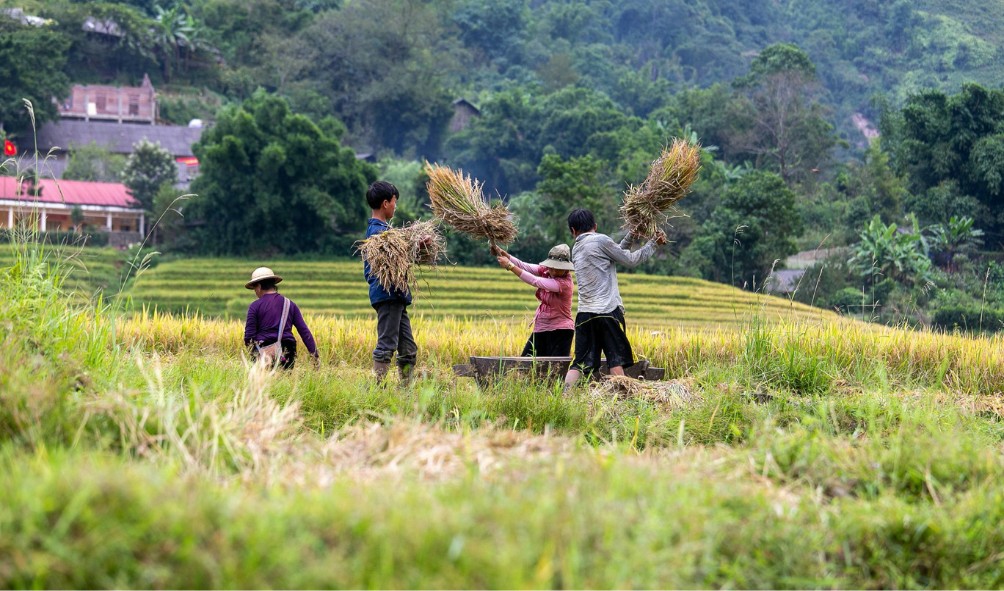
The terraces represent centuries of agricultural wisdom and traditional practices that have shaped the Ifugao people's way of life. You can support local efforts by participating in community-led tours, which help raise awareness and funds for preservation projects.
Engage with local farmers to understand their challenges and share in their stories, fostering a deeper connection. By respecting the land and its heritage, you contribute to the ongoing legacy of the terraces, ensuring they remain a vibrant part of Ifugao culture for generations to come.
Conclusion
As you explore the Ifugao rice terraces, you’re not just witnessing a breathtaking landscape; you’re experiencing a vital part of a rich cultural heritage. The ingenuity and resilience of the Ifugao people shine through their agricultural practices and vibrant traditions. By supporting sustainable tourism and preservation efforts, you can help protect this remarkable legacy for future generations. Embrace the opportunity to connect with this living history and contribute to safeguarding the future of the rice terraces.
Statistics
- The rice terraces contribute to the biodiversity of the region, supporting over 200 species of plants and animals native to the Cordillera Mountains.
- Maintaining the terraces requires an average of 2,000 hours of labor annually per hectare, reflecting the community’s dedication to preserving their heritage.
- The terraces not only serve agricultural purposes but also attract thousands of tourists each year, contributing to the local economy and cultural preservation efforts.
- The terraces are home to around 50,000 indigenous Ifugao people who maintain the intricate irrigation systems sourced from mountain streams.
External Links
- Lonely Planet: Ifugao Rice Terraces – Travel tips and visitor information for exploring the terraces.
- Official Ifugao Province Website – Resources and updates about the local community and tourism in the Ifugao region.
- UNESCO World Heritage Centre: Rice Terraces of the Philippine Cordilleras – Detailed information about the cultural significance and preservation of the Ifugao Rice Terraces.
- Philippine Department of Tourism: Explore Ifugao – Official tourism site offering guides and activities related to the Ifugao Rice Terraces.
How to Plan Your Visit to the Ifugao Rice Terraces
Planning a visit to the Ifugao Rice Terraces involves selecting the best time to experience the lush green fields, usually during the planting or harvest seasons. Arrange transportation to Banaue, the gateway to the terraces, and book accommodations in advance to secure a comfortable stay. Research local customs and prepare for moderate hiking, as many terraces require walking through uneven paths. Hiring a local guide enhances the experience by providing historical context and cultural insights. Packing essentials such as sturdy shoes, sun protection, and water ensures a safe and enjoyable journey into this living heritage.
Want to travel with more time and freedom?
The freedom to travel! Discover free & unique homestays around the world, in exchange for caring for adorable pets.
https://escapetomexiconow.com/ths
Recommended Resources:
Adventure is calling — are you ready to answer? Discover new places, new lifestyles, and new possibilities in Mexico, Panama, or the Philippines.
https://escapetomexiconow.com/
https://escapetomexiconow.info/
https://escapetopanamanow.info/
https://escapetothephilippinesnow.com/
YouTube Channel:
Your next adventure starts here! Join us on YouTube for destination tours, insider advice, and everything you need to make your escape unforgettable.
https://www.youtube.com/@EscapeToMexicoNow