You might think you know Southeast Asian cuisine, but Filipino food often flies under the radar. Its rich tapestry of flavors and cultural influences deserves more attention. With dishes that blend indigenous ingredients and techniques from Spanish, Chinese, and American traditions, it’s a culinary journey waiting to be explored. What makes Filipino cuisine so unique? Let’s uncover the story behind its signature dishes and the role they play in the vibrant culture.
A Brief History of Filipino Cuisine
When you explore the history of Filipino cuisine, you'll find it's a rich tapestry woven from various cultural influences.
The archipelago’s strategic location made it a crossroads for traders and settlers, each leaving their mark. Indigenous ingredients like rice, seafood, and tropical fruits form the backbone of many dishes.
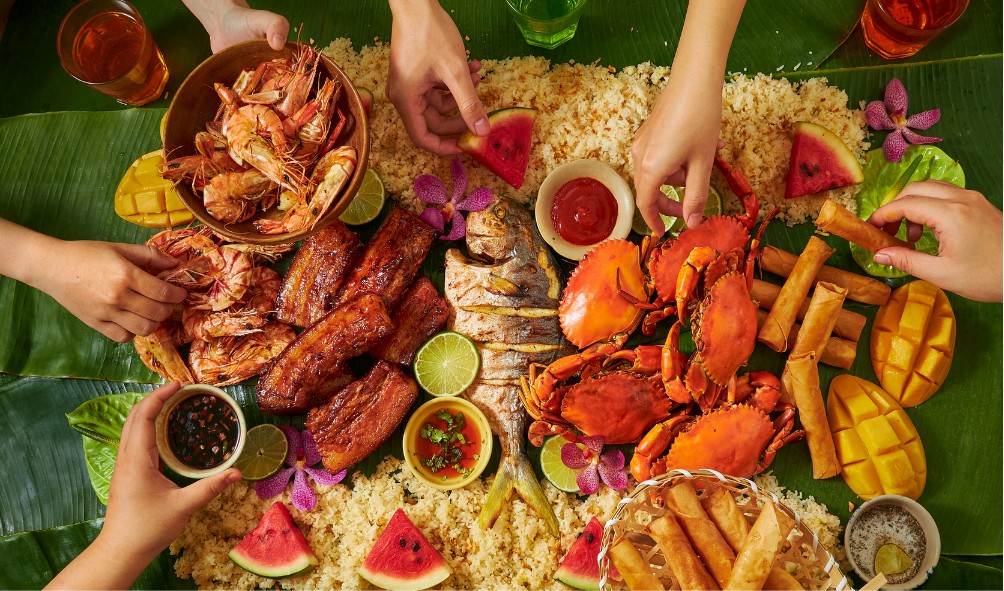
Chinese traders introduced stir-frying techniques and soy sauce, while Spanish colonization brought in new flavors and cooking methods, including adobo and paella.
American influence in the 20th century added fast food and desserts like leche flan. Each wave of influence shaped the way Filipinos cook and eat today, creating a unique blend that reflects the nation’s diverse heritage.
Understanding this history enhances your appreciation for the complexity of Filipino flavors.
The Influences That Shaped Filipino Food
As you delve into the influences that shaped Filipino food, you'll discover a vibrant blend of flavors and techniques from various cultures. Indigenous ingredients like rice and coconuts form the foundation, while Spanish colonization introduced dishes like adobo and paella.
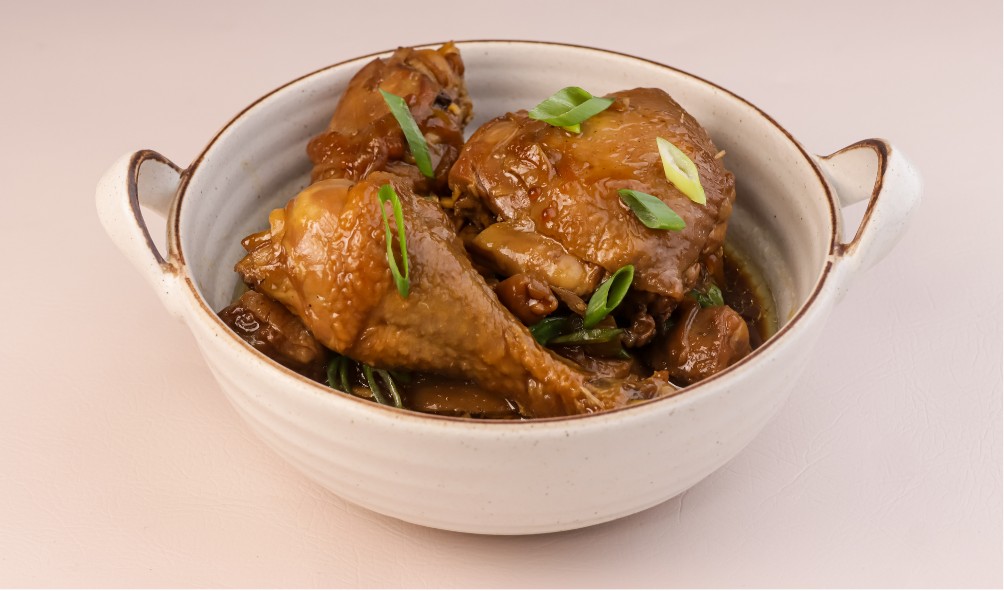
Chinese immigrants brought stir-frying and noodles, making their mark with favorites like pancit. American influence added fast food elements and unique twists, blending seamlessly into the cuisine. Each culture contributed its own spices and cooking methods, creating a diverse culinary landscape.
You’ll also find regional specialties influenced by local resources, climate, and traditions. This melting pot of influences makes Filipino cuisine a rich tapestry, reflecting the country’s history and the resilience of its people.
Signature Dishes: A Culinary Journey
Exploring the signature dishes of Filipino cuisine reveals a tapestry of flavors that tell stories of tradition and innovation.
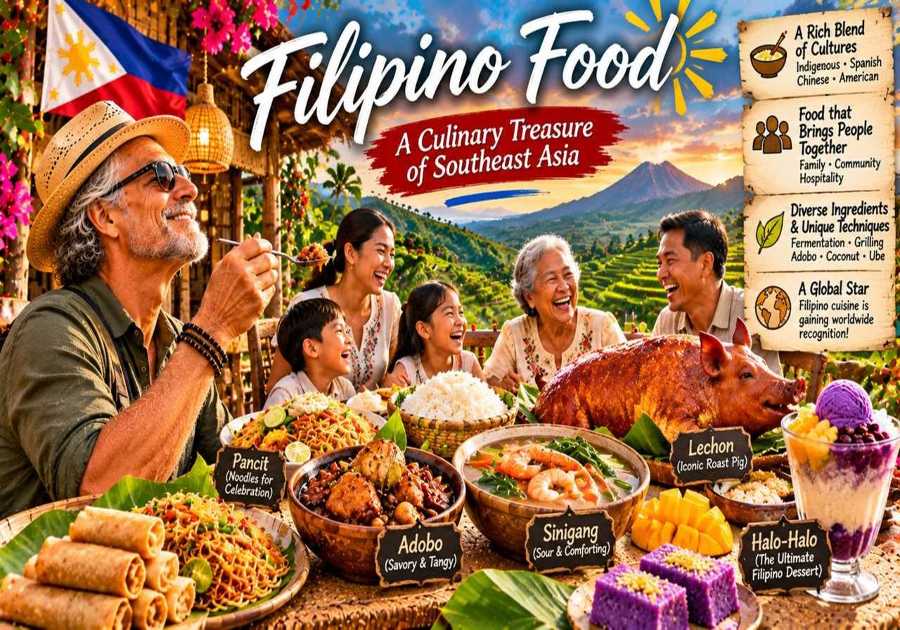
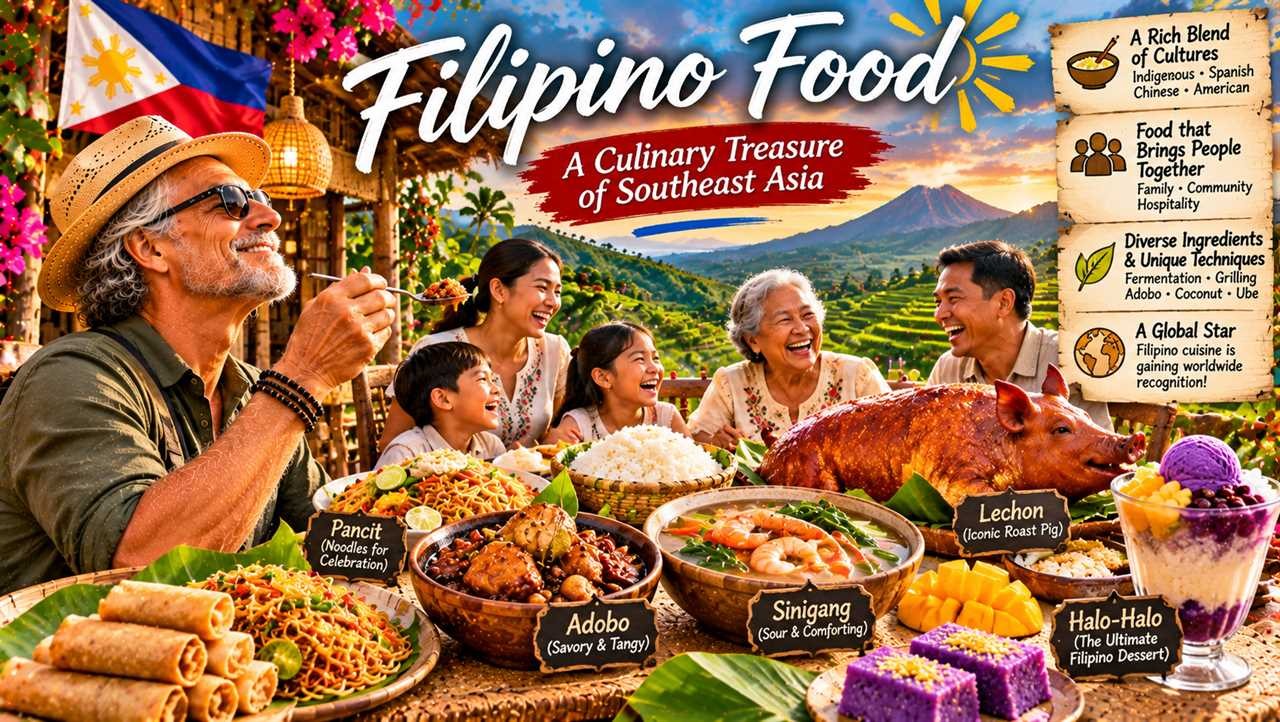
You’ll discover adobo, a savory dish of marinated meat simmered in soy sauce and vinegar, showcasing the balance of salty and tangy. Then there’s sinigang, a sour soup that warms the soul, often made with tamarind and fresh vegetables.
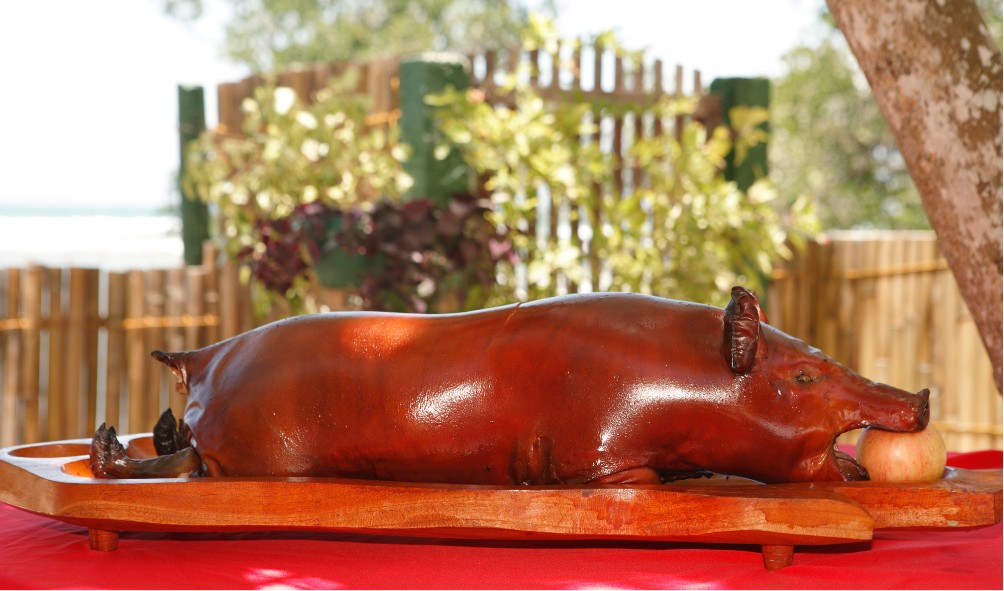
Don’t miss lechon, the iconic roasted pig, celebrated for its crispy skin and tender meat. Each dish reflects the country’s rich history and diverse influences.
When you share these meals with family and friends, you’re not just enjoying food; you’re partaking in a cultural experience that connects generations.
Dive into these culinary gems, and you’ll understand why Filipino cuisine deserves recognition.
The Role of Rice in Filipino Meals
Rice is more than just a side dish in Filipino meals; it’s the heart of the dining experience. When you sit down to eat, you’ll notice that rice often takes center stage, accompanying almost every dish.
Whether it’s steaming white rice or fragrant garlic rice, it acts as the perfect canvas for the bold flavors of adobo, sinigang, or lechon. You’ll find that rice absorbs the rich sauces and enhances each bite, making it essential to the meal.
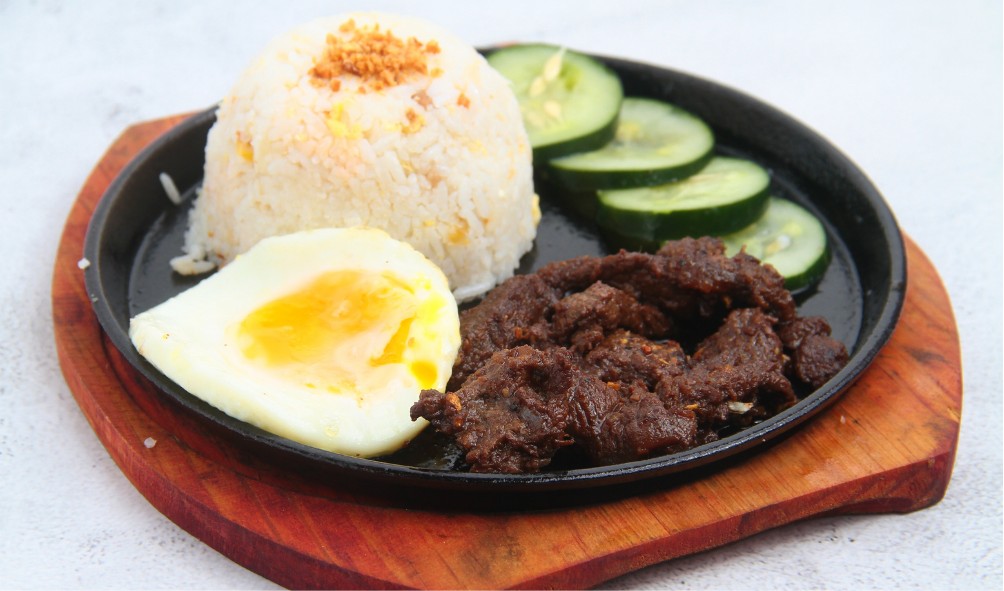
Beyond flavor, rice also brings people together, symbolizing unity and comfort. Sharing a bowl of rice fosters connections, making every meal a communal experience.
In Filipino culture, rice isn't just food; it’s a vital part of tradition and hospitality.
Unique Cooking Techniques and Ingredients
Filipino cuisine is a vibrant tapestry woven from unique cooking techniques and ingredients that reflect its rich cultural heritage.
You’ll find the use of adobo, a method of marinating meat in vinegar and soy sauce, creating deep flavors that define many dishes. Inihaw, or grilling, captures the essence of outdoor cooking, infusing food with smoky notes.
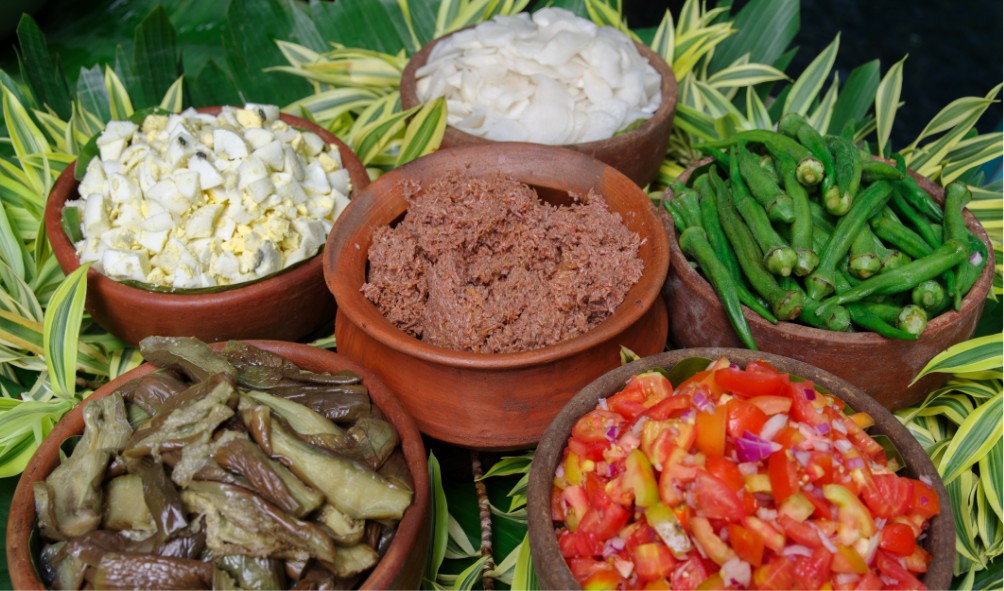
Fermentation plays a crucial role too, as seen in dishes like bagoong, a fermented shrimp paste that adds umami. Locally sourced ingredients, like calamansi and ube, showcase the region’s biodiversity.
Techniques like stir-frying or simmering are often combined with indigenous spices, resulting in bold and exciting flavors.
Exploring these methods and ingredients reveals the depth of Filipino culinary artistry waiting for you to discover.
The Importance of Family and Community in Dining
While sharing a meal, you’ll quickly notice that family and community hold a central place in Filipino dining culture. In the Philippines, dining isn't just about food; it's a vibrant celebration of relationships.
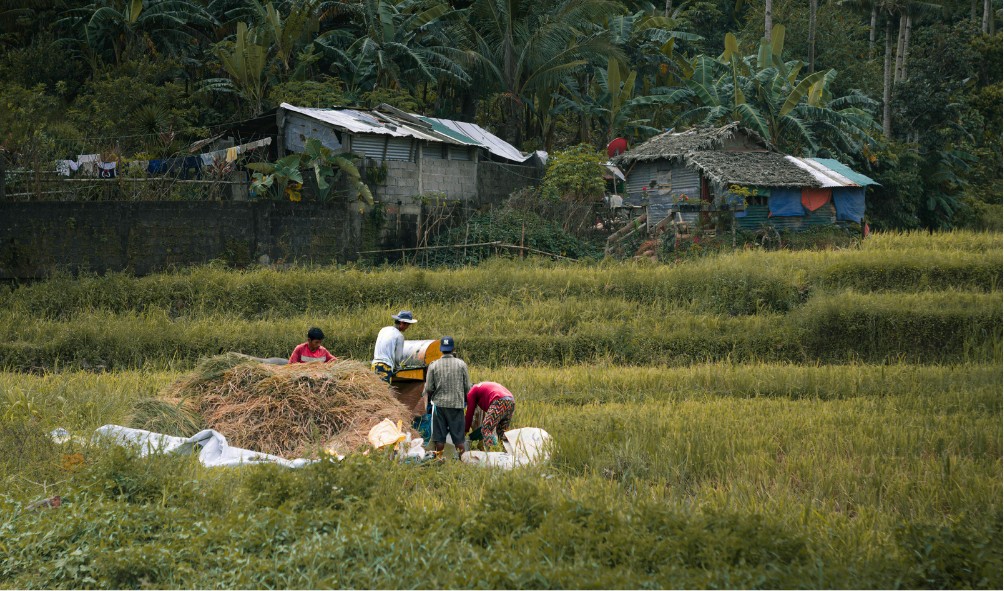
You’ll find that meals often start with a prayer, bringing everyone together in gratitude. As you pass dishes around, you're not just sharing food; you're sharing stories, laughter, and love. It’s common for extended families and friends to gather, creating a warm atmosphere that fosters connection.
The communal spirit encourages everyone to partake and contribute, whether it's cooking, serving, or simply enjoying. This deep-rooted tradition reinforces the bonds that tie families and communities together, making every meal a cherished experience that transcends mere sustenance.
Sweet Treats: Desserts That Delight
When you indulge in Filipino desserts, you’ll discover a world of flavors that perfectly balance sweetness and texture. From the iconic leche flan, with its silky caramel topping, to the chewy and nutty bibingka, each treat offers a unique experience.

Don’t miss the delightful halo-halo, a vibrant mix of crushed ice, fruits, and sweet beans topped with ube ice cream. You’ll find that the sticky rice-based suman, often paired with ripe mango, is a comforting favorite.
Then there’s the crunchy and sweet turon, where caramelized bananas are wrapped in spring roll wrappers. These desserts not only satisfy your sweet tooth but also reflect the rich cultural heritage of the Philippines, making every bite a celebration of tradition and creativity.
Filipino Food in the Global Context
As you explore the culinary landscape around the world, you'll find that Filipino food has begun to carve out its own niche, gaining recognition for its unique flavors and vibrant ingredients.
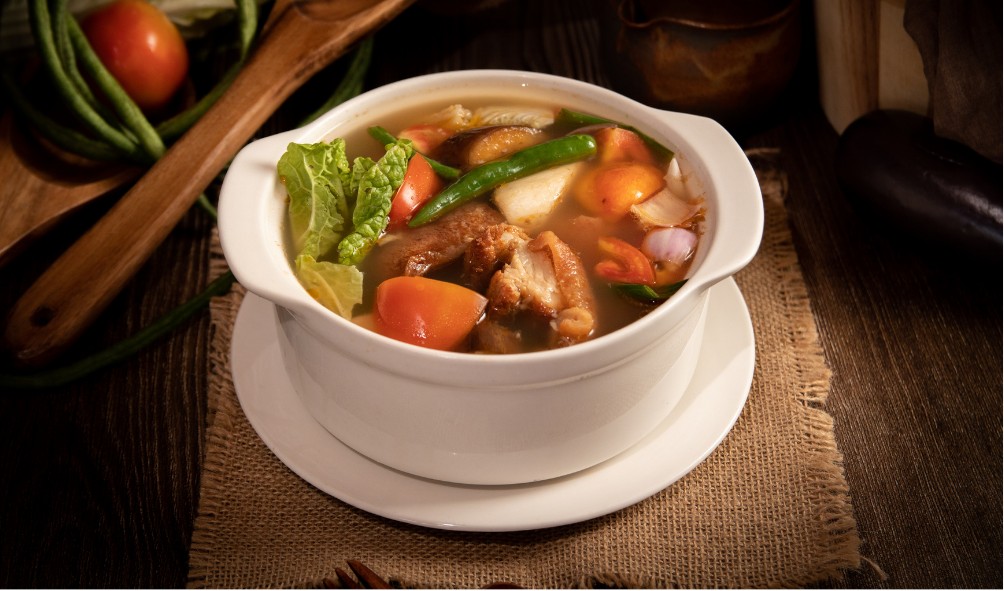
Dishes like adobo and sinigang showcase a delightful blend of sweet, sour, and savory notes that resonate with diverse palates. You’ll notice how Filipino cuisine reflects a rich history of influences, from Spanish to Chinese, resulting in a culinary tapestry that tells a story.
Additionally, the emphasis on communal dining fosters a sense of togetherness, making every meal a shared experience. As more people discover these flavors, it’s clear that Filipino food isn't just a national treasure but a global one, inviting everyone to join in the celebration of its culinary heritage.
The Rise of Filipino Restaurants Worldwide
You might be surprised to see Filipino restaurants popping up in cities around the globe, reflecting a growing appreciation for this vibrant cuisine.
From food trucks in Los Angeles to upscale dining in New York, these establishments showcase traditional dishes like adobo and sinigang, along with innovative twists. Chefs are eager to share their heritage, and diners are curious to explore new flavors.
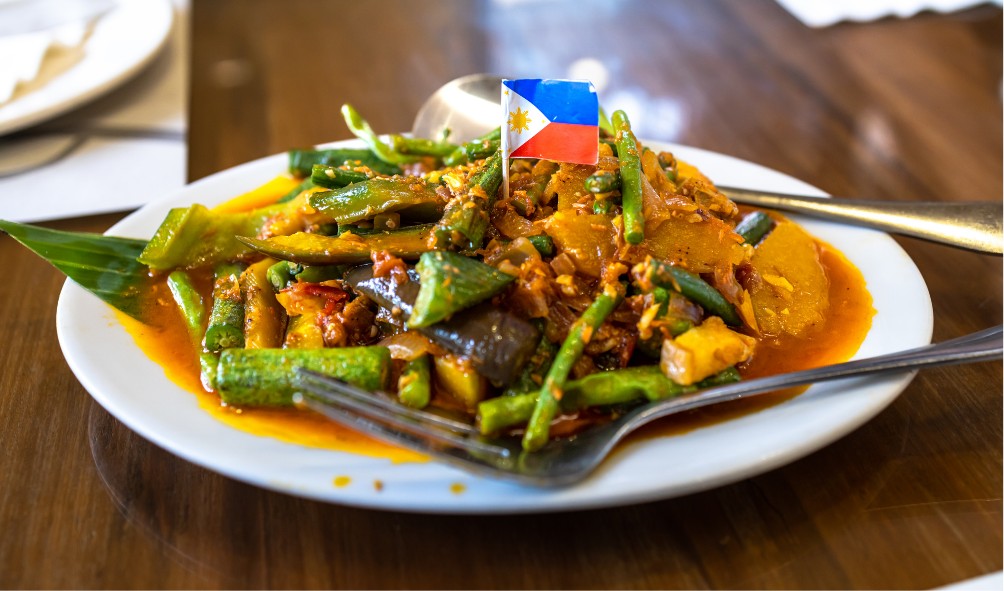
This rise isn’t just about food; it’s about community. Filipino culture, with its warmth and hospitality, draws people in, creating a welcoming atmosphere.
Social media also plays a role, as food enthusiasts share their experiences, sparking interest. With more chefs embracing their roots, Filipino cuisine is finally getting the recognition it deserves on the world stage.
How to Experience Filipino Cuisine at Home
With the rise of Filipino restaurants worldwide, many are eager to bring the flavors of the Philippines into their own kitchens.
Start by stocking your pantry with essential ingredients like soy sauce, fish sauce, coconut milk, and rice. Explore recipes for classic dishes such as adobo, sinigang, and lumpia. These meals often rely on simple techniques, making them perfect for home cooks.
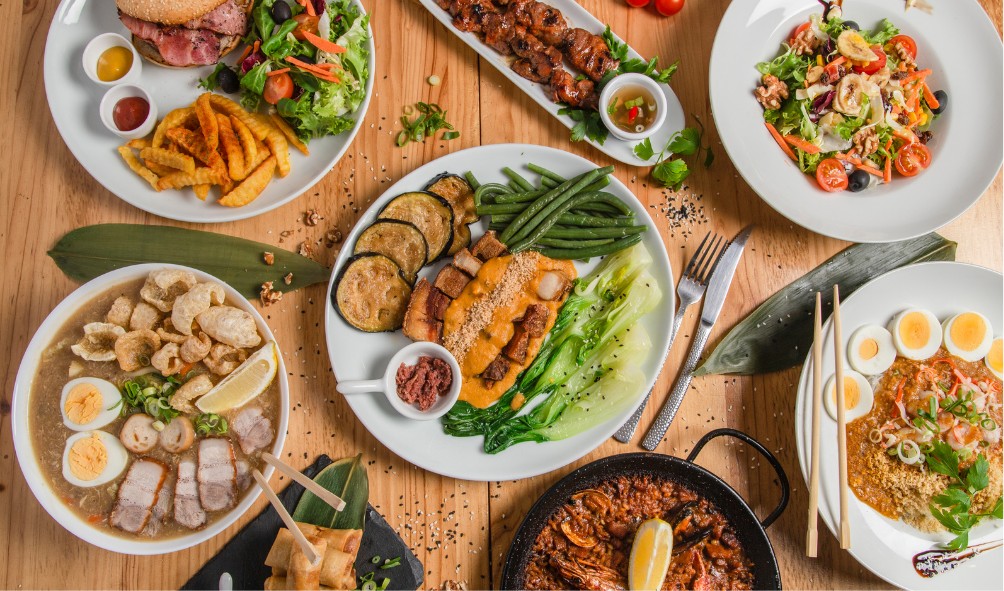
Don’t forget to add a touch of tradition; serve your dishes with steamed rice and enjoy them family-style. Consider hosting a Filipino-themed dinner party to share the experience with friends.
Pair your meal with a refreshing calamansi juice or a Filipino dessert like leche flan. With a little practice, you’ll be embracing Filipino cuisine in no time!
Conclusion
Filipino food deserves a spot on your culinary radar. With its rich history and diverse influences, it offers a unique blend of flavors that can’t be found elsewhere. From savory adobo to the comforting taste of sinigang, each dish tells a story. By exploring Filipino cuisine, you not only indulge in delicious meals but also connect with a vibrant culture. So, why not dive in and experience the joy of sharing these flavors with family and friends?
Statistics
- Filipino food festivals attract millions annually, yet international media coverage of these events remains under 2% compared to other Southeast Asian culinary celebrations.
- Filipino cuisine incorporates influences from at least four major cultures: indigenous Austronesian, Spanish, Chinese, and American.
- Less than 5% of Southeast Asian restaurants worldwide specialize in Filipino cuisine, highlighting its limited global representation.
- Over 70% of Filipinos consider food a central part of social gatherings, reflecting the cultural significance of communal meals.
External Links
- CNN Travel on Manila’s vibrant food scene shows how Filipino cuisine is evolving while maintaining its traditional roots.
- BBC Travel article on the underrated cuisine of the Philippines discusses the unique flavors and cultural history behind Filipino dishes.
- Saveur’s exploration of Filipino food history and culture explains the diverse influences shaping its distinctive taste profile.
- Epicurious article on why Filipino food remains one of Southeast Asia’s most underrated culinary traditions with examples of iconic dishes and flavors.
How to Pair Filipino Food with Complementary Beverages
Pairing Filipino dishes with the right beverages enhances the dining experience. Light beers and sparkling water can balance the richness of dishes like lechon or kare-kare. Sweet or sour fruit juices, such as calamansi or mango, complement tangy flavors found in sinigang and kinilaw. For a more traditional approach, try pairing meals with local rice wines or coconut-based drinks. Understanding these pairings highlights the thoughtful harmony present in Filipino dining.
Plan the perfect group trip, your way.
Get an instant personalized itinerary. We handle logistics, payments, and provide a dedicated itinerary, while local experts fine-tune every detail. Enjoy full freedom—without the stress of organizing it all.
https://escapetomexiconow.com/tourhero
Recommended Resources:
Dreaming of a fresh start abroad? Explore our curated destination guides to learn how you can make the move with ease.
https://escapetomexiconow.com/
https://escapetomexiconow.info/
https://escapetopanamanow.info/
https://escapetothephilippinesnow.com/
YouTube Channel:
See Mexico like never before! From local culture to travel hacks, our YouTube channel brings the adventure straight to you.
https://www.youtube.com/@EscapeToMexicoNow