When you explore the history of the Ifugao people, you uncover a fascinating tapestry woven from ancient migrations and resilience. Their unique adaptations to the rugged Cordilleras shaped a culture that revolves around rice cultivation and intricate irrigation systems. As you look deeper, you'll find that their social structures and spiritual beliefs are just as compelling. What challenges have they faced, and how do they strive to preserve their rich heritage today?
Origins and Early Settlements
The Ifugao people, who inhabit the mountainous regions of Northern Luzon in the Philippines, trace their origins back to ancient Austronesian migrations.
As you explore their history, you’ll discover that these early settlers adapted to the rugged terrain, developing unique cultures and traditions.
The Ifugao established their communities in high-altitude valleys, where they cultivated rice and crafted intricate wooden structures.
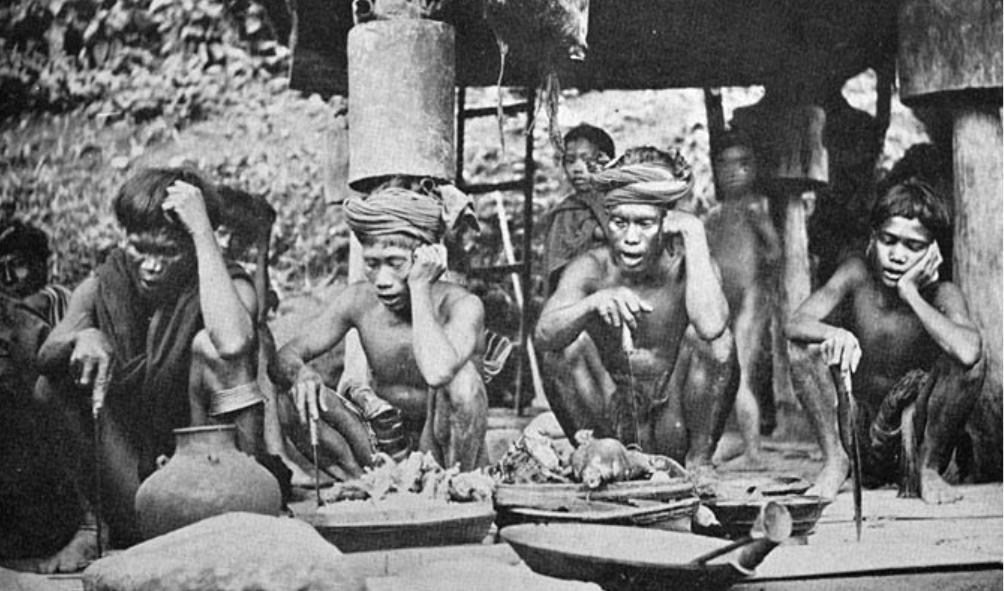
Their social organization was built around clans and kinship ties, which played a vital role in maintaining harmony and cooperation.
The rich oral traditions and folklore passed down through generations reveal their connection to the land and respect for nature.
As you delve deeper, you’ll appreciate how these early settlements laid the groundwork for the vibrant culture that thrives today.
Traditional Agricultural Practices
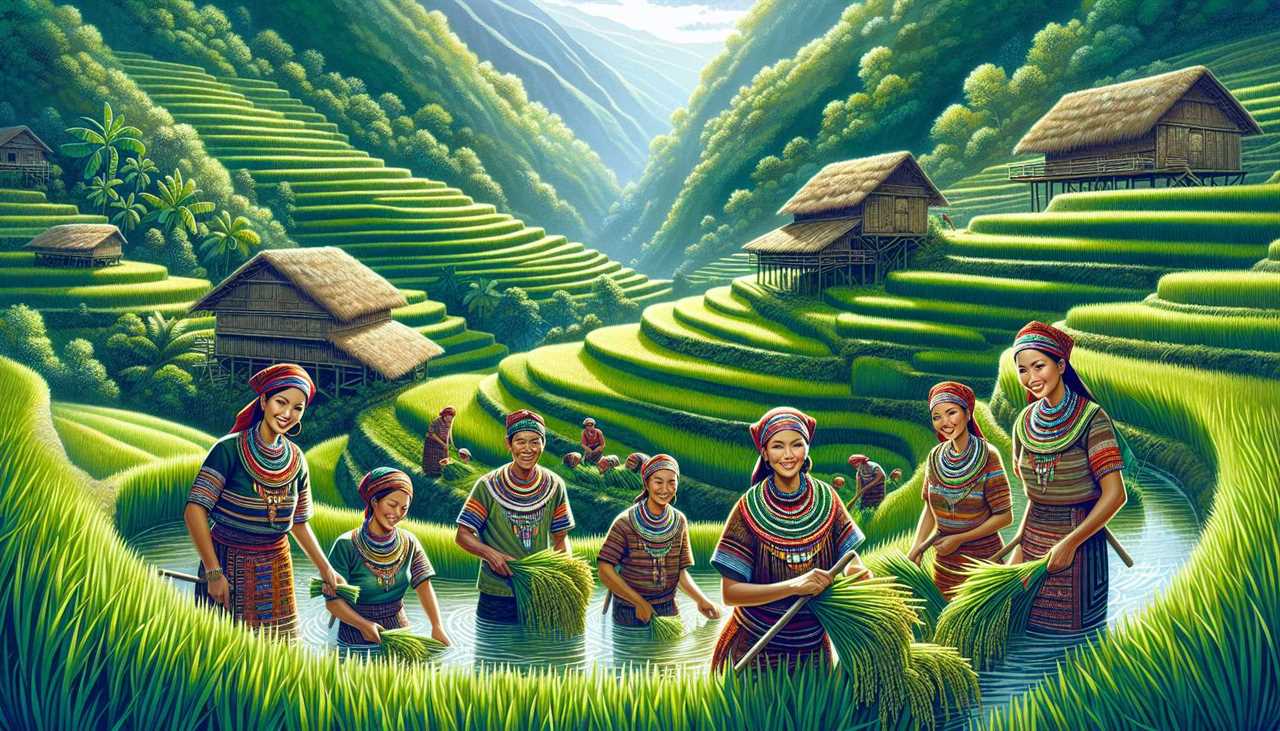
While navigating the lush terraces of the Ifugao region, you'll witness a remarkable agricultural system that has evolved over centuries.
The Ifugao people practice a unique form of wet rice cultivation, utilizing intricate irrigation methods to manage water flow. You'll notice how they employ traditional tools, like wooden plows and hand-held sickles, ensuring sustainable farming.
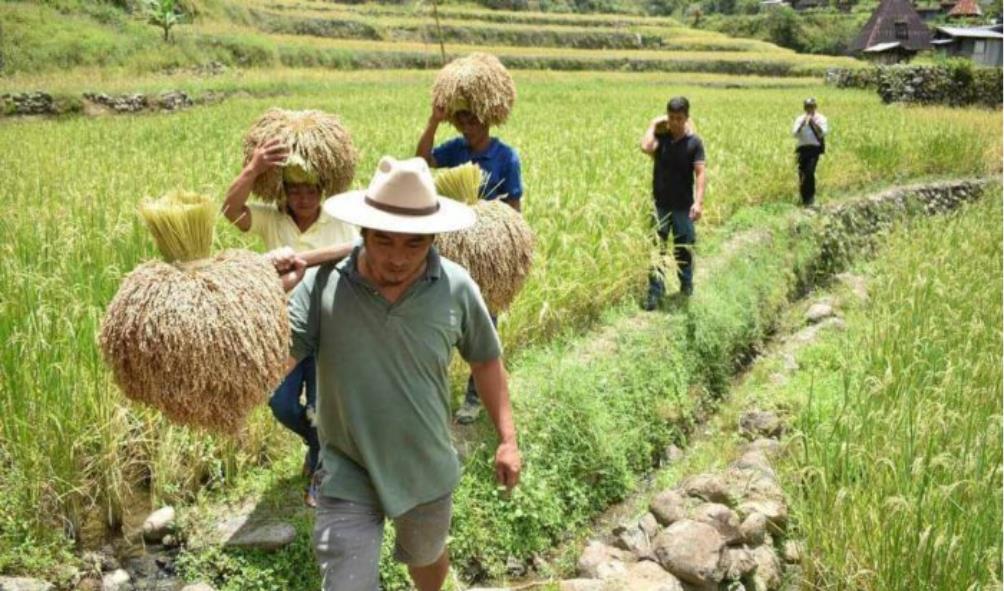
Crop rotation is essential to their practices, allowing the land to regain nutrients while minimizing pests. Besides rice, they also grow root crops and vegetables, diversifying their diet.
You'll find that their agricultural calendar is closely tied to the lunar cycle, guiding planting and harvesting times. This deep connection to the land reflects their respect for nature and their commitment to preserving their agricultural heritage.
The Rice Terraces: A Marvel of Engineering
Nestled in the mountains of the Ifugao region, the rice terraces stand as a breathtaking testament to human ingenuity and environmental harmony. You can’t help but admire the intricate design, with each terrace perfectly carved into the landscape.
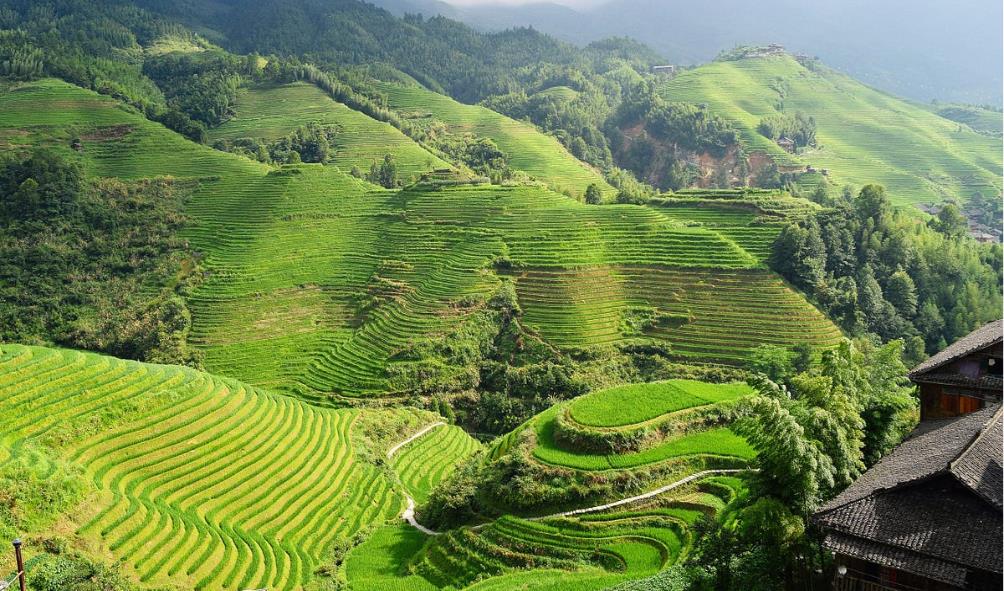
This engineering marvel showcases sustainable practices, allowing the Ifugao to cultivate rice in steep terrains. You’ll notice that the terraces utilize an advanced irrigation system, channeling water from the mountains to nourish the crops below.
As you walk along the paths, you’ll appreciate the hard work and dedication of generations who built and maintained these terraces. They not only symbolize agricultural productivity but also reflect the deep connection between the Ifugao people and their environment, ensuring food security for their communities.
Spiritual Beliefs and Rituals
Rooted deeply in their culture, the spiritual beliefs and rituals of the Ifugao people reflect a profound connection to nature and the cosmos.
You’ll find that their practices often honor rice, the lifeblood of their society, through elaborate ceremonies. These rituals, performed during planting and harvest, seek blessings from deities and ancestral spirits.
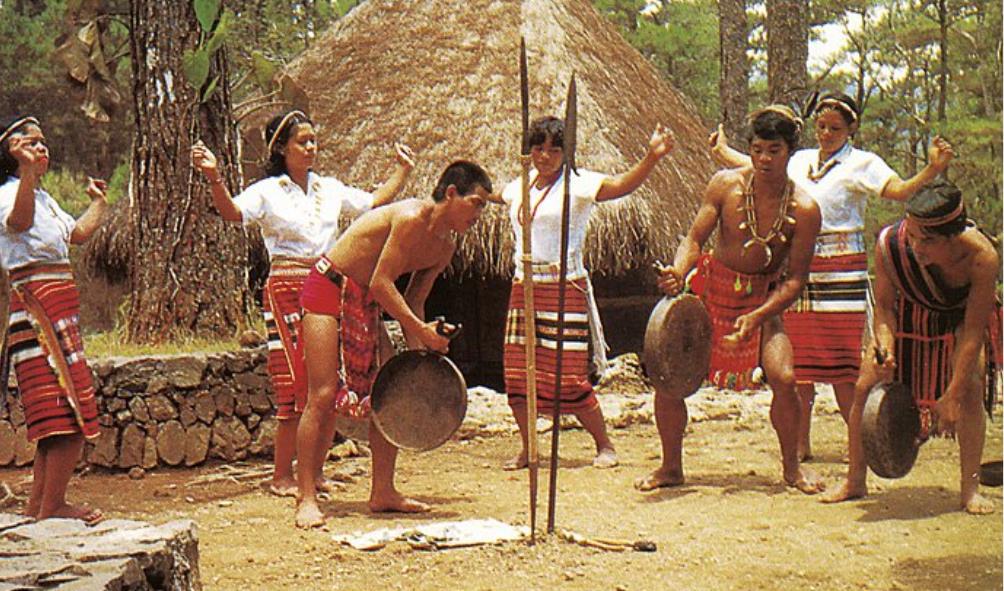
You might observe the use of traditional chants and offerings, which serve to maintain harmony with the natural world. Festivals like the "Tengao" celebrate the rice harvest, showcasing their gratitude.
Additionally, the Ifugao believe in a spiritual balance that requires respect for the environment. By participating in these rituals, you engage in a timeless tradition that honors both the land and the interconnectedness of life.
Social Structure and Community Life
The Ifugao people's rich spiritual beliefs and rituals are mirrored in their social structure and community life, where cooperation and mutual support are fundamental.
You’ll find that families form the core of their society, with strong ties that foster collective responsibility. Elders hold significant authority, guiding decisions and preserving traditions.
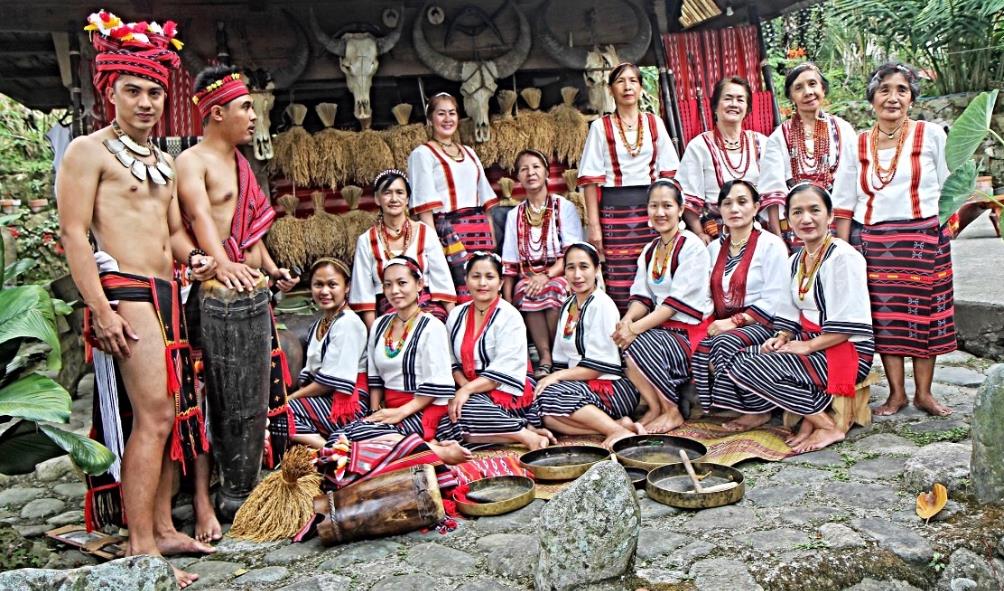
You might notice the communal work ethic during rice planting and harvest seasons, where neighbors come together to lend a hand. This collaboration not only strengthens bonds but also enhances communal identity.
Festivals and rituals often serve as focal points for social gatherings, reinforcing their cultural heritage. In this way, the Ifugao people maintain a vibrant community life that reflects their values and beliefs, ensuring continuity for future generations.
Colonial Encounters and Their Impact
While colonial encounters brought significant challenges to the Ifugao people, they also catalyzed changes that reshaped their society. You might notice how these interactions introduced new agricultural practices, leading to shifts in farming techniques.
The influx of foreign goods and ideas altered local economies, pushing you to adapt to new market demands. Missionaries also played a role, introducing Christianity, which impacted traditional beliefs and rituals.
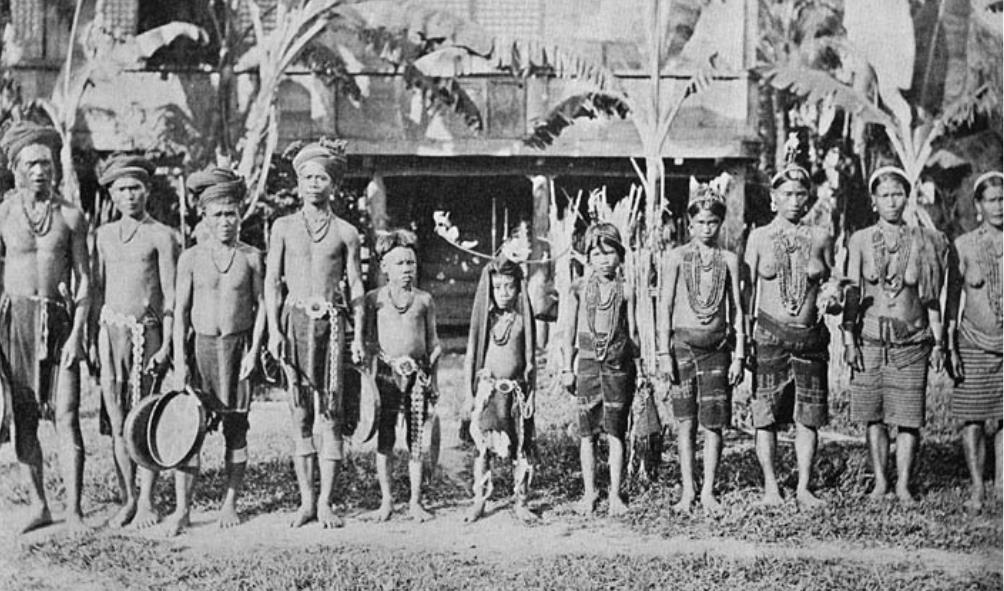
As you observe this transformation, you'll see that the Ifugao people began to blend their customs with foreign influences, creating a unique cultural synthesis. However, the loss of autonomy and land rights posed serious threats to their identity.
Understanding these complex dynamics helps you appreciate the resilience and adaptability of the Ifugao people throughout their colonial history.
Modern Challenges and Cultural Preservation
Colonial influences left lasting marks on the Ifugao culture, but modern challenges now threaten their traditional way of life even further.
Rapid urbanization and globalization pull younger generations away from their ancestral roots. You might notice that many Ifugao youth prioritize modern careers over traditional practices, leading to a decline in cultural knowledge.
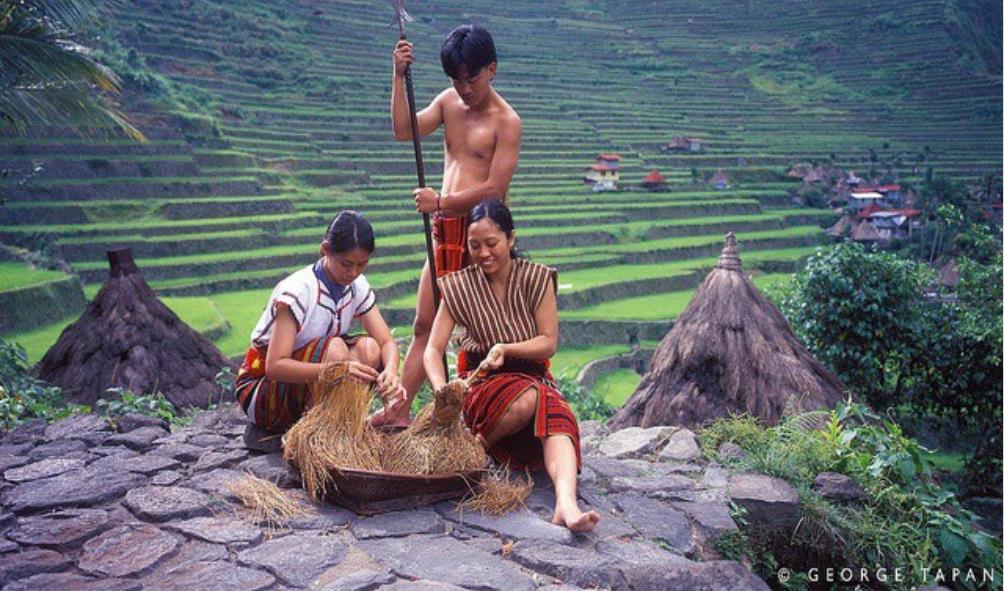
Environmental issues, such as climate change, also impact their rice terraces, a symbol of their heritage. Additionally, tourism can both support and undermine cultural authenticity as outsiders flock to experience Ifugao traditions.
To combat these challenges, community leaders push for cultural education and sustainable practices. By engaging with your Ifugao heritage, you can help preserve its vibrant traditions for future generations, ensuring they thrive in an ever-changing world.
Conclusion
In exploring the rich history of the Ifugao people, you’ve uncovered their remarkable resilience and deep-rooted traditions. From their stunning rice terraces to their vibrant rituals, it’s clear that their culture thrives through community bonds and respect for nature. As modern challenges arise, the Ifugao continue to adapt while striving to preserve their heritage. By appreciating their history, you contribute to the ongoing narrative of a people who embody strength, creativity, and a profound connection to their land.
Statistics
- The Ifugao's traditional way of life is deeply intertwined with their agricultural practices, particularly the cultivation of rice, which is central to their economy and culture.
- The Ifugao people have maintained their cultural practices and traditions despite external influences, showcasing their resilience and commitment to preserving their identity.
- Historically, the Ifugao society was organized into clans, with leadership roles often held by local chiefs known as "banga" or "mumbaki," who were responsible for rituals and community decisions.
- The Ifugao people have a rich cultural heritage that includes the famous rice terraces, which were declared a UNESCO World Heritage Site in 1995.
External Links
- Encyclopedia Britannica provides a comprehensive overview of the Ifugao people, including their culture, traditions, and historical significance.
- The Rice World website discusses the agricultural practices of the Ifugao, particularly their innovative rice terrace farming techniques.
- Philippine History offers insights into the history of the Ifugao people, detailing their societal structure and cultural practices.
- PBS Frontline provides an in-depth look at the Ifugao people and their unique cultural heritage through documentaries and interviews.
How To Learn About the Traditional Practices of the Ifugao People
To learn about the traditional practices of the Ifugao people, immerse yourself in their cultural expressions, such as rituals, festivals, and craftsmanship. Start by attending local festivals like the Imbayah Festival, which showcases traditional music, dance, and food. Reading books and articles on Ifugao customs will also be beneficial. Engage with local artisans to understand their woodcarving and weaving techniques, which reflect their cultural heritage. Documentaries and interviews with community elders can provide personal narratives that enrich your understanding of their traditions and values.
Want to travel with more time and freedom?
The freedom to travel! Discover free & unique homestays around the world, in exchange for caring for adorable pets.
https://escapetomexiconow.com/ths
Recommended Resources:
Adventure is calling — are you ready to answer? Discover new places, new lifestyles, and new possibilities in Mexico, Panama, or the Philippines.
https://escapetomexiconow.com/
https://escapetomexiconow.info/
https://escapetopanamanow.info/
https://escapetothephilippinesnow.com/
YouTube Channel:
Your next adventure starts here! Join us on YouTube for destination tours, insider advice, and everything you need to make your escape unforgettable.
https://www.youtube.com/@EscapeToMexicoNow