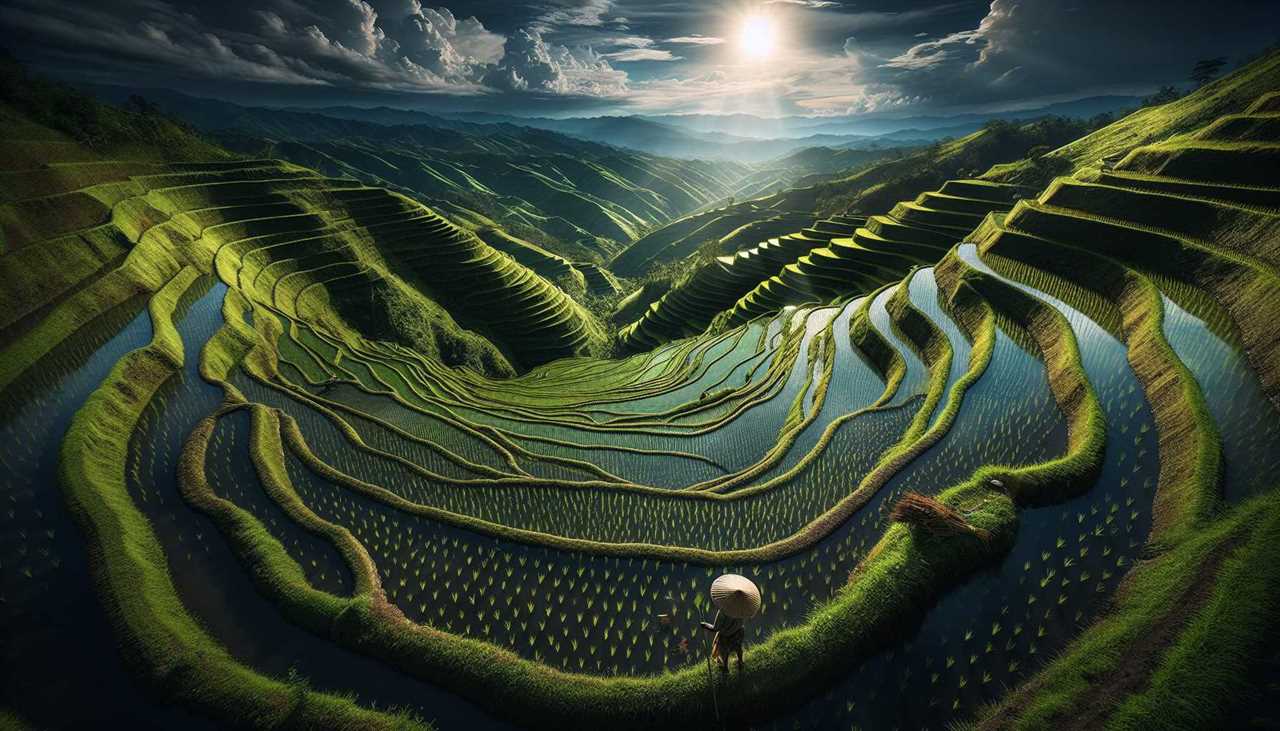
Imagine standing in the lush rice terraces of the Cordilleras, where generations of farmers have toiled on these steep slopes. Each grain of rice you enjoy carries the weight of tradition and hard work. But what goes into transforming those green fields into the staple on your plate? As you explore the journey of Philippine rice, you'll uncover the challenges and triumphs that define this integral part of Filipino life.
The Rich History of Rice Cultivation in the Philippines
Rice, a staple food that shapes the lives of many Filipinos, has a rich history in the Philippines that dates back thousands of years.
You’ll find that rice cultivation began long before the Spanish colonization, with indigenous communities already mastering the art of growing rice in diverse environments. They developed sustainable farming techniques, adapting to the unique landscapes of the archipelago.
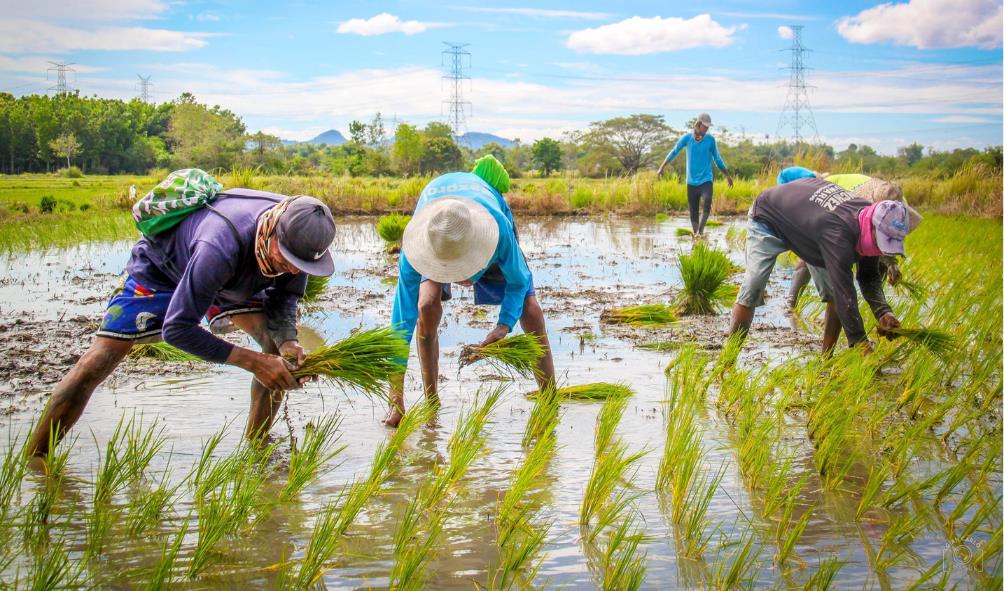
Over time, rice became intertwined with culture, tradition, and identity. Festivals and rituals often celebrated the harvest, showcasing the significance of rice beyond mere sustenance.
As you explore this history, you’ll notice how rice not only nourished bodies but also fostered community ties, shaping the social fabric of Filipino life. This deep-rooted connection continues to thrive today.
The Iconic Rice Terraces of the Cordilleras
Nestled in the mountainous regions of the Cordilleras, the iconic rice terraces stand as a testament to the ingenuity of Filipino farmers.
These terraces, carved into the slopes over 2,000 years ago, showcase an impressive blend of artistry and sustainability. As you walk along the narrow pathways, you can’t help but marvel at the vibrant green fields cascading down the hillsides.
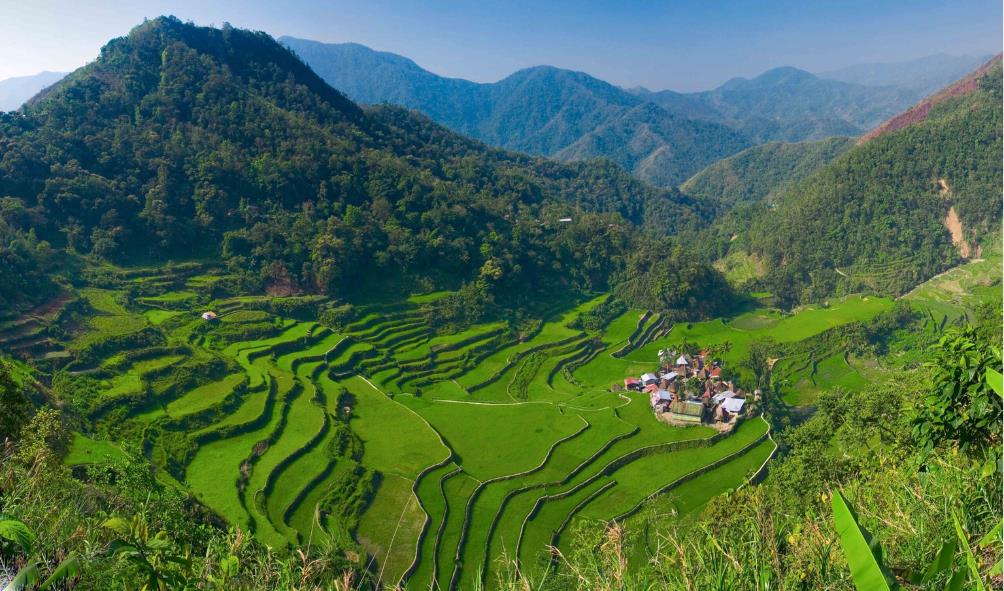
Each layer of rice paddies reflects a deep connection between the land and its people, serving as both a source of livelihood and cultural heritage.
When you visit, you’ll experience the breathtaking views while understanding the hard work that goes into maintaining these terraces.
It’s a living symbol of resilience, tradition, and the rich agricultural history of the Philippines.
Traditional Farming Techniques and Practices
In the Philippines, traditional farming techniques have been honed over generations, showcasing the deep-rooted connection between farmers and their land.
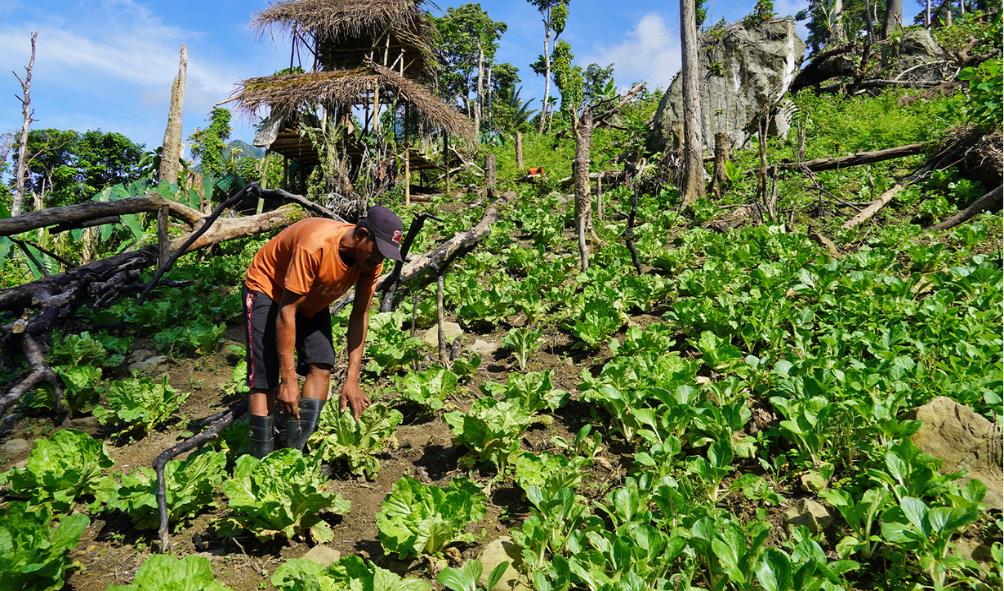
You’ll find that these practices often include the use of organic fertilizers, like compost made from local materials, which enriches the soil naturally. Farmers also rely on crop rotation, planting diverse varieties to maintain soil health and reduce pest infestations.
Hand tools, like the “araro” and “sickle,” are still popular, emphasizing sustainability and minimizing environmental impact. Many communities engage in communal planting and harvesting, reinforcing social bonds while ensuring shared knowledge and support.
The Importance of Irrigation Systems
While traditional farming techniques play a crucial role in rice production, effective irrigation systems are equally essential for maximizing crop yield and ensuring food security.
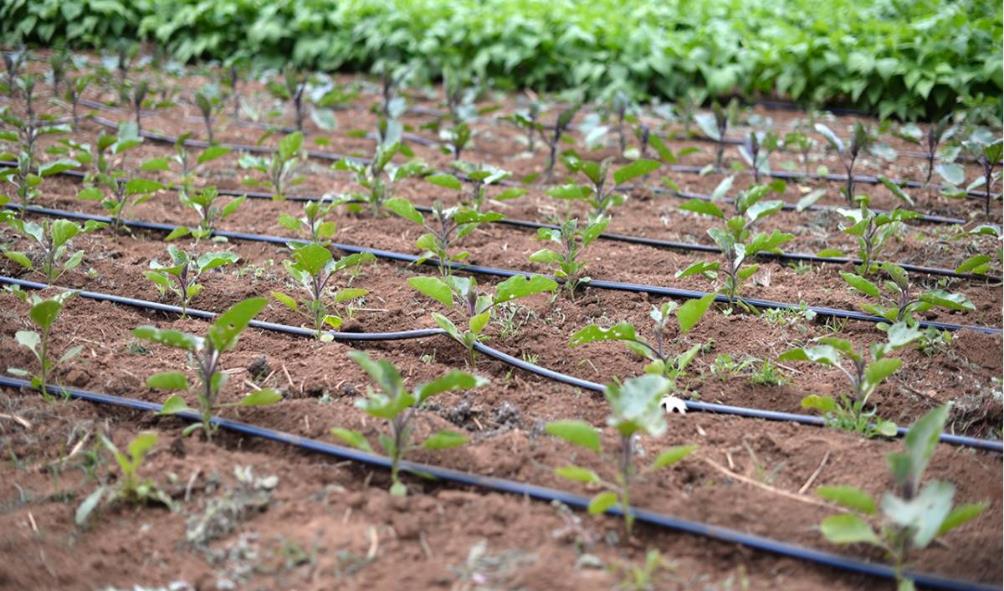
You mightn't realize that water management directly impacts rice growth, influencing everything from seed germination to grain filling. By implementing advanced irrigation methods, like drip or sprinkler systems, farmers can optimize water use, conserve resources, and reduce dependency on unpredictable rainfall.
This not only leads to healthier crops but also helps you enjoy a consistent supply of rice. Moreover, efficient irrigation can mitigate the effects of climate change, ensuring sustainability in the long run.
Harvesting and Processing Rice
Once rice reaches maturity, the harvesting and processing stages become crucial to preserving its quality and maximizing yield. You’ll typically see farmers using sickles or modern machinery to cut the stalks. Timing is key; harvesting too early or too late can affect taste and texture.
After cutting, the rice is bundled and left to dry in the sun, reducing moisture content to prevent spoilage.
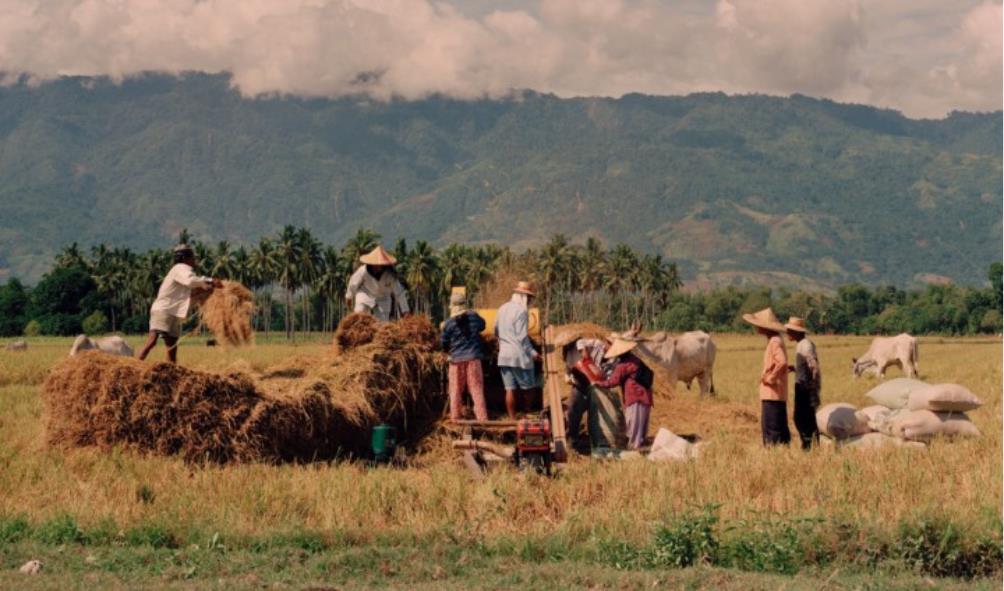
Once dried, the rice grains undergo threshing, where you separate them from the husks. This can be done manually or with machines.
After threshing, you’ll see the rice polished to enhance its appearance.
Finally, proper storage in a cool, dry place ensures the grains remain fresh until they’re ready to be enjoyed on your table.
The Role of Rice in Filipino Cuisine
Rice serves as the heart of Filipino cuisine, embodying both sustenance and culture. Every meal you enjoy is likely to feature rice, whether it’s paired with savory dishes like adobo or served alongside fresh seafood.
It’s more than just a staple; it’s a symbol of family gatherings and celebrations. You’ll find rice in various forms, such as steamed, fried, or molded into delicacies like puto and suman.
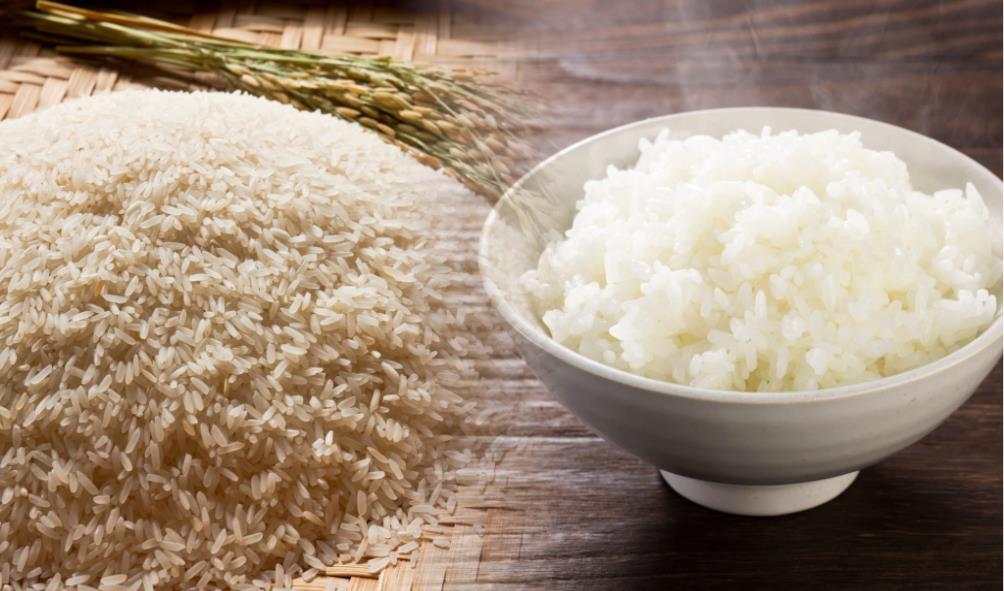
In Filipino culture, rice is often associated with hospitality; offering rice to guests signifies warmth and generosity. You might also notice that different regions have their own rice traditions, showcasing local flavors and cooking methods.
Indeed, rice isn’t just food; it’s woven into the very fabric of Filipino life.
Challenges Facing Philippine Rice Farmers Today
For Filipinos, rice symbolizes more than just food; it represents the hard work of farmers who cultivate it.
However, today’s rice farmers face numerous challenges that threaten their livelihood. Climate change leads to unpredictable weather patterns, making it harder for you to plan and harvest successfully.
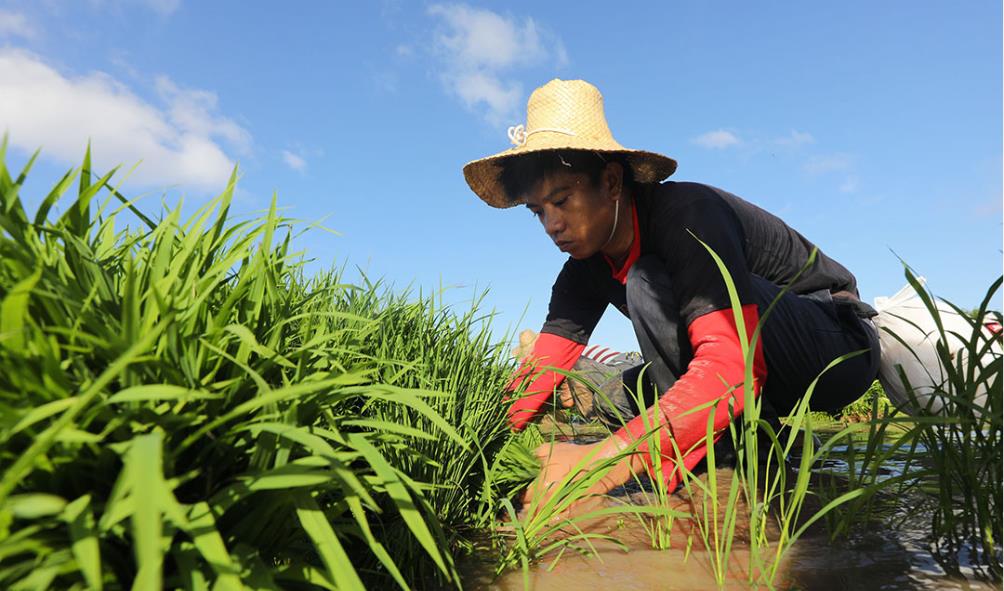
Additionally, rising production costs and limited access to modern farming technology can stifle your efforts to improve yield. Compounding these issues, competition from imported rice often drives down prices, making it difficult to earn a fair income.
You might also struggle with inadequate infrastructure, which hampers access to markets. As these challenges persist, addressing them is crucial for securing the future of rice farming and ensuring food security for the nation.
Conclusion
As you savor your next meal, remember the journey of Philippine rice from the breathtaking terraces to your table. Each grain tells a story of dedication, tradition, and resilience. By appreciating the hard work of farmers and the cultural heritage behind this staple, you’re not just enjoying a meal but also supporting sustainable practices and preserving a vital part of Filipino identity. Let’s celebrate this culinary treasure and honor the hands that nurture it.
Statistics
- The government aims to achieve rice self-sufficiency by 2025, focusing on improving local production and reducing dependence on imports.
- The Philippines ranks as the 8th largest rice producer in the world, with an annual production of around 12 million metric tons.
- Rice farming in the Philippines employs over 2 million farmers, playing a crucial role in providing livelihoods and supporting rural communities.
- Rice terraces, particularly those in the Cordillera region, have been cultivated for over 2,000 years, showcasing the rich agricultural heritage of the Philippines.
External Links
- ASEAN Briefing provides an overview of the rice industry in the Philippines, including economic contributions and trade dynamics.
- Food and Agriculture Organization (FAO) offers global insights into rice production, including statistics and best practices relevant to the Philippines.
- Rappler covers the cultural significance of the Philippine rice terraces and their recognition as a UNESCO World Heritage Site.
- National Food Authority (NFA) focuses on ensuring food security and stabilizing the supply and price of rice in the Philippines.
How To Promote Rice Culture Through Community Events
Promoting rice culture through community events is an effective way to foster appreciation for this staple food. Start by organizing rice festivals that celebrate local varieties, cooking demonstrations, and traditional practices. Collaborate with local farmers and chefs to showcase the versatility of rice in various dishes. Educational workshops can also be held to teach the community about sustainable farming practices and the cultural significance of rice. Utilizing social media platforms to share event details can attract a wider audience and encourage participation. By engaging the community in these activities, you help preserve and promote the rich rice culture of the Philippines.
Want to travel with more time and freedom?
The freedom to travel! Discover free & unique homestays around the world, in exchange for caring for adorable pets.
https://escapetomexiconow.com/ths
Recommended Resources:
Adventure is calling — are you ready to answer? Discover new places, new lifestyles, and new possibilities in Mexico, Panama, or the Philippines.
https://escapetomexiconow.com/
https://escapetomexiconow.info/
https://escapetopanamanow.info/
https://escapetothephilippinesnow.com/
YouTube Channel:
Your next adventure starts here! Join us on YouTube for destination tours, insider advice, and everything you need to make your escape unforgettable.
https://www.youtube.com/@EscapeToMexicoNow