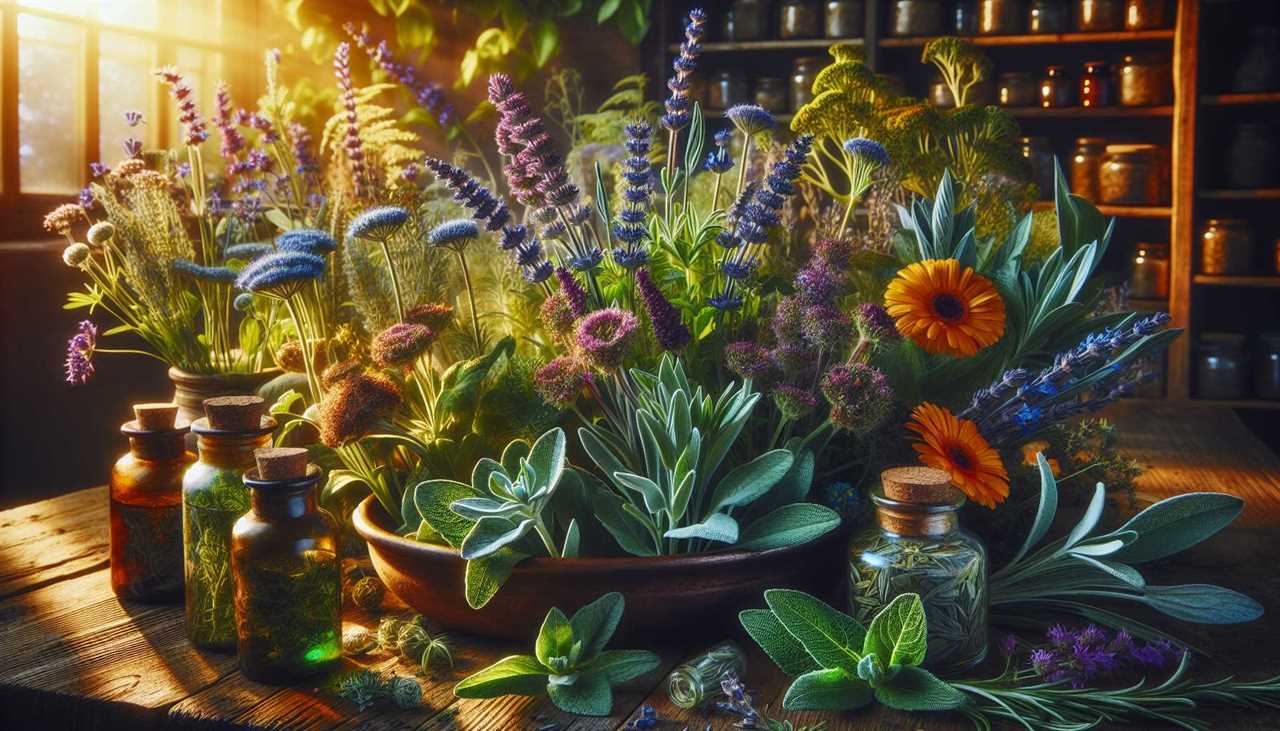
Herbal wisdom has shaped health practices for centuries, connecting people to the plants around them. You might be surprised to learn how indigenous cultures harnessed local flora for healing and nutrition. These time-honored remedies are now being validated by modern science, highlighting their relevance today. But what does this mean for your health? Let's explore the fascinating relationship between traditional herbal medicine and contemporary wellness practices.
The Roots of Herbal Medicine: A Historical Overview
As you explore the roots of herbal medicine, you'll find that its history stretches back thousands of years, intertwining with the evolution of human civilization.
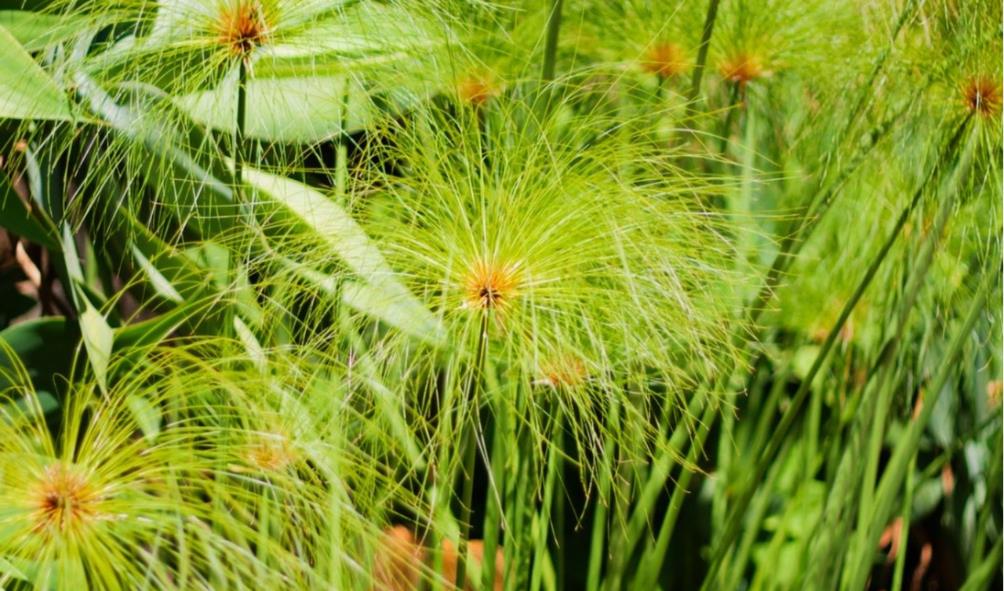
Ancient cultures relied on plants for healing, using them to treat ailments long before modern medicine emerged. In Egypt, you’d discover papyrus scrolls detailing herbal remedies, while traditional Chinese medicine emphasizes balance through herbs for wellness.
Indigenous tribes also harnessed local flora, passing down knowledge through generations. As you delve deeper, you’ll notice how these practices laid the groundwork for today's holistic approaches.
The connection between humans and plants reveals a profound understanding of nature's power, showcasing how our ancestors valued the healing properties of herbs. Their legacy continues to inspire your journey into herbal wisdom.
Traditional Uses of Local Plants Across Cultures
Every culture has its unique relationship with local plants, utilizing them for various purposes rooted in tradition and necessity.
In many Indigenous communities, plants like sage and sweetgrass are used in rituals to promote spiritual well-being. In contrast, Mediterranean cultures often employ olive leaves and rosemary for culinary and medicinal benefits.
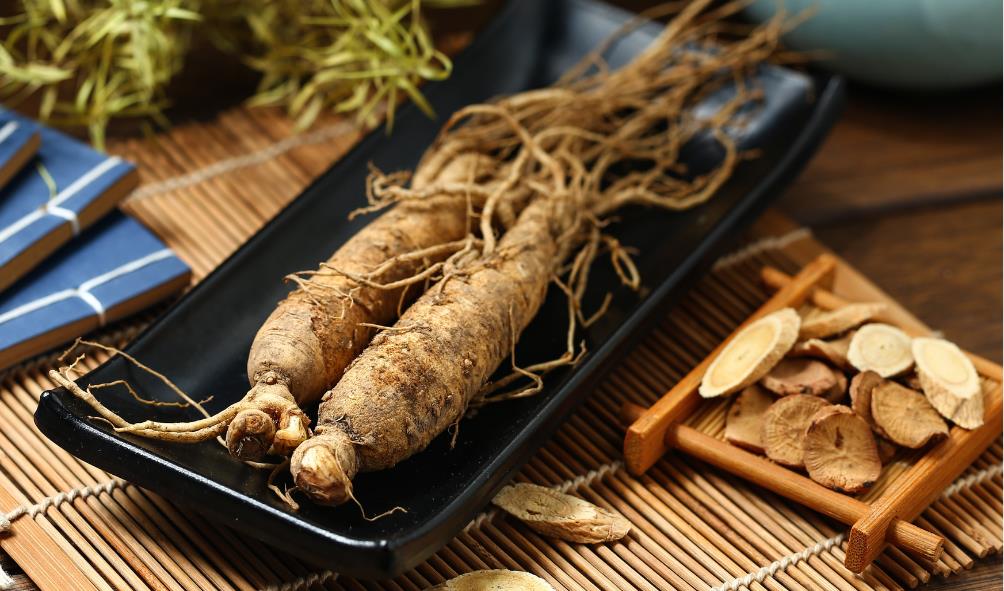
You might find that Asian traditions favor ginseng and turmeric for their reputed health-enhancing properties. In Africa, the baobab tree’s fruit becomes a vital source of nutrition and vitality.
Each culture’s practices reflect its environment and beliefs, demonstrating how local flora serves as a bridge between nature and human health.
The Science Behind Herbal Remedies
While many people appreciate the traditional uses of herbal remedies, scientific research has begun to uncover the mechanisms that make these plants effective.
For instance, compounds like flavonoids and alkaloids found in herbs can interact with your body in ways that promote health. Studies show these compounds can reduce inflammation, boost immunity, and even support mental clarity.
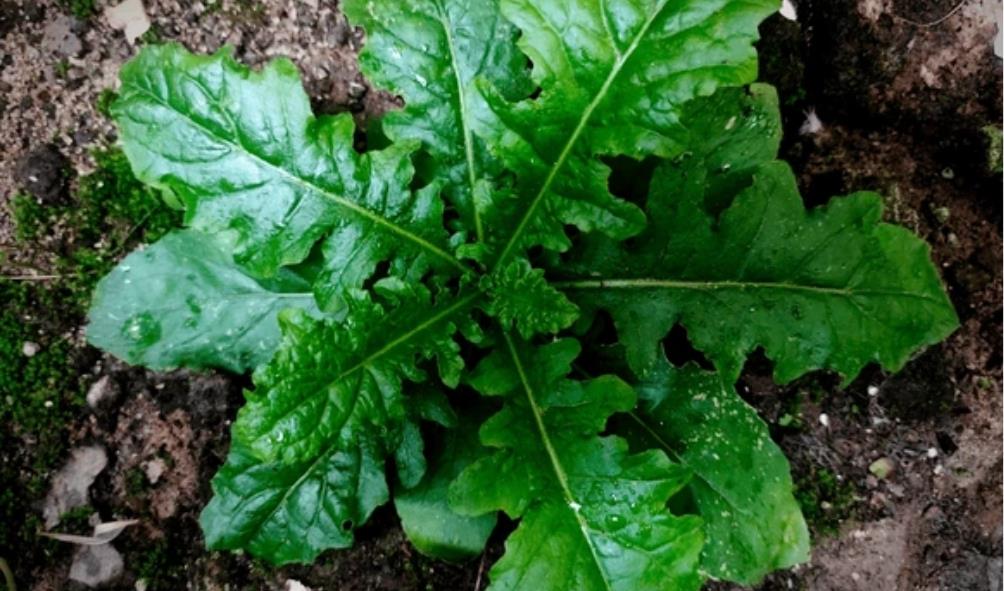
By examining the chemical properties of these plants, researchers can identify how they impact cellular processes. This understanding bridges the gap between ancient wisdom and modern science, validating what many cultures have practiced for centuries.
As you explore herbal remedies, remember that their efficacy often lies in a complex interplay of natural compounds that work synergistically to enhance your well-being.
Popular Herbal Teas and Their Health Benefits
Herbal teas have gained popularity not just for their delightful flavors but also for their impressive health benefits, many of which are backed by scientific research.
Chamomile tea is well-known for its calming effects, helping you unwind after a long day.
Peppermint tea can aid digestion and relieve headaches, making it a great choice for those uncomfortable moments.
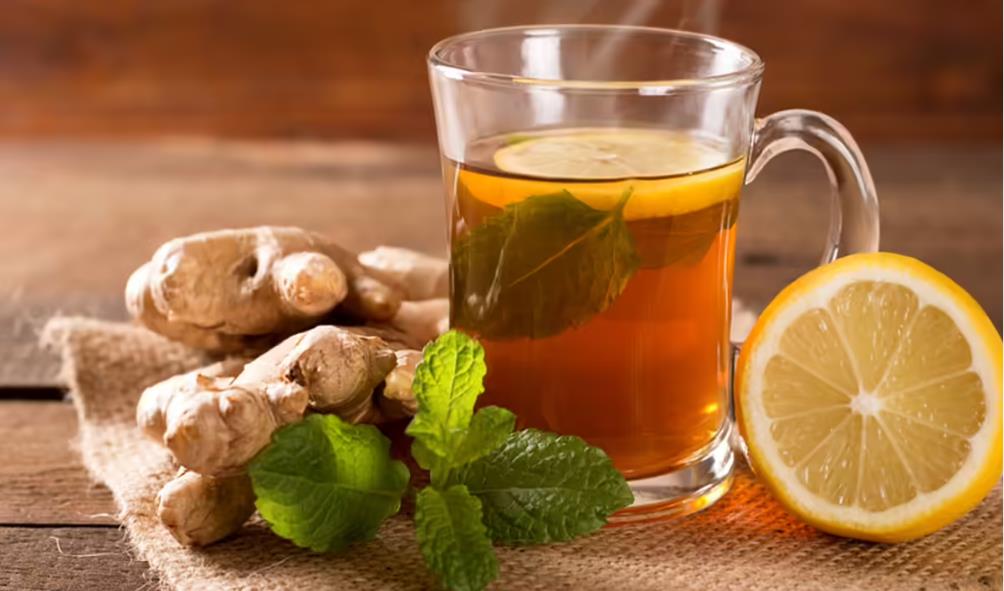
Ginger tea is celebrated for its anti-inflammatory properties, which can soothe nausea and improve circulation.
If you’re looking for a boost in focus, rooibos tea is rich in antioxidants and may support cognitive health.
Finally, hibiscus tea is packed with vitamin C and can help lower blood pressure.
Incorporating these herbal teas into your routine can enhance your overall well-being.
Medicinal Herbs for Immune Support
When you're looking to boost your immune system, certain medicinal herbs can make a significant difference.
Echinacea is a popular choice, known for its ability to enhance the body’s defense against infections. You might also consider elderberry, which is rich in antioxidants and has been shown to reduce the duration of colds and flu.
Garlic, with its potent antimicrobial properties, can help ward off illness when consumed regularly.
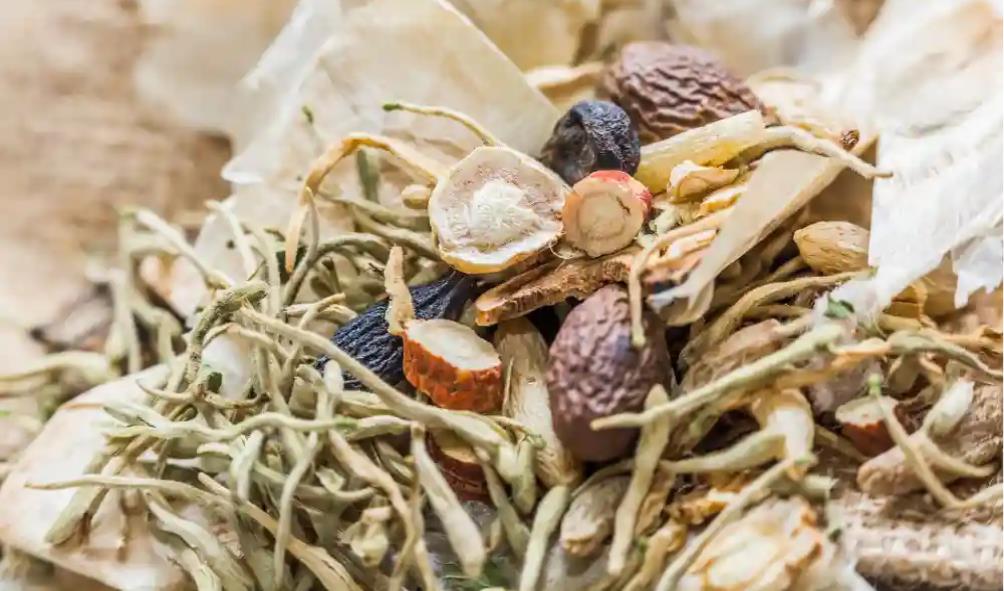
Another great option is astragalus, a traditional herb that supports immune function and increases resistance to stressors.
Lastly, don't overlook ginger, which not only adds flavor but also helps fight inflammation and supports overall health.
Incorporating these herbs into your daily routine can provide the immune boost you need.
The Role of Herbs in Managing Stress and Anxiety
Many people struggle with stress and anxiety in today’s fast-paced world, but certain herbs can help you find balance and calm.
For instance, chamomile is known for its soothing properties, making it an excellent choice for unwinding after a long day.
Lavender, with its delightful scent, can promote relaxation and improve sleep quality.
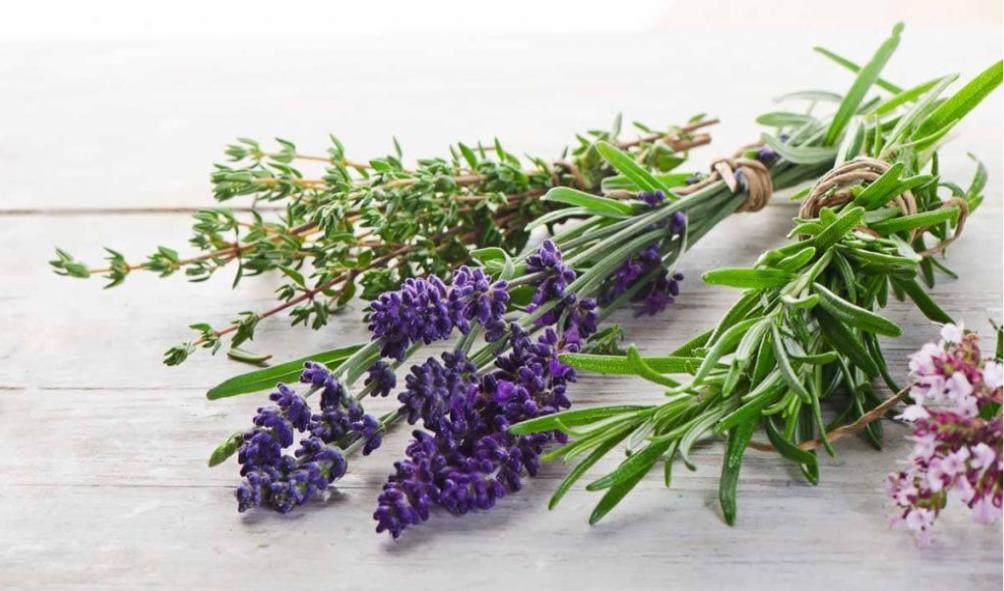
You might also consider ashwagandha, an adaptogen that helps your body adapt to stress and can enhance mood.
Valerian root is another option, often used to support restful sleep and alleviate tension.
Incorporating these herbs into your routine, whether through teas, tinctures, or supplements, can play a significant role in managing your stress levels and anxiety, allowing you to reclaim your peace of mind.
Culinary Herbs With Healing Properties
As you explore natural ways to enhance your well-being, consider the culinary herbs in your kitchen that offer remarkable healing properties.
Basil, for instance, isn’t just a flavorful addition to your pasta; it’s known for its anti-inflammatory and antibacterial effects.
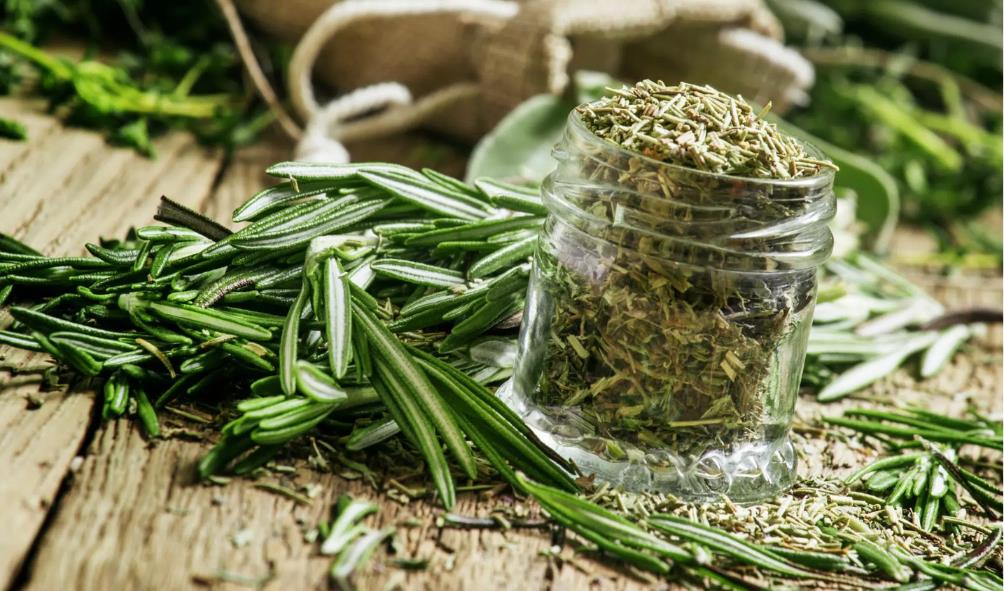
Rosemary can boost your memory and concentration, while thyme is a powerful antiseptic, helping fight off respiratory infections.
Oregano’s rich antioxidant content supports your immune system, and peppermint can soothe digestive issues and headaches.
Don’t overlook the power of garlic; it’s celebrated for its heart health benefits.
The Future of Herbal Medicine in Modern Healthcare
Although the integration of herbal medicine into modern healthcare may seem slow, its acceptance is gradually gaining momentum. As more people seek holistic approaches, you’ll find that healthcare professionals are beginning to embrace herbal remedies alongside conventional treatments.
Research continues to support the efficacy of various herbs, prompting universities and institutions to explore their potential further.
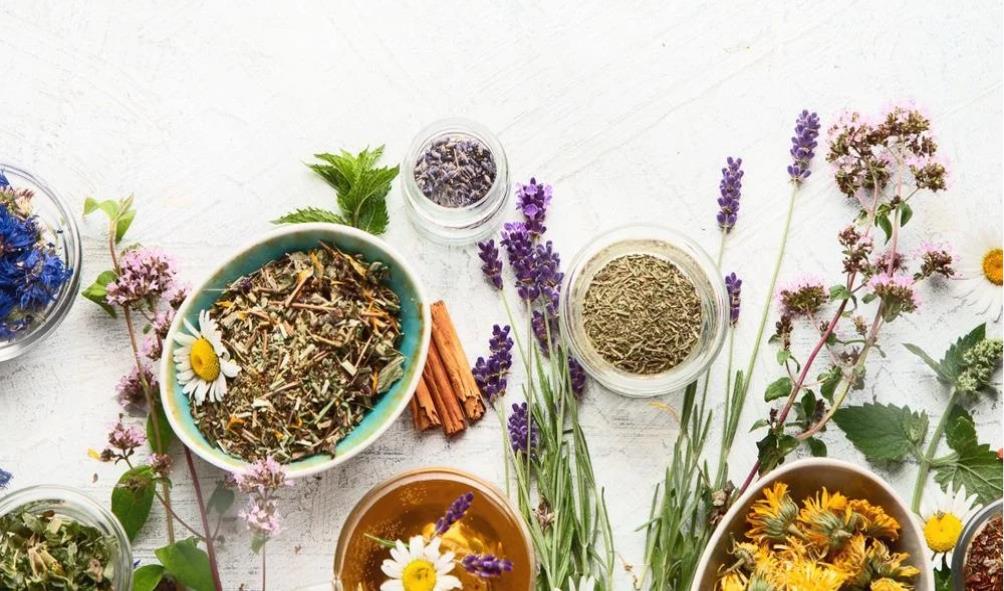
You might notice herbal medicine being included in patient care plans, especially for chronic conditions where traditional treatments may fall short. Additionally, the focus on personalized medicine opens the door for tailored herbal solutions that address individual needs.
As education around herbal medicine expands, it’s likely you’ll see a more significant role for these natural remedies in mainstream healthcare settings, enhancing overall wellness.
Sustainable Practices in Herbal Harvesting
While the demand for herbal products continues to rise, sustainable practices in herbal harvesting have become crucial to preserve our natural resources.
You can contribute by ensuring that you source herbs responsibly. Look for suppliers who practice ethical harvesting methods, like selective picking, which allows plants to regenerate.
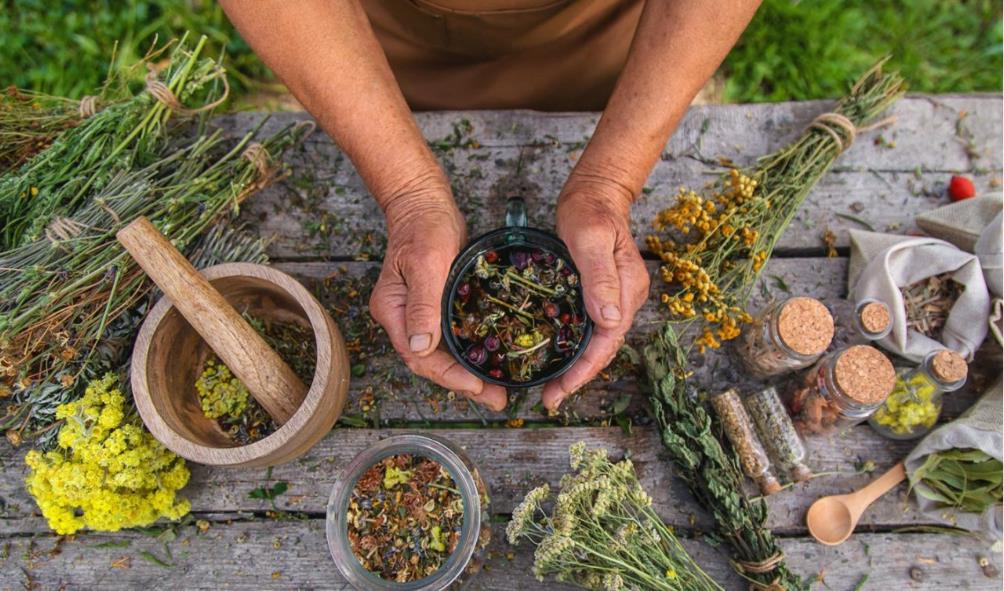
When foraging for herbs yourself, follow the “rule of thirds”: take only one-third of the plants in an area to maintain their population. Avoid harvesting endangered species and respect local regulations.
Additionally, consider growing your own herbs, which not only reduces pressure on wild populations but also guarantees freshness.
How to Incorporate Herbal Remedies Into Your Daily Life
Incorporating herbal remedies into your daily life can be a simple yet rewarding process, especially when you start by integrating them into your routine.
Begin with herbal teas; they’re an easy way to enjoy the benefits of plants like chamomile or peppermint. You can also add dried herbs to your meals, enhancing flavor while supporting health.
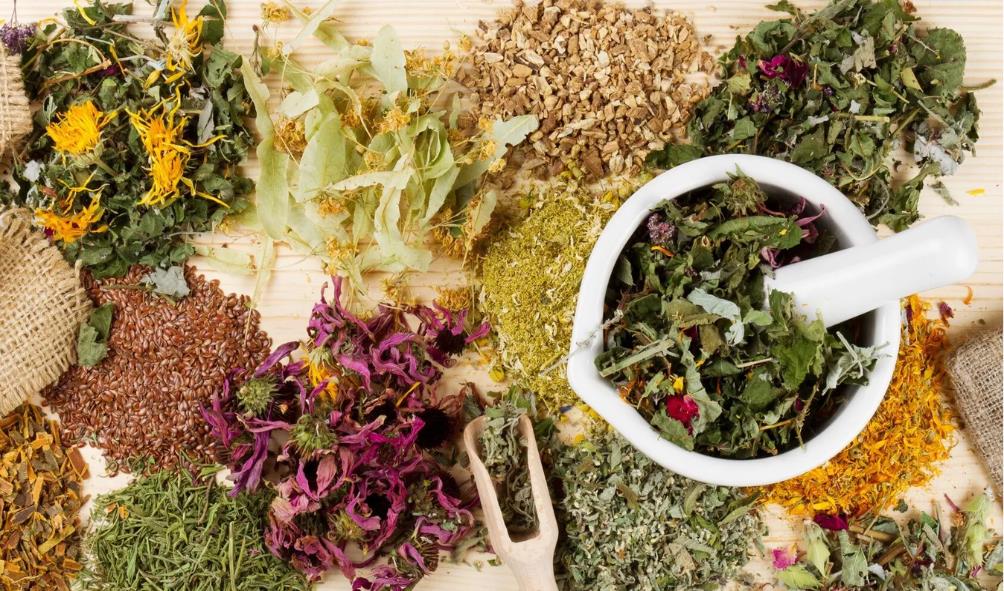
Consider creating a soothing herbal-infused oil for massage or skin care, using plants like lavender or calendula. For those on the go, try herbal supplements or tinctures that suit your needs.
Keep a journal to track how different herbs affect you, as this can help tailor your approach. Embracing herbal remedies can lead to a healthier, more balanced lifestyle.
Conclusion
Herbal wisdom connects us to our roots and offers a natural path to wellness. By embracing local plants and their healing properties, you can enhance your health while honoring ancient traditions. Whether you sip herbal tea, add medicinal herbs to your meals, or explore new remedies, you’re participating in a time-honored practice. As you incorporate these plants into your daily life, remember to respect sustainable harvesting methods, ensuring these treasures are available for future generations.
Statistics
- Herbal remedies account for about 70% of all alternative medicine practices in the United States.
- Over 80% of the world's population relies on herbal medicine as a primary source of healthcare.
- In traditional Chinese medicine, over 300 herbs are recognized for their therapeutic properties and have been used for thousands of years.
- Research indicates that more than 25% of modern pharmaceuticals are derived from plants used in traditional medicine.
External Links
- World Health Organization: Traditional Medicine - The WHO outlines the importance of traditional medicine and its integration into modern healthcare.
- Integrating Herbal Medicine into Modern Practices - This study discusses the integration of herbal medicine in contemporary healthcare settings.
- Medicinal Plants: A Historical Overview - This resource provides a comprehensive history of how local plants have been utilized for health benefits over centuries.
- Herbal Medicines: A Global Perspective - This publication reviews the global use of herbal medicines and their potential benefits.
How To Use Herbal Supplements Safely
Using herbal supplements safely involves understanding their effects and potential interactions. Begin by researching the specific herbs you are interested in, focusing on their benefits and any known side effects. Consult with a healthcare professional, especially if you are pregnant, nursing, or taking medications. Start with low doses to assess your body's response before gradually increasing as needed. It is essential to choose high-quality supplements from reputable sources to ensure purity and efficacy. Keeping a journal of your experiences can help track the effects and guide future use.
Plan the perfect group trip, your way.
Get an instant personalized itinerary. We handle logistics, payments, and provide a dedicated itinerary, while local experts fine-tune every detail. Enjoy full freedom—without the stress of organizing it all.
https://escapetomexiconow.com/tourhero
Recommended Resources:
Dreaming of a fresh start abroad? Explore our curated destination guides to learn how you can make the move with ease.
https://escapetomexiconow.com/
https://escapetomexiconow.info/
https://escapetopanamanow.info/
https://escapetothephilippinesnow.com/
YouTube Channel:
See Mexico like never before! From local culture to travel hacks, our YouTube channel brings the adventure straight to you.
https://www.youtube.com/@EscapeToMexicoNow