When you think of Filipino cuisine, adobo likely comes to mind. This dish isn't just a meal; it's a narrative interwoven with history, culture, and family traditions. Each bite tells a story, shaped by indigenous practices and foreign influences. But what makes adobo truly special? How do its regional variations reflect the diverse tapestry of the Philippines? Let's explore its rich heritage and discover the secrets behind this iconic dish.
The Historical Roots of Adobo
While many people associate adobo with modern Filipino cuisine, its roots stretch back centuries, influenced by various cultures. You might be surprised to discover that the term “adobo” comes from the Spanish word for “seasoning” or “marinade,” introduced during colonization.
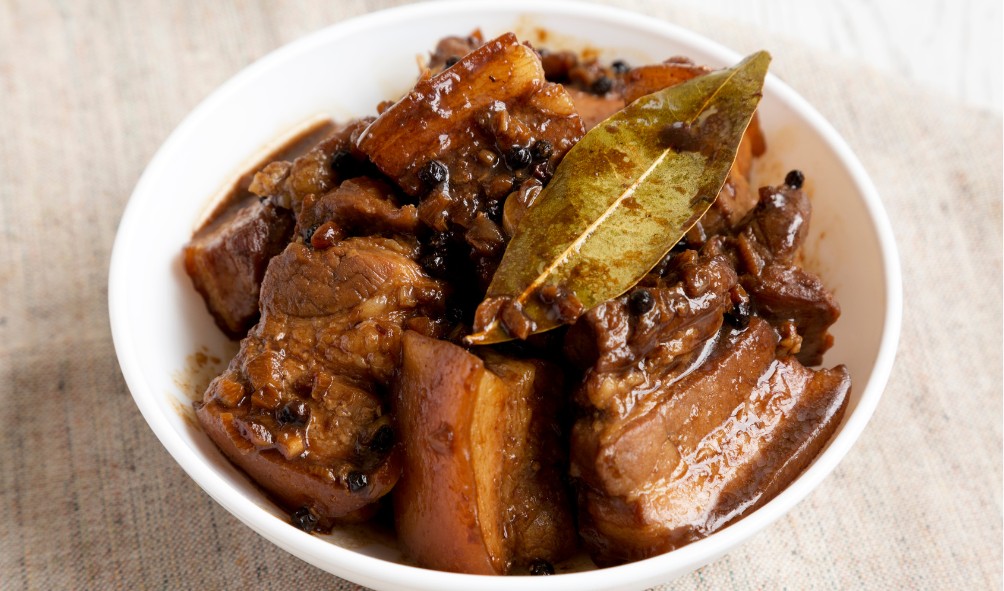
However, the dish’s origins predate Spanish influence, with indigenous cooking methods featuring vinegar and spices for preservation. As you explore adobo's history, you'll notice how it absorbs flavors from Chinese, Malay, and even American culinary traditions, creating a unique blend.
Each region in the Philippines has its own take, reflecting local ingredients and traditions. By understanding these historical roots, you'll appreciate adobo not just as a dish, but as a tapestry of cultural influences that make it truly iconic.
The Essential Ingredients of Adobo
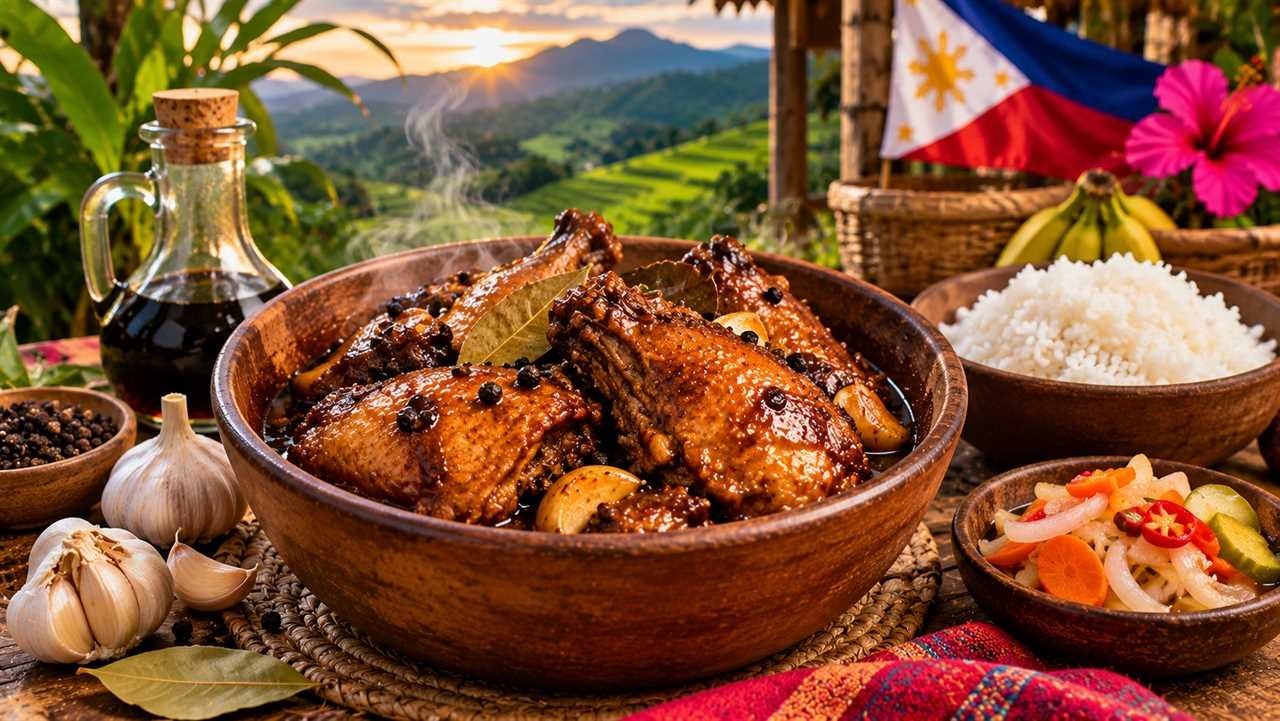
Understanding the rich history of adobo sets the stage for appreciating its flavor profile, which hinges on a few key ingredients. First, you’ll need protein—usually chicken, pork, or even seafood. These meats soak up the marinade beautifully.
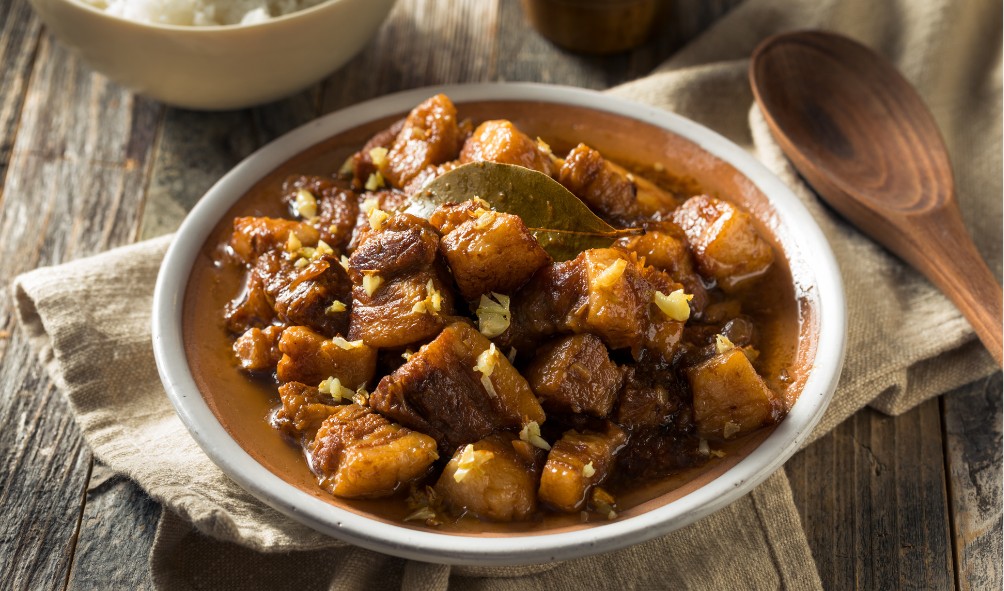
Next, soy sauce lends a deep umami flavor, while vinegar provides that signature tang and helps tenderize the meat. Garlic, often minced or crushed, adds aromatic warmth, and bay leaves contribute a subtle earthiness.
Don’t forget black peppercorns for a little kick! Finally, sugar can balance the acidity, rounding out the flavors. With these essentials, you’ll be well on your way to creating a delicious adobo that pays homage to its rich heritage.
Enjoy experimenting with your own variations!
Traditional Cooking Methods
There are several traditional cooking methods for preparing adobo, each bringing its own unique touch to this beloved dish.
Most commonly, you'll find adobo simmered in a combination of soy sauce, vinegar, garlic, and spices. This method allows the meat to absorb the rich flavors, creating a tender and savory meal.
Another technique involves marinating the meat before cooking, enhancing the taste even further.
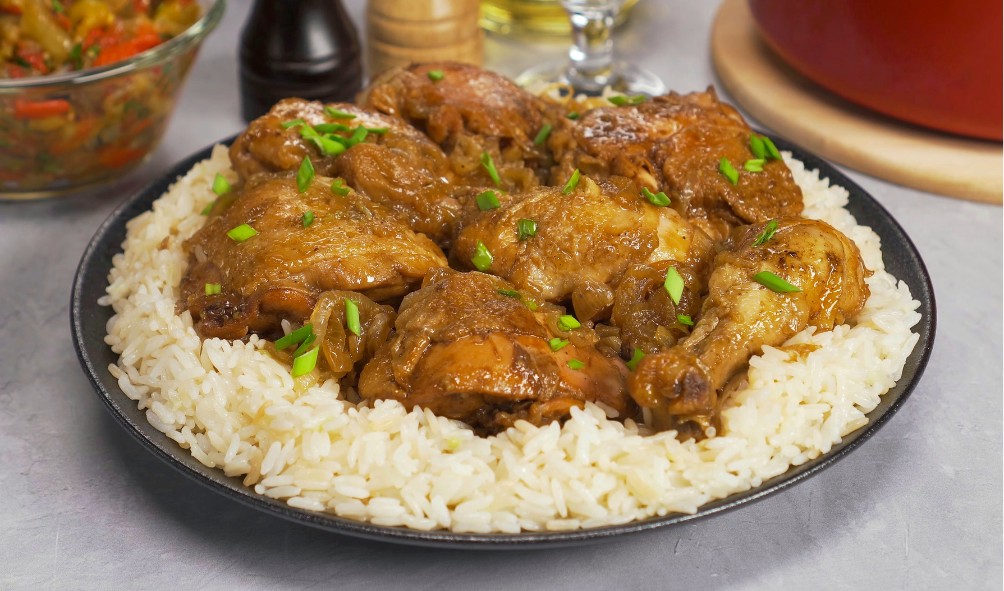
Some folks prefer to sear the meat first, adding a depth of flavor through caramelization.
You might also experiment with slow cooking, which makes the meat incredibly tender.
Regardless of the method you choose, each one captures the essence of adobo, turning it into a comforting dish that’s perfect for sharing with family and friends.
Regional Variations Across the Philippines
Adobo isn’t just a single dish; it varies widely across the Philippines, reflecting the diverse cultures and ingredients found in different regions.
In Luzon, you might encounter adobo cooked with coconut milk, adding a rich creaminess. Meanwhile, in the Visayas, locals often prefer a tangier version, using vinegar and even tamarind for an extra kick.
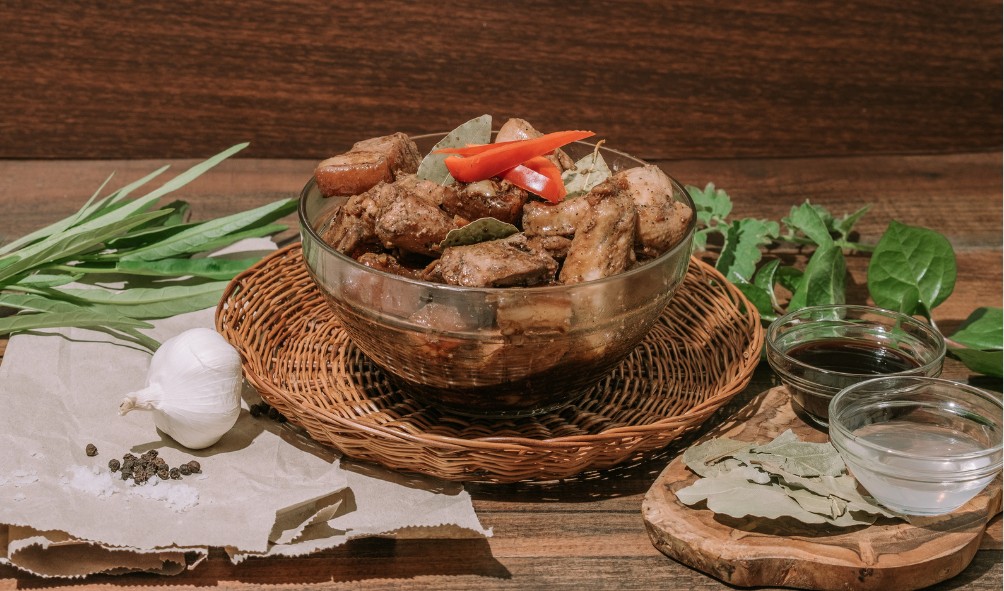
Down south, in Mindanao, adobo may include a mix of spices influenced by indigenous flavors, making it unique.
Some regions even incorporate fruits like pineapple or mango, giving the dish a sweet twist.
Each variation tells a story about the local ingredients and traditions, inviting you to explore the rich tapestry of Filipino culinary heritage through every bite of adobo.
The Cultural Significance of Adobo
Each region's unique take on adobo not only showcases local ingredients but also highlights its deep cultural significance in Filipino life.
When you gather around the table for adobo, you're participating in a tradition that transcends generations. This dish represents family bonds, as it's often cooked during celebrations and special occasions. You can feel the warmth of shared stories and laughter that accompany every meal.
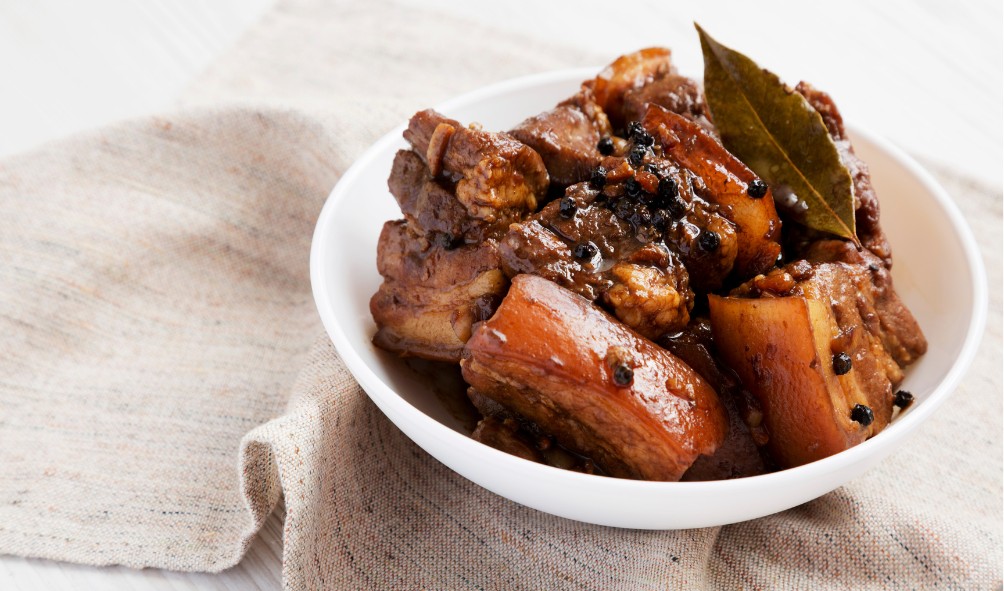
Adobo’s adaptability reflects the resilience of the Filipino spirit, allowing you to incorporate personal touches while honoring heritage. It's more than just food; it’s a symbol of unity and love.
As you savor each bite, remember that you're connecting with a rich cultural tapestry that tells the story of the Philippines and its people.
Adobo in Modern Filipino Homes
In countless modern Filipino homes, adobo remains a beloved staple that bridges tradition and contemporary cooking. You’ll find families gathering around the table, sharing laughs and delicious meals, with adobo often taking center stage.
Whether it's the classic chicken adobo or a creative twist with pork or vegetables, each version reflects personal touches and family secrets.
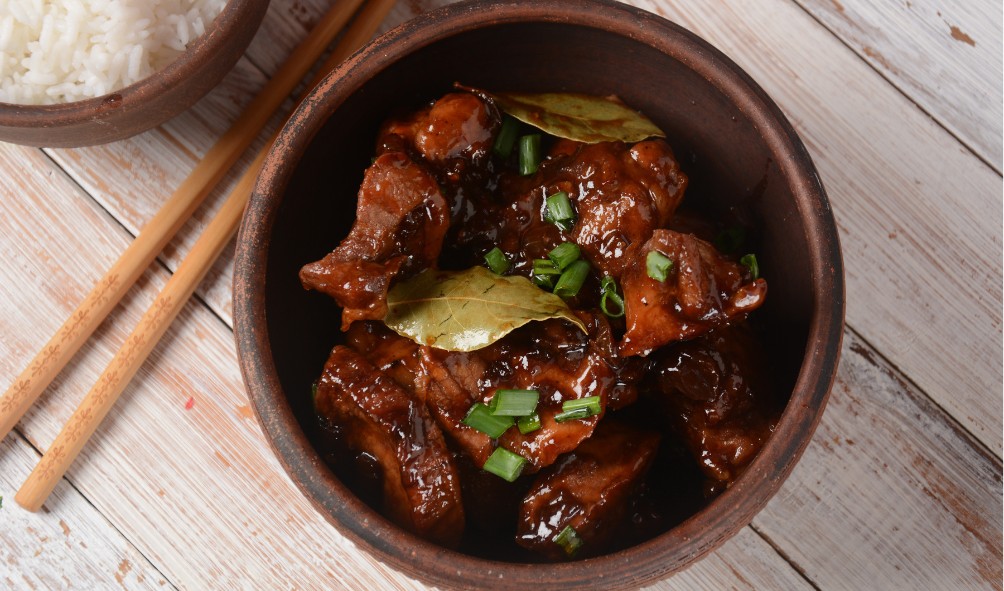
Many busy households now embrace quick-cook methods, using pressure cookers or slow cookers to simplify the process without sacrificing flavor.
You might even see adobo served with a modern twist, like tacos or rice bowls, making it a versatile dish.
No matter how you prepare it, adobo continues to evoke nostalgia and warmth, reminding you of home and heritage.
Adobo's Influence on Global Cuisine
How has adobo made its mark on global cuisine? This beloved Filipino dish has crossed borders, inspiring chefs and home cooks alike. Its unique combination of savory, tangy, and sweet flavors resonates with many, leading to variations in kitchens worldwide.
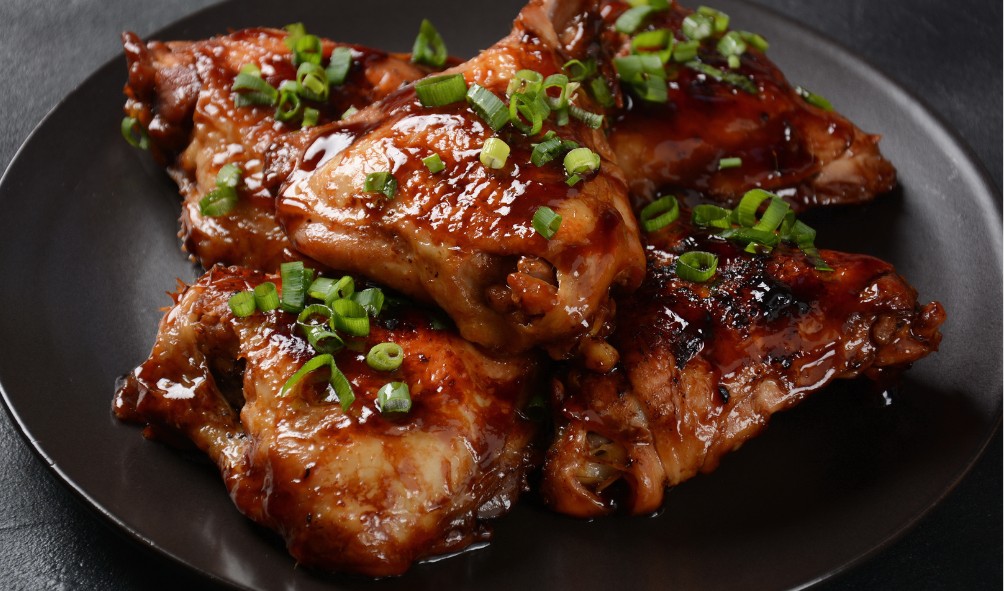
You might notice adobo-inspired dishes in Latin American and Asian cuisines, showcasing similar marinating techniques and ingredients. Restaurants now feature adobo on their menus, introducing it to diners unfamiliar with its rich history.
Social media platforms also play a crucial role, as food enthusiasts share their adobo creations, further spreading its popularity.
Tips for Perfecting Your Adobo Recipe
Adobo's rise in global popularity has sparked a curiosity among many home cooks eager to master this flavorful dish. To perfect your adobo, start with quality ingredients—fresh meat or vegetables make a noticeable difference.
Marinate your protein in vinegar, soy sauce, garlic, and spices for at least an hour, or overnight for deeper flavor. When cooking, use a heavy pot to ensure even heat distribution and prevent burning.
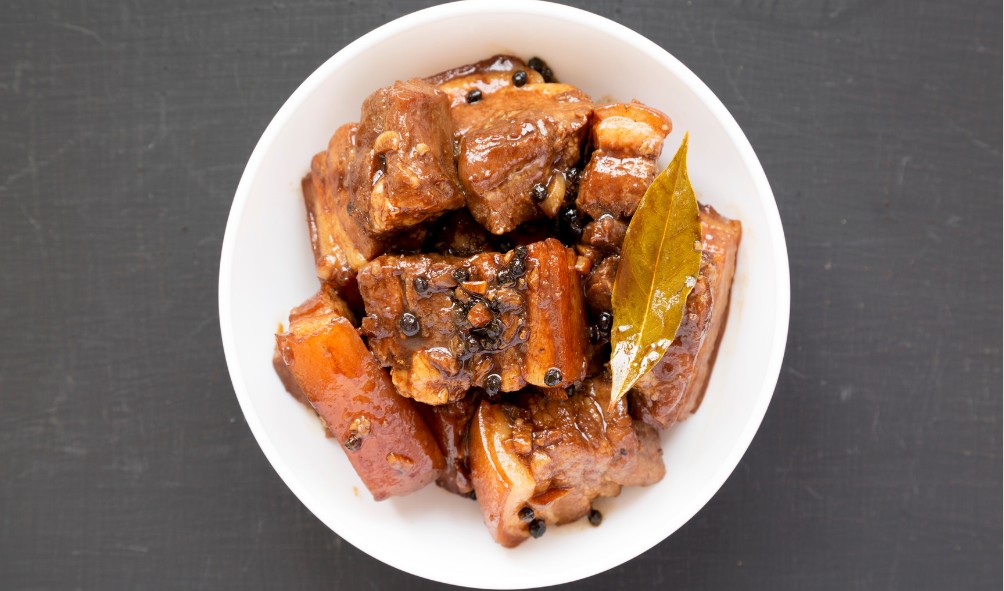
Keep the balance of vinegar and soy sauce to your taste; adjust according to your preference. Don’t rush the simmering process; let it cook low and slow to develop rich flavors.
Finally, taste and tweak as you go—every cook has their unique touch! Enjoy the journey of perfecting your adobo.
Adobo Pairings: Sides and Accompaniments
What could make your adobo experience even better? Pairing it with the right sides can elevate the dish to new heights.
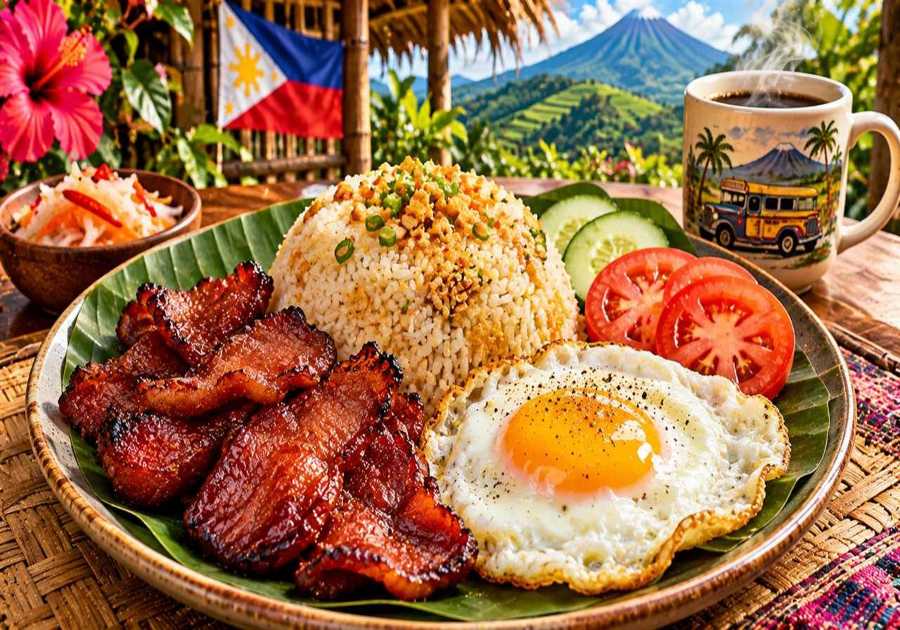
Steamed white rice is the classic choice, soaking up the rich sauce and complementing the savory flavors. You can also serve it with garlic rice for an extra kick.
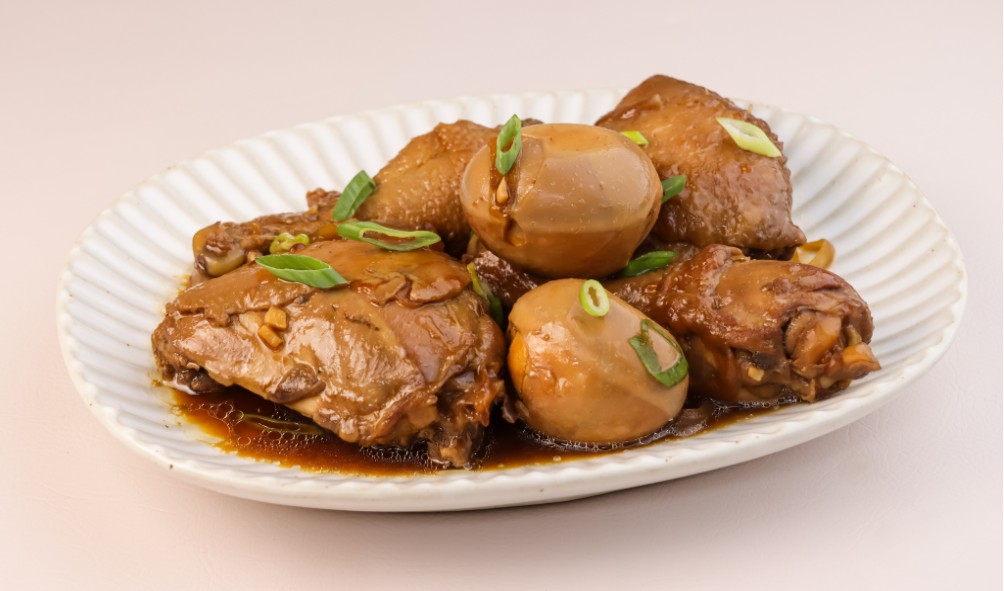
For a fresh contrast, add a side of ensalada, a light salad made with tomatoes, onions, and cucumber.
If you're craving something crunchy, try serving adobo with pickled vegetables, which balance the dish's richness.
Don’t forget about a warm, crusty baguette to mop up the sauce! These pairings not only enhance the flavors but also create a satisfying, well-rounded meal you'll love.
Celebrating Adobo: Festivals and Events
Ever wondered how a dish can bring an entire community together? In the Philippines, adobo does just that.
Festivals dedicated to this beloved dish pop up throughout the country, showcasing its rich flavors and diverse variations. You’ll find locals gathering for competitions, where chefs and home cooks alike flaunt their best recipes.
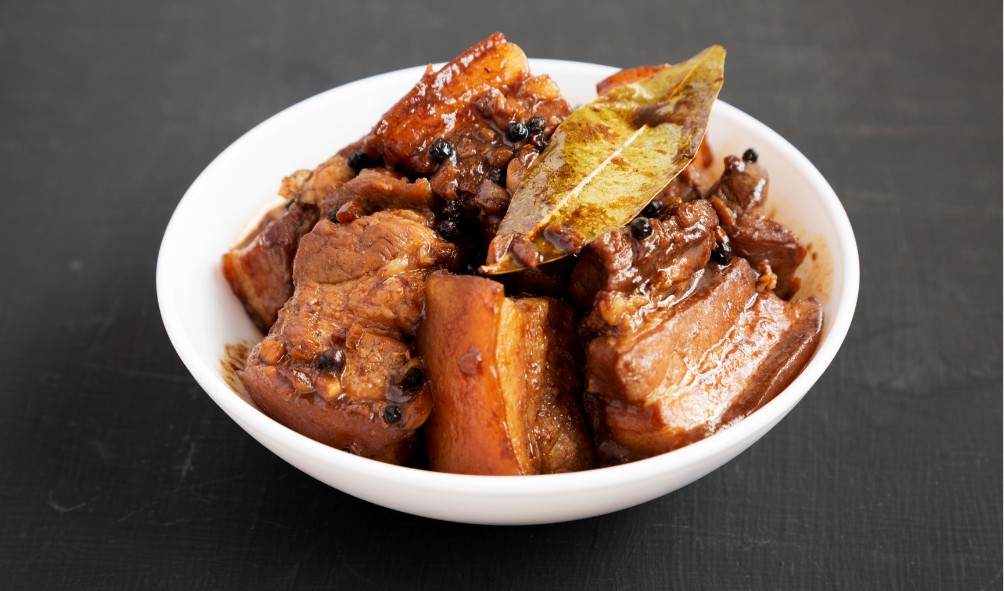
Events like the “Adobo Festival” invite you to savor different styles, from traditional chicken to creative twists. As you stroll through vibrant markets, the aroma of simmering adobo fills the air, enticing you to taste it all.
This culinary celebration is more than a feast; it’s a reminder of shared heritage and love for food. Join in and experience the joy that adobo brings to every gathering!
Conclusion
In conclusion, adobo isn't just a dish; it’s a celebration of Filipino culture and history. As you explore its rich flavors and regional variations, you’ll find a connection to family and tradition. Whether you’re cooking it for a special occasion or just a cozy dinner, adobo brings people together. So gather your ingredients, experiment with your recipe, and savor every bite. Dive into the heart of the Philippines with this iconic dish that continues to evolve and inspire.
Statistics
- There are more than 30 regional variations of adobo across the Philippines, each with unique ingredients and cooking techniques.
- Adobo is considered the Philippines' most popular home-cooked dish, with over 90% of Filipino households regularly preparing it.
- Adobo has gained international recognition, with Filipino restaurants abroad reporting a 40% increase in adobo orders over the past decade.
- Adobo’s primary ingredients—vinegar, soy sauce, garlic, and bay leaves—are staples in over 85% of Filipino kitchens.
External Links
- Filipino Food Network - Filipino Adobo: A collection of recipes and stories about adobo’s place in Filipino cuisine and family traditions.
- Kawaling Pinoy - Chicken Adobo Recipe: A popular Filipino food blog offering authentic recipes and cooking tips for making adobo at home.
- Serious Eats - Filipino Chicken and Pork Adobo Recipe: A detailed recipe and history of adobo, highlighting its cultural significance in the Philippines.
- National Geographic - The Filipino Adobo: An article exploring the cultural roots and global popularity of adobo.
How To Identify Regional Variations of Adobo in the Philippines
Identifying regional variations of adobo requires exploring the unique ingredients and cooking styles across the Philippines. For example, some regions add coconut milk for a creamy texture, while others incorporate turmeric for a vibrant color and earthy flavor. The use of different vinegar types, such as cane or palm vinegar, also distinguishes regional recipes. To appreciate these differences, sample adobo from various provinces or consult regional cookbooks. Recognizing these nuances enriches your understanding of how diverse Filipino culture influences its most iconic dish.
Want to travel with more time and freedom?
The freedom to travel! Discover free & unique homestays around the world, in exchange for caring for adorable pets.
https://escapetomexiconow.com/ths
Recommended Resources:
Ready to explore life beyond borders? Check out our trusted guides to Mexico, Panama, and the Philippines — your gateways to new adventures, culture, and opportunity.
https://escapetomexiconow.com/
https://escapetomexiconow.info/
https://escapetopanamanow.info/
https://escapetothephilippinesnow.com/
YouTube Channel:
See Mexico like never before! From local culture to travel hacks, our YouTube channel brings the adventure straight to you.
https://www.youtube.com/@EscapeToMexicoNow