
Relocating to the Philippines can be a rewarding journey, but it requires careful planning and understanding. You’ll need to navigate visa options, find the right neighborhood, and get familiar with local customs. Each decision shapes your new experience, making it essential to approach this transition thoughtfully. As you consider your next steps, think about what you truly want from this adventure and how to make it a reality.
Researching Your Move: Understanding the Philippines
When you start planning your move to the Philippines, it’s crucial to dive deep into understanding its culture, geography, and lifestyle.
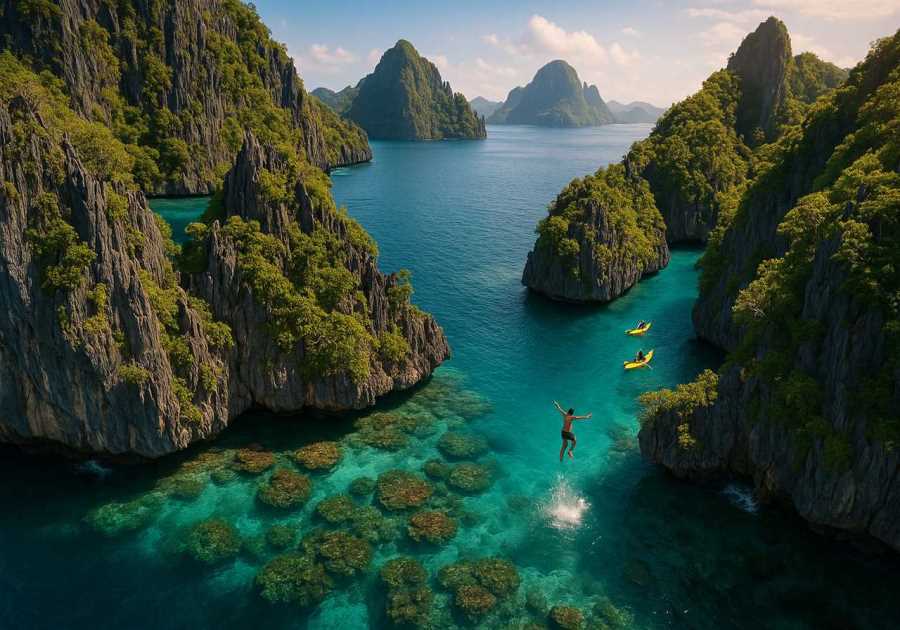
The Philippines, an archipelago of over 7,000 islands, offers diverse landscapes, from stunning beaches to lush mountains. Each region has its unique customs and traditions, so exploring local festivals and cuisine is essential.

Learning about the Filipino way of life, including their values of hospitality and community, will help you integrate smoothly. Familiarize yourself with the language, as even basic Tagalog phrases can go a long way in building connections.
Lastly, consider the climate, which varies significantly, influencing your choice of living location. Researching these aspects will pave the way for a fulfilling relocation experience.
Visa Options: Choosing the Right Path for You
Understanding the Philippines' culture and lifestyle sets the foundation for your relocation, but you also need to navigate the visa landscape.
There are several visa options for you to consider based on your purpose for moving. The most common choices include the tourist visa, which allows you to stay for up to 36 months, or the retirement visa, perfect if you’re over 50 and want to enjoy a relaxed lifestyle.
If you plan to work, you’ll need a work visa, which typically requires a job offer from a local employer. Additionally, the special investor visa caters to those looking to invest in the country.
Research each option carefully to find the path that best suits your situation and future plans.
Finding Your Home: Where to Live in the Philippines
How do you choose the right place to call home in the Philippines? Start by considering your lifestyle preferences. Do you crave bustling city life or serene beach vibes?
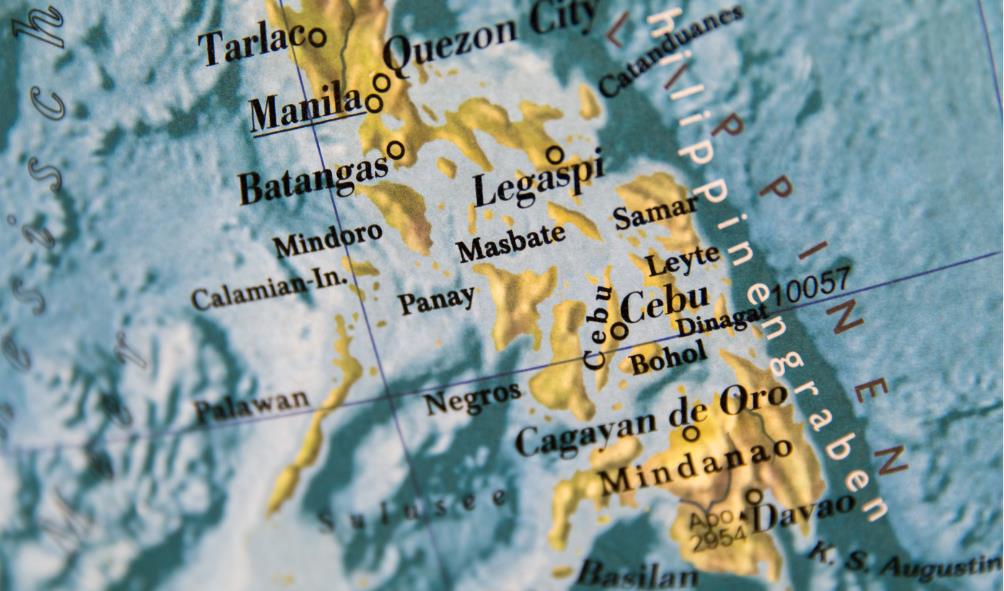
Metro Manila offers urban excitement, while places like Cebu and Davao provide a balance of city and nature. If you’re seeking tranquility, islands like Palawan or Siargao might be perfect for you.
Next, evaluate your budget. Housing prices vary greatly; urban areas tend to be pricier than rural ones.
Research local amenities, such as schools, hospitals, and shopping centers, to ensure convenience.
Lastly, immerse yourself in the culture. Spend time in different regions to find where you truly feel at home.
Embrace the journey—your ideal spot awaits!
Navigating the Legalities: Essential Paperwork and Processes
Navigating the legalities of relocating to the Philippines can feel daunting, but it’s essential for a smooth transition. Start by securing a valid passport and a visa appropriate for your stay, whether it’s a tourist, work, or retirement visa.

Gather necessary documents, such as birth certificates and marriage licenses, and ensure they’re authenticated. Next, consider registering with the Bureau of Immigration upon arrival to maintain your legal status.
If you plan to work, familiarize yourself with the local labor laws and obtain any necessary permits. Lastly, don’t forget to open a local bank account to manage your finances effectively.
Embracing the Culture: Tips for a Smooth Transition
As you settle into life in the Philippines, immersing yourself in the local culture can significantly enhance your experience.
Start by learning basic Filipino phrases; locals appreciate the effort. Attend community events and festivals to connect with your neighbors and understand traditions.
Trying local cuisine is a must—don’t shy away from street food! Embrace the warmth and hospitality of the people; a smile goes a long way.
Be open to new experiences, whether that’s joining a dance class or exploring local crafts. Understanding cultural nuances, like the importance of family and respect for elders, will help you build meaningful relationships.
Lastly, remain patient and adaptable; adjusting to a new culture takes time, but it’s incredibly rewarding.
Settling In: Building a New Life in the Philippines
Once you’ve embraced the culture, settling into your new life in the Philippines becomes an exciting adventure.
Start by finding a comfortable place to live; whether it’s an apartment in the city or a house by the beach, choose what suits your lifestyle.
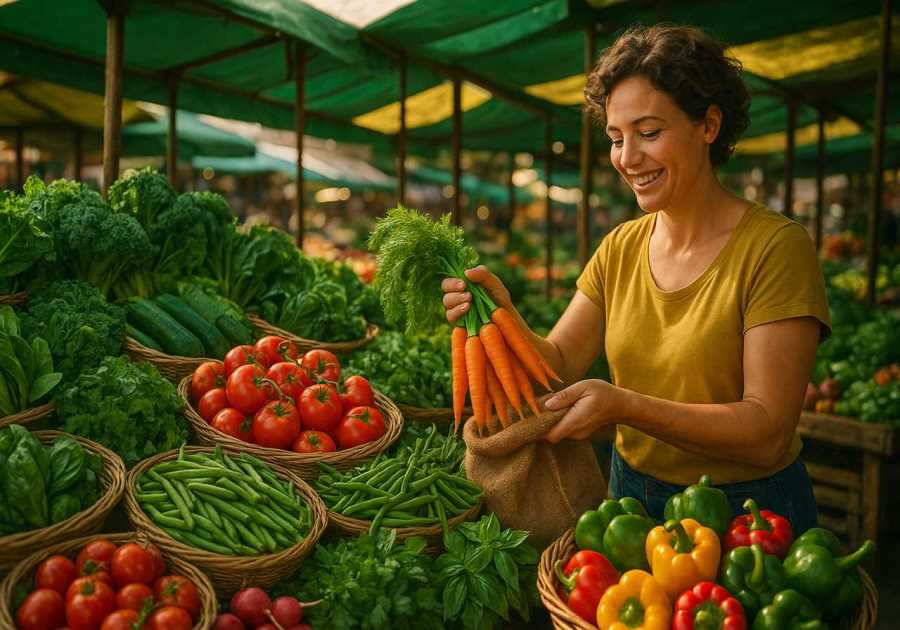
Next, get familiar with local markets and grocery stores; fresh produce is abundant and affordable.
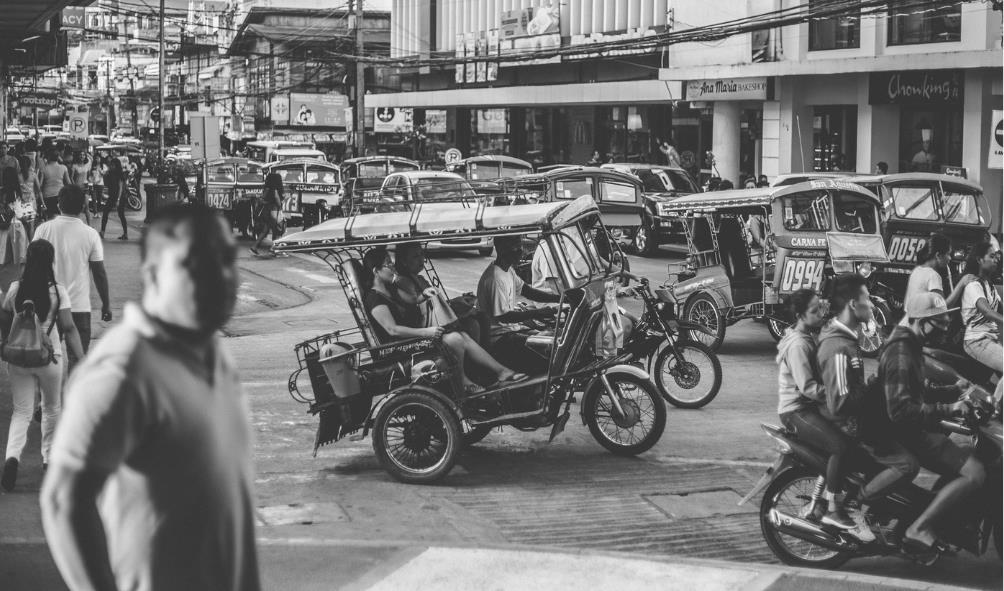
Build connections by joining community groups or expat clubs—these friendships will enrich your experience.
Don’t forget to explore the local cuisine; trying new dishes can be a fun way to bond with neighbors.
Lastly, learn a few basic phrases in Filipino; locals appreciate your effort, and it’ll help you navigate daily life.
Enjoy every moment of this new journey!
Conclusion
In conclusion, relocating to the Philippines can be a rewarding journey if you embrace the adventure with an open mind. By researching your options, understanding local customs, and building connections, you’ll find your place in this vibrant archipelago. Remember to stay organized with paperwork and remain adaptable to new experiences. With preparation and a positive attitude, you’ll soon settle into your new life, enjoying everything the Philippines has to offer. Your exciting adventure awaits!
Statistics
- With a universal healthcare system, over 95% of Panama's population has access to quality medical services.
- Panama is ranked among the safest countries in Latin America, with crime rates approximately 25% lower than the regional average.
- Since the introduction of the Friendly Nations Visa program, more than 100,000 individuals have obtained residency in Panama.
- Panama City hosts a vibrant community of over 1.5 million residents, making it a prime destination for international newcomers.
External Links
- Just Landed offers practical advice on visas, housing, and daily life in Panama.
- DIA Panama provides extensive resources on moving, living, and working in Panama.
- Expat.com offers valuable insights and community support for individuals relocating to Panama.
- MoveHub provides comprehensive guides and resources to help you plan your move to Panama seamlessly.
How to Find Employment or Start a Business in Panama
Finding employment or starting a business in Panama requires strategic planning and understanding of the local market. For job seekers, networking is key; connect with professionals through local associations and online platforms. Fluency in Spanish significantly enhances job prospects across various industries. If you're interested in entrepreneurship, Panama offers favorable conditions with its strategic location and business-friendly regulations. Research the market to identify gaps and opportunities, and develop a solid business plan. Registering your business with the Panamanian authorities ensures legal compliance and access to necessary resources. Leveraging local expertise and resources can facilitate a successful transition into the Panamanian workforce or entrepreneurial landscape.
Plan the perfect group trip, your way.
Get an instant personalized itinerary. We handle logistics, payments, and provide a dedicated itinerary, while local experts fine-tune every detail. Enjoy full freedom—without the stress of organizing it all.
https://escapetomexiconow.com/tourhero
Recommended Resources:
Discover where freedom, adventure, and opportunity await you.
https://escapetomexiconow.com/
https://escapetomexiconow.info/
https://escapetopanamanow.info/
https://escapetothephilippinesnow.com/
YouTube Channel:
Your next adventure starts here! Join us on YouTube for destination tours, insider advice, and everything you need to make your escape unforgettable.
https://www.youtube.com/@EscapeToMexicoNow