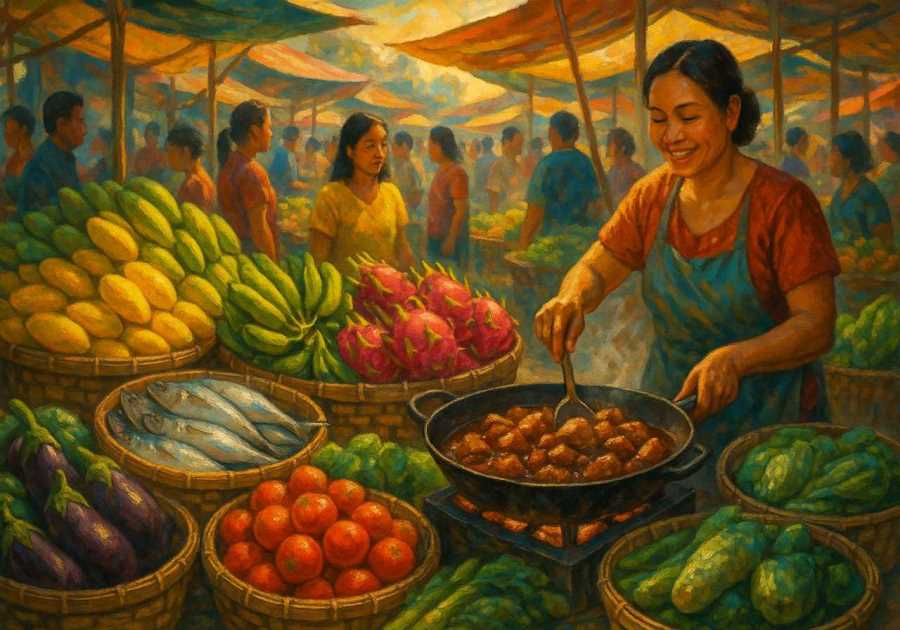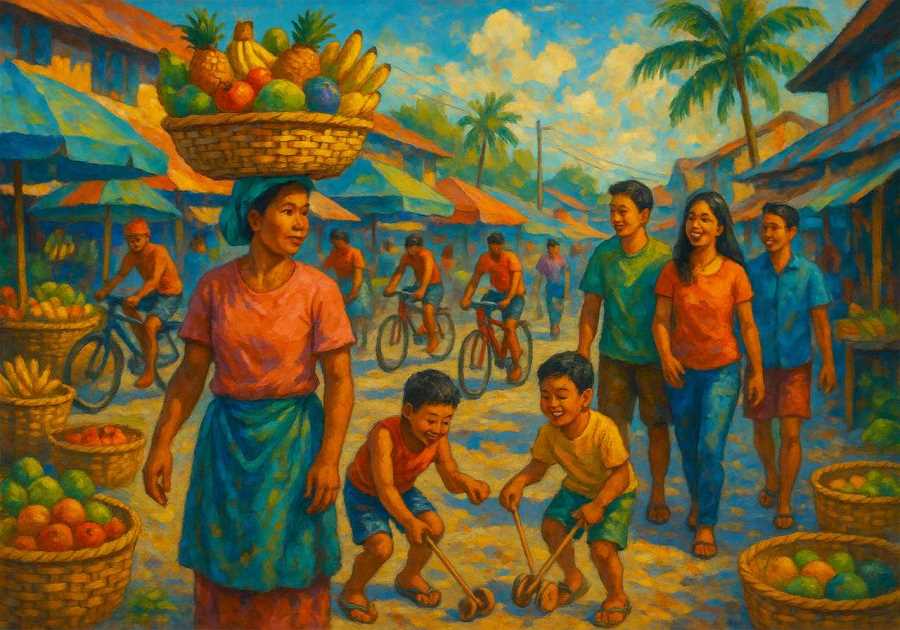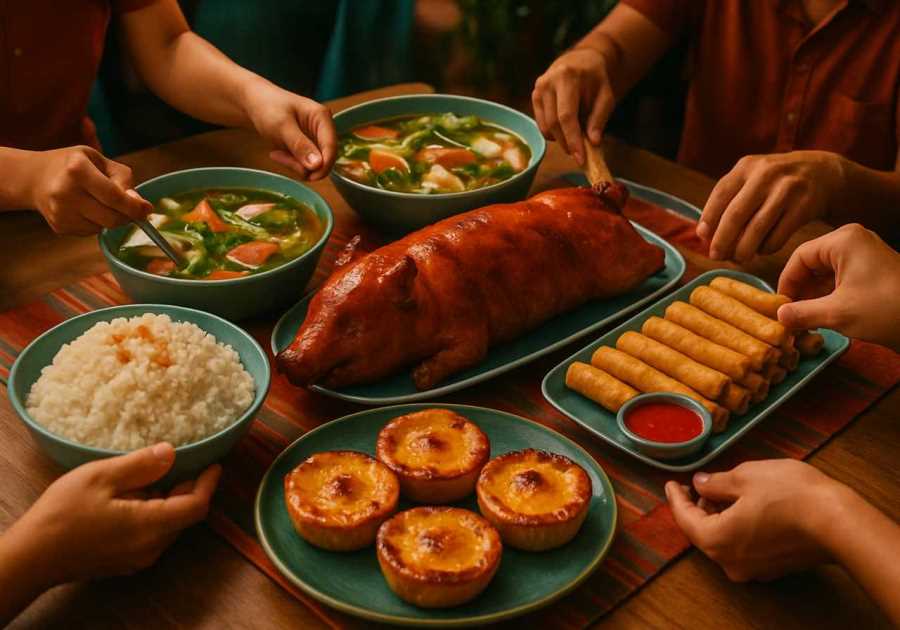
When you think about the Philippines, its culinary heritage might not be the first thing that comes to mind. Yet, the diversity of flavors and traditions across its islands tells a compelling story. From the spicy dishes of Bicol to the savory delights of Luzon, each bite carries history and culture. You'll find that understanding these regional specialties opens a window to the heart of Filipino life. What does this vibrant tapestry reveal about communal ties and modern influences?
The Regional Diversity of Filipino Dishes
The Philippines boasts over 7,000 islands, each contributing unique flavors and dishes to the nation’s culinary tapestry. As you explore the regions, you'll discover the vibrant diversity that defines Filipino cuisine.
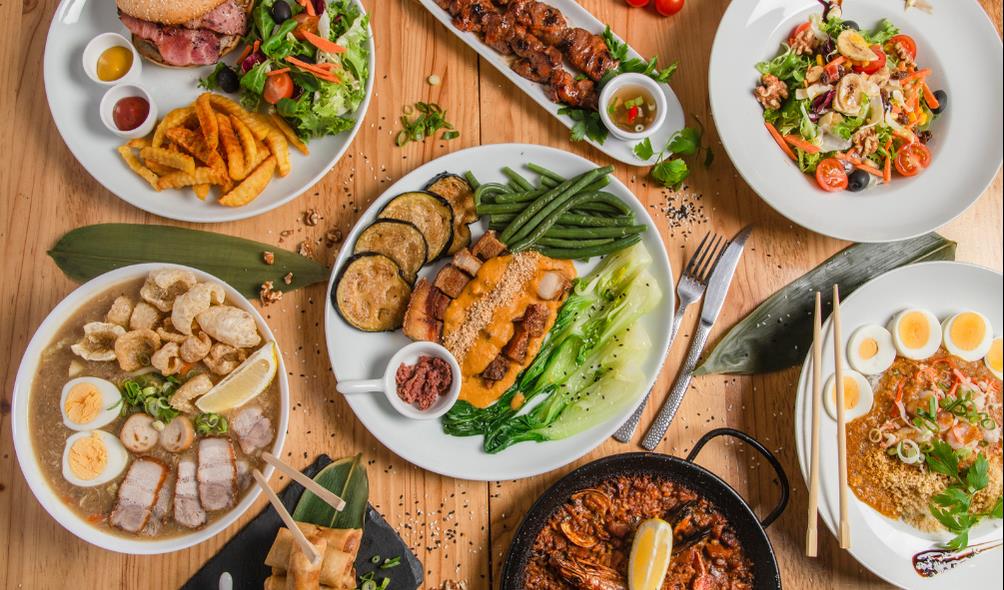
From the spicy dishes of Bicol, like laing, to the savory adobo of Luzon, every area has its signature style. In Visayas, the sweet and tangy lechon is a must-try, while Mindanao offers the rich, aromatic flavors of beef rendang.
Each dish tells a story of local traditions and ingredients, reflecting the culture and history of its region. As you savor these meals, you’ll appreciate how geography shapes the culinary identity of the Philippines, making every bite an adventure through the islands.
Iconic Filipino Ingredients and Their Uses
While exploring Filipino cuisine, you'll quickly encounter iconic ingredients that form the backbone of many dishes.
One essential ingredient is rice, often served as a staple alongside various meals. You’ll also find soy sauce, which adds depth and umami to countless recipes.
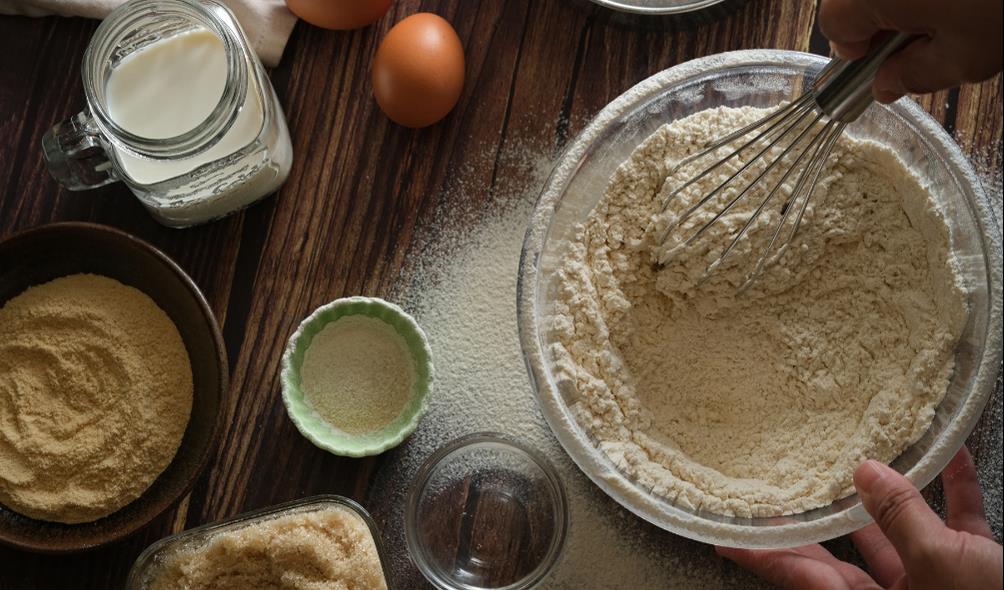
Then there's bagoong, a fermented shrimp paste that provides a unique flavor, perfect in dips or paired with vegetables. Don't overlook coconut milk, which lends creaminess to curries and desserts alike.
Lastly, calamansi, a small citrus fruit, offers a zesty punch, brightening up marinades and drinks.
Each ingredient plays a vital role in creating the rich tapestry of flavors that defines Filipino food.
Traditional Cooking Techniques Passed Down Through Generations
Cooking in the Philippines isn't just about the ingredients; it’s also about the techniques that have been passed down through generations. You’ll find that these methods reflect the rich history and diverse cultures of the country.

From the art of slow-cooking adobo to the skillful preparation of lumpia, every dish tells a story. Using clay pots called “palayok” for stewing enhances the flavors, while grilling over charcoal gives that distinct smoky taste.
You might notice the importance of fermentation in dishes like bagoong, which showcases patience and tradition. As you explore Filipino cuisine, you’ll appreciate how these techniques connect families and communities, ensuring that each meal is a celebration of heritage and love.
Celebratory Foods and Their Cultural Significance
Celebrations in the Philippines are often marked by a vibrant array of foods that carry deep cultural significance. Each dish tells a story, connecting you to traditions and communal gatherings.
For instance, lechon, or roasted pig, symbolizes prosperity and is a centerpiece at fiestas, embodying abundance. Puto and kutsinta, sweet rice cakes, are often served during birthdays to signify good fortune and joy.
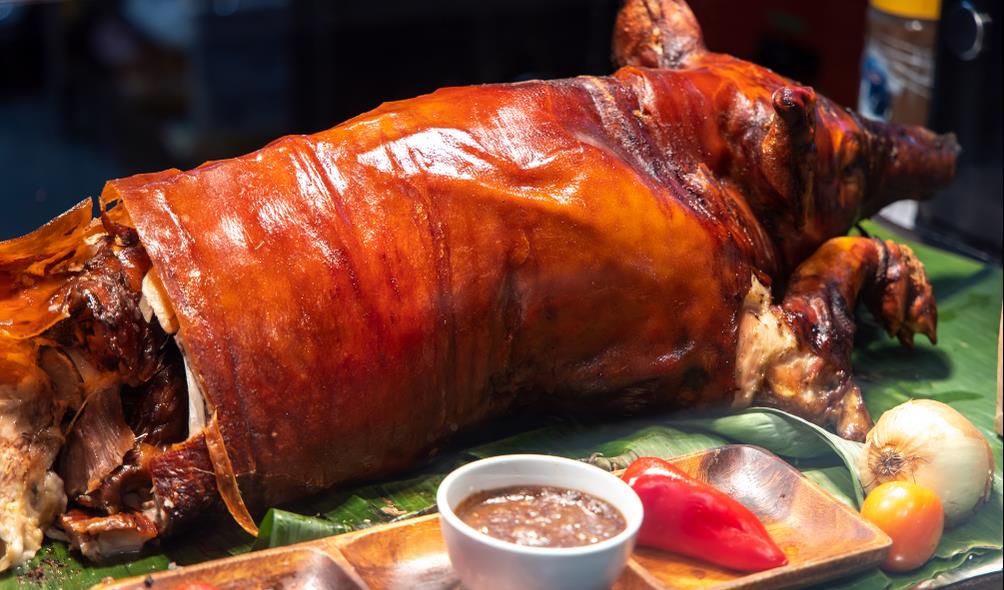
During Christmas, you’ll find noche buena feasts filled with ham, queso de bola, and various delicacies that bring families together. These foods aren't just about taste; they represent love, heritage, and shared experiences.
When you partake in these celebrations, you’re not just enjoying a meal—you’re participating in a rich cultural tapestry woven through generations.
The Modern Evolution of Filipino Cuisine
Philippine cuisine is experiencing a vibrant transformation, blending traditional flavors with contemporary techniques.
As you explore this culinary evolution, you’ll notice chefs experimenting with local ingredients, infusing international styles into classic dishes.
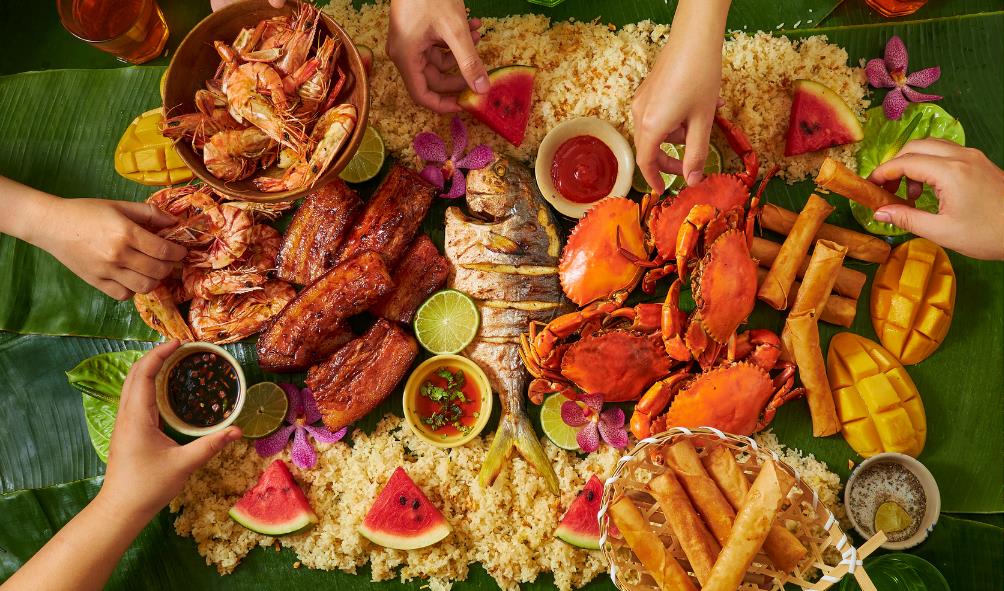
Dishes like adobo and sinigang are being reimagined, incorporating unexpected elements like truffle oil and fusion spices. Street food is also gaining recognition, with food trucks and pop-up stalls showcasing innovative takes on beloved favorites.
This modern evolution isn’t just about aesthetics; it’s about storytelling.
Each dish represents a fusion of history and modernity, inviting you to relish the rich heritage while embracing new flavors.
You’ll find that Filipino cuisine is no longer confined to traditional boundaries, evolving into a dynamic experience that reflects both culture and creativity.
Conclusion
In exploring the Philippines' vibrant culinary heritage, you’ve uncovered a world of delightful regional dishes, iconic ingredients, and time-honored cooking techniques. Each bite tells a story, connecting you to the rich traditions and communal spirit of the islands. As Filipino cuisine evolves, it continues to embrace modern influences while honoring its roots. So whether you’re savoring adobo or trying innovative twists, you’re part of a dynamic culinary journey that celebrates the heart and soul of the Philippines.
Statistics
- Filipino cuisine is a vibrant fusion of Malay, Chinese, Spanish, and American influences, reflecting over 300 years of colonial history and trade.
- The Bicol region is famous for its spicy dishes, particularly Bicol Express, which features coconut milk and chili peppers, showcasing the region's love for bold flavors.
- Filipino street food culture is thriving, with balut, isaw, and kwek-kwek being popular choices among locals and tourists alike.
- The Philippines is home to over 7,000 islands, each contributing unique ingredients and recipes to the nation's diverse culinary landscape.
External Links
- TasteAtlas: Philippines provides an extensive overview of traditional Filipino dishes and their origins.
- CNN Travel: 50 Delicious Filipino Foods highlights a selection of must-try Filipino dishes that showcase the country's culinary diversity.
- The New York Times: Filipino Food examines the growing popularity of Filipino cuisine in the global food scene.
- Lonely Planet: Philippines Food Guide provides a comprehensive guide to traditional Filipino dishes and where to find them.
How to Prepare Halo-Halo: A Filipino Dessert Delight
Halo-Halo is a popular Filipino dessert that is as colorful as it is delicious. To prepare halo-halo, start with a base of shaved ice in a tall glass. Layer various ingredients such as sweetened beans, jellies, nata de coco, and jackfruit. Add a scoop of ube (purple yam) ice cream on top, followed by a drizzle of evaporated milk. For added texture, include leche flan and pinipig (crushed young rice). Mix everything together before eating, creating a delightful combination of flavors and textures that capture the essence of Filipino culinary creativity.
Want to travel with more time and freedom?
The freedom to travel! Discover free & unique homestays around the world, in exchange for caring for adorable pets.
https://escapetomexiconow.com/ths
Recommended Resources:
Adventure is calling — are you ready to answer? Discover new places, new lifestyles, and new possibilities in Mexico, Panama, or the Philippines.
https://escapetomexiconow.com/
https://escapetomexiconow.info/
https://escapetopanamanow.info/
https://escapetothephilippinesnow.com/
YouTube Channel:
Your next adventure starts here! Join us on YouTube for destination tours, insider advice, and everything you need to make your escape unforgettable.
https://www.youtube.com/@EscapeToMexicoNow