Every island has its own unique narrative shaped by its geography, culture, and history. You might notice how the landscape influences local traditions and lifestyles. Folklore weaves together community bonds, while significant historical events leave lasting marks. Economic practices often reflect and preserve these identities. What stories do these islands hold? As you explore, you’ll uncover layers of resilience and rich heritage waiting to be revealed.
The Connection Between Geography and Culture
When you consider how geography shapes culture, it’s clear that the two are deeply intertwined.
On an island, the surrounding ocean influences not just the landscape but also the lifestyle of its inhabitants. You’ll find that the availability of resources, such as fish and fertile land, directly affects local cuisine and agricultural practices.
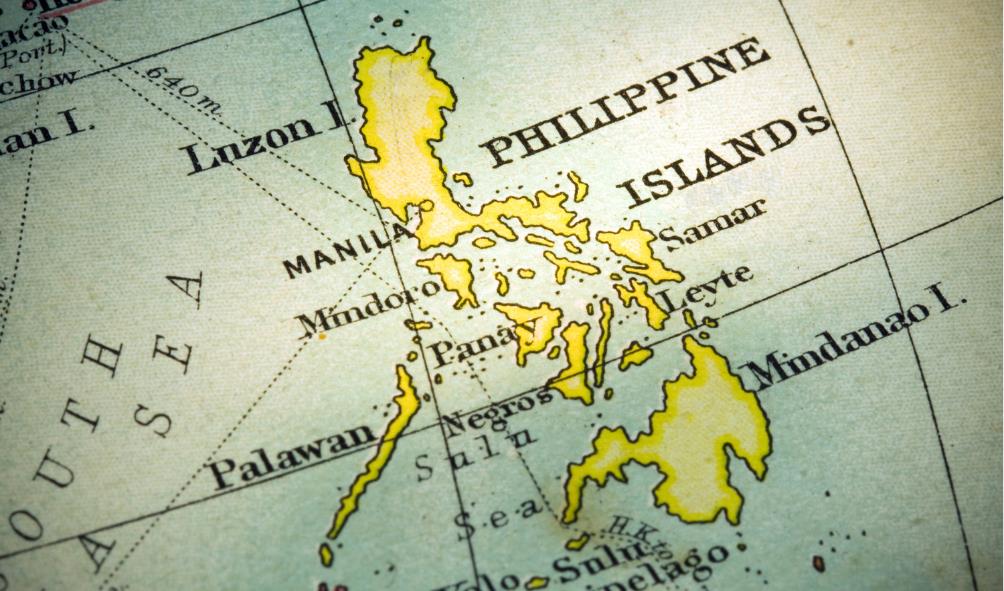
The climate, too, plays a role in architectural styles and clothing choices. Isolation might foster unique traditions and languages, giving rise to a distinct cultural identity.
As you explore an island, you'll notice how the terrain—be it rugged mountains or sandy beaches—shapes social interactions and community structures.
Understanding these connections enriches your appreciation for the island’s stories and the people who call it home.
Folklore and Legends: The Heart of Island Narratives
As you delve into the rich tapestry of island life, you’ll find that folklore and legends often serve as the heartbeat of local narratives. Each tale, passed down through generations, captures the essence of the island's culture, values, and struggles.
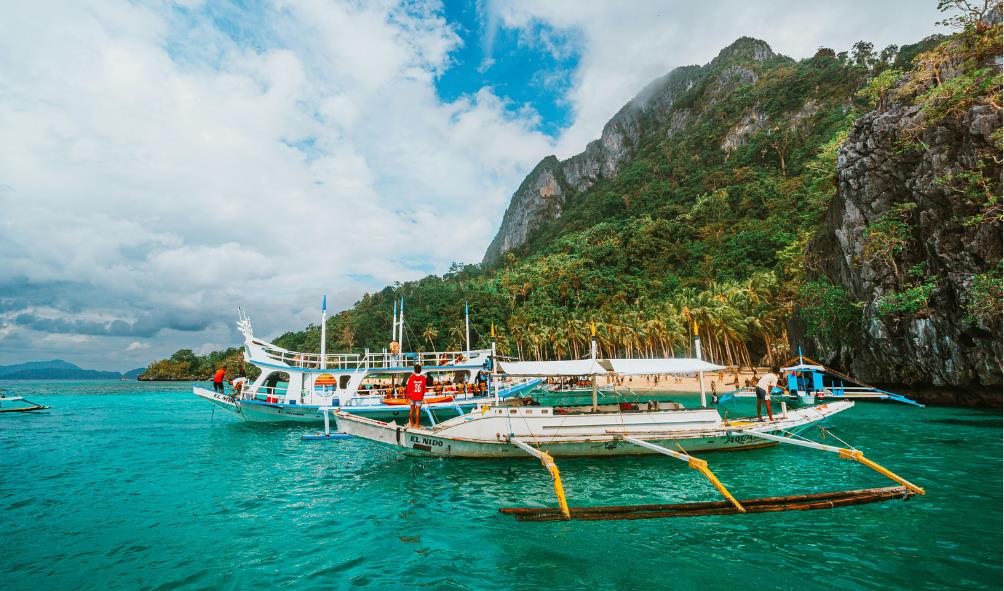
You’ll hear stories of mythical creatures, brave heroes, and the spirits of ancestors watching over their descendants. These narratives not only entertain but also educate, offering insights into the islanders' beliefs and customs.
They bind communities together, fostering a shared identity and preserving history. As you explore, you'll realize that every island's unique legends paint a vivid picture of its people, making their experiences resonate deeply with those who listen, inspiring curiosity and a sense of connection to the past.
Historical Events That Shaped Island Communities
Numerous historical events have molded island communities, leaving lasting impacts on their cultures and identities.
You can see how colonization reshaped social structures, introducing new languages and religions that blended with existing traditions.
Wars and conflicts often forced migrations, creating unique cultural fusions and resilient identities.
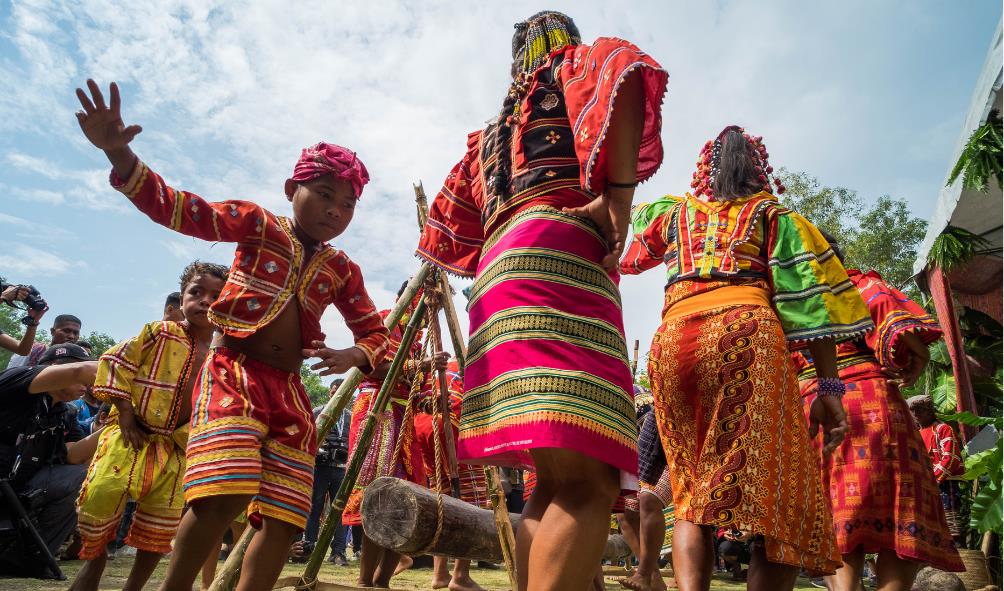
Natural disasters, like volcanic eruptions or hurricanes, have also played a significant role, challenging communities to adapt and rebuild.
These events fostered strong communal ties and shared stories, helping you understand the islands’ histories.
Each island’s past carries lessons and legacies, from the way residents celebrate their heritage to how they navigate modern challenges.
Economic Practices and Their Cultural Significance
While island economies often rely on tourism and fishing, these practices are deeply intertwined with local cultures and traditions.
When you visit an island, you’ll notice how the fishing techniques reflect generations of knowledge passed down through families. Fishermen often share stories about the sea, connecting their livelihoods to their cultural heritage.
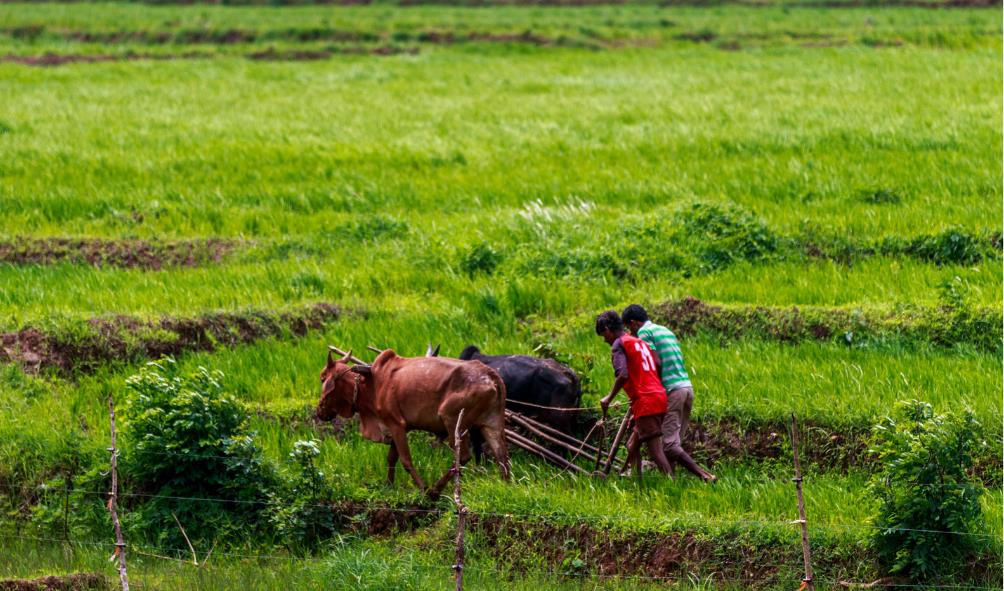
Similarly, tourism isn't just about attractions; it’s about showcasing unique customs, art, and food that define the community. Local crafts and cuisines tell stories of history and identity, enriching the visitor experience.
By supporting these economic practices, you’re not just enjoying a vacation; you’re participating in a cultural exchange that sustains the island's identity.
Ultimately, these economic activities are vital, preserving traditions while adapting to modern needs.
The Role of Nature in Island Life
Nature plays a fundamental role in shaping island life, influencing not just the economy but also the daily routines and cultural practices of the inhabitants. You’ll notice how the surrounding ocean provides both sustenance and a means of transportation, impacting fishing techniques and trade.
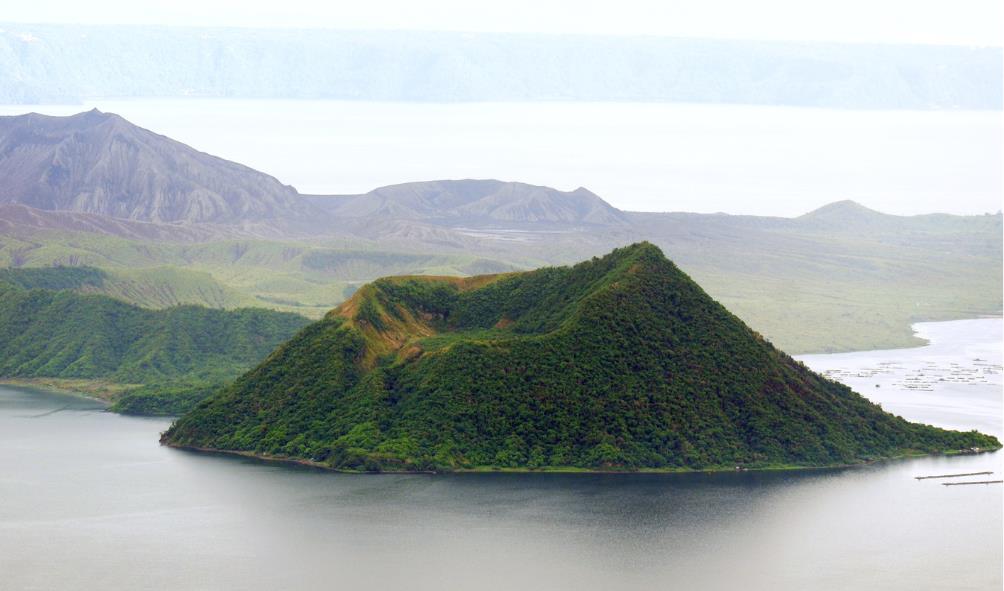
The unique flora and fauna shape local diets and customs, often leading to sustainable practices that reflect a deep respect for the environment. Each season brings distinct challenges and celebrations, encouraging a rhythm to life that aligns with nature’s cycles.
You might find that the weather patterns dictate agricultural practices, fostering a strong connection between the land and its people. Embracing these natural elements helps you appreciate the essence of island living.
Festivals and Traditions Unique to Each Island
Every island boasts its own vibrant festivals and traditions, reflecting the unique culture and history of its inhabitants. When you visit, you’ll find local celebrations that showcase traditional dances, music, and cuisine.
For instance, in one island, you'll witness a colorful carnival filled with masks and parades, while another invites you to join in on a harvest festival, where the community comes together to honor their agricultural roots.
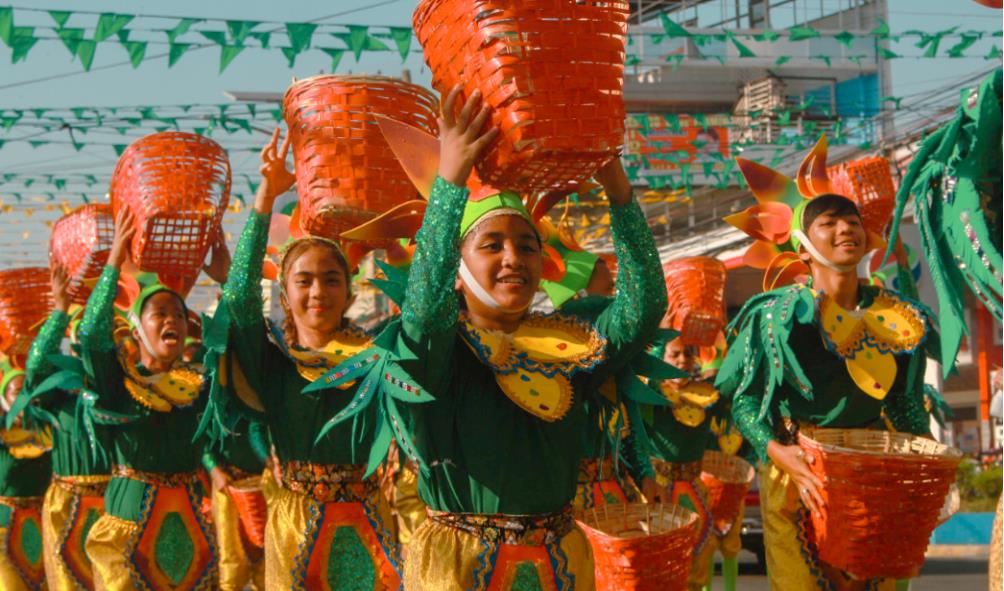
You may also encounter spiritual ceremonies that pay homage to ancestral spirits, offering you a glimpse into the islanders' beliefs.
Each festival creates a sense of belonging and connection, allowing you to immerse yourself in the island's rich tapestry of life. You’ll leave with unforgettable memories and stories to share.
The Influence of Colonization and Globalization
The vibrant festivals and traditions you’ve experienced on the islands are just one aspect of their complex identities, shaped significantly by colonization and globalization.
As you explore, you’ll notice how colonizers introduced new languages, religions, and customs, often blending with indigenous practices. This fusion created unique cultural tapestries, yet it also led to the loss of traditional ways of life.
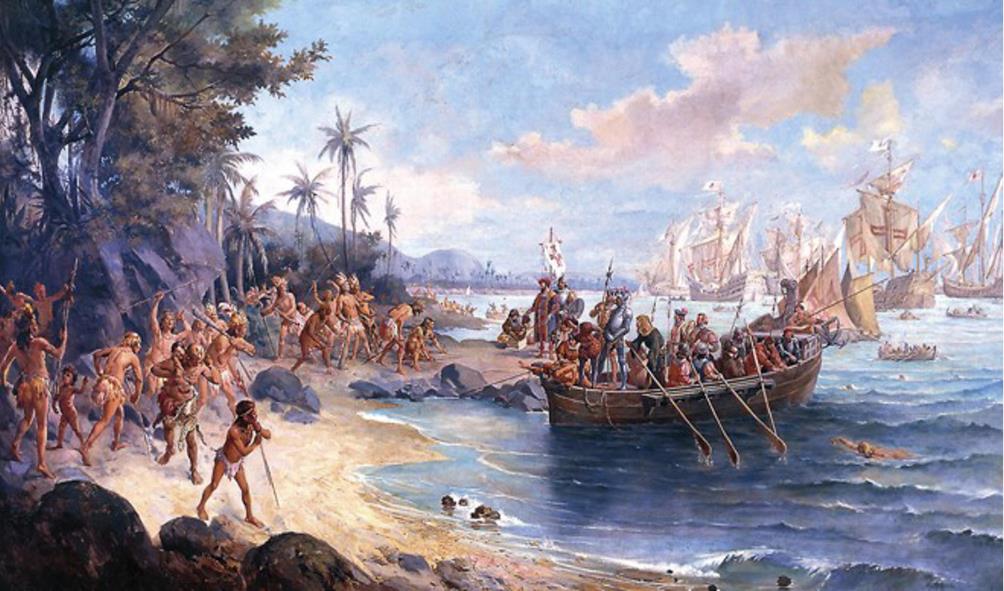
Globalization further complicates these narratives, as modern influences seep into local cultures through technology, tourism, and trade. You might see traditional crafts being marketed to tourists, altering their authenticity.
While these changes can enrich island experiences, they also challenge the preservation of original identities. Understanding these influences deepens your appreciation for the islands’ ever-evolving stories.
Personal Stories: Voices of Island Inhabitants
How do the voices of island inhabitants reflect the rich tapestry of their cultures? When you listen to their stories, you uncover the heart of their identity.
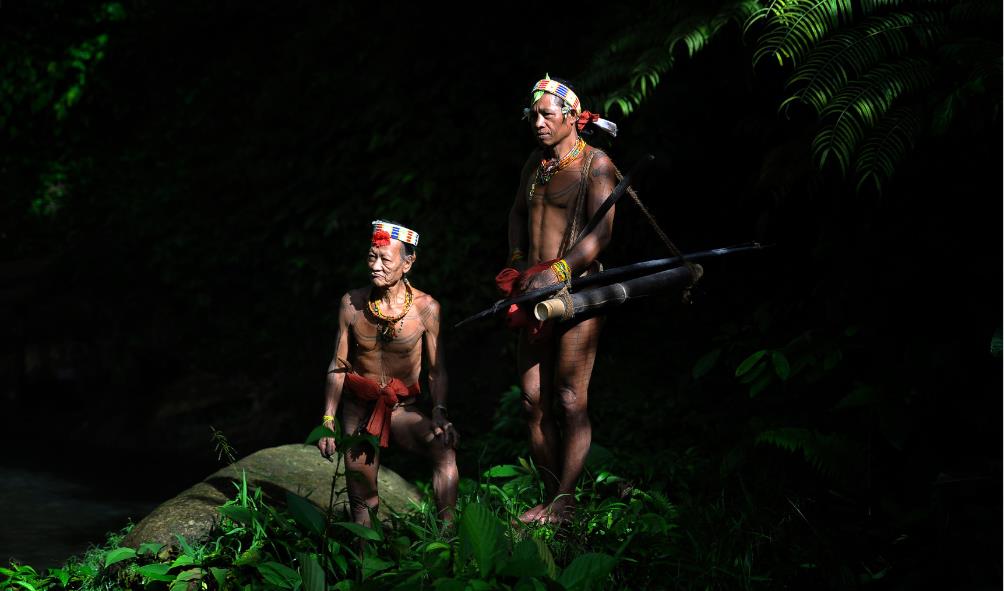
Each tale carries the weight of history, family, and traditions passed down through generations. You’ll hear about the struggles they’ve faced, the beauty of their landscapes, and their hopes for the future.
These narratives often intertwine with local legends, showcasing the unique blend of myth and reality that defines island life. Whether it’s a fisherman recounting a stormy sea or an elder sharing ancient customs, these personal stories offer a glimpse into their world.
Conclusion
Every island tells its own story, shaped by its unique geography, rich folklore, and historical events. You can feel the spirit of the land in the traditions and celebrations that bring communities together. Each island's narrative reflects the resilience of its people, intertwined with nature and economic practices. As you explore these vibrant tales, you’ll discover the deep connections that define these places and the voices of those who call them home, enriching your understanding of island life.
Statistics
- Each island's unique geographical features, such as volcanic activity or coral reef formations, contribute significantly to its distinct story and cultural development.
- Islands often have endemic species, with over 30% of the world's biodiversity found on islands, adding to their unique ecological narratives.
- Many islands have been culturally isolated for centuries, resulting in languages and traditions that are not found anywhere else in the world.
- Islands have been pivotal in global trade routes, with their strategic locations often shaping their historical and economic stories.
External Links
- The Guardian presents some of the best remote island escapes, each with its own story and cultural significance.
- BBC Future explores the secret history of island cultures, highlighting how isolation has shaped their unique identities.
- CNN Travel lists the most beautiful islands in the world, each with its own unique story and allure.
- National Geographic's article on island biodiversity discusses the unique ecological systems found on islands worldwide.
How To Discover the Influence of Trade Routes on Island Histories
Discovering the influence of trade routes on island histories requires examining historical trade patterns and their effects on cultural exchanges. Study maps and historical documents that outline ancient and modern trade routes. Investigate how these routes facilitated the movement of goods, people, and ideas, shaping the island's culture and economy. Visiting ports and historical trade centers can provide a tangible connection to this aspect of history. Engaging with historians and archaeologists can offer deeper insights into how trade has played a pivotal role in crafting the unique stories of islands.
Plan the perfect group trip, your way.
Get an instant personalized itinerary. We handle logistics, payments, and provide a dedicated itinerary, while local experts fine-tune every detail. Enjoy full freedom—without the stress of organizing it all.
https://escapetomexiconow.com/tourhero
Recommended Resources:
Dreaming of a fresh start abroad? Explore our curated destination guides to learn how you can make the move with ease.
https://escapetomexiconow.com/
https://escapetomexiconow.info/
https://escapetopanamanow.info/
https://escapetothephilippinesnow.com/
YouTube Channel:
See Mexico like never before! From local culture to travel hacks, our YouTube channel brings the adventure straight to you.
https://www.youtube.com/@EscapeToMexicoNow