When you think of authentic Filipino flavors, you might picture a vibrant blend of spices and local ingredients. Each dish tells a story, showcasing the country's rich culinary heritage. From the savory depths of adobo to the comforting embrace of sinigang, there's so much to explore. But what truly makes these flavors stand out? Let’s uncover the distinct tastes and cultural significance behind these beloved dishes.
Adobo: The Quintessential Filipino Dish
Have you ever wondered why adobo is often hailed as the quintessential Filipino dish? It’s not just the rich flavors that make it special; it's the cultural significance behind it.
Adobo's unique blend of vinegar, soy sauce, garlic, and spices creates a savory, tangy profile that warms your heart and soul. You can customize it with chicken, pork, or even tofu, making it a versatile favorite.
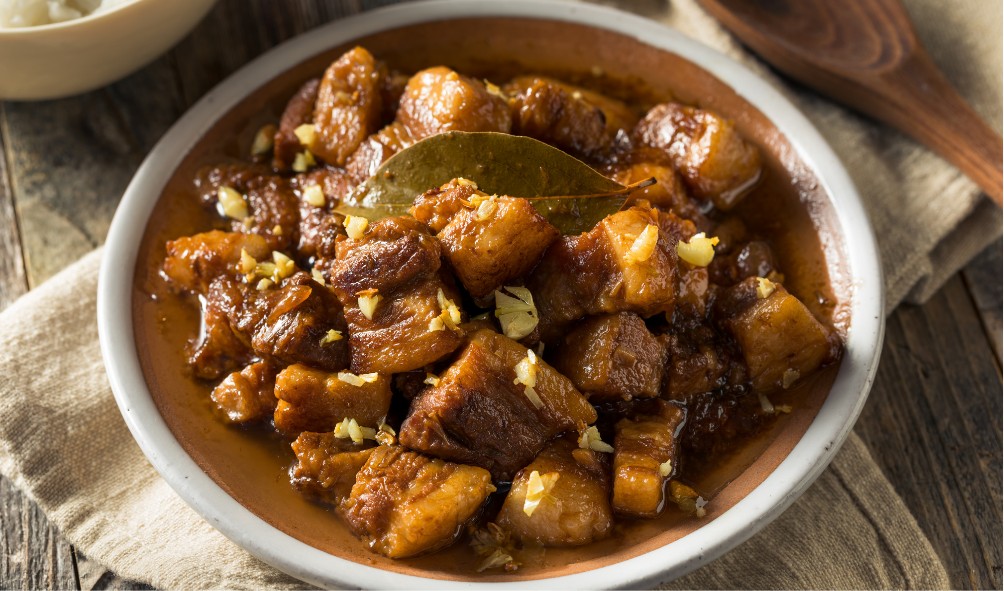
Its preparation showcases the Filipino spirit of resourcefulness, using simple ingredients to create something extraordinary. As you enjoy a steaming plate of adobo, you’re not only savoring a meal but also experiencing a piece of Filipino heritage.
Each bite tells a story, connecting you to generations of tradition and love for food.
Sinigang: A Sour Soup Delight
While adobo represents the savory side of Filipino cuisine, sinigang showcases the vibrant, tangy flavors that define comfort food in the Philippines.
This sour soup, often made with pork, shrimp, or fish, bursts with fresh vegetables like radish, eggplant, and water spinach. The magic lies in the souring agent, typically tamarind, which gives sinigang its signature taste.
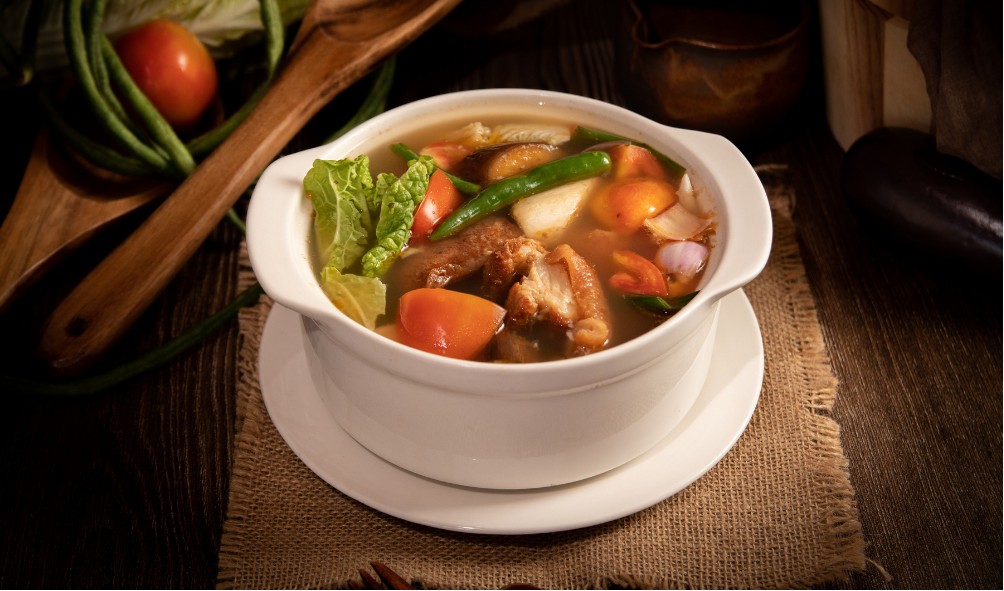
As you sip this warm broth, you’ll feel an instant sense of warmth and nostalgia. It’s more than just a dish; it’s a comforting embrace after a long day.
Whether enjoyed on a rainy afternoon or a family gathering, sinigang invites you to savor the essence of Filipino home cooking, making it a must-try for any culinary adventurer.
Lechon: The Star of Any Celebration
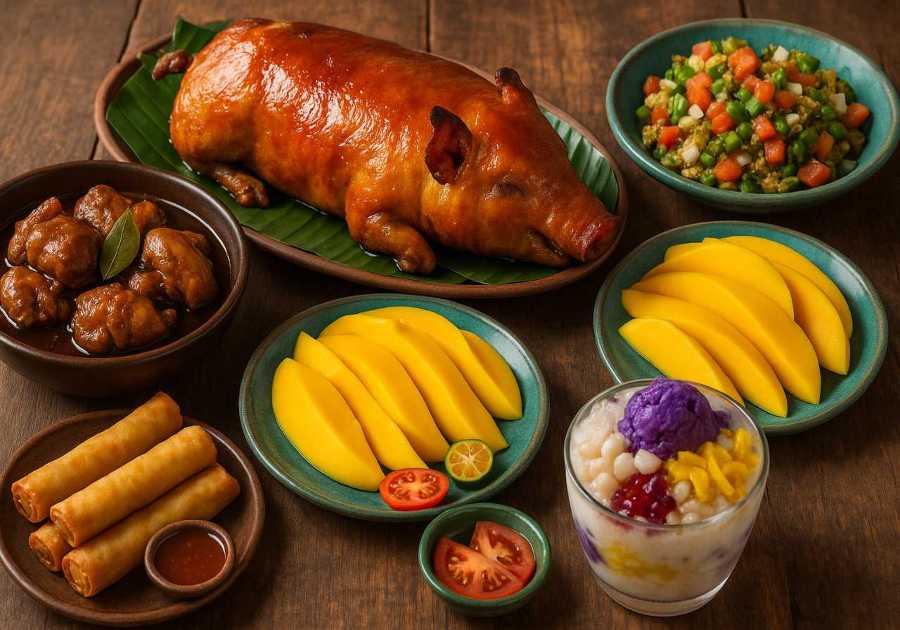
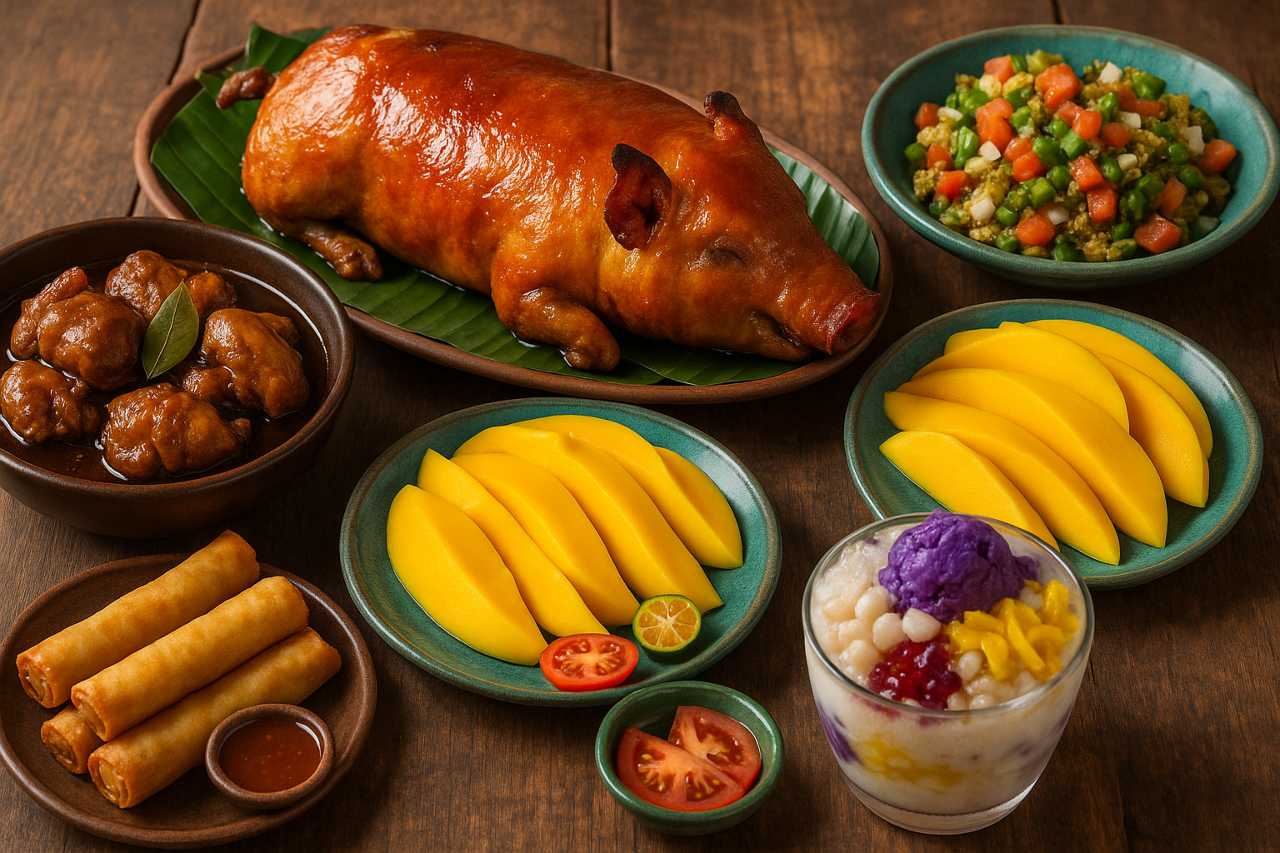
When you think of Filipino celebrations, lechon inevitably comes to mind as the centerpiece of every festive table. This whole roasted pig, with its golden, crispy skin and tender, flavorful meat, is a showstopper that draws everyone in.
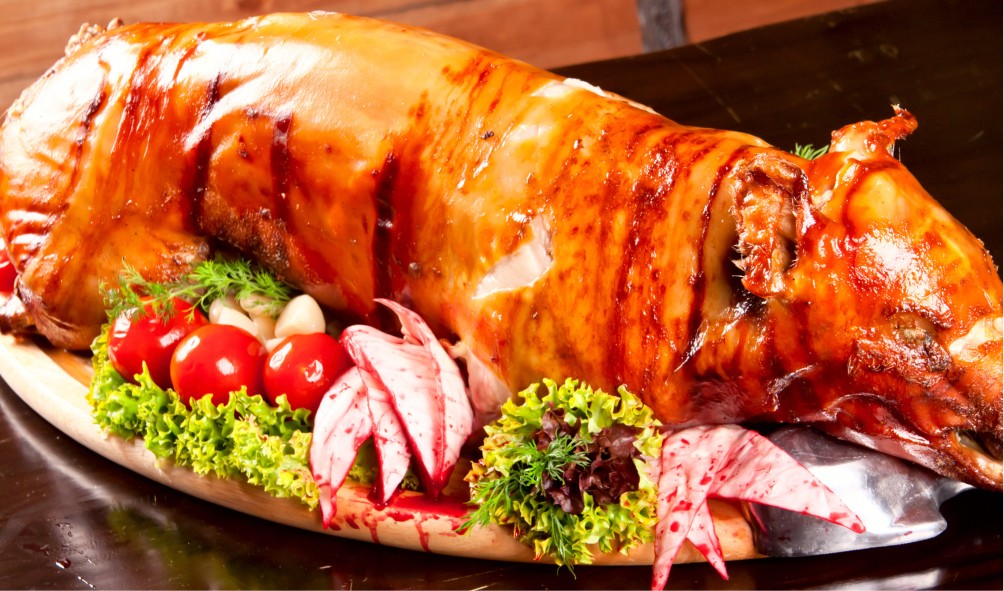
It's not just about the taste; lechon embodies the spirit of togetherness and joy in Filipino culture. You’ll often find it at birthdays, weddings, and holidays, symbolizing abundance and hospitality.
Whether you enjoy it with a side of liver sauce or simply on its own, each bite transports you to a realm of savory bliss.
Kare-Kare: Oxtail Stew With Peanut Sauce
Kare-kare, a beloved Filipino dish, showcases the rich flavors of oxtail simmered in a creamy peanut sauce that’s simply irresistible.
This comforting stew features tender oxtail paired with a variety of vegetables like eggplant, banana heart, and string beans, bringing a delightful texture to every bite.
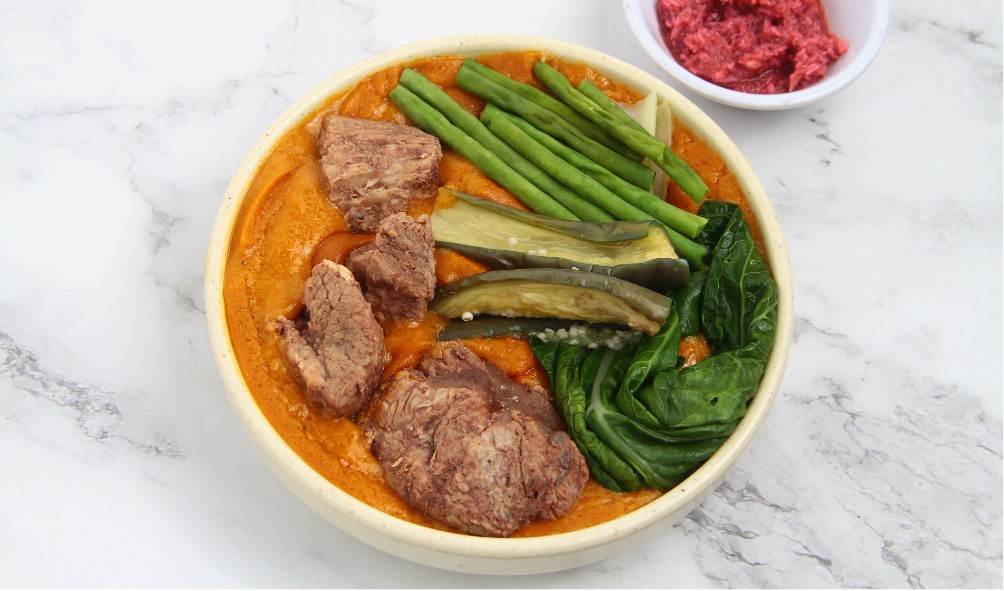
The secret to its authentic taste lies in the use of ground peanuts or peanut butter, which creates a velvety sauce that envelops the meat and veggies.
Traditionally served with bagoong (fermented shrimp paste) on the side, kare-kare offers a perfect balance of flavors—sweet, salty, and savory.
Whether you’re enjoying it at a family gathering or a casual meal, kare-kare is sure to leave you craving for more of its unique, comforting goodness.
Pancit: Noodle Dishes for Every Occasion
Pancit, a staple in Filipino cuisine, brings together a vibrant medley of noodles, vegetables, and meats, making it perfect for any celebration or casual meal.
You’ll find various types, like Pancit Canton, with stir-fried egg noodles, or Pancit Bihon, featuring rice noodles that soak up all the flavors. Each region of the Philippines has its unique twist, so you can always discover something new.
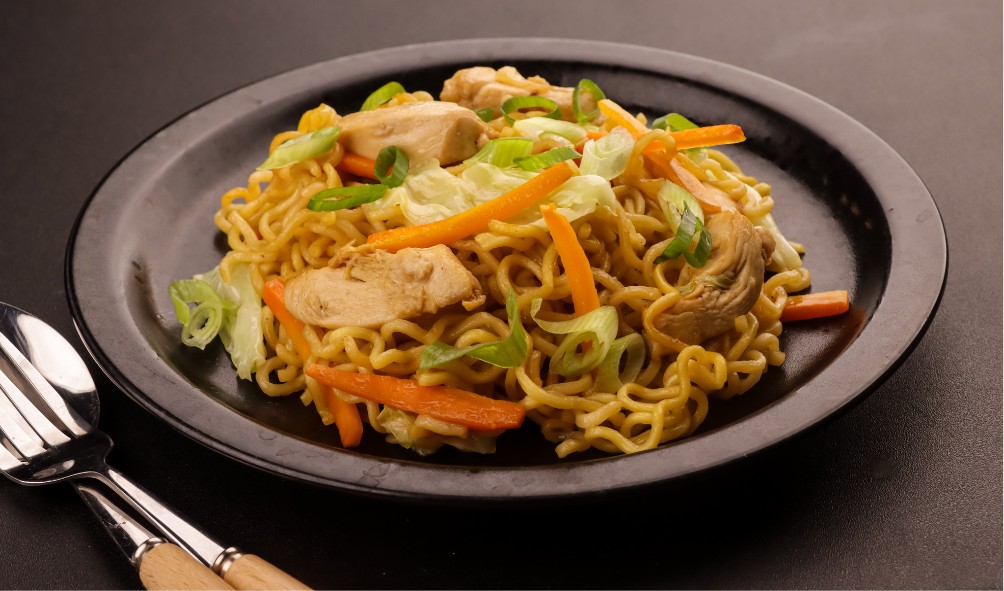
Traditionally served during birthdays and festive occasions, pancit symbolizes long life and good fortune. It’s not just a dish; it’s a centerpiece for gatherings.
Whether you’re enjoying it at a family reunion or a casual dinner, every bite offers a taste of Filipino hospitality and culture. Don’t miss out on this delicious experience!
Halo-Halo: A Refreshing Dessert Experience
Have you ever tried a dessert that’s as colorful as it's delicious? Halo-halo is a Filipino favorite that perfectly captures the essence of summer. This delightful treat layers crushed ice, sweet beans, jellies, and fruits, topped with creamy leche flan and ube ice cream.
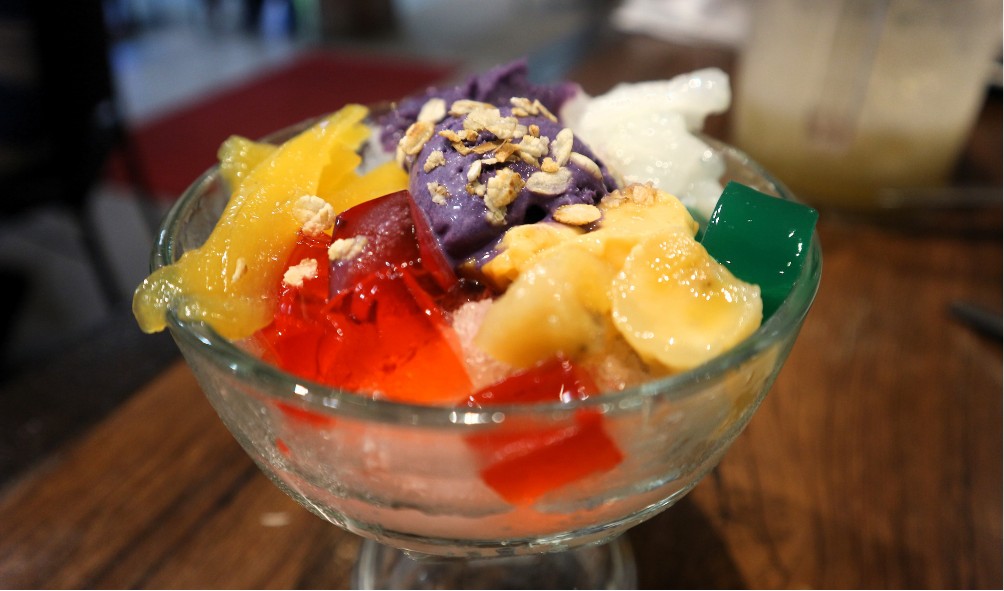
Each spoonful offers a refreshing burst of flavors and textures, making it a perfect way to cool off on a hot day. You’ll love how the sweet and creamy elements blend together, creating a unique experience in every bite.
As you dig deeper, you’ll uncover surprises like sweetened saba bananas and young coconut. Don’t forget to mix it all together before indulging! Halo-halo is more than just a dessert; it’s a celebration of Filipino culture.
Lumpia: Filipino Spring Rolls
Lumpia are a beloved staple in Filipino cuisine, and once you take a bite, you'll understand why. These crispy spring rolls are filled with a delightful mixture of ground meat, vegetables, and spices, all wrapped in a thin pastry shell.
You can find both fresh and fried versions, each offering a unique texture and flavor. Typically served as an appetizer or snack, lumpia are perfect for dipping in sweet and sour sauce or vinegar.
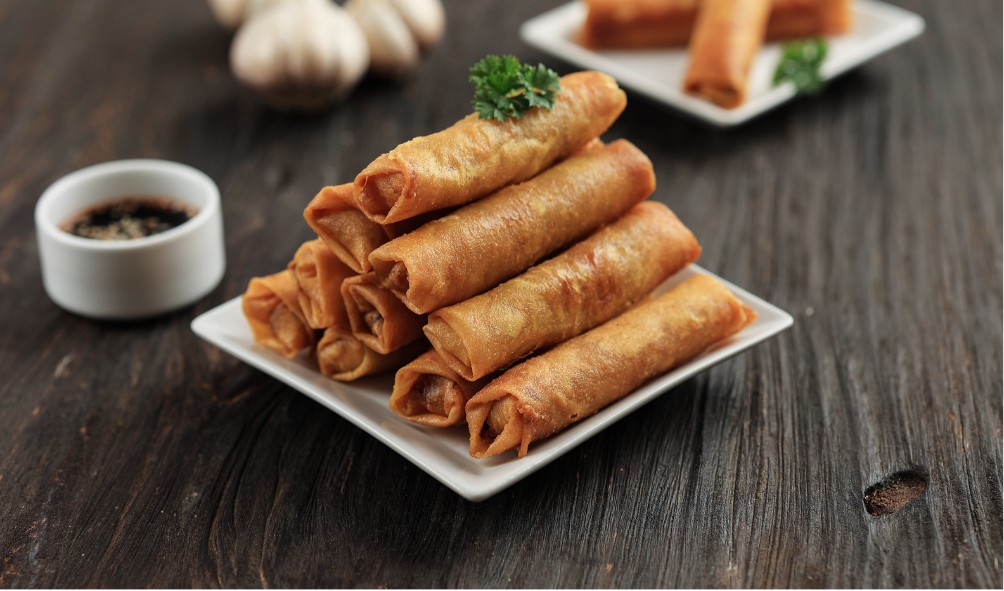
Whether you’re at a festive gathering or enjoying a simple family meal, these rolls elevate the occasion. Making them from scratch can be a fun experience, allowing you to customize the filling to suit your taste.
Don’t miss out on this delicious Filipino treat!
Bicol Express: A Spicy Coconut Dish
Bicol Express is a must-try dish for anyone seeking a taste of authentic Filipino cuisine. This spicy delight originates from the Bicol region, known for its love of heat and coconut.
You'll savor tender pork simmered in a rich sauce made from coconut milk, shrimp paste, and an array of chili peppers. The combination of creaminess and spice creates a unique flavor explosion that’ll excite your taste buds.
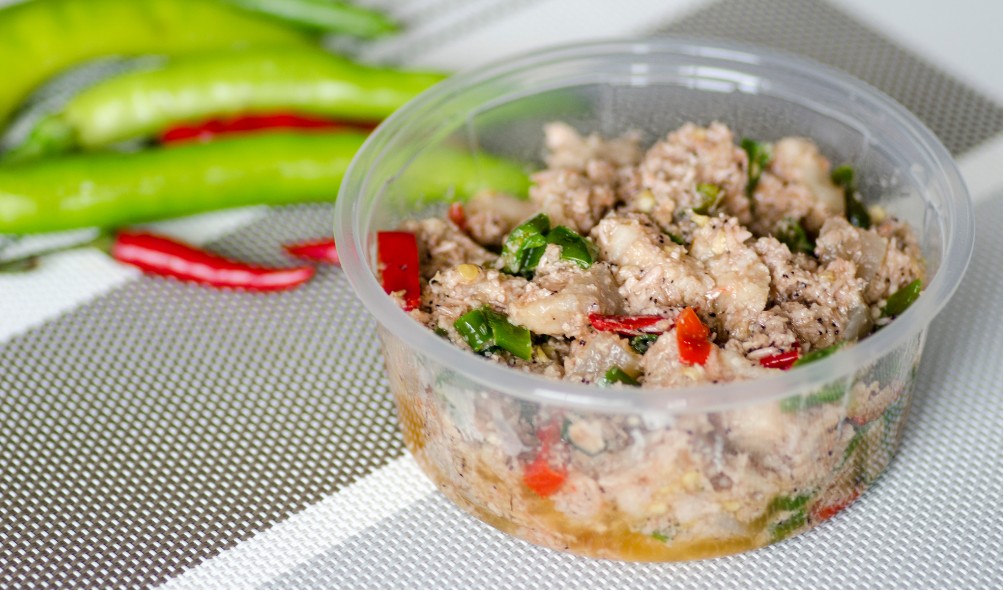
Often served with steamed rice, Bicol Express offers a comforting experience that perfectly balances savory and spicy notes. Whether you enjoy it at a local eatery or whip it up at home, this dish showcases the bold flavors that define Filipino cuisine.
Don’t miss out on this culinary adventure!
Puto: Steamed Rice Cakes
If you’re looking for a delightful addition to your Filipino feast, Puto, or steamed rice cakes, is a perfect choice. These fluffy, slightly sweet treats are made from rice flour, sugar, and coconut milk, resulting in a light and airy texture.
You can enjoy Puto as a standalone snack or pair it with savory dishes like dinuguan, a rich pork blood stew.
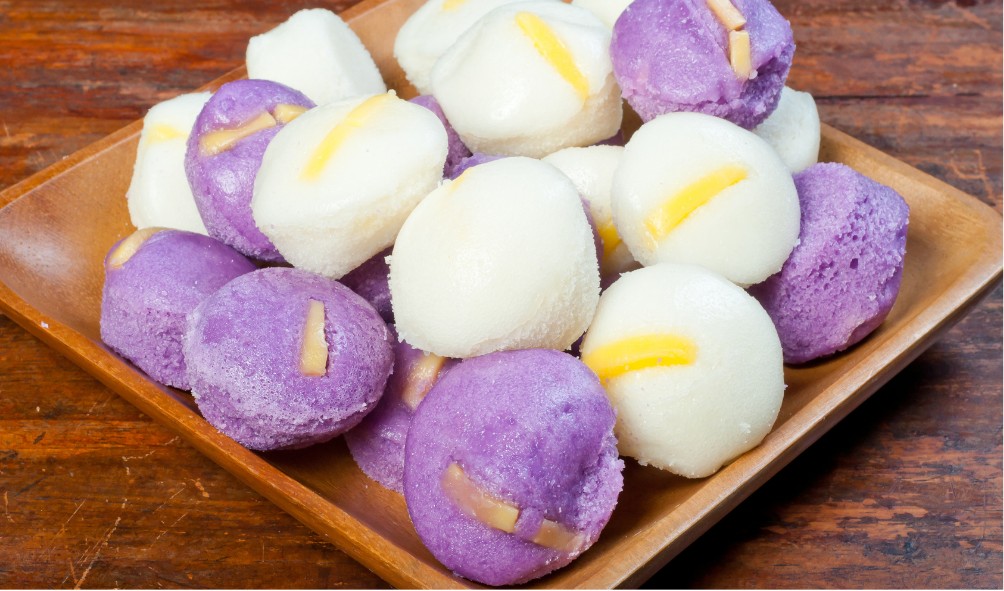
Puto comes in various flavors, from classic white to vibrant colors infused with ingredients like pandan or ube. It’s often topped with cheese or salted egg, adding a savory contrast to its sweetness.
Whether you’re hosting a gathering or simply craving something tasty, Puto brings an authentic Filipino touch to any table. Don't miss out on this delightful treat!
Bibingka: Traditional Rice Cake With Coconut
Bibingka is a beloved traditional rice cake that captures the essence of Filipino festivities, especially during Christmas.
You'll find it served warm, often topped with a generous pat of butter, grated coconut, and sometimes even cheese or salted egg. The cake's unique texture comes from rice flour and coconut milk, giving it a delightful, rich flavor.
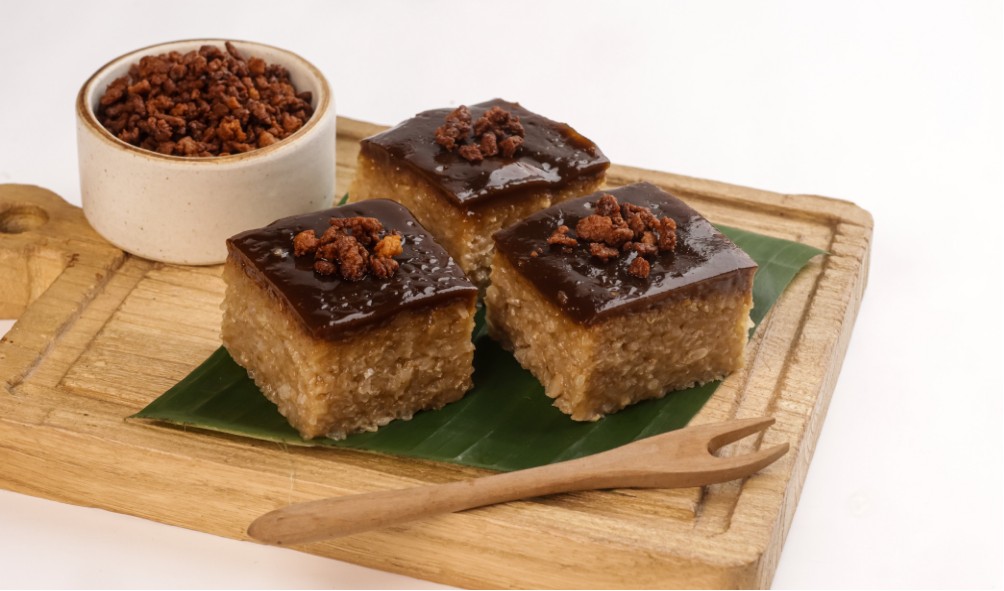
It’s traditionally baked in clay pots lined with banana leaves, which adds an aromatic touch. As you take a bite, the soft, slightly chewy interior contrasts beautifully with the crispy edges.
Whether you're celebrating the holidays or just indulging in a sweet treat, bibingka is a must-try. It's more than just food; it's a piece of Filipino heritage that brings people together.
Conclusion
In exploring authentic Filipino flavors, you’ve discovered a vibrant tapestry of tastes reflecting the country’s rich heritage. Each dish, from the savory adobo to the comforting sinigang, offers a unique experience that invites you to celebrate Filipino culture. Don’t just stop here—try making these dishes at home or seek them out at local restaurants. Embrace the warmth and hospitality that these flavors represent, and let your taste buds embark on this delicious journey.
Statistics
- Surveys reveal that 70% of international food tourists visiting the Philippines seek out authentic Filipino dishes, underscoring the global interest in the country’s culinary heritage.
- Filipino street food culture contributes to an estimated 40% of daily food consumption in urban areas, emphasizing the accessibility and appeal of traditional snacks such as balut and kwek-kwek.
- Studies show that Filipino fusion cuisine, which integrates traditional flavors with modern techniques, has grown by 25% in popularity over the past five years, indicating a dynamic culinary evolution while maintaining authenticity.
- Research indicates that 65% of Filipino food enthusiasts prefer meals that balance sour, salty, and sweet tastes, a hallmark of classic Filipino flavor profiles like those found in kinilaw and pancit.
External Links
- National Geographic on Filipino Food explores the cultural roots and evolving practices of Filipino cooking traditions.
- Serious Eats: Filipino Cuisine Explained provides an in-depth look at the ingredients and cooking methods that define Filipino flavors.
- Kawaling Pinoy provides detailed recipes and cooking tips that highlight the rich and diverse tastes of Filipino cuisine.
- Panlasang Pinoy offers a wide collection of authentic Filipino recipes, perfect for those interested in traditional cooking techniques and flavors.
How To Cook Lechon Kawali for Crispy Pork Belly
Lechon Kawali is a popular Filipino crispy pork belly dish that requires careful preparation for the perfect crunch. Begin by boiling pork belly with garlic, bay leaves, and peppercorns until tender. After boiling, pat the pork dry and refrigerate to remove excess moisture. Deep-fry the pork in hot oil until the skin crisps up beautifully. Slice into bite-sized pieces and serve with a dipping sauce made from vinegar, soy sauce, and chili. The combination of tender meat and crispy skin embodies authentic Filipino flavors and textures.
Want to travel with more time and freedom?
The freedom to travel! Discover free & unique homestays around the world, in exchange for caring for adorable pets.
https://escapetomexiconow.com/ths
Recommended Resources:
Your next chapter could start anywhere. From the vibrant streets of Mexico to the laid-back beauty of the Philippines, explore destinations where you can truly live your dream.
https://escapetomexiconow.com/
https://escapetomexiconow.info/
https://escapetopanamanow.info/
https://escapetothephilippinesnow.com/
YouTube Channel:
Want a closer look at life in Mexico? Subscribe to our YouTube channel for insider tips, travel guides, and inspiring stories that make planning your escape easier and more exciting.
https://www.youtube.com/@EscapeToMexicoNow