When you think about Zamboanga City, its rich history might not be the first thing that comes to mind. Yet, this vibrant urban center has seen the influence of indigenous tribes, Spanish colonization, and American occupation. Each chapter of its past has shaped the city’s identity. But what challenges did its people face during World War II, and how did they overcome them? The answers reveal a resilience that’s worth exploring.
Early Settlements and Indigenous Tribes
Zamboanga City's history begins with its early settlements, where various indigenous tribes, such as the Subanen and Sama-Bajau, thrived in the region.
You'd find these tribes engaging in fishing, farming, and trade, showcasing their resourcefulness and deep connection to the land. The Subanen, known for their skilled craftsmanship, crafted intricate bamboo structures and woven goods.

Meanwhile, the Sama-Bajau, often called "sea nomads," navigated the coastal waters, relying on their boats for sustenance.
Their vibrant culture, rich traditions, and spiritual beliefs contributed to the area's unique identity.
As you explore Zamboanga City today, you'll still see traces of these indigenous influences, reminding you of the resilience and history of these early communities that shaped the region long before colonization.
Spanish Colonization and the Establishment of Fort Pilar
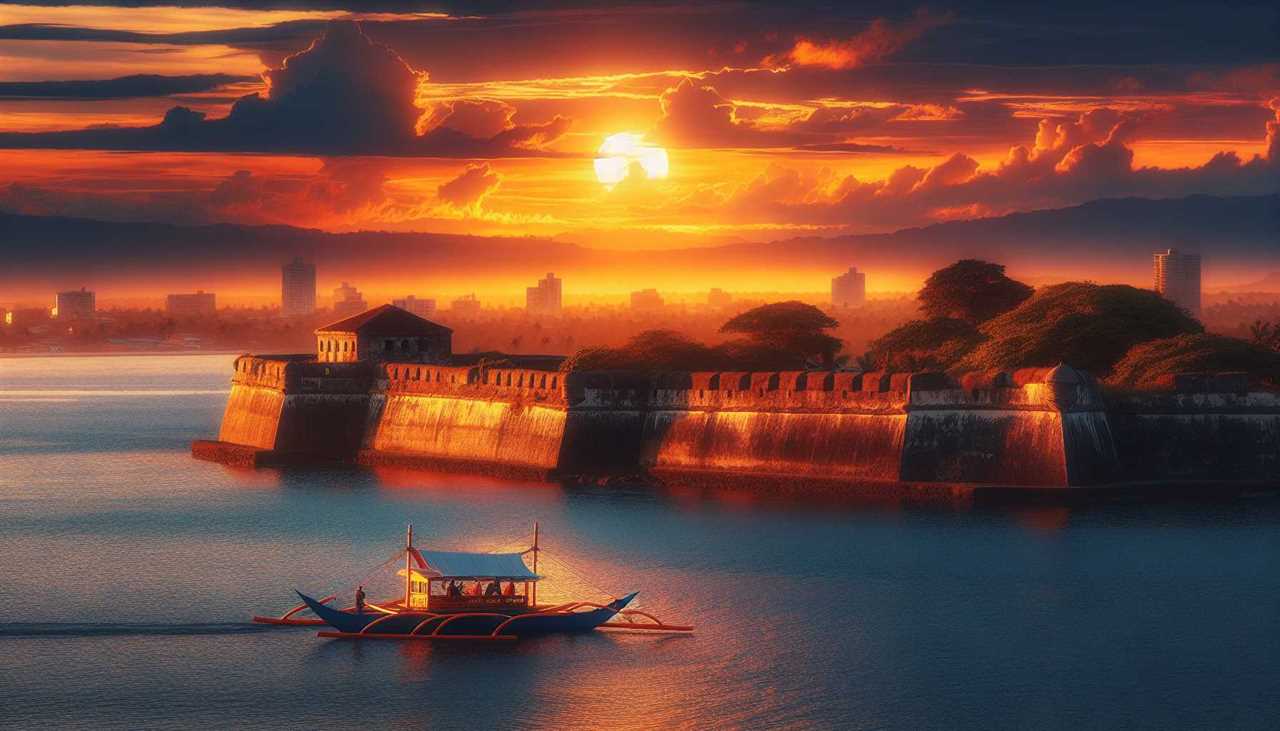
As Spanish explorers arrived in the late 16th century, they quickly recognized the strategic importance of the region, leading to the establishment of Fort Pilar in 1635.
This fort was constructed to protect Spanish interests and defend against pirate attacks and rival forces. You can imagine the bustling activity around the fort, as soldiers and settlers worked together to secure the area.
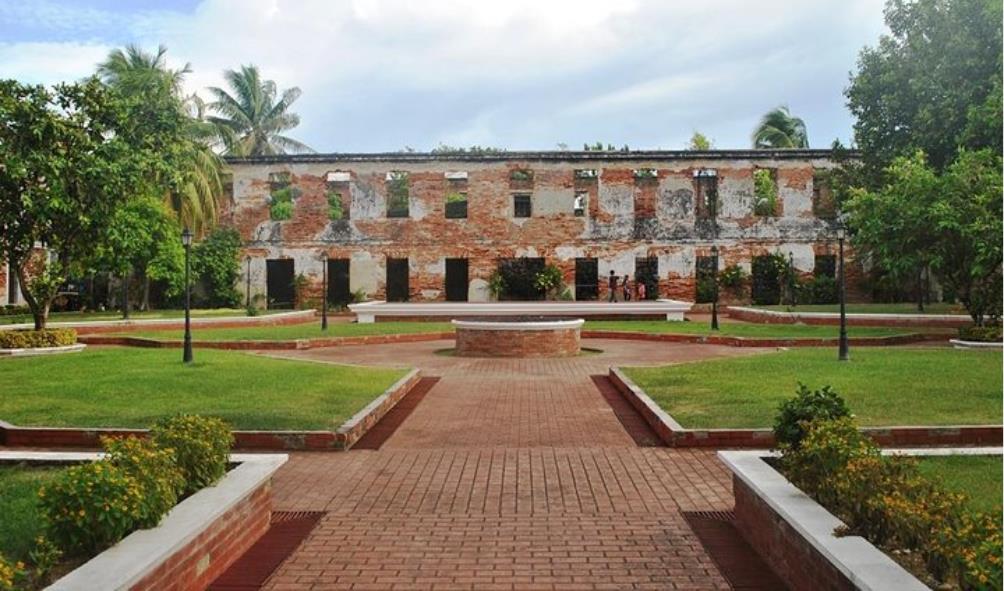
The fort not only served a military purpose but also symbolized Spanish authority in the region. It became a crucial point for the spread of Christianity, as missionaries sought to convert local tribes.
Over time, Fort Pilar developed into a focal point for governance and trade, shaping the future of Zamboanga City and its surrounding areas.
The Rise of Zamboanga as a Trading Hub
With the establishment of Fort Pilar, the region began to flourish as a vibrant trading hub in the late 17th century.
You'd notice how merchants flocked to Zamboanga, drawn by its strategic location. The port became a bustling center for trade, connecting various cultures and goods.
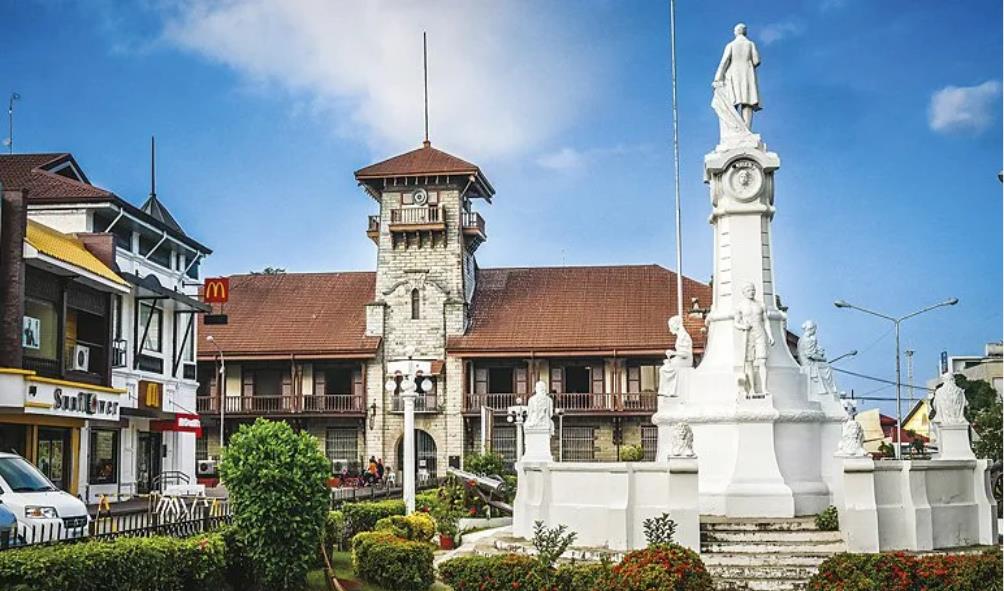
You’d find spices, textiles, and precious metals exchanged among local and foreign traders. The Chinese, in particular, played a significant role, establishing businesses that thrived amidst the growing economy.
As the demand for products increased, Zamboanga evolved into a melting pot of commerce.
You could see how this exchange not only bolstered the region's wealth but also enriched its cultural landscape, laying the groundwork for its future as a major trading post in Southeast Asia.
The American Occupation and Its Impact
The flourishing trade in Zamboanga caught the attention of the United States after the Spanish-American War in 1898. The Americans aimed to establish control over the region, leading to significant changes.
You’d notice improvements in infrastructure, including roads and schools, which enhanced communication and education. American influence introduced new governance and legal systems, impacting local customs and practices.
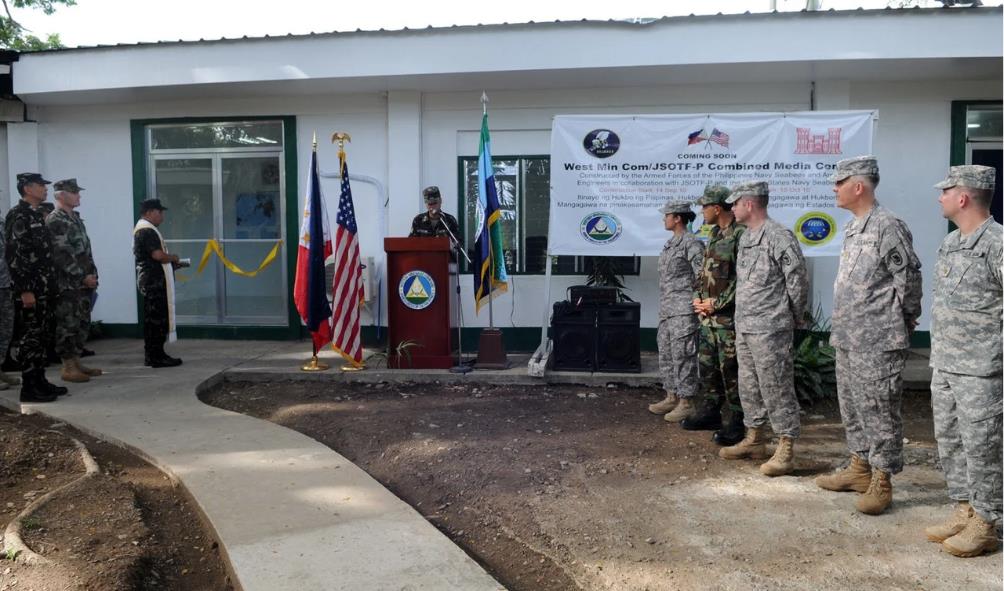
While some welcomed these changes, others resisted, leading to tensions and conflicts, particularly among local leaders and revolutionary groups. The economy began shifting as American businesses entered the market, altering trade dynamics.
As you explore this period, you'll see how these developments laid the groundwork for Zamboanga's future, blending local traditions with foreign influences that shaped the city’s identity.
World War II: Occupation and Liberation
World War II brought significant upheaval to Zamboanga City, marking a period of occupation and eventual liberation. In 1941, the Japanese forces invaded, and you’d witness a drastic change in daily life.
The once-thriving city faced food shortages, curfews, and military presence everywhere. Despite the harsh conditions, the resilient spirit of the locals shone through as they organized resistance movements.

By 1945, American troops began their campaign to reclaim the city, and you could feel the tension build as battles raged. Finally, on March 10, Zamboanga was liberated, but not without significant destruction.
The struggle for freedom left indelible scars on the community, but it also united the people in their shared hope for a brighter future.
Post-War Reconstruction and Development
After Zamboanga City's liberation in 1945, residents faced the daunting task of rebuilding their lives and infrastructure. You witnessed how communities banded together, clearing debris and restoring homes.
Local leaders initiated efforts to rehabilitate essential services, like water and electricity, which had been severely damaged during the war. Schools reopened, and you saw a renewed emphasis on education as a means to uplift the community.
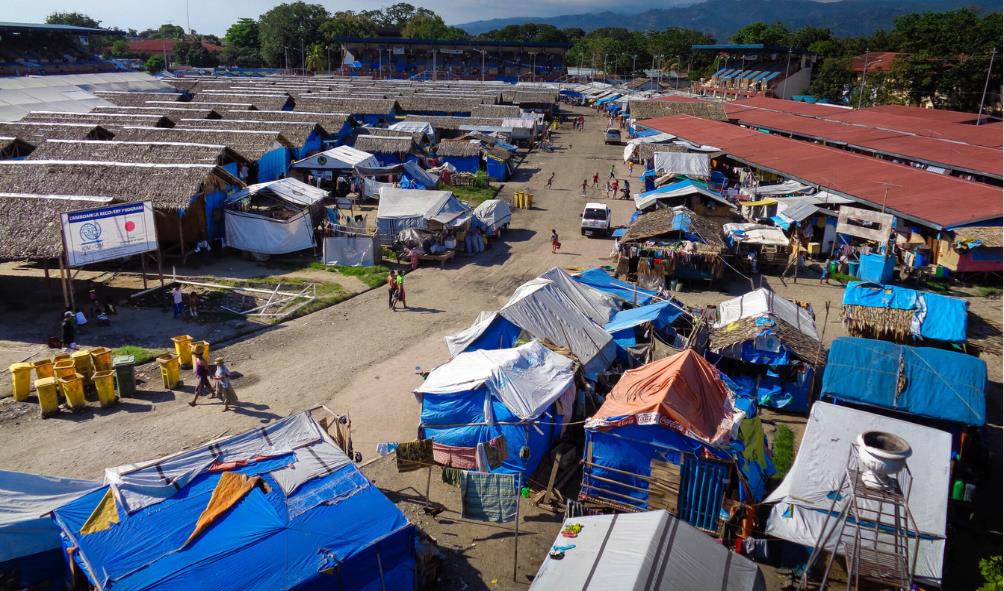
The government provided support, facilitating the establishment of new businesses and encouraging agricultural development. You experienced the spirit of resilience as people worked tirelessly to bring back the vibrancy of their city.
Through countless challenges, Zamboanga City slowly transformed, laying the groundwork for a brighter future, united by hope and determination.
The Growth of Zamboanga City in the Late 20th Century
As Zamboanga City rebuilt post-war, it entered a period of significant growth during the late 20th century.
You’d witness rapid urbanization as infrastructure improved, with roads, schools, and hospitals sprouting up to meet rising demands.
The local economy thrived, fueled by trade and commerce, as well as the fishing and agriculture sectors.

Investments poured in, creating job opportunities and attracting migrants seeking better lives.
You’d notice the bustling markets and the vibrant business scene, showcasing the city’s entrepreneurial spirit.
The local government focused on enhancing public services, ensuring residents benefited from this growth.
As a result, Zamboanga City established itself as a regional hub, solidifying its importance in Mindanao and setting the stage for future developments.
Cultural Diversity and the Influence of Ethnic Groups
Zamboanga City’s rich cultural tapestry is woven from the threads of various ethnic groups, each contributing unique traditions and perspectives. You’ll find influences from the Chavacano, Tausug, and Subanen, among others, creating a vibrant mosaic of languages, festivals, and crafts.
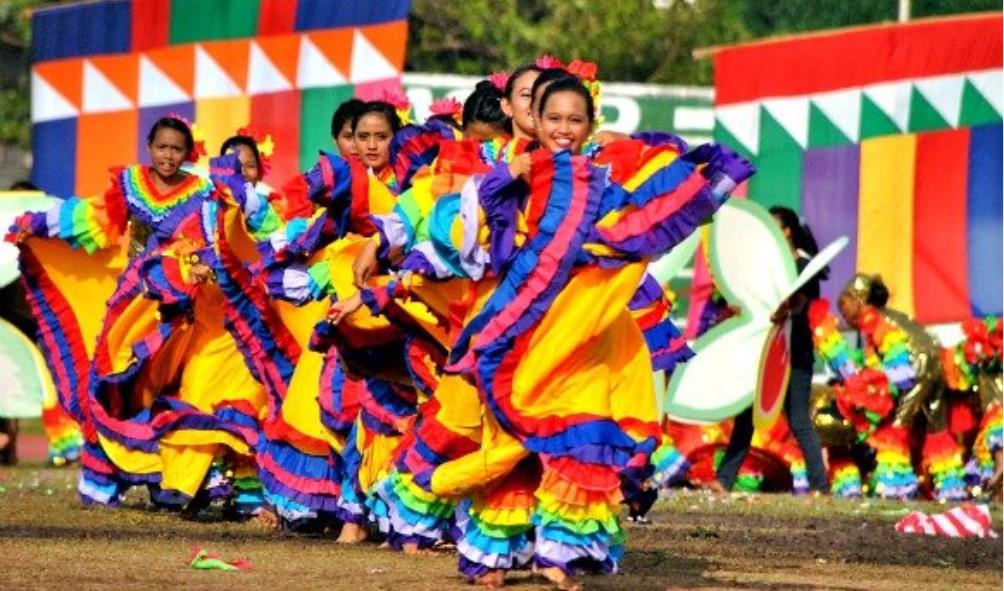
The Chavacano language, for instance, is a testament to the city’s colonial history, blending Spanish and local dialects. Meanwhile, the Tausug celebrate their rich heritage through colorful festivals and traditional dances.
As you explore the city, you’ll notice various culinary delights reflecting these diverse backgrounds, from savory seafood dishes to sweet delicacies. This blend of cultures fosters an atmosphere of tolerance and appreciation, allowing you to experience a community that embraces its differences while celebrating its shared identity.
Contemporary Challenges and Resilience
While the vibrant culture of Zamboanga City captivates visitors, it also faces contemporary challenges that test its resilience. You might notice issues like urbanization, which strains infrastructure and resources. Overpopulation contributes to traffic congestion and pollution, making daily life difficult for residents.
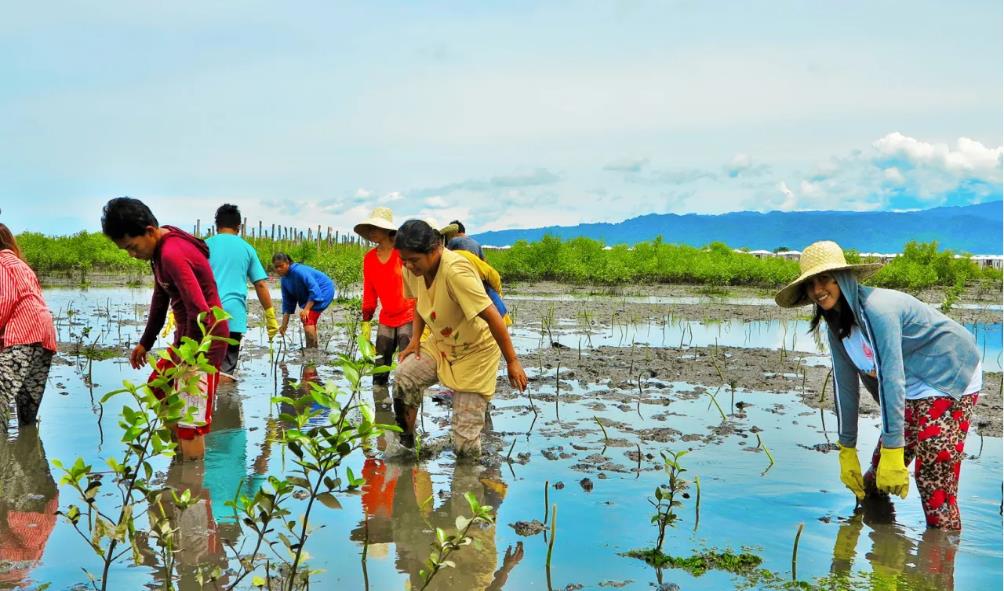
Moreover, the city grapples with economic disparities, leaving some communities struggling to access basic services. Natural disasters, such as typhoons, further exacerbate these challenges, causing damage and displacement.
Despite these hurdles, the people of Zamboanga City show remarkable tenacity. Community initiatives and local government efforts focus on sustainable development and disaster preparedness. By embracing unity and resourcefulness, the citizens strive to overcome obstacles and build a brighter future, showcasing their enduring spirit and commitment to resilience.
Zamboanga City Today: A Reflection of Its History
Reflecting its rich history, Zamboanga City today stands as a vibrant tapestry of cultures and traditions, shaped by centuries of influence from indigenous peoples, Spanish colonizers, and various immigrant communities.
You’ll notice the blend of customs in local festivals, cuisine, and the diverse languages spoken throughout the city. The bustling markets and colorful street life showcase a fusion of the old and new, making it a unique urban experience.

As you stroll through its streets, you can't help but feel the spirit of resilience that defines its people. Modern developments harmonize with historical landmarks, reminding you of the city's storied past while embracing a dynamic future.
Zamboanga City remains a living testament to its enduring legacy.
Conclusion
Zamboanga City’s history is a testament to its people’s resilience and adaptability. From its early indigenous roots to the influences of colonization and war, you can see how each chapter shaped the vibrant culture and identity you experience today. As you explore the city, you’ll feel the echoes of its diverse past and the strength of its community. Zamboanga stands not just as a historical landmark but as a thriving urban center that embraces both tradition and modernity.
Statistics
- The city played a significant role in the defense against pirates during the Spanish colonial period, leading to the construction of multiple forts, including Fort Pilar.
- During World War II, Zamboanga City was occupied by Japanese forces for approximately three years, from 1942 to 1945.
- In recent years, Zamboanga City's economy has seen a growth rate of approximately 6% annually, driven by trade, tourism, and infrastructure development.
- Zamboanga City is home to over 30 different ethnic groups, each contributing to the cultural diversity and traditions of the region.
External Links
- National Commission for Culture and the Arts: Zamboanga Hermosa Festival - A resource detailing the traditions and activities associated with the annual festival.
- SunStar: History of Zamboanga City - This article provides a chronological account of significant events that shaped Zamboanga City's history.
- Philstar: Zamboanga Hermosa Festival - An article discussing the cultural significance of the Zamboanga Hermosa Festival and its impact on local heritage.
- Official Zamboanga City Government Website - This site provides comprehensive information about the city's history, culture, and current events
Plan the perfect group trip, your way.
Get an instant personalized itinerary. We handle logistics, payments, and provide a dedicated itinerary, while local experts fine-tune every detail. Enjoy full freedom—without the stress of organizing it all.
https://escapetomexiconow.com/tourhero
Recommended Resources:
Discover where freedom, adventure, and opportunity await you.
https://escapetomexiconow.com/
https://escapetomexiconow.info/
https://escapetopanamanow.info/
https://escapetothephilippinesnow.com/
YouTube Channel:
Your next adventure starts here! Join us on YouTube for destination tours, insider advice, and everything you need to make your escape unforgettable.
https://www.youtube.com/@EscapeToMexicoNow