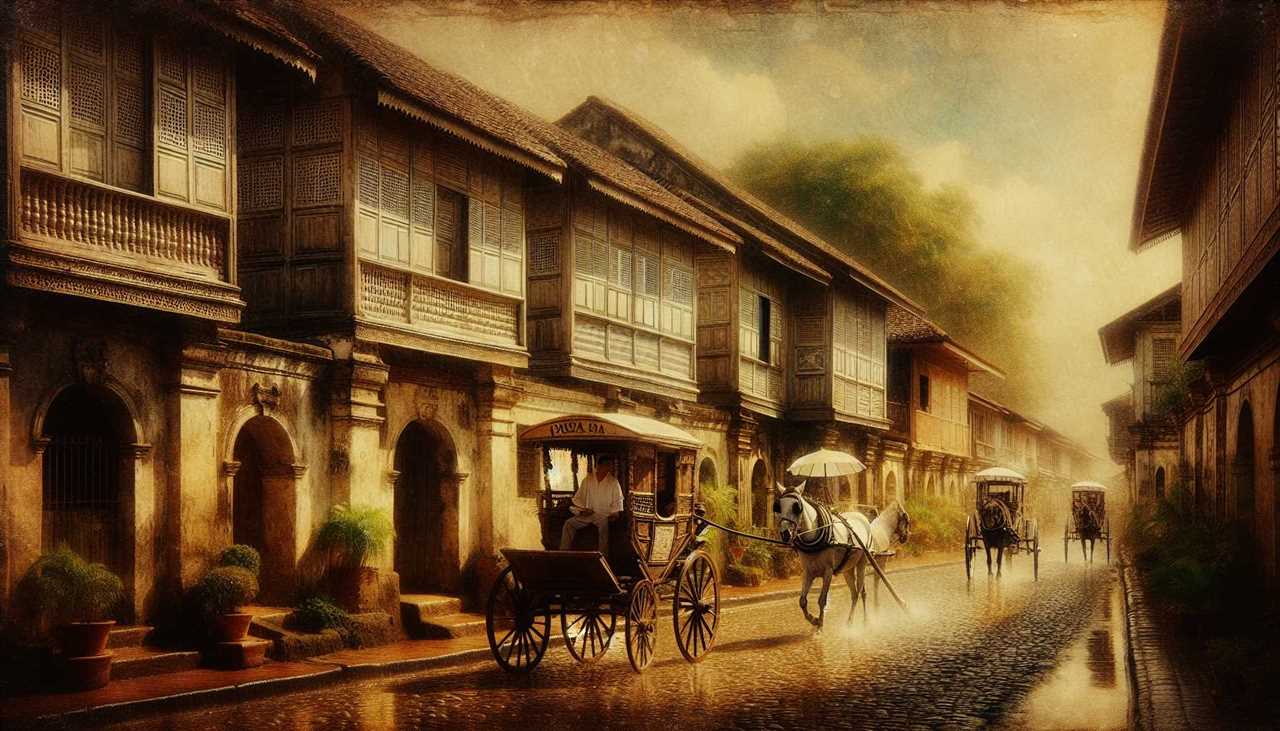
If you're curious about Vigan City, you'll find a place steeped in history and culture. This UNESCO World Heritage Site has roots that stretch back to pre-colonial times, flourishing as a trading hub. As you explore its past, you'll uncover the blend of indigenous and Spanish influences that shaped its unique identity. What drove this transformation, and how has it impacted the city's modern significance? The answers might surprise you.
The Origins of Vigan City
Although Vigan City is now known for its well-preserved Spanish colonial architecture, its origins trace back to the pre-colonial period when it was a bustling trading post.
You'd find various traders exchanging goods like silk, spices, and pottery, which attracted merchants from different regions. The area's strategic location along the West Philippine Sea made it a vital hub for commerce.
As you explore Vigan's history, you'll discover that its diverse cultural influences stem from these early trade interactions. Indigenous groups coexisted with traders, leading to a rich blend of traditions.
This vibrant mix laid the groundwork for Vigan's development, shaping its identity long before Spanish colonizers arrived to leave their mark on the city.
Spanish Colonial Influence
With the arrival of Spanish colonizers in the late 16th century, Vigan City underwent a significant transformation that reshaped its landscape and culture.
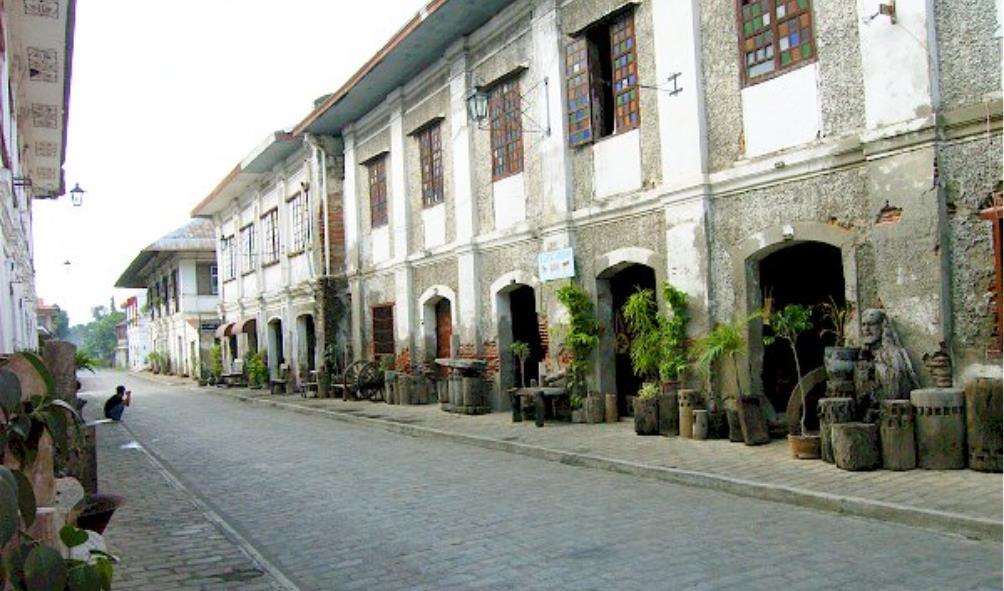
You’ll notice the distinct architecture characterized by the use of bricks, wood, and tiles, influenced heavily by Spanish designs. The Spanish introduced Catholicism, which became central to the community’s identity; churches and convents sprang up, showcasing impressive Baroque styles.
Additionally, the Spanish established a new social order, affecting local governance and education. You can see the fusion of indigenous and Spanish traditions in festivals, cuisine, and daily life.
This era laid the foundation for Vigan’s unique cultural heritage, blending European and Filipino elements into a vibrant tapestry that’s still celebrated today.
The Rise of Trade and Commerce
As Vigan City continued to evolve under Spanish rule, trade and commerce flourished, transforming it into a vibrant hub of economic activity.
You’d notice bustling markets where local artisans showcased their crafts, from textiles to furniture, attracting both locals and travelers.
The city’s strategic location along the trade routes enabled merchants to exchange goods like sugar, tobacco, and rice.
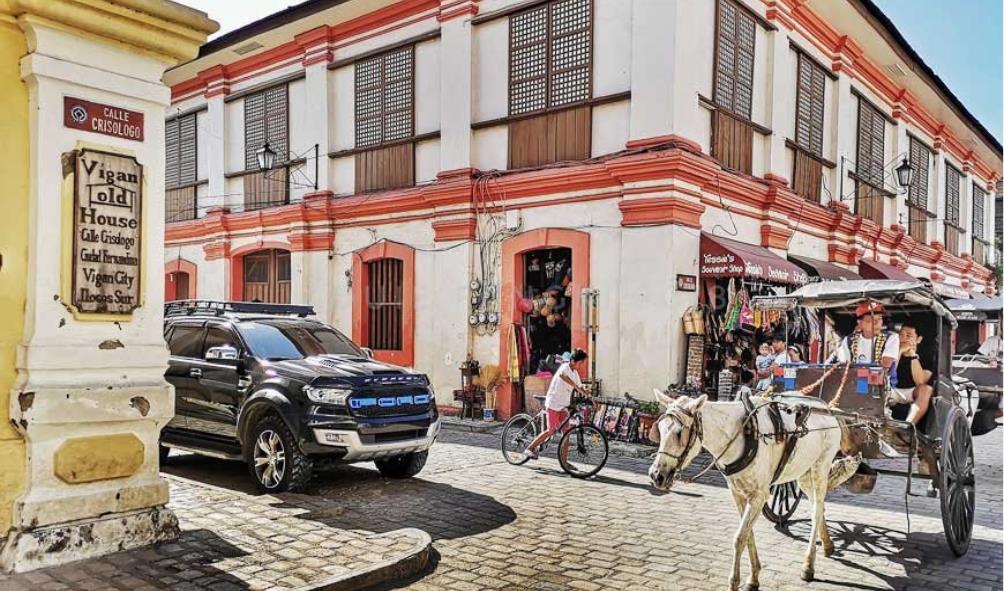
You'd witness the influx of Chinese traders, who played a crucial role in Vigan's economic landscape, introducing new products and ideas.
As the economy thrived, the population grew, leading to a dynamic cultural exchange.
You can appreciate how these developments laid the foundation for Vigan’s rich commercial legacy, making it not just a center of trade but a melting pot of diverse influences.
Architectural Heritage
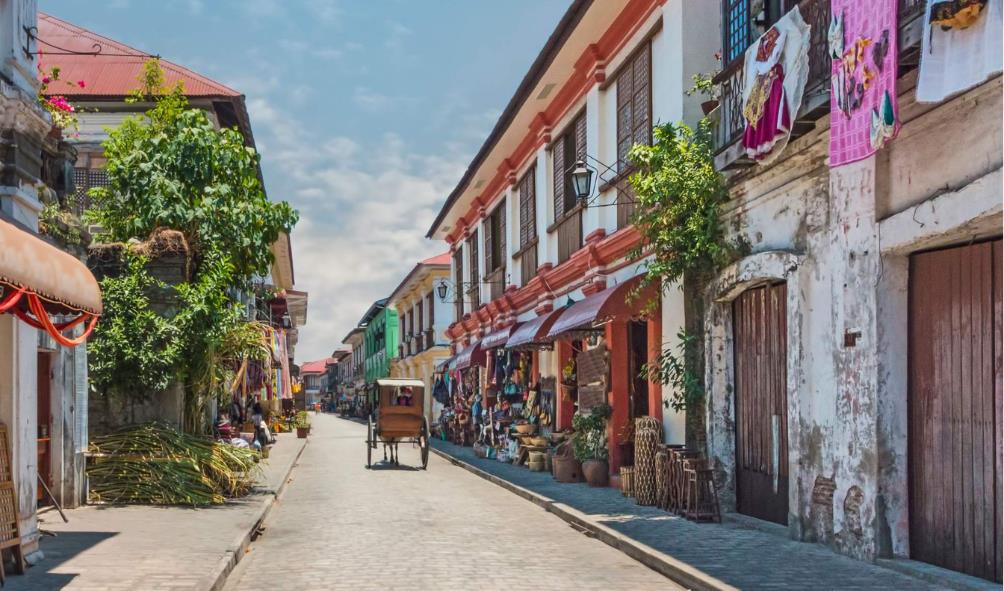
Vigan City's architectural heritage stands as a testament to its rich history and cultural influences, showcasing a unique blend of Spanish colonial and indigenous designs.
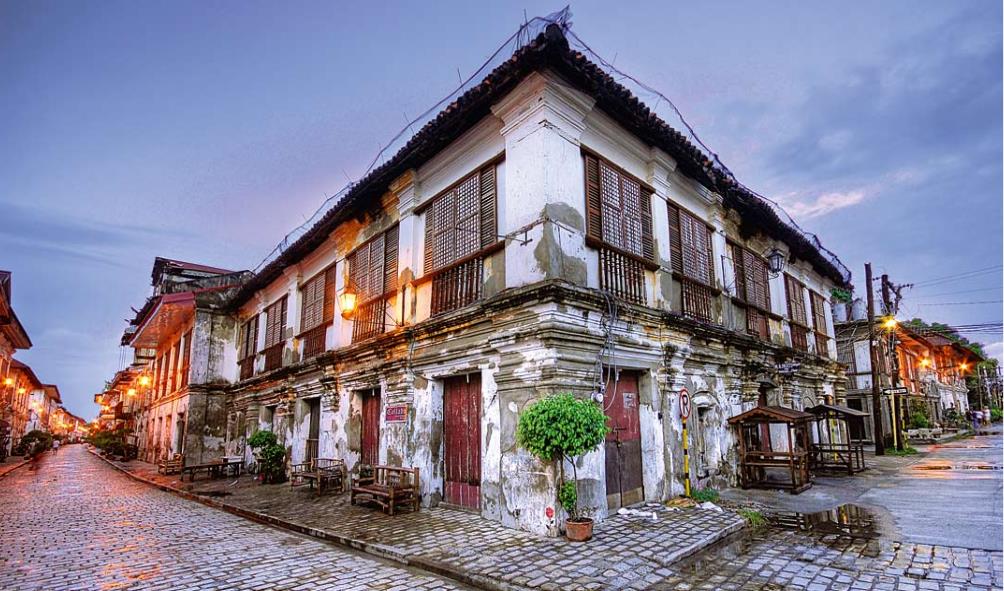
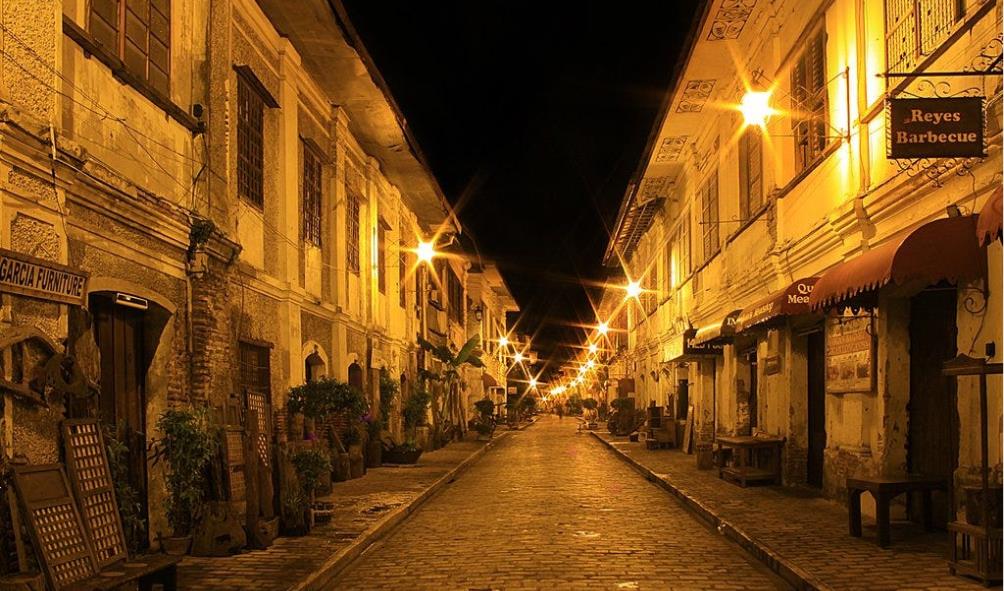
As you stroll through its cobblestone streets, you'll notice well-preserved structures that reflect the city’s storied past. The iconic barroco-style buildings, with their intricate woodwork and ornate facades, tell tales of a time when Vigan flourished as a trade hub.
You can't miss the impressive Vigan Cathedral, which features a stunning blend of Gothic and Baroque styles. Each structure contributes to the city's charm, allowing you to feel the spirit of its historical significance.
This architectural marvel not only attracts visitors but also fosters a deep appreciation for Vigan's cultural identity and heritage.
Preservation Efforts
The preservation of Vigan City's architectural heritage is a priority for both local authorities and community members, ensuring that future generations can appreciate its historical significance.
You’ll find that various initiatives, like restoration projects and cultural events, actively engage locals in safeguarding their unique environment. The city government collaborates with heritage organizations to enforce preservation laws, promoting awareness about the importance of maintaining traditional structures.
You can also participate in community workshops that teach restoration techniques, fostering a sense of responsibility among residents. Moreover, the involvement of schools in educational programs cultivates a deeper understanding of Vigan’s rich history.
Together, these efforts create a vibrant atmosphere where the past blends seamlessly with the present, encouraging a collective commitment to heritage conservation.
Modern Vigan and Its Cultural Significance
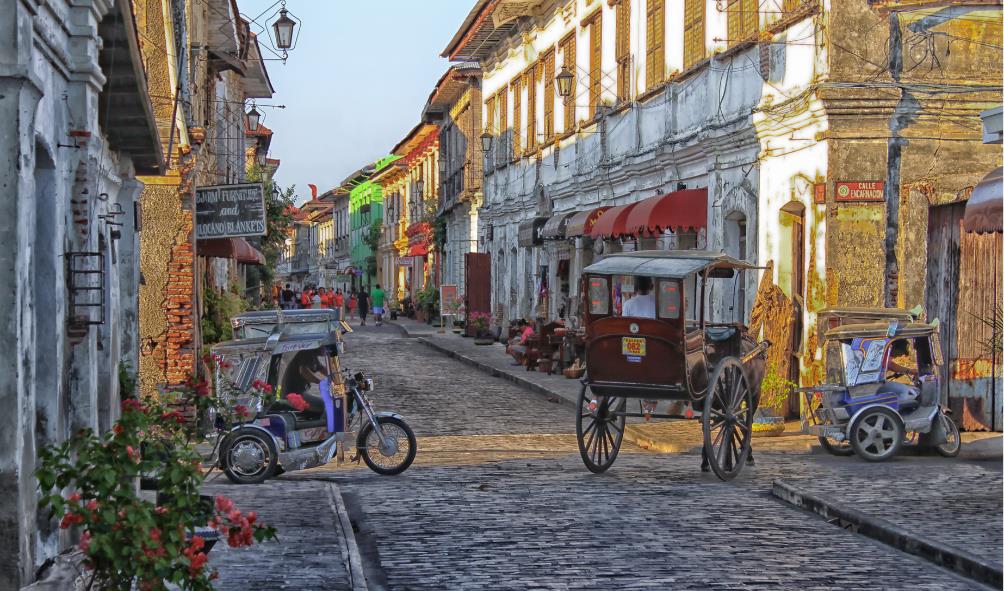
While exploring modern Vigan, you'll discover a vibrant city that beautifully marries its rich cultural heritage with contemporary life. The streets bustle with locals and tourists alike, eager to experience the blend of traditional Spanish architecture and modern amenities.
You can stroll along Calle Crisologo, where antique shops and cafes coexist, showcasing local crafts and cuisine. The annual festivals celebrate Vigan's history, drawing crowds and fostering community spirit.
As you savor the famous empanada or visit the Vigan Cathedral, you'll sense the deep-rooted pride residents have in their culture.
Modern Vigan isn't just about preserving the past; it’s about embracing the future while honoring traditions that define this UNESCO World Heritage site. It’s a city that continues to inspire and captivate.
Conclusion
In conclusion, Vigan City’s rich history and unique blend of cultures create a captivating experience for visitors. You can feel the echoes of its past in the architectural marvels and vibrant traditions that define the city today. As you explore its streets, you’ll appreciate the preservation efforts that keep its heritage alive. Vigan isn’t just a destination; it’s a living testament to resilience and cultural fusion, inviting you to embrace its story and significance.
Statistics
- Vigan's Calle Crisologo is a famous street that showcases the unique blend of Spanish, Chinese, and indigenous Filipino cultures through its architecture and cobblestone roads.
- As of the latest census, Vigan City has a population of approximately 53,000 residents, reflecting its vibrant community and cultural heritage.
- Vigan is also famous for its culinary offerings, particularly the local delicacy called "bagnet," a crispy fried pork dish that attracts both locals and tourists.
- Vigan City was founded in 1572, making it one of the oldest cities in the Philippines.
External Links
- UNESCO World Heritage Centre - Vigan: This page provides detailed information about Vigan's designation as a UNESCO World Heritage Site, including its historical significance and architectural features.
- Rappler - Vigan Longganisa Festival: This article discusses the annual Longganisa Festival in Vigan, focusing on its historical and cultural significance.
- Philstar - What Makes Vigan Longganisa Special: This piece explores the unique qualities of Vigan's longganisa and its place in the city's culinary heritage.
- Encyclopaedia Britannica - Vigan: This entry gives a concise history of Vigan, covering its founding, colonial influences, and modern-day significance.
How To Learn About Vigan's Colonial History
To gain a comprehensive understanding of Vigan's colonial history, visit local museums such as the Vigan Heritage Village and the Crisologo Museum. These establishments house artifacts, photographs, and documents that chronicle the city's past. Additionally, consider joining guided tours that focus on the historical significance of Vigan. Reading books and articles about the city's colonial period can also provide valuable context. Engaging with local historians can further enrich your knowledge and appreciation of Vigan's unique heritage.
Want to travel with more time and freedom?
The freedom to travel! Discover free & unique homestays around the world, in exchange for caring for adorable pets.
https://escapetomexiconow.com/ths
Recommended Resources:
Ready to explore life beyond borders? Check out our trusted guides to Mexico, Panama, and the Philippines — your gateways to new adventures, culture, and opportunity.
https://escapetomexiconow.com/
https://escapetomexiconow.info/
https://escapetopanamanow.info/
https://escapetothephilippinesnow.com/
YouTube Channel:
See Mexico like never before! From local culture to travel hacks, our YouTube channel brings the adventure straight to you.
https://www.youtube.com/@EscapeToMexicoNow