
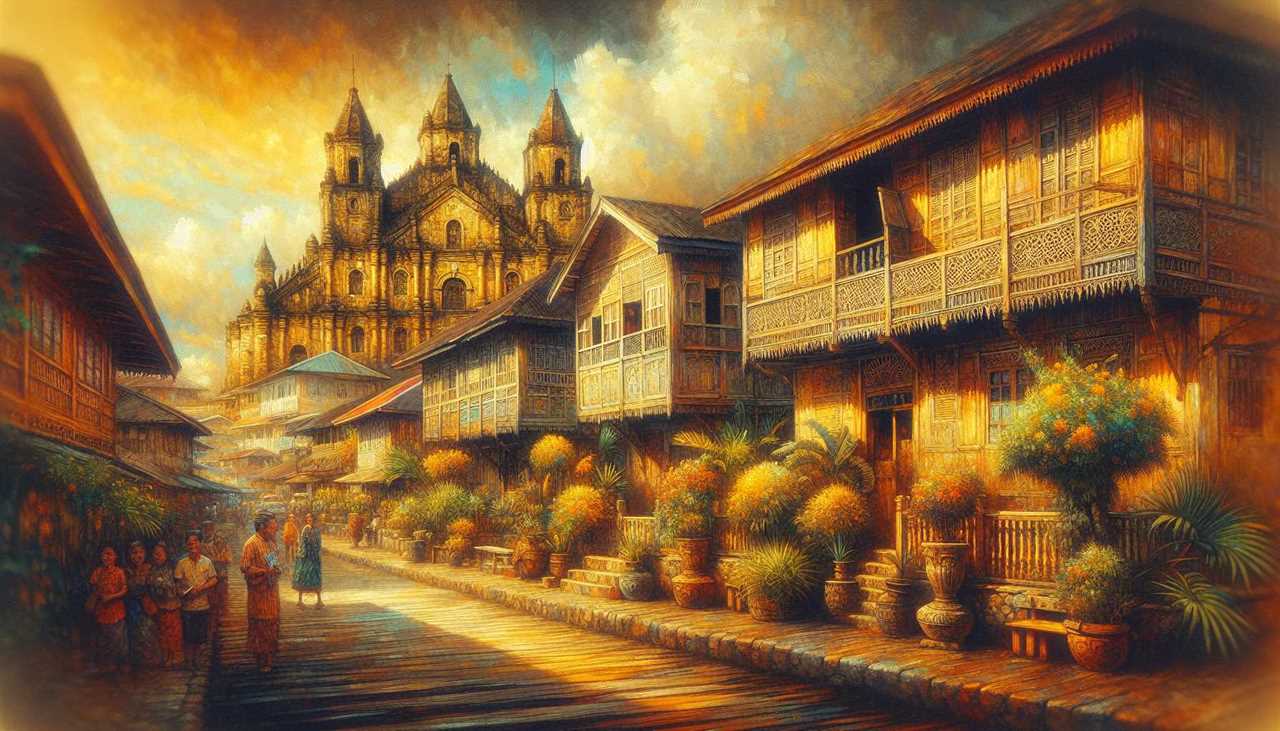
You might be surprised to learn that Tuguegarao City’s history is a tapestry woven from diverse cultures and pivotal events. From the indigenous Ibanag people to the Spanish colonizers, each era has left its mark on the city. As you explore the transitions through colonial influences and modern developments, you'll uncover the resilience and rich traditions that define Tuguegarao today. What stories and lessons might still be hidden in its past?
Early Settlement and Indigenous Cultures
As you explore the early settlement and indigenous cultures of Tuguegarao City, you'll discover a rich tapestry woven from the lives of its original inhabitants.
The Ibanag people, known for their vibrant traditions, thrived in this lush region, cultivating rice and engaging in trade. Their lives revolved around the Cagayan River, which served as a vital resource for fishing and transportation.
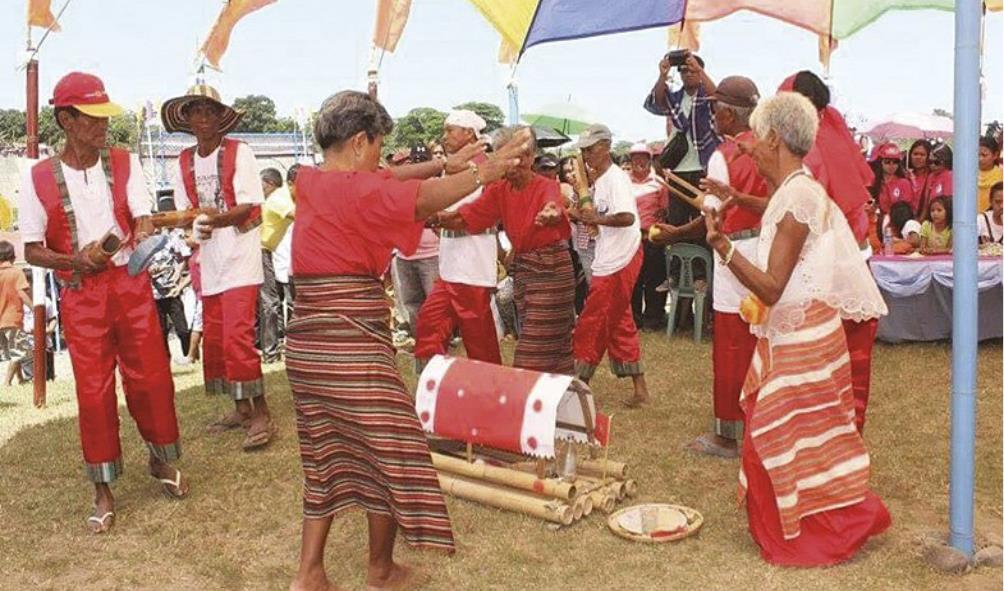
You'll find that their customs, oral histories, and community gatherings reflect a deep connection to the land. Artifacts from this era, such as pottery and tools, reveal their ingenuity and craftsmanship.
As you delve deeper, you’ll appreciate the resilience and adaptability of these indigenous cultures, which laid the foundation for Tuguegarao's identity long before outside influences emerged.
Spanish Colonial Era and Religious Influence
The arrival of Spanish colonizers in the late 16th century dramatically transformed Tuguegarao City's landscape, introducing a new social and religious framework that would shape its future.
You'd notice how the Spaniards established missions, spreading Catholicism among the local population. Churches became central to community life, with the San Gabriel Church as a prominent landmark.
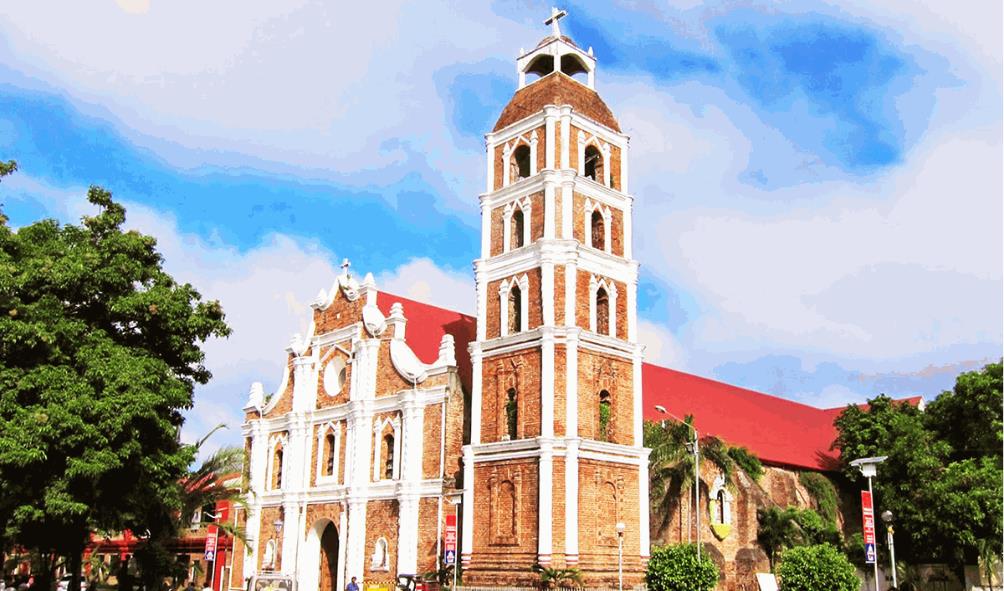
The influence of Spanish culture seeped into daily routines, from festivals to language. You’d see how religious practices are intertwined with local customs, creating a unique blend of traditions.
The Spanish also imposed new governance structures, affecting the local leadership.
As you explore Tuguegarao's history, you'll understand how this era laid the groundwork for the city's identity, deeply rooted in faith and cultural fusion.
American Period and Administrative Changes
With the end of Spanish rule in the late 19th century, Tuguegarao City entered a new era marked by American influence and significant administrative changes.
The introduction of the American educational system transformed local education, promoting English as the medium of instruction. You'd find that this shift not only improved literacy rates but also opened doors to new opportunities.
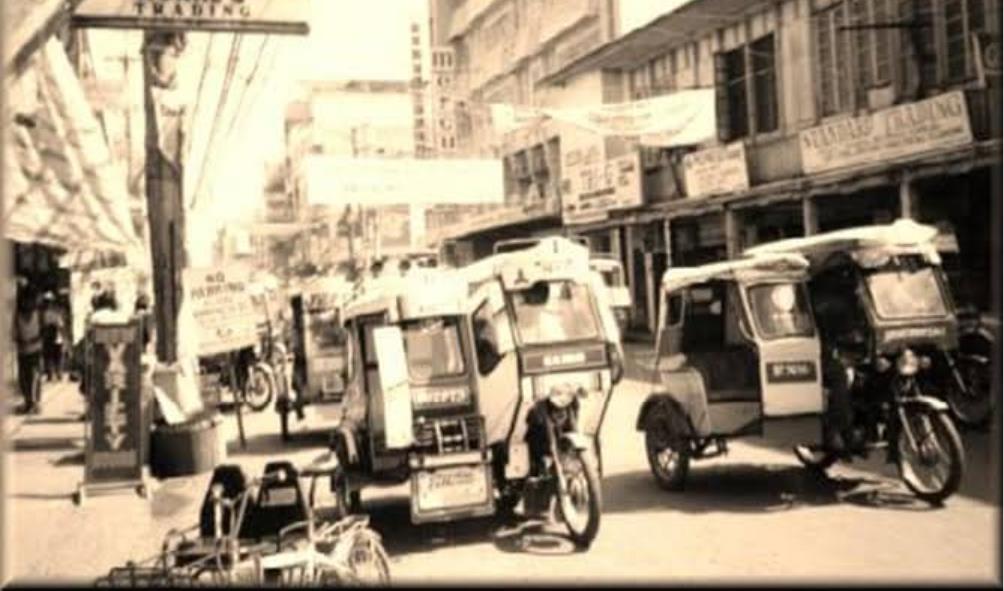
The Americans reorganized local governance, establishing a more structured municipal system. You'd see new public works, including roads and bridges, enhancing connectivity and trade.
This period also saw the establishment of health services, improving overall community welfare. As you explore this era, you’ll notice how these changes laid the groundwork for Tuguegarao’s future development and integration into a broader national framework.
World War II and Its Impact on Tuguegarao
Although Tuguegarao had begun to flourish under American influence, the outbreak of World War II in 1941 brought significant turmoil to the city. You’d witness the swift transition from peacetime prosperity to the chaos of war.
Japanese forces occupied Tuguegarao, and daily life drastically changed. Many locals faced violence, displacement, and the constant fear of bombings. As a resident, you likely saw the destruction of infrastructure and the disruption of commerce.
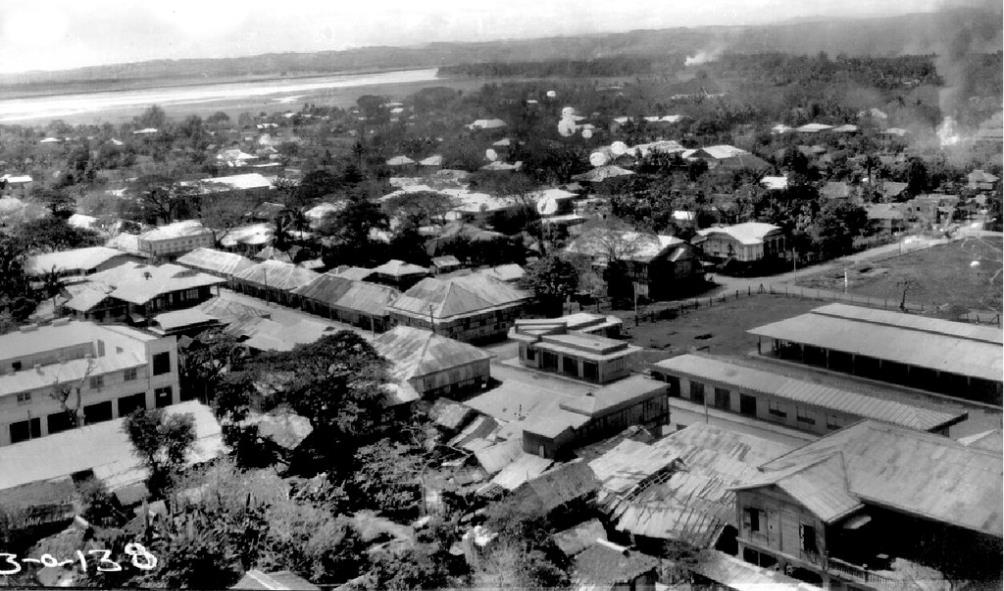
Food shortages became common, and communities banded together for survival. The war also ignited a sense of resilience among the people, as they supported each other through adversity.
Ultimately, the impact of World War II left deep scars but also forged a stronger sense of identity and unity among Tuguegarao's residents.
Modern Development and Cultural Preservation
After the devastation of World War II, Tuguegarao City began a journey of recovery and growth, embracing modern development while holding onto its rich cultural heritage.
You’ll notice the city’s infrastructure has improved significantly, with new roads, schools, and health facilities enhancing daily life. The local government promotes sustainable initiatives, balancing progress with environmental conservation.
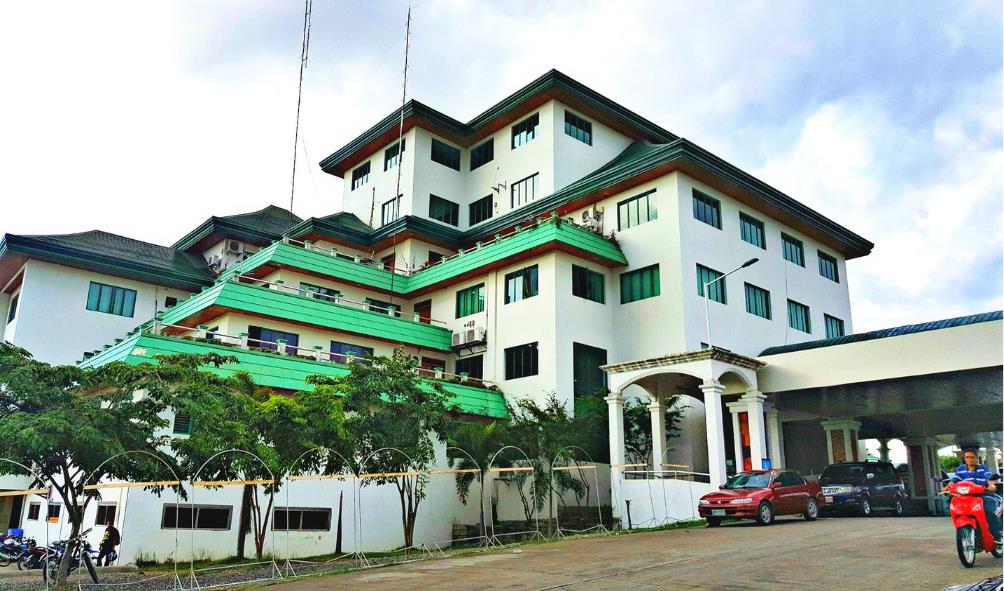
Despite these advancements, Tuguegarao remains deeply connected to its roots. You can explore historical sites like the St. Peter Cathedral and the Tuguegarao City Museum, which showcase the city's vibrant history.
Festivals like the Kinabayo Festival celebrate local traditions, bringing the community together. By blending modernization with cultural preservation, Tuguegarao City stands as a testament to resilience and pride in its identity.
Conclusion
In conclusion, Tuguegarao City's rich history reflects the resilience and adaptability of its people. From the vibrant traditions of the Ibanag to the influences of Spanish colonization and American governance, each era has shaped the city's identity. The scars of World War II didn’t break the spirit of its residents; instead, they emerged stronger. Today, as you explore modern developments alongside cherished cultural heritage, you can truly appreciate how Tuguegarao City thrives while honoring its past.
Statistics
- The annual Piat Festival, celebrated in Tuguegarao, honors the Virgin Mary and reflects the city's deep religious and cultural traditions that have evolved over centuries.
- As of the latest census, Tuguegarao City has a population of over 150,000 residents, highlighting its growth and urban development since its establishment.
- The city was officially established as a municipality in 1901, following the American occupation of the Philippines, which marked a significant shift in local governance.
- Tuguegarao is recognized for its historical significance as a center of trade and commerce in Northern Luzon, contributing to the region's economic development.
External Links
- NCCA: Philippine Commission on Historical Research - This site provides resources and research on the historical significance of various regions in the Philippines, including Tuguegarao City.
- Philippine History: Tuguegarao City - This resource offers a detailed overview of Tuguegarao City's historical timeline and significant events.
- Encyclopedia Britannica: Tuguegarao - A concise entry that covers the geographical and historical aspects of Tuguegarao City.
- Cagayan History - This page provides insights into the history of the Cagayan province, including Tuguegarao City as its capital.
How To Attend Historical Events in Tuguegarao City
Attending historical events in Tuguegarao City is an excellent way to connect with its rich heritage. Keep an eye on local calendars for events such as the Piat Festival, which showcases the city's cultural and religious traditions. Many historical events are organized by local government units or cultural organizations, so following their social media pages can provide timely updates. Participate in guided tours that focus on historical landmarks and significant sites within the city. Engaging with local historians during these events will deepen your understanding and appreciation of Tuguegarao's past.
Want to travel with more time and freedom?
The freedom to travel! Discover free & unique homestays around the world, in exchange for caring for adorable pets.
https://escapetomexiconow.com/ths
Recommended Resources:
Adventure is calling — are you ready to answer? Discover new places, new lifestyles, and new possibilities in Mexico, Panama, or the Philippines.
https://escapetomexiconow.com/
https://escapetomexiconow.info/
https://escapetopanamanow.info/
https://escapetothephilippinesnow.com/
YouTube Channel:
Your next adventure starts here! Join us on YouTube for destination tours, insider advice, and everything you need to make your escape unforgettable.
https://www.youtube.com/@EscapeToMexicoNow