
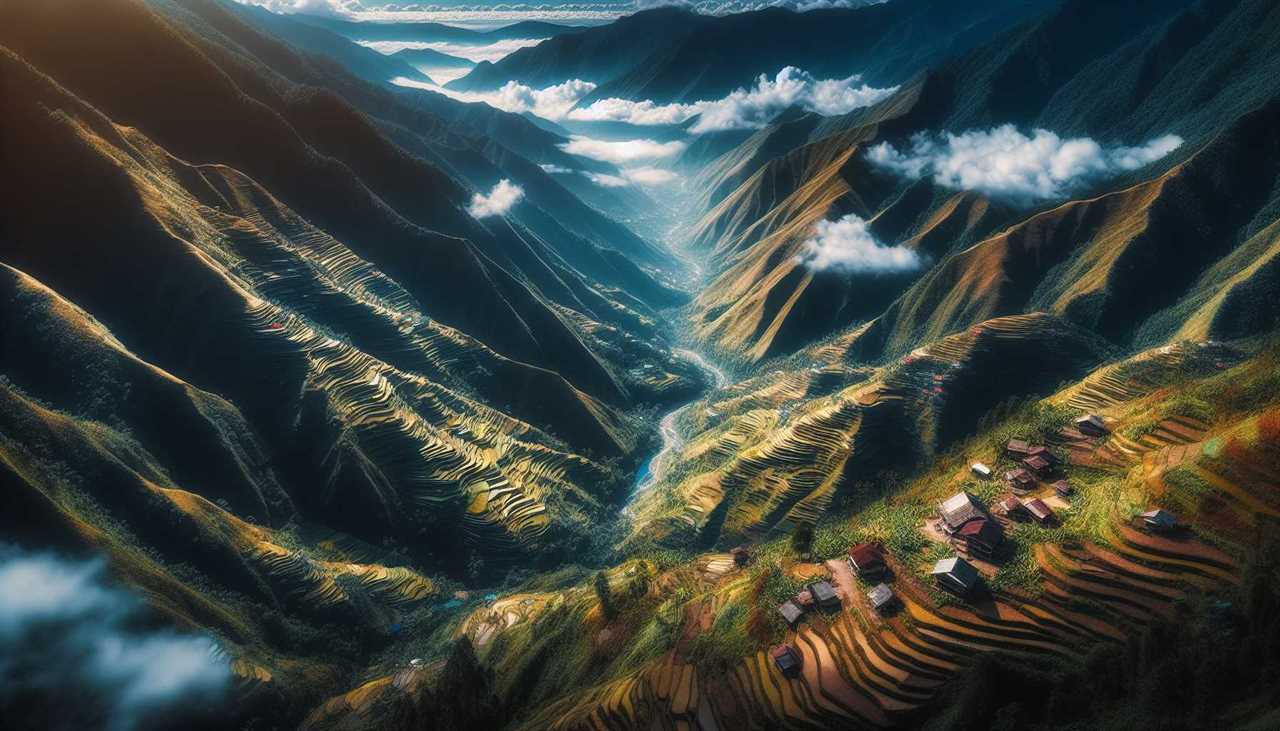
The history of the Cordillera Administrative Region is marked by resilience and adaptation. Indigenous peoples have navigated centuries of change, from ancient agricultural practices to the impacts of colonization. You’ll discover how the famed rice terraces of Ifugao reflect both ingenuity and cultural identity. Yet, the region's journey doesn’t end there; significant movements have emerged in recent decades. What’s the next chapter in this ongoing story?
The Indigenous Peoples of the Cordillera
The Indigenous Peoples of the Cordillera, known for their rich cultural heritage and deep connection to the land, have inhabited these mountainous regions for centuries.
You’ll find that their traditions, languages, and customs are deeply intertwined with their environment. Each community has developed unique practices, from weaving intricate textiles to performing traditional rituals that honor nature.
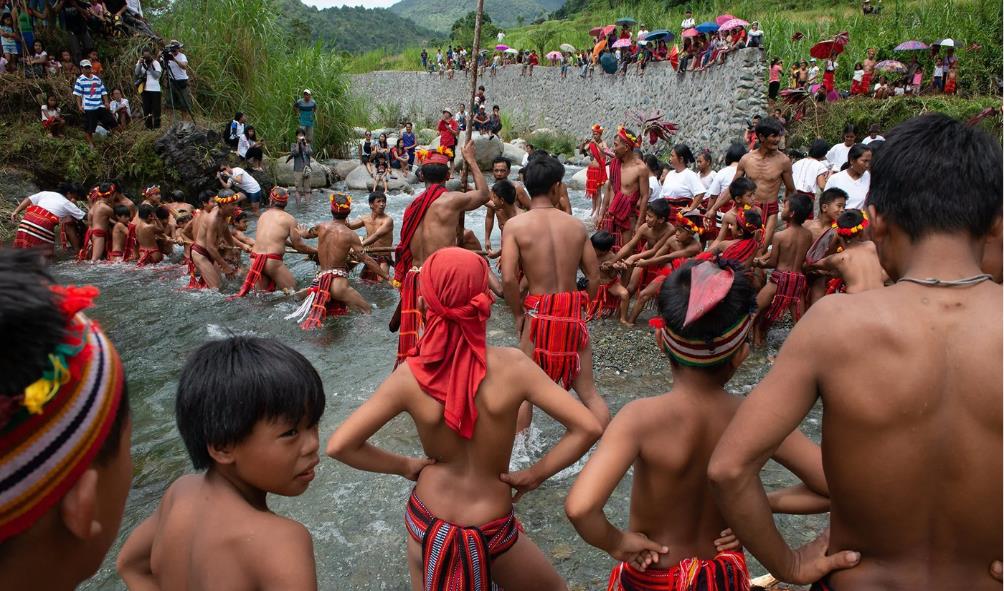
They’ve maintained a strong sense of identity despite external influences and challenges. As you explore their vibrant culture, you'll notice the importance of communal values, where cooperation and respect for elders play a crucial role.
Engaging with the Indigenous Peoples offers a glimpse into their resilient spirit and enduring relationship with the breathtaking landscapes they call home. Their stories are essential to understanding the region’s history.
The Ancient Rice Terraces of Ifugao
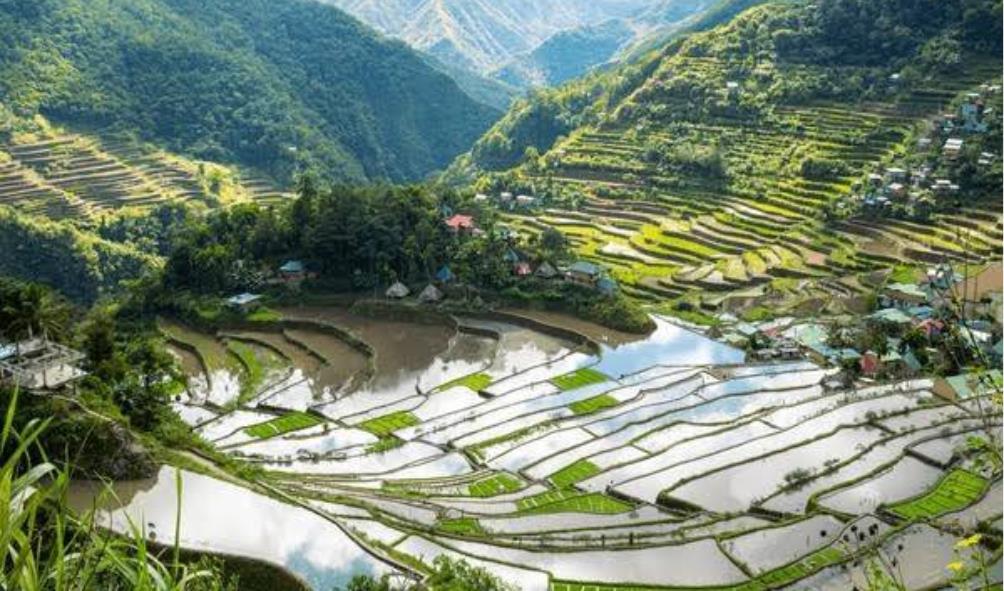
Nestled in the heart of the Cordillera, the Ancient Rice Terraces of Ifugao stand as a testament to the ingenuity of the Indigenous Peoples who've cultivated this land for generations.
You’ll marvel at the breathtaking landscape, where these terraces cascade down the mountainsides, harmonizing with the natural environment. Built over 2,000 years ago, they showcase advanced agricultural techniques, allowing communities to thrive in a challenging terrain.
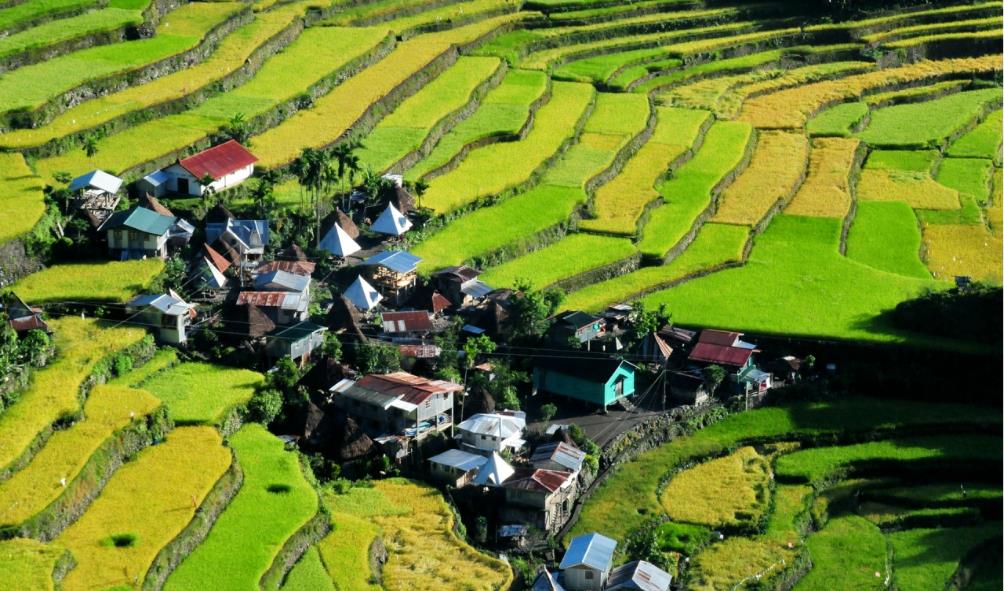
As you walk along the narrow paths, you'll appreciate the meticulous craftsmanship and deep cultural significance embedded in each layer. These terraces aren't just a food source; they embody the Ifugao's rich traditions and connection to nature.
Discovering this marvel offers a glimpse into a sustainable way of living that’s been passed down through the ages.
Spanish Colonization and Its Impact
While the Ancient Rice Terraces of Ifugao reflect a rich indigenous heritage, Spanish colonization brought profound changes to the region's social and cultural landscape.
You'd notice that during this period, the Spanish introduced Christianity, altering spiritual practices and establishing churches. They also imposed new governance structures, disrupting traditional leadership and community systems.
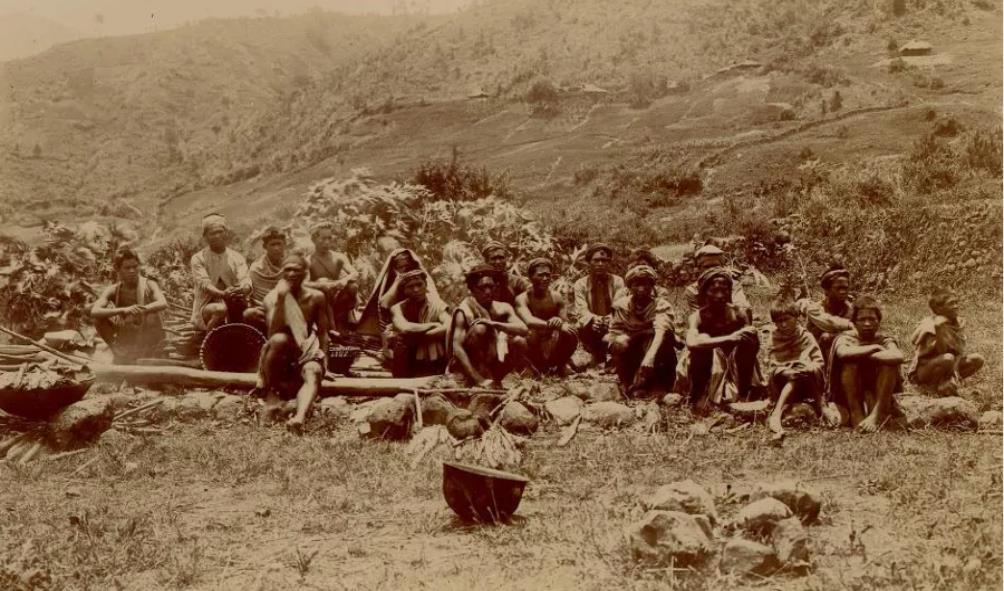
You might find that agricultural practices shifted, as the Spanish brought new crops and methods, impacting local farming. Furthermore, the introduction of Spanish as a language influenced communication and education in the Cordillera.
The colonizers often marginalized indigenous customs, leading to a gradual erosion of cultural identity.
The American Occupation and the Cordillera
Following the Spanish colonization, the American occupation introduced a new wave of changes to the Cordillera Administrative Region.
You’d notice that the Americans aimed to modernize the area by implementing new education systems and infrastructure projects. They established roads and communication networks, making it easier for goods and services to flow. This connected the Cordillera more closely to the rest of the Philippines, altering traditional ways of life.
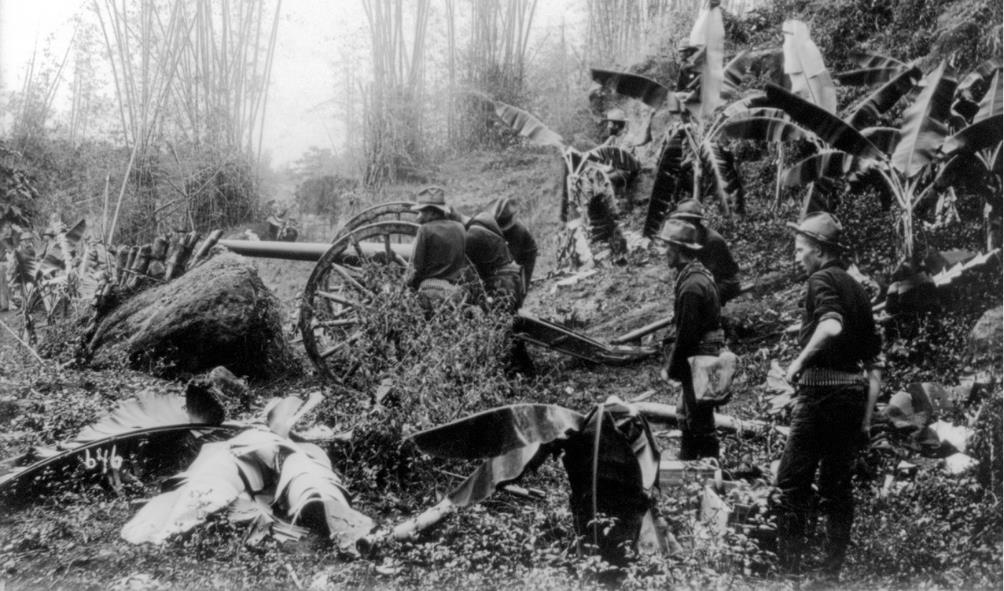
The introduction of cash crops, like coffee and vegetables, shifted local economies, impacting farming practices. Additionally, the Americans focused on surveying land, which led to conflicts over land ownership and usage.
As you explore this period, you'll see how these changes laid the groundwork for future developments in the region.
The Rise of Indigenous Movements
As the Cordillera Administrative Region underwent significant changes during the American occupation, indigenous movements began to rise, fueled by a growing awareness of cultural identity and rights.
You’d see communities uniting to reclaim their traditions and assert their autonomy. Leaders emerged, advocating for land rights, self-determination, and social justice. Through rallies, dialogues, and cultural events, they highlighted their struggles against colonial policies and exploitation.
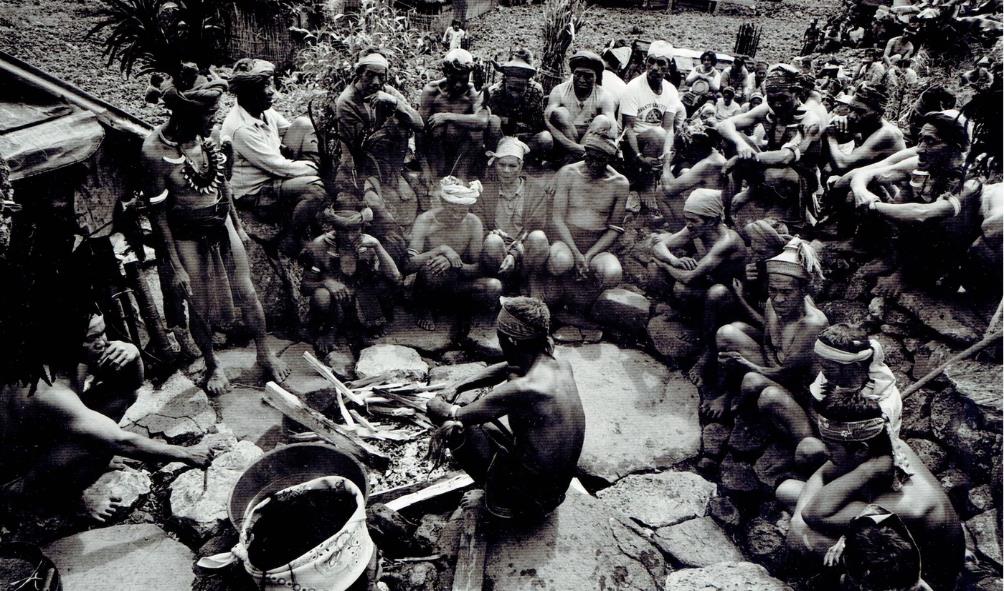
The introduction of the Cordillera People’s Alliance in the late 1980s marked a pivotal moment, bringing various groups together under one banner. This solidarity not only strengthened their voice but also raised national awareness about indigenous issues.
As you explore this period, you'll witness how these movements laid the groundwork for future advocacy in the region.
The Creation of the Cordillera Administrative Region
The creation of the Cordillera Administrative Region (CAR) in 1987 marked a significant step towards recognizing the unique cultural and political landscape of the indigenous peoples in the area.
This development aimed to address the long-standing demands for autonomy and self-governance by the various ethnic groups.
By establishing CAR, the government sought to empower local communities, allowing you to participate more actively in decision-making processes affecting your lives.
It also facilitated the delivery of essential services tailored to your specific needs and cultural practices.
With its formation, CAR became a platform for promoting indigenous rights and preserving the rich heritage of the region, paving the way for a more inclusive governance structure that reflects your diverse identities and aspirations.
Cultural Festivals and Traditions
Cultural festivals and traditions in the Cordillera Administrative Region showcase the vibrant heritage and communal spirit of its indigenous peoples. When you participate in these celebrations, you’ll experience the rich tapestry of rituals, dances, and music that reflect their history and values.
Events like the Panagbenga Festival in Baguio City highlight floral floats and street dancing, drawing locals and tourists alike. You’ll also find the Imbayah Festival of the Ifugao, which honors rice harvests through traditional performances and crafts.
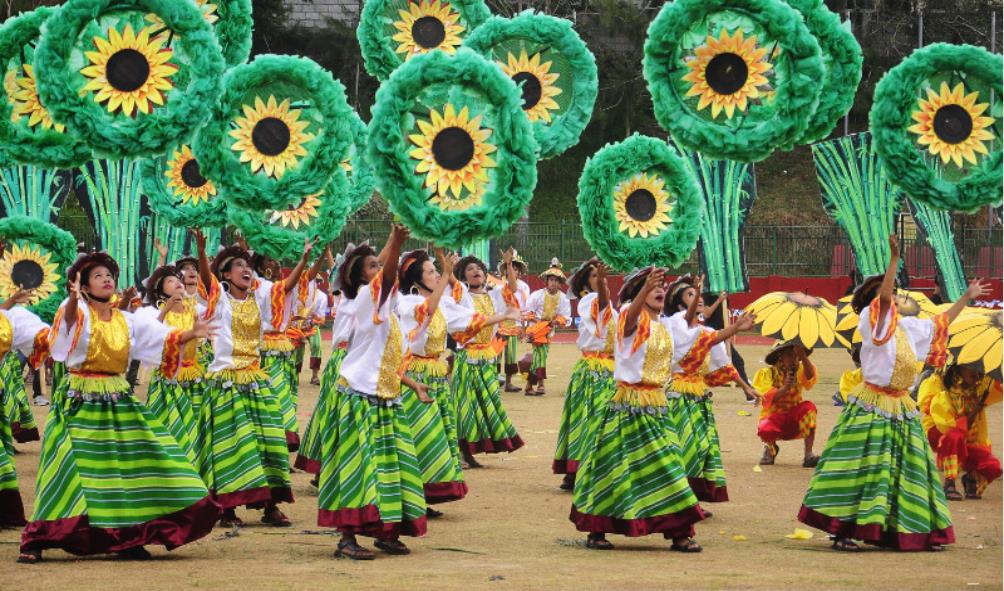
Each festival is a testament to their deep connection with nature, showcasing traditional attire and culinary delights. Engaging with these festivities allows you to appreciate the unique cultural identity that thrives in the Cordillera, fostering a sense of unity and pride among its people.
Economic Development and Challenges
While navigating the complexities of economic development in the Cordillera Administrative Region, you'll encounter both opportunities and challenges that shape its growth.
The region's rich natural resources, including minerals and agricultural potential, present avenues for investment and job creation. However, inadequate infrastructure often hinders progress, making it tough for businesses to thrive.
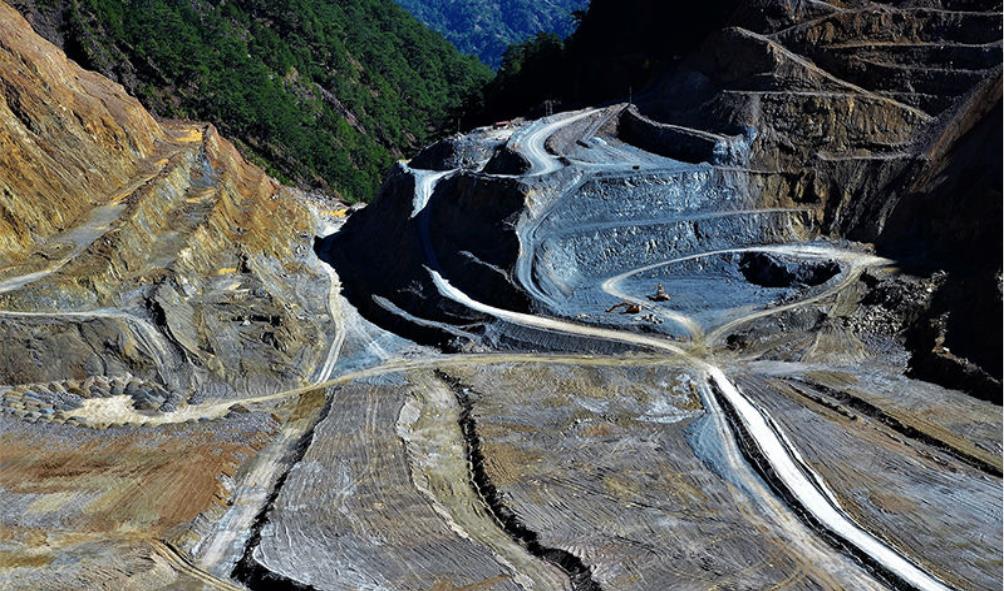
You’ll also see that the local economy relies heavily on agriculture, which faces threats from climate change and market fluctuations. Balancing traditional practices with modern economic demands is crucial for sustainable growth.
Additionally, addressing poverty and unemployment remains a significant challenge. By fostering education and skills training, you can empower the local workforce, paving the way for a more resilient economy that benefits everyone in the region.
Modern Issues and Preservation Efforts
Navigating the economic landscape in the Cordillera Administrative Region also uncovers modern issues that threaten its unique heritage. Deforestation, mining, and urbanization pose serious risks to the environment and indigenous cultures.
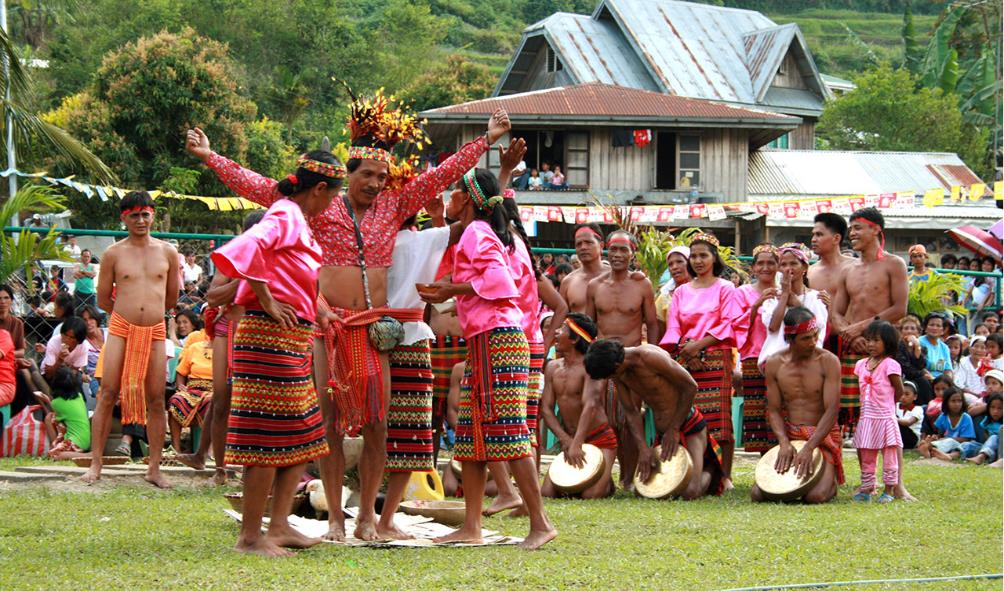
As you explore these challenges, you’ll notice that locals are increasingly advocating for sustainable practices to protect their lands. Preservation efforts, like community-led reforestation projects and cultural festivals, highlight the importance of heritage.
Through education and activism, residents strive to raise awareness about the value of their traditions. You can support these initiatives by visiting local markets, participating in cultural events, and promoting responsible tourism.
Conclusion
In exploring the history of the Cordillera Administrative Region, you've uncovered a vibrant tapestry woven by indigenous peoples, ancient agricultural practices, and the resilience to overcome external challenges. Their rich culture, exemplified by the stunning rice terraces and ongoing movements for rights, reveals a deep connection to the land. As you reflect on this journey, consider how these traditions and struggles continue to shape the region’s identity and influence its path toward a sustainable future.
External Links
- Cordillera Administrative Region Official Website - This official site offers insights into the history, culture, and governance of the Cordillera Administrative Region.
- Baguio City Official Website - This site provides information about the history and development of Baguio City, a key area in the Cordillera Administrative Region.
- MindaNews: Cordillera - A news source that covers current events and historical perspectives related to the Cordillera Administrative Region.
- Philippine History: Cordillera Administrative Region - A resource detailing the historical background and cultural significance of the Cordillera region in the Philippines.
How To Analyze the Economic Development of the Cordillera Administrative Region
To analyze the economic development of the Cordillera Administrative Region, begin by reviewing government reports and studies that outline economic policies and initiatives. Focus on key sectors such as agriculture, mining, and tourism, and assess how they have evolved over time. Investigate the impact of local governance on economic growth and social welfare. Additionally, examine the challenges faced by the region, including environmental concerns and socio-economic disparities. Engaging with local economic organizations and attending forums can provide current insights and perspectives on ongoing development efforts.
Plan the perfect group trip, your way.
Get an instant personalized itinerary. We handle logistics, payments, and provide a dedicated itinerary, while local experts fine-tune every detail. Enjoy full freedom—without the stress of organizing it all.
https://escapetomexiconow.com/tourhero
Recommended Resources:
Dreaming of a fresh start abroad? Explore our curated destination guides to learn how you can make the move with ease.
https://escapetomexiconow.com/
https://escapetomexiconow.info/
https://escapetopanamanow.info/
https://escapetothephilippinesnow.com/
YouTube Channel:
See Mexico like never before! From local culture to travel hacks, our YouTube channel brings the adventure straight to you.
https://www.youtube.com/@EscapeToMexicoNow