When you think about Tarlac City, its rich history might not be the first thing that comes to mind. Yet, this city has a fascinating past shaped by indigenous tribes, Spanish colonization, and significant events like the Philippine Revolution. Each chapter adds depth to its identity, showcasing resilience and cultural evolution. But how did these influences shape the Tarlac we know today? Let’s explore the layers of its history.
Early Settlement and Indigenous Tribes
When you delve into the early settlement of Tarlac City, you'll discover that it was shaped significantly by indigenous tribes like the Aeta and the Ilongot.
These tribes thrived in the region, adapting to its rich natural resources. The Aeta, known for their nomadic lifestyle, utilized the forests and rivers for sustenance, while the Ilongot practiced agriculture, cultivating crops like rice and vegetables.
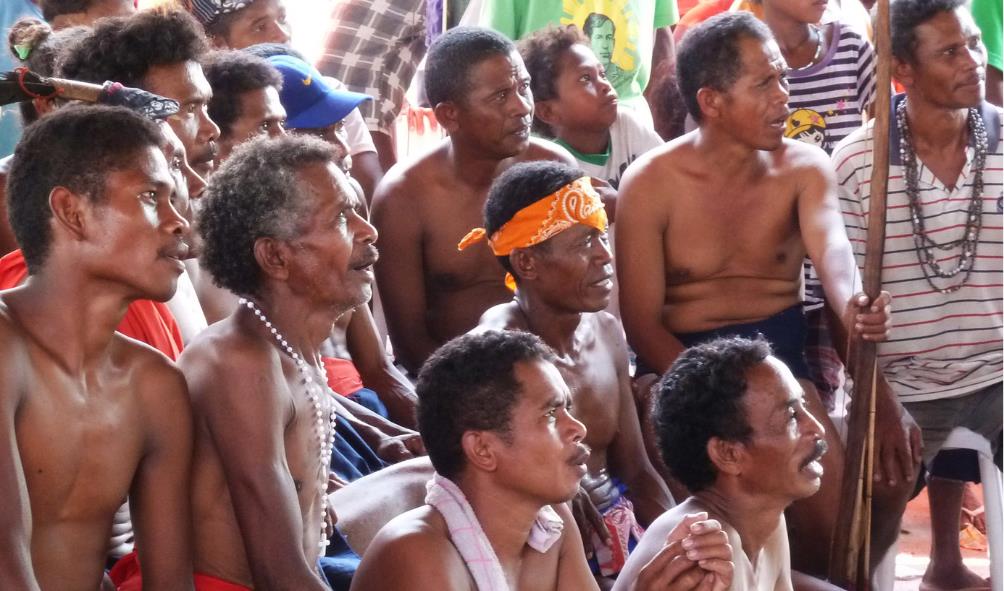
They developed unique cultural practices, fostering a deep connection to the land. As you explore, you'll see how their knowledge of the environment laid the groundwork for sustainable living.
The interplay of these tribes created a vibrant tapestry of traditions and customs that still resonate today, highlighting the importance of indigenous heritage in Tarlac City’s identity.
Spanish Colonization and Its Impact
As Spanish colonization began in the late 16th century, it profoundly transformed Tarlac City and its surrounding areas. The arrival of the Spanish brought new agricultural practices, introducing crops like corn and rice that significantly changed local farming.
You’d notice the establishment of the encomienda system, which reshaped land ownership and labor dynamics. The Spanish also spread Christianity, with missionaries building churches and converting many indigenous people. This led to a cultural fusion, blending native traditions with Spanish customs.
However, colonization also resulted in the exploitation of local resources and people, sparking tension between the colonizers and indigenous tribes. Overall, Spanish rule laid the groundwork for Tarlac's development while leaving lasting social and cultural impacts on its communities.
The Role of Tarlac in the Philippine Revolution
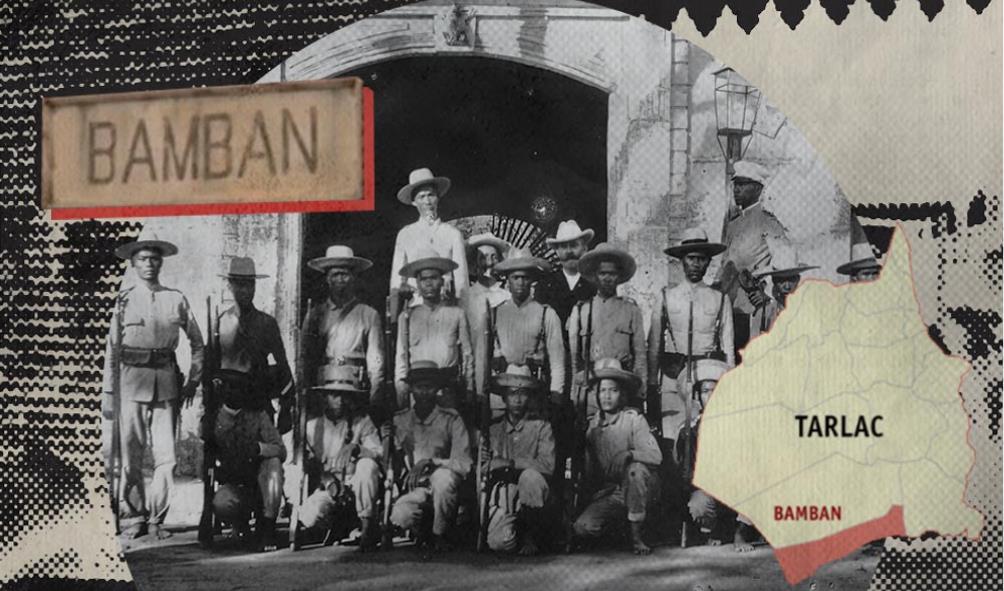
The impact of Spanish colonization set the stage for the Philippine Revolution, and Tarlac played a significant role in this uprising against colonial rule.
This province became a hotbed of revolutionary activities, with local leaders like General Francisco Makabulos rallying support for the cause.
You'd find that Tarlac's strategic location made it a key area for organizing guerrilla warfare against Spanish forces.
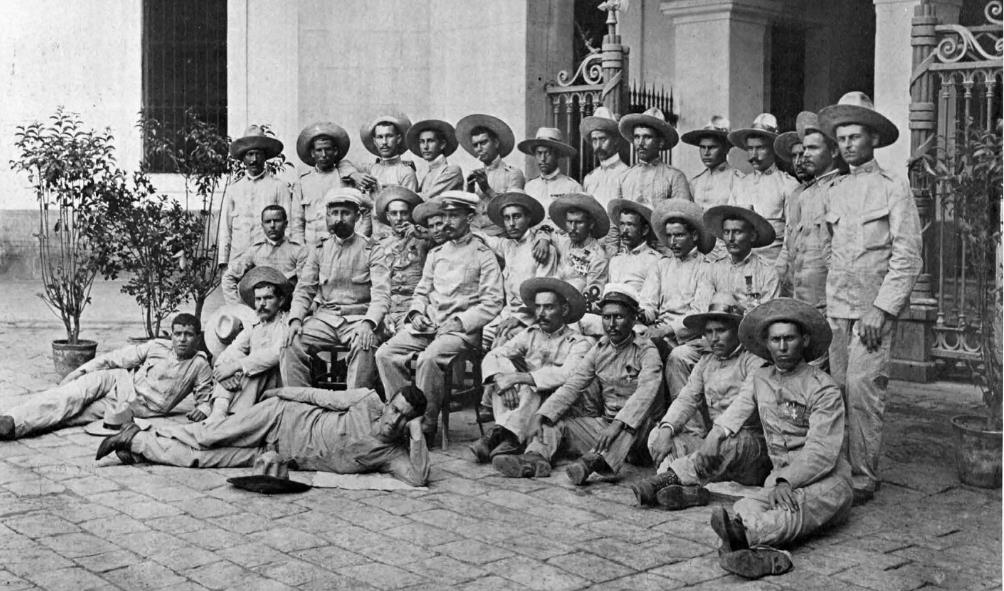
Many residents joined the Katipunan, a revolutionary society, driven by a desire for freedom and justice.
You can see how Tarlac's involvement wasn't just about local skirmishes; it represented the collective yearning for independence shared by Filipinos everywhere.
The sacrifices made by Tarlac's people helped pave the way for the eventual success of the revolution.
Tarlac During World War II
Although Tarlac faced numerous challenges during World War II, its residents displayed remarkable resilience and courage.
When the Japanese forces occupied the area in 1942, you witnessed firsthand the fear and uncertainty that gripped the community. Yet, many locals joined guerrilla units, fighting bravely against the occupying forces. You saw neighbors risking their lives to protect each other and provide support to the resistance.
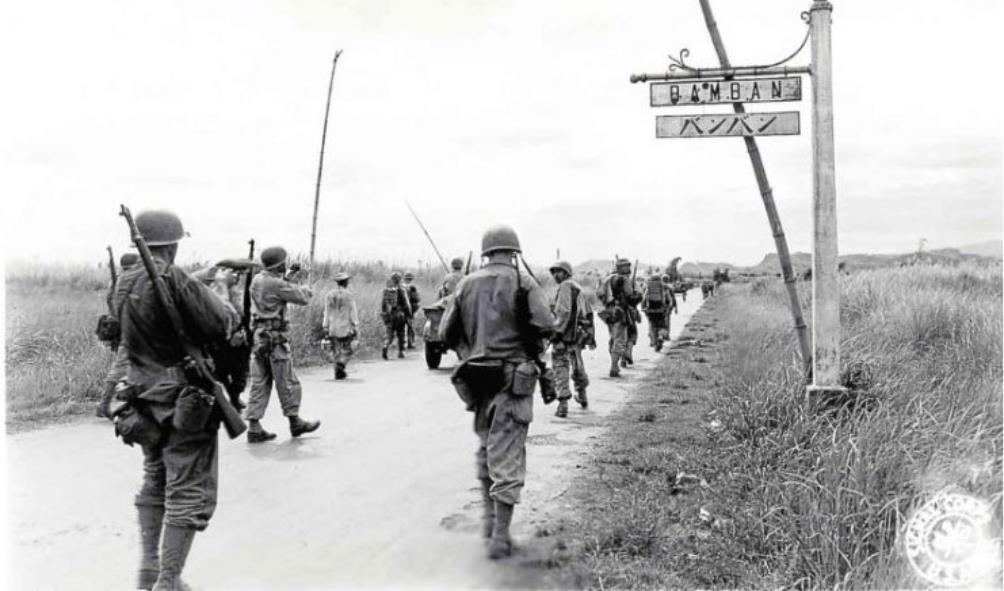
The hardships, including shortages of food and medical supplies, only strengthened the resolve of the people.
As liberation approached in 1945, you felt a mix of hope and anxiety. Despite the destruction and loss, Tarlac’s spirit shone through, laying the groundwork for future recovery and unity among its people in the years to come.
Post-War Development and Modernization
With the end of World War II, Tarlac City faced the daunting task of rebuilding from the devastation.
You'd see communities coming together, determined to restore their homes and lives. Infrastructure improvements became a priority, with roads and public utilities receiving much-needed upgrades.
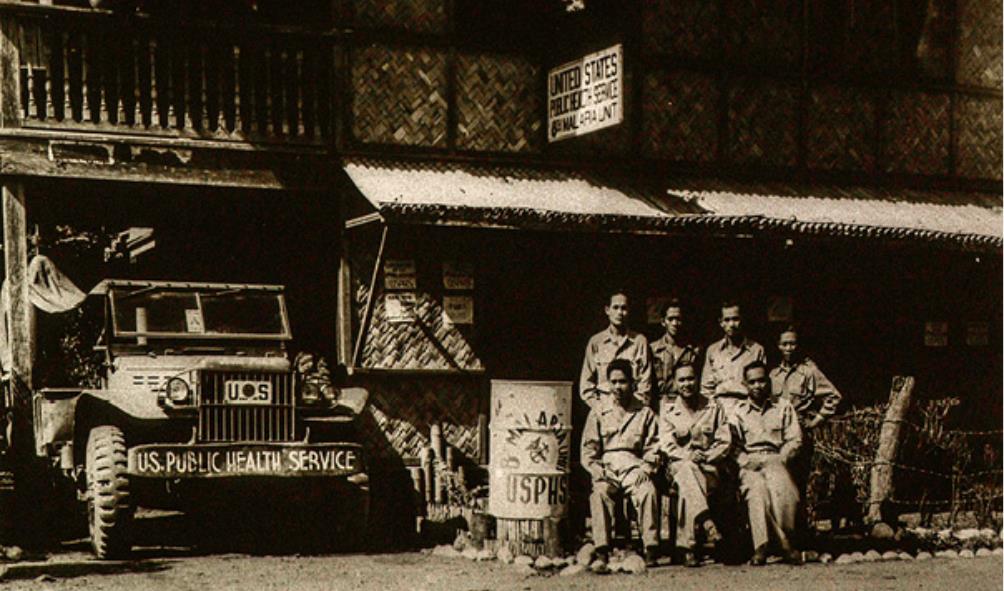
As you walked through the city, you’d notice the rise of new schools and hospitals, reflecting a commitment to education and healthcare.
The agricultural sector also modernized, adopting advanced techniques and machinery to boost productivity.
This transformation created job opportunities, attracting businesses and fostering economic growth.
Cultural Heritage and Historical Landmarks
As you explore Tarlac City, you'll discover a rich tapestry of cultural heritage and historical landmarks that tell the story of its past.
One highlight is the San Sebastian Parish Church, a stunning example of neo-Gothic architecture that dates back to the 1900s.
Nearby, you can't miss the iconic Tarlac Provincial Capitol, showcasing the city's political evolution.

The Aquino Center and Museum offers you a glimpse into the lives of the Aquino family, key figures in Philippine history.
Strolling through the city, you'll encounter vibrant festivals, showcasing local traditions and customs.
Don't forget to visit the historic Japanese Garden, a serene spot that reflects the city's diverse influences.
Tarlac City truly celebrates its rich heritage at every turn.
Conclusion
In exploring Tarlac City’s rich history, you see how its early indigenous roots evolved through Spanish colonization, shaping a resilient community that stood strong during the Philippine Revolution and World War II. The city’s post-war development reflects its determination to modernize while preserving cultural heritage. As you walk through its historical landmarks and vibrant festivals, you can truly appreciate Tarlac's unique story—a blend of tradition and progress that continues to thrive today.
Statistics
- Tarlac City is home to the Luisita Industrial Park, which has attracted various businesses and industries to the area.
- The city has a diverse population, with a mix of various ethnic groups, reflecting the multicultural history of the region.
- Tarlac City hosts several historical landmarks, including the Aquino Center and Museum, which commemorates the legacy of the Aquino family in Philippine politics.
- The city is named after the Tarlac River, which flows through the region and has played a significant role in its history.
External Links
- This page on the Tarlac City government website outlines important historical milestones and events that shaped the city.
- An article from SunStar discussing the Aquino Center and Museum, which honors the legacy of the Aquino family in Tarlac's history.
- The National Historical Commission of the Philippines provides resources and publications related to the history of Tarlac and other regions.
- This resource offers an overview of the historical developments in Tarlac, including significant events and figures.
How To Engage with Tarlac City’s Historical Community
Engaging with Tarlac City’s historical community involves participating in local events, workshops, and discussions focused on history and culture. Look for community gatherings or lectures organized by local historians or cultural organizations. Volunteering at museums or historical sites can also provide hands-on experience and networking opportunities. Connecting with local historians through social media platforms or community boards can lead to valuable conversations and insights. Building relationships within this community enhances your understanding and appreciation of Tarlac's rich history.
Plan the perfect group trip, your way.
Get an instant personalized itinerary. We handle logistics, payments, and provide a dedicated itinerary, while local experts fine-tune every detail. Enjoy full freedom—without the stress of organizing it all.
https://escapetomexiconow.com/tourhero
Recommended Resources:
Dreaming of a fresh start abroad? Explore our curated destination guides to learn how you can make the move with ease.
https://escapetomexiconow.com/
https://escapetomexiconow.info/
https://escapetopanamanow.info/
https://escapetothephilippinesnow.com/
YouTube Channel:
See Mexico like never before! From local culture to travel hacks, our YouTube channel brings the adventure straight to you.
https://www.youtube.com/@EscapeToMexicoNow