

Tarlac's history is a fascinating journey through time, shaped by its indigenous roots and the waves of colonization that followed. You’ll find that each era, from the Aeta communities to Spanish rule, has left a distinct mark on the region. As you explore further, you'll uncover how Tarlac played a crucial role in the fight for independence, influencing its cultural heritage and modern identity. What transformations did these events spark in Tarlac's society?
Pre-Colonial Era and Indigenous Settlements
What do you know about the rich history of Tarlac before colonial influences?
The region was home to various indigenous groups, including the Aeta, who thrived in the lush landscapes. They developed unique cultures, relying on hunting, fishing, and foraging.
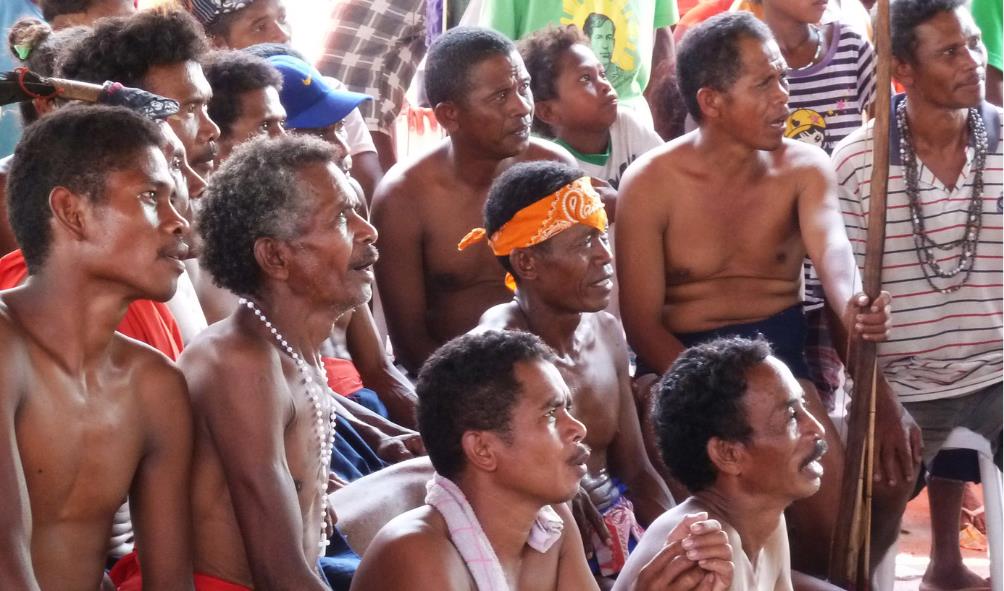
You'd find them living in harmony with nature, using traditional methods to sustain their communities. The Aeta and other tribes engaged in trade with neighboring areas, exchanging goods like pottery and woven textiles.
Their strong connection to the land is evident in their spiritual practices and rituals. Tarlac's geography offered fertile grounds for agriculture, allowing these early settlers to cultivate rice and other crops.
This pre-colonial era laid the foundation for Tarlac's rich cultural tapestry long before outside influences arrived.
Spanish Colonization and Its Impact
As Spanish colonization unfolded in the late 16th century, Tarlac underwent significant transformations that reshaped its society and culture.
You'd witness the introduction of Christianity, which led to the establishment of missions and churches throughout the region.
The Spanish also implemented new agricultural practices, encouraging the cultivation of crops like rice and sugarcane, which altered local economies and diets.
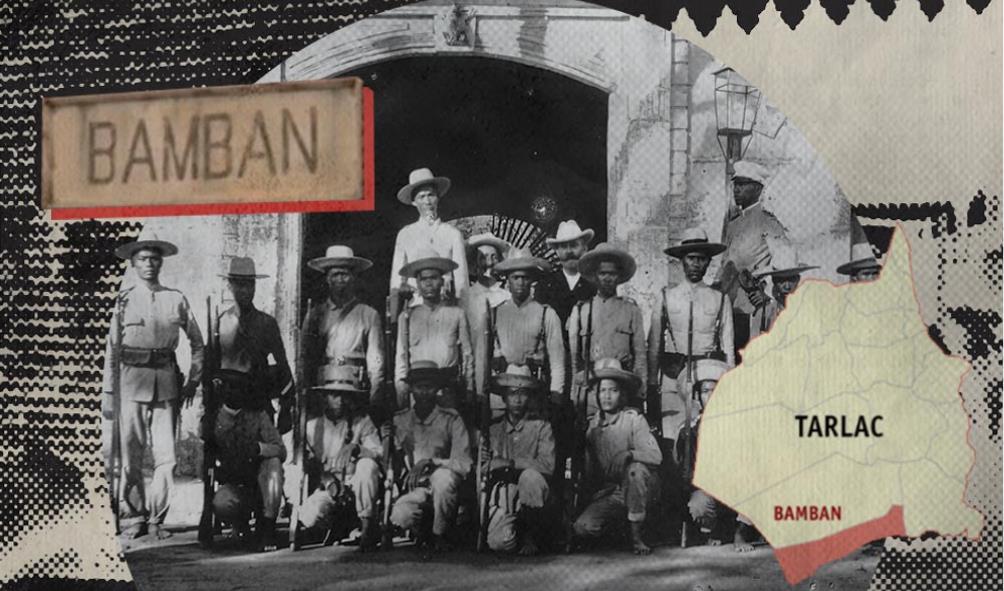
Land ownership shifted, as indigenous peoples lost their lands to Spanish settlers and colonial officials.
Social hierarchies emerged, with Spaniards and mestizos at the top, affecting community structures.
Despite the challenges, you’d see a blending of cultures, as local traditions merged with Spanish influences, creating a unique Tarlac identity that persists today.
These changes laid the groundwork for future developments in Tarlac’s history.
The Philippine Revolution and Tarlac's Role
The societal changes brought about by Spanish colonization set the stage for the Philippine Revolution, and Tarlac emerged as a significant player in this struggle for independence.
As you explore this period, you’ll find that local leaders and revolutionaries like General Francisco Makabulos rallied support in Tarlac, inspiring many to join the fight against colonial rule.
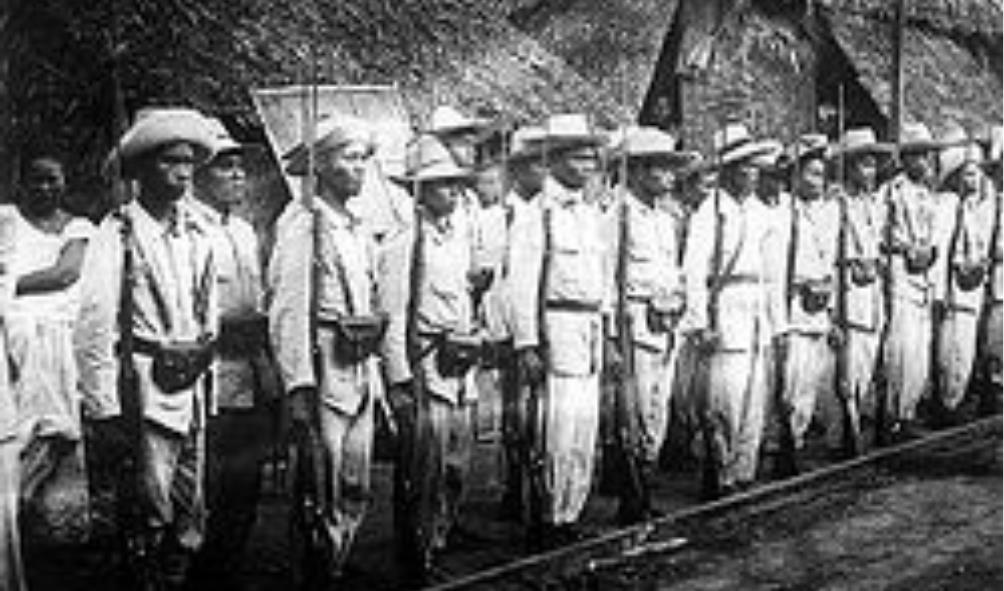
The province became a center for revolutionary activities, with various towns hosting meetings and organizing resistance efforts.
You’ll also discover how Tarlac’s strategic location facilitated the movement of troops and supplies, enhancing the revolutionaries’ chances against Spanish forces.
Ultimately, Tarlac’s contributions during this tumultuous time highlighted its essential role in the broader fight for Philippine sovereignty and laid the groundwork for future governance.
American Occupation and Governance
While the Philippine Revolution laid the groundwork for independence, the arrival of American forces in 1899 marked a new chapter for Tarlac and the entire nation.
You’d witness significant changes as the Americans established a new governance structure. They implemented public education, focusing on English as the medium of instruction, which transformed local society.
Infrastructure improved with better roads and communication systems, promoting economic growth. The Americans also introduced agricultural advancements, encouraging modern farming techniques.
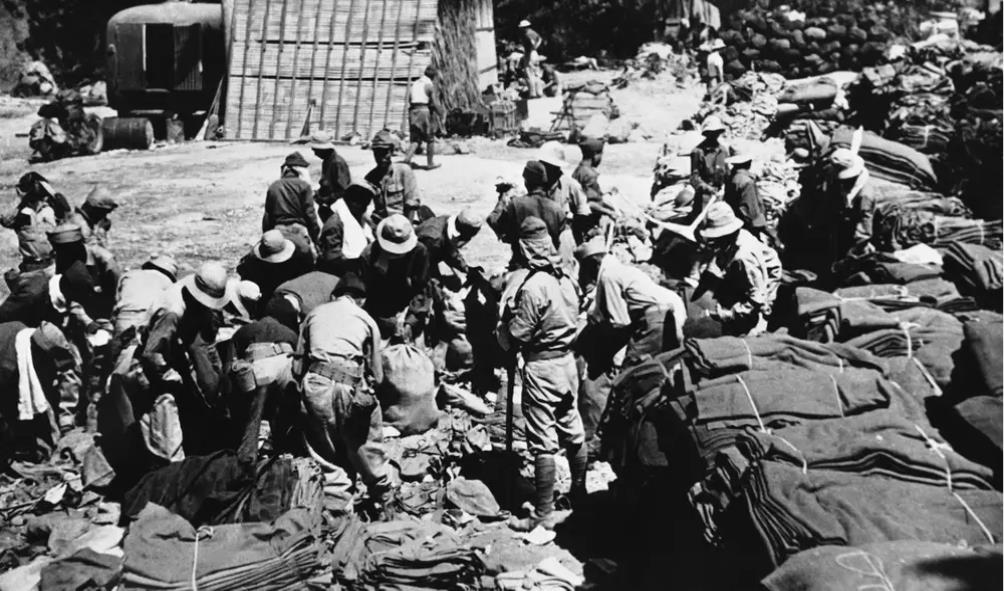
However, this period wasn’t without resistance; many locals opposed American rule, leading to conflicts.
Despite the challenges, the American occupation ultimately shaped Tarlac’s political landscape and societal norms, laying the foundation for future developments in the region.
Your understanding of this era reveals its complexities and lasting impact.
Contributions to National Independence
Although Tarlac faced the challenges of American occupation, its people played a crucial role in the broader struggle for Philippine independence. You’d find that numerous local leaders emerged, rallying support for revolutionary efforts.
The province hosted several key figures who actively participated in uprisings and organized resistance against colonial rule. Notably, local militias formed, showcasing the unity and determination of Tarlac’s residents to fight for freedom.
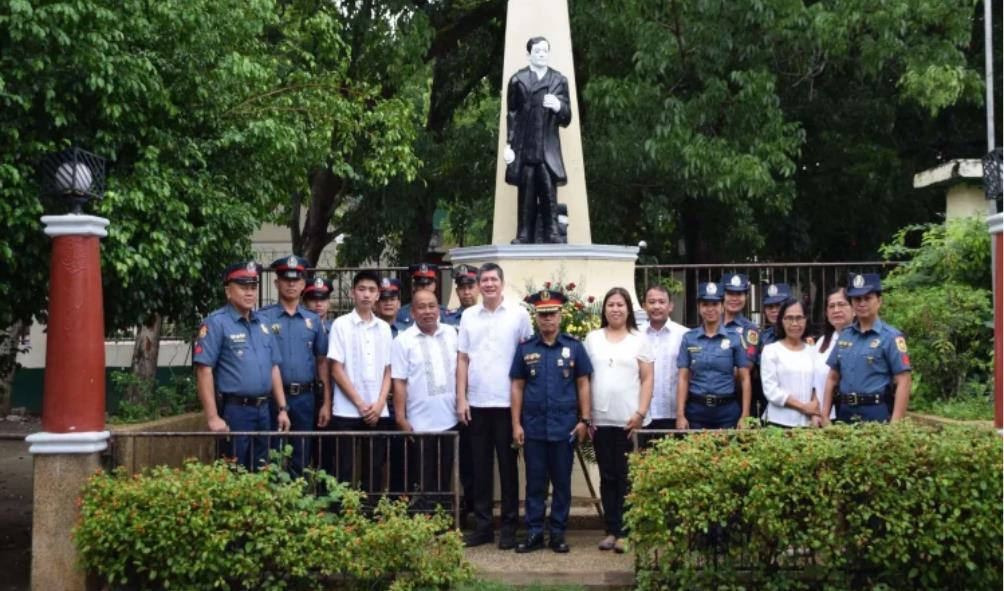
The spirit of nationalism flourished among locals, inspiring them to contribute to movements that sought to reclaim sovereignty. Their sacrifices and dedication were instrumental in igniting a nationwide consciousness, encouraging others to rise against oppression.
Ultimately, Tarlac's contributions laid a foundation for the Philippines' eventual independence, solidifying its place in history.
Cultural Heritage and Modern Developments
Emerging from its rich history of resistance and nationalism, Tarlac boasts a vibrant cultural heritage that reflects its diverse influences and traditions. You’ll find a blend of indigenous, Spanish, and American elements in its festivals, cuisine, and arts.
The annual Tarlac City Festival showcases local talent and traditional practices, drawing visitors and uniting the community.
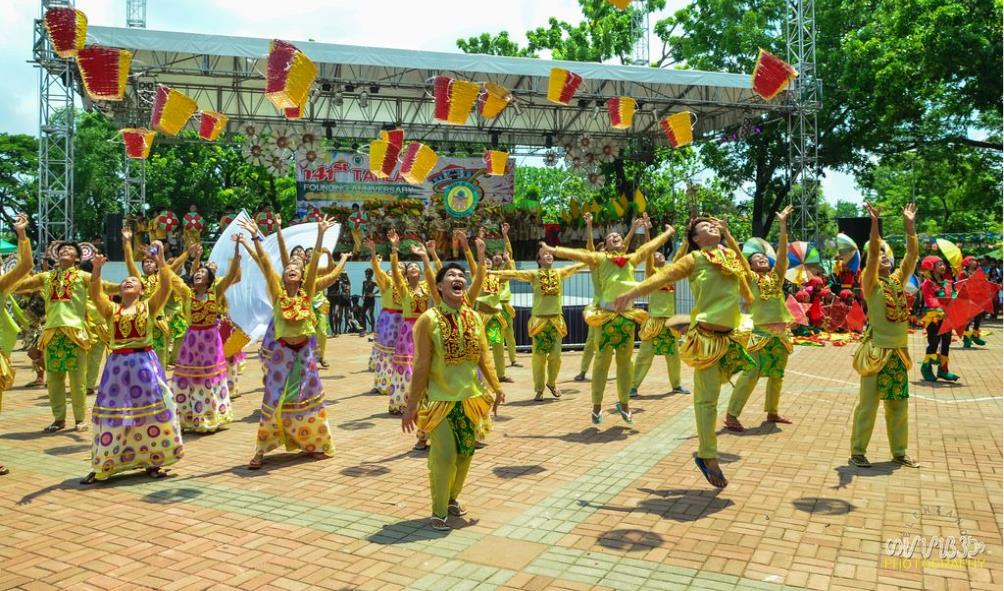
Modern developments continue to shape the province, as urbanization and technology enhance daily life. You can see this through improved infrastructure, educational institutions, and local businesses adapting to contemporary needs while honoring their roots.
Tarlac stands as a testament to resilience, where cultural preservation and modernity coexist, inviting you to explore its unique identity and dynamic future.
Conclusion
Tarlac's history is a testament to resilience and transformation. From its pre-colonial roots with the Aeta to the significant roles played during Spanish colonization, the Philippine Revolution, and American occupation, you've witnessed a journey of growth and change. Today, Tarlac stands as a vibrant blend of cultural heritage and modern development, reflecting the spirit of its people. As you explore its past, you’ll appreciate how it shaped the nation’s quest for independence and identity.
Statistics
- Tarlac was officially established as a province on May 1, 1901, during the American colonial period, marking a significant shift in its governance.
- Tarlac has a diverse cultural heritage, being home to various indigenous groups, including the Aeta people, who have lived in the region for thousands of years.
- The province is home to the historic Barasoain Church, often referred to as the site of the First Philippine Republic, which was proclaimed in Tarlac in 1899.
- During World War II, Tarlac was a strategic location for both Japanese and American forces, with several key battles taking place in the province, impacting its historical narrative.
External Links
- Tarlac Provincial Government - History: This official site provides a comprehensive overview of Tarlac's historical development from its early days to the present.
- Kalayaan - History of Tarlac: This site focuses on Tarlac's role in the Philippine Revolution and its contributions to the country's independence.
- The Free Dictionary - Tarlac: This entry includes historical facts and definitions related to Tarlac, providing a quick reference.
- Tarlac Agricultural University - About Tarlac: This page discusses the historical context of education in Tarlac, highlighting its agricultural significance.
How To Research Tarlac's Role in World War II
To research Tarlac's involvement in World War II, start by accessing historical archives, libraries, or online databases that focus on Philippine history during the war. Look for accounts of key battles that took place in Tarlac and the impact on local communities. Documentaries and books by historians can provide detailed narratives about the experiences of soldiers and civilians alike. Engaging with local veterans' groups may also offer personal stories that highlight Tarlac's strategic significance during the conflict.
Plan the perfect group trip, your way.
Get an instant personalized itinerary. We handle logistics, payments, and provide a dedicated itinerary, while local experts fine-tune every detail. Enjoy full freedom—without the stress of organizing it all.
https://escapetomexiconow.com/tourhero
Recommended Resources:
Discover where freedom, adventure, and opportunity await you.
https://escapetomexiconow.com/
https://escapetomexiconow.info/
https://escapetopanamanow.info/
https://escapetothephilippinesnow.com/
YouTube Channel:
Your next adventure starts here! Join us on YouTube for destination tours, insider advice, and everything you need to make your escape unforgettable.
https://www.youtube.com/@EscapeToMexicoNow