When you think about Tagbilaran City, its journey from a fishing village to a bustling urban center might surprise you. Spanish colonization played a pivotal role in shaping its identity, introducing new agricultural practices and cultural changes. As you explore its history, you’ll uncover how these transformations laid the groundwork for a vibrant community, even in the face of adversity. But what happened during World War II that tested this resilience?
The Early Days: A Fishing Village Transformed
Although Tagbilaran City started as a humble fishing village, its transformation into a bustling urban center is a remarkable tale of growth and adaptation.
In those early days, you’d see fishermen casting their nets, relying on the rich waters for sustenance. As time passed, the community began to embrace trade, connecting with neighboring islands and expanding its reach.
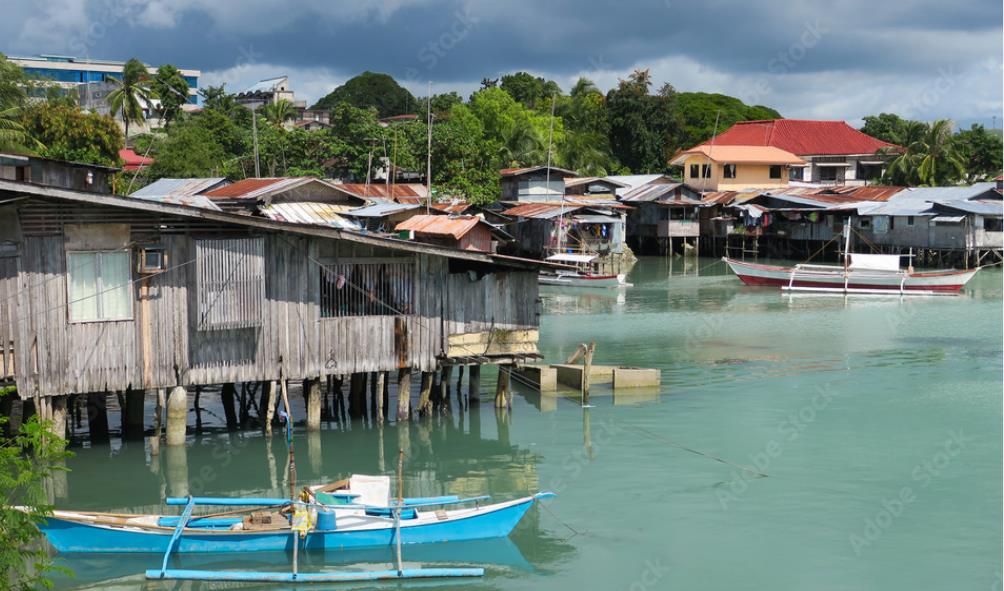
You’d witness families turning their small boats into vessels for commerce, fostering relationships that would shape the city’s future. The natural harbor became a hub for the exchange of goods, and soon, Tagbilaran’s reputation as a thriving port spread.
This early foundation laid the groundwork for the vibrant city you experience today, blending tradition with modernity in a unique way.
Spanish Colonization and Its Impact
As Spanish colonization took hold in the 16th century, Tagbilaran City began to transform significantly, reshaping its social and economic landscape.
You’d notice how the Spanish introduced new agricultural practices, which boosted local farming and trade. The establishment of Christian missions altered cultural dynamics, as many locals converted to Catholicism and adopted Spanish customs.
You might feel the impact of the forced labor system, as indigenous people worked on colonial projects, leading to social stratification. The construction of churches and other infrastructures showcased Spanish architectural influence, marking a shift in community identity.
This era laid the groundwork for future developments, intertwining Tagbilaran’s history with its colonial past, and setting the stage for the city's evolution in the centuries to come.
The Establishment of Tagbilaran as a Town
The influence of Spanish colonization laid the foundations for Tagbilaran's establishment as a town in the late 16th century. In 1580, the Spanish authorities recognized Tagbilaran’s strategic location and its potential for growth.
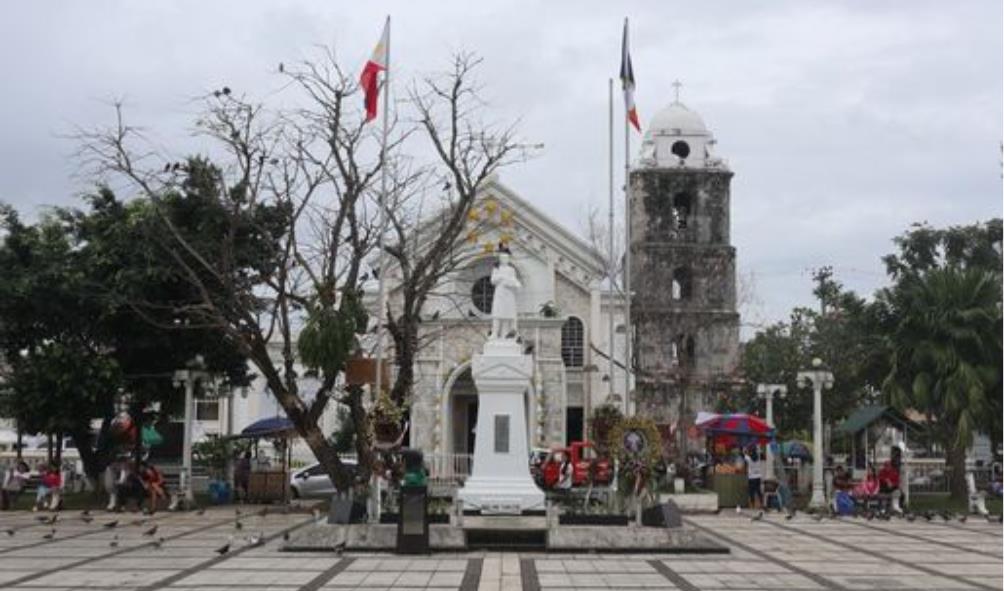
You’ll find that the establishment of a parish church and the appointment of a town leader, or cabeza de barangay, were key milestones. These developments organized the local community, fostering a sense of identity and governance.
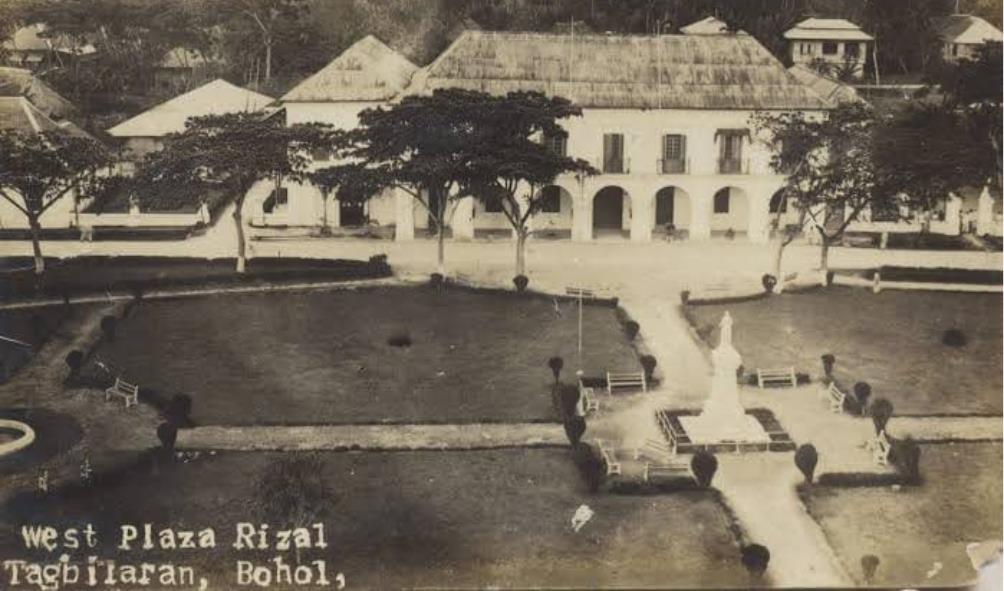
The town's layout reflected Spanish urban planning, with a central plaza surrounded by essential buildings. As a result, Tagbilaran began to flourish as a center of administration, culture, and religion, setting the stage for its evolution into a significant urban area in the region.
Economic Growth and Trade Development
With the establishment of Tagbilaran as a town, economic growth and trade development quickly followed, transforming it into a bustling hub.
You'd notice that local businesses sprang up, catering to the needs of residents and travelers alike. The port played a crucial role, enabling the import and export of goods, connecting Tagbilaran to other regions.
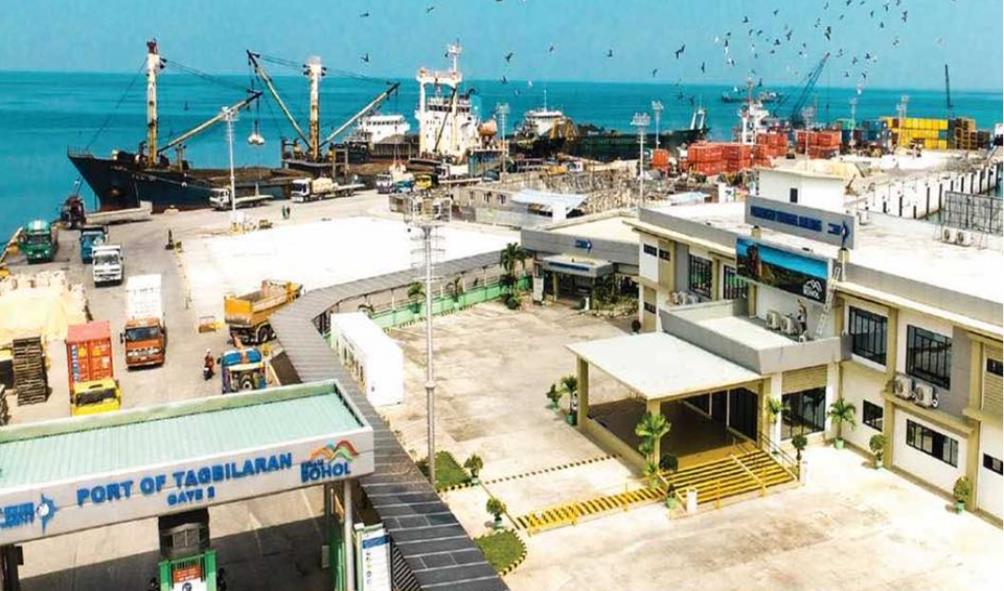
Agriculture flourished, with farmers supplying fresh produce to markets, enhancing the local economy. Small-scale industries emerged, providing jobs and promoting entrepreneurship.
As tourism grew, you’d see an influx of visitors drawn to the city's rich heritage and natural beauty, further stimulating economic activities.
The Role of Tagbilaran in the Philippine Revolution
Although often overshadowed by larger cities, Tagbilaran played a significant role in the Philippine Revolution, serving as a vital center for revolutionary activities in the Visayas.
You’d find that local leaders and patriots organized movements, rallying support against Spanish colonial rule. The city's strategic location facilitated the transportation of supplies and information among revolutionary groups.
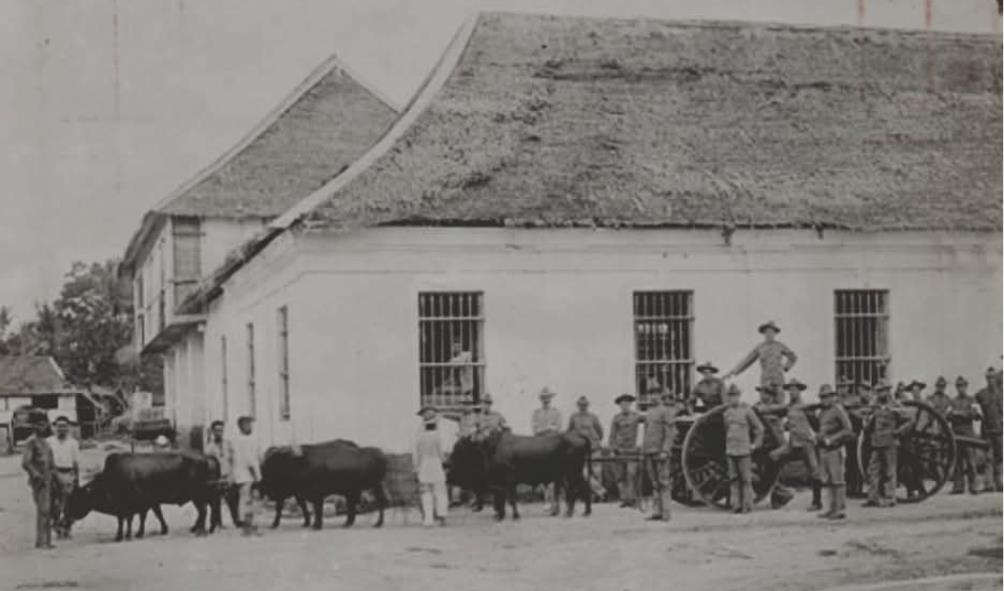
You might be surprised to learn that Tagbilaran was also a meeting point for various factions, uniting efforts in the fight for independence. Key figures emerged from the city, inspiring others to join the cause.
As you explore Tagbilaran’s history, you’ll see how the spirit of resistance thrived, ultimately contributing to the broader struggle for freedom across the Philippines during this tumultuous time.
World War II and Its Aftermath
As World War II erupted, Tagbilaran City found itself caught in the conflict's turmoil, significantly impacting its development and the lives of its residents.
The city faced occupation by Japanese forces, leading to hardship and fear among the population. You’d witness the struggles of families as food shortages and violence became part of daily life.
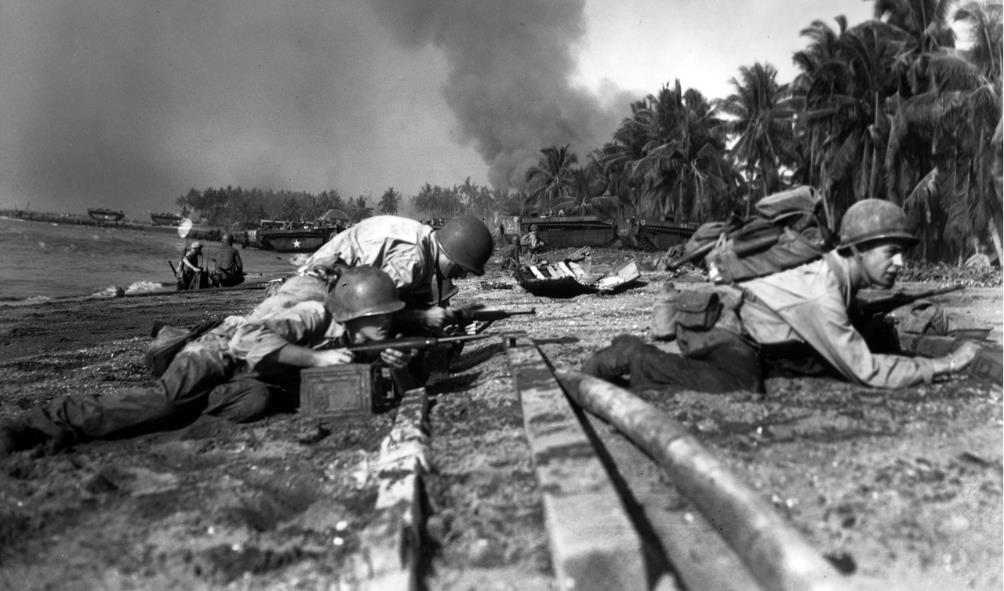
The local economy suffered, with businesses closing and many men conscripted or fleeing to avoid the draft.
When liberation came in 1945, the city rejoiced, but the scars of war remained. Infrastructure was damaged, and many homes were lost.
Despite these challenges, the resilience of Tagbilaran's people shone through, laying the groundwork for future recovery and rebuilding efforts in the aftermath of the war.
Post-War Reconstruction and Urbanization
After the war ended, Tagbilaran City embarked on a journey of reconstruction and urbanization that transformed its landscape and revitalized its community.
You’d witness the restoration of damaged buildings, new infrastructure projects, and the emergence of modern facilities. Local leaders worked tirelessly to attract investments, encouraging businesses to set up shop and create jobs.
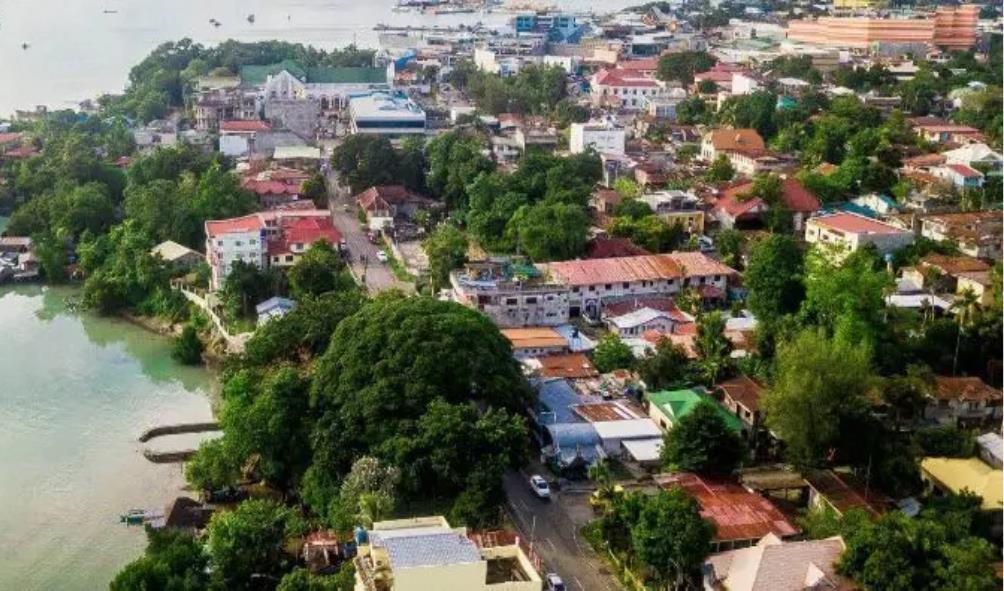
As roads improved and public services expanded, you could feel the pulse of growth in the air. The population began to swell as people from neighboring regions moved in, seeking opportunities.
With the influx of fresh ideas and resources, Tagbilaran evolved into a bustling urban center, blending its rich history with a promising future.
Cultural Heritage and Local Traditions
Tagbilaran City’s cultural heritage and local traditions are vibrant threads woven into the fabric of its community, reflecting a rich history that’s both unique and captivating.
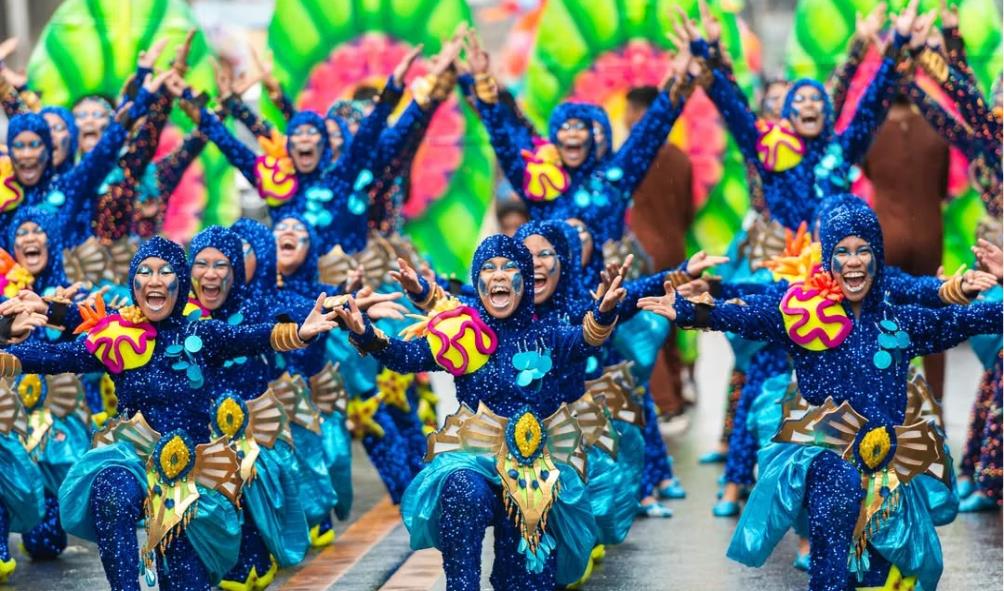
You’ll find that local festivals, like the Sandugo Festival, celebrate the city’s historical ties and showcase its colorful culture. Engaging in traditional dances, music, and art, you can experience the lively spirit of the community firsthand.
The culinary scene also offers a taste of local flavors, with dishes like “sinigang” and “lechon” being staples in family gatherings.
As you explore the streets, you’ll notice age-old customs still practiced today, from religious observances to communal events, all of which foster a strong sense of identity and belonging among the residents.
Modern Tagbilaran: A Blend of History and Progress
While exploring the dynamic landscape of modern Tagbilaran, you’ll discover a city that seamlessly blends its historical roots with contemporary advancements.
You can stroll through the historic streets where colonial architecture stands proudly alongside new commercial establishments. The vibrant city center buzzes with life, featuring modern shopping malls and bustling markets that reflect the local culture.
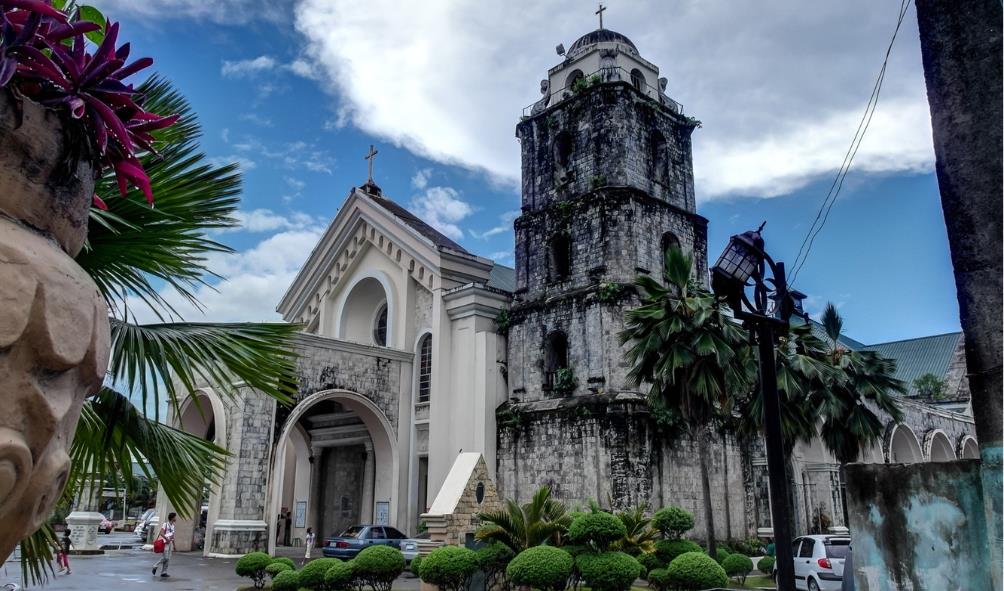
You’ll find that Tagbilaran’s commitment to progress doesn’t overshadow its rich heritage; rather, it enhances it. Festivals celebrating local traditions are highlighted by contemporary performances, bridging the past and present.
As you navigate this evolving city, you’ll appreciate how Tagbilaran embraces innovation while honoring its history, making it a unique destination that appeals to both locals and visitors alike.
Conclusion
In conclusion, Tagbilaran City's journey from a humble fishing village to a vibrant urban center showcases its rich history and resilience. You can see how Spanish colonization, economic growth, and cultural heritage have shaped the city into what it is today. As you explore Tagbilaran, you’ll appreciate the blend of tradition and modernity that defines its unique character. This city not only honors its past but also embraces a promising future, inviting you to be a part of its ongoing story.
Statistics
- Tagbilaran City is strategically located as a transport hub, providing access to various tourist destinations in Bohol, such as the Chocolate Hills and Panglao Island.
- Tagbilaran City is home to several historical landmarks, including the Blood Compact Shrine, which commemorates the historic blood compact between Spanish explorer Miguel López de Legazpi and Rajah Sikatuna.
- The city is known for its educational institutions, including the University of Bohol, which was founded in 1946 and has contributed to the development of local education.
- The city played a significant role during World War II, as it was occupied by Japanese forces and later liberated by American and Filipino troops in 1945.
External Links
- Bohol.ph - Tagbilaran City: This site provides an overview of Tagbilaran City, including its historical significance and key attractions.
- Bohol Chronicle - Tagbilaran City News: A local news outlet that covers current events and historical features related to Tagbilaran City.
- Philippine History - Tagbilaran City: This page offers insights into the history of Tagbilaran City, focusing on its role during the Spanish colonial period.
- Bohol Provincial Government - Tagbilaran City History: This resource outlines the historical timeline and important events that shaped Tagbilaran City.
How to Document Your Historical Journey Through Tagbilaran City
Documenting your historical journey through Tagbilaran City is a wonderful way to capture your experiences. Start by keeping a travel journal where you can jot down your thoughts, observations, and the stories you learn at each landmark. Take photographs of historical sites and artifacts, ensuring to note their significance. Consider creating a blog or social media account dedicated to your journey, where you can share your findings with a wider audience. Additionally, collecting brochures, maps, and other materials during your visit can serve as tangible reminders of your exploration. This documentation can also contribute to a greater understanding of the city’s history for others.
Want to travel with more time and freedom?
The freedom to travel! Discover free & unique homestays around the world, in exchange for caring for adorable pets.
https://escapetomexiconow.com/ths
Recommended Resources:
Ready to explore life beyond borders? Check out our trusted guides to Mexico, Panama, and the Philippines — your gateways to new adventures, culture, and opportunity.
https://escapetomexiconow.com/
https://escapetomexiconow.info/
https://escapetopanamanow.info/
https://escapetothephilippinesnow.com/
YouTube Channel:
See Mexico like never before! From local culture to travel hacks, our YouTube channel brings the adventure straight to you.
https://www.youtube.com/@EscapeToMexicoNow