When you think about Tacloban City, its journey from a small fishing village to a bustling urban center comes to mind. You’ll discover how Spanish explorers laid the groundwork for its growth and how American influences shaped its infrastructure. But the real story unfolds through challenges, particularly during World War II and the devastation of Typhoon Haiyan. What does this resilience reveal about the spirit of its people?
Early Settlement and Spanish Colonial Era
When you explore the early settlement of Tacloban City, you’ll find that its history is deeply intertwined with the Spanish colonial era. Founded in the 16th century, Tacloban began as a small fishing village.
Spanish explorers, led by Miguel López de Legazpi, arrived in 1565, establishing it as a crucial port for trade and missionary activities. The settlers built churches, homes, and roads, transforming the landscape.
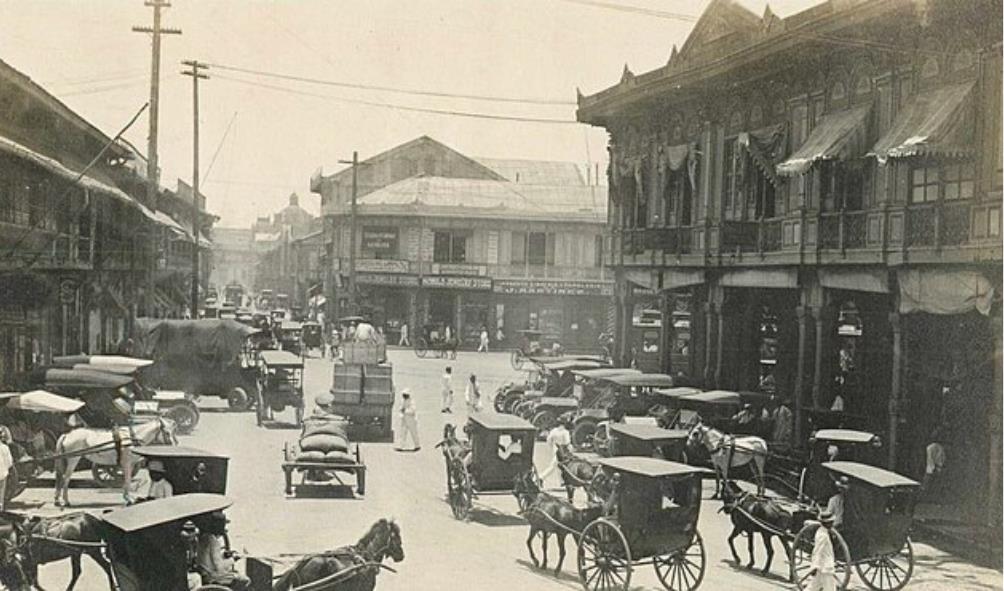
You’ll notice that the influence of Spanish culture is still evident today in the city’s architecture and traditions. The establishment of local governance under Spanish rule shaped the community’s social structure and economy.
As you wander through Tacloban, you can feel the weight of its rich history echoing through its streets.
The American Period and Development
As the United States took control of the Philippines in the early 20th century, Tacloban City underwent significant changes that spurred its development.
You'd notice the introduction of modern infrastructure like roads, schools, and hospitals, improving the quality of life for residents. The Americans focused on education, establishing public schools and promoting English as the medium of instruction, which shaped the city's future.
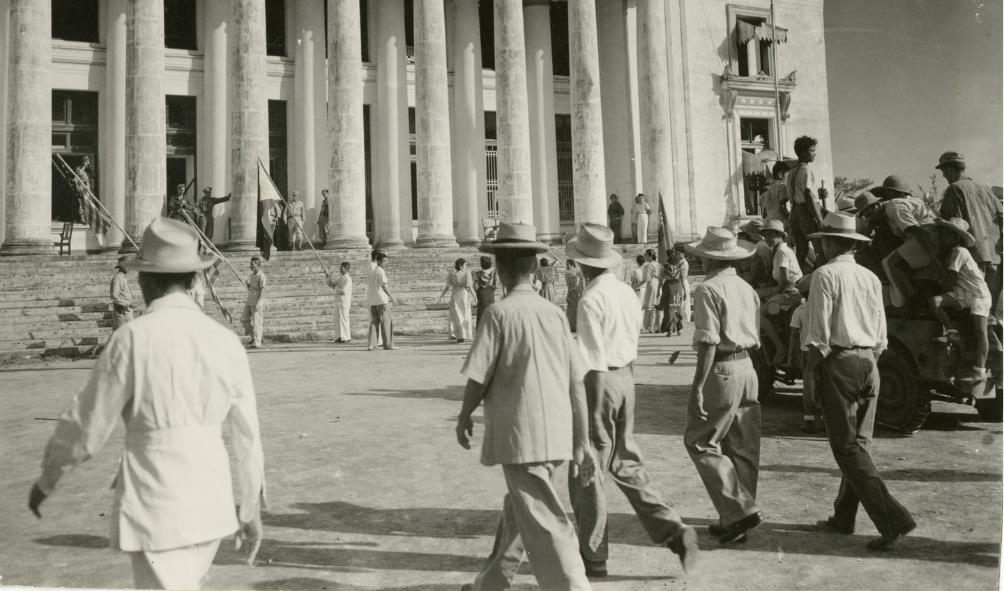
The local economy also thrived, with agriculture and trade becoming more organized and efficient. The establishment of local governance allowed citizens to participate actively in community decisions.
These developments transformed Tacloban into a key urban center, setting the stage for its growth and progress, while fostering a sense of identity among its people.
World War II and the Liberation of Tacloban
The advancements made during the American period set the stage for a tumultuous chapter in Tacloban's history.
When World War II erupted, the city faced occupation by Japanese forces, bringing fear and hardship to its residents. You’d witness the struggle as the community endured food shortages and military presence.
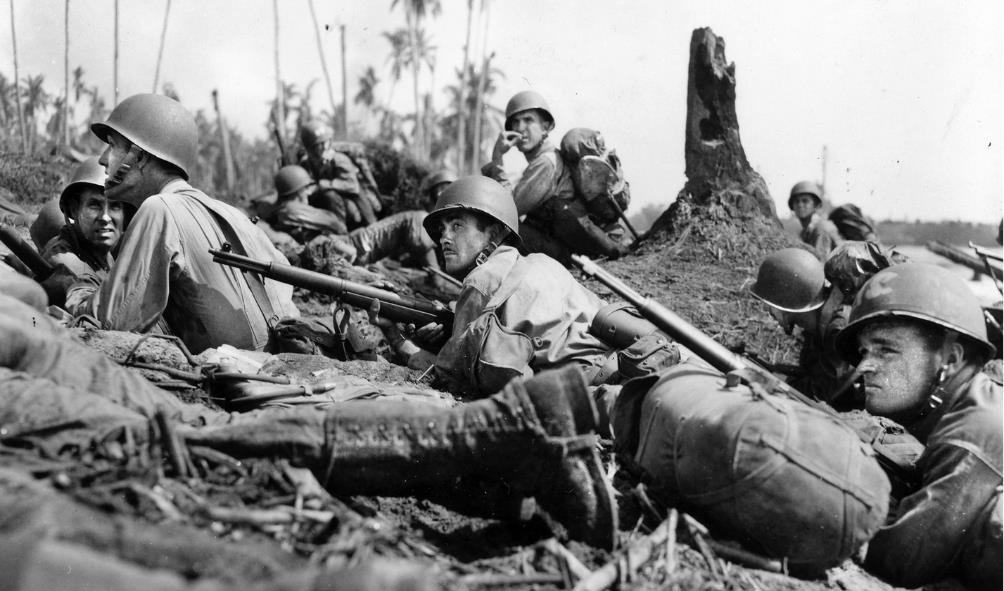
The fight for liberation began in 1944, when Allied forces, including American troops, landed on Leyte Island. The Battle of Leyte Gulf became a pivotal moment, leading to fierce clashes in Tacloban. As the city endured destruction, your spirit remained resilient.
Finally, on October 20, 1944, General Douglas MacArthur fulfilled his promise, declaring, “I shall return.” Tacloban’s liberation marked a significant turning point, igniting hope amid the devastation.
Post-War Reconstruction and Growth
Although Tacloban City lay in ruins after World War II, its residents quickly rallied to rebuild their community with resilience and determination.
You'd see people coming together, clearing debris, and reconstructing homes, schools, and businesses. The local government played a crucial role, initiating programs to restore infrastructure and services.
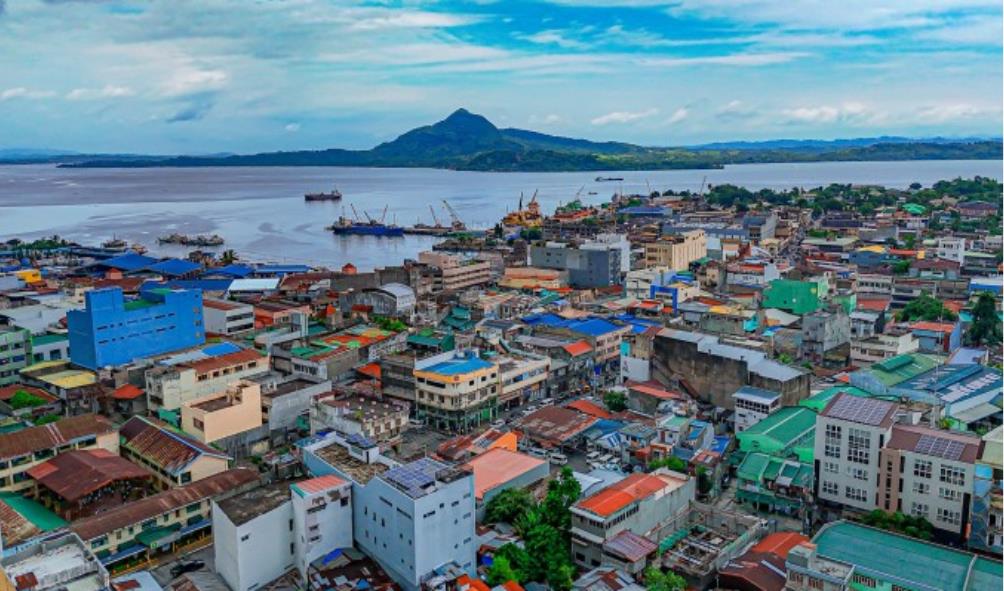
With the support of various organizations, they secured funds to help revitalize the economy. You can imagine the bustling streets as new shops opened, and families returned to their neighborhoods, rebuilding their lives.
The spirit of unity and hard work propelled Tacloban into a new era of growth. As the city emerged from the ashes, it became a symbol of hope and strength, showcasing the unwavering resolve of its people.
The Impact of Typhoon Haiyan
When Typhoon Haiyan struck in November 2013, it unleashed unprecedented destruction on Tacloban City, leaving a profound impact on its residents and infrastructure.
You witnessed firsthand the chaos as homes were swept away, and lives were shattered. The storm surge inundated the coastal areas, overwhelming evacuation centers and emergency services. Many lost loved ones and faced unimaginable grief.
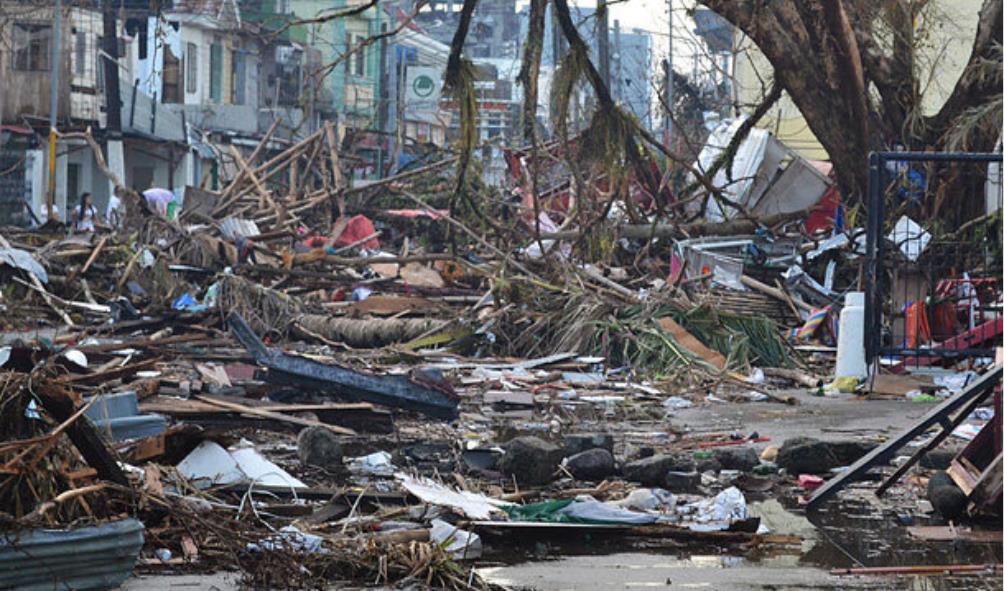
The destruction of schools and hospitals disrupted education and healthcare, leaving the community in crisis. Essential services like electricity and water supply were severely affected, plunging the city into darkness.
The economic fallout was staggering, as businesses closed, and livelihoods vanished overnight. The emotional and psychological scars lingered long after the winds died down, forever changing the fabric of Tacloban.
Modern Tacloban: Resilience and Recovery
As Tacloban rises from the ashes of Typhoon Haiyan, its spirit of resilience shines through in the community's efforts to rebuild and recover.
You’ll see neighbors coming together, sharing resources, and supporting each other. Local businesses are reopening, showcasing the determination to restore economic stability.
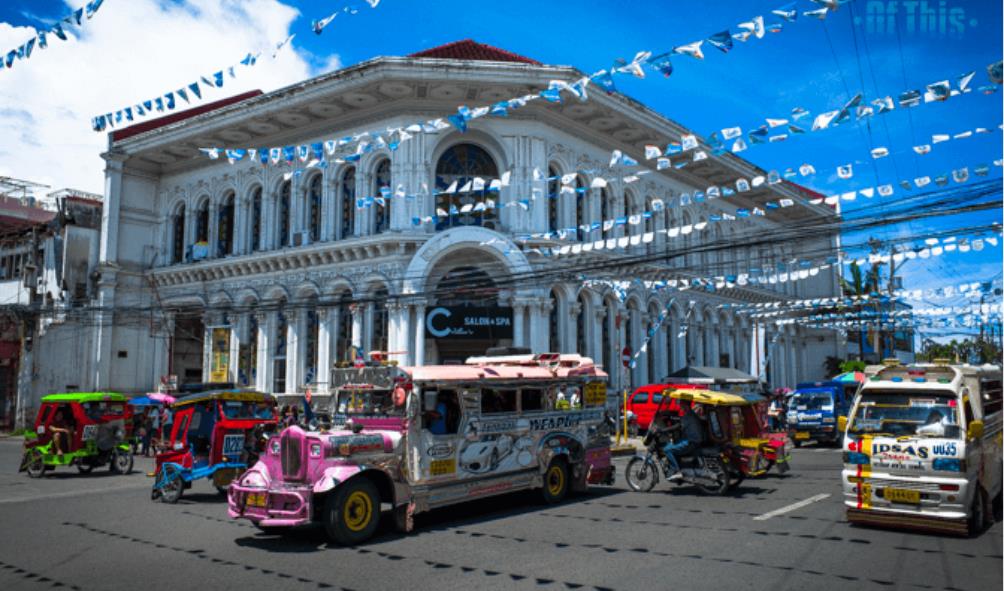
Community initiatives, like clean-up drives and rebuilding projects, demonstrate unwavering hope. With the help of national and international aid, schools and homes are being reconstructed, creating a brighter future for the next generation.
You can't help but feel inspired by the strength of the people who refuse to be defeated by adversity.
Modern Tacloban isn’t just about recovery; it’s about crafting a new identity rooted in unity, strength, and an indomitable spirit.
Conclusion
Tacloban City’s journey from a humble fishing village to a resilient urban hub showcases its enduring spirit. You’ve seen how its rich history, marked by colonization, war, and natural disasters, has shaped the community's identity. Through every challenge, the people of Tacloban have shown remarkable strength and determination to rebuild. As you reflect on this history, remember that their story is one of hope and resilience, inspiring future generations to continue moving forward.
Statistics
- In the aftermath of Typhoon Haiyan in November 2013, Tacloban City experienced a devastating impact, with over 6,000 reported fatalities and widespread destruction of infrastructure.
- As of 2020, Tacloban City has a population of approximately 242,089 residents, making it one of the largest urban centers in the Eastern Visayas.
- The Sangyaw Festival, celebrated annually in June, features over 20 colorful street dancing contingents, showcasing the rich cultural heritage of Tacloban City.
- Tacloban City served as the capital of Leyte province since 1901, reflecting its historical importance in the administrative structure of the region.
External Links
- PhilStar Article on Tacloban Recovery - An article discussing the recovery efforts of Tacloban City after Typhoon Haiyan, highlighting the resilience of its people.
- Rappler - Tacloban City History and Culture - An article that explores the rich cultural heritage and historical background of Tacloban City.
- BBC News - Tacloban After Typhoon Haiyan - A report on the impact of Typhoon Haiyan on Tacloban City, providing insights into the devastation and recovery process.
- Tacloban History Website - A dedicated resource for exploring the detailed history of Tacloban City, including key events and milestones.
How To Explore Tacloban City's Role in Philippine History
Exploring Tacloban City's role in Philippine history involves a multi-faceted approach. Start with comprehensive research on the city's founding and its significance during the Spanish colonial period. Investigate key historical events, such as the American occupation and World War II, that shaped the city’s development. Utilize resources like history books, academic journals, and online databases that focus on Philippine history. Engage with local historians or visit museums that provide context and artifacts related to Tacloban's past. By piecing together these historical narratives, you'll gain a deeper understanding of the city's impact on the broader Philippine history.
Want to travel with more time and freedom?
The freedom to travel! Discover free & unique homestays around the world, in exchange for caring for adorable pets.
https://escapetomexiconow.com/ths
Recommended Resources:
Adventure is calling — are you ready to answer? Discover new places, new lifestyles, and new possibilities in Mexico, Panama, or the Philippines.
https://escapetomexiconow.com/
https://escapetomexiconow.info/
https://escapetopanamanow.info/
https://escapetothephilippinesnow.com/
YouTube Channel:
Your next adventure starts here! Join us on YouTube for destination tours, insider advice, and everything you need to make your escape unforgettable.
https://www.youtube.com/@EscapeToMexicoNow