
When you explore the history of Surigao Del Sur, you'll uncover a rich narrative shaped by its early inhabitants and the influences of colonization. The region's transformation through various eras reveals how cultures intertwined and evolved. Each chapter offers insights into the resilience of its people, especially during challenging times. As you learn more, you'll find that the past continues to resonate in the fabric of modern Surigao Del Sur. What stories lie hidden beneath the surface?
Early Inhabitants and Indigenous Cultures
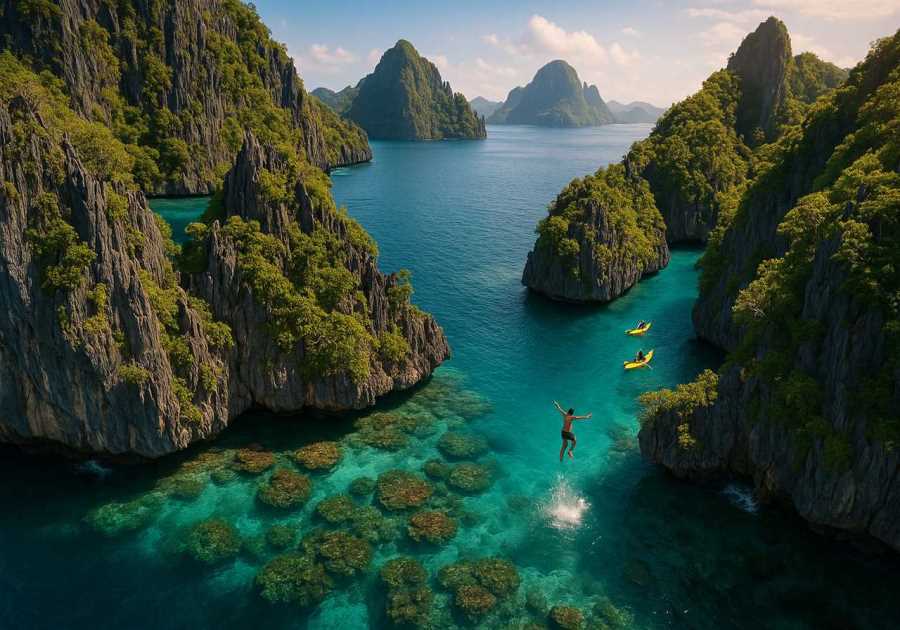
Although Surigao Del Sur is known for its stunning landscapes today, its history is deeply rooted in the rich cultures of its early inhabitants.
You'd find that these indigenous groups, including the Manobo, Mamanwa, and Tiruray, thrived in harmony with their environment. They practiced agriculture, fishing, and hunting, utilizing the abundant natural resources around them.
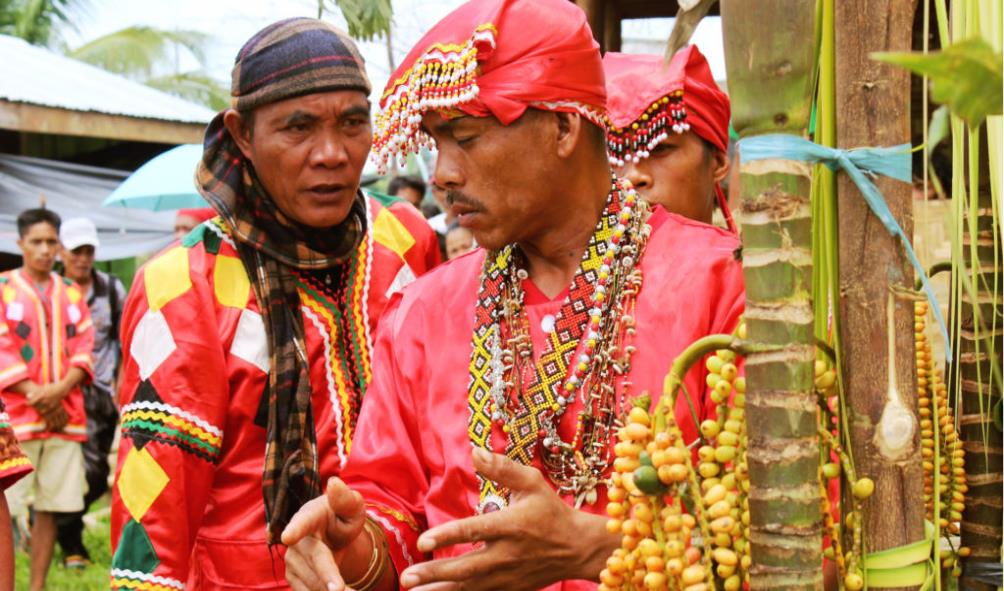
Their vibrant traditions, language, and crafts reflect a deep connection to the land, which you can still witness in various communities today.
Rituals and storytelling played a significant role in preserving their cultural heritage, passing down knowledge through generations.
As you explore the region, you'll discover remnants of this rich history that continue to shape the identity of Surigao Del Sur's people and their way of life.
Spanish Colonization and Its Impact
As Spanish colonizers arrived in the 16th century, they brought significant changes to Surigao Del Sur's social and cultural landscape.
You'd notice the introduction of Christianity, which transformed indigenous beliefs and practices. The Spaniards established missions, leading to the spread of Catholicism and the construction of churches that still stand today.
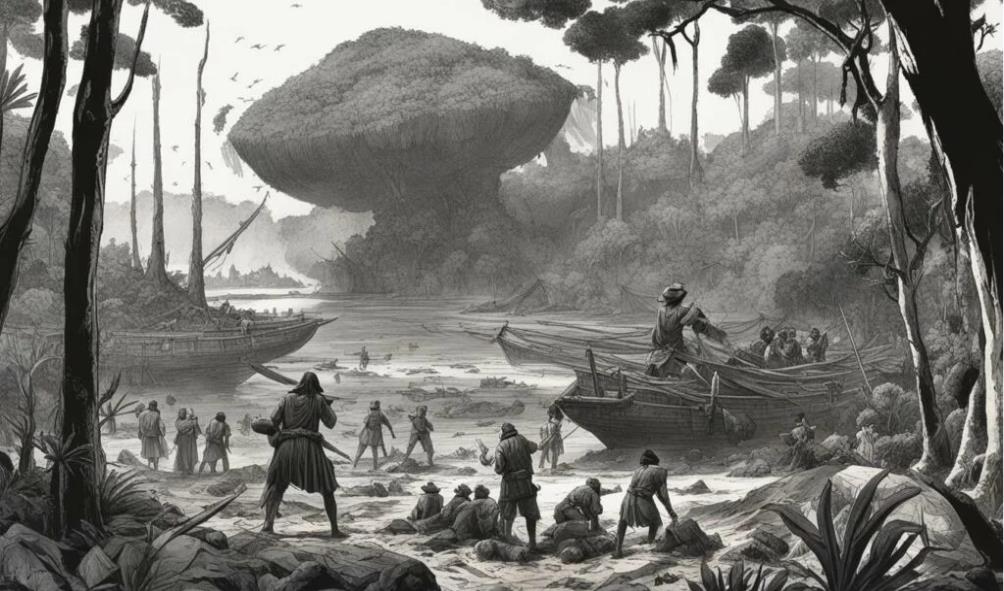
They also imposed a new governance system, altering traditional leadership structures. The introduction of the Spanish language influenced local dialects, enriching the region's communication.
Agricultural practices shifted as new crops, like corn and tobacco, were introduced, changing local diets and economies.
This blend of cultures forged a unique identity, marking the beginning of a complex relationship between the colonizers and the indigenous people, shaping the history you see today.
The American Era and Political Changes
The arrival of American colonizers in the early 20th century brought about significant political changes in Surigao Del Sur.
You’d notice that the American administration introduced new governance structures that replaced the Spanish colonial system. They established a civil government, promoting democratic principles and local representation.
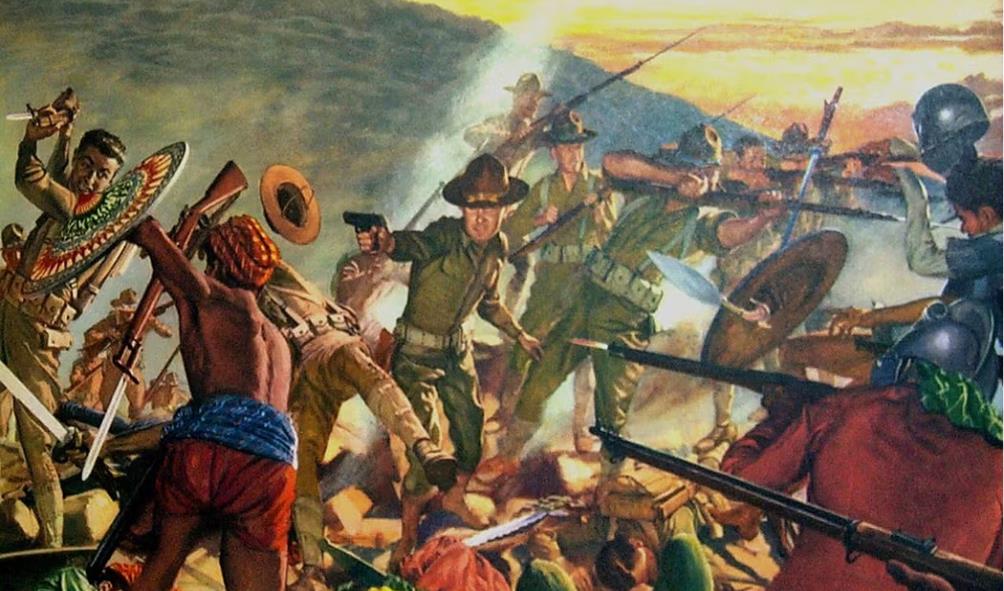
The Americans implemented a system of education that emphasized civic responsibility, shaping the political awareness of the people. You’d see local leaders emerging, as Filipinos were encouraged to participate in governance.
This era also saw the establishment of new political parties, reflecting diverse interests and ideologies.
Economic Development Through Agriculture and Fishing
With the rise of the American administration, Surigao Del Sur experienced a boost in economic development, particularly through agriculture and fishing.
You'd see farmers adopting modern techniques and improved crop varieties, leading to increased yields. Rice, corn, and coconuts became staple crops, significantly enhancing food security and local trade.
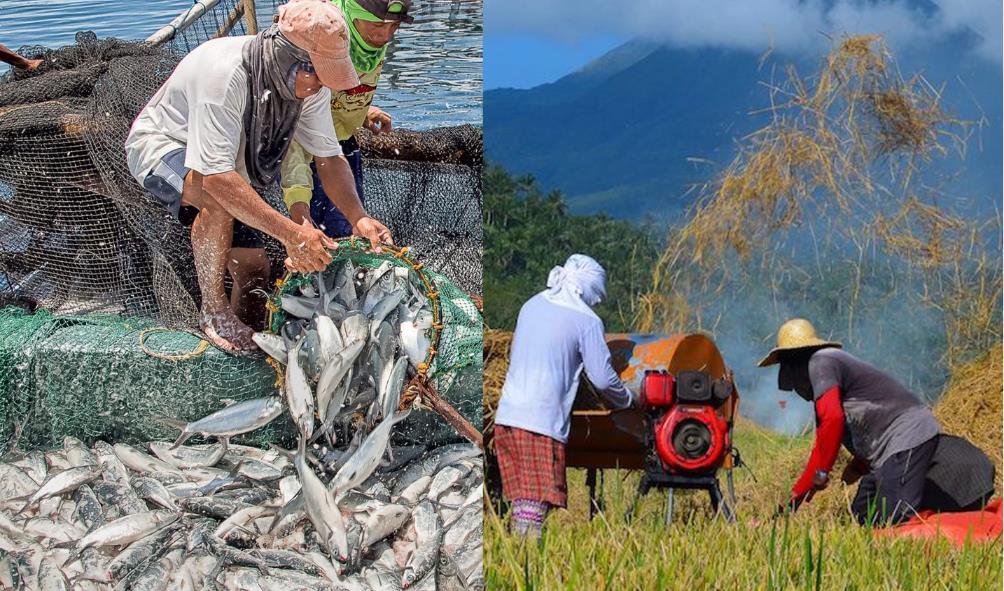
Fishing also thrived, with communities utilizing better equipment and methods, allowing for larger catches. You could witness the growth of fish markets, which not only supported local families but also supplied larger markets.
The intertwining of these industries fostered a sense of community and cooperation. As you explored the region, it became clear that agriculture and fishing weren't just economic activities; they were the lifeblood of Surigao Del Sur’s social fabric.
The Influence of World War II
World War II significantly altered the landscape of Surigao Del Sur, leaving a lasting impact on its people and infrastructure.
You'd notice how the war brought destruction but also a spirit of resilience among the locals. Many communities faced displacement, as battles unfolded in their backyards. Roads and bridges were damaged, disrupting trade and daily life.
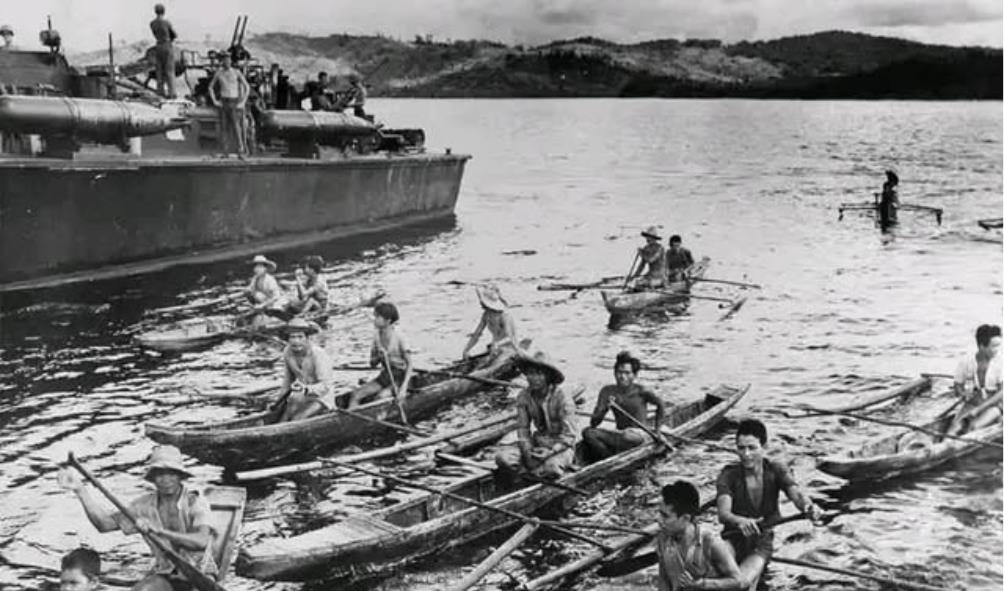
Yet, in the face of adversity, people banded together, rebuilding their homes and lives. The war also introduced new political dynamics, shaping local governance and influencing future leaders.
As you explore the region, you can still sense the echoes of that time, reminding you of the strength and determination that emerged from the rubble of conflict, paving the way for recovery and growth.
Modern-Day Surigao Del Sur: Culture and Heritage
Emerging from the shadows of past conflicts, modern-day Surigao Del Sur is a vibrant tapestry of culture and heritage. You’ll find a rich blend of indigenous traditions and Spanish influences reflected in local festivals, art, and cuisine.
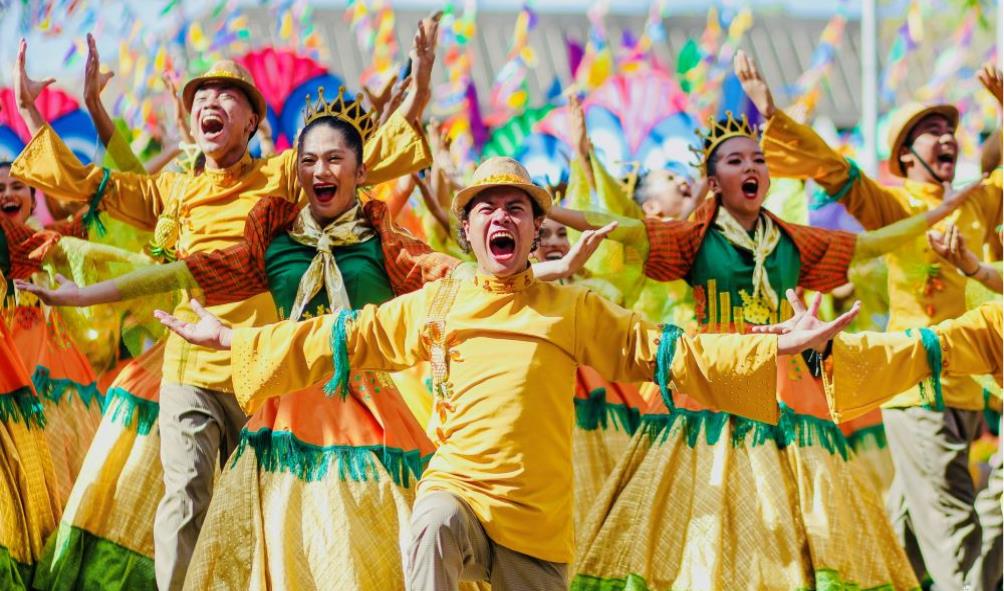
The annual “Bantayog Festival” celebrates the province’s cultural identity, showcasing colorful dances and traditional crafts. You can’t miss the warm hospitality of the locals, who take pride in their ancestral roots.
Explore the lush landscapes, and you’ll discover sacred rituals still practiced by the Lumad tribes, connecting you to their spiritual beliefs. The province’s commitment to preserving its heritage is evident, as you experience a unique fusion of past and present, making every visit a memorable journey through time.
Conclusion
In conclusion, Surigao Del Sur's history is a vibrant blend of indigenous cultures, colonial influences, and resilience through adversity. You can see how the early Manobo and Mamanwa shaped the region, while Spanish and American rule transformed governance and education. The local economy thrived on agriculture and fishing, but the scars of World War II remind us of the strength of its people. Today, Surigao Del Sur stands as a testament to its rich heritage and cultural diversity.
Statistics
- Surigao del Sur celebrates its founding anniversary every August 31, commemorating its establishment and showcasing local culture through various festivities.
- Surigao del Sur was officially established as a province on August 31, 1970, through Republic Act No. 613.
- The province is known for its rich cultural heritage, with indigenous groups such as the Manobo, Mamanwa, and Visayan people residing in the area.
- The province is rich in natural resources, including mineral deposits such as gold, copper, and nickel, contributing to its economic development.
External Links
- Department of Tourism - Surigao del Sur - Highlights the cultural and historical attractions of Surigao del Sur for tourists.
- Philippine History - Surigao del Sur - A detailed account of the historical background and significant events that shaped Surigao del Sur.
- Encyclopedia Britannica - Surigao del Sur - An overview of Surigao del Sur's geographical and historical significance in the Philippines.
- National Nutrition Council - Surigao del Sur - Information on local initiatives and historical context related to food and nutrition in the province.
How To Participate in Surigao del Sur's Historical Celebrations
Participating in Surigao del Sur's historical celebrations can be an enriching experience. Research local festivals and events that commemorate the province's history, such as the founding anniversary celebrations. Check community calendars for dates and activities, and plan your visit accordingly. Engage with local residents to learn about the traditions and significance of each celebration. Volunteering or taking part in cultural performances can deepen your connection to the community and provide a firsthand experience of the province's vibrant history.
Want to travel with more time and freedom?
The freedom to travel! Discover free & unique homestays around the world, in exchange for caring for adorable pets.
https://escapetomexiconow.com/ths
Recommended Resources:
Ready to explore life beyond borders? Check out our trusted guides to Mexico, Panama, and the Philippines — your gateways to new adventures, culture, and opportunity.
https://escapetomexiconow.com/
https://escapetomexiconow.info/
https://escapetopanamanow.info/
https://escapetothephilippinesnow.com/
YouTube Channel:
See Mexico like never before! From local culture to travel hacks, our YouTube channel brings the adventure straight to you.
https://www.youtube.com/@EscapeToMexicoNow