Surigao City's history is a tapestry woven from its indigenous roots, Spanish colonization, and American modernization. As you explore this vibrant city, you'll uncover how each era shaped its identity. From the early Manobo and Mamanwa inhabitants to the impacts of World War II, every chapter reveals a unique story. What you'll find next might shift your perspective on this bustling hub and its rich cultural heritage.
Early Settlement and Indigenous Peoples
When you dig into the early settlement of Surigao City, you’ll discover a rich tapestry of indigenous peoples who first inhabited the region. The Manobo, Mamanwa, and other groups thrived here, forging deep connections with the land and its resources.
They relied on fishing, hunting, and farming, ensuring their survival in this lush environment. Their cultures were vibrant, filled with unique traditions, oral histories, and spiritual beliefs that shaped their daily lives.
Communities often gathered for rituals and celebrations, strengthening their social bonds. As you explore the area, you can see the remnants of their influence, from ancient artifacts to the rich biodiversity they cherished.
This foundation set the stage for Surigao City’s future as a melting pot of cultures and histories.
Spanish Colonization and Its Impact
The arrival of Spanish colonizers in the 16th century marked a significant turning point for Surigao City and its indigenous inhabitants.
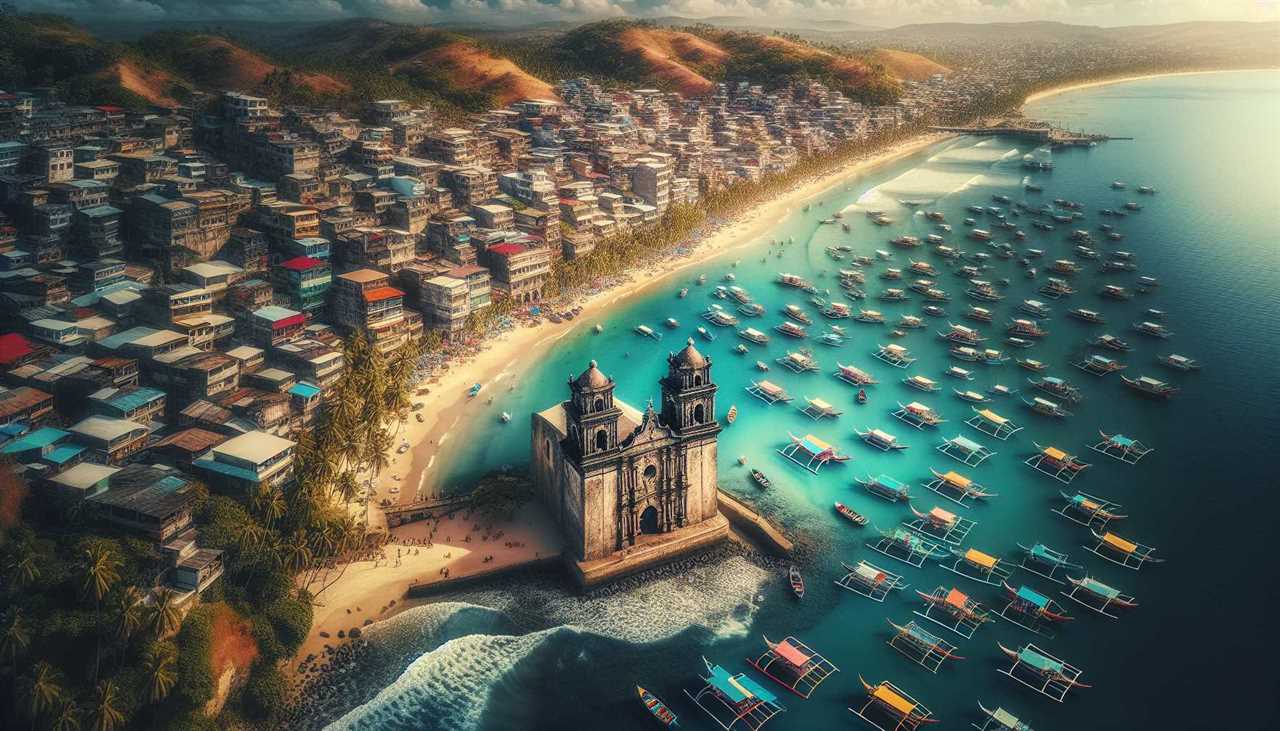
You'd witness the introduction of Christianity, transforming local beliefs and practices. Spanish missionaries established churches, which became central to community life and altered social dynamics.
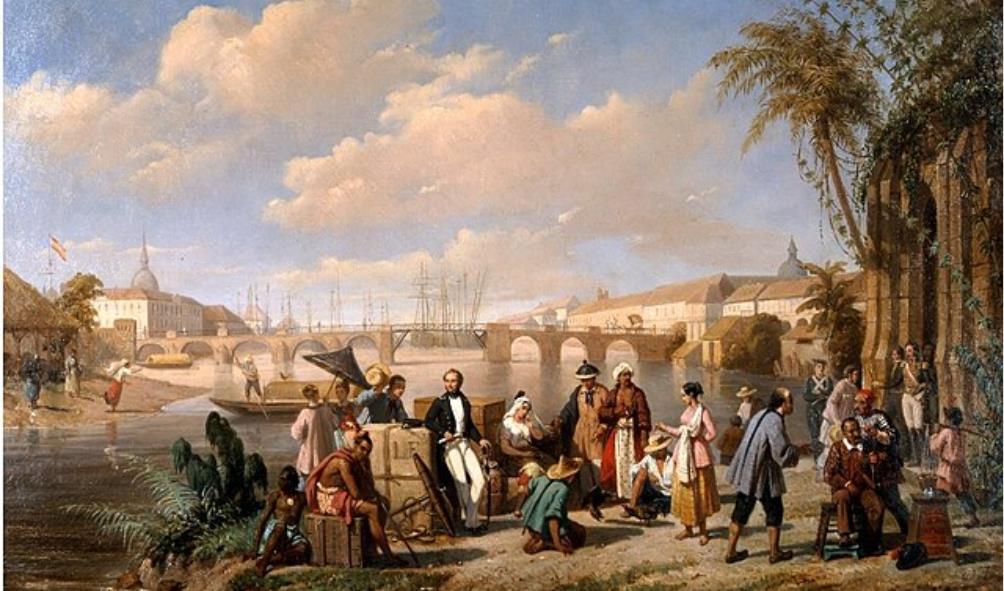
The colonizers also introduced new agricultural techniques, changing how locals farmed and managed land. As they established trade routes, Surigao became a bustling port, linking it to global commerce.
However, this period wasn't without conflict; Spanish rule often led to resistance from indigenous groups, who fought to protect their lands and traditions.
Ultimately, the Spanish colonization left a profound legacy, shaping Surigao's culture, economy, and societal structure for generations to come.
The American Era and Modernization
As the American colonial government took control in the early 20th century, Surigao City underwent significant modernization that transformed its infrastructure and economy.
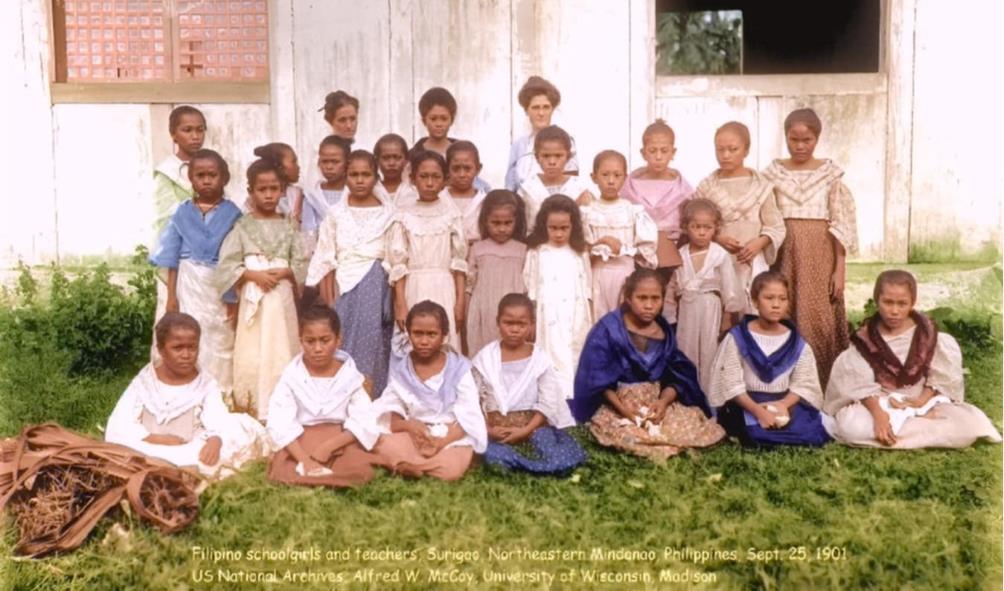
You'd notice the introduction of American-style education, which aimed to uplift literacy rates among the locals. Roads and bridges were built, enhancing transportation and trade, while public health measures improved sanitation and living conditions.
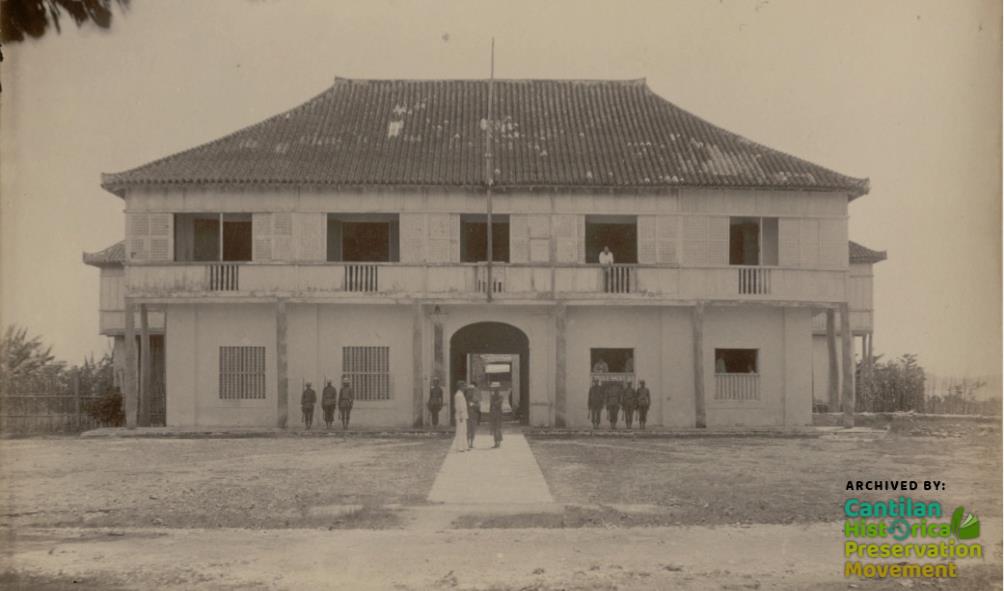
The establishment of new communication systems connected Surigao to other regions, fostering economic growth. You'd also see the rise of various industries, including fishing and agriculture, which contributed to the local economy.
The American influence not only modernized Surigao's physical landscape but also shaped its cultural identity, blending traditional practices with new ideas and innovations that would leave a lasting impact.
World War II: A Strategic Location
Surigao City became a strategic location during World War II, serving as a key military outpost for both Japanese and Allied forces. Its position at the northern tip of Mindanao made it vital for controlling sea routes and troop movements.
You’d find that the city was heavily fortified by Japanese forces, who built defenses to hold off advancing Allied troops.
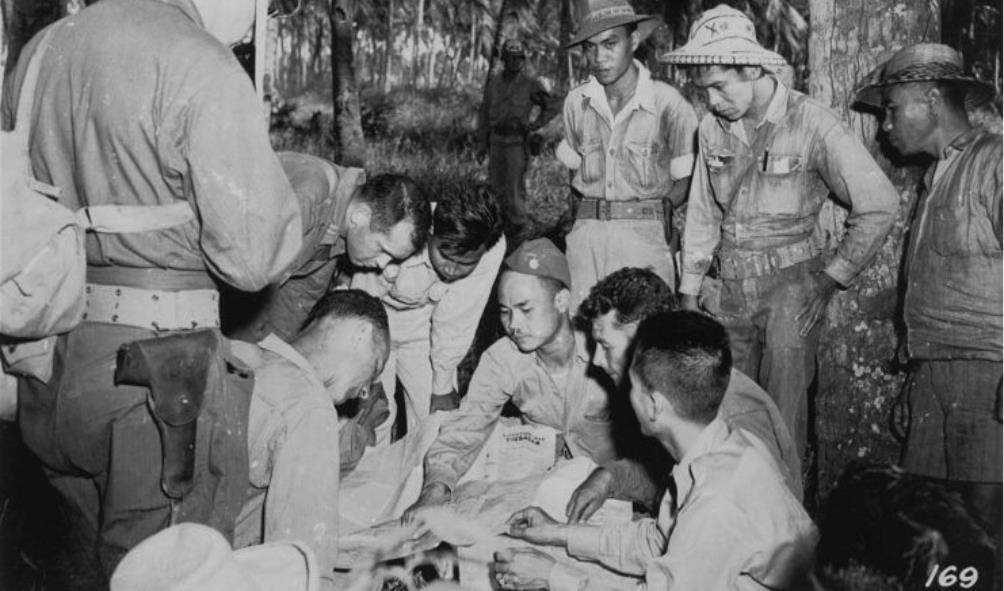
In 1945, the Battle of Surigao Strait marked a significant turning point, where the Allies launched a surprise attack, crippling the Japanese fleet. This battle showcased not just military might but also the importance of Surigao's geography.
The city endured hardships during this tumultuous time, shaping its future and leaving a lasting impact on its community.
Contemporary Surigao City and Cultural Heritage
Emerging from the shadows of World War II, contemporary Surigao City is a vibrant hub that reflects a rich tapestry of cultural heritage.
You’ll find a blend of indigenous traditions and influences from Spanish colonization, which shape the city's unique identity. Festivals like the Bonok-Bonok Maradjaw Karadjaw celebrate local customs, where you can immerse yourself in lively dances and music.
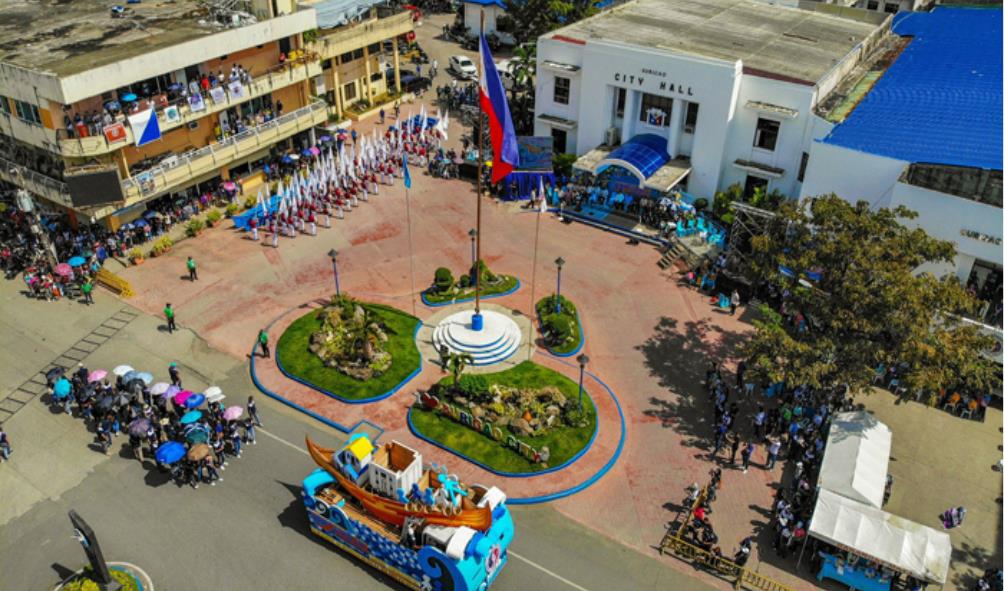
As you stroll through the streets, vibrant murals and art installations pay homage to the city’s history. The local cuisine, featuring fresh seafood and traditional dishes, invites you to savor the flavors of Surigao.
Engaging with the warm and welcoming locals offers insights into their cultural pride, making your visit a truly enriching experience.
Conclusion
In conclusion, Surigao City’s rich history reflects a unique blend of indigenous roots and colonial influences. You've seen how early settlers shaped the land, how Spanish colonization transformed its culture, and how American modernization paved the way for progress. The city’s role during World War II as a strategic location further highlights its significance. Today, you can appreciate the vibrant cultural heritage that makes Surigao City a fascinating place to explore and celebrate its diverse past.
Statistics
- Surigao City's strategic location has made it a vital trade route since the pre-colonial period, facilitating commerce between the Philippines and neighboring countries.
- The city has a population of approximately 150,000 residents, reflecting its role as a hub in the Caraga region.
- Surigao City is home to the famous Bonok-Bonok Maradjaw Karadjaw Festival, celebrated annually, which showcases the rich cultural heritage of the local community.
- Approximately 70% of Surigao City's economy is driven by the service sector, including trade, tourism, and local businesses.
External Links
- Rappler - Surigao City Heritage Sites - This piece highlights the heritage sites in Surigao City, emphasizing their historical importance.
- Philippine History - Surigao City - This resource details the historical significance of Surigao City within the context of Philippine history.
- SunStar - Surigao City: A Historical and Tourist Destination - This article explores the historical attractions of Surigao City and its appeal to tourists.
- BBC News - Surigao Earthquake History - This article discusses the impact of historical earthquakes in Surigao City, highlighting its geological significance.
How To Learn About Surigao City's Role in World War II
Learning about Surigao City's role in World War II involves studying specific battles, particularly the Battle of Surigao Strait. Start by reading military history books that cover the Pacific theater and the strategic importance of Surigao. Utilize online resources, including documentaries and interviews with veterans or historians. Visit local museums that focus on wartime history to view exhibits and artifacts. Engaging with local history groups or attending lectures can also enhance your understanding of the city’s contributions during this significant period.
Plan the perfect group trip, your way.
Get an instant personalized itinerary. We handle logistics, payments, and provide a dedicated itinerary, while local experts fine-tune every detail. Enjoy full freedom—without the stress of organizing it all.
https://escapetomexiconow.com/tourhero
Recommended Resources:
Dreaming of a fresh start abroad? Explore our curated destination guides to learn how you can make the move with ease.
https://escapetomexiconow.com/
https://escapetomexiconow.info/
https://escapetopanamanow.info/
https://escapetothephilippinesnow.com/
YouTube Channel:
See Mexico like never before! From local culture to travel hacks, our YouTube channel brings the adventure straight to you.
https://www.youtube.com/@EscapeToMexicoNow