When you think about the history of San Fernando, Pampanga, it's clear that its journey is marked by resilience and growth. From its early agricultural roots to the influence of colonial powers, each chapter tells a unique story. You might wonder how these events shaped the town's identity, especially during challenging times like World War II. The transformation that followed is equally compelling, hinting at a vibrant cultural tapestry that continues to thrive today.
Early Settlement and Establishment
When you explore the early settlement of San Fernando, you'll discover a rich tapestry of history woven with diverse cultures. Founded in the 18th century, this thriving community began as a hub for agricultural production, drawing settlers from various backgrounds.
You’ll notice how the lush landscapes and fertile soil attracted farmers who cultivated rice and sugarcane, establishing a vibrant economy. The early residents built homes and communal spaces, fostering a strong sense of community.
As you wander through the area, you'll see remnants of their architectural styles and traditions that reflect the blending of indigenous practices with influences from surrounding regions. The spirit of cooperation and resilience among these early settlers laid a solid foundation for what San Fernando would become.
The Influence of Spanish Colonial Rule
As you delve into the history of San Fernando, you'll find that Spanish colonial rule significantly shaped its development and culture. The arrival of Spanish colonizers in the 16th century introduced new governance, religion, and social structures, altering the local way of life.
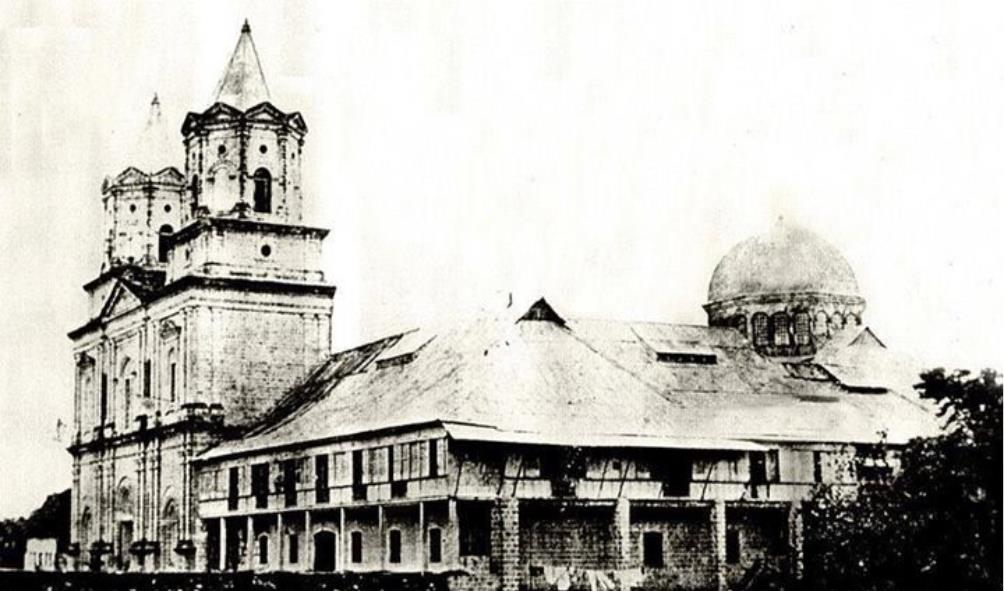
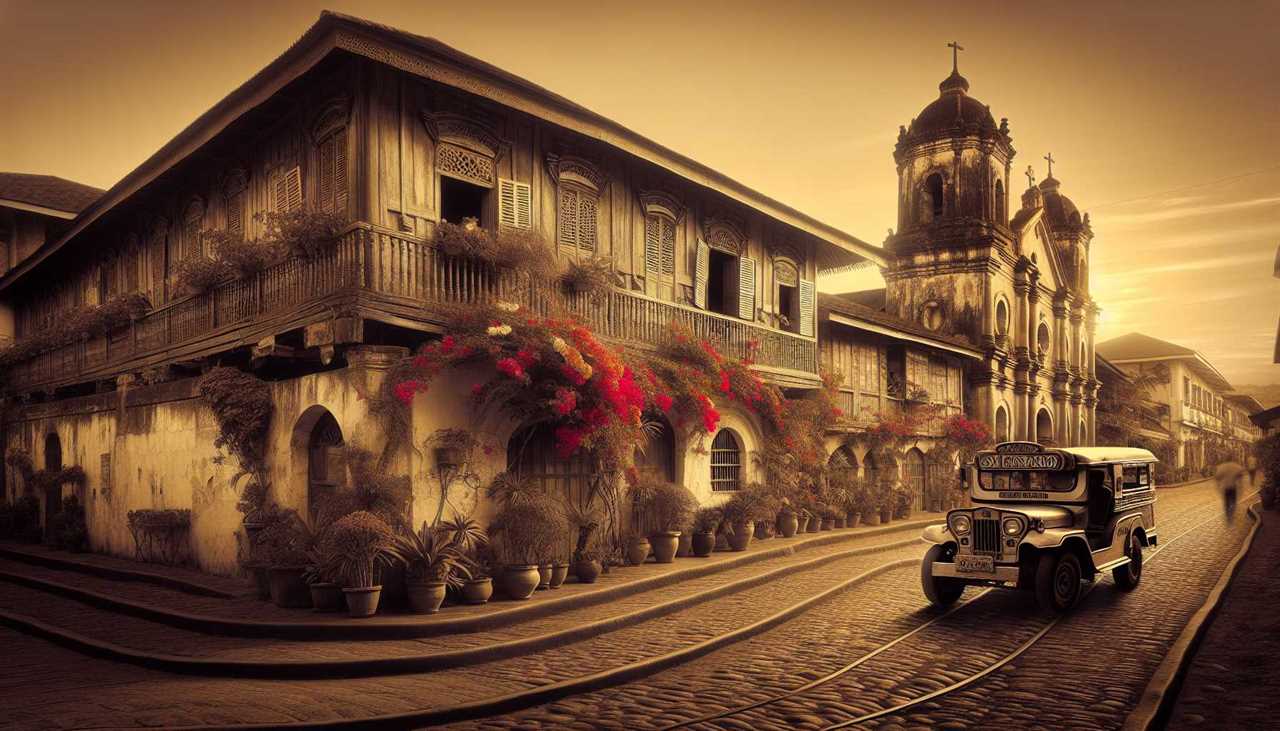
The establishment of the parish system brought Catholicism to the forefront, influencing community gatherings and traditions. You'll notice how the Spaniards built churches, schools, and government buildings, which became central to daily life.
Additionally, they introduced new agricultural practices and crafts, blending indigenous methods with European techniques. This fusion laid the groundwork for a distinct San Fernando identity, one that reflects both its rich indigenous heritage and the lasting impact of Spanish influence.
Agricultural Development and Economic Growth
While the influence of Spanish colonial rule laid the foundation, agricultural development became a driving force behind San Fernando's economic growth.
You’ll find that the fertile lands in the region allowed for the cultivation of rice, sugarcane, and various fruits, boosting local production.
With farmers embracing modern techniques, crop yields increased, leading to greater market opportunities.
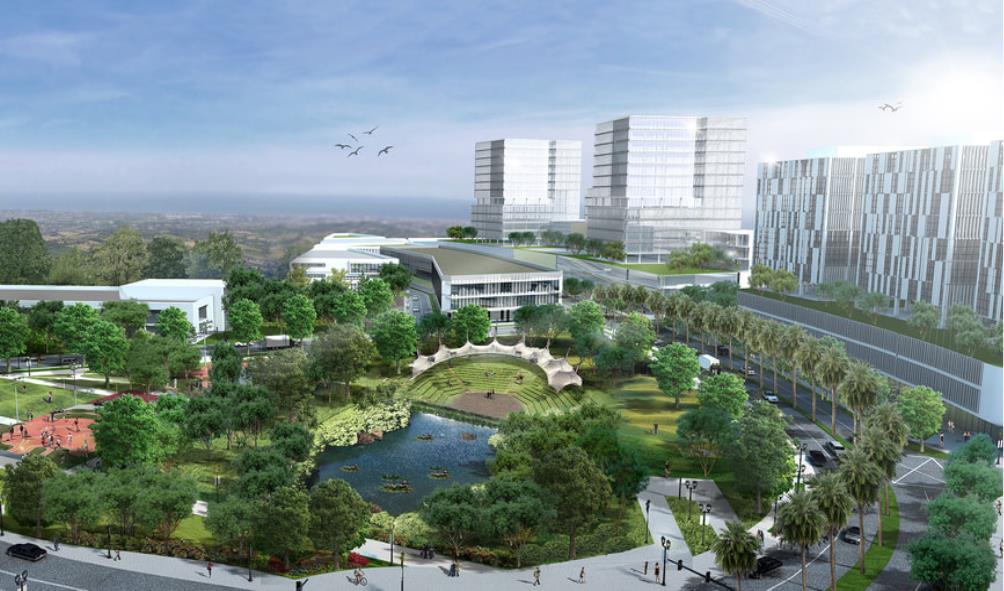
As agricultural output expanded, you could see a rise in trade, connecting San Fernando to broader markets.
This growth not only improved livelihoods but also attracted investments, fostering infrastructure development.
The community rallied around agriculture, creating cooperatives and sharing knowledge, which further enhanced productivity.
Ultimately, this focus on agriculture transformed San Fernando into a vibrant economic hub, setting the stage for future advancements.
The American Colonial Period
The transition to the American colonial period marked a significant turning point for San Fernando, as new governance brought fresh ideas and opportunities.
You’d notice changes in administration, with Americans introducing a more structured local government. Education became a priority, leading to the establishment of public schools that aimed to provide quality education to the youth.
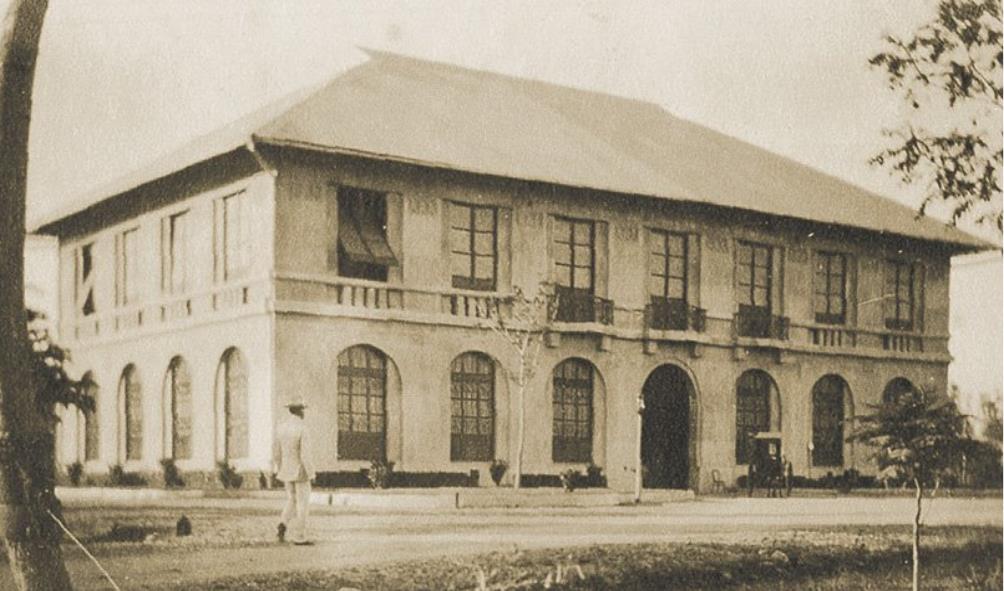
Infrastructure improvements, like roads and bridges, helped connect San Fernando to neighboring areas, enhancing trade. The introduction of new agricultural techniques also transformed farming practices, increasing productivity.
You’d see local industries emerging, supported by American investments. This era fostered a spirit of progress, as residents adapted to new ways of life while preserving their cultural heritage, setting the stage for future developments in the region.
World War II and Its Impact
World War II had a profound impact on San Fernando, reshaping its social, economic, and physical landscape. As the Japanese occupied the area, you’d witness significant changes in daily life. Many residents faced hardships, with food shortages and curfews becoming common.
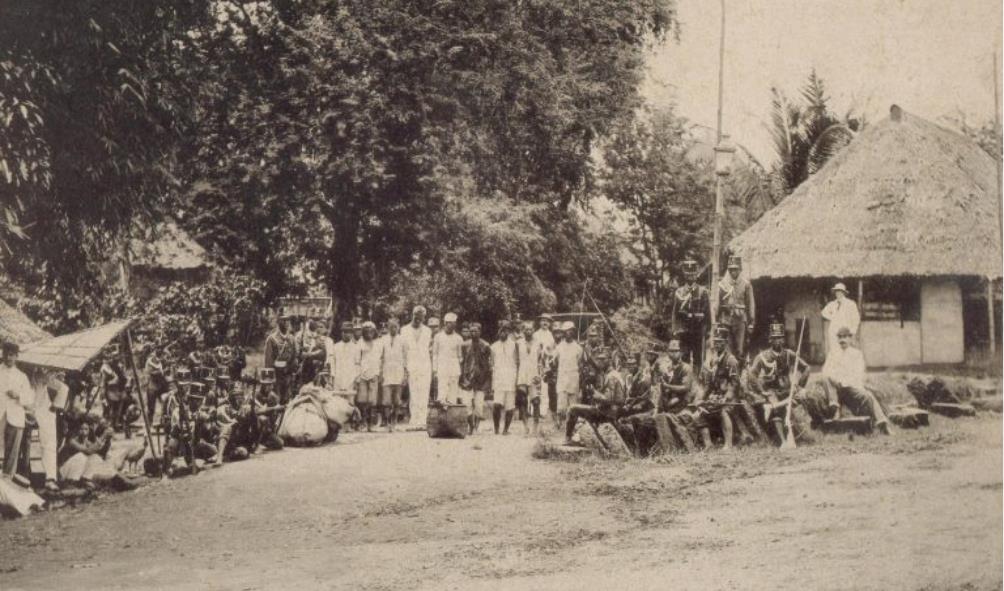
Schools closed, and the community rallied to support each other amidst the chaos. The local economy suffered, as businesses struggled to adapt to wartime demands. Buildings that once stood proud were damaged or destroyed, altering the town’s infrastructure.
The war also left deep emotional scars, with families losing loved ones and grappling with trauma. Overall, the conflict marked a turning point in San Fernando’s history, forcing you and your neighbors to confront adversity and resilience in the face of destruction.
Post-War Reconstruction and Growth
As San Fernando emerged from the shadows of World War II, its residents banded together to rebuild their community with determination and hope.
You’d witness neighbors collaborating to restore homes, schools, and infrastructure, fostering a sense of unity. The local government prioritized essential services, ensuring that basic needs were met while laying the groundwork for future growth.
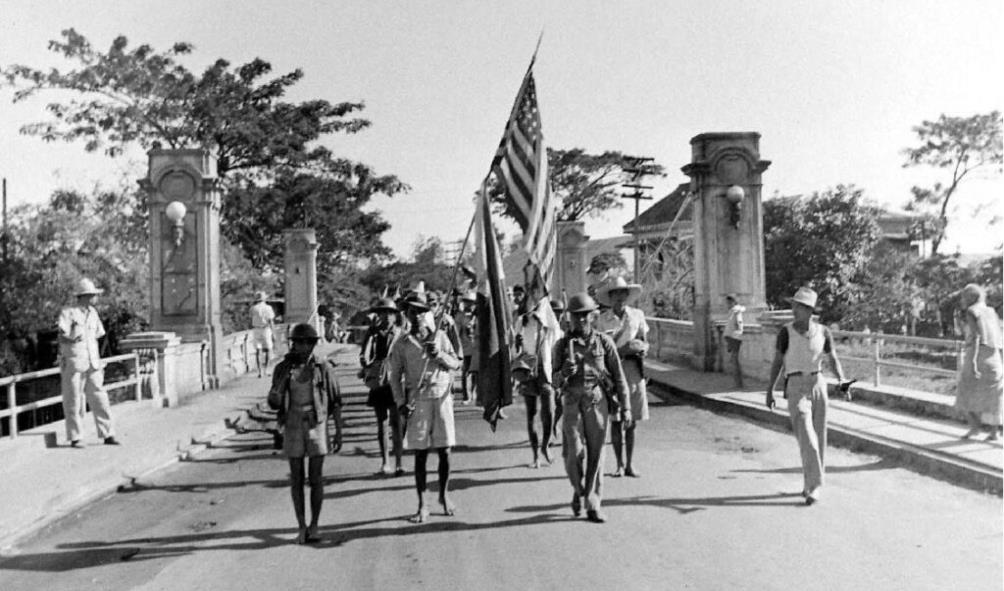
You’d see businesses reopening, providing jobs, and revitalizing the economy. The agricultural sector also flourished, with farmers adopting modern techniques to boost productivity.
As new roads and transportation links developed, trade expanded, connecting San Fernando to broader markets. This spirit of resilience transformed the city, setting the stage for its evolution into a thriving urban center in the following decades.
Cultural Festivals and Traditions
Emerging from post-war recovery, San Fernando's vibrant cultural scene began to flourish, showcasing the community's rich heritage and traditions.
You’ll find that festivals like the Giant Lantern Festival light up the city every December, celebrating the artistry and craftsmanship of local lantern makers.
During the Pampanga Day, which honors the province's history, you can immerse yourself in parades, traditional dances, and culinary delights that reflect the area's diverse culture.
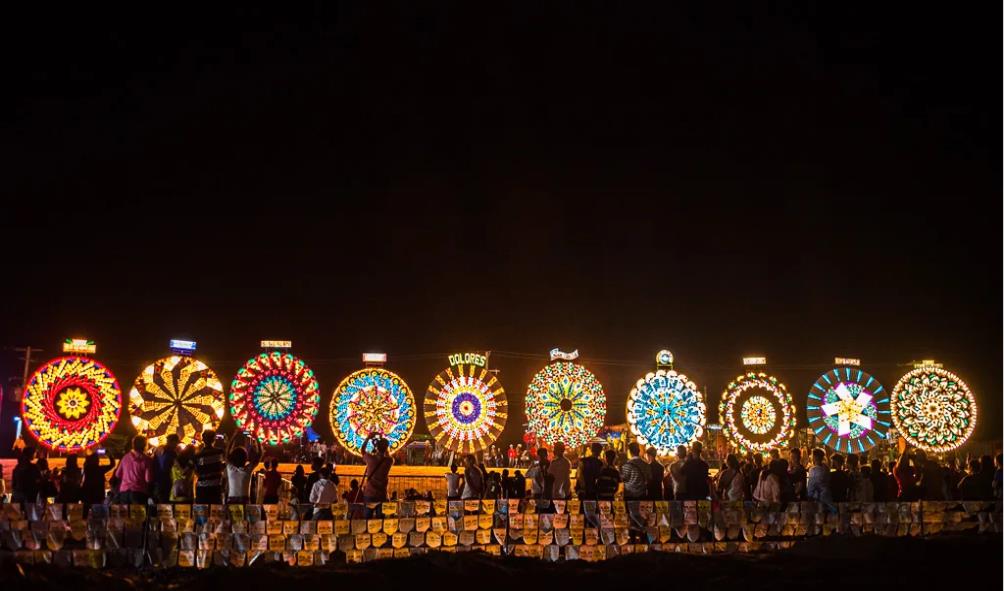
San Fernando also holds the Festival of Lights, where streets come alive with colorful displays.
Local traditions, such as the practice of “pabasa” during Holy Week, offer a glimpse into the deep-rooted customs that bind the community together.
These events foster a sense of pride and unity among Fernandinos.
Modern San Fernando: A City of Resilience
Despite facing numerous challenges, modern San Fernando has transformed into a city of resilience, showcasing the strength and determination of its people.
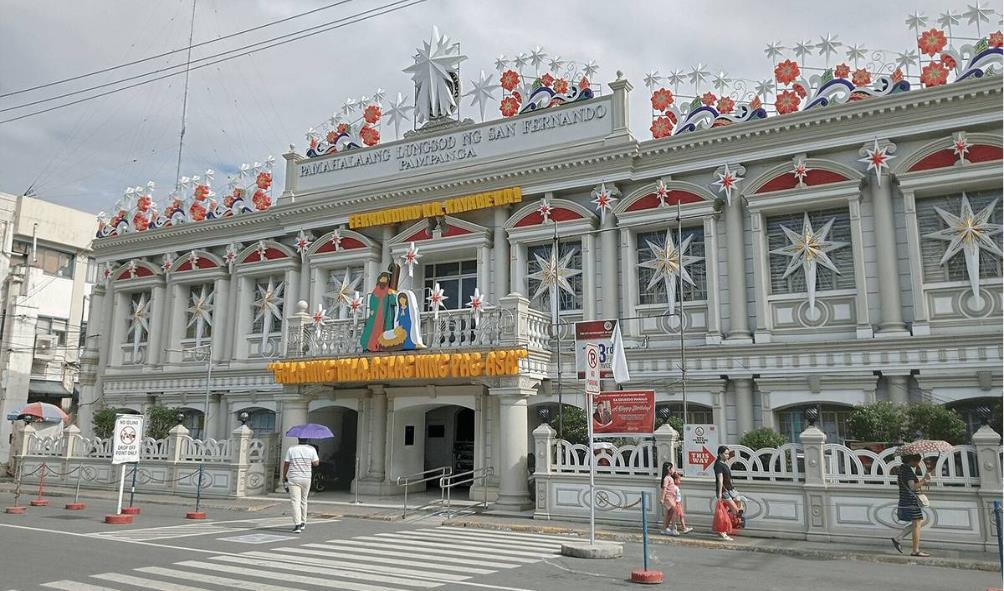
You’ll notice how the community has rebounded from natural disasters, such as typhoons and earthquakes, through innovative rebuilding efforts. Local leaders have prioritized sustainability, implementing green initiatives to ensure a brighter future.
You can see this resilience in the vibrant economy, fueled by local businesses and a thriving trade sector. The people of San Fernando have embraced their rich cultural heritage while adapting to modern demands, fostering unity and pride.
Conclusion
In conclusion, San Fernando, Pampanga, is a vibrant testament to resilience and progress. From its early settlements to the rich blend of cultures shaped by colonial influences, you can see how history has sculpted the city into what it is today. The determination of its people during challenging times, like World War II, and their celebration of heritage through festivals like the Giant Lantern Festival truly embody the spirit of San Fernando. It's a place where the past and present thrive together.
Statistics
- San Fernando was officially established as a municipality on February 4, 1901, marking its significance in local governance.
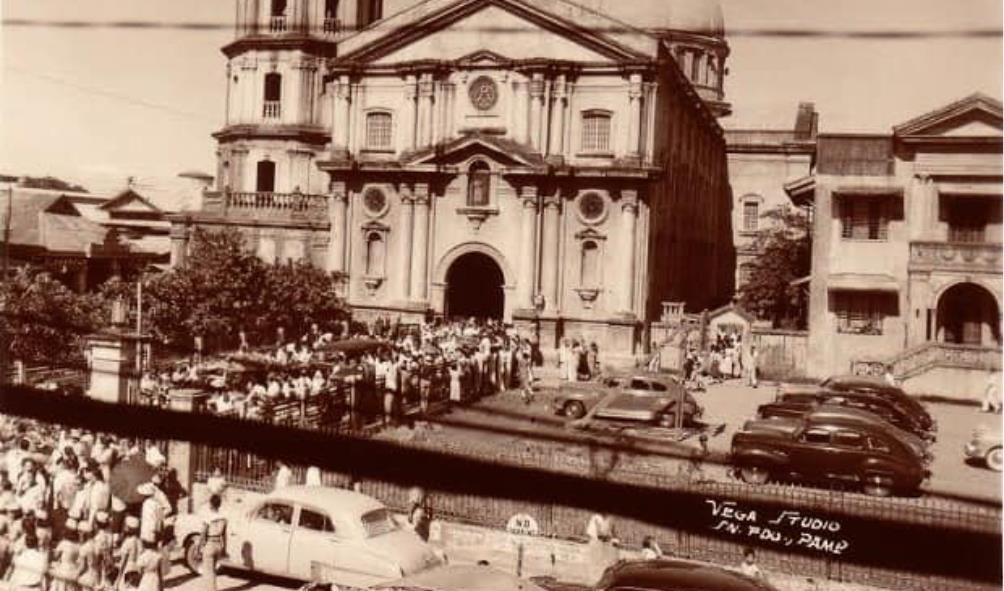
- San Fernando is home to the San Fernando Cathedral, which was built in 1755 and is one of the oldest churches in the region.
- San Fernando has been recognized as a highly urbanized city, contributing substantially to the economy of Pampanga and the Central Luzon region.
- During World War II, San Fernando was the starting point of the Bataan Death March, where approximately 75,000 Filipino and American soldiers were forced to march to a prison camp.
External Links
- Kapampangan Heritage: History of Pampanga - This site features detailed information about the history and cultural heritage of Pampanga, including San Fernando.
- Department of Tourism - Philippines - The official tourism site offers insights into the attractions and historical sites in San Fernando, Pampanga.
- San Fernando Pampanga Facebook Page - This social media page shares updates, events, and historical insights related to San Fernando.
- Bataan Death March Information - A detailed account of the Bataan Death March, which started in San Fernando, providing context to its historical importance.
How to Learn About San Fernando's Role in World War II
To learn about San Fernando's role in World War II, begin by researching the Bataan Death March, which started in the city. Numerous books and documentaries provide detailed accounts of the events and their significance. Visit local museums that focus on wartime history, as they often feature exhibits dedicated to this pivotal moment. Additionally, consider speaking with local historians or veterans who can share firsthand experiences. Engaging with these resources will provide a comprehensive understanding of San Fernando's impact during the war and the resilience of its people.
Plan the perfect group trip, your way.
Get an instant personalized itinerary. We handle logistics, payments, and provide a dedicated itinerary, while local experts fine-tune every detail. Enjoy full freedom—without the stress of organizing it all.
https://escapetomexiconow.com/tourhero
Recommended Resources:
Discover where freedom, adventure, and opportunity await you.
https://escapetomexiconow.com/
https://escapetomexiconow.info/
https://escapetopanamanow.info/
https://escapetothephilippinesnow.com/
YouTube Channel:
Your next adventure starts here! Join us on YouTube for destination tours, insider advice, and everything you need to make your escape unforgettable.
https://www.youtube.com/@EscapeToMexicoNow