When you explore the history of San Fernando, La Union, you'll uncover a fascinating journey that spans from its humble beginnings as a fishing settlement to a vibrant regional hub. The influences of Spanish colonization and the resilience shown during World War II shaped its identity. But how did these events forge a community that celebrates its rich cultural heritage today? The answers might surprise you.
Early Beginnings of San Fernando
Although today San Fernando is a bustling city, its early beginnings were quite humble. You’d find it interesting that the area started as a small settlement, primarily inhabited by indigenous people. They relied on fishing and agriculture, cultivating rice and corn in the fertile lands.
As you walk through the city, you can almost sense the rich history that shaped its development. The natural harbor made it an ideal spot for trade, attracting merchants and settlers.
Over time, the community began to grow, fostering a sense of unity and culture. You can appreciate how these early residents laid the foundation for what would eventually become a vibrant city, blending tradition with modernity.
The spirit of those times still echoes through San Fernando today.
Spanish Colonial Period
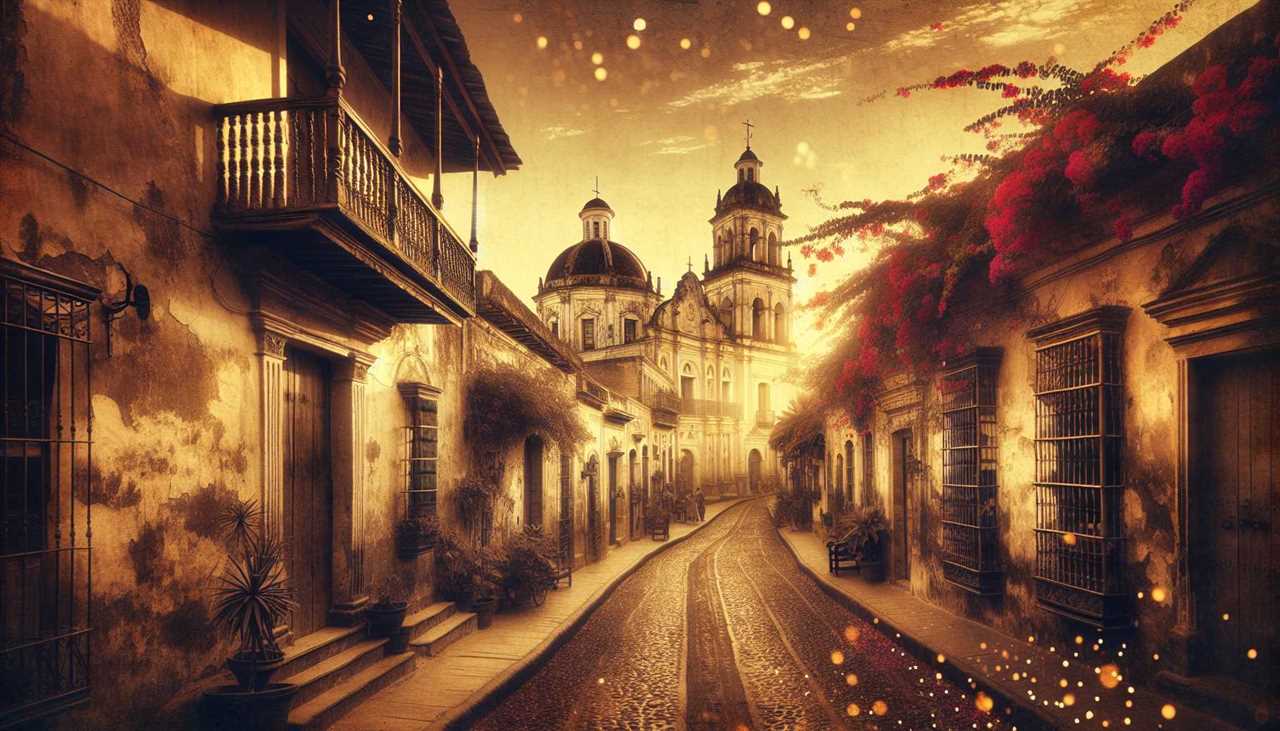
As the Spanish arrived in the late 16th century, they transformed San Fernando from a modest settlement into an important colonial outpost. You’d see the establishment of churches, schools, and a government structure, reflecting Spain's influence.
The Spanish implemented the encomienda system, granting land to settlers while requiring tribute from the local population. They introduced new agricultural practices, changing the landscape and the lives of the inhabitants.
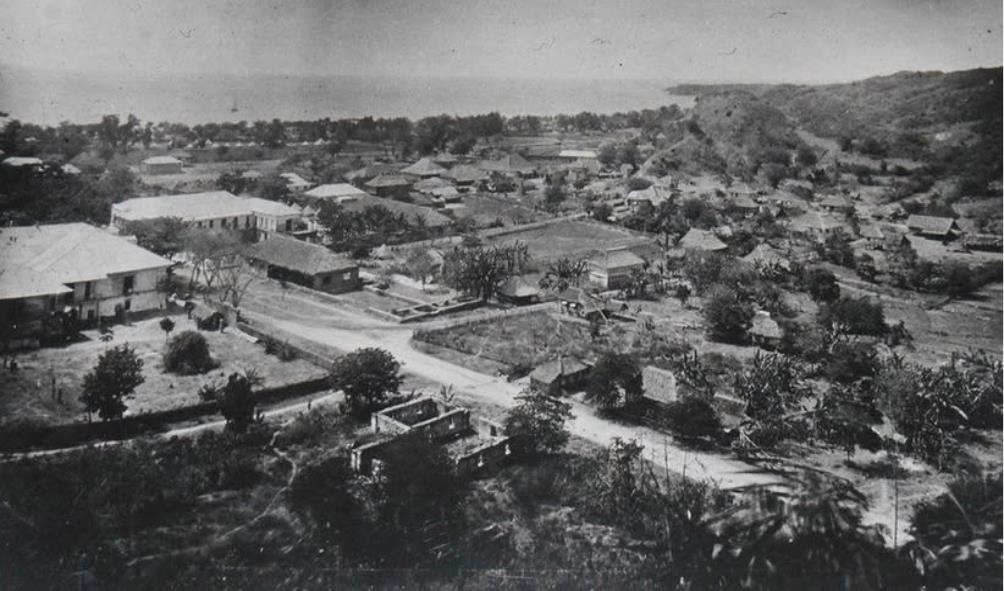
You'd notice the rise of a mixed culture, blending indigenous traditions with Spanish customs. Missions played a crucial role, spreading Christianity and serving as community centers.
The period marked a significant shift, laying the groundwork for future development in San Fernando and shaping its identity within the broader context of the Philippines.
The Rise of Agriculture and Trade
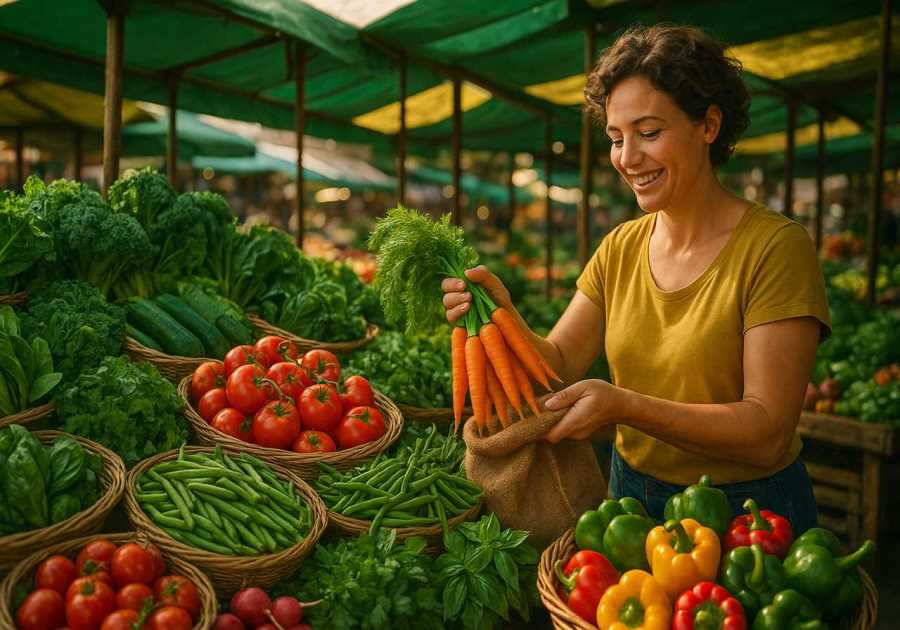
With the foundation laid during the Spanish colonial period, agriculture and trade began to flourish in San Fernando. You’ll notice how crops like rice, corn, and sugarcane became staples, boosting local economies and attracting traders. The fertile lands and favorable climate made it an agricultural hub.
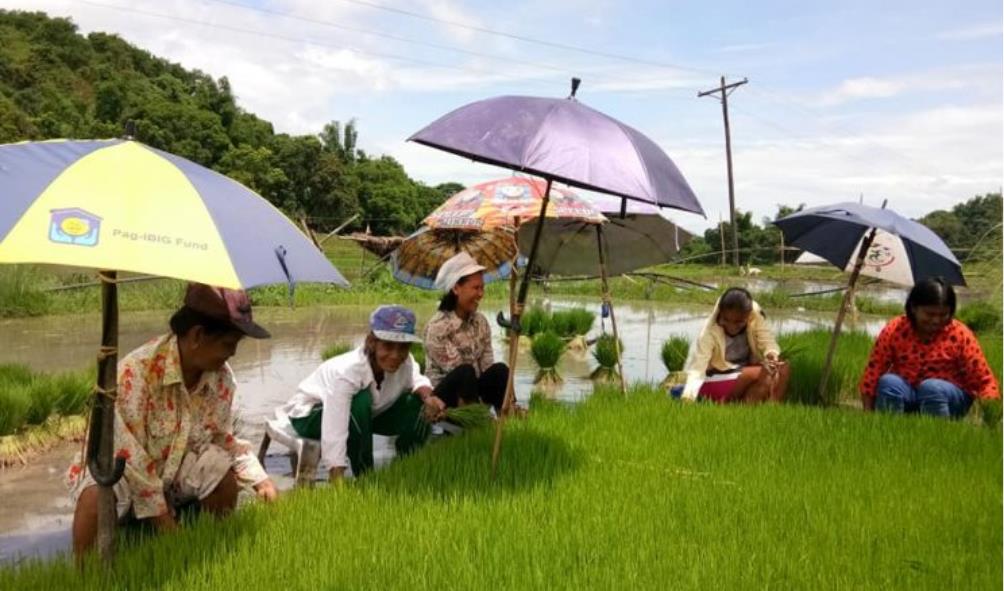
As you explore, you’ll see that trade routes expanded, connecting San Fernando to other regions, fostering exchanges of goods and cultures. Local markets buzzed with activity as farmers sold their produce, and merchants brought in diverse products.
The community thrived on this vibrant trade, creating a sense of unity and purpose. By embracing agriculture and trade, San Fernando established itself as a key player in the regional economy, paving the way for future growth.
World War II and Its Impact
When World War II erupted, San Fernando faced significant challenges that would alter its landscape and community forever.
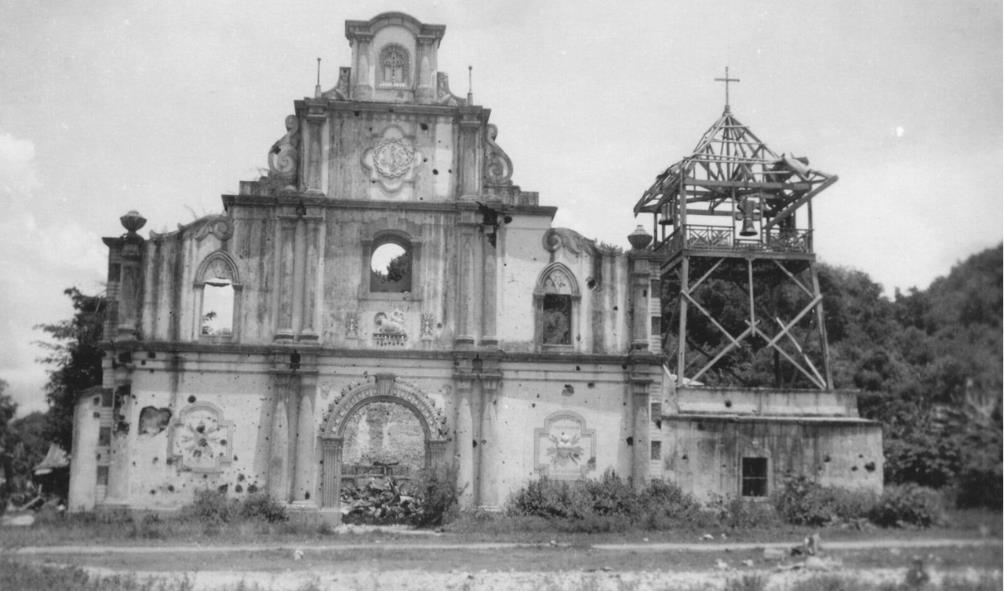
The Japanese occupation transformed daily life, bringing fear and uncertainty. You’d witness soldiers patrolling the streets and hear stories of resistance, as locals banded together to protect their homes.
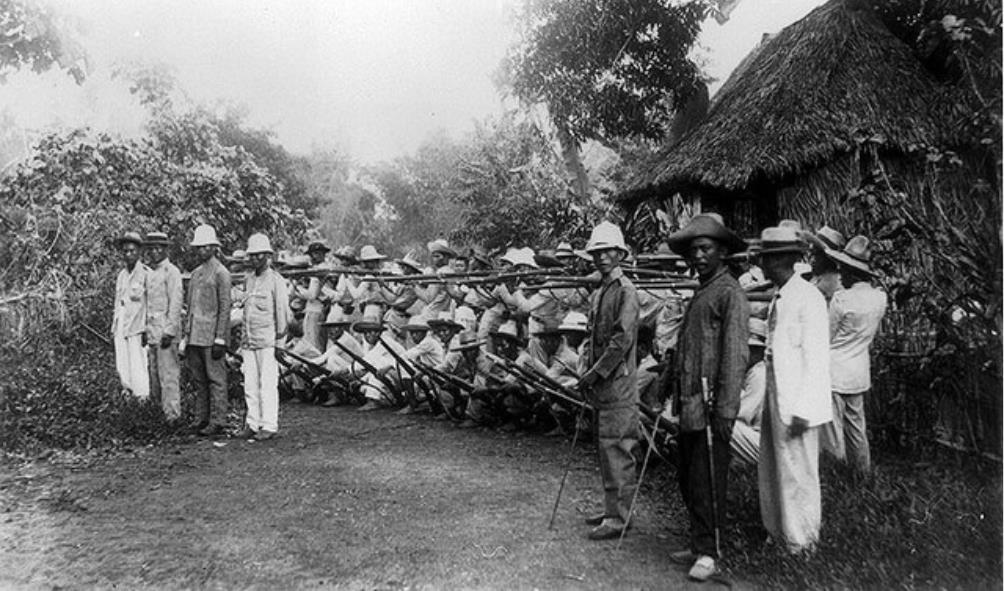
Food shortages became common, forcing families to adapt and ration what little they had. The war also disrupted trade, stalling the agricultural growth that had previously flourished in the region.
As the fighting intensified, many residents were displaced, leading to a loss of community cohesion.
Despite these hardships, the spirit of the people endured, laying the groundwork for resilience that would shape San Fernando’s future in the years to come.
Post-War Reconstruction and Development
Although the scars of war were still visible, San Fernando embarked on a journey of reconstruction and development that would redefine its identity.
You’d witness the community coming together, focusing on rebuilding homes, schools, and infrastructure. Local leaders prioritized restoring essential services, ensuring that families could return to some semblance of normalcy.
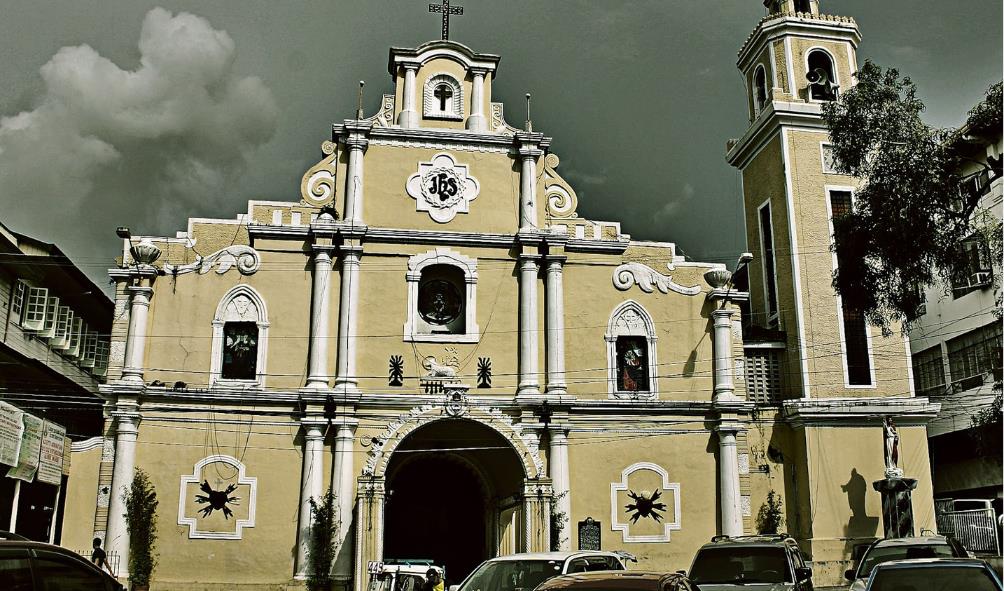
As you explored the streets, you'd see volunteers working tirelessly, driven by hope and determination. The spirit of cooperation fostered new relationships, allowing you to feel the city’s resilience.
Cultural events emerged, celebrating the community’s unity and shared history. With every brick laid and every smile exchanged, San Fernando slowly transformed, laying the groundwork for a brighter future, one that honored its past while looking forward to renewed possibilities.
Economic Growth and Urbanization
As San Fernando rebuilt, it naturally transitioned into a phase of economic growth and urbanization that reshaped its landscape.
You’d notice new businesses popping up, transforming the local economy. The influx of investments encouraged infrastructure development, paving the way for modern roads and improved public services.
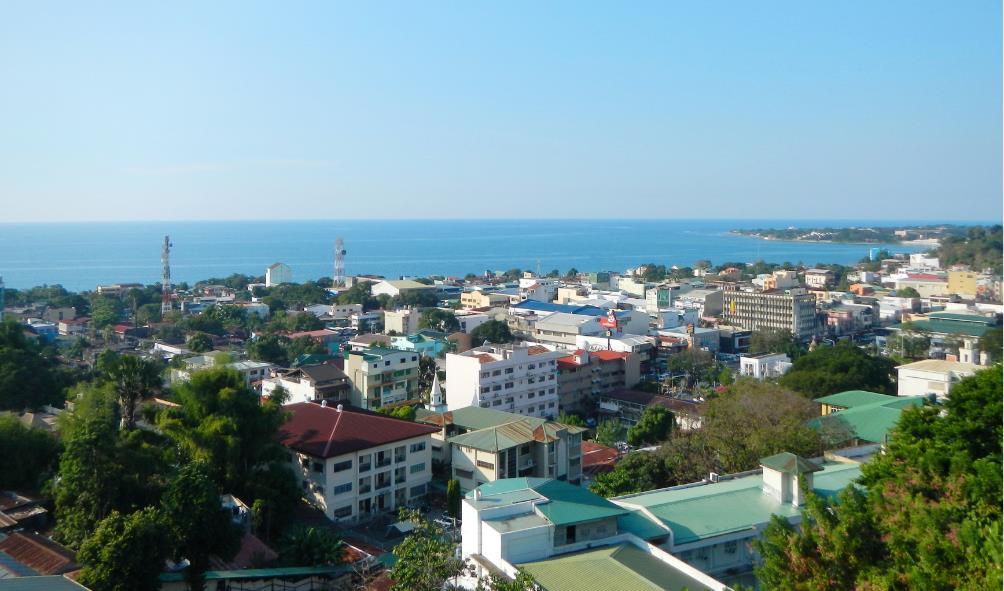
With urbanization came an increase in population, leading to a vibrant community where diverse cultures began to thrive. You could see new residential areas sprouting, accommodating the growing workforce.
Employment opportunities expanded, especially in retail and service sectors, drawing many to the city. This economic boom didn’t just enhance living standards; it also attracted tourists eager to experience San Fernando's unique charm and offerings.
The city truly evolved, blending tradition with modernity.
Cultural Heritage and Festivals
What makes San Fernando's cultural heritage so captivating? It's the vibrant blend of traditions, festivals, and local artistry that truly brings the community to life.
The city's annual festivals, like the "Viva Vigan Binatbatan Festival," showcase colorful parades, traditional dances, and delicious local cuisine. You can feel the spirit of the town through its lively celebrations that honor both religious and cultural roots.
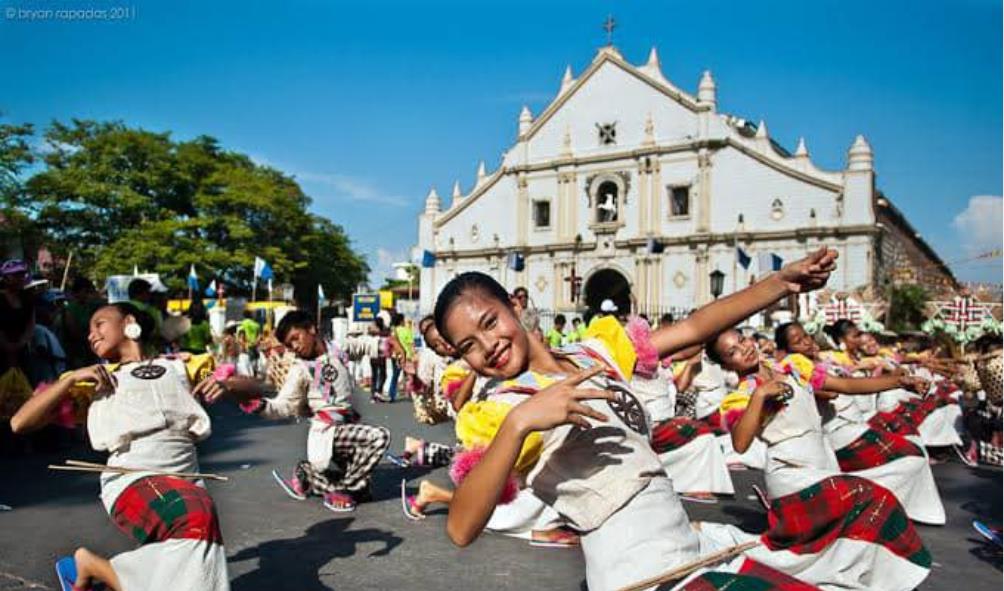
The local craftsmen and artisans keep age-old practices alive, producing intricate weaving, pottery, and music that resonate with generations.
You'll discover that San Fernando's cultural landscape is a testament to the resilience and creativity of its people, making every festival a unique experience that binds the community together and invites you to join in the celebration.
Modern San Fernando Today
Modern San Fernando today is a dynamic blend of tradition and innovation, where the past seamlessly merges with contemporary life.
You’ll find bustling markets and modern shopping centers side by side, showcasing local crafts and global brands. The city’s vibrant nightlife buzzes with energy, offering everything from cozy cafes to lively bars.
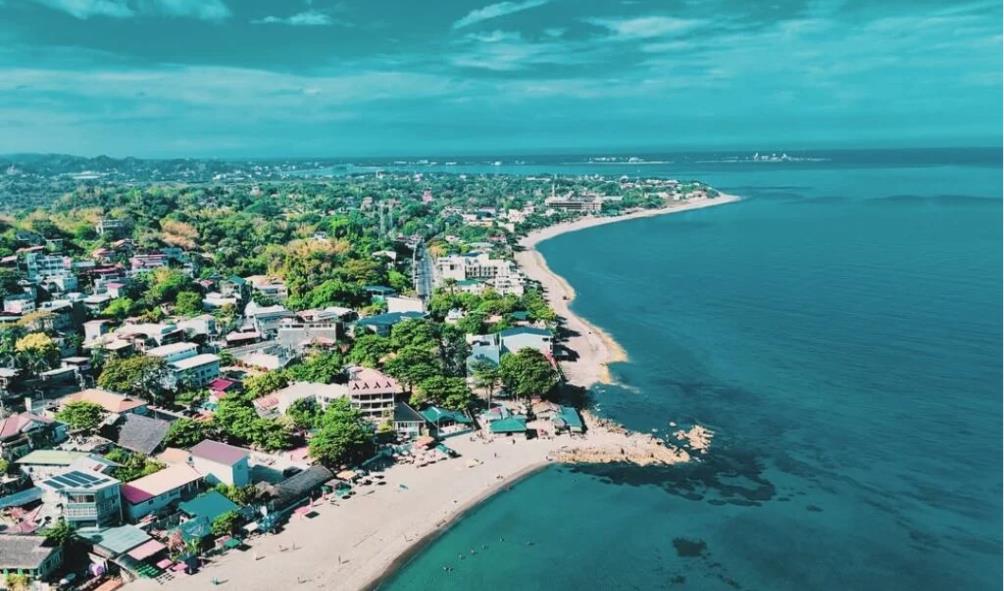
As you explore, the rich cultural heritage is evident in the architecture and public art, reminding you of its storied past. The local government actively promotes sustainable development, ensuring a greener future.
Festivals continue to thrive, attracting visitors and celebrating the community's spirit. Whether you’re a resident or a visitor, San Fernando invites you to experience its unique charm and evolving landscape, making it a truly exciting place to be.
Conclusion
In exploring the history of San Fernando, you see how its early roots and Spanish influences shaped a vibrant community. The resilience during World War II and the drive for post-war reconstruction highlight the spirit of its people. Today, you can experience the fusion of rich cultural heritage and modern urban growth, making San Fernando a dynamic place to live or visit. Embrace the stories and traditions that continue to thrive in this beautiful city.
Statistics
- The city is home to the San Fernando International Kite Festival, which has been celebrated annually since 2001, attracting local and international participants.
- The city was named after Saint Ferdinand III of Castile, who was canonized in 1671.
- San Fernando, La Union was officially established as a municipality in 1901 after being separated from the municipality of San Juan.
- San Fernando became a city on February 18, 1970, through Republic Act No. 613, which elevated its status from a municipality.
External Links
- Philstar discusses the cultural and historical aspects of San Fernando, showcasing its attractions and local heritage.
- Philippine History offers detailed insights into the historical events that shaped San Fernando, including its role during the World War II era.
- SunStar features articles on the historical significance of San Fernando, including its development and key events in its history.
- Rappler covers the commemoration of the 75th anniversary of the Battle of San Fernando, reflecting on its impact during World War II.
How to Learn About the Role of San Fernando During World War II
To learn about San Fernando's role during World War II, start with online resources, including articles and documentaries that focus on the Philippines during the war. Libraries and archives often house primary documents, such as letters and military reports, which can provide firsthand accounts. Visiting historical sites, such as memorials and battlefields, can also offer context. Consider connecting with historians or local experts who specialize in this era. Engaging in discussions at educational forums or seminars can further deepen your understanding of the city's wartime experiences and its impact on the local community.
Want to travel with more time and freedom?
The freedom to travel! Discover free & unique homestays around the world, in exchange for caring for adorable pets.
https://escapetomexiconow.com/ths
Recommended Resources:
Ready to explore life beyond borders? Check out our trusted guides to Mexico, Panama, and the Philippines — your gateways to new adventures, culture, and opportunity.
https://escapetomexiconow.com/
https://escapetomexiconow.info/
https://escapetopanamanow.info/
https://escapetothephilippinesnow.com/
YouTube Channel:
See Mexico like never before! From local culture to travel hacks, our YouTube channel brings the adventure straight to you.
https://www.youtube.com/@EscapeToMexicoNow