When you think about the history of Roxas City, you’re looking at a tapestry woven with diverse influences. From the early Visayan culture to the transformative effects of Spanish and American rule, each era shaped the community in unique ways. The resilience shown during World War II is a testament to the city's spirit. But what really sets Roxas City apart in today’s landscape? The answer might surprise you.
Early Settlement and Indigenous Cultures
As you delve into the early settlement and indigenous cultures of Roxas City, you'll discover a rich tapestry woven from the lives of its original inhabitants.
The region was home to various groups, including the Visayans, who thrived on fishing, farming, and trading. You're likely to uncover evidence of their intricate social structures and vibrant traditions, which revolved around communal living and harmony with nature.
Artifacts like pottery and tools reveal their daily lives and craftsmanship. The indigenous peoples also practiced unique spiritual beliefs, often tied to the land and its resources.
You'll feel the echoes of their stories in the rich cultural heritage that still influences Roxas City today, reminding you of the resilience and richness of its early inhabitants.
Spanish Colonial Era
When the Spanish arrived in the late 16th century, they transformed Roxas City and its surrounding areas through colonization and evangelization.
You'd see the establishment of churches and schools, which served not just as places of worship but also as centers of education and cultural exchange. The Spanish introduced new agricultural practices, which enhanced local farming, and they built roads that connected villages, promoting trade.
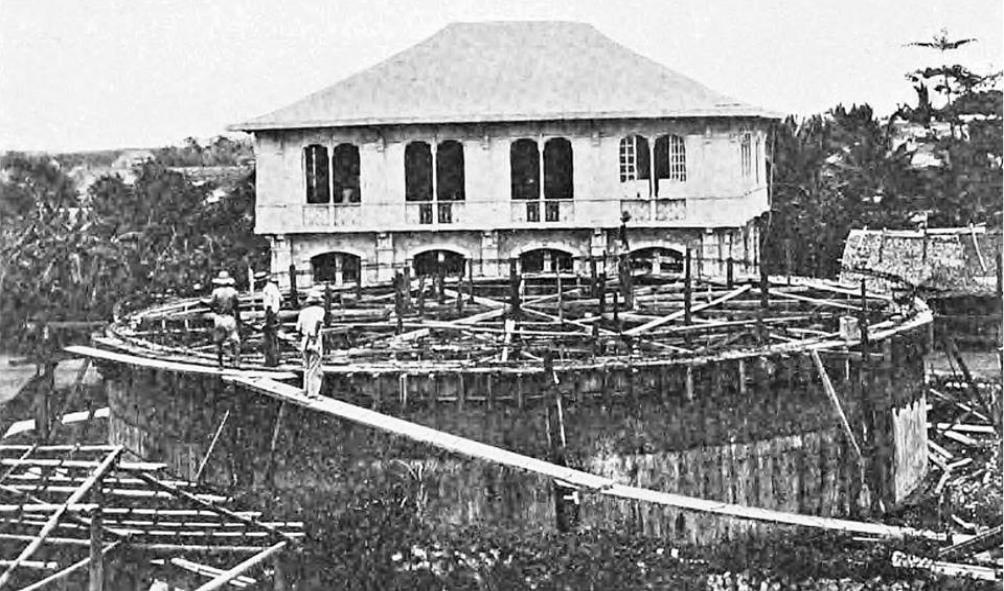
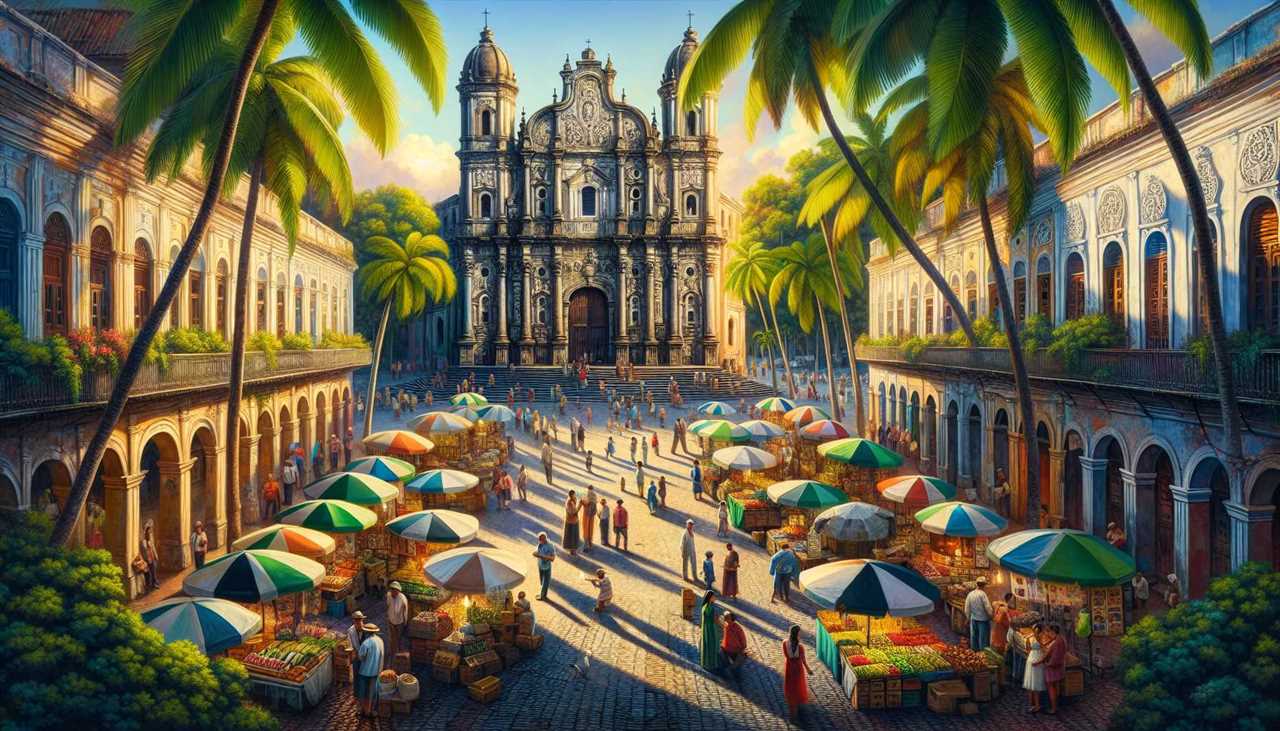
You can imagine the bustling markets, where locals exchanged goods and embraced new customs. The Spanish influence shaped the local language, art, and cuisine, creating a vibrant mix of cultures.
Over time, the residents adapted to these changes, blending their traditions with those introduced by the colonizers, paving the way for a unique identity in Roxas City.
The American Period
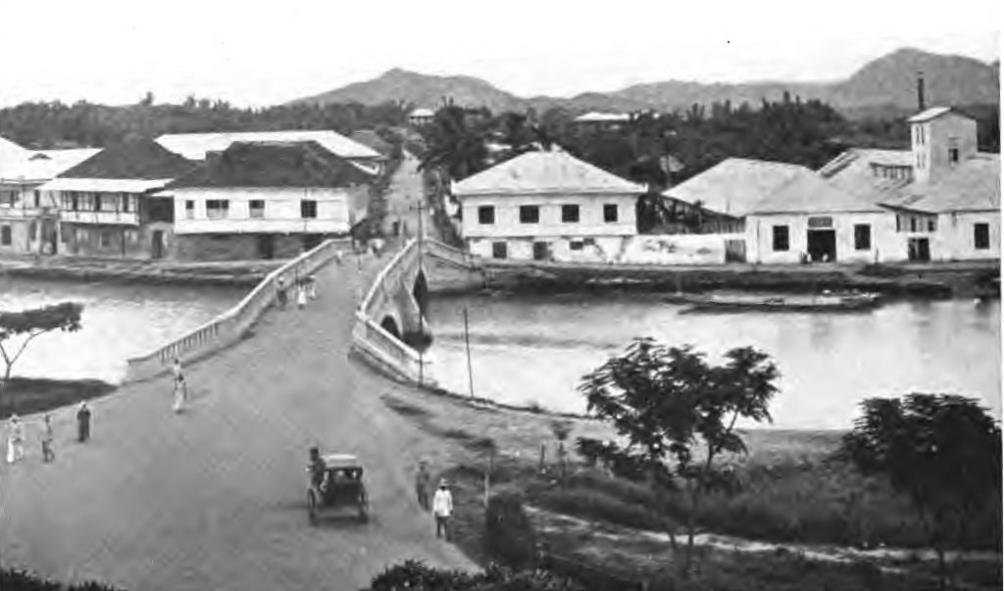
Although the American period began in the early 20th century, its impact on Roxas City was profound and transformative.
You’d notice significant changes in governance, education, and infrastructure. The Americans introduced a public education system, opening schools that improved literacy rates. Roads and bridges were built, enhancing transportation and trade.
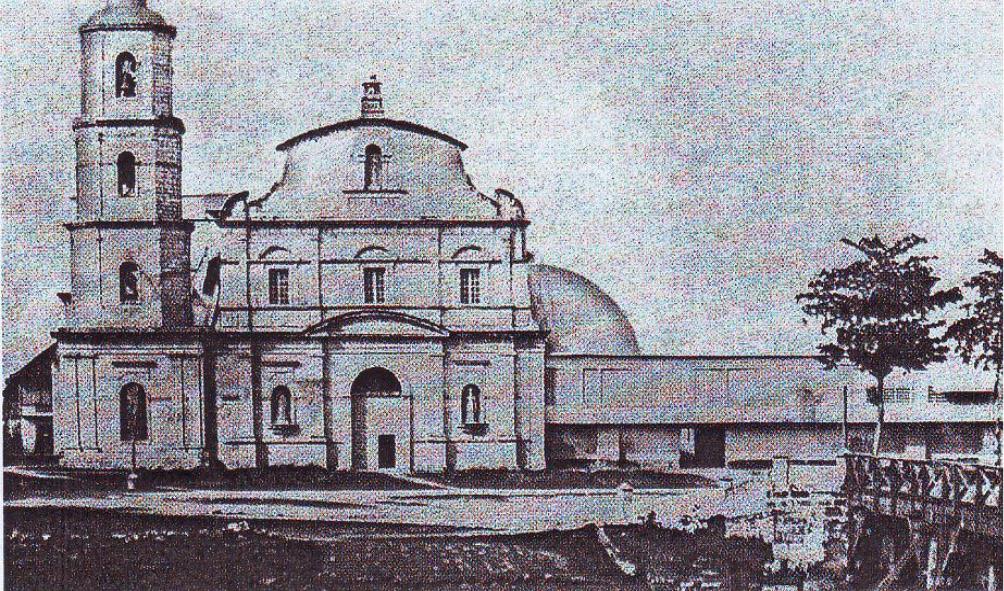
The city also saw the rise of new industries, fostering economic growth. You might find American influences in local customs and cuisine, as well as the introduction of new sports and recreational activities.
Furthermore, the establishment of local governance allowed citizens to participate actively in their community. Overall, the American period laid the groundwork for modern Roxas City, shaping its identity and future.
World War II and Its Aftermath
The American period set the stage for many changes, but the onset of World War II brought unprecedented challenges to Roxas City.
As the Japanese invaded in 1942, life drastically shifted for residents. You’d witness the fear and uncertainty that enveloped the community, with families struggling to survive amidst bombings and food shortages. The city became a battleground, with countless lives disrupted and homes destroyed.
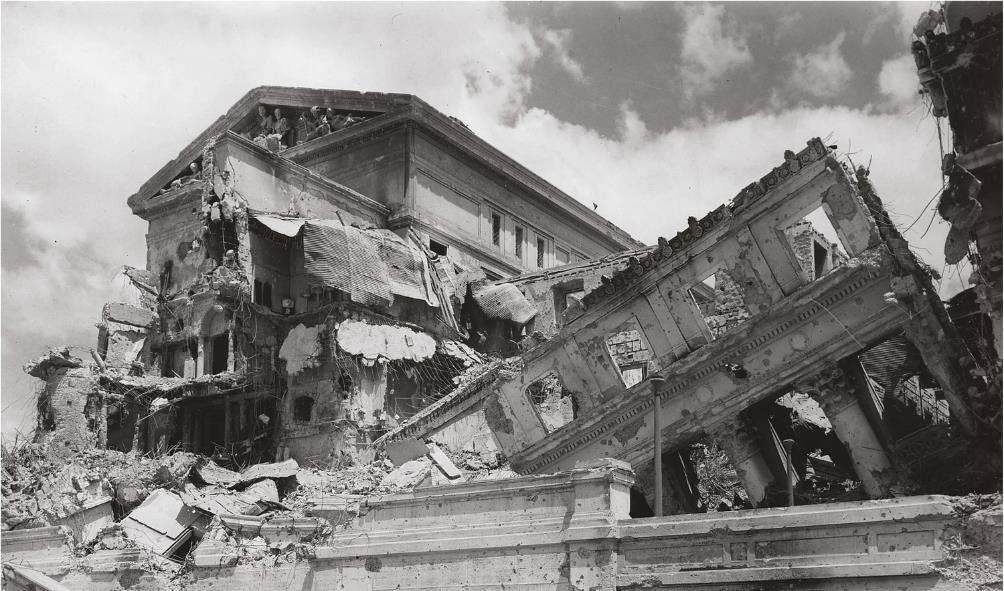
After the war, you’d see a desperate push for recovery. Local leaders and citizens worked tirelessly to rebuild infrastructure and restore the economy. You’d feel a sense of resilience as the community united, determined to rise from the ashes of devastation.
This period shaped not just the city’s future, but also the spirit of its people.
The Establishment of Roxas City
As the dust settled after World War II, Roxas City began to take shape, transforming from a war-torn landscape into a vibrant community.
You'd witness the resilience of its people as they rebuilt their lives and infrastructure. In 1948, the municipal government was officially established, marking a significant turning point in the city's development.
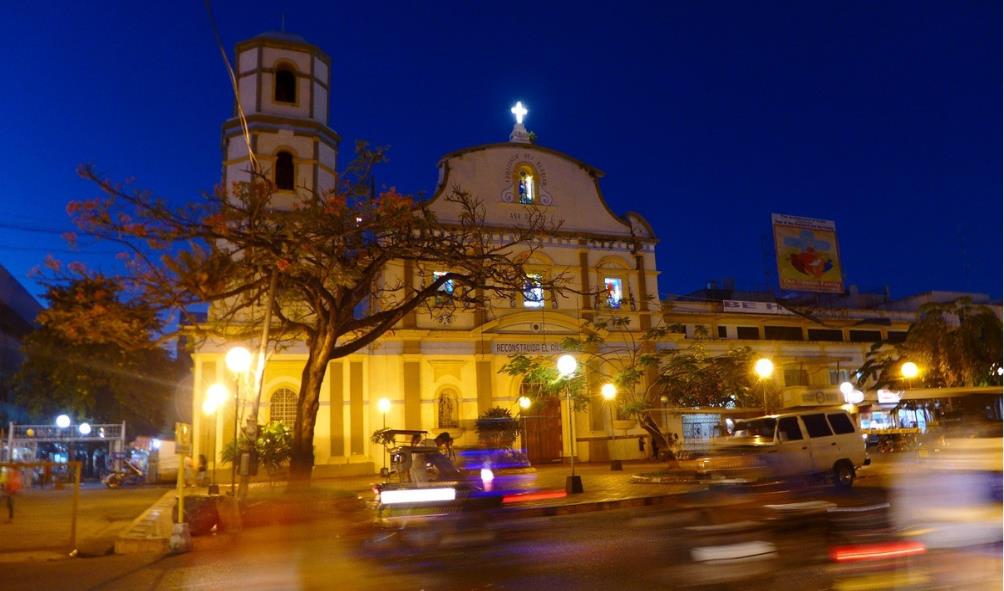
The local leaders worked tirelessly to create a sense of unity and purpose, focusing on essential services and governance. You'd find schools, roads, and public facilities springing up, fostering a sense of hope among the residents.
The city was named after President Manuel Roxas, symbolizing a new beginning. By the early 1950s, Roxas City was poised to grow, laying the groundwork for future prosperity.
Economic Development and Growth
With the foundation laid in the post-war years, Roxas City began to experience significant economic development and growth in the following decades.
You’ll notice how the city transformed into a bustling hub for trade and commerce. Agriculture played a crucial role, with rice and seafood becoming key products that fueled the local economy.
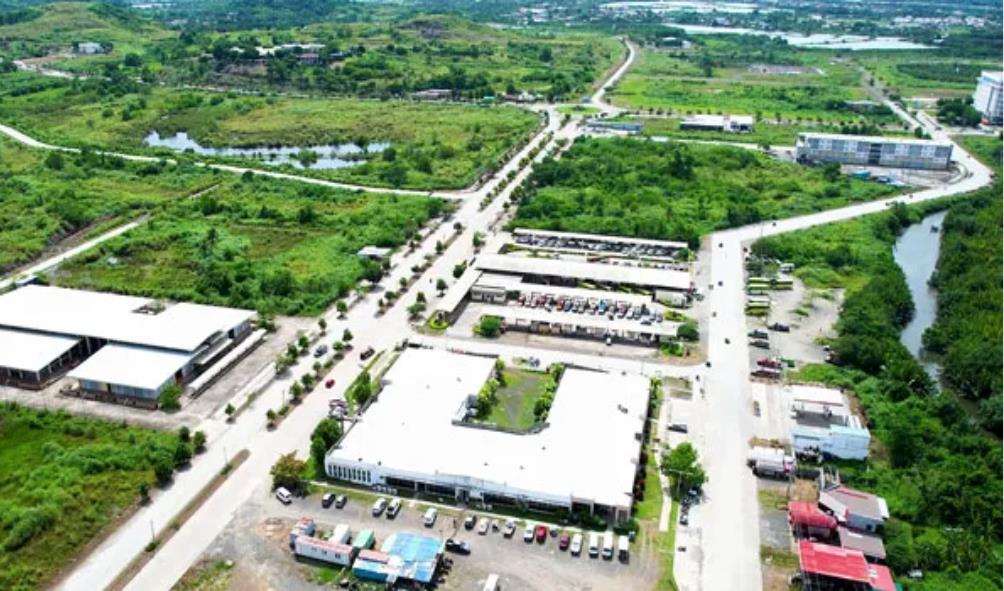
Infrastructure improvements made transportation easier, linking farmers to markets and attracting businesses. The establishment of various industries, including food processing and retail, created job opportunities for residents.
You can see how tourism also began to flourish, showcasing the city's natural beauty and vibrant community.
Cultural Heritage and Traditions
Roxas City boasts a rich cultural heritage and vibrant traditions that reflect the diverse influences of its history.
You'll find that festivals like the Sinadya sa Halaran showcase local customs, music, and dance, bringing the community together in celebration.
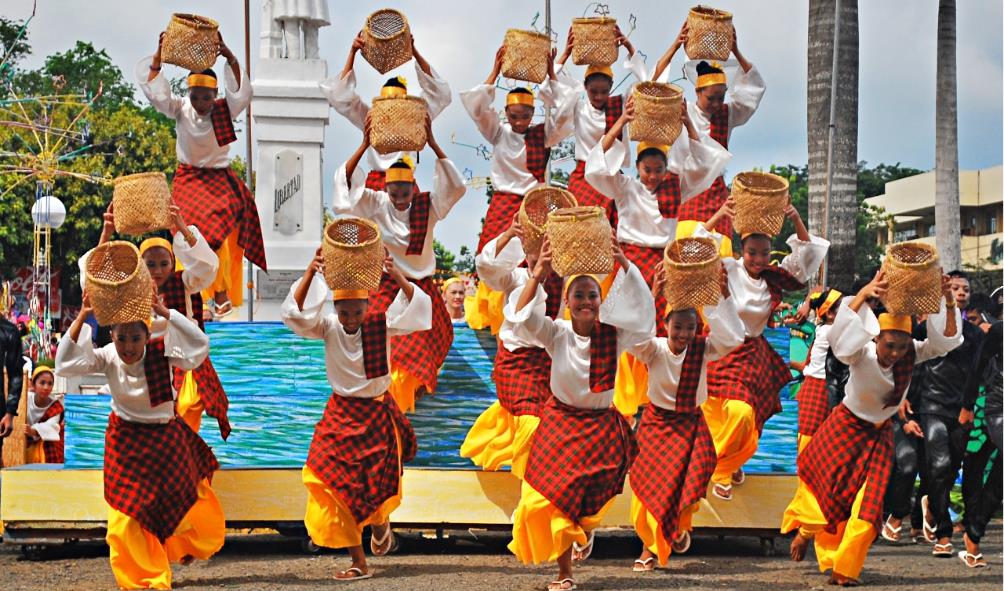
The city's culinary delights, especially its famous seafood, reveal a blend of flavors that tell the story of its coastal roots.
You can also explore traditional crafts, such as handwoven textiles and pottery, which highlight the skills passed down through generations.
Local folklore and stories enrich the culture, connecting you to the past.
Modern Roxas City and Its Future
While embracing its rich history, modern Roxas City is rapidly evolving into a hub of economic growth and innovation. You’ll notice new businesses popping up, driven by local entrepreneurs eager to contribute to the community.
The city’s infrastructure is improving, making it easier to connect with neighboring areas and attract tourists. You can explore vibrant markets and cultural events that celebrate both tradition and modernity.
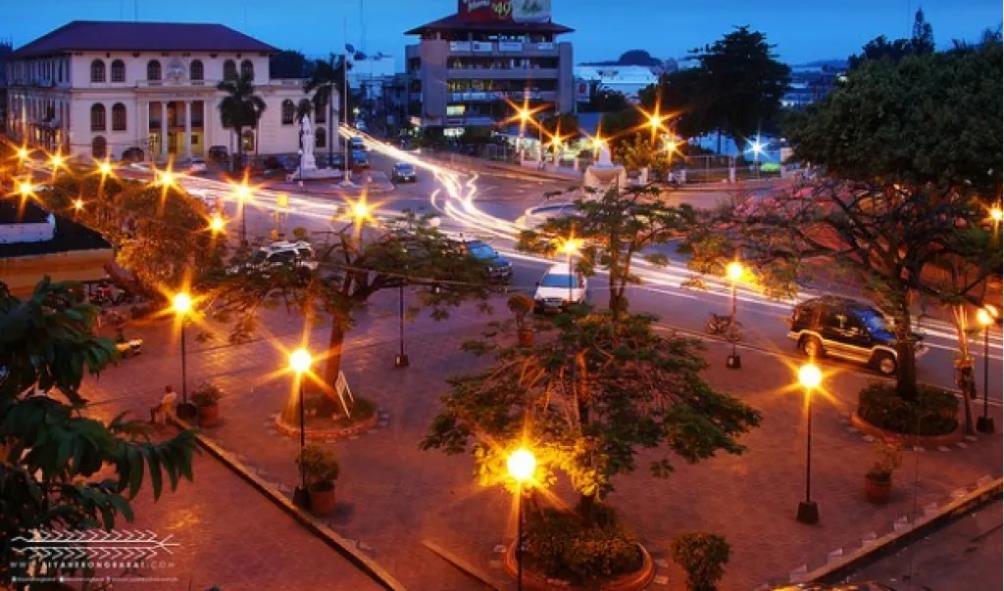
The local government is focused on sustainable development, ensuring that progress doesn’t come at the expense of the environment. As you walk through the streets, you can feel the energy and determination of its people.
With ongoing investments and initiatives, the future of Roxas City looks bright, promising new opportunities for everyone.
Conclusion
Roxas City’s journey from its early indigenous roots to a vibrant modern hub showcases the resilience and adaptability of its people. You’ve seen how each era, from Spanish colonization to the American period and beyond, shaped the city's identity. As you explore its rich cultural heritage and witness ongoing growth, it’s clear that Roxas City stands poised for an exciting future, blending tradition with innovation and inviting you to be part of its continuing story.
Statistics
- Roxas City has a population of approximately 150,000 residents, making it one of the most populous cities in the Visayas region.
- Roxas City, founded in 1901, was originally known as "Culasi" before being renamed in honor of former Philippine President Manuel Roxas in 1948.
- The city is known for its vibrant agricultural sector, with rice, corn, and seafood being the primary products that contribute to its economy.
- The city is located in the province of Capiz, which is often referred to as the "Seafood Capital of the Philippines" due to its rich marine resources.
External Links
- Encyclopedia Britannica offers a concise overview of Roxas City, highlighting its historical context and notable events.
- Capiz Tourism provides resources and information about the historical sites and festivals celebrated in Roxas City.
- The Department of Tourism's website features Roxas City as a travel destination with insights into its cultural heritage and attractions.
- Philippine History offers a detailed account of Roxas City's history, including its founding and development over the years.
How To Research the Role of Roxas City During World War II
Researching the role of Roxas City during World War II involves examining its strategic significance during the conflict. Start by accessing archives and historical documents that detail military operations in the area. Libraries and universities often have collections dedicated to this period, including personal accounts from veterans and locals. Online databases may also provide valuable resources, such as photographs and maps. Consider reaching out to historical societies or groups focused on World War II history for seminars or discussions that can enhance your understanding. Engaging with local historians can also provide context and narratives that are not widely documented.
Want to travel with more time and freedom?
The freedom to travel! Discover free & unique homestays around the world, in exchange for caring for adorable pets.
https://escapetomexiconow.com/ths
Recommended Resources:
Adventure is calling — are you ready to answer? Discover new places, new lifestyles, and new possibilities in Mexico, Panama, or the Philippines.
https://escapetomexiconow.com/
https://escapetomexiconow.info/
https://escapetopanamanow.info/
https://escapetothephilippinesnow.com/
YouTube Channel:
Your next adventure starts here! Join us on YouTube for destination tours, insider advice, and everything you need to make your escape unforgettable.
https://www.youtube.com/@EscapeToMexicoNow