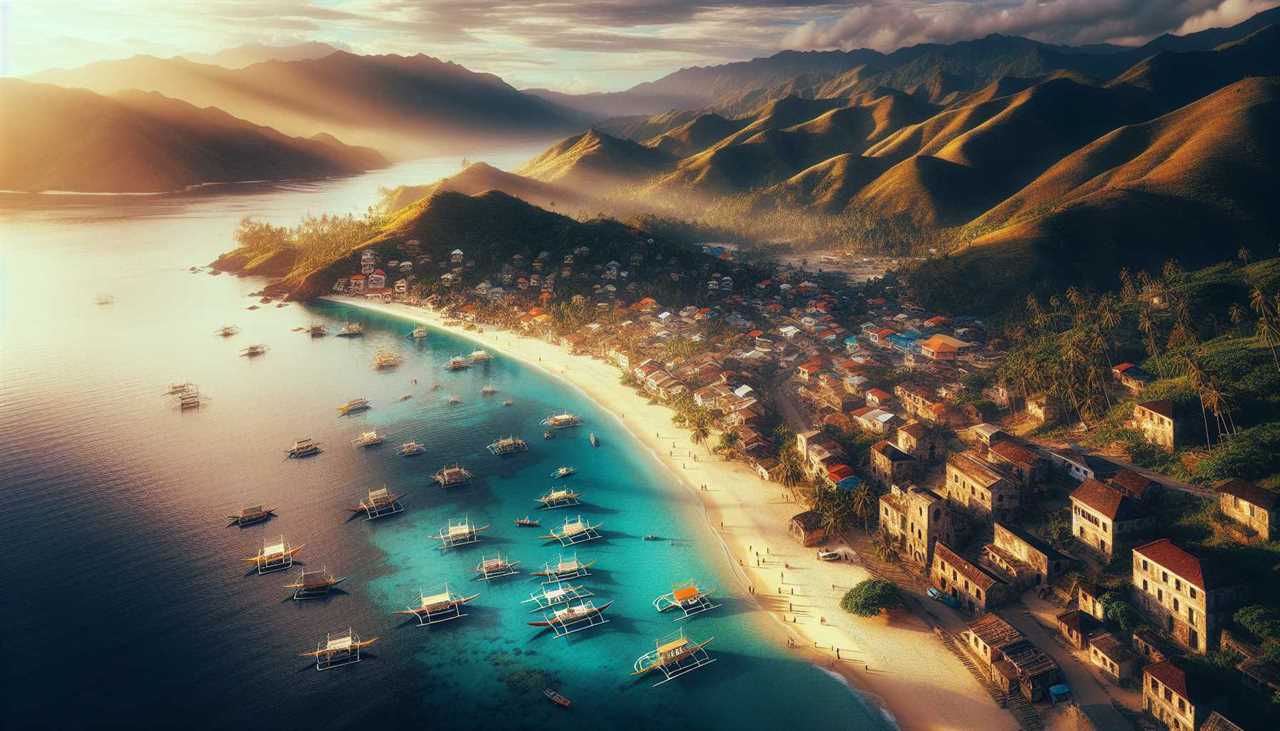
When you think about the history of Romblon, you might picture its stunning landscapes and rich culture. But beneath the surface lies a complex narrative shaped by early Austronesian settlers, Spanish colonizers, and the scars of World War II. Each era has left its mark, influencing the island's identity today. What role do these historical events play in Romblon's current challenges and opportunities? Let's explore this intriguing journey together.
Pre-Colonial Era: The Early Inhabitants of Romblon
The early inhabitants of Romblon, known as the Austronesians, settled in the region long before European colonization.
These skilled seafarers established thriving communities, utilizing the abundant natural resources around them. You’d find them engaging in fishing, farming, and crafting tools, showcasing their ingenuity.
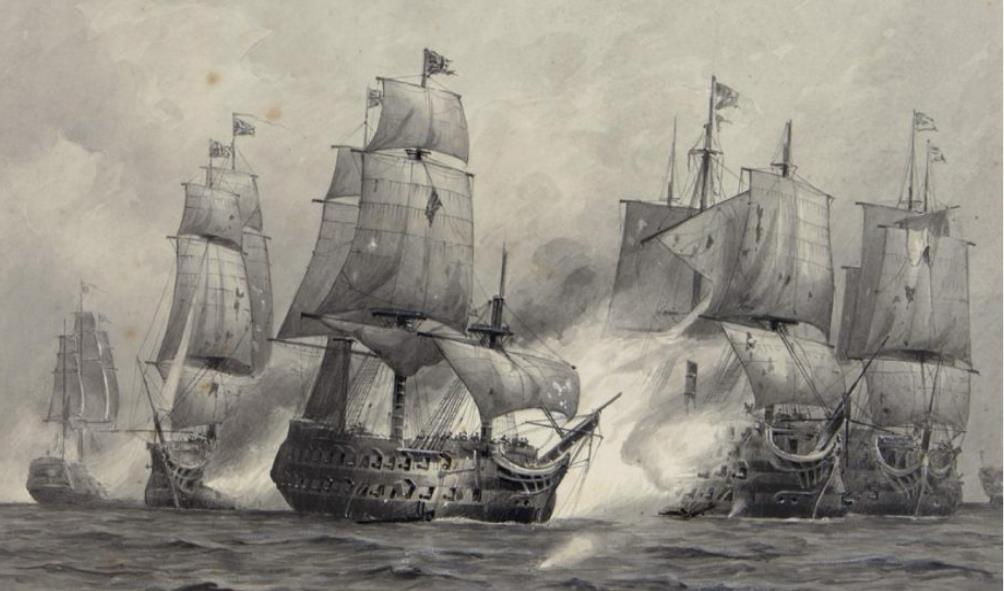
The rich cultural practices they developed reflected their strong connection to the land and sea. They traded with neighboring islands, exchanging goods and ideas, which helped foster a vibrant social network.
The Austronesians also practiced animism, believing in spirits residing in nature, which influenced their rituals and daily life.
As you explore Romblon’s history, you’ll appreciate the deep roots these early inhabitants laid, shaping the island's identity long before outside influences arrived.
Spanish Colonization: The Arrival of European Influence
As European explorers ventured into the Philippines in the 16th century, the Spanish arrived in Romblon, marking a significant turning point in the island's history.
You'd witness the introduction of Christianity, as missionaries established churches and converted many locals. Spanish authorities began to impose new governance structures, altering traditional leadership and social systems.
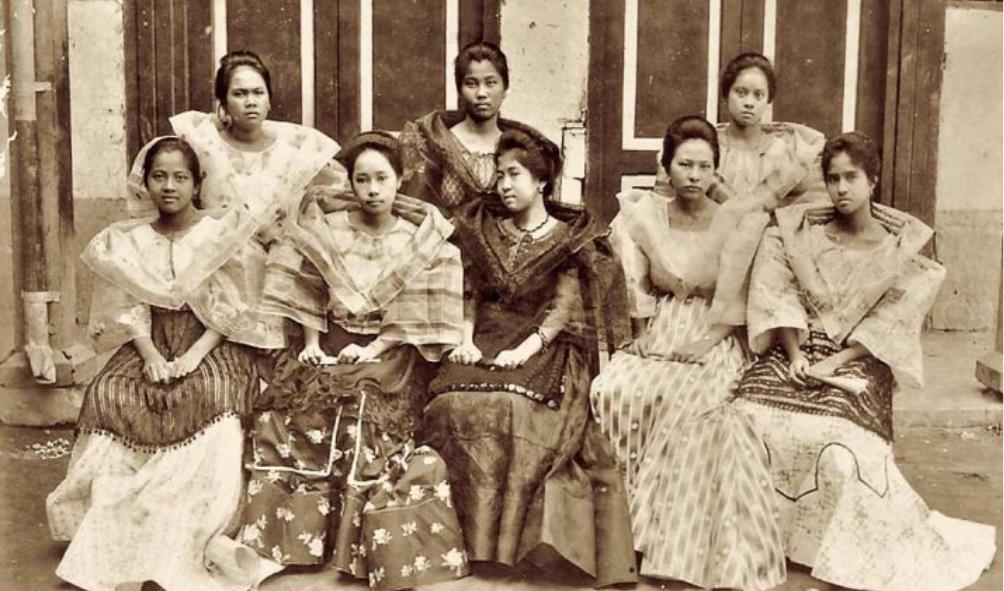
The arrival of European goods and culture transformed daily life, influencing cuisine, clothing, and language. You’d also see the establishment of trade routes, connecting Romblon to other parts of the archipelago and beyond.
This period led to the construction of forts and infrastructure, reflecting Spain's strategic interests.
The Role of Trade in Romblon’s Development
With the arrival of Spanish colonizers, trade began to flourish in Romblon, forever altering its economic landscape.
You'd notice that the islands became a vital stopover for galleons traveling between the Philippines and Mexico. This strategic location allowed local traders to exchange goods like pearls, fish, and abaca for European products, enriching the local economy.
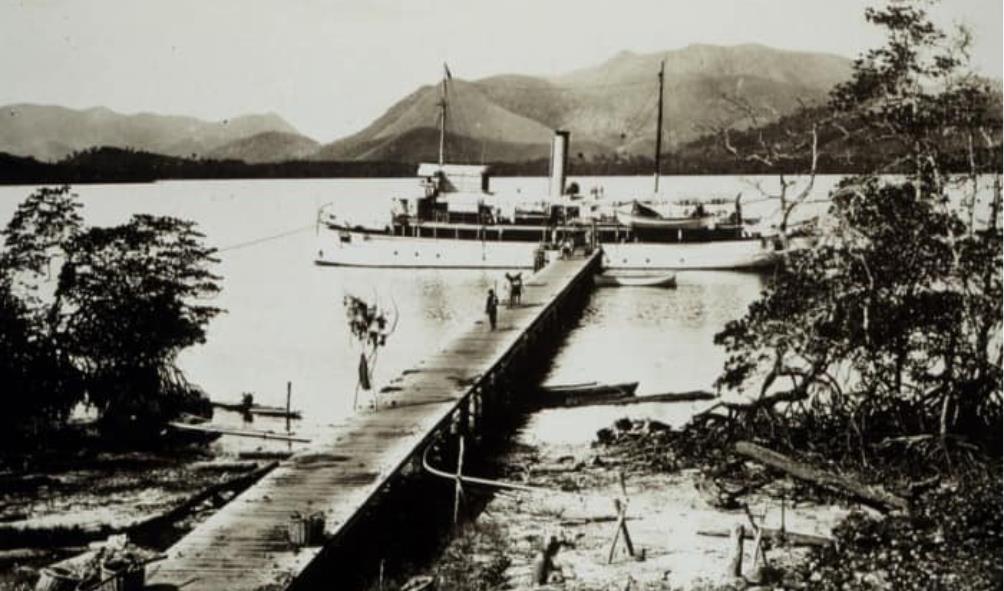
As you explore Romblon, you can see how trade networks expanded, connecting the islands to other regions. The influx of foreign goods and cultures not only diversified the local market but also fostered entrepreneurial spirit among the residents.
Over time, these trade relationships laid the groundwork for Romblon’s economic development, shaping its identity and creating opportunities for generations to come.
The Impact of World War II on Romblon
Although Romblon might seem like a peaceful island paradise today, World War II profoundly impacted its communities and landscape. When the war broke out, the island became a strategic location, leading to military confrontations and occupation.
You’d witness the destruction of homes, infrastructure, and the environment, creating long-lasting scars on the land. Many locals faced displacement and loss, as families were torn apart and livelihoods disrupted.
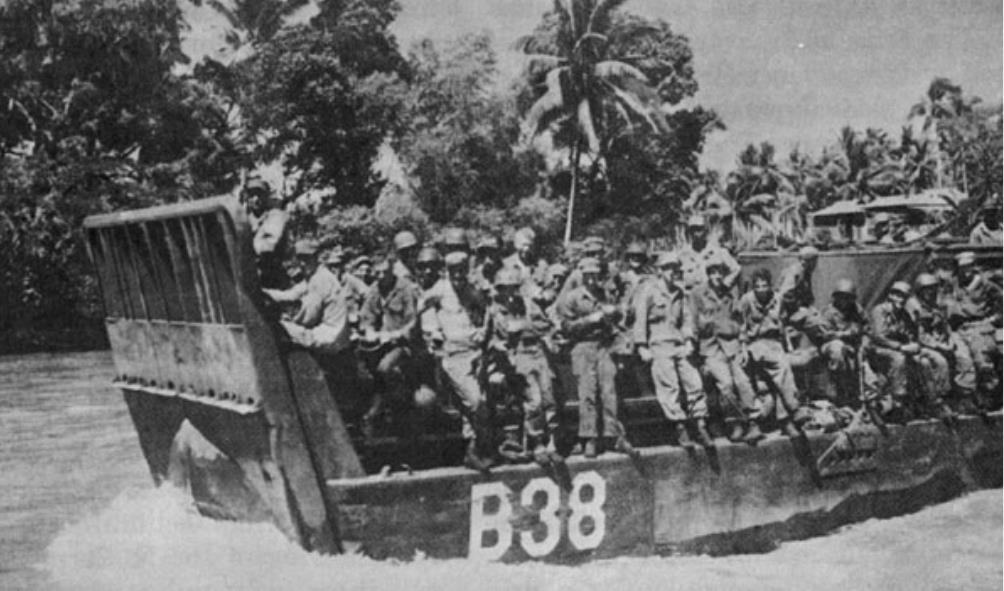
The island's natural resources were exploited to support the war efforts, further altering its economy. Despite the chaos, the resilience of the Romblon people shone through, as they banded together to rebuild their lives.
The war’s legacy shaped the island’s identity, leaving lessons that still resonate in the community today.
Post-Colonial Era: Establishing a Modern Identity
The aftermath of World War II set the stage for Romblon's transformation into a modern identity.
As you explore the post-colonial era, you’ll notice significant shifts in governance, economy, and social structures. The establishment of local government units empowered citizens, allowing them to participate actively in decision-making processes.
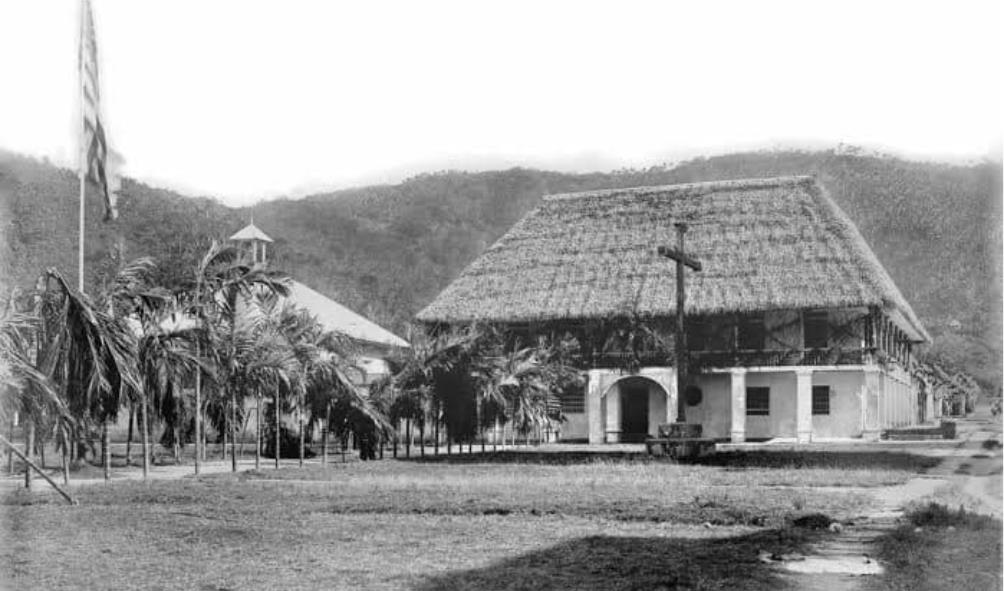
In this period, you also see a growing emphasis on education and infrastructure development, which helped connect remote areas to urban centers. The introduction of new industries and tourism played a crucial role in diversifying the economy.
As you look at the cultural landscape, you'll find a blend of traditional practices and modern influences shaping Romblon’s identity. This dynamic environment reflects resilience and adaptability in the face of change.
Cultural Heritage and Traditions of Romblon
As you delve into the cultural heritage and traditions of Romblon, you'll discover a rich tapestry woven from indigenous practices and influences brought by various external cultures.
Festivals like the Biniray showcase local artistry, music, and vibrant dances that reflect the island's history. You'll also find traditional crafts, such as marble sculpture, which highlight the skill and creativity of local artisans.
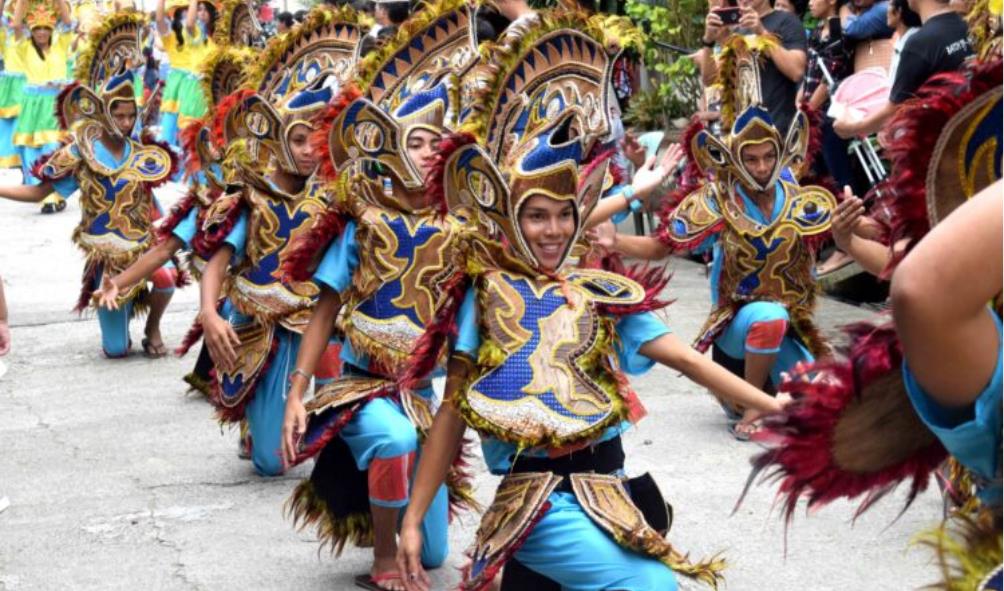
Romblon’s culinary delights, featuring fresh seafood and unique local dishes, reveal the island’s varied influences.
In addition, you'll encounter a strong sense of community through practices like bayanihan, where neighbors help each other during times of need.
This blend of customs and traditions fosters a deep sense of identity and pride among the people of Romblon, making it a truly unique cultural experience.
Contemporary Challenges and Opportunities for Romblon
While Romblon boasts a rich cultural heritage, it also faces contemporary challenges that test its resilience and adaptability. Rapid modernization threatens traditional practices, making it vital for you to find a balance between preserving your heritage and embracing new opportunities.
Economic development, driven by tourism and local industries, offers potential benefits, but it also brings environmental concerns. You’ll need to tackle issues like waste management and sustainable practices to protect your islands.
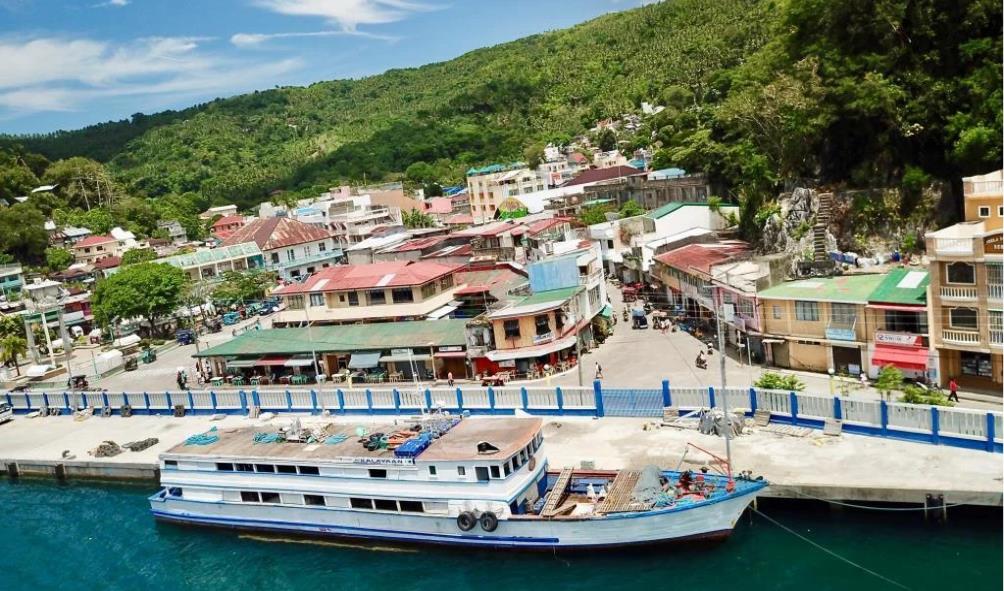
Moreover, education and job opportunities for the youth are crucial. By investing in skill development and promoting local entrepreneurship, you can empower the community.
Engaging with both local and international partners can help enhance infrastructure and services, ensuring a prosperous future while maintaining Romblon’s unique identity.
Conclusion
In exploring Romblon's rich history, you see how its past shapes its present. From the skilled Austronesian seafarers to Spanish colonization, each phase contributed to its unique cultural tapestry. The aftermath of World War II paved the way for a modern identity, blending tradition with innovation. As you navigate contemporary challenges and opportunities, remember that Romblon's heritage is a vibrant source of strength and resilience, guiding its people toward a promising future.
Statistics
- Romblon is home to over 15 historical churches dating back to the Spanish era.
- As of 2020, Romblon has a population of approximately 190,000 residents.
- There are 12 active marble quarries operating within Romblon.
- The province contributes around 50% of the Philippines' marble export market.
External Links
- Britannica's Romblon Entry covers the historical significance and cultural heritage of the province.
- Academic Papers on Romblon's History provide in-depth research and analysis of the province's past.
- Official Romblon Provincial Government Website offers detailed information on Romblon's history and governance.
- Philippine-History.ph's Romblon Section explores the province's role in national history.
How to Research the Colonial History of Romblon
Begin by accessing archives both locally and nationally that store records from the Spanish colonial period. Visit the Romblon Provincial Library and contact local historians who specialize in the area's past. Utilize online databases and digital repositories that feature historical documents, maps, and photographs. Reading books and scholarly articles focused on Romblon's development during the colonial era will provide context and detailed insights. Additionally, exploring historical markers and preserved sites in Romblon can offer tangible connections to its colonial heritage.
Want to travel with more time and freedom?
The freedom to travel! Discover free & unique homestays around the world, in exchange for caring for adorable pets.
https://escapetomexiconow.com/ths
Recommended Resources:
Ready to explore life beyond borders? Check out our trusted guides to Mexico, Panama, and the Philippines — your gateways to new adventures, culture, and opportunity.
https://escapetomexiconow.com/
https://escapetomexiconow.info/
https://escapetopanamanow.info/
https://escapetothephilippinesnow.com/
YouTube Channel:
See Mexico like never before! From local culture to travel hacks, our YouTube channel brings the adventure straight to you.
https://www.youtube.com/@EscapeToMexicoNow