

When you think about the history of Rizal Province, you might picture the rich tapestry woven by its early inhabitants, like the Dumagat and Tagalog tribes. Their social structures laid the groundwork for what followed. The Spanish colonial era brought significant transformation, but it wasn't without resistance. And then there's Dr. José Rizal, whose influence still resonates today. What were the pivotal moments that shaped this province into what it is now?
Early Inhabitants and Indigenous Tribes
As you explore the history of Rizal Province, you'll find that its early inhabitants were diverse groups of indigenous tribes, each contributing to the rich cultural tapestry of the region.
The Dumagat, for instance, thrived in the mountainous areas, relying on agriculture and hunting. They cultivated crops like rice and root vegetables, showcasing their sustainable practices.
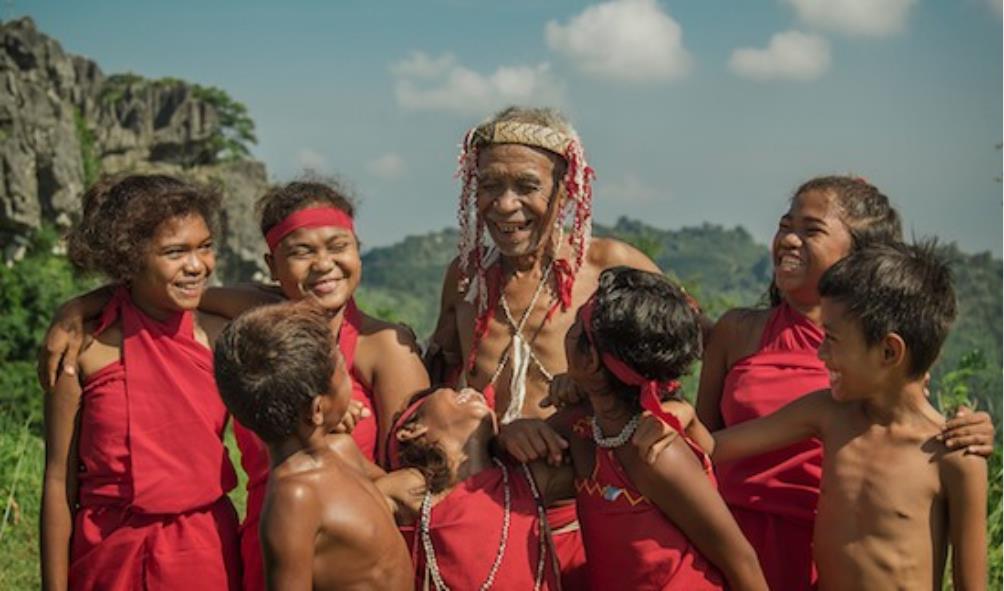
Meanwhile, the Tagalog people inhabited the lowlands, engaging in trade and fishing along the rivers. Their vibrant oral traditions and rituals enriched local culture, highlighting their connection to the land.
These tribes established social structures and systems of governance, laying the groundwork for future communities.
Understanding these early inhabitants gives you insight into Rizal’s unique heritage and the resilience of its people throughout history.
Spanish Colonial Era and Its Impact
The arrival of the Spanish in the late 16th century marked a transformative period for Rizal Province, shaping its social, cultural, and political landscape.
You'd see the introduction of Christianity, which profoundly influenced the local belief systems and practices. Spanish colonial rule established new governance, replacing indigenous chieftains with appointed officials, which altered the power dynamics.
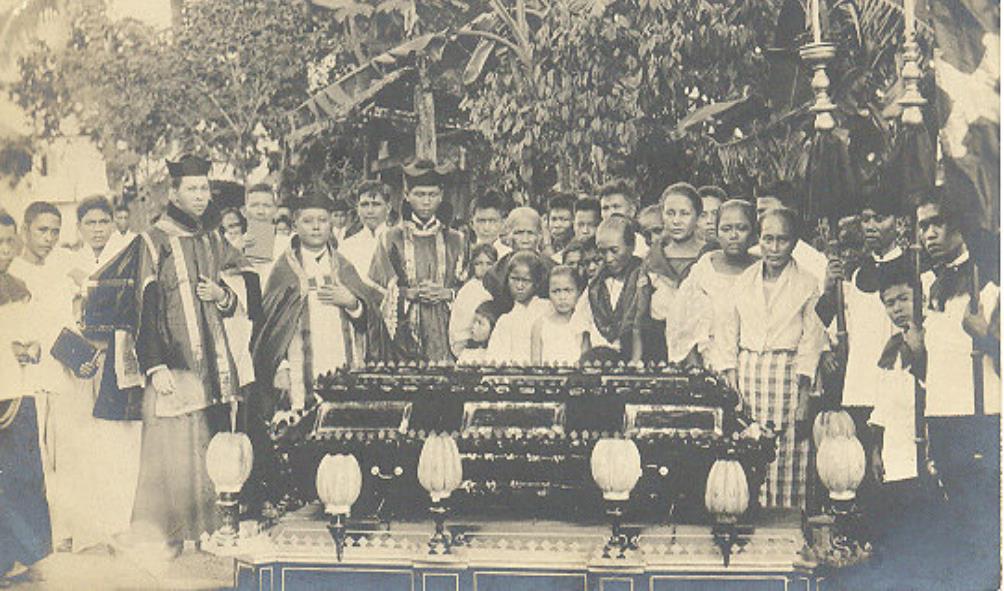
Agriculture thrived with introduced crops, boosting the economy but also leading to land disputes. Education began to flourish, albeit primarily for the elite, creating a divide among the populace.
The Spanish also built churches and schools, leaving a lasting architectural imprint. Overall, this era laid the groundwork for future developments, intertwining native traditions with foreign influences that still resonate today.
The Life and Legacy of Dr. José Rizal
Though born in Calamba in 1861, Dr. José Rizal emerged as a pivotal figure in Philippine history. His eloquent writings, especially "Noli Me Tangere" and "El Filibusterismo," exposed the injustices under Spanish rule and ignited the desire for reform.
You’ll find that Rizal’s commitment to education and national identity inspired countless Filipinos. His dedication to peaceful reform over violent revolution set him apart, showcasing his belief in the power of knowledge and civic engagement.
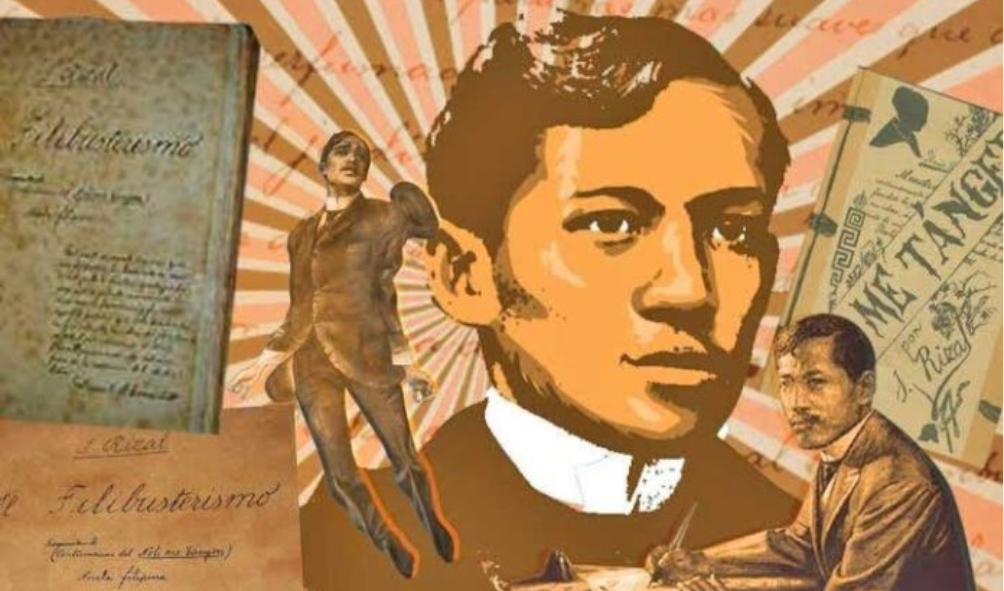
Executed in 1896, his martyrdom further fueled the fight for independence. Today, you see his legacy through monuments, schools, and a national holiday, reminding you of the importance of civic responsibility and the pursuit of freedom.
Rizal’s life is a testament to the enduring spirit of resistance and enlightenment.
World War II and Its Aftermath
While the Philippines was caught in the throes of World War II, Rizal Province faced significant challenges that would reshape its future. The Japanese occupation brought fear and uncertainty, affecting daily life and local governance.
You’d witness the struggles of residents as they dealt with food shortages and the threat of violence. Guerrilla movements emerged, with locals participating in resistance efforts against the occupiers.
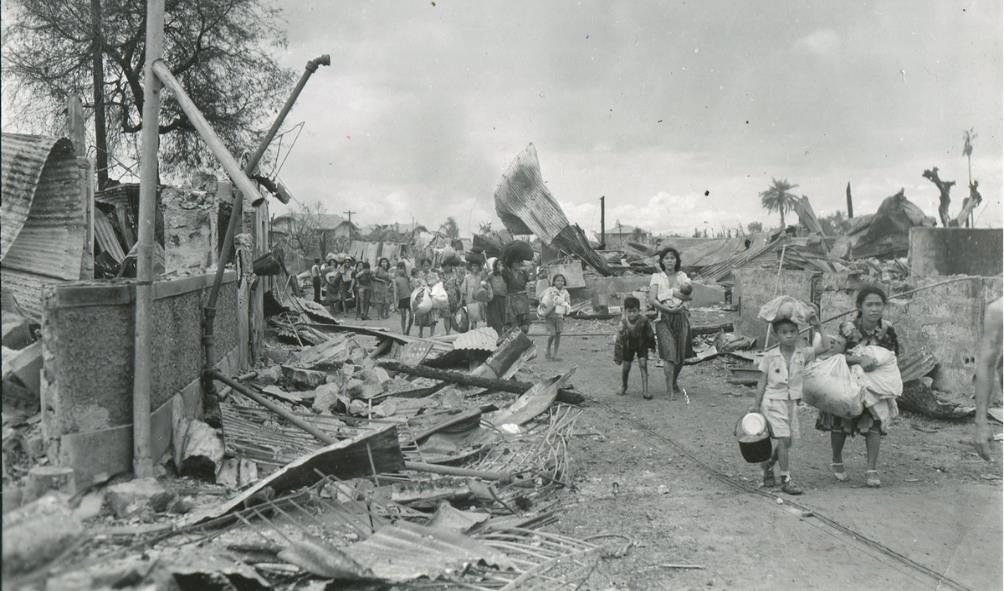
By 1945, as liberation approached, the province suffered from extensive destruction, with many towns left in ruins.
After the war, you’d see a concerted effort to rebuild and recover. The community united to restore infrastructure and homes, laying the groundwork for future growth and resilience, forever marked by the scars of conflict.
Modern Developments and Cultural Heritage
As Rizal Province emerged from the shadows of war, it embraced modern developments that transformed its landscape and cultural identity. You’d notice the rapid growth of infrastructure, with new roads and public transport systems connecting communities more efficiently.
This development spurred economic growth, attracting businesses and fostering job opportunities.
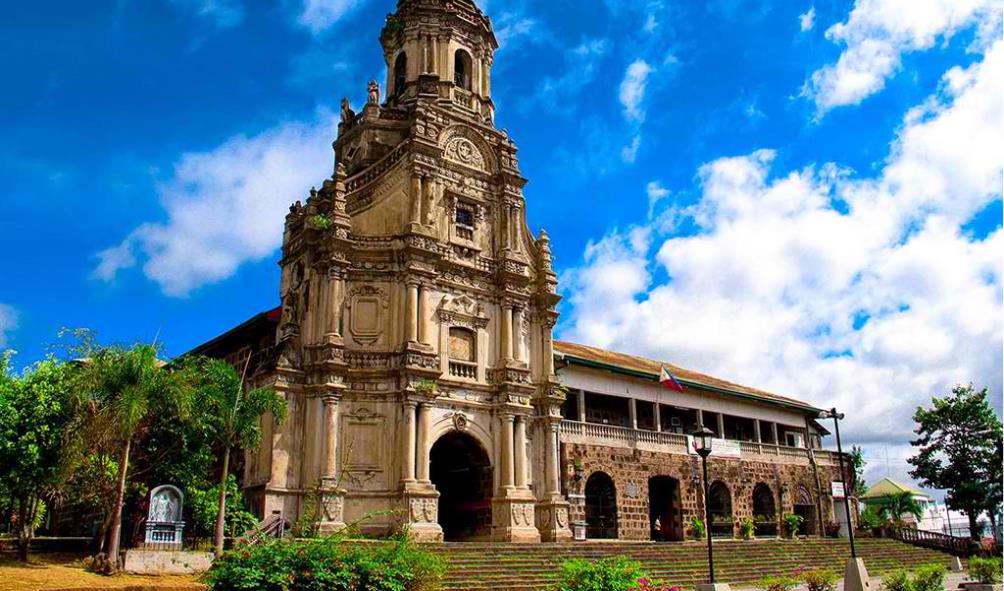
Culturally, Rizal has preserved its rich heritage while integrating modern influences. You can explore vibrant festivals, like the Higantes Festival, which celebrates local traditions.
Art galleries and cultural centers showcase the works of local artists, blending contemporary styles with historical themes.
Conclusion
In exploring Rizal Province's history, you can truly appreciate the blend of cultures and the resilience of its people. From the rich traditions of indigenous tribes to the profound impact of Spanish colonization and the inspiring legacy of Dr. José Rizal, every chapter tells a story of strength and perseverance. As you witness the province's modern developments, you’ll see how it honors its past while embracing the future, making it a vibrant tapestry of history and culture.
Statistics
- Established in 1901, Rizal Province originally covered over 4,200 square kilometers before its territorial reduction in the 1970s.
- Rizal Province has preserved 12 historic churches from the 18th and 19th centuries, serving as landmarks of its rich cultural heritage.
- By 2020, Rizal Province had a population exceeding 3 million residents, reflecting significant growth from its early 20th-century population.
- Rizal Province is home to 15 heritage sites, recognized for their historical significance dating back to the Spanish colonial period.
External Links
- Philippine Hills - Rizal's Past: Insights into the historical developments and cultural heritage of Rizal Province.
- Encyclopedia Britannica - Rizal Province: An overview of Rizal's geographical, cultural, and historical significance.
- HistoryPin - Rizal Province Stories: A collection of historical photos and personal stories from Rizal Province.
- Traveling Up - History of Rizal: A traveler's guide highlighting historical landmarks and their backgrounds in Rizal.
How to Appreciate Rizal Province’s Historical Architecture
Appreciating Rizal Province’s historical architecture involves studying and experiencing its diverse architectural styles. Start by visiting well-preserved heritage buildings, such as churches, government edifices, and ancestral houses, to observe architectural details and craftsmanship. Research the architectural influences present in Rizal, including Spanish colonial, Art Deco, and indigenous styles, to understand the historical context behind each structure. Engage with architectural tours or guides who can provide insights into the design, materials, and construction techniques used. Additionally, documenting your visits through photography or sketches can help you appreciate the aesthetic and historical significance of Rizal’s architectural heritage.
Want to travel with more time and freedom?
The freedom to travel! Discover free & unique homestays around the world, in exchange for caring for adorable pets.
https://escapetomexiconow.com/ths
Recommended Resources:
Adventure is calling — are you ready to answer? Discover new places, new lifestyles, and new possibilities in Mexico, Panama, or the Philippines.
https://escapetomexiconow.com/
https://escapetomexiconow.info/
https://escapetopanamanow.info/
https://escapetothephilippinesnow.com/
YouTube Channel:
Your next adventure starts here! Join us on YouTube for destination tours, insider advice, and everything you need to make your escape unforgettable.
https://www.youtube.com/@EscapeToMexicoNow