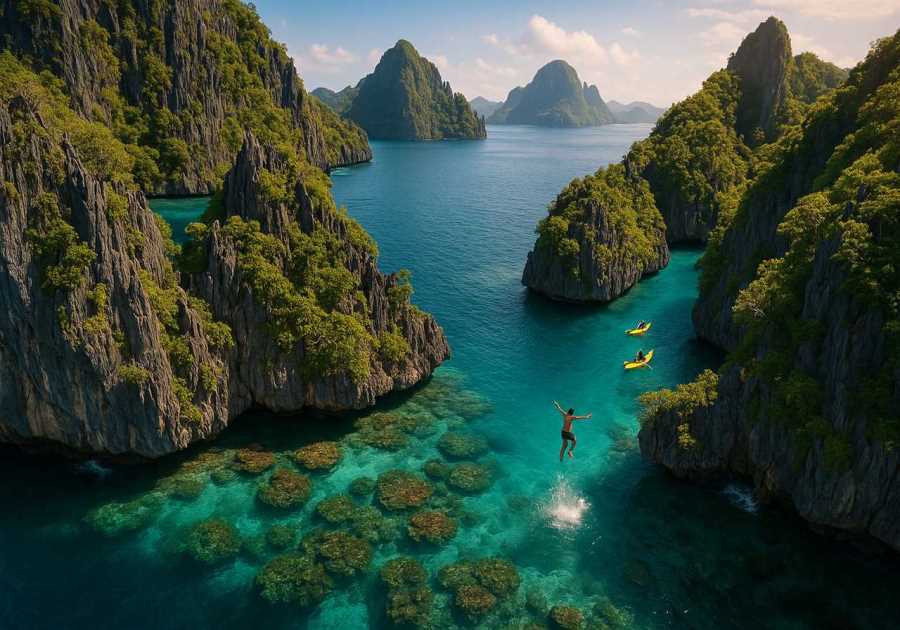
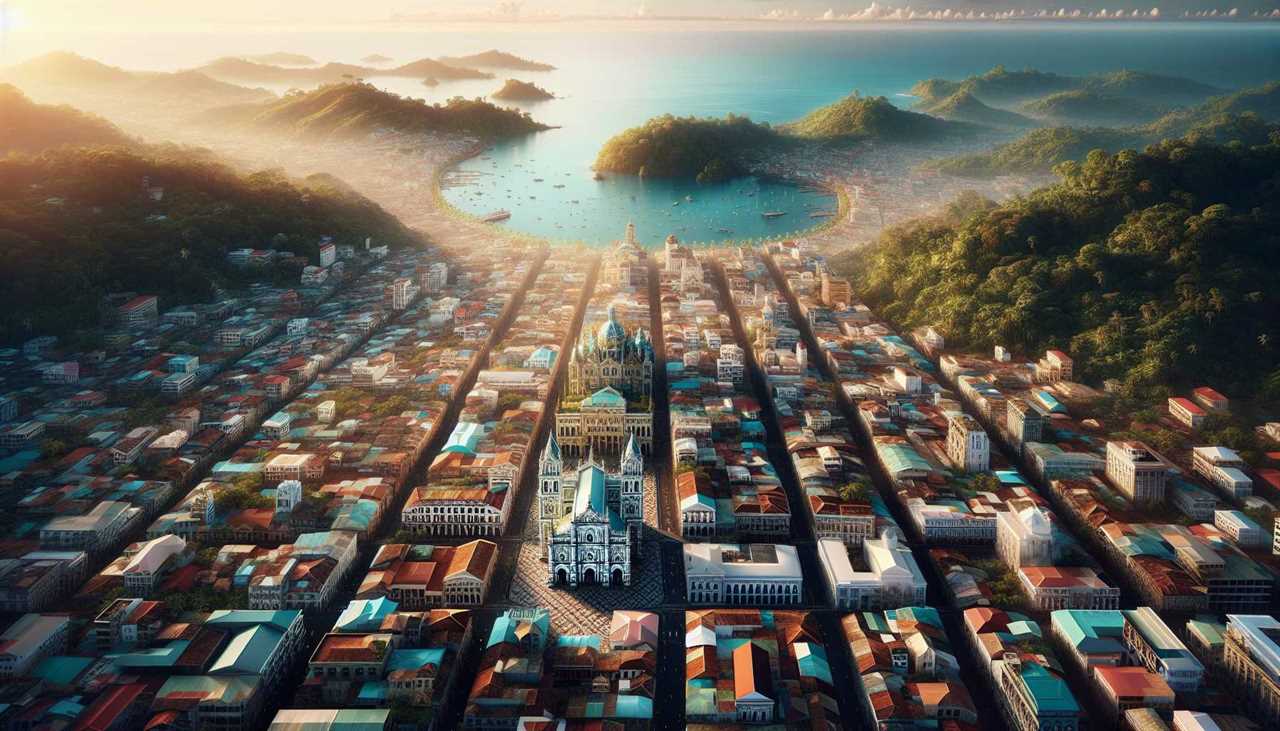
When you explore the history of Puerto Princesa City, you’ll uncover layers of rich cultural heritage and resilience. From its early days as a settlement of indigenous tribes to its transformation through colonial influences, each era shapes the city's identity. As you consider the impact of war and the rise of eco-tourism, you might find yourself wondering how these elements continue to influence Puerto Princesa today. What stories lie beneath its vibrant surface?
Early Beginnings: The Settlement of Puerto Princesa
Although the lush landscapes of Puerto Princesa City may seem like a paradise today, its early beginnings tell a story of resilience and adaptation.
When you explore the area, you’ll uncover how indigenous groups, like the Tagbanua and Palaw’an, thrived long before modern influences. These early settlers developed sustainable practices, utilizing the rich resources around them.
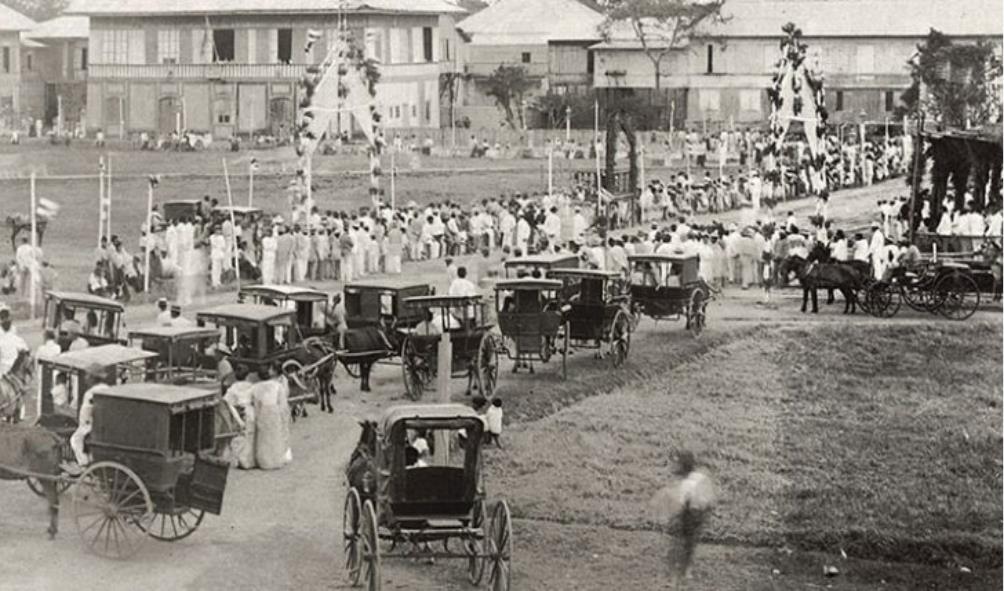
They built communities along the coast and rivers, fostering trade and cultural exchange. As you wander through local sites, you might feel the spirit of their innovations and survival instincts.
The establishment of fishing, farming, and hunting methods laid the groundwork for future generations. Recognizing this history enriches your appreciation of Puerto Princesa’s vibrant culture and natural beauty, reminding you of its deep-rooted heritage.
Spanish Colonial Era: Establishing a Stronghold
As Spanish explorers set foot on the shores of Puerto Princesa in the 16th century, they quickly recognized the region's strategic potential.
You'd see how they established a stronghold, focusing on military and economic advantages. They built fortifications to defend against potential invaders, asserting their dominance in the area.
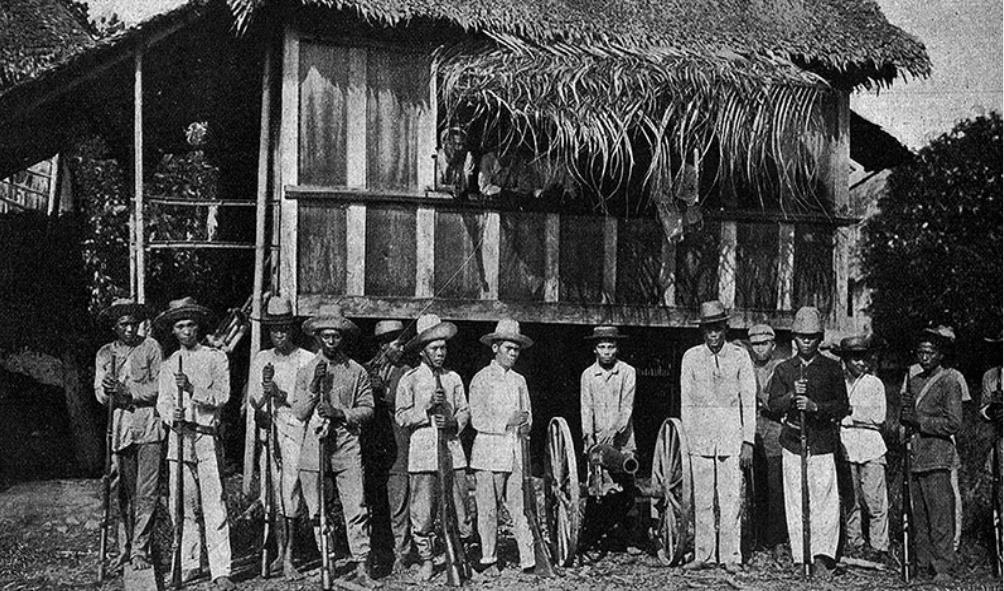
The establishment of a garrison and the construction of San Jose Church marked the beginning of a structured colonial presence. You’d witness the introduction of Christianity as missionaries worked to convert indigenous communities.
The Spanish also utilized the rich resources of the land, encouraging agriculture and trade. This era laid the foundation for Puerto Princesa's development, shaping its identity and influence in the Philippines for centuries to come.
The American Period: Modernization and Development
With the arrival of American forces in the early 20th century, Puerto Princesa underwent significant modernization and development that transformed its landscape and society.
You'd notice infrastructure improvements, like the establishment of roads, schools, and hospitals, which enhanced the quality of life for residents.
The Americans introduced new agricultural techniques, promoting cash crops that boosted the local economy.
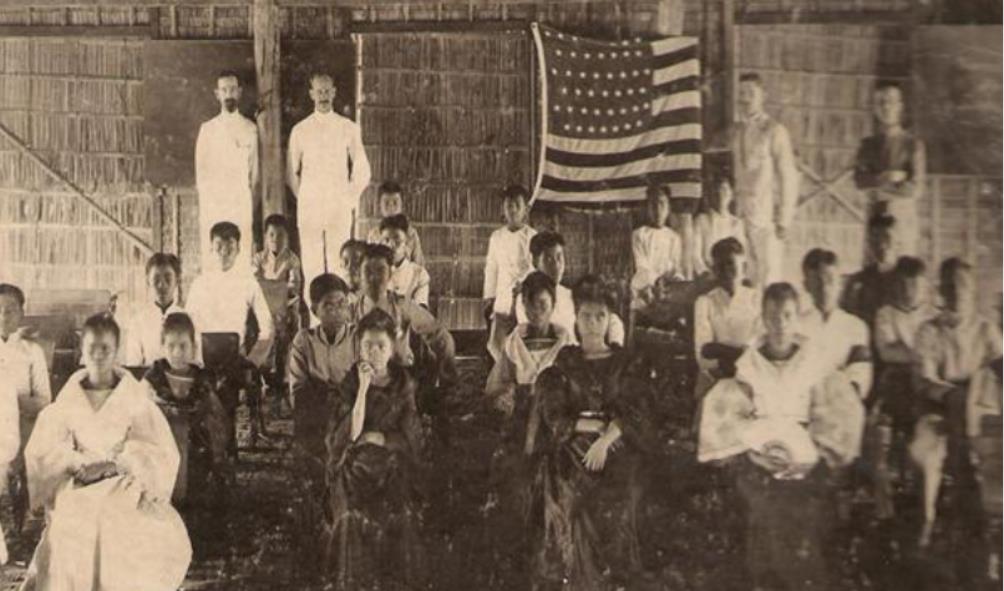
You’d also see the rise of commerce, as American influence attracted businesses and increased trade.
The introduction of public education brought new opportunities for the youth, fostering a more educated society.
As you explored the city, you’d appreciate the blend of cultures, with American customs mingling with local traditions, creating a unique identity that still resonates today.
World War II: The Impact of War on the City
When World War II erupted, Puerto Princesa faced profound challenges that reshaped its community and infrastructure.
The Japanese occupation brought fear and uncertainty, drastically altering daily life. You’d witness families torn apart as many men were conscripted into labor or military service. The city’s economy suffered as resources dwindled, and essential goods became scarce.
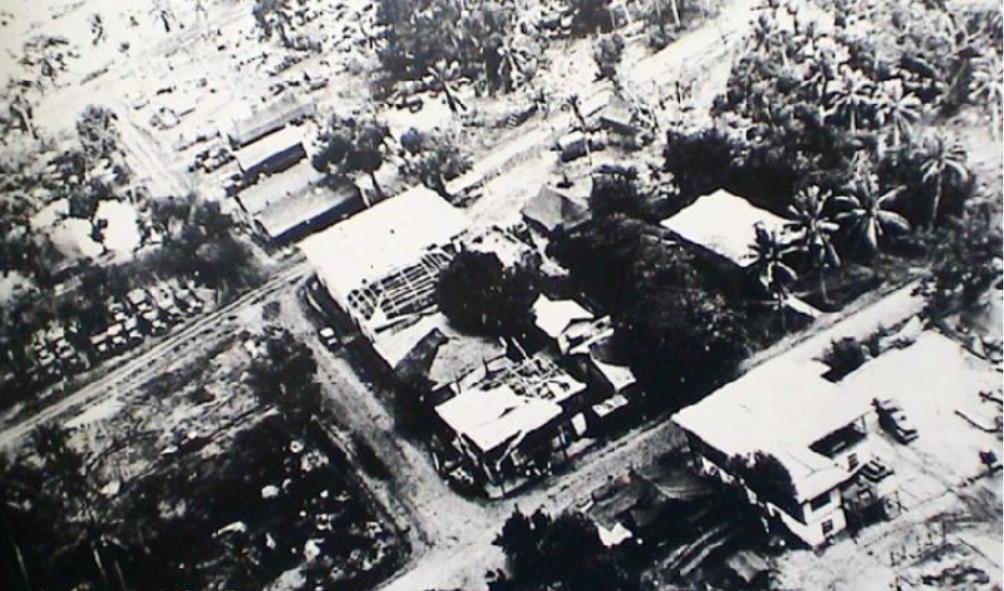
Bombings and skirmishes damaged buildings and disrupted transportation, while the local population struggled to survive amid shortages. You’d feel the tension in the air as guerrilla fighters emerged, resisting the occupiers.
Throughout this tumultuous period, the spirit of the people remained resilient, united in their hope for liberation. The scars of war would linger long after the fighting stopped, forever marking Puerto Princesa's history.
Post-War Reconstruction: Rebuilding Puerto Princesa
Despite the devastation left in the wake of World War II, Puerto Princesa began its journey of recovery and renewal.
You could see the resilience of the local community as they worked tirelessly to rebuild their lives. The government initiated reconstruction projects, focusing on infrastructure, housing, and public facilities. Roads, bridges, and schools were prioritized, helping to restore essential services and improve living conditions.
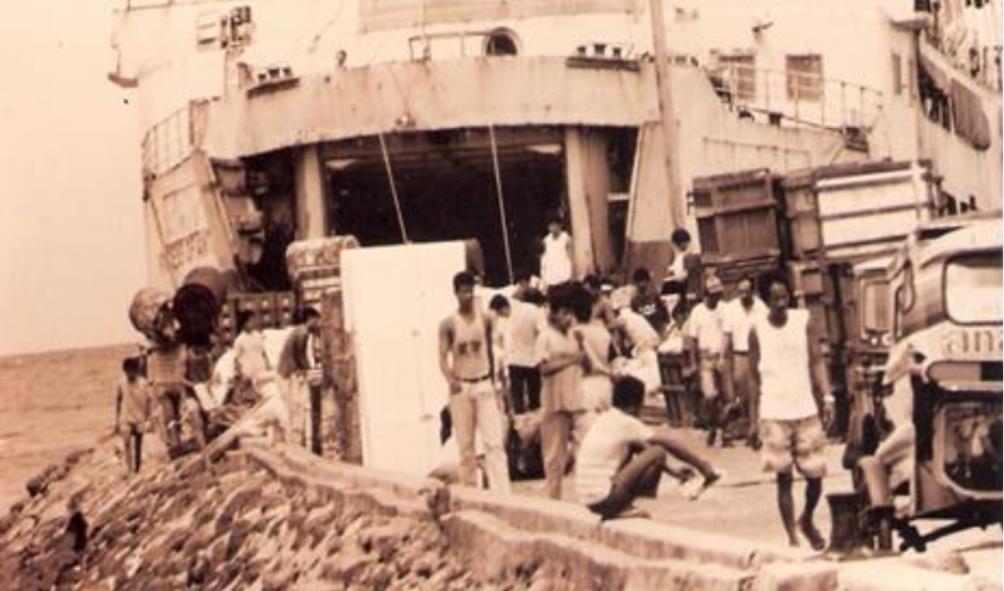
Community members banded together, pooling resources and labor to support one another. In this collaborative spirit, the city slowly transformed, fostering a sense of unity and hope.
As you walk through the streets, you can still feel the echoes of that determination, reflecting the strength of Puerto Princesa's people in overcoming adversity and rebuilding their beloved city.
The Rise of Eco-Tourism: A New Era for the City
As Puerto Princesa emerged from the shadows of war, it embraced a new opportunity for growth through eco-tourism, which transformed the city into a vibrant destination.
You’ll find lush landscapes, stunning beaches, and the world-renowned Underground River, drawing visitors from around the globe. This focus on eco-tourism not only highlights the city’s natural beauty but also fosters a sense of responsibility toward environmental preservation.
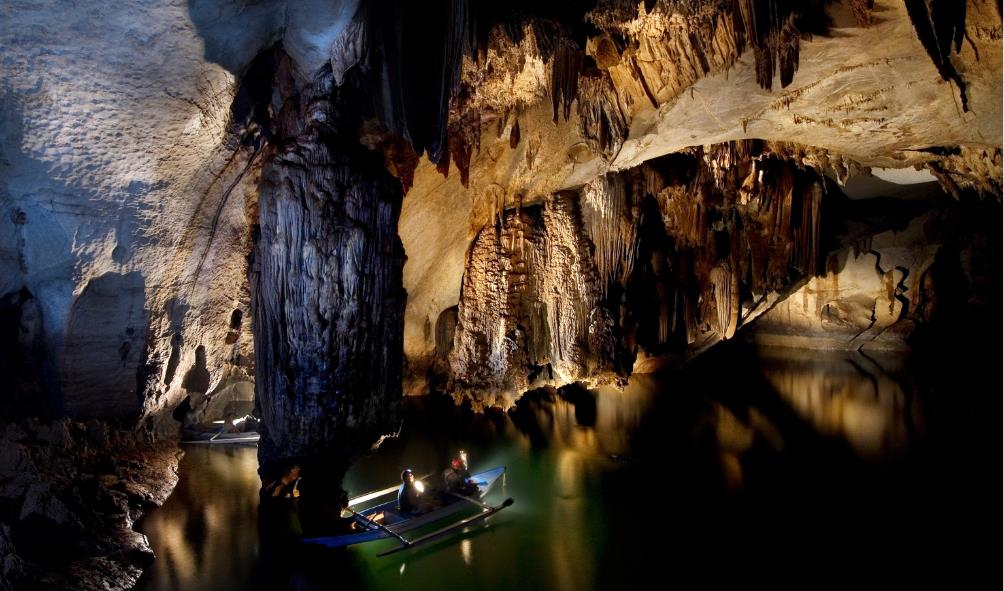
Local businesses flourished as guides, hostels, and restaurants catered to the needs of eco-conscious travelers. You can engage in various activities, from hiking in the rainforest to snorkeling in pristine waters.
This shift to sustainable tourism helps create jobs and supports local communities, making Puerto Princesa a model for balancing development with ecological integrity.
Puerto Princesa Today: A Blend of Tradition and Progress
Puerto Princesa stands today as a vibrant tapestry of tradition and modernity, where the past harmoniously coexists with contemporary advancements.
As you stroll through its streets, you’ll notice the blend of Spanish colonial architecture alongside modern infrastructure. Local markets buzz with the energy of traditional crafts and fresh produce, inviting you to experience the city's rich culture.
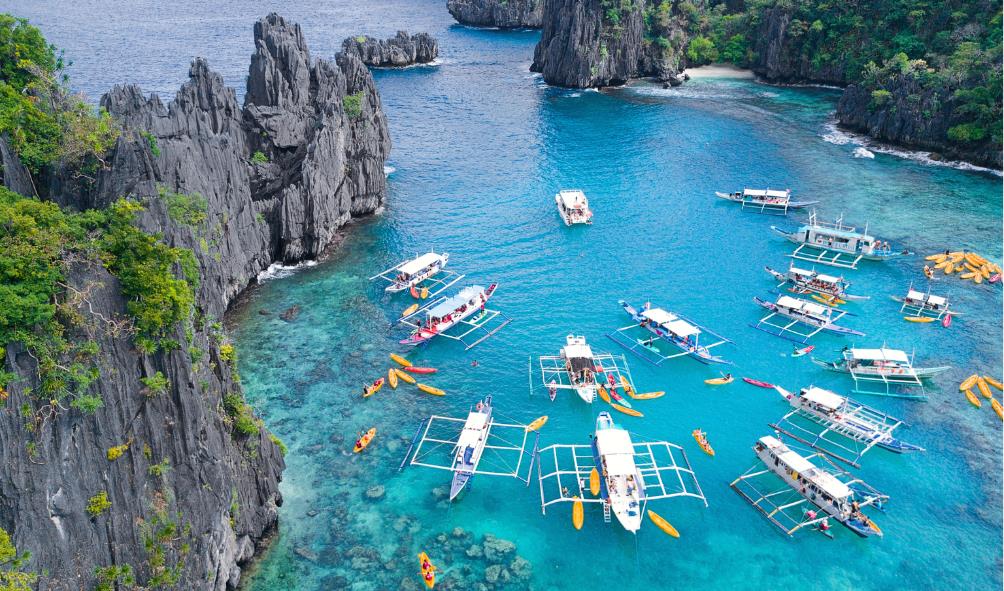
You can savor authentic Filipino cuisine at quaint eateries or explore eco-friendly resorts that highlight nature’s beauty. The city's commitment to sustainability is evident in its eco-tourism initiatives, ensuring that progress doesn’t come at the expense of its natural heritage.
Engaging with the warm, welcoming locals, you’ll feel the spirit of Puerto Princesa, celebrating both its heritage and promising future.
Conclusion
Puerto Princesa City’s history showcases a vibrant mix of cultures and resilience. From its early roots with indigenous peoples to the Spanish and American influences, each era has shaped the city into what it is today. The scars of World War II didn’t diminish its spirit; instead, they paved the way for a dynamic post-war recovery. Now, as eco-tourism thrives, you can experience the unique blend of tradition and progress that defines Puerto Princesa.
Statistics
- The city has a population of approximately 300,000 residents, reflecting its growth and urbanization over the past century.
- Puerto Princesa is known for its vibrant culture, which is influenced by various ethnic groups, including Tagbanua, Palaw'an, and Cuyonon, contributing to its unique identity.
- In 2012, Puerto Princesa was recognized as one of the New7Wonders of Nature, highlighting its global importance in natural heritage.
- The city has played a vital role in promoting ecotourism in the Philippines, attracting thousands of visitors annually to its natural attractions and cultural sites.
External Links
- Palawan Provincial Government - This site offers historical context and resources related to Puerto Princesa and the wider Palawan region.
- Lonely Planet - Puerto Princesa - A travel guide that includes historical insights and attractions in Puerto Princesa City.
- Puerto Princesa City Official Website - This site provides comprehensive information about the city's history, culture, and current events.
- Philippine History - Puerto Princesa - A detailed overview of the historical events that shaped Puerto Princesa City.
How To Visit Historical Sites in Puerto Princesa City
Visiting historical sites in Puerto Princesa City requires planning to maximize your experience. Begin by identifying key locations such as the Puerto Princesa Subterranean River National Park, historical churches, and World War II memorials. Create an itinerary that includes guided tours for deeper insights into each site. Check the opening hours and any entry fees in advance. Consider hiring a local guide who can share stories and context that enhance your visit. Lastly, allocate sufficient time at each site to absorb the history and significance of the locations you explore.
Plan the perfect group trip, your way.
Get an instant personalized itinerary. We handle logistics, payments, and provide a dedicated itinerary, while local experts fine-tune every detail. Enjoy full freedom—without the stress of organizing it all.
https://escapetomexiconow.com/tourhero
Recommended Resources:
Dreaming of a fresh start abroad? Explore our curated destination guides to learn how you can make the move with ease.
https://escapetomexiconow.com/
https://escapetomexiconow.info/
https://escapetopanamanow.info/
https://escapetothephilippinesnow.com/
YouTube Channel:
See Mexico like never before! From local culture to travel hacks, our YouTube channel brings the adventure straight to you.
https://www.youtube.com/@EscapeToMexicoNow