
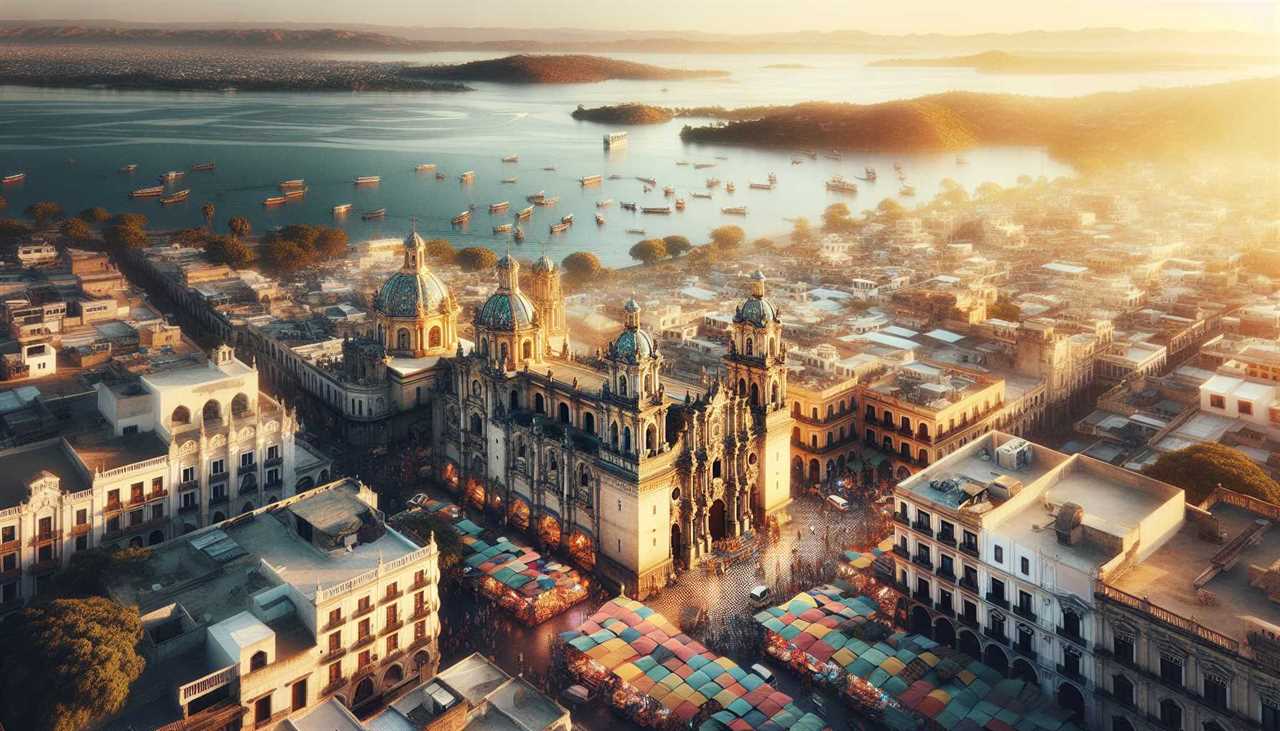
When you think about Ozamiz City, its rich history might not immediately come to mind. Yet, this city has a fascinating past shaped by indigenous cultures, colonial influences, and significant events like the Philippine Revolution. Each era contributed to the city's unique identity and challenges. As you explore its journey, you'll uncover how these historical layers still impact Ozamiz today. What does that mean for its future?
Early Settlement and Indigenous Peoples
Before the arrival of Spanish colonizers in the 16th century, the area now known as Ozamiz City was home to various indigenous groups, including the Subanen and Maranao people.
These communities thrived along the banks of rivers and fertile lands, relying on agriculture, fishing, and trade. You'd find them cultivating rice, corn, and root crops, while also engaging in barter with neighboring tribes.
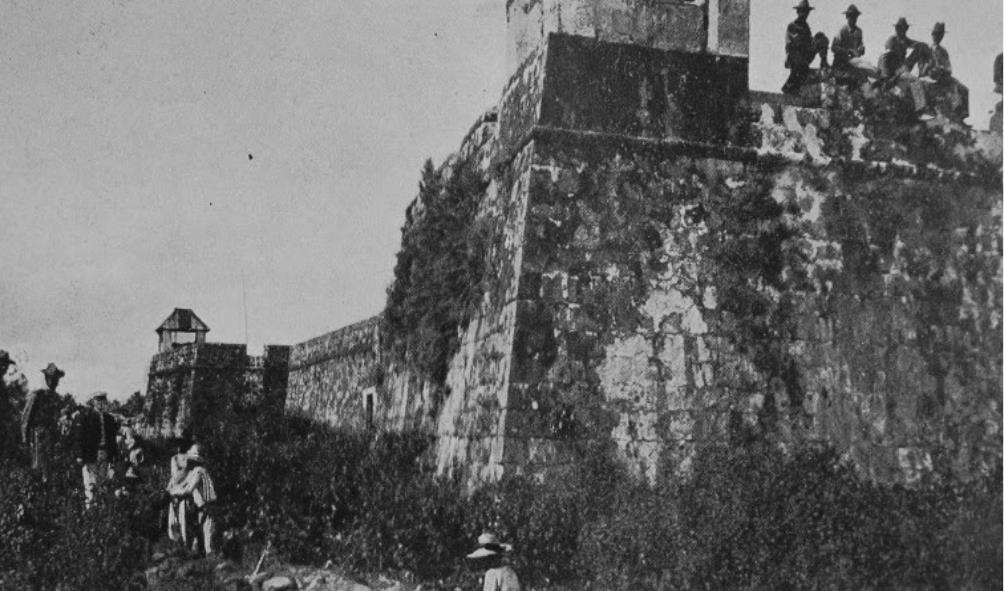
Their rich cultural traditions, from music to craftwork, played a significant role in their daily lives. Social structures were often organized around kinship, where families supported one another.
Spiritual beliefs were intertwined with nature, reflecting their deep connection to the land. This vibrant heritage set the foundation for the region’s future, long before European influence changed everything.
Spanish Colonization and Establishment
As Spanish colonizers arrived in the 16th century, they quickly recognized the strategic importance of the region that would become Ozamiz City. Nestled along the northern coast of Mindanao, its natural harbor offered a prime location for trade and military defense.
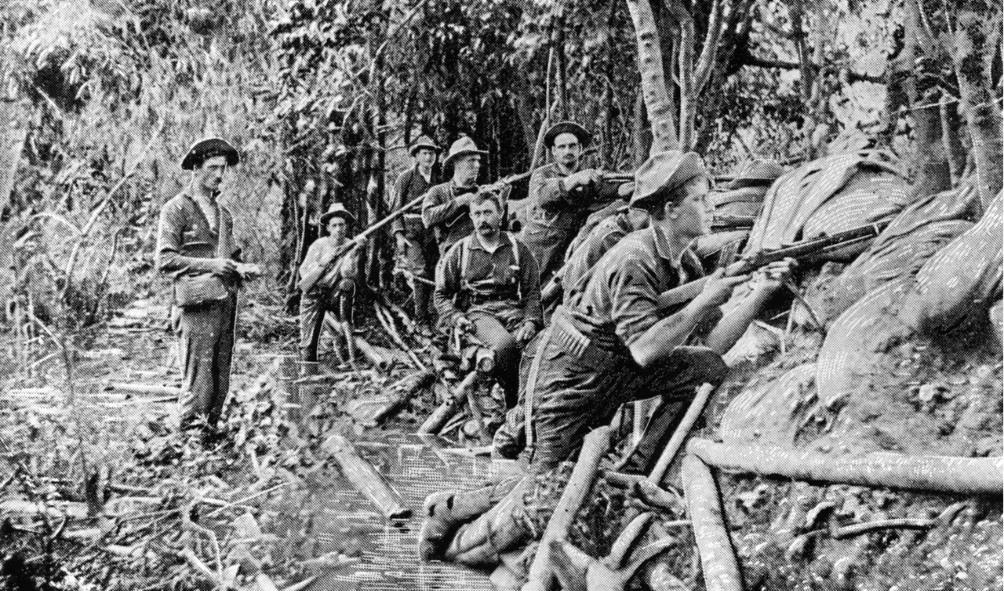
The Spanish established settlements, converting local tribes to Christianity and integrating them into their colonial system. You'd see the construction of churches and fortifications, including the iconic Fortification of Ozamiz, which became a center for governance and spiritual guidance.
The colonizers imposed new agricultural practices, introducing crops that transformed local economies. This period marked the beginning of a profound cultural shift, as Spanish influence permeated local customs, languages, and social structures, shaping the future of Ozamiz City.
The Role of Ozamiz in the Philippine Revolution
Ozamiz City played a pivotal role in the Philippine Revolution, serving as a crucial hub for revolutionary activities against Spanish rule.
You'd find that local leaders and revolutionaries rallied support from the community to strengthen their cause. With its strategic location, Ozamiz became a key point for communication and supply routes, facilitating the movement of troops and resources.
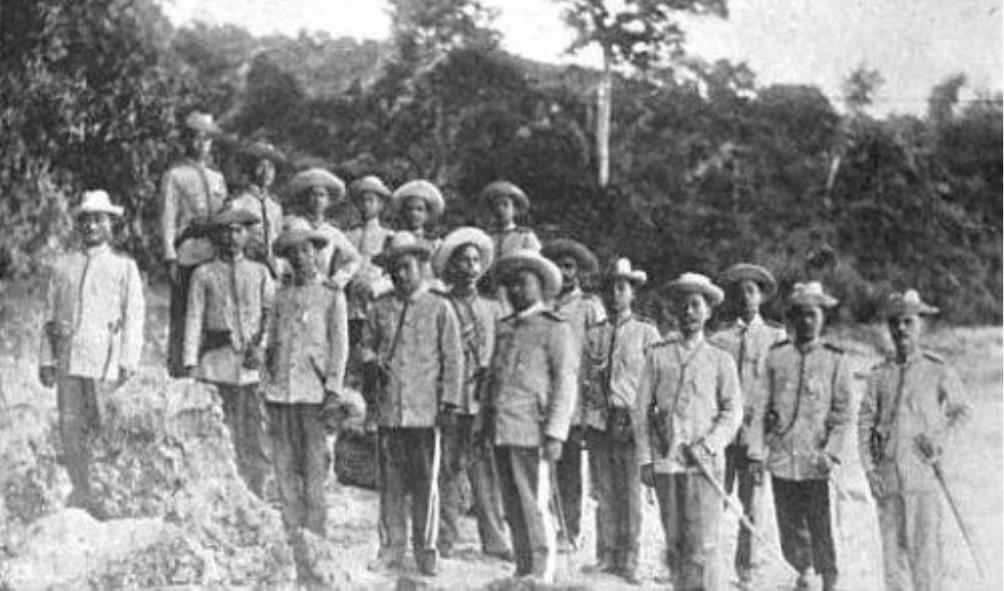
The people of Ozamiz actively participated in various uprisings, showing their determination to fight for freedom. You could see how, despite facing oppression, they remained resilient and united.
The city's involvement not only forged a sense of identity among its inhabitants but also contributed significantly to the broader struggle for independence across the Philippines. Their sacrifices laid the groundwork for future generations.
American Occupation and Its Impact
Following the Philippine Revolution, the American occupation brought significant changes to Ozamiz City and its residents. You’d notice new infrastructure, like roads and schools, which improved accessibility and education.
The Americans introduced a public health system, helping combat diseases and raising overall living standards. You’d see the establishment of a more structured government, promoting local participation in civic matters.
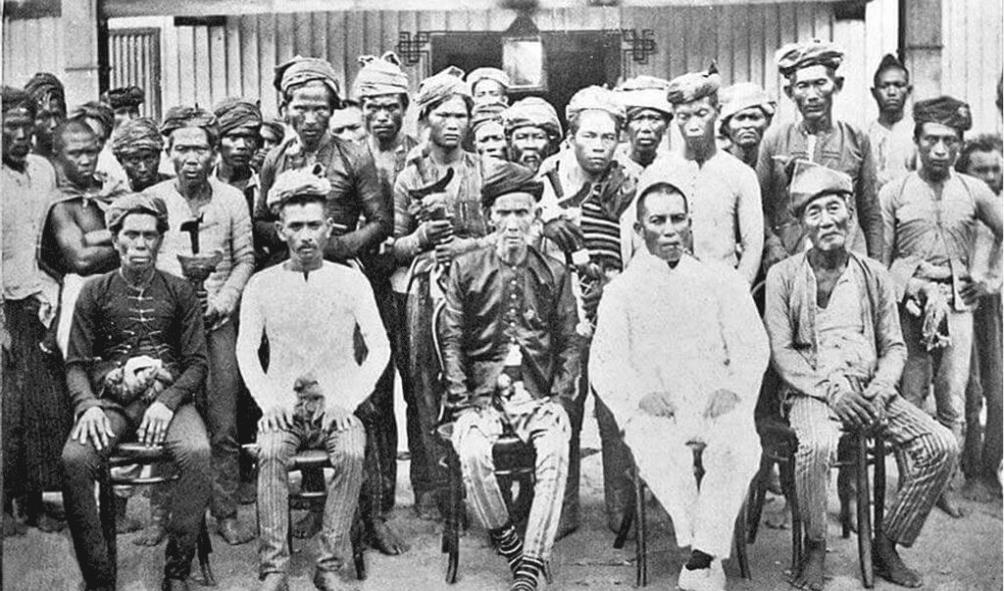
Economic opportunities expanded as the Americans encouraged agriculture and introduced modern farming techniques. While you might appreciate these advancements, the occupation also stirred mixed feelings among locals regarding cultural changes and loss of autonomy.
As you navigated this transformative period, you’d witness a blend of progress and tension, shaping Ozamiz City’s identity for years to come.
World War II and the Liberation of Ozamiz
When World War II erupted, Ozamiz City, like much of the Philippines, found itself caught in the turmoil of conflict and occupation. The Japanese forces swiftly occupied the city, imposing their rule and disrupting daily life.
You’d witness the fear and uncertainty that gripped the community as resistance movements began to form. The local populace faced harsh conditions, struggling to survive amid scarcity and oppression.
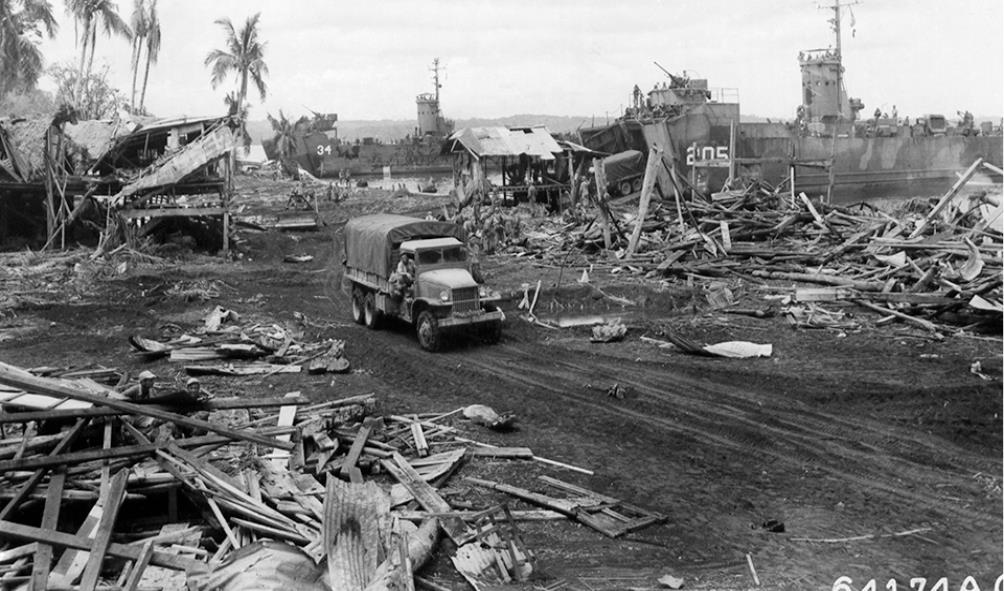
As liberation approached in 1945, Allied forces launched their offensive to reclaim Ozamiz. You’d feel the tension building, and when the liberation finally arrived, it brought both relief and jubilation.
The Japanese troops retreated, and the city celebrated its newfound freedom, ready to rebuild and heal from the scars of war. Hope flourished as the community united once more.
Post-War Reconstruction and Development
As the dust of war settled, the people of Ozamiz City faced the daunting task of rebuilding their lives and infrastructure.
You'd witness a collective spirit as community members banded together, clearing debris and restoring homes. The local government initiated programs to rehabilitate schools, hospitals, and roads, prioritizing essential services.

You’d see farmers returning to their fields, re-establishing agriculture as the backbone of the economy. Small businesses began to emerge, driven by entrepreneurial spirit and a desire for a better future.
You might've felt the resilience in the air, as citizens organized events to foster unity and encourage hope. Through determination and hard work, Ozamiz City slowly transformed, setting the stage for a brighter tomorrow.
The Rise of Ozamiz as a City
Despite the challenges faced during the post-war era, Ozamiz City began to flourish as it embraced its identity and potential.
You’ll notice that the local government prioritized infrastructure development, improving roads and public services. This progress attracted businesses and investors, creating job opportunities for the residents.
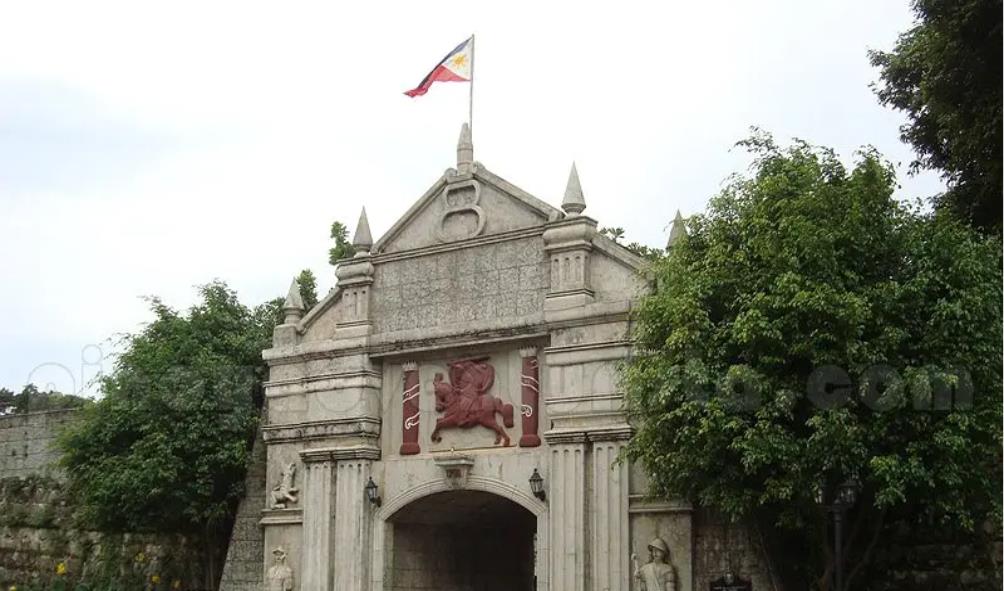
As you explore the city, you’ll see new schools, hospitals, and markets springing up, all contributing to a vibrant community.
The rise of tourism also played a crucial role, with visitors drawn to its natural beauty and historical sites.
As a resident or visitor, you can feel the pride in the air as the people of Ozamiz come together to celebrate their achievements, fostering a spirit of unity and resilience.
Cultural Influences and Heritage
Ozamiz City's rich cultural influences and heritage reflect a tapestry of traditions that have shaped its identity over the years.
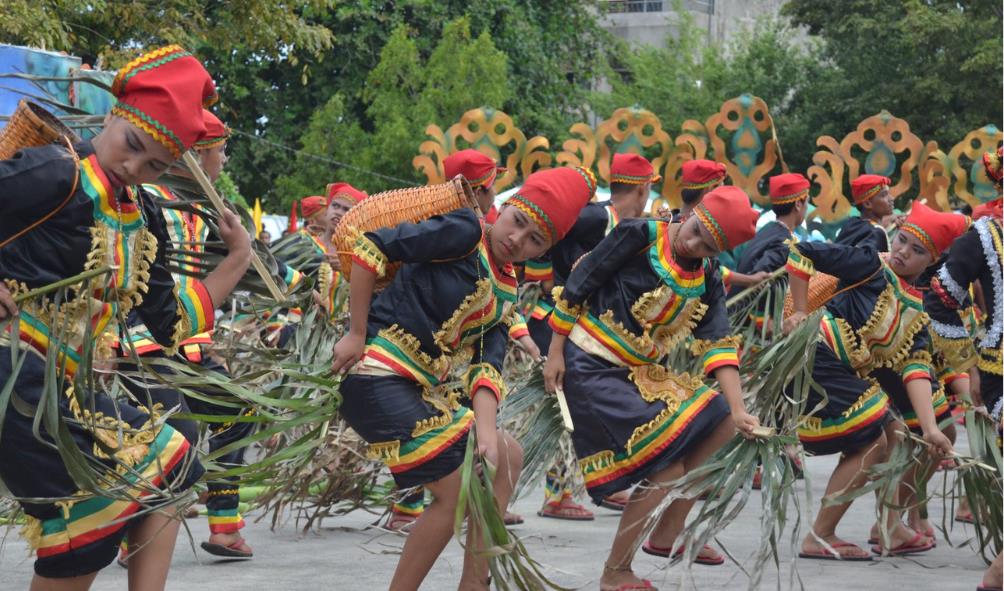
You’ll notice the blend of indigenous, Spanish, and American influences in the local customs, festivals, and cuisine. The celebration of the city's fiesta showcases colorful parades and traditional dances, highlighting the community's vibrant spirit.
You can also explore historical landmarks that tell stories of resilience and creativity, from colonial architecture to local art. The people take pride in their unique dialect and culinary delights, which include seafood and local delicacies.
Key Figures in Ozamiz History
Throughout its history, several key figures have significantly influenced the development of Ozamiz City and its surrounding region. One notable personality is the first mayor, Jose O. Sia, who played a crucial role in establishing the city's infrastructure and governance.
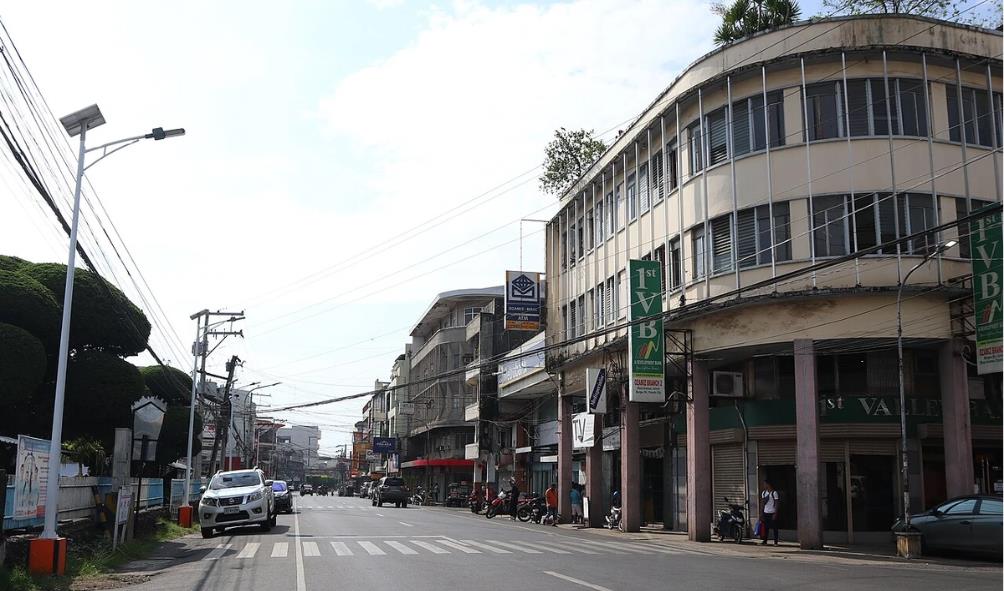
You can't overlook the contributions of local leaders and educators who pushed for improved education and social services. Their efforts shaped the community, promoting cultural pride and unity.
Additionally, influential business figures helped stimulate the local economy, providing jobs and opportunities for residents. As you explore Ozamiz's past, you'll see how these individuals' visions and dedication laid the groundwork for a thriving community, creating an enduring legacy that continues to resonate today.
Modern Ozamiz: Growth and Challenges
As Ozamiz City continues to evolve, it faces both remarkable growth and significant challenges that shape its future. You can see the city bustling with new businesses, infrastructure developments, and a growing population eager to contribute to the local economy.
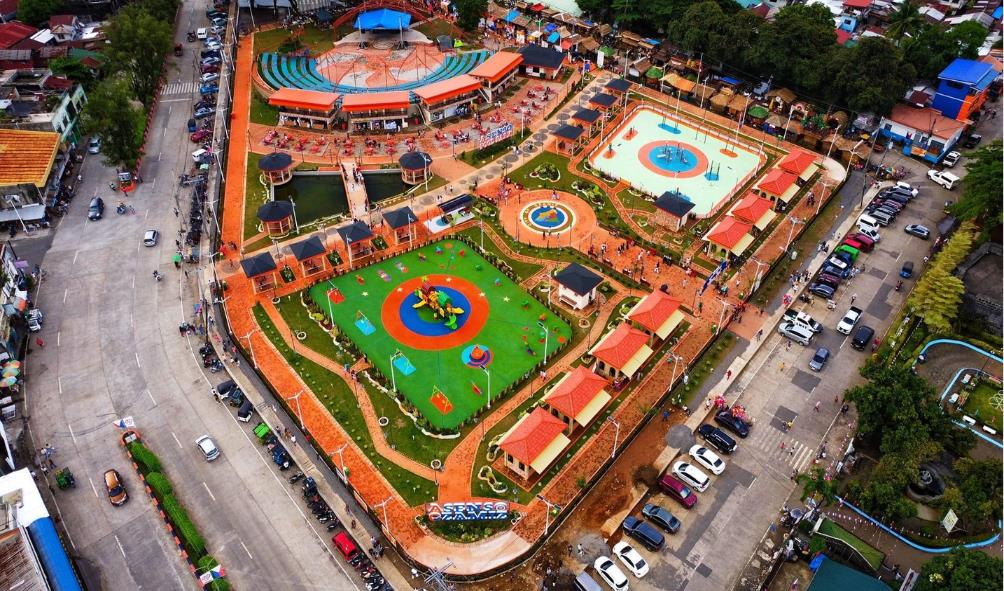
However, this rapid expansion brings issues like traffic congestion, waste management, and the need for improved public services. You might notice efforts to promote tourism, highlighting Ozamiz’s rich history and natural beauty, yet balancing growth with sustainability remains a challenge.
Community engagement is crucial, as residents work together to address these issues. As you explore Ozamiz, you’ll witness both the excitement of progress and the resilience of its people in overcoming obstacles, ensuring a vibrant future for the city.
Conclusion
In conclusion, Ozamiz City’s rich history reflects its resilient spirit and diverse cultural influences. From its indigenous roots to the impact of Spanish colonization and the struggles during the Philippine Revolution, each chapter has shaped its identity. As you explore modern Ozamiz, you'll see how the city balances growth with the challenges of tourism and sustainability. Embrace the vibrant heritage and community efforts that continue to define this remarkable place, ensuring its legacy thrives for future generations.
Statistics
- The city has a rich historical background, with its roots tracing back to the early Spanish colonization in the 16th century, when it was known as “Misamis.”
- Ozamiz City has a population of approximately 131,000 residents, reflecting its growth and development over the decades since its establishment as a municipality.
- The annual Diyandi Festival, celebrated every September, showcases the city's cultural heritage and draws thousands of visitors, highlighting its vibrant community spirit.
- Ozamiz City played a crucial role during World War II, serving as a strategic location for both Japanese and American forces in the region.
External Links
- Philippines Today provides insights into Ozamiz City's development and historical significance in the region.
- SunStar published an article discussing the cultural festivals of Ozamiz City and their historical roots.
- The official Facebook page of Ozamiz City shares updates, historical facts, and local events related to the city.
- This resource offers a detailed overview of the historical events and milestones of Ozamiz City.
How to Visit Historical Sites in Ozamiz City
Visiting historical sites in Ozamiz City can be a rewarding experience. Start by planning your itinerary around key locations such as the Ozamiz City Hall, the old Spanish-era structures, and local museums. Research the opening hours and any guided tours available for a more informative visit. Engage with local tour guides who can provide insights and anecdotes about each site. Take time to appreciate the architecture and historical context of these landmarks, as they tell the story of the city’s past. Document your visit through photos and notes to capture the essence of Ozamiz’s history.
Want to travel with more time and freedom?
The freedom to travel! Discover free & unique homestays around the world, in exchange for caring for adorable pets.
https://escapetomexiconow.com/ths
Recommended Resources:
Your next chapter could start anywhere. From the vibrant streets of Mexico to the laid-back beauty of the Philippines, explore destinations where you can truly live your dream.
https://escapetomexiconow.com/
https://escapetomexiconow.info/
https://escapetopanamanow.info/
https://escapetothephilippinesnow.com/
YouTube Channel:
Want a closer look at life in Mexico? Subscribe to our YouTube channel for insider tips, travel guides, and inspiring stories that make planning your escape easier and more exciting.
https://www.youtube.com/@EscapeToMexicoNow