
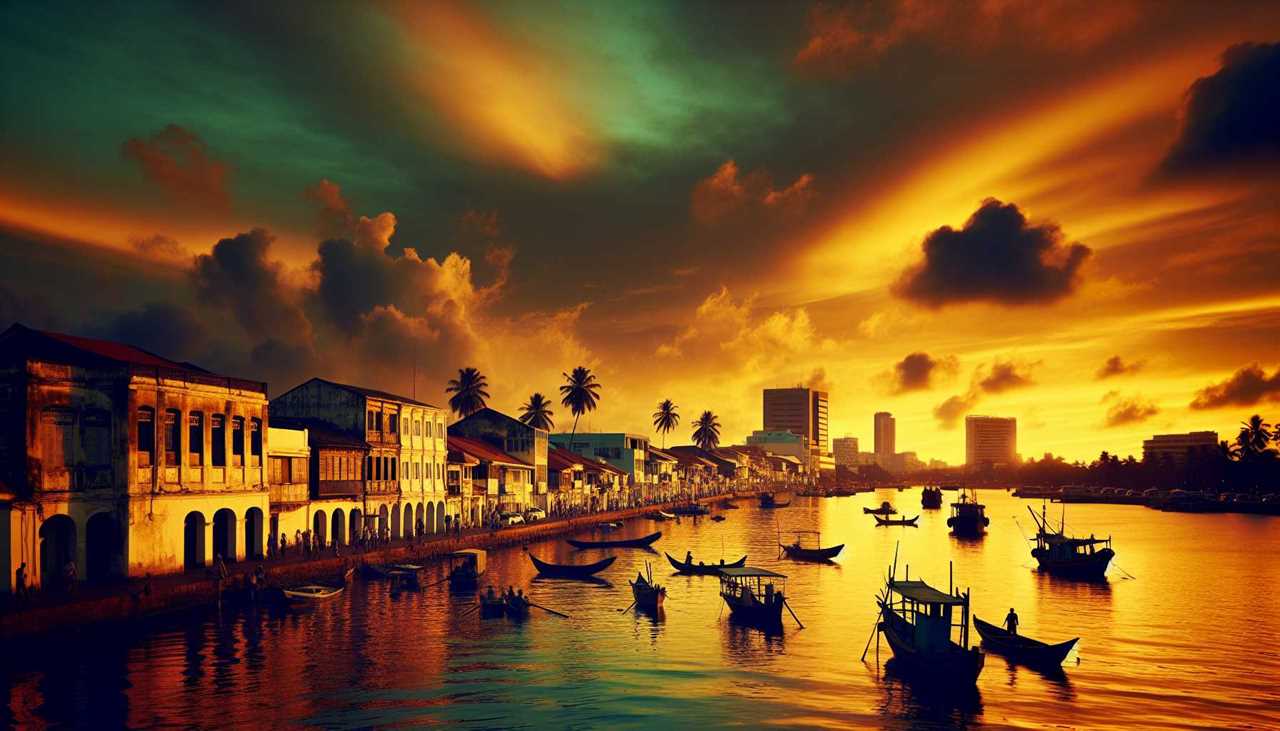
When you think about Olongapo City, it’s easy to overlook its fascinating transformation from a humble fishing village to a bustling urban center. The interplay of Spanish colonial influences and American military presence shaped its unique character. Yet, the city’s journey is marked by significant events that not only reshaped its landscape but also its community. What factors truly defined this evolution, and how do they continue to influence Olongapo today?
Early Beginnings of Olongapo City
Olongapo City’s early beginnings trace back to the late 19th century, when it was a small fishing village. You’d find local fishermen casting nets in the waters, relying on the bountiful sea for sustenance.
As you explore the area, you’d notice the simple, rustic homes made from bamboo and nipa palm, reflecting the community's close ties to nature.
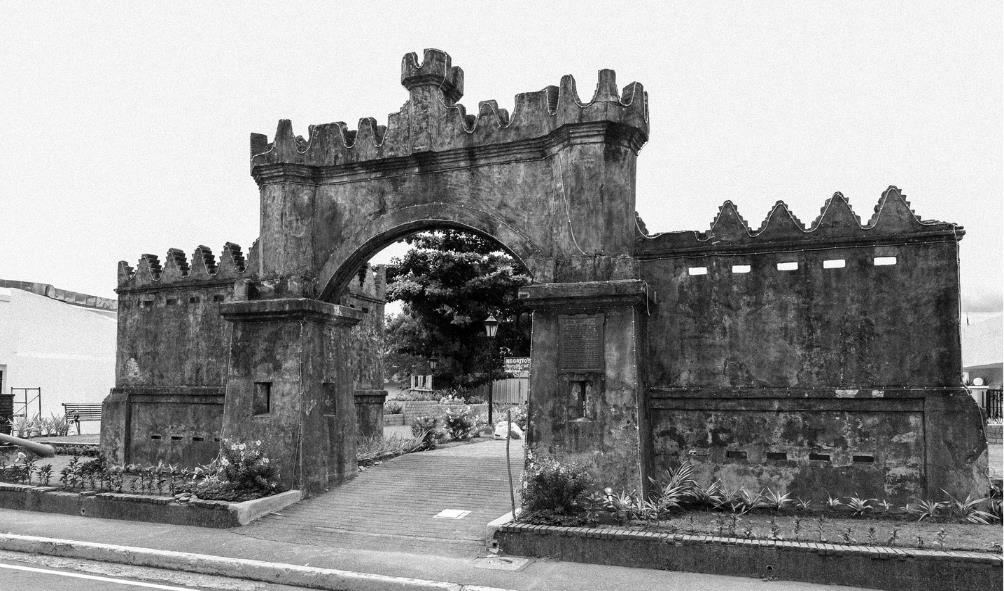
Over time, the settlement grew, and trade began to flourish. Merchants from nearby regions started visiting, bringing goods and new ideas.
You could feel the vibrancy of this evolving community as it transformed from a quiet village into a bustling hub. The natural beauty and strategic location set the stage for Olongapo's future, laying the groundwork for its development in the decades to come.
Spanish Colonial Period
As the Spanish colonial period unfolded in the late 16th century, the small fishing village began to experience significant changes that would shape its future.
Spanish explorers arrived, establishing a connection that transformed the local economy and culture. You’d witness the introduction of Christianity as missionaries spread their faith among the indigenous people.
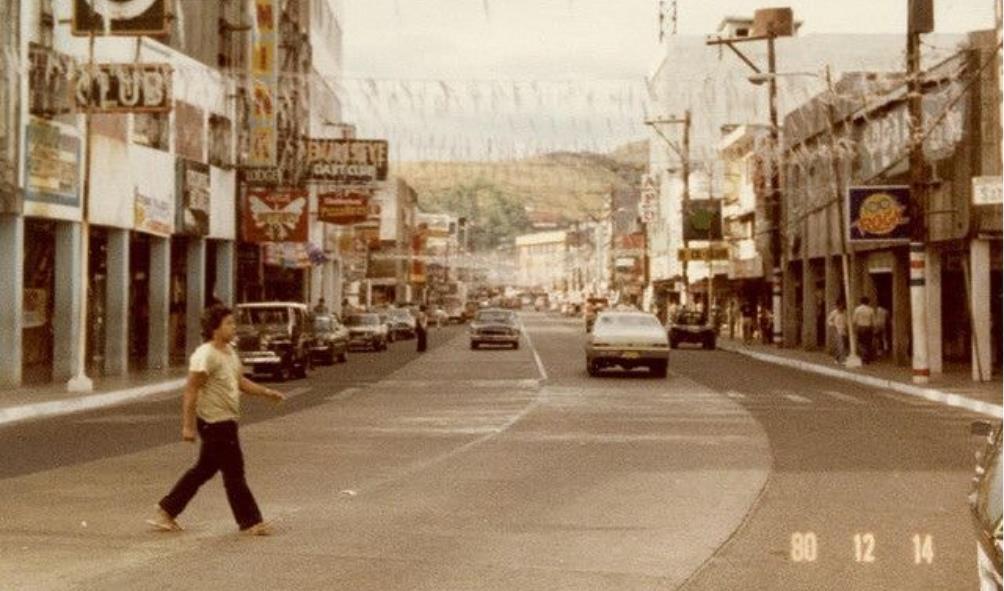
The Spanish established a more structured society, leading to the construction of churches and schools, which aimed to educate and convert the locals.
Trade expanded as Olongapo became a vital port for shipping goods, connecting it to larger markets.
Over time, the village evolved, with Spanish governance influencing daily life and customs, setting the stage for the community’s development in the years to come.
American Naval Presence
When the American naval presence established itself in the early 20th century, it marked a transformative period for the city.
You’d witness a surge in economic activity as the military brought jobs and infrastructure development. Local businesses flourished, catering to the needs of sailors and officers, while new services and establishments emerged.
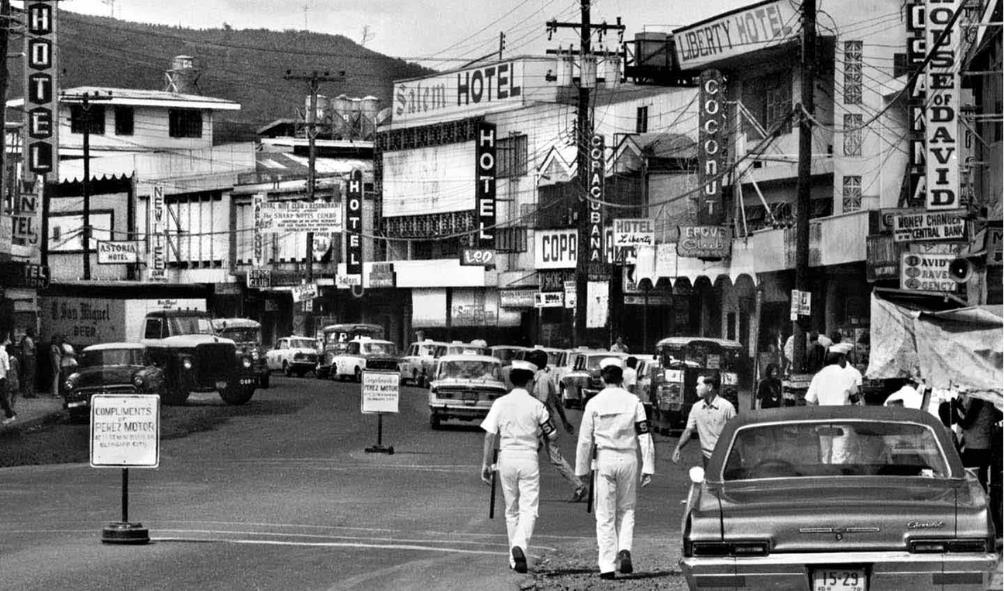
The influx of American culture influenced the city's lifestyle, introducing new dining options, entertainment, and community events. You'd also see changes in education, with American-style schools paving the way for a more modern system.
However, the presence of the military also brought challenges, including social tensions and shifts in the local population.
The Establishment of Subic Bay Naval Base
In 1901, the establishment of Subic Bay Naval Base marked a significant milestone in the region's history. You'd see how this strategic location became a crucial asset for the United States Navy in the Pacific. The base offered a secure harbor, allowing naval ships to refuel, resupply, and maintain readiness for operations.

As you explore the area, you’ll notice how military personnel and their families influenced local culture and economy. The base’s presence transformed Olongapo, drawing workers and businesses to support the growing population.
Over the years, Subic Bay became a focal point for military activities, significantly impacting the lives of those living in and around the city. The base's establishment laid the groundwork for future developments in the region.
Economic Growth and Urban Development
With the establishment of Subic Bay Naval Base, Olongapo City experienced a rapid transformation in its economy and urban landscape.
You’d notice how the influx of military personnel and their families boosted local businesses, from restaurants to retail shops. As demand surged, new commercial centers emerged, creating jobs and improving livelihoods.
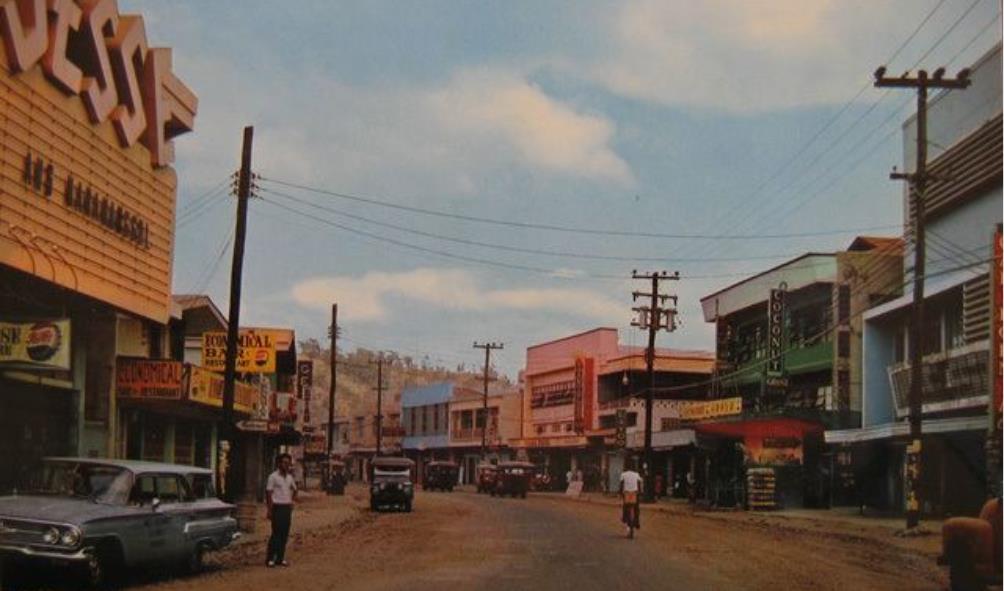
Infrastructure development followed suit; roads were expanded, and public services were upgraded to accommodate the growing population. Urban planning initiatives also sprang up, enhancing residential areas and public spaces.
This economic boom attracted investors, leading to diverse industries setting up operations, further solidifying Olongapo's position as a key economic hub in the region.
Today, you can see the lasting impact of this growth in the city’s vibrant atmosphere and bustling streets.
Cultural Influences and Exchanges
The economic growth spurred by the Subic Bay Naval Base brought not just prosperity but also a rich tapestry of cultural influences to Olongapo City.
As you stroll through the streets, you’ll notice a blend of Filipino traditions infused with American customs. Food stalls serve local favorites alongside international cuisine, showcasing diverse flavors.
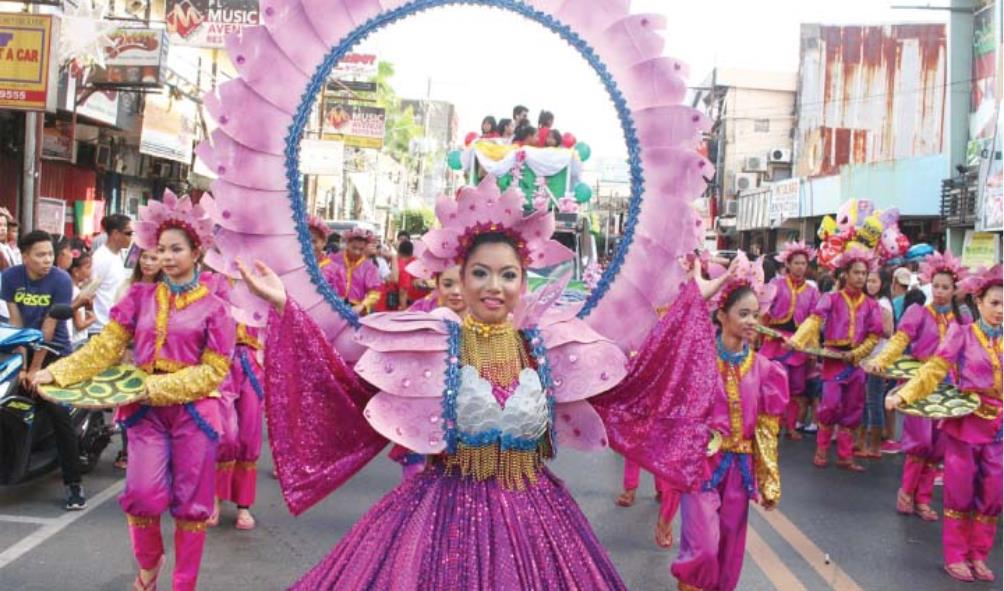
Festivals celebrate this cultural exchange, featuring local music, dance, and art that reflect various influences.
You’ll encounter a vibrant community where locals and foreigners interact, fostering friendships and shared experiences.
This cultural melting pot enriches the city's identity, making it a unique place to explore. The mingling of traditions has created a welcoming atmosphere that resonates throughout Olongapo, inviting everyone to celebrate its dynamic heritage.
The Impact of the Mount Pinatubo Eruption
Though many remember the vibrant cultural exchanges in Olongapo City, the Mount Pinatubo eruption in 1991 dramatically reshaped the landscape and the lives of its residents.
You likely heard stories of how ash blanketed the city, disrupting daily life and forcing many to evacuate. The eruption destroyed homes and infrastructure, leaving a lasting impact on the community.

In its aftermath, you saw the resilience of the people as they banded together to rebuild. Local businesses struggled initially, but the recovery spurred innovation and adaptation.
The government, along with NGOs, implemented programs to aid recovery and promote sustainable practices. This catastrophic event not only altered Olongapo’s environment but also fostered a strong sense of unity among its residents.
Transition to Cityhood
As Olongapo City emerged from the shadows of the Mount Pinatubo eruption, it began its journey toward cityhood, a transition that would redefine its identity.
You’d witness the local government’s determination to rebuild and revitalize the community. In 1991, the city held its first elections post-eruption, marking a fresh start. You could see the residents rallying together, demonstrating resilience and unity.
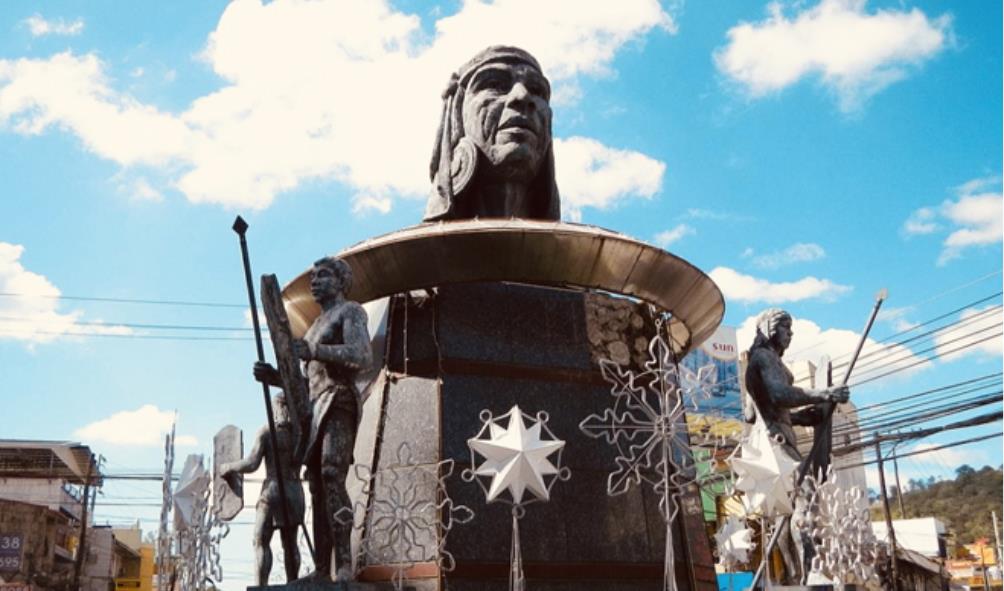
By 1992, Olongapo officially became a city, granting it greater autonomy and resources. With this new status, the city focused on improving infrastructure, services, and local governance.
You’d feel the excitement in the air as Olongapo embraced its potential, setting the stage for future growth and development, while laying the groundwork for the challenges and opportunities that lay ahead.
Post-Navy Era and Economic Diversification
Following the withdrawal of U.S. military forces in the early 1990s, Olongapo faced significant challenges. The city's economy, once heavily reliant on the naval base, needed a major overhaul.
You'd see local leaders and entrepreneurs stepping up, embracing new opportunities to diversify. They shifted focus to tourism, retail, and small-scale manufacturing, promoting Olongapo as a vibrant destination.
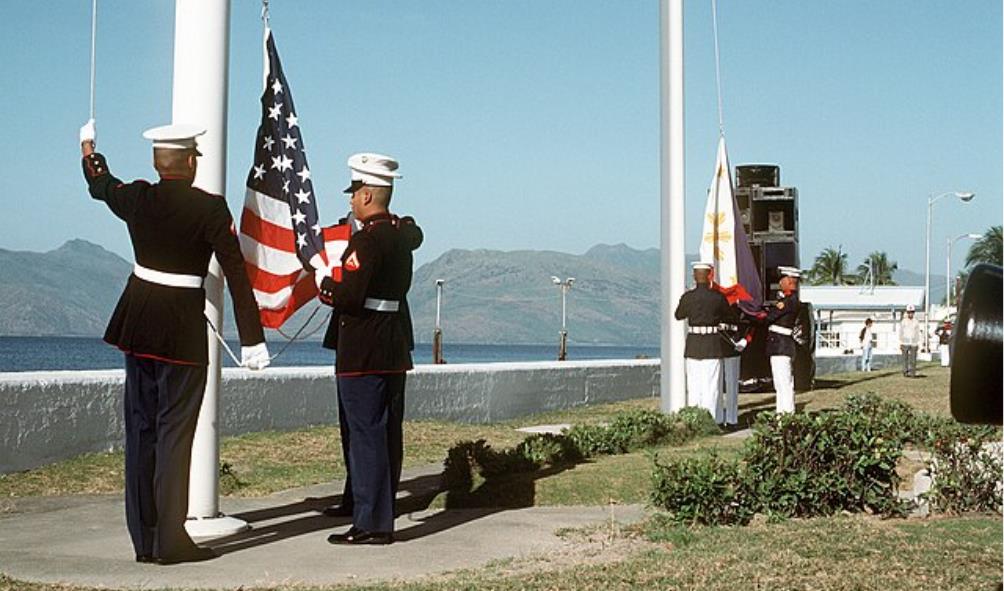
The development of the Subic Bay Freeport Zone played a crucial role, attracting foreign investments and creating jobs. You'd notice a boost in infrastructure, with improved roads and facilities enhancing accessibility.
Community initiatives flourished, encouraging local businesses to thrive. This transformation not only revitalized the economy but also fostered a sense of resilience among residents, paving the way for a brighter future.
Olongapo Today: A City of Resilience
Olongapo today stands as a testament to resilience and adaptability. You’ll find a vibrant community that has embraced change and thrived despite challenges.
The city has transformed from its military roots into a bustling hub of commerce, tourism, and education. You can explore local markets filled with unique crafts and delicious street food, reflecting the rich culture and entrepreneurial spirit of its residents.
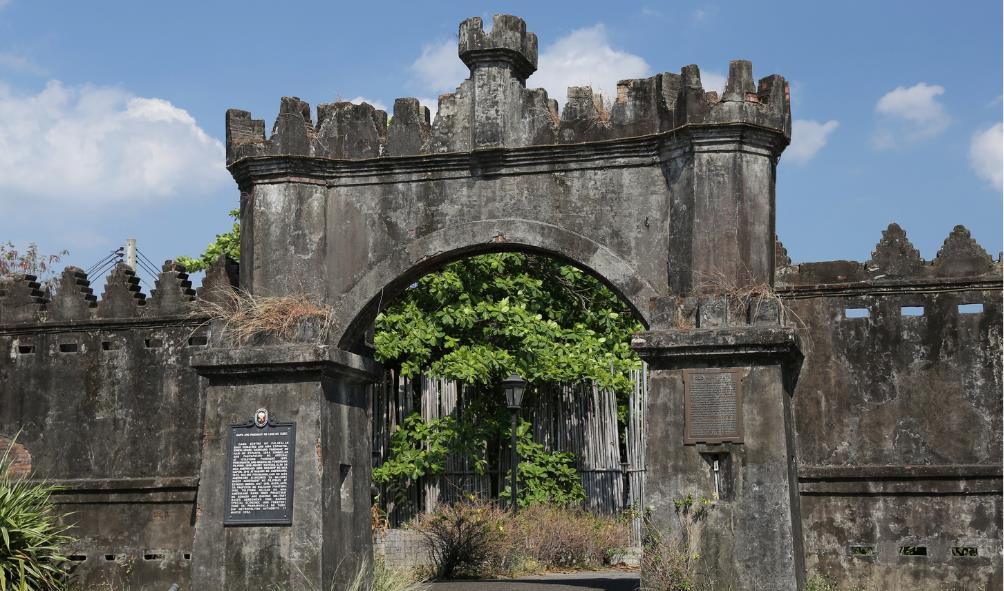
Parks and recreational areas provide spaces for relaxation and outdoor activities, showcasing Olongapo’s commitment to quality of life.
With ongoing infrastructure improvements and sustainable development initiatives, the city continues to grow while preserving its heritage.
As you walk through Olongapo, you’ll see a city that not only remembers its past but is actively building a brighter future.
Conclusion
Olongapo City’s journey from a humble fishing village to a thriving urban center showcases its resilience and adaptability. You can see how its rich history, shaped by Spanish and American influences, paved the way for economic growth and development. Despite facing challenges like the Mount Pinatubo eruption, Olongapo continues to honor its roots while embracing a diverse future. As you explore the city today, you’ll witness a vibrant community committed to progress and unity.
Statistics
- Olongapo City was officially established on June 1, 1901, marking its transition from a small fishing village to an urban center.
- The city is home to several annual festivals, including the Olongapo City Fiesta, which celebrates its rich cultural heritage and attracts thousands of visitors each year.
- The city was heavily influenced by the presence of the U.S. Navy, which contributed to its economic growth and development from the 1900s until the base's closure in 1992.
- The population of Olongapo City has grown significantly over the years, with the latest census reporting over 250,000 residents, reflecting its urban development and migration trends.
External Links
- Local Philippines - Olongapo City Culture - This resource highlights the cultural aspects and festivals of Olongapo City, reflecting its rich heritage.
- Philippine History - Olongapo City - A resource that outlines the historical events and significance of Olongapo City in the broader context of Philippine history.
- Official Gazette of the Republic of the Philippines - The Official Gazette provides historical documents and proclamations related to Olongapo City and its governance.
- Balitang Bayan - Olongapo City History - An informative article detailing the evolution of Olongapo City from its early days to its current status.
How to Participate in Olongapo City's Historical Preservation Efforts
Participating in Olongapo City’s historical preservation efforts begins with understanding the significance of local heritage sites. Volunteer with organizations dedicated to preserving historical landmarks or cultural traditions. Attend community meetings to learn about ongoing preservation projects and how you can contribute. Engaging in fundraising events or awareness campaigns can also make a positive impact. By actively participating, you not only help protect the city’s history but also foster a sense of community pride and awareness among residents.
Want to travel with more time and freedom?
The freedom to travel! Discover free & unique homestays around the world, in exchange for caring for adorable pets.
https://escapetomexiconow.com/ths
Recommended Resources:
Ready to explore life beyond borders? Check out our trusted guides to Mexico, Panama, and the Philippines — your gateways to new adventures, culture, and opportunity.
https://escapetomexiconow.com/
https://escapetomexiconow.info/
https://escapetopanamanow.info/
https://escapetothephilippinesnow.com/
YouTube Channel:
See Mexico like never before! From local culture to travel hacks, our YouTube channel brings the adventure straight to you.
https://www.youtube.com/@EscapeToMexicoNow