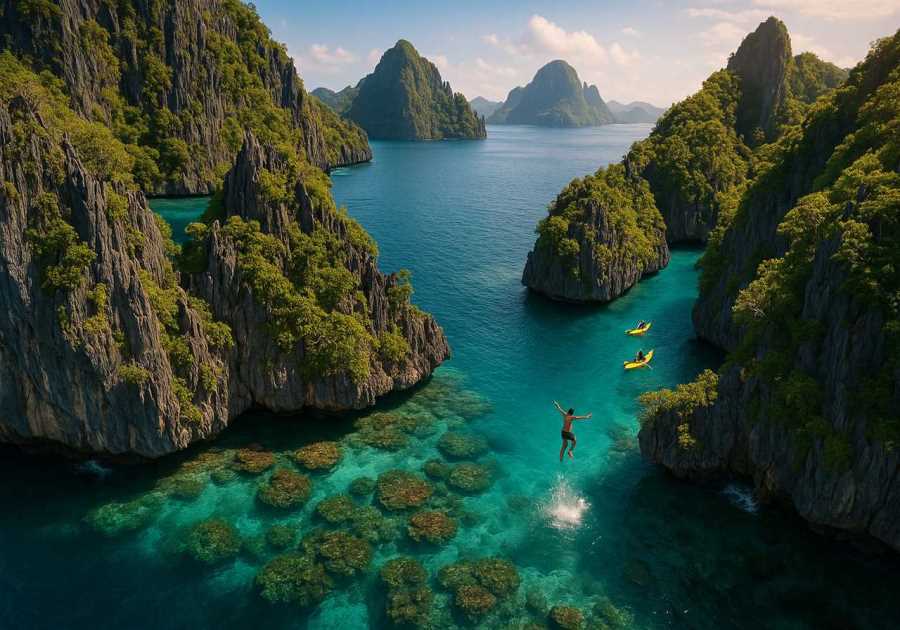

Negros Oriental's history is a tapestry woven from the lives of its early inhabitants and transformative colonial influences. You’ll find that the Ati and Bukidnon thrived long before Spanish colonizers arrived, forever altering the landscape. As sugar plantations emerged, the province's fate shifted dramatically. But the story doesn’t end there. The American era and the trials of World War II brought new challenges and changes. What came next?
Early Inhabitants and Indigenous Cultures
Although Negros Oriental is now known for its vibrant culture and natural beauty, its history is deeply rooted in the lives of its early inhabitants and indigenous cultures.
The region was initially home to various groups, including the Ati and the Bukidnon, who thrived in harmony with nature. You'd find these early settlers engaging in fishing, farming, and hunting, utilizing local resources to sustain their communities.
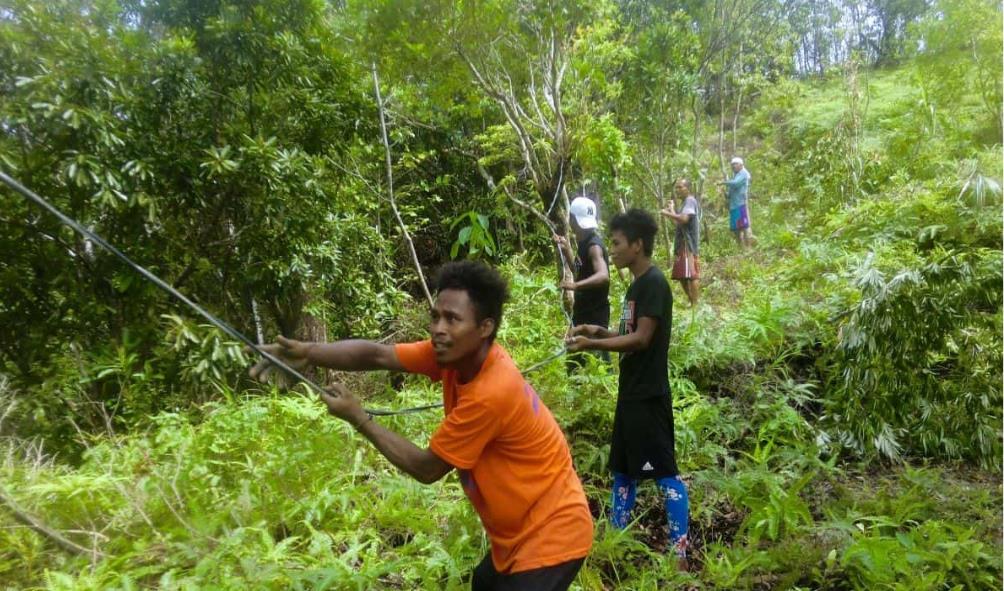
Their rich oral traditions preserved stories, beliefs, and practices that shaped their identity. You’d also notice their craftsmanship in weaving and pottery, reflecting their connection to the land.
Understanding these indigenous cultures provides you with valuable insights into the region’s heritage, revealing the foundation upon which the vibrant Negros Oriental you see today was built.
Colonial Era: Spanish Rule and the Sugar Industry
As the Spanish colonizers arrived in the 16th century, they transformed Negros Oriental, shaping its economy and society around the burgeoning sugar industry.
You'd notice how vast sugar plantations emerged, drawing labor from both indigenous people and imported workers. The cultivation of sugarcane became the backbone of the local economy, leading to the rise of wealthy landowners and a distinct social hierarchy.
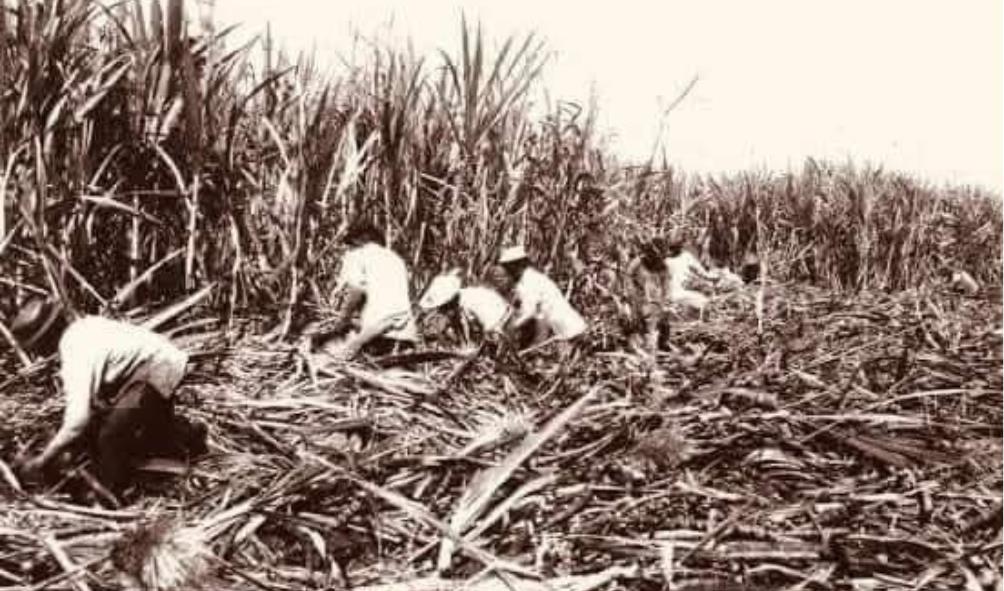
This economic shift also influenced trade, as Negros Oriental became a significant supplier of sugar to other regions. You'd see towns develop around these plantations, fostering a unique culture rooted in sugar production.
While the prosperity from sugar benefited some, it also deepened social divides, laying the groundwork for conflicts that would arise in later years.
American Influence and Political Developments
The end of Spanish rule in the late 19th century marked a significant turning point for Negros Oriental, especially with the arrival of American influence.
You’ll notice the transformation in governance as the Americans introduced a new political structure, emphasizing democracy, education, and public health.
With the establishment of a civil government in 1901, local leaders emerged, shaping policies that catered to the province's needs.
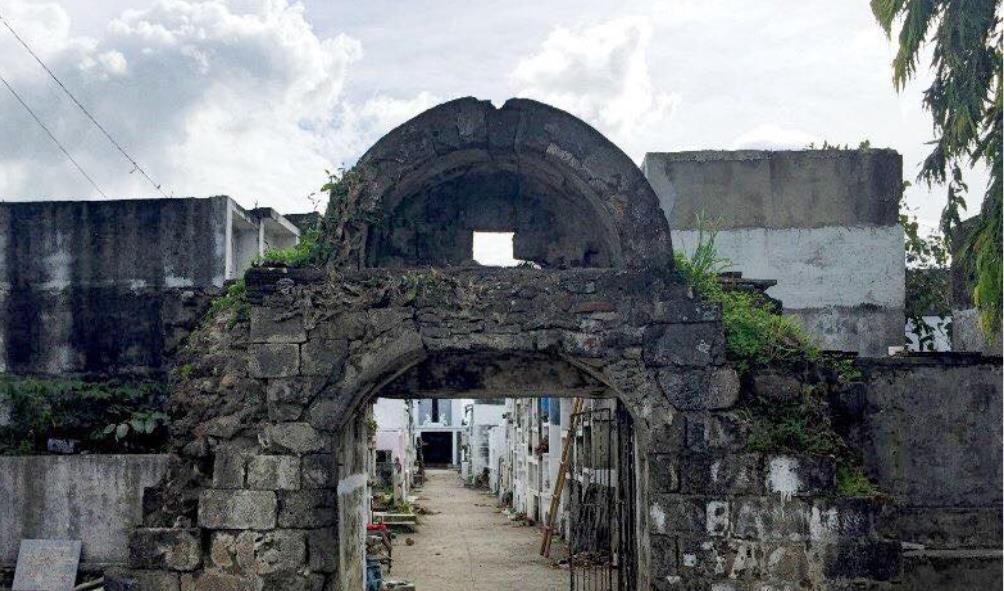
The Americans also invested in infrastructure, improving roads and transportation, which boosted trade and commerce.
Schools opened, fostering a more educated populace.
While challenges persisted, the period laid the groundwork for future political developments.
You can see how American influence significantly shifted the province's trajectory toward modernization and increased civic participation.
World War II and Its Impact on the Province
When Japan invaded the Philippines in 1942, Negros Oriental faced unprecedented challenges that altered its landscape and society.
You’d witness the transformation as the Japanese occupation brought fear and uncertainty. Families struggled with food shortages, and many residents had to adapt quickly to survive.
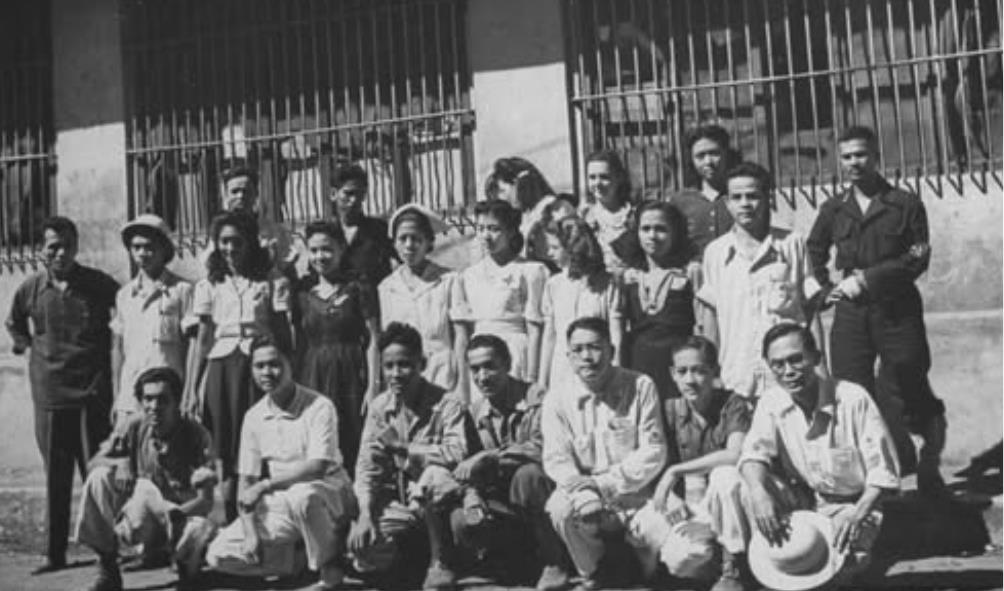
You’d see the once-bustling towns turn into scenes of hardship, as local economies crumbled under the strain of war. Guerrilla fighters emerged, rallying the community against the oppressors, showcasing resilience and bravery.
Education systems suffered, and cultural practices were disrupted, leaving lasting scars. Amidst the turmoil, however, you’d also find stories of solidarity and hope, as neighbors banded together to support one another, showing that even in the darkest times, the spirit of Negros Oriental endured.
Modern Era: Cultural Revival and Economic Growth
Although challenges lingered in the aftermath of World War II, Negros Oriental experienced a remarkable cultural revival and economic growth that transformed the province.
You'd see a resurgence in local arts, festivals, and traditions, reflecting the rich heritage of the people. Communities embraced their identity, showcasing vibrant dance, music, and crafts.
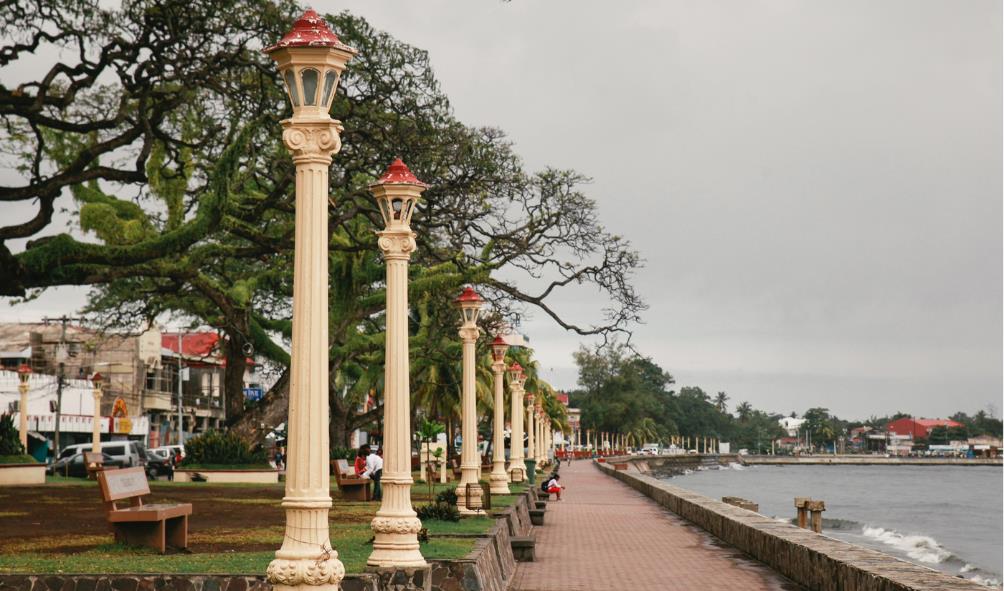
Economically, the province capitalized on agriculture, tourism, and small businesses. You'd notice the rise of eco-tourism, attracting visitors to its stunning landscapes and cultural sites.
With investments in infrastructure and education, residents benefited from improved job opportunities and living standards.
As you explore Negros Oriental today, you can sense the pride of its people in their past and the promising future they’re building together.
Conclusion
In exploring the history of Negros Oriental, you’ll discover a rich tapestry woven from its indigenous roots, colonial challenges, and modern resilience. Each era has shaped the province’s identity, from the early Ati and Bukidnon to the thriving sugar industry and the impact of American governance. Today, you can witness a cultural revival that celebrates this heritage while embracing economic growth. Negros Oriental stands as a testament to the enduring spirit and pride of its people.
Statistics
- The province boasts numerous heritage sites, including colonial churches and ancestral houses that reflect its rich historical legacy.
- Negros Oriental was established as a province in the Philippines in 1890, during the Spanish colonial period.
- Historically, Negros Oriental's economy was driven by sugarcane plantations, which were established during the Spanish and American eras.
- Negros Oriental is home to the city of Dumaguete, known as the "University City of the South," housing several prestigious educational institutions.
External Links
- Dumaguete City Official Website includes sections dedicated to the city's historical development and key historical figures.
- Official Negros Oriental Government Website offers detailed information on the province's historical landmarks and heritage sites.
- Britannica - Negros Oriental offers an in-depth historical analysis of the province's development over the years.
- National Historical Commission of the Philippines features historical records and significant events related to Negros Oriental.
How to Study the Post-War History of Negros Oriental
Analyze the reconstruction and growth of Negros Oriental following World War II. The province experienced economic diversification, increased urbanization, and improvements in public services during this period. Study economic reports, government policies, and demographic data to understand the factors that contributed to post-war recovery and development. Additionally, explore how global events and local initiatives shaped the modern landscape of Negros Oriental, leading to its current status as a vibrant province.
Plan the perfect group trip, your way.
Get an instant personalized itinerary. We handle logistics, payments, and provide a dedicated itinerary, while local experts fine-tune every detail. Enjoy full freedom—without the stress of organizing it all.
https://escapetomexiconow.com/tourhero
Recommended Resources:
Dreaming of a fresh start abroad? Explore our curated destination guides to learn how you can make the move with ease.
https://escapetomexiconow.com/
https://escapetomexiconow.info/
https://escapetopanamanow.info/
https://escapetothephilippinesnow.com/
YouTube Channel:
See Mexico like never before! From local culture to travel hacks, our YouTube channel brings the adventure straight to you.
https://www.youtube.com/@EscapeToMexicoNow