
Negros Occidental's history is a tapestry woven from diverse threads, from early indigenous settlements to the impact of colonial powers. Each era shaped the region’s identity, influencing its culture and economy. You might find it intriguing how the sugar industry transformed social dynamics or how communities rallied during the Philippine Revolution. As we explore these pivotal moments, you'll uncover the complexities that define Negros Occidental today. What else lies beneath the surface?
Early Indigenous Settlements
In the early days, around the 12th century, Negros Occidental was home to diverse indigenous groups who thrived in its lush landscapes.
You'd find communities of the Bukidnon, Ilonggo, and other tribes, each with unique customs and traditions. They relied on the rich natural resources, cultivating rice, fruits, and vegetables, while hunting and fishing supplemented their diets.
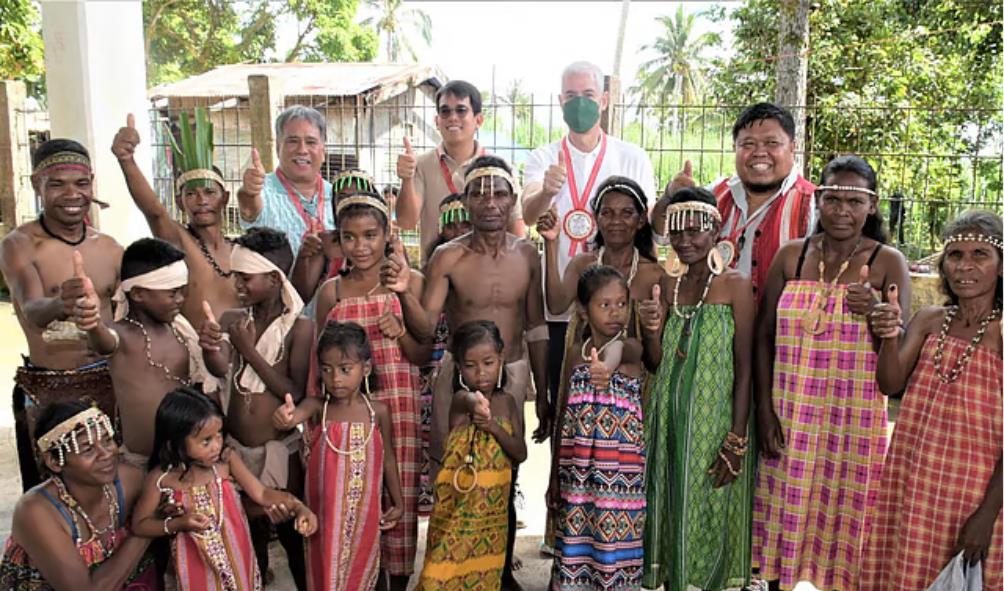
You’d witness vibrant social structures, with elders guiding their clans and oral traditions preserving their histories. Trade flourished among these groups, facilitated by the island's rivers and coastal routes.
As you explored, you’d see the intricate craftsmanship in their tools and textiles, reflecting their deep connection to the land. This harmonious existence laid the foundation for the region's rich cultural tapestry.
Spanish Colonial Era
The arrival of Spanish colonizers in the late 16th century marked a significant change for Negros Occidental.
You'd notice how the Spanish introduced Christianity, leading to the establishment of missions and churches throughout the region. They aimed to convert the indigenous people, reshaping their spiritual beliefs and practices.

The colonizers also implemented new governance structures, which altered local power dynamics. As you explore this era, you’ll see how Spanish rule brought about the introduction of agriculture and new crops, changing the way the locals lived and worked.
However, it wasn't all peaceful; resistance to colonial control emerged, reflecting the struggle for autonomy.
This complex period laid the foundation for the region's future, influencing its culture and identity for generations to come.
The Sugar Industry Boom
As the 19th century unfolded, Negros Occidental experienced a transformative shift with the rise of the sugar industry, which would define its economy and social structure for decades.
You’d witness vast sugar plantations sprouting across the landscape, driven by the demand for sugar in global markets. Wealthy landowners invested heavily in this lucrative crop, while many locals found work as laborers, shaping a new workforce dynamic.
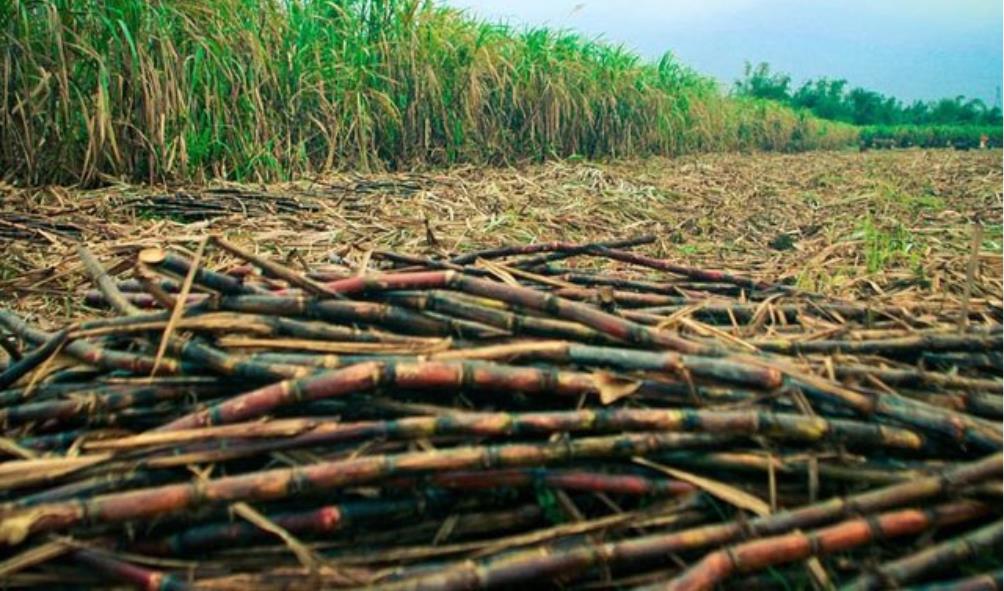
The industry fueled the construction of infrastructure, including railroads and ports, facilitating sugar transport. However, this boom also led to social stratification, with a clear divide between the affluent elite and the working class.
Ultimately, the sugar industry not only transformed Negros Occidental economically but also left lasting impacts on its society and culture.
The Philippine Revolution
While the sugar industry shaped the economy of Negros Occidental, it also set the stage for significant social unrest, culminating in the Philippine Revolution.
You'd see how the growing disparities between wealthy sugar barons and struggling workers fueled discontent. As laborers faced harsh conditions, their calls for reform intensified.
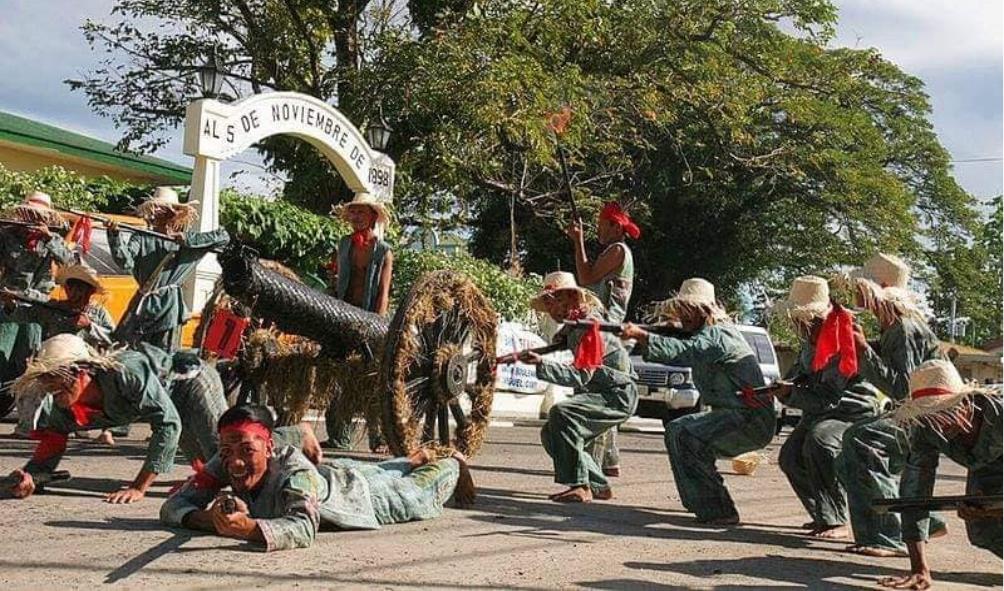
You might imagine the fervor as revolutionary ideas spread, inspiring local leaders to organize against Spanish colonial rule.
In 1896, as the revolution ignited across the country, Negros Occidental became a vital battleground. You’d hear the cries for freedom echoing through the fields, as brave souls took up arms.
The revolution united diverse communities, forging a collective identity and determination to fight for a brighter future, paving the way for the eventual quest for independence.
American Occupation and Its Impact
With the conclusion of the Philippine Revolution, the arrival of American forces in 1898 marked a new chapter for Negros Occidental.
You’d notice significant changes as the Americans implemented new governance, promoting education and infrastructure development. The introduction of a public school system aimed to improve literacy rates, while roads and bridges facilitated trade and communication.
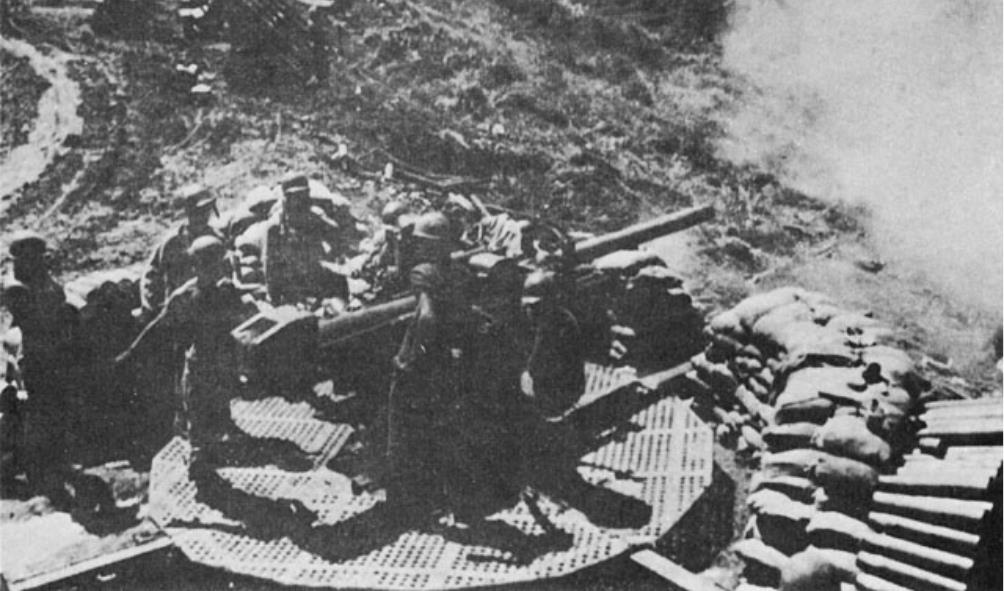
However, the occupation also brought challenges. You’d witness tensions between local leaders and American authorities, as some Filipinos resisted foreign rule.
The introduction of new agricultural practices transformed the local economy, but it also shifted land ownership dynamics.
World War II and Its Aftermath
The onset of World War II in 1941 dramatically altered life in Negros Occidental, as the island became a battleground for Japanese forces and American troops.
You witnessed the devastation firsthand as local communities faced occupation, displacement, and violence. Many of your friends and family members joined the resistance, risking their lives to fight against the invaders.
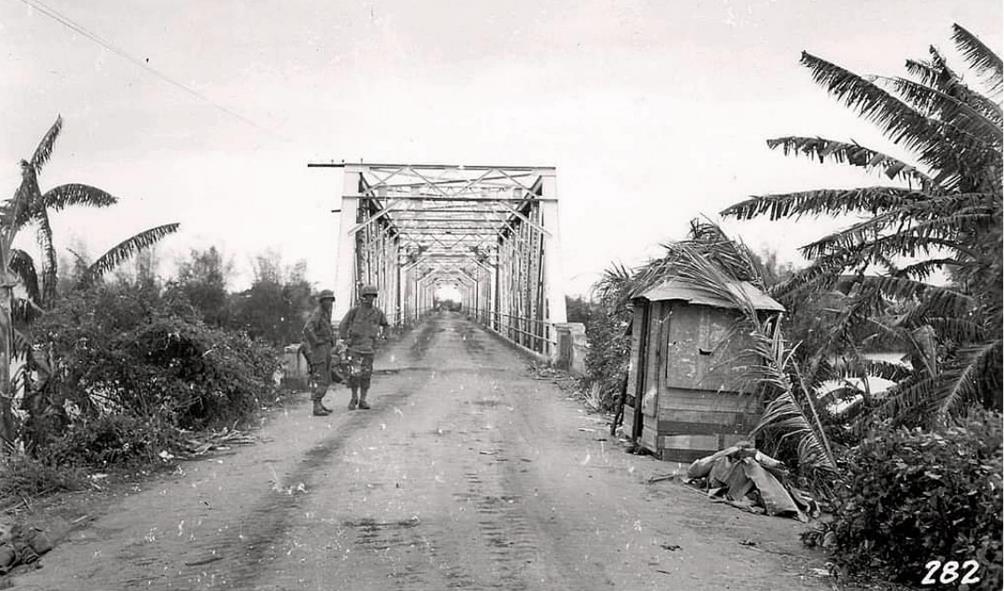
The Japanese administration imposed strict regulations, affecting daily life and local economies. Food scarcity and fear became common.
However, you also saw acts of bravery and solidarity among the people, as they supported each other through these dark times.
Post-War Development
As Negros Occidental emerged from the ashes of World War II, its people embraced the challenge of rebuilding their lives and communities.
You witnessed a surge in agricultural production, particularly in sugarcane, which became the backbone of the local economy once again.
Infrastructure projects flourished, enhancing transportation and communication throughout the region.
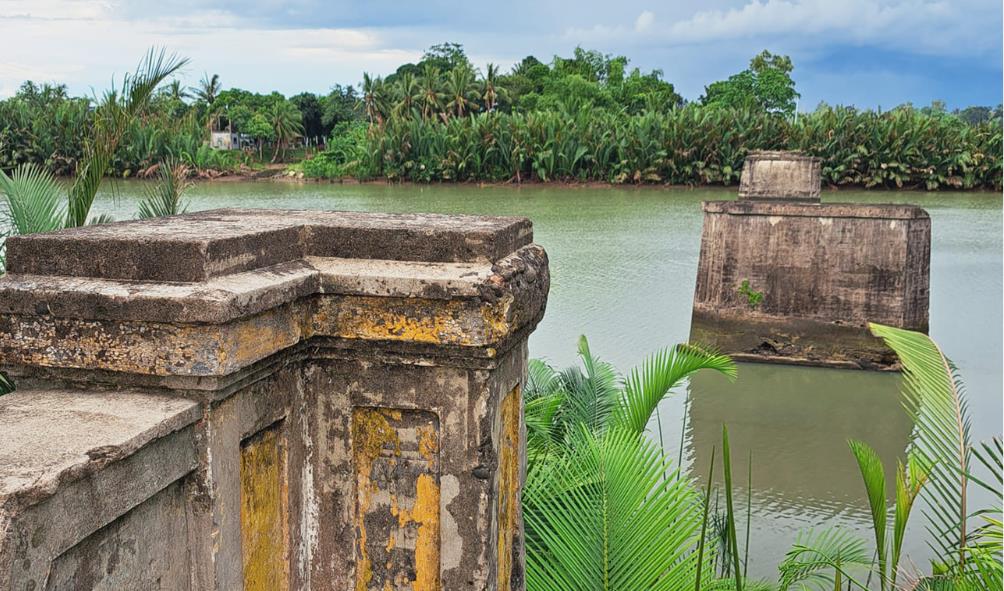
Schools reopened, allowing children to resume their education and gain skills for the future.
You saw new industries sprout, diversifying the economy beyond agriculture.
Local leaders initiated programs aimed at improving healthcare and social services, fostering a sense of unity among the residents.
As a result, the spirit of resilience and hard work defined this era, paving the way for a brighter future for Negros Occidental.
Contemporary Negros Occidental
Emerging from the post-war rebuilding efforts, contemporary Negros Occidental showcases a blend of tradition and modernity. You’ll find vibrant cities like Bacolod, known for its MassKara Festival, celebrating life and resilience.
The agricultural sector thrives, with sugarcane still being vital, but you’ll also see diversification into organic farming and eco-tourism.
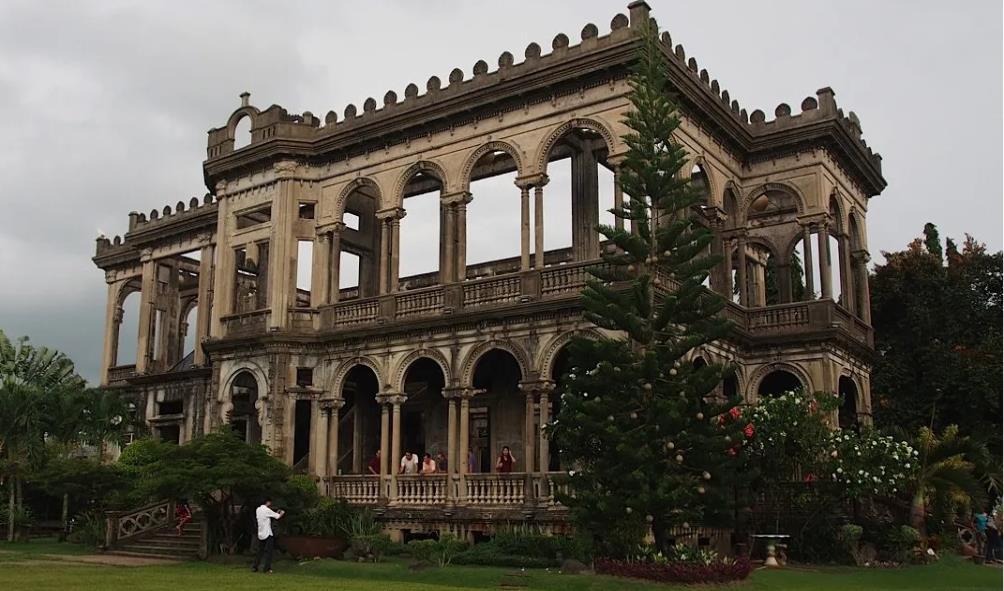
Cultural heritage remains strong, with local artisans preserving traditional crafts while embracing new technologies. The culinary scene is a delight, reflecting both local flavors and global influences.
As you explore, you'll notice a growing emphasis on sustainability and community initiatives aimed at improving the quality of life. This dynamic province continues to evolve, balancing its rich history with the demands of a modern world.
Conclusion
In conclusion, Negros Occidental's rich history reflects a journey of resilience and transformation. From its early indigenous roots to the struggles during colonial times and the rise of the sugar industry, you can see how these events shaped the vibrant culture and community you experience today. As you explore the region, you’ll appreciate the enduring spirit of its people and the ongoing evolution that continues to define Negros Occidental in the modern era.
Statistics
- In the mid-20th century, Negros Occidental was home to more than 1,000 sugar plantations, making it a central hub for the Philippine sugar industry.
- The Negros Revolution of 1898 marked a significant push for independence, leading to the province's temporary declaration as a separate republic.
- As of 2023, Negros Occidental boasts over 200 historical landmarks, reflecting its rich cultural and economic history.
- The population of Negros Occidental surged from approximately 1.2 million in 1950 to over 2.7 million by 2020, highlighting significant demographic growth.
External Links
- Official Negros Occidental Government: History offers detailed information about the province's historical milestones and development.
- National Commission for Culture and the Arts: Negros Occidental details the cultural and historical significance of the region.
- Negros Museum showcases exhibits and resources that highlight the rich historical heritage of Negros Occidental.
- Wikipedia: Negros Occidental provides a comprehensive overview of the province's history, culture, and economy.
How to Study the Role of Negros Occidental in Philippine History
Investigate how Negros Occidental has contributed to the broader narrative of Philippine history. Focus on key historical moments such as the Negros Revolution, its strategic importance during various colonial periods, and its role in national movements. Examine how events in the province influenced and were influenced by national policies and historical developments. Incorporate sources like historical texts, academic research, and firsthand accounts to contextualize Negros Occidental’s position within the Philippines’ historical landscape.
Want to travel with more time and freedom?
The freedom to travel! Discover free & unique homestays around the world, in exchange for caring for adorable pets.
https://escapetomexiconow.com/ths
Recommended Resources:
Your next chapter could start anywhere. From the vibrant streets of Mexico to the laid-back beauty of the Philippines, explore destinations where you can truly live your dream.
https://escapetomexiconow.com/
https://escapetomexiconow.info/
https://escapetopanamanow.info/
https://escapetothephilippinesnow.com/
YouTube Channel:
Want a closer look at life in Mexico? Subscribe to our YouTube channel for insider tips, travel guides, and inspiring stories that make planning your escape easier and more exciting.
https://www.youtube.com/@EscapeToMexicoNow