Naga City’s history is a tapestry woven with indigenous traditions and colonial influences. You’ll find that early settlers relied on agriculture and fishing, setting the stage for what was to come. As Spanish colonizers arrived, they reshaped the local culture and society. But what happened next transformed Naga into a significant trade hub. There’s much more to explore about its evolution, especially through the tumultuous times of the American era and World War II.
Early Settlement and Indigenous Culture
Long before Naga City became a bustling urban center, early settlers established their homes along the banks of the Bicol River, drawn by its fertile land and abundant resources.
These indigenous people thrived in harmony with nature, cultivating crops like rice and taro while fishing in the river. You’d find them weaving intricate textiles and crafting pottery, showcasing their artistic skills.
They lived in small communities, fostering strong ties and sharing traditions. Oral history played a vital role in preserving their culture, with stories passed down through generations.
Festivals celebrated their harvests and honored their deities, creating a vibrant social life. As you explore the area, you’ll sense the echoes of this rich indigenous heritage that laid the foundation for Naga City’s future.
Spanish Colonization and Its Impact
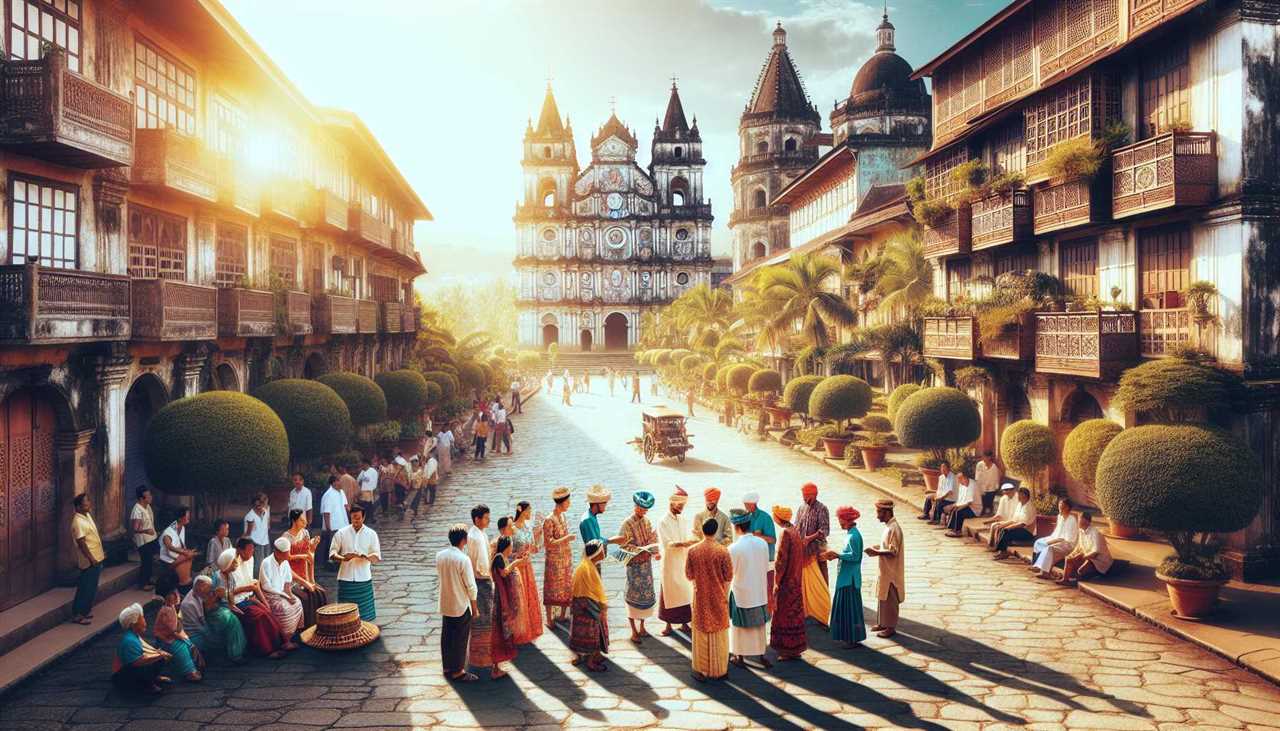
As indigenous communities thrived along the Bicol River, the arrival of Spanish colonizers in the late 16th century marked a turning point for Naga City.
You’d witness significant changes in governance, religion, and culture. The Spaniards introduced Christianity, leading to the establishment of churches and mission schools. This shift altered spiritual practices, as many locals embraced Catholicism, reshaping their identity.
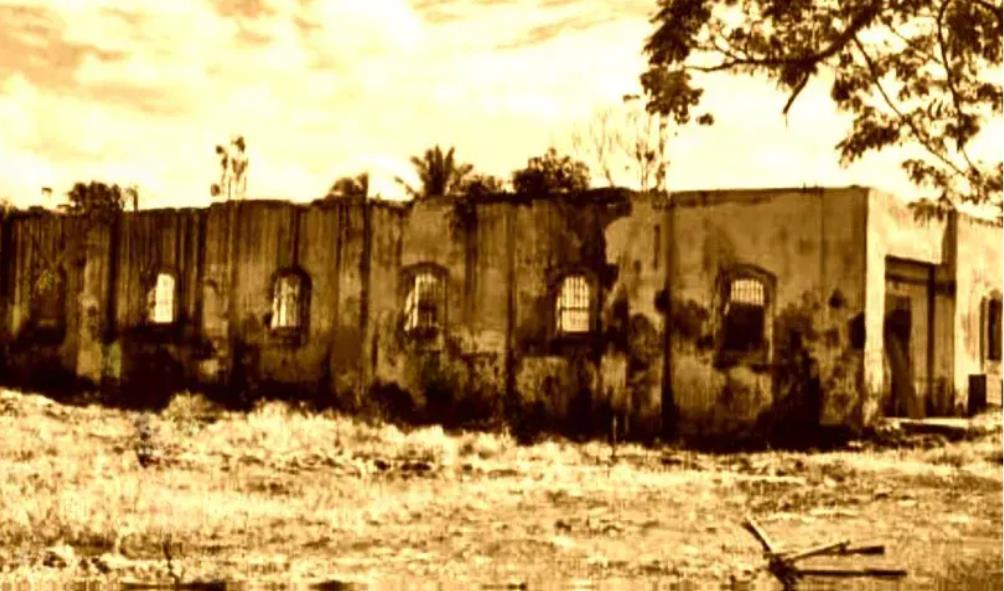
You’d also notice the imposition of new social structures, as the Spanish sought to control and organize communities. Trade routes expanded, but the local economy became intertwined with colonial interests.
Ultimately, this period laid the groundwork for social hierarchies and cultural blending, influencing Naga City’s development for generations to come. The impact of colonization is still felt today.
The Rise of Naga as a Trade Center
While the Spanish colonization set the stage for profound changes, Naga City soon emerged as a pivotal trade center in the Bicol region.
Its strategic location along major river systems and proximity to agricultural areas made it an ideal hub for commerce. You’d notice bustling markets filled with local goods, from rice and fish to handcrafted products.
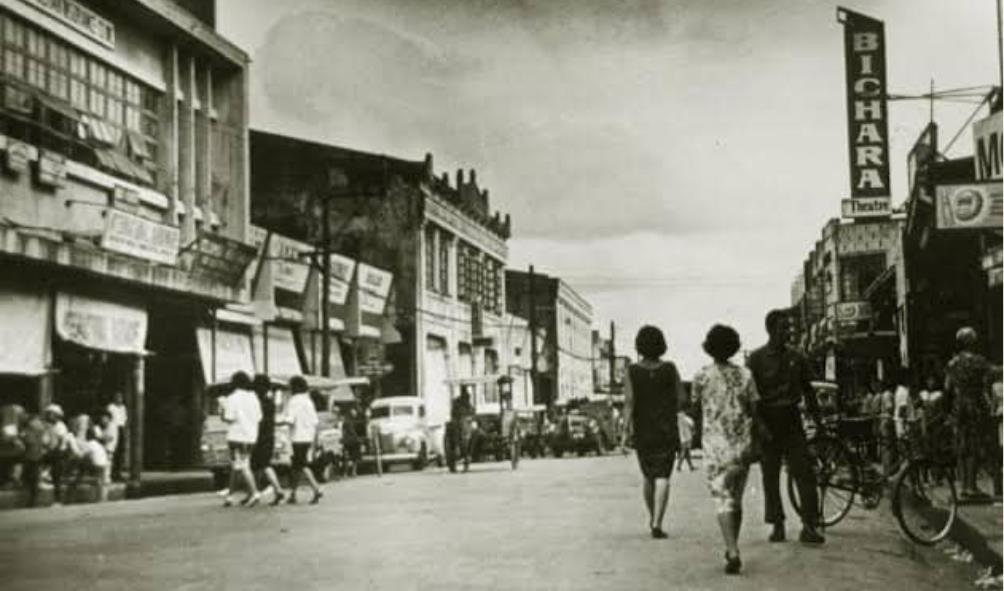
Merchants from nearby provinces flocked to Naga, exchanging items and ideas, fostering a lively atmosphere. The construction of roads and bridges further enhanced trade, connecting farmers and buyers efficiently.
As you walk through the city, you can sense its vibrant history, where trade not only thrived but also shaped the community's culture and identity.
Naga became a melting pot of influences, creating a unique local flavor.
The American Era and Modernization
The arrival of American forces in the early 20th century marked a significant turning point for Naga City, transforming it through modernization initiatives.
You’ll notice how roads, bridges, and schools sprang up, improving infrastructure and education. The Americans introduced new agricultural techniques, which enhanced local farming practices and boosted food production.
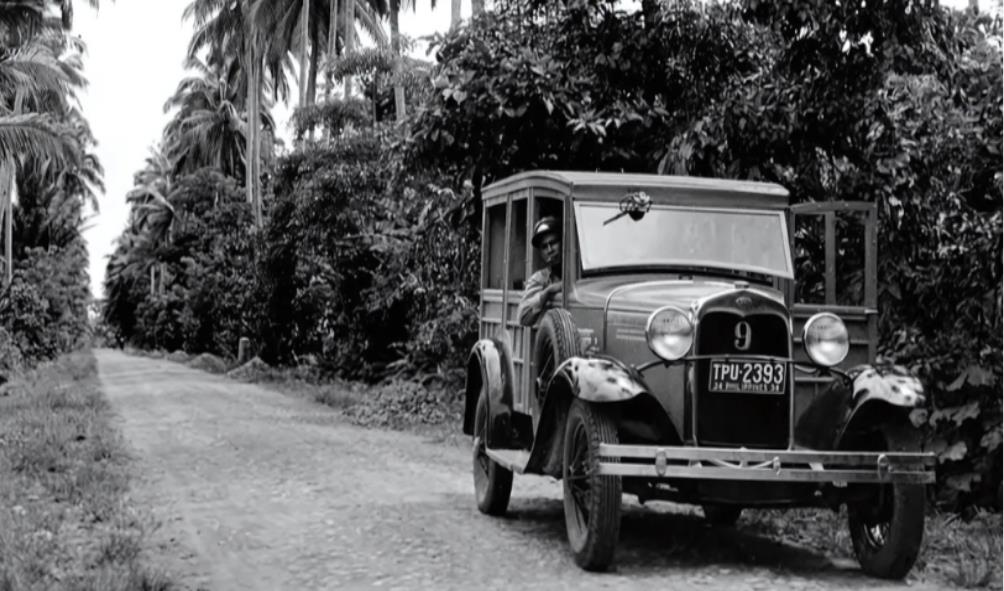
Public health programs were established, leading to better sanitation and healthcare services, which reduced diseases. You might also find it interesting that the English language gained prominence, shaping communication and administration.
As urbanization progressed, Naga City began to experience economic growth, attracting more businesses and investments.
Key Historical Events and Milestones
Throughout its history, Naga City has witnessed several key events and milestones that have shaped its identity and progress. In 1901, Naga became a chartered city, marking its transition into a center of governance and commerce.
The establishment of the Naga City Hall in 1905 symbolized its growing administrative importance. During World War II, Naga played a crucial role in the resistance against Japanese occupation, showcasing the resilience of its people.
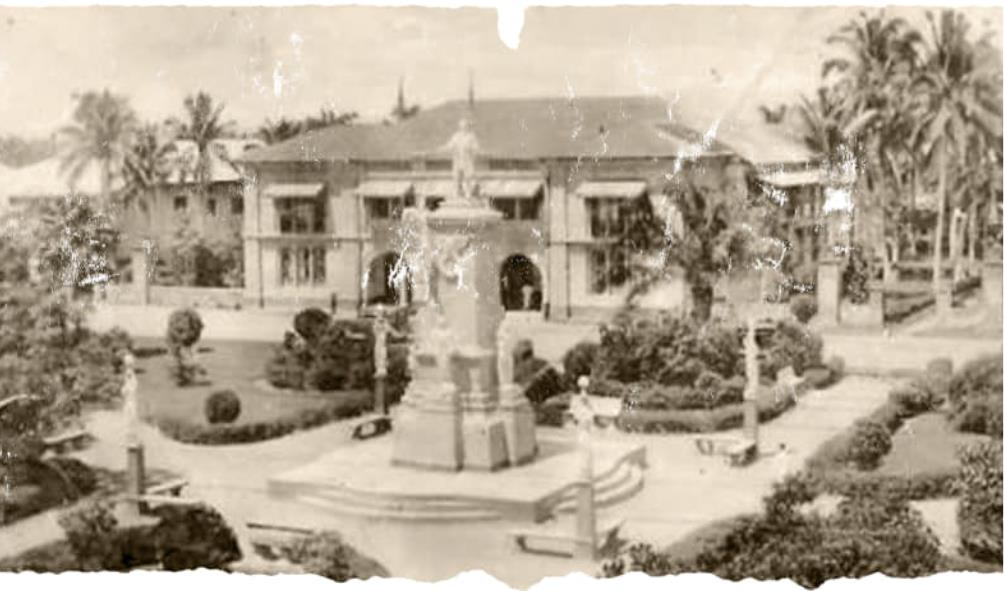
The post-war era saw significant infrastructure development, enhancing connectivity and economic opportunities. In 1992, the city celebrated its 25th anniversary since being declared a city, highlighting its journey of growth.
These events reflect the dynamic history that continues to influence Naga City today.
Naga City's Cultural Heritage and Festivals
Naga City's vibrant cultural heritage and festivals reflect the rich traditions and diverse influences that have shaped its community.
As you explore the city, you'll find the Penafrancia Festival, a colorful celebration honoring Our Lady of Peñafrancia, drawing thousands of devotees each September. The lively street dancing, vibrant floats, and heartfelt rituals showcase the city's deep spiritual roots.
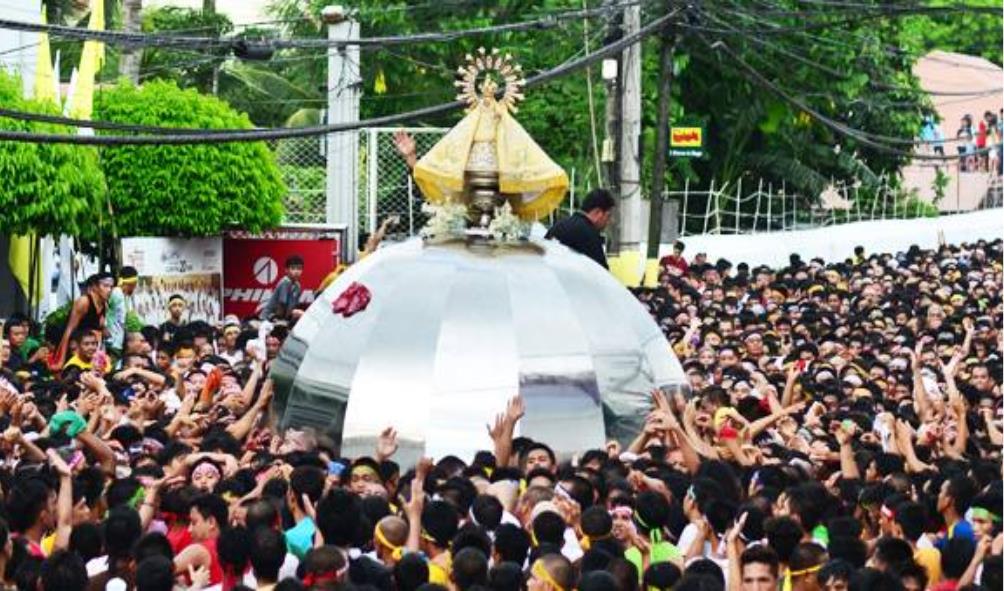
You might also enjoy the Naga City Fiesta, where cultural performances, culinary delights, and local crafts come together, highlighting the city's artistic spirit.
Each festival not only celebrates Naga's history but also fosters unity among its residents. Engaging with these events gives you a deeper appreciation for Naga City's identity, as you witness the vibrant tapestry of life that defines this remarkable place.
Conclusion
In conclusion, Naga City’s rich history showcases its transformation from early indigenous settlements to a vibrant urban center influenced by Spanish colonization and American modernization. You can appreciate the resilience and cultural heritage that shaped the city, especially through its lively festivals and traditions. As you explore Naga, you’ll find that each historical milestone adds depth to its identity, inviting you to connect with its past while celebrating its vibrant present.
Statistics
- Naga City played a pivotal role in the Philippine Revolution against Spanish rule, with many local leaders contributing to the fight for independence.
- The city is known for its rich cultural heritage, with numerous festivals such as the Peñafrancia Festival celebrated annually, attracting thousands of visitors.
- The city has been a center for education in the Bicol Region, housing several prominent educational institutions, including the University of Nueva Caceres.
- Naga City served as the capital of the Province of Camarines Sur during the Spanish colonial period, highlighting its historical significance.
External Links
- Naga City Facebook Page - The official Facebook page that shares updates, events, and historical information about Naga City.
- Bicol Standard - Naga City - A news outlet that frequently publishes articles related to Naga City's history and cultural events.
- Naga People - A community website that shares stories and historical accounts from the residents of Naga City.
- Naga City Official Website - This is the official website of Naga City, providing comprehensive information about its history, governance, and local events.
How to Engage with the Local Community in Naga City
Engaging with the local community in Naga City is key to understanding its history and culture. Start by attending local events, workshops, and festivals where you can meet residents and learn about their traditions. Volunteering for community projects can also provide deeper insights into the city's heritage. Utilize social media platforms to connect with local groups or organizations focused on preserving Naga's history. Building relationships with locals will not only enrich your experience but also provide you with personal stories and perspectives that are often not found in textbooks.
Want to travel with more time and freedom?
The freedom to travel! Discover free & unique homestays around the world, in exchange for caring for adorable pets.
https://escapetomexiconow.com/ths
Recommended Resources:
Adventure is calling — are you ready to answer? Discover new places, new lifestyles, and new possibilities in Mexico, Panama, or the Philippines.
https://escapetomexiconow.com/
https://escapetomexiconow.info/
https://escapetopanamanow.info/
https://escapetothephilippinesnow.com/
YouTube Channel:
Your next adventure starts here! Join us on YouTube for destination tours, insider advice, and everything you need to make your escape unforgettable.
https://www.youtube.com/@EscapeToMexicoNow