When you think about Malolos City, its history unfolds like a tapestry woven with significant events. From its establishment during the Spanish Colonial Era to its role in revolutionary movements, each period has shaped its identity. The Malolos Congress marked a turning point, while the American occupation brought new influences. But what about the developments that followed World War II? There's much more to explore in the evolution of this vibrant city.
The Spanish Colonial Era
When the Spanish arrived in the Philippines in the late 16th century, they transformed Malolos City into an important center of colonial administration and culture.
You'd notice the establishment of churches, schools, and government buildings, reflecting the Spanish influence on local architecture and society. The city became a hub for trade, connecting various regions and facilitating the flow of goods and ideas.
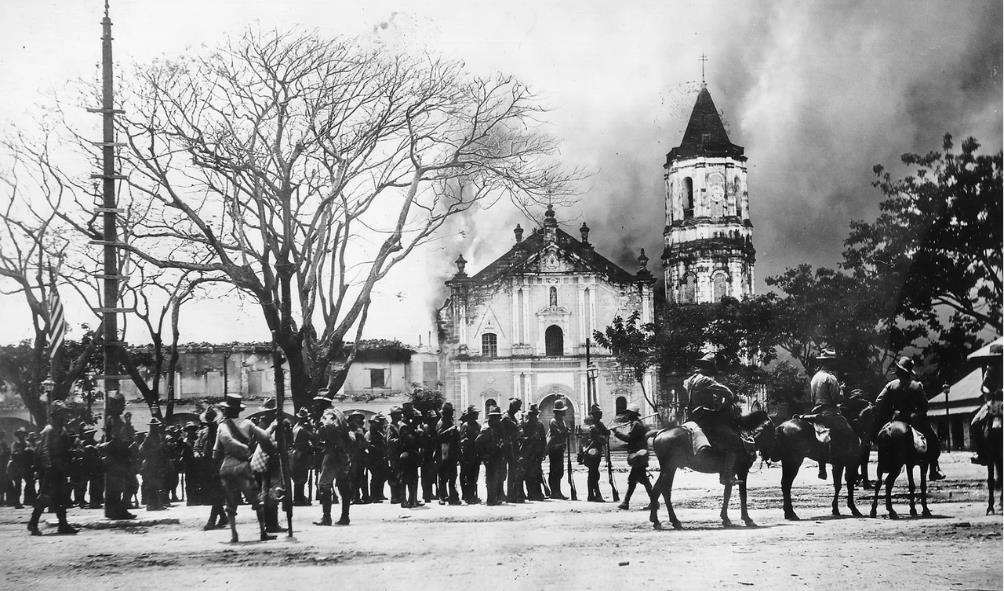
As a resident, you’d experience a blend of native traditions and Spanish customs, which shaped the local identity. The introduction of Catholicism deeply impacted the community, with religious festivals becoming significant events.
This era also saw the rise of a new social order, as the Spanish implemented their systems of governance, altering the lives of the locals dramatically.
The Rise of Revolutionary Movements
As discontent brewed among the Filipino populace in the late 19th century, Malolos City emerged as a focal point for revolutionary movements against Spanish rule.
You’d witness passionate debates in the streets, where locals rallied for freedom and justice. The town became a hotbed of intellectuals and activists, fueled by the writings of José Rizal and other reformists.
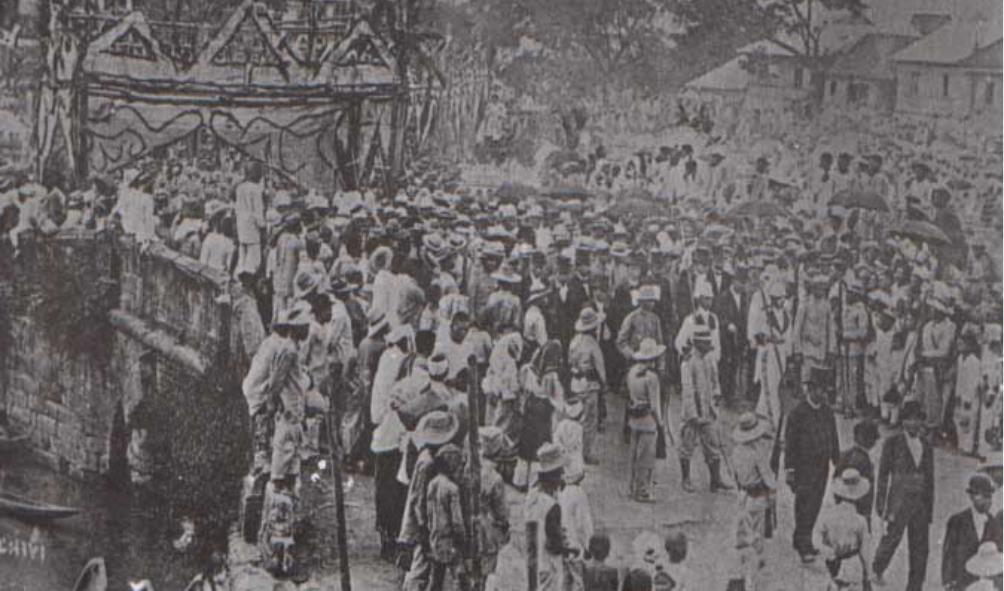
You could feel the determination in the air as Filipinos organized meetings, sharing ideas and strategies to resist oppression. The cry for independence echoed through the city, uniting people from all walks of life.
As the revolution gained momentum, Malolos transformed into a symbol of hope and defiance, inspiring countless others to join the fight for their rights and the future of the nation.
The Malolos Congress
The Malolos Congress, convened in 1898, marked a pivotal moment in Philippine history as it became the first constitutional assembly in Asia.
You’d see delegates from various provinces come together to draft a constitution that reflected the aspirations of the Filipino people. This assembly was crucial in establishing a government that aimed for independence from colonial rule.
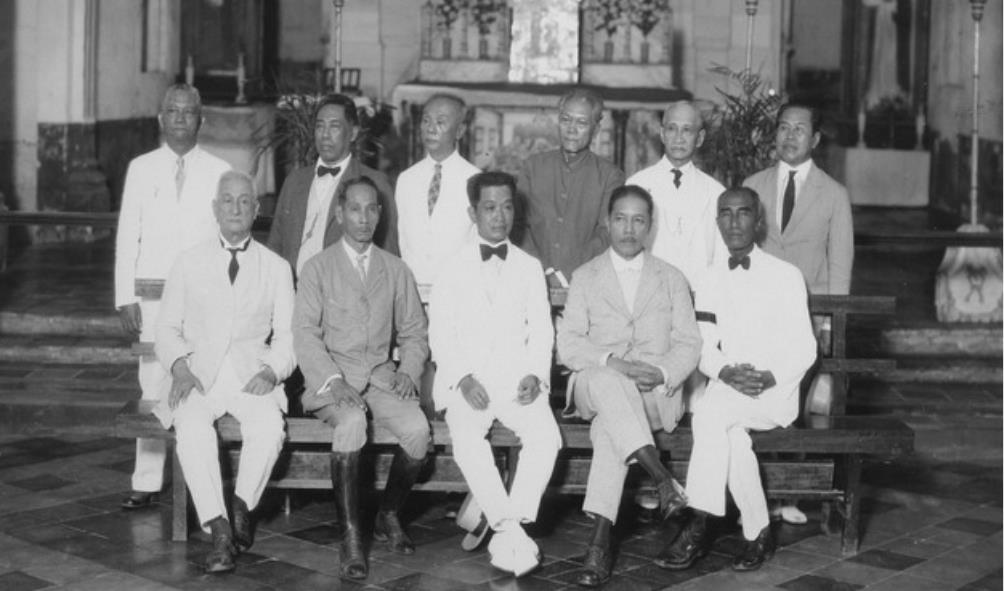
You'd witness the passionate debates and discussions that shaped the revolutionary ideals, emphasizing democracy, civil rights, and national sovereignty.
The resulting Malolos Constitution was a bold declaration of your nation’s commitment to self-governance.
This event laid the groundwork for future governance in the Philippines, showcasing the determination of Filipinos to assert their identity and political rights.
The American Occupation
Although marked by hopes for independence, the American occupation of the Philippines began in 1898 and significantly transformed the political landscape.
You’ll notice that this period brought mixed feelings among Filipinos. While some welcomed American presence, believing it would lead to modernization and development, others resisted, longing for true sovereignty.
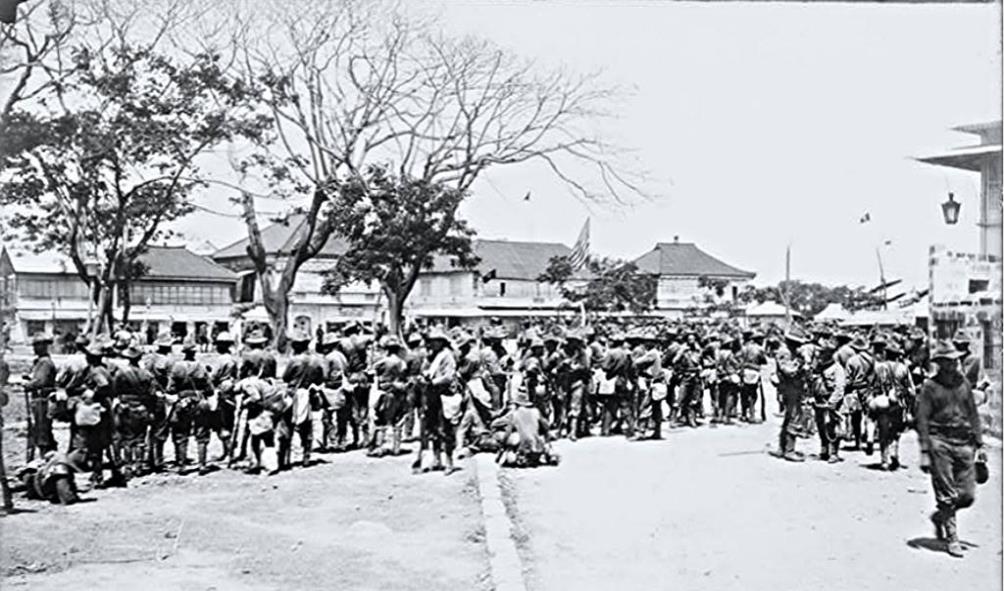
The establishment of a civil government in 1901 aimed to create stability and promote education, but it also intensified local frustrations.
In Malolos, the legacy of the Malolos Congress faced new challenges as American policies reshaped governance. The introduction of English as the medium of instruction altered the educational system, impacting cultural identity.
Ultimately, you can see how the American occupation laid the groundwork for future political movements and aspirations for independence.
Post-World War II Developments
After World War II ended, Malolos City experienced significant changes that reflected the broader transformation of the Philippines.
You’d notice the city’s rapid urbanization as infrastructure improved, with roads and public services expanding to meet the needs of a growing population. Economic activities shifted as local businesses emerged, fostering a spirit of entrepreneurship among residents.
Education also flourished, with schools and institutions established to provide quality learning. The cultural landscape evolved, too, as people embraced new ideas while cherishing their rich heritage.
Community initiatives sprang up, promoting civic engagement and solidarity among citizens. As Malolos rebuilt, it became a vital center for local governance and social development, laying the groundwork for its future progress.
Modern Malolos City
In recent years, Malolos City has transformed into a vibrant urban center that seamlessly blends modernity with its rich historical roots.
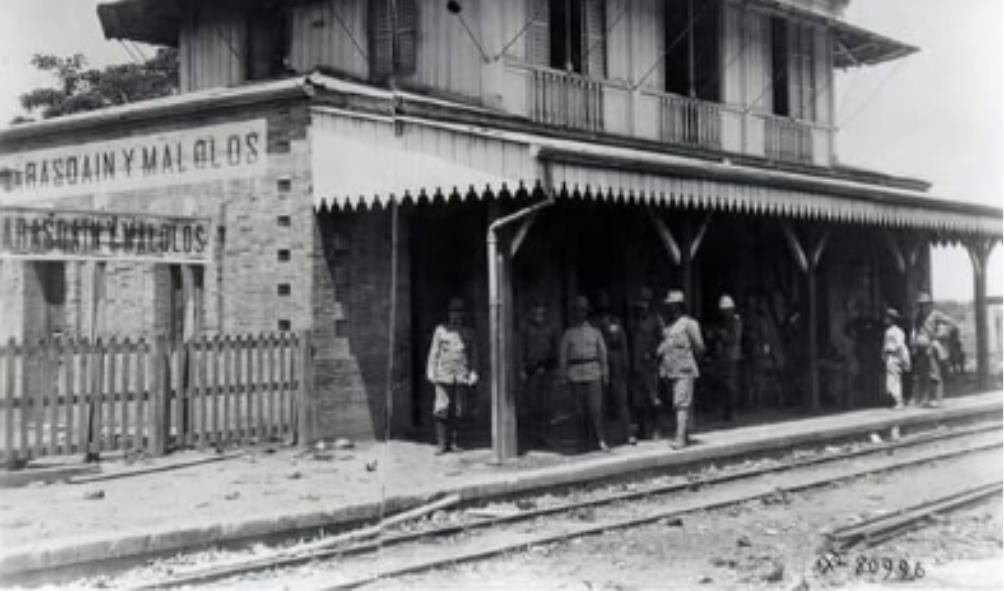
You’ll notice the bustling commercial districts, where shopping malls and restaurants cater to diverse tastes, all while historic sites like Barasoain Church stand proudly nearby.
The city’s commitment to development is evident in its infrastructure improvements, which enhance connectivity and accessibility.
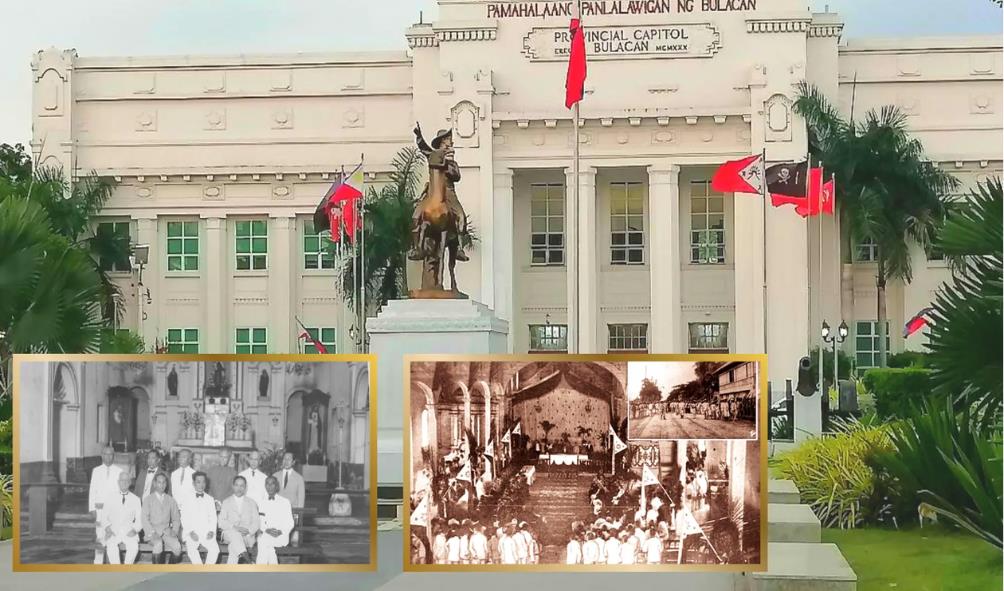
Public parks and recreational spaces have sprouted, offering residents a respite from the urban hustle.
Furthermore, cultural festivals celebrate the city’s heritage, inviting everyone to participate and appreciate its history.
As you explore Malolos, you’ll find a community that honors its past while embracing a dynamic future, making it a unique place to live and visit.
Conclusion
In exploring Malolos City’s history, you see how its rich past shapes its vibrant present. From the Spanish Colonial Era to the rise of revolutionary movements and the establishment of the first constitutional assembly in Asia, each chapter tells a story of resilience and transformation. The American occupation further influenced its growth, leading to the urban development we witness today. As you walk through Malolos, you can feel the echoes of its history in every corner.
Statistics
- The city was named after the term "maliw," which means "to be wet," reflecting its geographical characteristics and historical roots in agriculture.
- Malolos has a population of over 250,000 residents, making it one of the most populous cities in the province of Bulacan.
- The city celebrates its annual Malolos City Fiesta, which honors its rich cultural heritage and historical significance, attracting thousands of visitors each year.
- Malolos City was officially established as a municipality in 1901, following the Philippine-American War, marking a significant moment in its history.
External Links
- Philippine History - Malolos City - This resource discusses Malolos City’s role as the capital of the First Philippine Republic and its historical significance.
- Malolos City Official Facebook Page - The city's official social media page, providing updates, historical posts, and community events.
- Bulacan Province Official Website - This site provides information about Bulacan, including historical insights and details about Malolos City.
- National Historical Commission of the Philippines - This site offers various resources and documents related to the history of Malolos and its contributions to Philippine history.
How To Participate in Historical Discussions about Malolos City
Participating in historical discussions about Malolos City can enhance your understanding and appreciation of its past. Start by joining local history clubs or online forums dedicated to Philippine history. Attend lectures or seminars hosted by universities or historical societies. Engaging with social media groups that focus on Philippine history can also provide platforms for discussion. Sharing your insights and asking questions will foster a collaborative learning environment and allow you to connect with others who share your interest in Malolos City's history.
Plan the perfect group trip, your way.
Get an instant personalized itinerary. We handle logistics, payments, and provide a dedicated itinerary, while local experts fine-tune every detail. Enjoy full freedom—without the stress of organizing it all.
https://escapetomexiconow.com/tourhero
Recommended Resources:
Dreaming of a fresh start abroad? Explore our curated destination guides to learn how you can make the move with ease.
https://escapetomexiconow.com/
https://escapetomexiconow.info/
https://escapetopanamanow.info/
https://escapetothephilippinesnow.com/
YouTube Channel:
See Mexico like never before! From local culture to travel hacks, our YouTube channel brings the adventure straight to you.
https://www.youtube.com/@EscapeToMexicoNow