
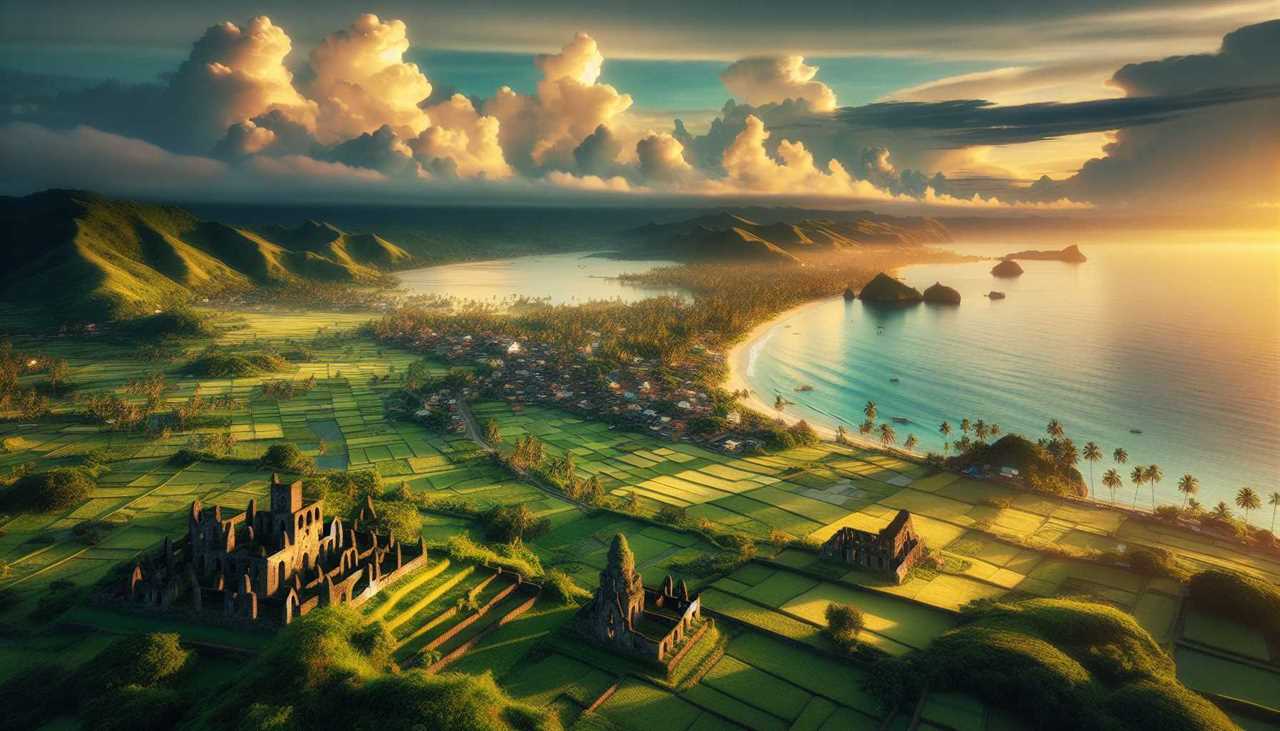
You might be surprised to learn that Lingayen's history reflects a rich tapestry woven through trade, colonization, and conflict. From its early days as a bustling trading hub to the significant changes brought by Spanish and American influences, each era shaped the community in unique ways. But the true resilience of Lingayen emerged during World War II, setting the stage for a remarkable transformation. What happened next would redefine its identity and future.
Pre-Colonial Era: The Origins of Lingayen
Although Lingayen is now known for its rich history, its roots can be traced back to a vibrant pre-colonial era. You’d find that the area was once a thriving center of trade and culture.
Early inhabitants engaged in agriculture and fishing, benefiting from the fertile lands and abundant waters. The locals established a community that valued craftsmanship and social ties, with various tribes coexisting peacefully.
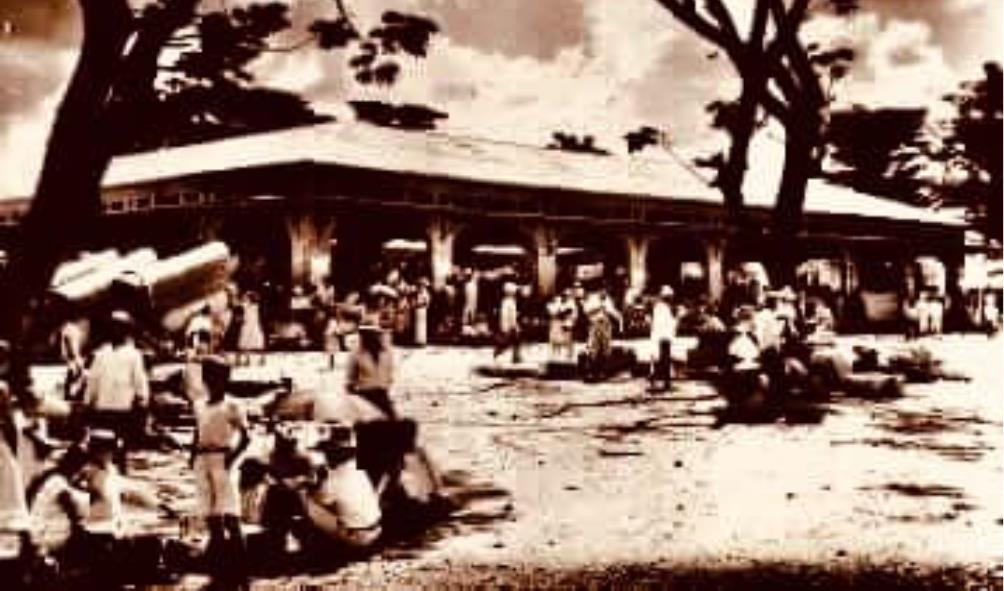
You’d notice their unique traditions, oral histories, and spiritual beliefs, reflecting a deep connection to nature. As you explore Lingayen’s past, you’ll appreciate the resilience and ingenuity of its people, who laid the foundation for the town’s future.
This era showcases a rich tapestry of life, illustrating the significance of Lingayen long before outside influences arrived.
Spanish Colonization and Its Impact
As the Spanish arrived in the Philippines in the 16th century, they profoundly transformed Lingayen and its surroundings. You’d notice the introduction of Christianity, which reshaped local beliefs and practices.
The Spanish established churches, which became central to community life, fostering a new cultural identity. You’d also see the development of infrastructure, as they built roads and ports that connected Lingayen to other regions.
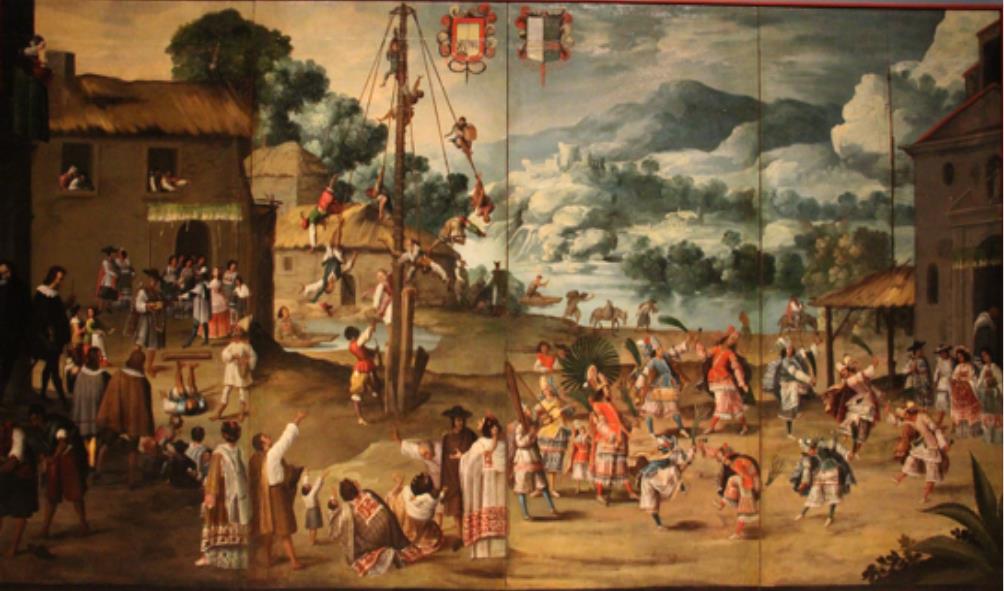
This connectivity boosted trade and enabled the flow of goods and ideas. Moreover, the Spanish implemented a new governance system, replacing indigenous leadership structures.
While this brought about order, it often disregarded local customs. The legacy of Spanish colonization remains evident today in Lingayen’s culture, architecture, and religious practices, influencing the local identity you see now.
The American Period: Changes and Developments
When the American colonial administration took control of the Philippines in the early 20th century, it ushered in significant changes for Lingayen and its people.
You’d notice improvements in infrastructure, with roads and bridges being built to connect communities. The introduction of the public education system transformed local literacy rates, allowing children access to modern schooling.
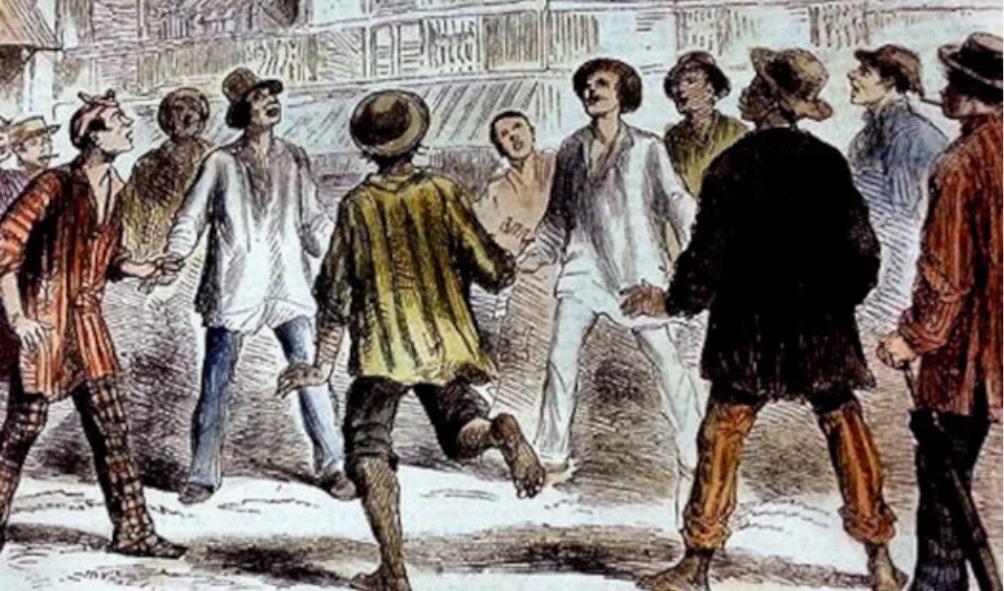
You’d also see the growth of industries, such as fishing and agriculture, driven by new techniques and technologies. American influence brought new cultural aspects, including sports and entertainment, enriching local traditions.
However, challenges arose, as some residents resisted foreign rule, grappling with their identity. Overall, the American period marked a pivotal time of transformation, shaping Lingayen’s future in profound ways.
Lingayen During World War II
Lingayen faced significant turmoil during World War II, as the Philippines became a battleground between Japanese forces and American troops.
You'd witness the struggle for control, with Japanese occupation bringing fear and hardship to local residents. Many families were displaced, and resources dwindled as the conflict intensified.

The town transformed into a strategic military site, with troops and supplies flooding in and out. Every day life became a challenge, with constant air raids and battles disrupting any semblance of normalcy.
You’d hear the sounds of gunfire and explosions, forever etching the war’s impact into the community’s memory.
Despite the chaos, local resilience shone through, as people banded together to support one another amid the devastation, hoping for liberation and peace.
The Lingayen Gulf Landings
On January 9, 1945, the Lingayen Gulf Landings marked a pivotal moment in the liberation of the Philippines.
As you witness the U.S. forces storming the beaches, you can feel the tension and anticipation in the air. The operation aimed to retake Luzon, crucial for driving out Japanese forces.
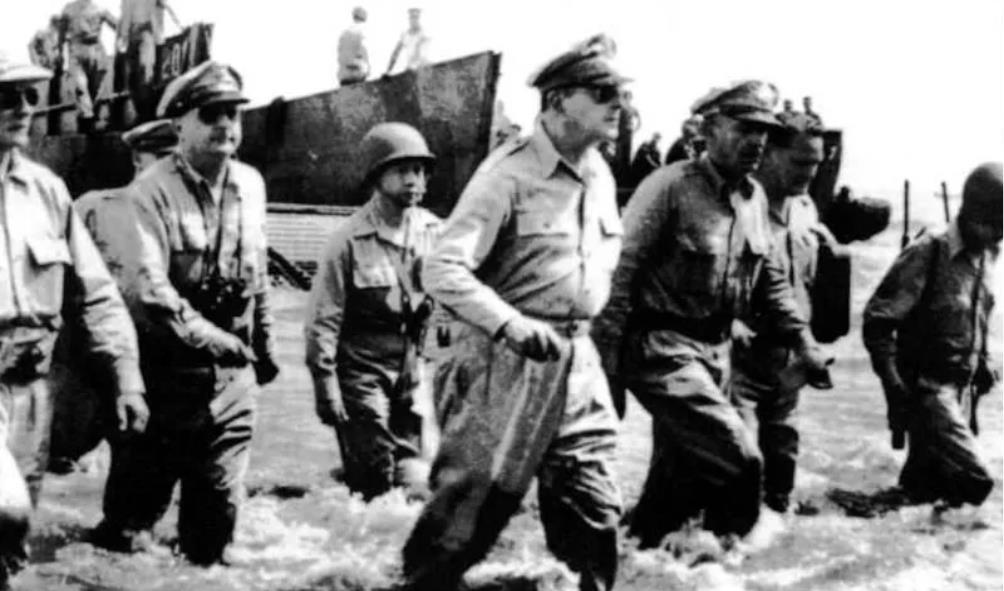
With over 200,000 troops and hundreds of ships, the scale is impressive. You see the air support providing cover while soldiers disembark, facing fierce resistance.
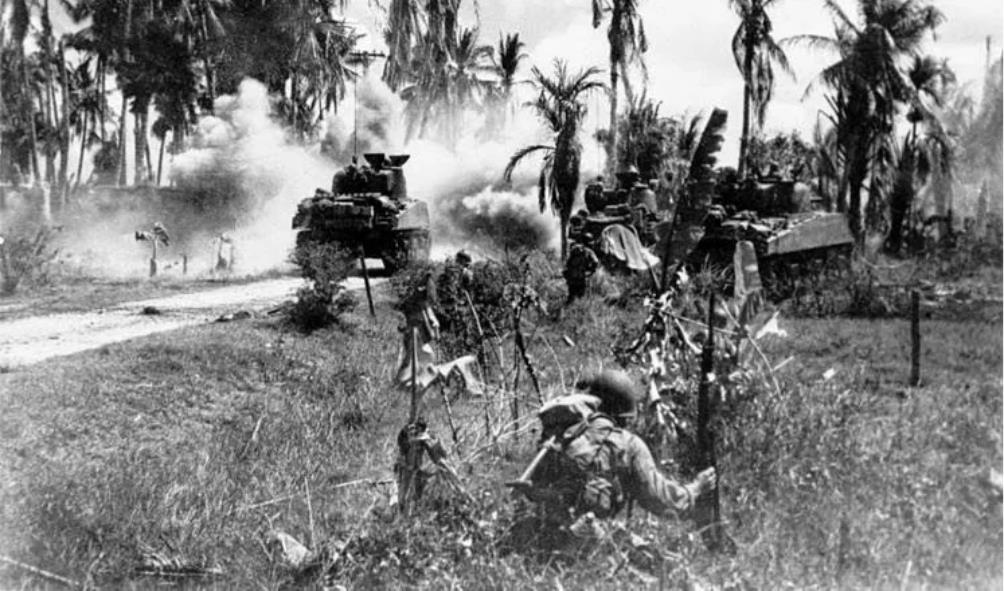
The landings set the stage for the Battle of Luzon, which would become one of the largest engagements in the campaign.
You realize that this moment symbolizes hope and resilience for the Filipino people, as they yearn for freedom from occupation and a return to stability.
Post-War Reconstruction and Growth
Although the devastation of World War II left Lingayen in ruins, the spirit of its people ignited a remarkable transformation in the years that followed.
You'd witness resilience as residents banded together to rebuild their homes and businesses. With support from the government and various organizations, infrastructure like roads and schools began to flourish.
The agricultural sector also saw a revival, as farmers returned to their fields, planting crops that would sustain their families and boost the local economy.
You'd notice new industries emerging, creating jobs and driving growth. As Lingayen embraced modernization, its community spirit remained strong, instilling a sense of pride among its people.
This era of reconstruction laid the groundwork for the vibrant town you see today.
Cultural Heritage and Historical Landmarks
Rich in cultural heritage, Lingayen boasts several historical landmarks that reflect its vibrant past.
You’ll find the iconic Lingayen Gulf, significant for its role during World War II, where crucial battles unfolded.
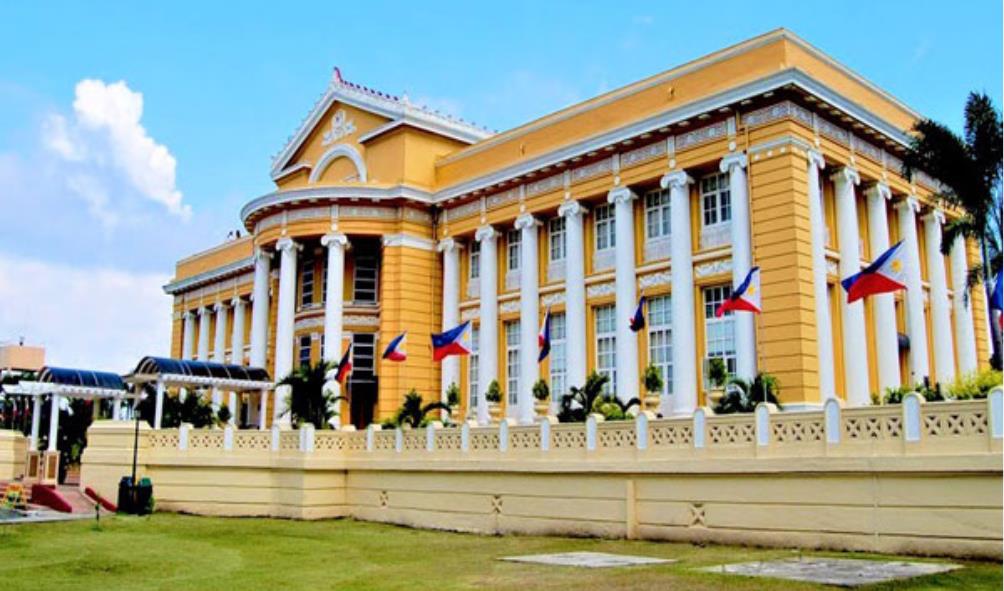
Don't miss the historic Lingayen Capitol, a stunning example of neoclassical architecture that once served as the provincial seat of government.
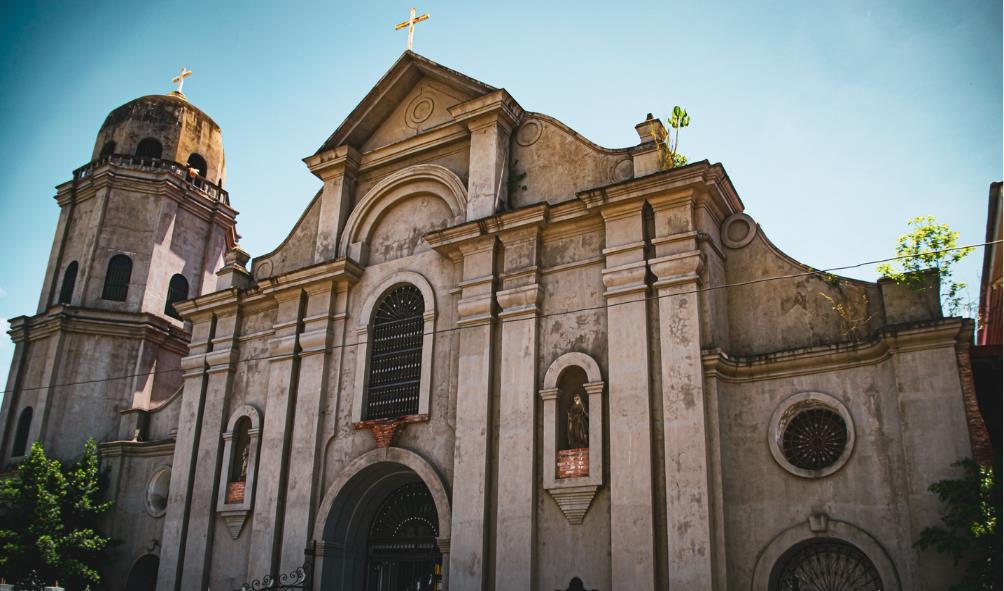
As you explore, take a moment at the old Spanish-era churches, like San Juan Church, which showcases beautiful Baroque design.
The Malacañang of the North, a presidential summer residence, offers a glimpse into the region's political history.
Each site tells a story, showcasing Lingayen's rich tapestry of culture and history that continues to resonate with residents and visitors alike.
Modern Lingayen: A Blend of Tradition and Progress
As you stroll through modern Lingayen, you'll notice how the town beautifully merges its rich traditions with contemporary developments.
The vibrant streets are alive with local markets where you can savor traditional delicacies alongside modern cafes. You’ll see historic structures standing proud amid new establishments, symbolizing resilience and growth.
The annual festivals remain a testament to Lingayen's cultural roots, drawing both locals and tourists alike. You can't miss the picturesque waterfront, where families gather for leisure, blending relaxation with breathtaking views.
Lingayen’s commitment to progress is evident in its infrastructure, making it accessible while retaining its charm.
This unique blend of the old and new creates an atmosphere that celebrates heritage while embracing the future, inviting you to explore its dynamic spirit.
Conclusion
In exploring Lingayen's rich history, you see how its vibrant past shaped the community you know today. From its pre-colonial roots to the scars of war, every chapter tells a story of resilience and growth. As you wander through its streets and appreciate its cultural heritage, you’ll understand the blend of tradition and progress that defines modern Lingayen. Embrace this journey, and let the spirit of its history inspire you as you engage with the local community.
External Links
- The Official Gazette of the Philippines presents official documents and historical records related to Lingayen.
- Rappler discusses Lingayen's role in Philippine history, focusing on significant battles and events.
- The official website of Lingayen offers a dedicated section on its history, emphasizing its cultural and historical importance.
- Wikipilipinas features a thorough article about Lingayen, including its historical milestones and notable figures.
How to Visit Historical Sites in Lingayen
Visiting historical sites in Lingayen is a rewarding experience that provides deeper insights into the region's past. Begin by identifying key locations such as the Lingayen Gulf, the historic provincial capital, and memorials dedicated to significant battles. Plan your visit by checking local tourism websites for information on guided tours, which often include expert commentary. Ensure to allocate time for museums that showcase artifacts and documents related to Lingayen’s history. Engaging with local guides can enhance your experience, as they can share stories and anecdotes that bring the history to life. By immersing yourself in these sites, you will gain a profound appreciation for Lingayen's heritage.
Want to travel with more time and freedom?
The freedom to travel! Discover free & unique homestays around the world, in exchange for caring for adorable pets.
https://escapetomexiconow.com/ths
Recommended Resources:
Adventure is calling — are you ready to answer? Discover new places, new lifestyles, and new possibilities in Mexico, Panama, or the Philippines.
https://escapetomexiconow.com/
https://escapetomexiconow.info/
https://escapetopanamanow.info/
https://escapetothephilippinesnow.com/
YouTube Channel:
Your next adventure starts here! Join us on YouTube for destination tours, insider advice, and everything you need to make your escape unforgettable.
https://www.youtube.com/@EscapeToMexicoNow