
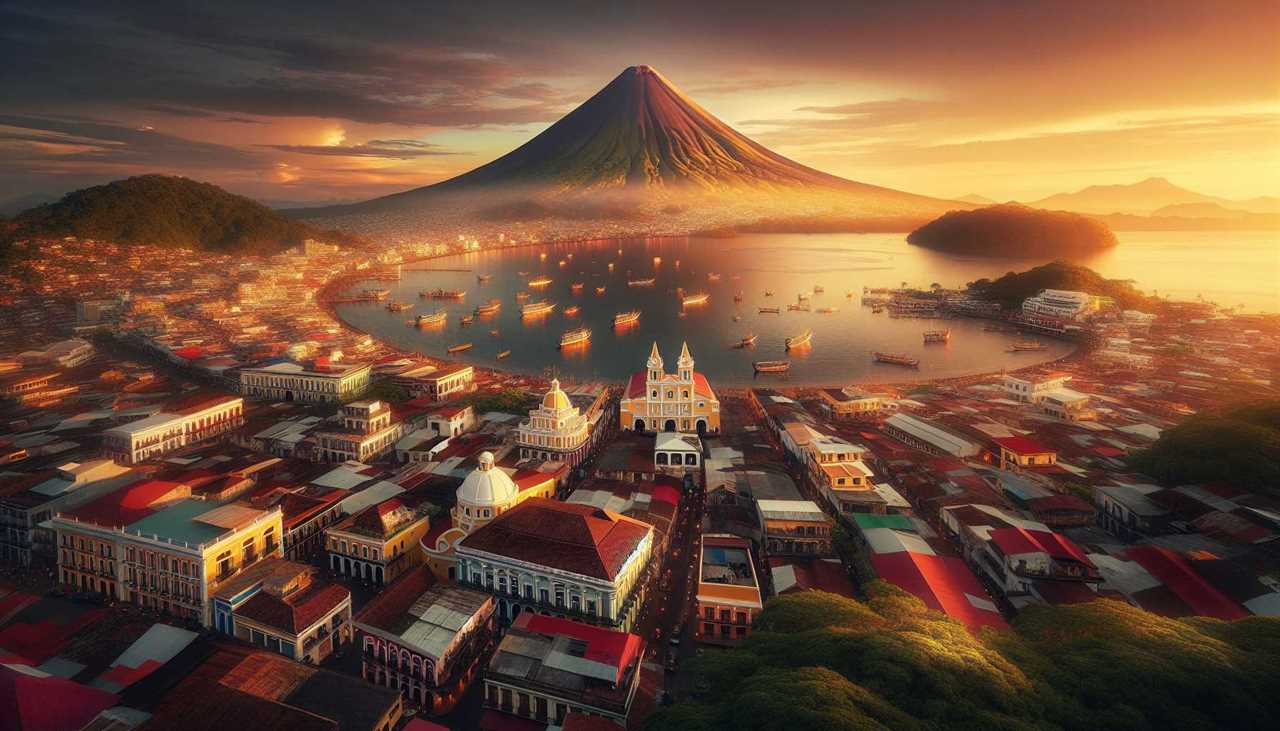
When you think about Legazpi City, it’s hard not to appreciate its layered history. Founded in 1569, it’s a place where indigenous roots intertwine with the legacies of Spanish colonization and American influence. Each period shaped the city’s identity, from its role in the Galleon Trade to its post-war reconstruction. But what really set the stage for Legazpi’s modern transformation? Exploring these pivotal moments reveals much about its resilience and growth.
Pre-Colonial Period and Indigenous Tribes
Before Spanish colonization transformed the landscape of Legazpi City, various indigenous tribes thrived in the region, shaping its rich cultural heritage.
You’d find the Bicolano people, rooted in agriculture and fishing, skillfully managing the abundant resources around them. Their vibrant traditions, oral histories, and rituals played a crucial role in community life.
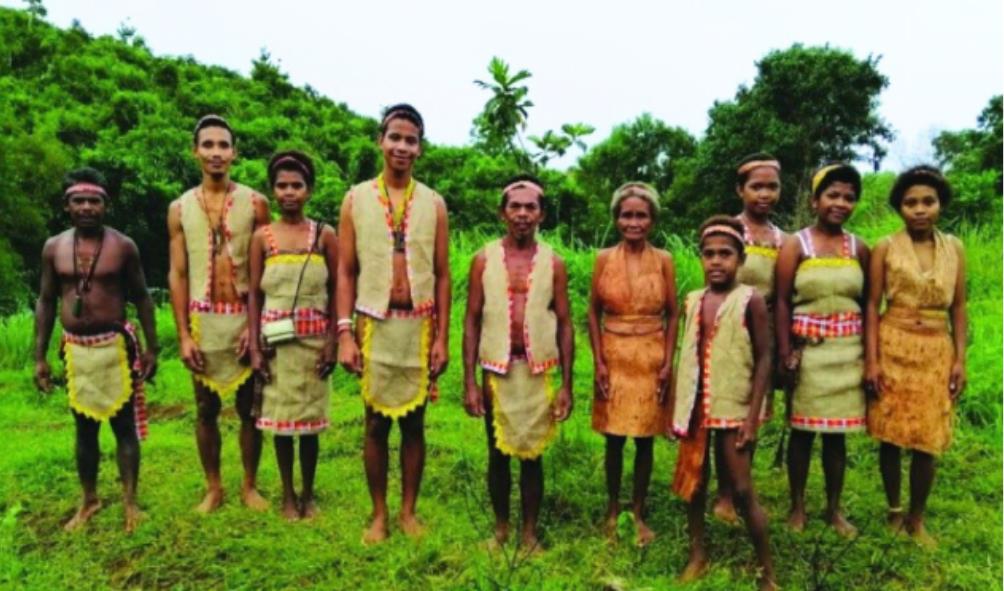
You’d see strong connections to nature, reflected in their respect for the land and sea. Artistic expressions flourished, with weaving and pottery showcasing their craftsmanship.
The tribes engaged in trade with neighboring areas, exchanging goods and ideas. This interconnectedness fostered a unique identity, allowing the indigenous culture to flourish long before outside influences arrived.
Understanding this period gives you insight into the foundations of Legazpi City’s diverse heritage.
Spanish Colonization and the Establishment of Legazpi
As Spanish colonizers arrived in the Philippines in the 16th century, they began to reshape the landscape of Legazpi City, laying the groundwork for its future.
You'd witness the establishment of settlements, as the Spanish sought to convert locals to Christianity and impose their governance. In 1569, Miguel López de Legazpi founded the city, naming it after himself.
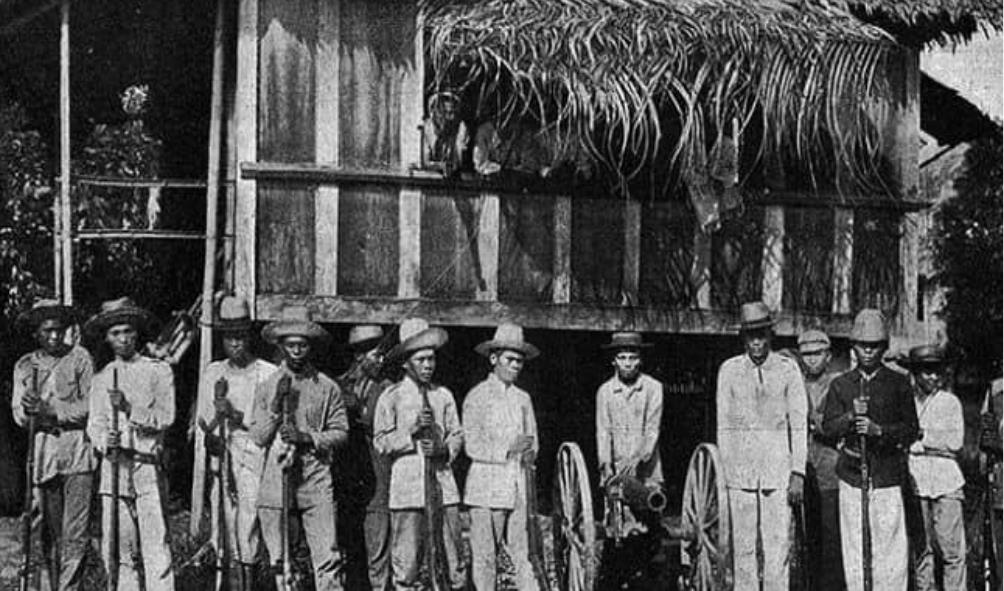
The strategic location along the coast made it an ideal spot for trade and military defense. You'd notice the construction of churches, fortifications, and homes reflecting Spanish architectural styles.
The colonizers introduced new agricultural practices, transforming the local economy. This period marked a significant shift in culture and identity for the people of Legazpi, setting the stage for future developments in the region.
The Role of Legazpi in the Galleon Trade
Legazpi City played a pivotal role in the Galleon Trade, connecting the Philippines to global markets during the Spanish colonial period. You’d find it bustling with activity, as ships loaded with goods from Asia, particularly silk and spices, made their way to Mexico and beyond.
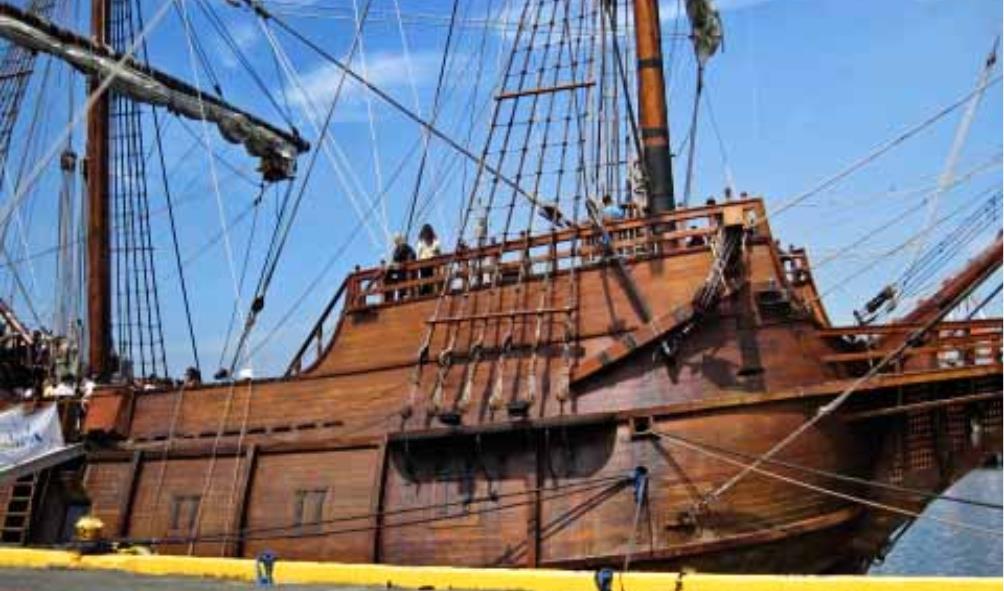
The city served as a strategic port, facilitating not just trade, but cultural exchange as well. With its rich resources, Legazpi attracted merchants and traders, enhancing its economic importance.
You'd witness the convergence of diverse cultures, as local products like abaca and coconut oil were traded for foreign items. This thriving trade network helped establish Legazpi as a key player in the Galleon Trade, significantly influencing its growth and development during that era.
The American Occupation and Its Impact
While the American occupation began in the early 20th century, it brought profound changes to Legazpi City, reshaping its political, economic, and social landscape.
You’d notice the introduction of a new governance system, as the Americans implemented democratic practices and local governance structures. This shift encouraged civic participation and education among residents.
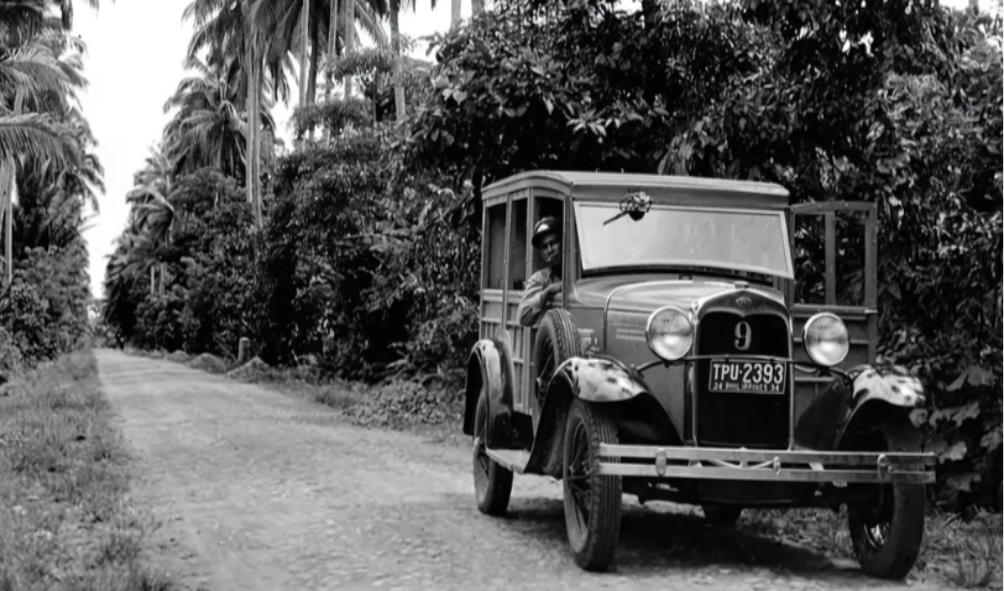
Economically, the focus on infrastructure development, like roads and ports, boosted trade and connectivity, allowing local businesses to thrive.
Socially, American cultural influences emerged, leading to changes in lifestyle, education, and public health. Schools became more accessible, promoting literacy and new ideas.
World War II and the Liberation of Legazpi
When the clouds of World War II loomed over the Philippines, Legazpi City found itself caught in the crossfire of conflict and liberation. The city endured occupation by Japanese forces, which brought hardship and suffering to its residents.
You’d witness the resilience of the people as they adapted to the dire circumstances, maintaining hope amid uncertainty. As Allied forces advanced, you could feel the tension building in the air.
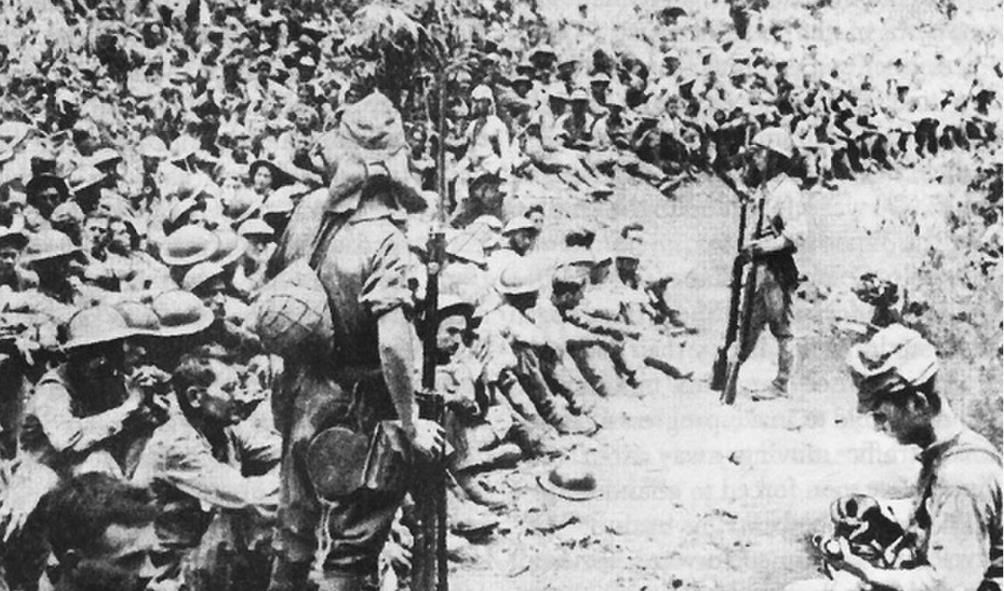
In 1945, the liberation of Legazpi began with fierce battles, as American troops fought to reclaim the city. The streets witnessed both destruction and bravery as locals assisted the soldiers.
Ultimately, the liberation brought a sense of relief, rekindling dreams of a prosperous future, marking a pivotal moment in Legazpi's history.
Post-War Reconstruction and Growth
As the dust settled after World War II, the people of Legazpi City faced the daunting task of rebuilding their lives and community. You witnessed firsthand the resilience of your neighbors as they cleared rubble and repaired homes.
The government initiated various programs to support recovery, while local businesses sprang back to life, revitalizing the economy. Schools reopened, and community centers emerged, fostering a sense of unity.
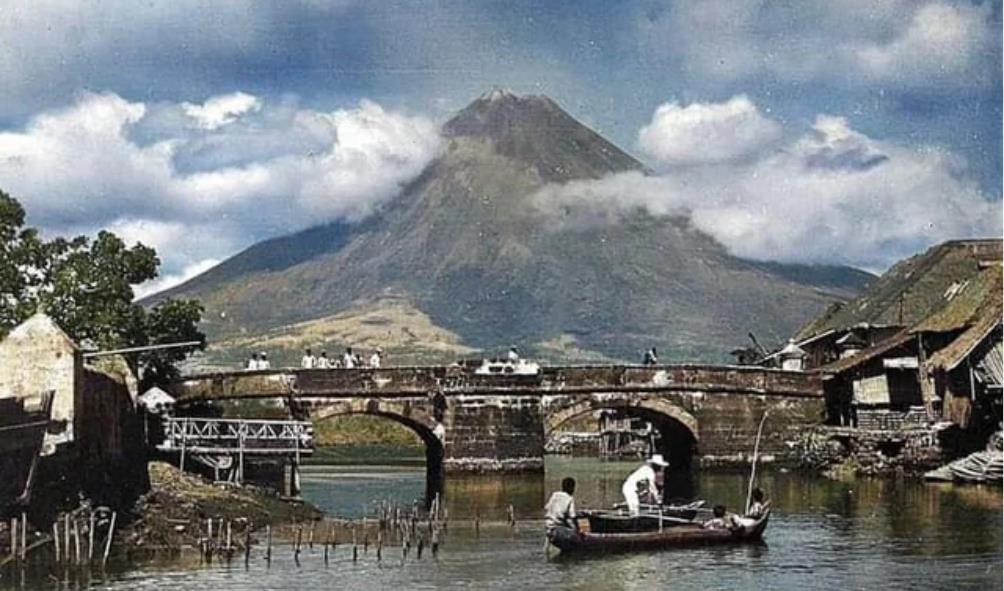
You saw the establishment of new infrastructures, like roads and bridges, enabling better access to resources. As agricultural practices modernized, farmers improved their yields, contributing to the city's growth.
The spirit of cooperation and determination transformed Legazpi into a thriving hub, setting the stage for future developments and a stronger sense of identity.
The Cityhood of Legazpi
Legazpi City officially became a city on August 18, 1948, marking a significant milestone in its journey toward development and modernization. This transformation wasn’t just a change in status; it represented a hope for the residents who longed for progress.
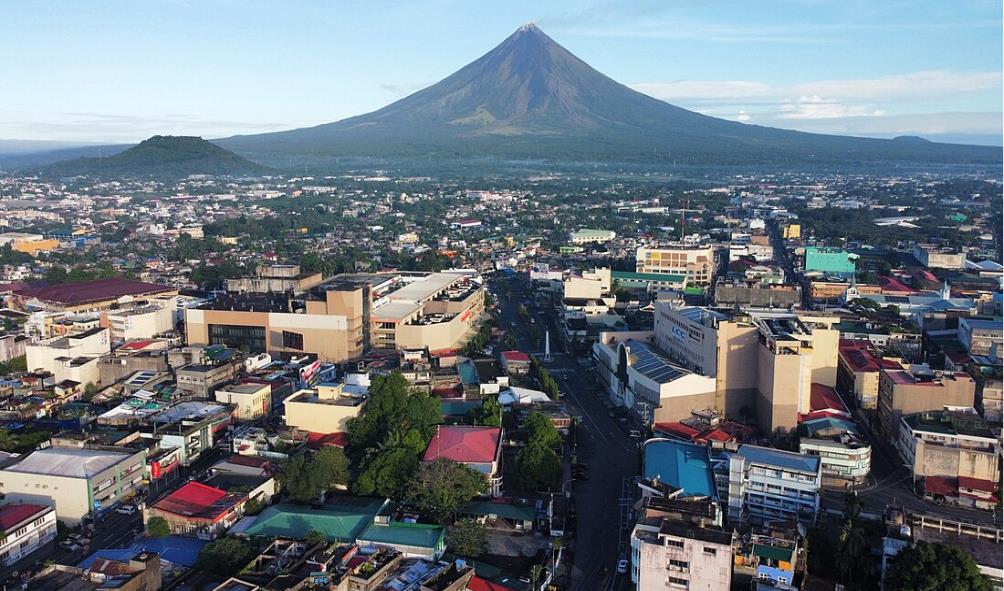
As a city, Legazpi gained more autonomy, allowing local leaders to implement programs that addressed the unique needs of its community. You’d see improvements in infrastructure, education, and public services, paving the way for a brighter future.
The cityhood also fostered a sense of pride among the locals, uniting them in their aspirations. Legazpi's people embraced this new chapter, encouraging participation in local governance and initiatives that would contribute to their shared vision of advancement and prosperity.
Economic Development and Modernization
With the establishment of cityhood, economic development and modernization in Legazpi City accelerated rapidly.
You’ll notice that infrastructure improvements transformed the city’s landscape, enhancing transportation and accessibility. New roads and bridges opened up opportunities for businesses to thrive, making it easier for you to shop and commute.
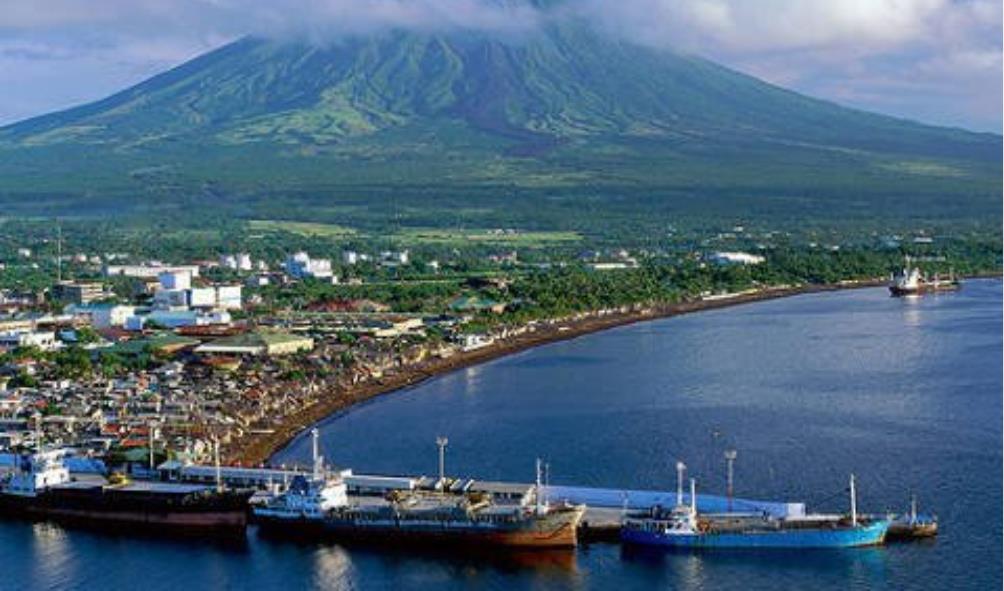
Local government initiatives attracted investments, leading to the growth of various industries, especially tourism and agriculture. You can see how the rise of commercial establishments has created jobs and stimulated the economy.
Additionally, technological advancements have played a crucial role in modernizing services, from banking to public utilities.
As you experience Legazpi City today, you witness a vibrant urban center that balances progress with its rich history, setting the stage for an even brighter future.
Cultural Heritage and Festivals
Amid the rapid economic growth, the rich cultural heritage of Legazpi City continues to thrive, showcasing the unique traditions and vibrant community spirit of its residents.
You’ll find that festivals play a significant role in celebrating this heritage. The Ibalong Festival, held every August, brings the city alive with colorful parades, street dancing, and local delicacies. It honors the legendary hero, Handyong, and highlights the Bicolano culture.
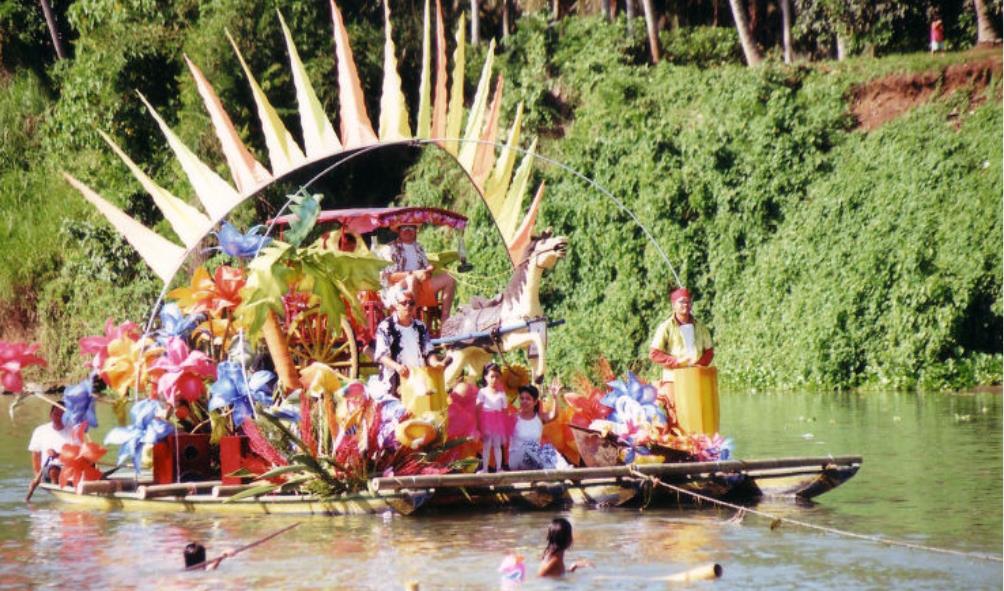
You can also experience the Pagsanjan River Festival, which showcases the city’s natural beauty and cultural diversity. These events foster unity and pride among the locals while inviting visitors to immerse themselves in Legazpi's unique customs.
Through these celebrations, you’ll discover the heart and soul of this remarkable city.
Contemporary Legazpi and Its Future
As the landscape of Legazpi City evolves, you'll notice a blend of modernity and tradition shaping its identity. New infrastructure projects, like the Legazpi City Convention Center, highlight the city’s growth while preserving its cultural essence.
You can explore vibrant markets and local eateries, where age-old recipes meet contemporary dining trends. The rise of educational institutions also signals a commitment to nurturing future generations.
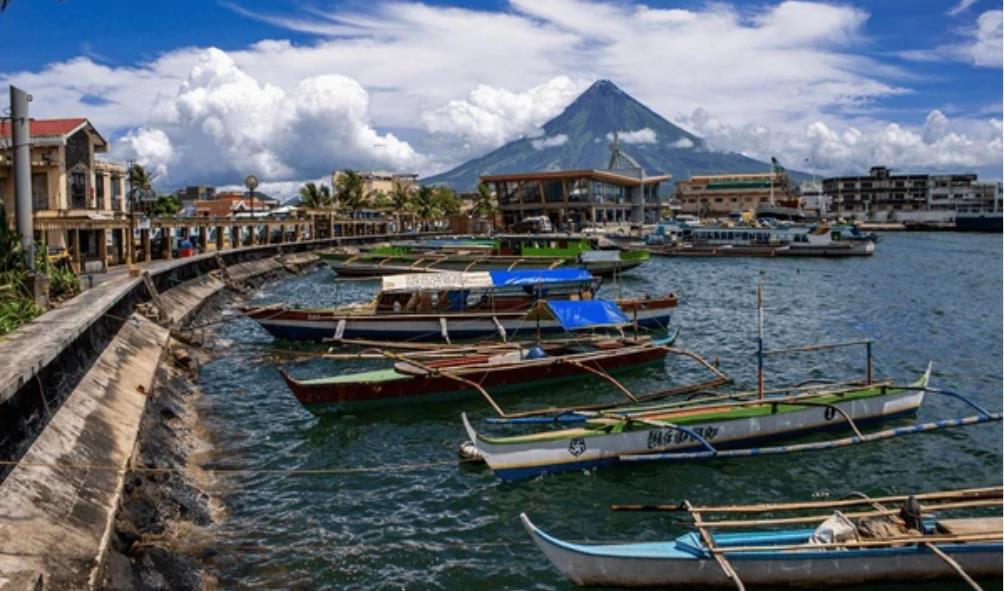
As you witness the city’s transformation, you’ll see a push for sustainable practices, ensuring that nature and urban life coexist harmoniously. Community initiatives foster a spirit of collaboration, inviting residents to contribute to the city’s development.
With its rich history and forward-thinking mindset, Legazpi City is poised for a bright future, and you’re part of that journey.
Conclusion
In summary, Legazpi City’s journey from its indigenous roots to a vibrant urban center showcases its resilience and adaptability. You’ve explored how its rich history, shaped by colonization, trade, and conflict, has laid the foundation for its modern identity. As you look to the future, remember that Legazpi's unique blend of cultural heritage and economic growth continues to thrive, inviting both locals and visitors to celebrate its dynamic legacy.
Statistics
- In 1945, Legazpi City was heavily damaged during World War II, leading to significant reconstruction efforts in the post-war years.
- Legazpi City is home to the Mayon Volcano, which is famous for its perfect cone shape and has been a significant part of the city's identity and history.
- The city was officially chartered on August 18, 1948, transforming it into a city from its previous status as a municipality.
- Legazpi City, known for its rich history, was established in 1569 by Spanish conquistador Miguel López de Legazpi.
External Links
- Official Website of Legazpi City - The official government site offers information about the city's history, culture, and ongoing initiatives.
- Legazpi City Commemorates 75th Anniversary of Liberation - This piece highlights the events surrounding the liberation of Legazpi City during World War II.
- Legazpi City Celebrates 72nd Charter Anniversary - This article discusses the history and significance of Legazpi City's charter anniversary.
- Ibalong Festival in Legazpi City - This article details the Ibalong Festival, which celebrates the culture and history of Legazpi City.
How to Research the Founding of Legazpi City
Researching the founding of Legazpi City requires a systematic approach to gather accurate historical information. Begin by consulting academic articles, books, and documentaries that chronicle the city's establishment by Miguel López de Legazpi in 1569. Utilize online databases and local library resources to access primary sources, such as letters and records from the Spanish colonial period. Engaging with local historians or joining history-focused groups can provide additional insights and interpretations. By piecing together these resources, you can construct a detailed narrative of Legazpi City's founding and its early development.
Plan the perfect group trip, your way.
Get an instant personalized itinerary. We handle logistics, payments, and provide a dedicated itinerary, while local experts fine-tune every detail. Enjoy full freedom—without the stress of organizing it all.
https://escapetomexiconow.com/tourhero
Recommended Resources:
Dreaming of a fresh start abroad? Explore our curated destination guides to learn how you can make the move with ease.
https://escapetomexiconow.com/
https://escapetomexiconow.info/
https://escapetopanamanow.info/
https://escapetothephilippinesnow.com/
YouTube Channel:
See Mexico like never before! From local culture to travel hacks, our YouTube channel brings the adventure straight to you.
https://www.youtube.com/@EscapeToMexicoNow