When you think about Laoag City, you might picture its beautiful landscapes and vibrant culture. But the city's history runs deep, shaped by indigenous tribes and later, Spanish colonizers. Each era brought significant changes, from trade and agriculture to the impact of American governance. As you explore these transformative moments, you'll uncover how resilience defined Laoag during challenging times. What stories lie beneath the surface of this city's rich past?
Early Settlement and Indigenous Peoples
Although Laoag City's history is rich and complex, it all began with early settlements inhabited by indigenous peoples.
These communities thrived along the banks of the Laoag River, relying on fishing and agriculture for sustenance. You'd find various tribes, each with distinct cultures and traditions, coexisting in this vibrant landscape.
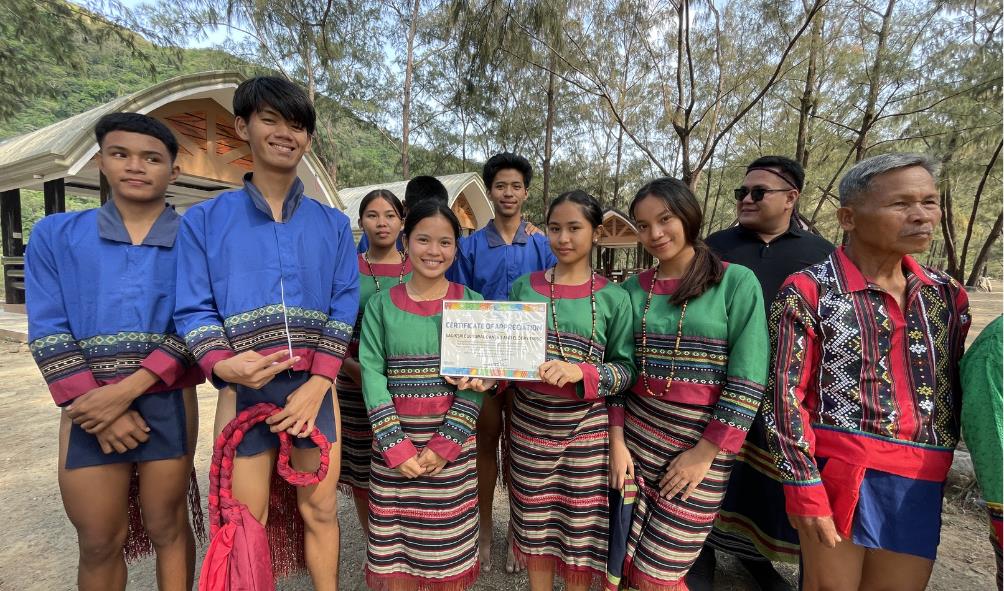
They crafted tools from local materials and built homes that reflected their connection to the land. Social structures emerged, fostering unity and cooperation among the tribes.
Oral traditions passed down stories, preserving their unique heritage. As you explore Laoag City today, remember these indigenous roots and the resilience of its early inhabitants, who laid the foundation for the rich tapestry of history that would follow.
Spanish Colonization and Missionary Efforts
As Spanish explorers arrived in the late 16th century, they profoundly impacted the development of Laoag City and its surrounding areas.
You'd see how their presence led to the establishment of new settlements and the introduction of Christianity. Spanish missionaries worked tirelessly to convert the local population, building churches and schools to spread their faith and education.
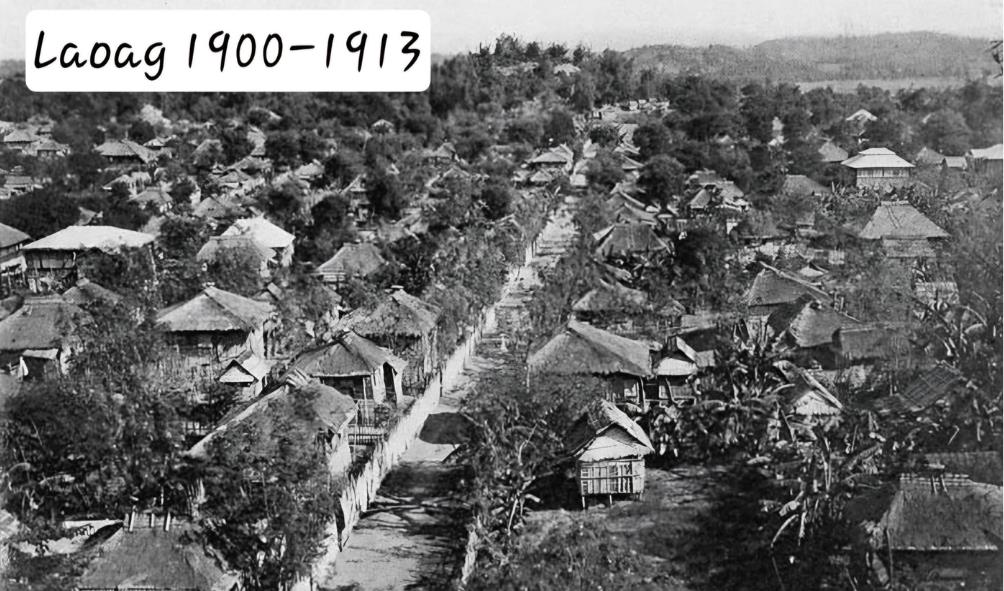
They played a crucial role in shaping the cultural landscape, blending indigenous traditions with European influences. You’d witness the creation of a new identity for the people, as they adopted Spanish customs and language.
However, this colonization also brought challenges, such as the imposition of foreign governance and changes to local traditions, setting the stage for a complex history that would unfold in the years to come.
The Growth of Trade and Agriculture
While the Spanish colonization laid the groundwork for many changes, the growth of trade and agriculture in Laoag City became pivotal in shaping its economy and community.
As you explore the region, you'll notice how farmers cultivate rice, corn, and tobacco, providing essential resources for local markets. This agricultural boom spurred trade connections, allowing merchants to exchange goods with neighboring areas.
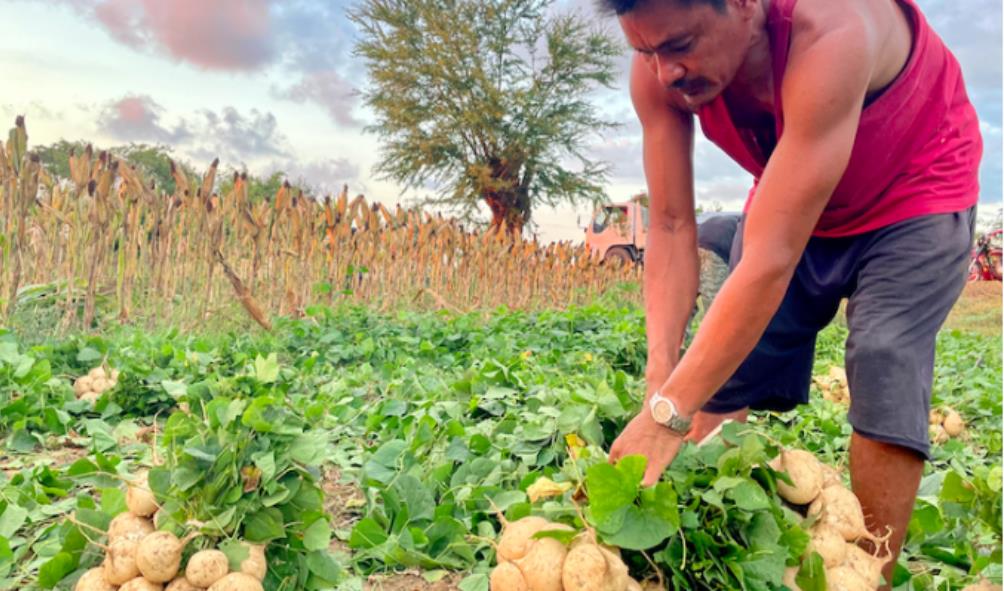
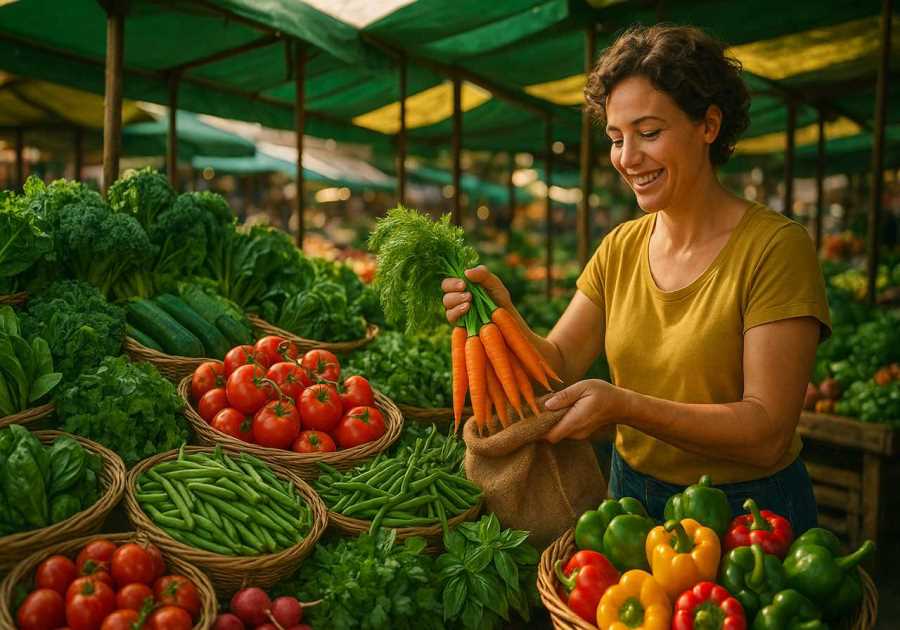
You might see bustling markets filled with fresh produce and crafted items, reflecting the community's vibrant spirit. Additionally, the establishment of trade routes enhanced accessibility, inviting more commerce.
This period marked a transformation, as the people of Laoag City embraced entrepreneurship, fostering a sense of resilience and innovation that would set the foundation for future developments.
The American Occupation and Its Impact
The American occupation significantly influenced Laoag City, transforming its political landscape and social dynamics.
You'd notice the introduction of new governance structures, which aimed to promote democracy and education. The establishment of public schools increased literacy rates, providing opportunities for many locals. As a result, you could see a shift in social mobility; more residents pursued higher education and professional careers.
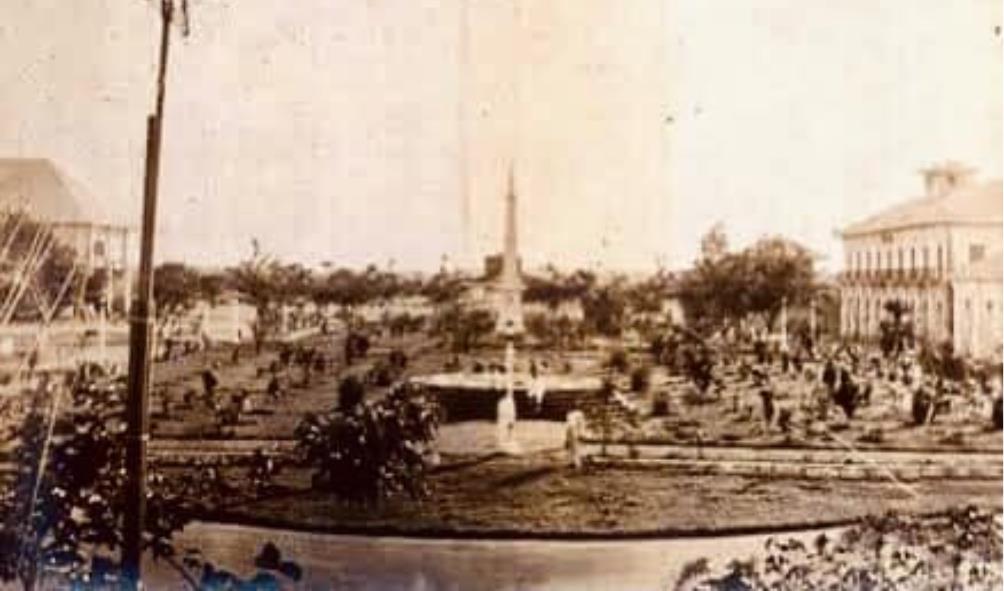
The Americans also developed infrastructure, improving roads and communication systems. These advancements fostered economic growth, boosting trade and attracting investments.
While some welcomed these changes, others felt a loss of traditional culture. Overall, the American presence left a lasting impact on Laoag City, setting the stage for its future development and modernization.
World War II and Japanese Occupation
During World War II, when the Japanese forces occupied Laoag City, the local population faced significant hardships and challenges.
Food shortages became common as resources dwindled, leaving families to struggle for basic necessities. You’d witness the harsh realities of life under occupation, including curfews, forced labor, and the constant threat of violence.
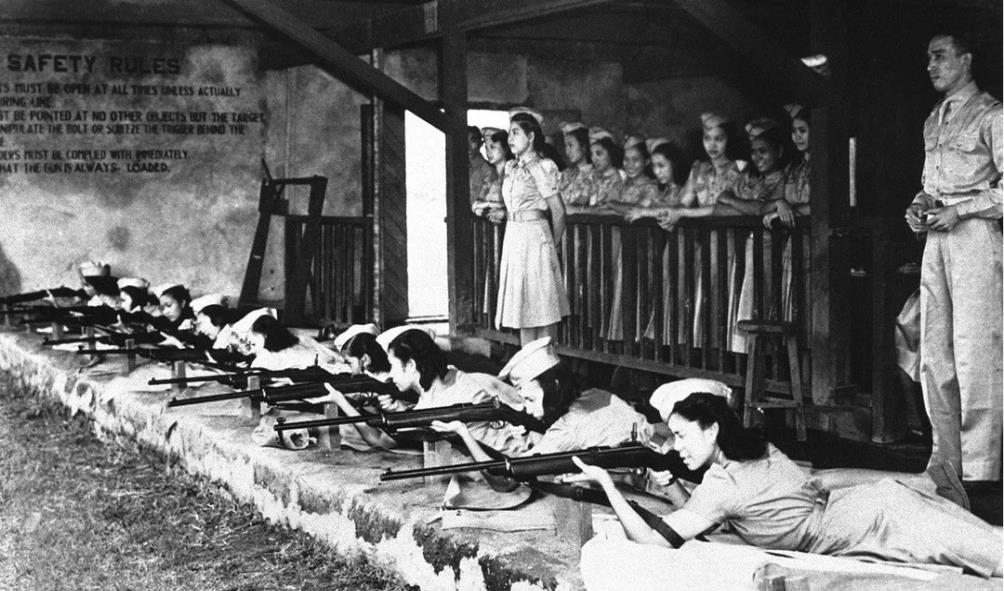
Many locals were forced to adapt, hiding in the mountains or joining resistance groups to fight back. The Japanese military imposed strict control over daily life, impacting education and commerce.
As you navigated this turbulent period, you’d see the resilience of the people, who banded together to support one another amid despair.
The scars of this occupation would linger long after the war ended, shaping Laoag's future.
Post-War Recovery and Urban Development
With the end of World War II, Laoag City began its arduous journey toward recovery and urban development.
You’d notice how the city slowly rebuilt itself, focusing on infrastructure and vital services. Roads were repaired, and public utilities were restored, making life more accessible for residents.
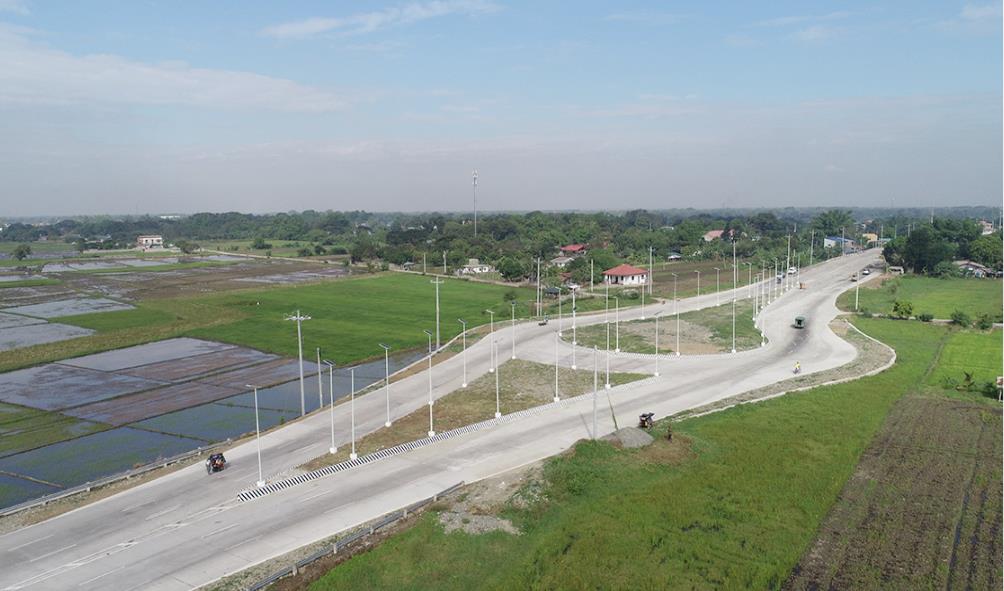
As you wander through the city, you'll see how local leaders prioritized economic development, encouraging businesses to set up shop and create jobs. Markets buzzed with activity, reflecting a resilient spirit.
Schools reopened, emphasizing education as a foundation for progress. By the late 20th century, Laoag flourished, showcasing a blend of modernity while honoring its rich heritage.
This period laid the groundwork for the vibrant, thriving community you see today.
Preservation of Culture and Historical Landmarks
Laoag City boasts numerous historical landmarks that reflect its rich cultural heritage. You’ll find the iconic Sinking Bell Tower, a symbol of resilience, standing tall despite its unique sinking phenomenon.
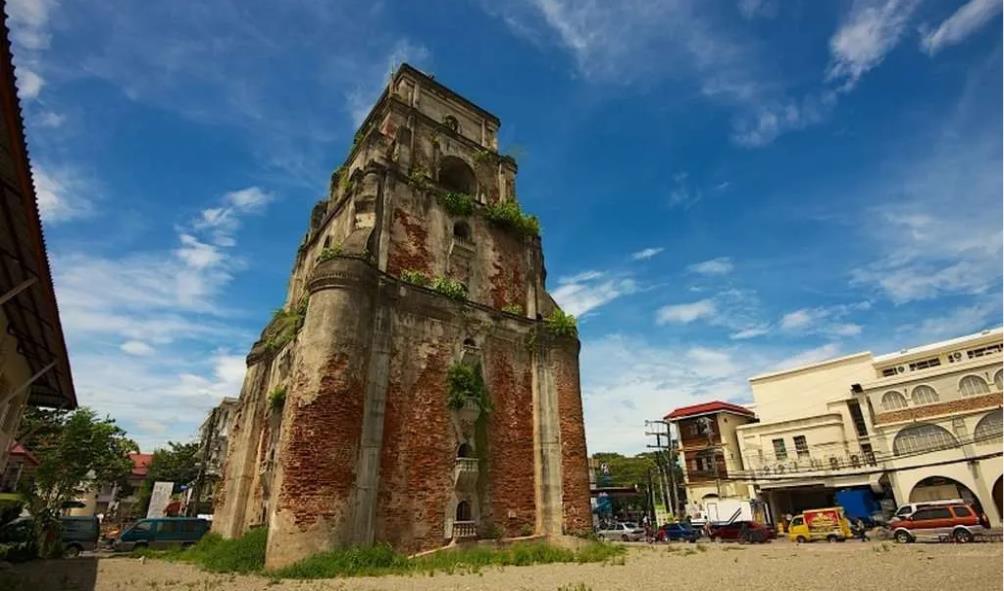
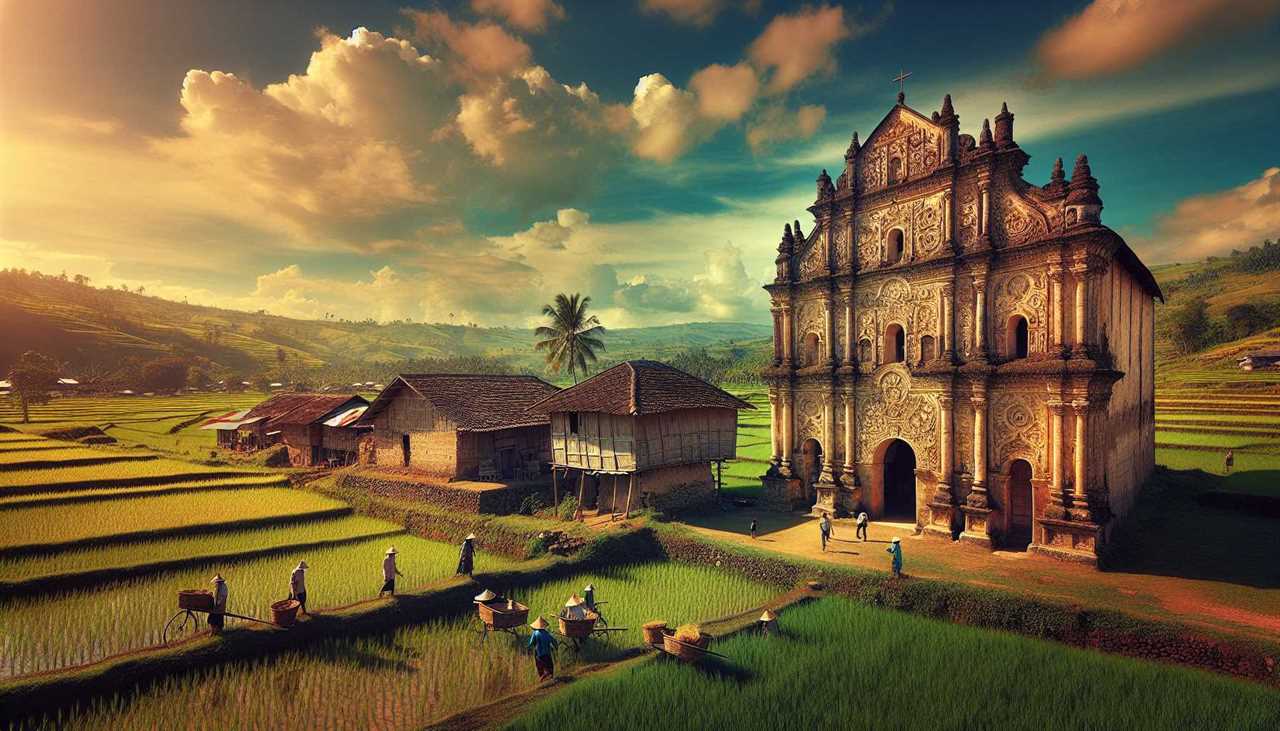
St. William's Cathedral showcases stunning architecture, inviting you to explore its serene interiors. As you walk through the streets, you can appreciate the preserved colonial-era houses, which tell stories of the past.
Local initiatives focus on maintaining these sites, ensuring future generations can experience their significance. Participating in cultural festivals further enriches your understanding of Laoag's traditions.
Conclusion
In conclusion, Laoag City's history is a vibrant mix of cultures and events that shaped its identity. You’ve seen how early settlers laid the foundation, how Spanish colonization introduced new beliefs, and how the American period brought modernization. World War II tested the city's spirit, yet it emerged resilient and ready for growth. Today, as you explore its rich heritage and historical landmarks, you can appreciate the journey that makes Laoag City truly unique.
Statistics
- Laoag has a diverse cultural heritage, influenced by the Ilocano people, Spanish colonization, and various indigenous traditions.
- The city serves as the capital of the province of Ilocos Norte and is strategically located near the northern tip of Luzon Island.
- Laoag City, officially known as the City of Laoag, was founded in 1580, making it one of the oldest cities in the Philippines.
- The city is home to the Sinking Bell Tower, a historical landmark that is said to have sunk about a meter into the ground since its construction in the 18th century.
External Links
- Philippine Country - Laoag City - An informative resource about Laoag's history, attractions, and cultural significance in the Philippines.
- Biyaherong Barako - Laoag City History and Culture - A blog post that discusses the historical background and cultural aspects of Laoag City.
- Philippine History - Laoag City - An overview of Laoag's historical significance and its role in the broader context of Philippine history.
- Ilmo Tourism - Laoag City - This site highlights Laoag's tourist spots and historical sites, providing insights into its rich heritage.
How to Visit Historical Landmarks in Laoag City
Visiting historical landmarks in Laoag City is a rewarding experience. Begin your journey at the Sinking Bell Tower, a unique structure that has become a symbol of the city. Next, head to St. William Cathedral, known for its stunning architecture and historical significance. Don't miss the Malacañang of the North, a former presidential summer residence that offers insights into the region's past. Plan your visit around local festivals to experience the city's culture and history in a lively atmosphere. Make sure to check opening hours and any entry requirements ahead of your visit.
Want to travel with more time and freedom?
The freedom to travel! Discover free & unique homestays around the world, in exchange for caring for adorable pets.
https://escapetomexiconow.com/ths
Recommended Resources:
Your next chapter could start anywhere. From the vibrant streets of Mexico to the laid-back beauty of the Philippines, explore destinations where you can truly live your dream.
https://escapetomexiconow.com/
https://escapetomexiconow.info/
https://escapetopanamanow.info/
https://escapetothephilippinesnow.com/
YouTube Channel:
Want a closer look at life in Mexico? Subscribe to our YouTube channel for insider tips, travel guides, and inspiring stories that make planning your escape easier and more exciting.
https://www.youtube.com/@EscapeToMexicoNow